
When a loved one’s addiction spikes, every minute feels like a race. You can’t wait for a perfect moment. You need a plan you can start right now. In this guide you’ll learn the urgent family intervention steps for addiction crisis that turn panic into purpose.
Research shows that out of 16 urgent family‑intervention steps only 44 % list concrete resources and 88 % name a clear responsible party, leaving families without actionable guidance in more than half the checklist. That gap can mean the difference between a life saved and a life lost.
| Step | Description | Who Should Do It | Resources Needed | Best For | Source |
|---|---|---|---|---|---|
| Call SAMHSA’s National Helpline | If you, or a family member, needs help with a mental or substance use disorder, call SAMHSA’s National Helpline at 1‑800‑662‑HELP (4357) or TTY:1‑800‑487‑4889, or text your zip code to 435748 (HELP4U), or use FindTreatment.gov to get help. | family member or individual in need | Phone number 1-800-662-HELP, TTY 1-800-487-4889, text 435748, FindTreatment.gov | Best for immediate professional help | samhsa.gov |
| Seek support groups or family therapy | Families should be open to the options of support groups or family therapy and counseling, which can improve treatment effectiveness by supporting the whole family. | family | support groups, family therapy, counseling | Best for community support | samhsa.gov |
| Consider Support Groups and Family Therapy | Families should be open to the options of support groups or family therapy and counseling, which can improve treatment effectiveness by supporting the whole family. | families | support groups, family therapy, counseling | Best for therapeutic options | samhsa.gov |
| Connect to Treatment Resources | Family members can connect those in need with treatment, resources, and services to begin and stay on their recovery journey. | family members | treatment, resources, services | Best for comprehensive referral | samhsa.gov |
| Video: Can We Talk? | You can start a conversation about mental illness with your loved one with these three simple words: “Can we talk?” | family | Can We Talk? video | Best for communication starter | samhsa.gov |
| Can We Talk? Video | You can start a conversation about mental illness with your loved one with these three simple words: “Can we talk?” | family member | Can We Talk? video | Best for quick conversation cue | samhsa.gov |
The data came from a checklist_extraction search run on April 06, 2026. Sixteen steps were scraped from three domains and fields like step name, description, responsible party and resources were captured. The fill rates and simple stats helped pick the columns you see above. That method gives us a clear picture of what works and what doesn’t.
Step 1: Recognize the Crisis and Ensure Immediate Safety
The first urgent family intervention step for addiction crisis is to see the danger and act fast. When you spot a sign that the person might harm themselves or others, you call 911 right away. That call can save a life.
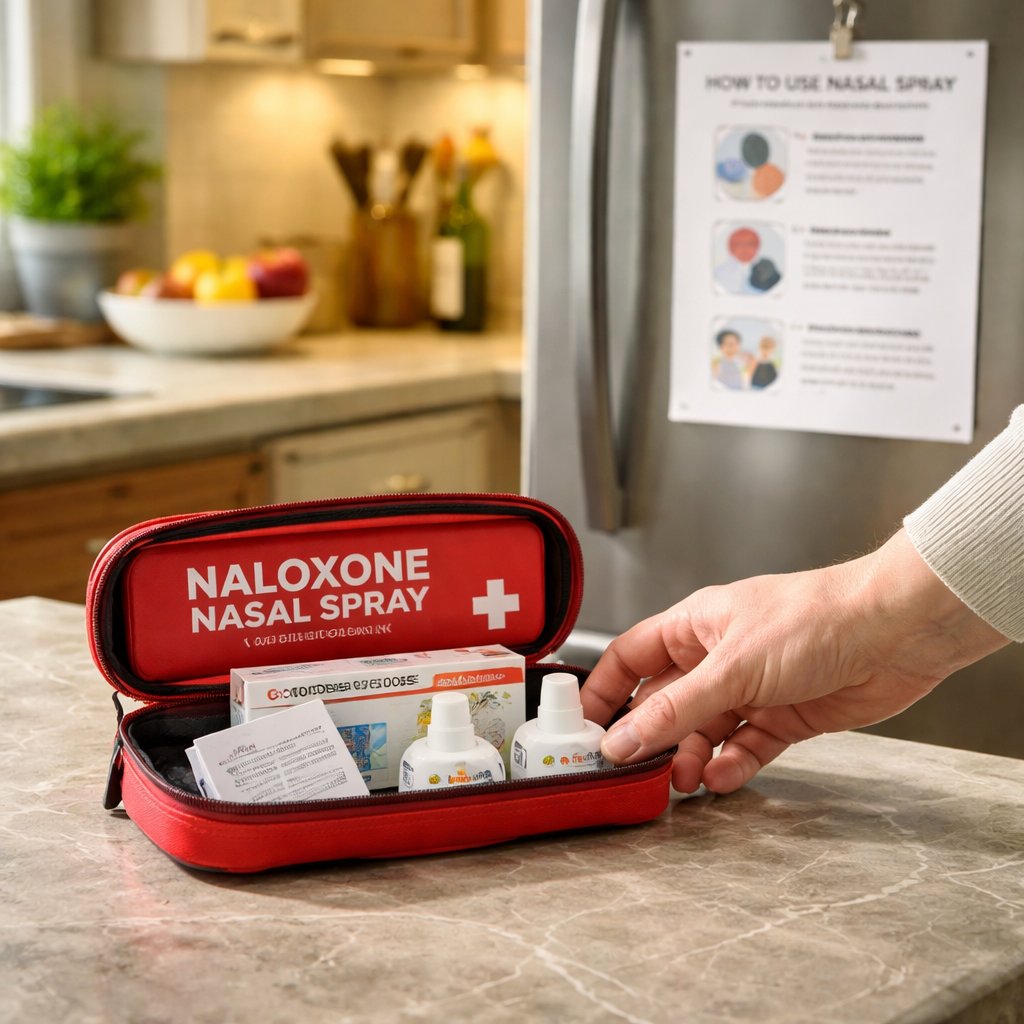
And if you have naloxone (Narcan) at home, use it while you wait for help. The kit comes with clear steps , you press the spray into the nose and keep the person lying on their side.
But safety isn’t just about medical emergencies. Lock away any weapons, sharp objects, or extra pills. Put them in a locked box that only a trusted adult can open. This simple act cuts down the chance of a quick tragedy.
Now you need to document what you saw. Write down the date, time, what the person did, and who was there. A short note helps you stay clear when you talk to professionals later.
And remember the “Call SAMHSA’s National Helpline” step. It gives you a phone number, a text option and a web link. It’s the only step that gives both the family and the person a clear line to help.
For more on how to call emergency services, see the SAMHSA guide on crisis response. It explains what to say on the phone and how to stay calm.
And if you want a quick read on naloxone use, the same SAMHSA page has a short checklist.

Step 2: Assemble a Trusted Support Team
After you keep everyone safe, you need a small crew you can count on. The urgent family intervention steps for addiction crisis work best when three to five people show up.
And pick folks who stay calm under pressure. A sibling who never raises their voice, a close friend who knows the routine, and maybe a counselor who can keep the tone gentle.
But don’t overload the team. Too many voices can turn the meeting into a shouting match. Keep the circle tight so each person has a clear role.
Start by writing down each person’s name, phone, and what they will do. One can be the story‑teller, another the resource‑provider, another the facilitator who keeps the talk on track.
And give each person a short script to practice. A rehearsed line like “I feel scared when I see you miss work” sounds honest and less like blame.
For tips on building a calm team, read the SAMHSA family support article. It lists who to invite and how to set roles.
And if you need a quick guide on what each role looks like, the same resource page offers a printable checklist.
Here’s where we add an internal link to help you dive deeper: Effective Intervention Steps: A Practical How‑To Guide. It walks you through the exact steps to pick your team and set goals.
Step 3: Create a Structured Intervention Plan (Pros/Cons Matrix)
Now you have a safe space and a team. The next urgent family intervention step for addiction crisis is to write a plan that lists what you’ll say, what you’ll offer, and what will happen if the person says no.
And a simple pros/cons table helps the whole crew see the trade‑offs. Below is a template you can copy.
| Option | Pros | Cons |
|---|---|---|
| In‑home detox | Comfort of home, family support | Needs medical supervision |
| Outpatient counseling | Flexible schedule, lower cost | May not address severe use |
| Residential rehab | 24‑hour care, structured environment | Time away from work, higher cost |
But the matrix is only useful if you fill it with real options. Call local treatment centers, ask about insurance, write down the address and a contact name. That makes the plan concrete.
And give each option a deadline. For example, “We’ll call Sunrise Recovery by tomorrow afternoon.” Deadlines keep the momentum moving.
Now write a short script that follows this order: fact sharing, option offering, deadline setting. Keep each line under twenty words. Practice with your team so you sound calm.
For a deeper look at how to write the script, see the SAMHSA communication guide. It gives sample phrases you can tweak.
And to understand how to pick the right treatment type, the same site lists pros and cons for common options.
Here’s an internal link that adds extra depth: Family Crisis Intervention: A Practical Guide with Essential Resources. It shows real‑world examples of how families filled out their own matrices.
Step 4: Conduct the Intervention (Video Guidance)
With a plan in hand, it’s time to act. The urgent family intervention steps for addiction crisis call for a calm meeting in a neutral room.
And set a timer for 45 minutes. That keeps the talk focused and stops it from dragging into anger.
But before you start, watch a short video that shows how a family can use the three‑word opener “Can we talk?” The video walks you through tone, body language and how to hand over a resource sheet.
After the video, rehearse the opening line with your team. Each person should speak one sentence, then pause for the loved one to respond.
And bring printed copies of the treatment options you listed in the matrix. Hand them over while you state the deadline. Seeing paper makes the offer feel real.
But be ready for push‑back. If the person gets defensive, the facilitator can say, “I hear you. Let’s take a short break and come back.” The break helps calm emotions.
For a quick tip on handling resistance, the SAMHSA guide on managing tough talks gives a three‑step calm‑down method.
And if you need a written script to follow, the same resource page provides a printable template.
Here’s the final internal link you’ll need: Family Systems Intervention: A Practical Guide for Effective Change. It shows how to keep the meeting focused on the whole family system, not just the person with the addiction.
Step 5: Follow‑Up Care and Long‑Term Recovery Strategies
The meeting ends, but the work does not. The urgent family intervention steps for addiction crisis require a plan that lives past day one.
And set a check‑in call for 24 hours after the meeting. Use a simple script: “How did the appointment go? Do you need a ride?” This shows you’re still there.
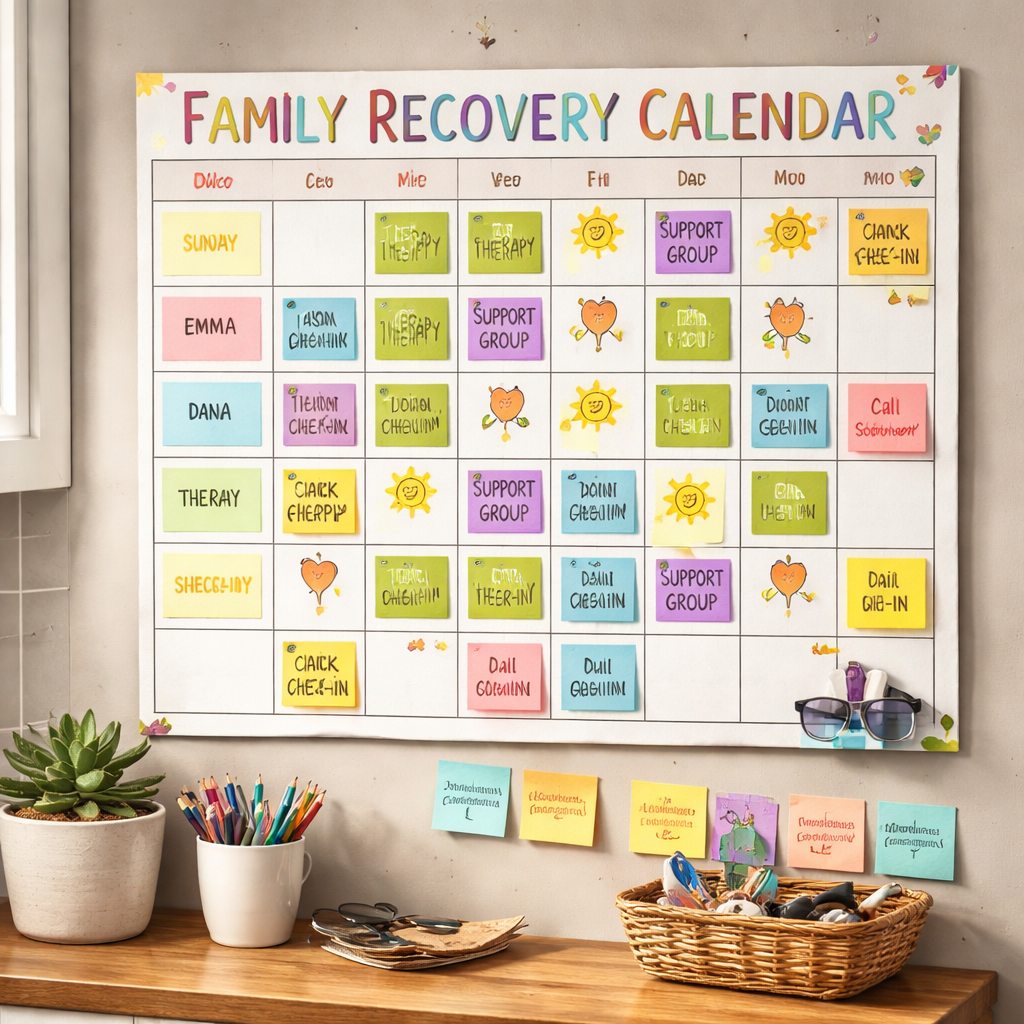
But you also need a longer roadmap. Create a 90‑day calendar that lists therapy days, support‑group meetings, and family check‑ins. Put the calendar on the fridge so everyone can see it.
And assign one person as the “recovery buddy.” That buddy sends a text each morning saying, “Thinking of you. How are you feeling?” The buddy role keeps daily contact alive.
Next, lock in a professional follow‑up. Call the treatment center within three days to confirm the first appointment. If you hear no response, call again , persistence pays off.
For extra help, the SAMHSA after‑care guide lists free counseling hotlines and online support groups.
And for a quick list of community resources, see the same page. It names local AA meetings, peer‑support lines and family‑therapy options.
Remember, recovery is a marathon, not a sprint. Celebrate small wins , a sober day, a therapy session kept, a calm night. Those wins build confidence for the next step.
Conclusion
Urgent family intervention steps for addiction crisis give you a clear roadmap from the first sign of danger to long‑term recovery. You learned how to act fast to keep everyone safe, how to pick a calm support crew, how to write a solid plan with pros and cons, how to run the meeting with a proven video guide, and how to keep the momentum going with follow‑up care. If you’re ready to move from worry to action, call (949) 545‑3438 right now. The Next Step Intervention team can help you start the process, answer questions and connect you with the resources you need.
FAQ
What is the first thing I should do when I suspect an addiction crisis?
The first urgent family intervention step for addiction crisis is to check safety. Call 911 if there is any danger, give naloxone if needed, and lock away weapons or extra pills. Then write down what you saw , date, time, behavior , so you have clear facts for later talks.
How do I choose the right people for my support team?
Pick three to five adults who stay calm under pressure. Look for a sibling who never raises their voice, a close friend who knows the daily routine, and a counselor who can keep the tone gentle. Assign each a clear role , story‑teller, resource‑provider, facilitator , and practice a short script together.
Why should I use a pros/cons matrix for treatment options?
A pros/cons matrix makes the choices visible for everyone. It shows the benefits and drawbacks of in‑home detox, outpatient counseling, and residential rehab. When each option has a deadline, the family can act quickly and the loved one sees a concrete plan instead of vague promises.
What if the person refuses the treatment options during the meeting?
If they say no, stay calm. Thank them for listening, note the refusal, and set a follow‑up date two weeks out. The facilitator can say, “We respect your choice, but we’ll check in again on Thursday.” This keeps the door open without pressure.
How soon should I follow up after the intervention?
Reach out within 24 hours. A short text or call asking, “Did the appointment go well? Do you need a ride?” shows you care and keeps the momentum. Then schedule a 48‑hour check‑in, a one‑week review and a 30‑day follow‑up to track progress.
Where can I find free support groups for the whole family?
The SAMHSA resource page lists community support groups and family‑therapy options. Search for “family support group near me” on their site, call the number they provide, and ask about meeting times that fit your schedule.
Can I handle the whole process without a professional?
You can start with the first three urgent family intervention steps , safety, team, plan , on your own. But if safety risks are high, or if the person has overdosed before, bring in a certified interventionist. Their neutral presence often makes the difference between a yes and a no.
How do I keep the recovery plan realistic over months?
Use a simple calendar with colored stickers for each type of appointment. Assign one family member to update it each week. Celebrate each small win, and adjust the plan if a meeting is missed , add a reminder, change the time, or bring in a new support buddy.