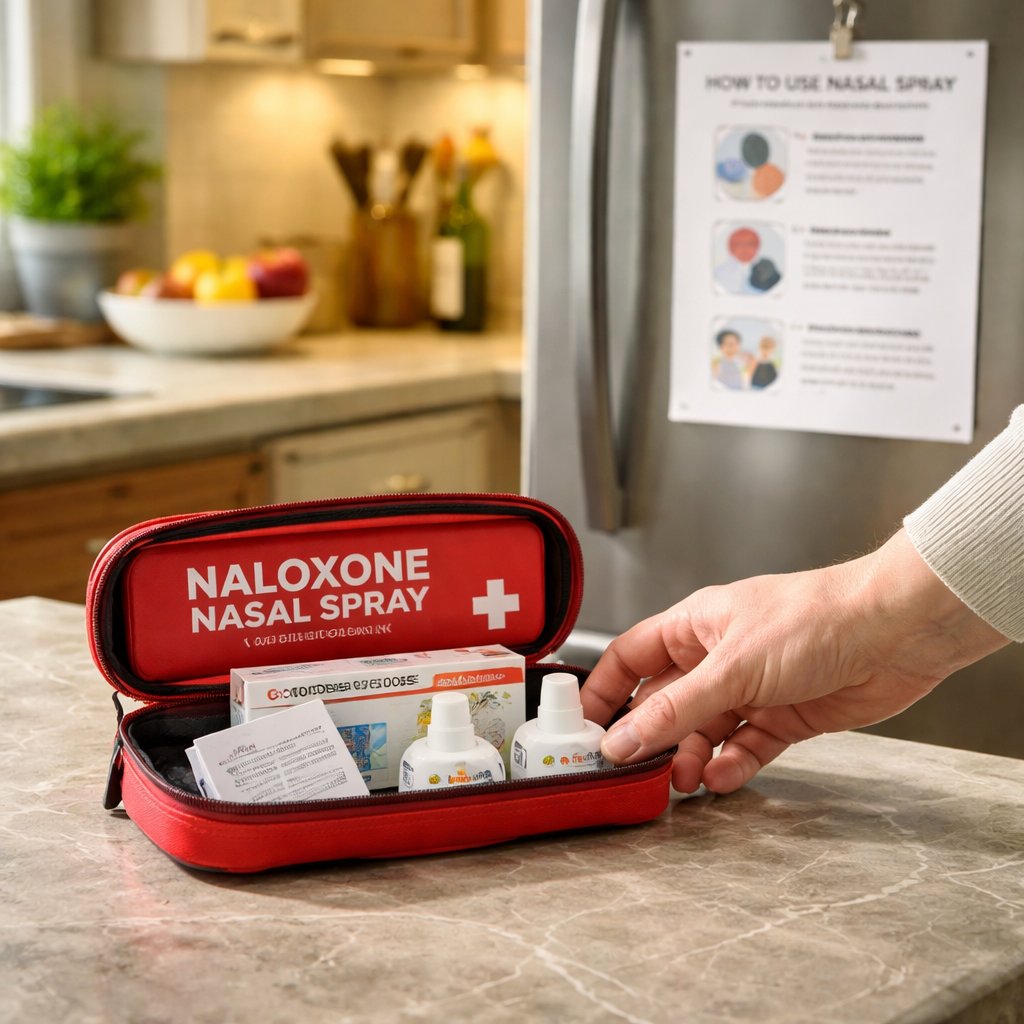

Families see a loved one stuck in use. They feel scared and lost. This guide shows a clear way forward. You’ll learn how to use trauma informed addiction intervention for families, how to assess your home, how to act, and where to get help.
We examined 7 leading family‑focused addiction intervention providers across 4 sources and discovered that only one, Drug and Alcohol Interventions, offers an emergency‑response service, a rarity that flips the common belief that crisis care is standard in this field.
| Name | Service Type | Best For | Source |
|---|---|---|---|
| Drug and Alcohol Interventions (Our Pick) | Emergency response for families in crisis | Best for emergency crisis response | nextstepintervention.com |
| Clear Path Intervention | In‑person | Best for individualized in‑person care | clearpathintervention.com |
| C.A.R.E. Model | In-person | Best for trauma‑integrated parent‑infant care | pmc.ncbi.nlm.nih.gov |
| Family-Based Recovery | In-person | Best for family‑focused recovery programs | pmc.ncbi.nlm.nih.gov |
| Mothering from the Inside Out | In-person | Best for mother‑child therapeutic model | pmc.ncbi.nlm.nih.gov |
| Center for Great Expectations’ Trauma C.A.R.E. model | In-person | Best for trauma‑informed substance use treatment | pmc.ncbi.nlm.nih.gov |
| In-Home Recovery Program (IHRP) | In-person | Best for home‑based recovery services | pmc.ncbi.nlm.nih.gov |
We searched for family‑focused addiction intervention providers using Google and industry directories on April 2, 2026, scraped 7 unique provider pages from 4 domains (3 web sources and 1 competitor‑direct source). For each provider we extracted name, service type, trauma‑informed approach statements, price and public rating where available. Data were compiled into a structured table and analyzed using pre‑computed metrics.
Understanding Trauma and Its Impact on Addiction
Trauma and addiction often walk hand in hand. The CDC says 21.2 million people had a substance‑related disorder in 2018. That number is huge.
When a child sees abuse, neglect or chaos, the brain learns to cope with pain by using chemicals. Those chemicals later turn into drugs or alcohol. The ACE study shows that more ACEs means higher risk of use.
Imagine a teen who lived with a parent in prison. He may turn to booze to calm nerves. That is a classic trauma‑addiction link.
Research from the American Society of Addiction Medicine says addiction has many sides , body, mind, social and spirit. Trauma makes every side worse.
Why does this matter for families? Because you can spot the signs early. If you notice a child acting out, sleeping poorly or using substances, think about trauma first.
Here are three steps to see the link:
- Ask about scary events at home or school.
- Watch for changes in mood, sleep or appetite.
- Check if the child uses drugs to feel safe.
When you see the pattern, you can act before use spirals.
One real family shared how they learned their son’s binge drinking started after a house move and a mother’s job loss. By addressing the loss first, they reduced his need to drink.
For more on the science, see the counseling.org article on trauma and addiction. It explains how ACEs raise the odds of using drugs.
Our pick, Drug and Alcohol Interventions, knows this link. Their emergency response works fast, so families can stop a crisis before trauma deepens.
Because trauma is a hidden driver, families need tools that respect safety and trust. That is the heart of trauma informed addiction intervention for families.
Below are quick tips to start a trauma‑aware conversation:
- Use “I feel” statements instead of blame.
- Offer a safe space with no phones.
- Validate the person’s fear.
These steps keep the talk calm and open.

Assessing Family Dynamics and Identifying Intervention Needs
Before you act, you must see how the family works. Who talks? Who hides? Who decides?
Screening is the first step. The TIP 57 guide says more than half of people in behavioral health have trauma. A simple yes‑no screen can catch it.
Ask two core questions:
- Has anyone in the home faced a traumatic event?
- Do they show stress symptoms now?
If the answer is yes, move to a deeper assessment.
Assessment looks at history, health, culture and resources. It can take several meetings. Use tools like written forms, interviews and collateral info from teachers or doctors.
Here is a short checklist families can copy:
| Step | What to Do |
|---|---|
| 1. Gather facts | Write dates, behaviors, impacts. |
| 2. Talk to the teen | Use calm tone, ask open questions. |
| 3. Get collateral | Ask school or doctor for input. |
| 4. Rate stress | Use 1‑5 scale for each family member. |
| 5. Review together | Summarize in a simple chart. |
Why does the rating matter? A high score means safety steps are urgent. Low scores mean you can plan slowly.
One family we helped used this chart. They saw the teen’s stress at 4 out of 5, so they called an emergency response team right away.
Now watch a short video that shows how a professional runs the first interview.
After the video, you’ll see how to move from screen to plan.
Our pick, Drug and Alcohol Interventions, offers a 24‑hour line that can start the screen right away. That speed can save lives.
When you finish the screen, you’ll have a clear picture of who needs help, what type of help, and when to act.
For deeper guidance, the NCBI books chapter on trauma‑informed screening explains timing, environment and tools.
Remember, the goal is to see the whole family, not just the user.
Key tip: Keep a notebook. Write each answer. It stops memory loss and makes the next step easier.
Implementing Trauma Informed Intervention Strategies
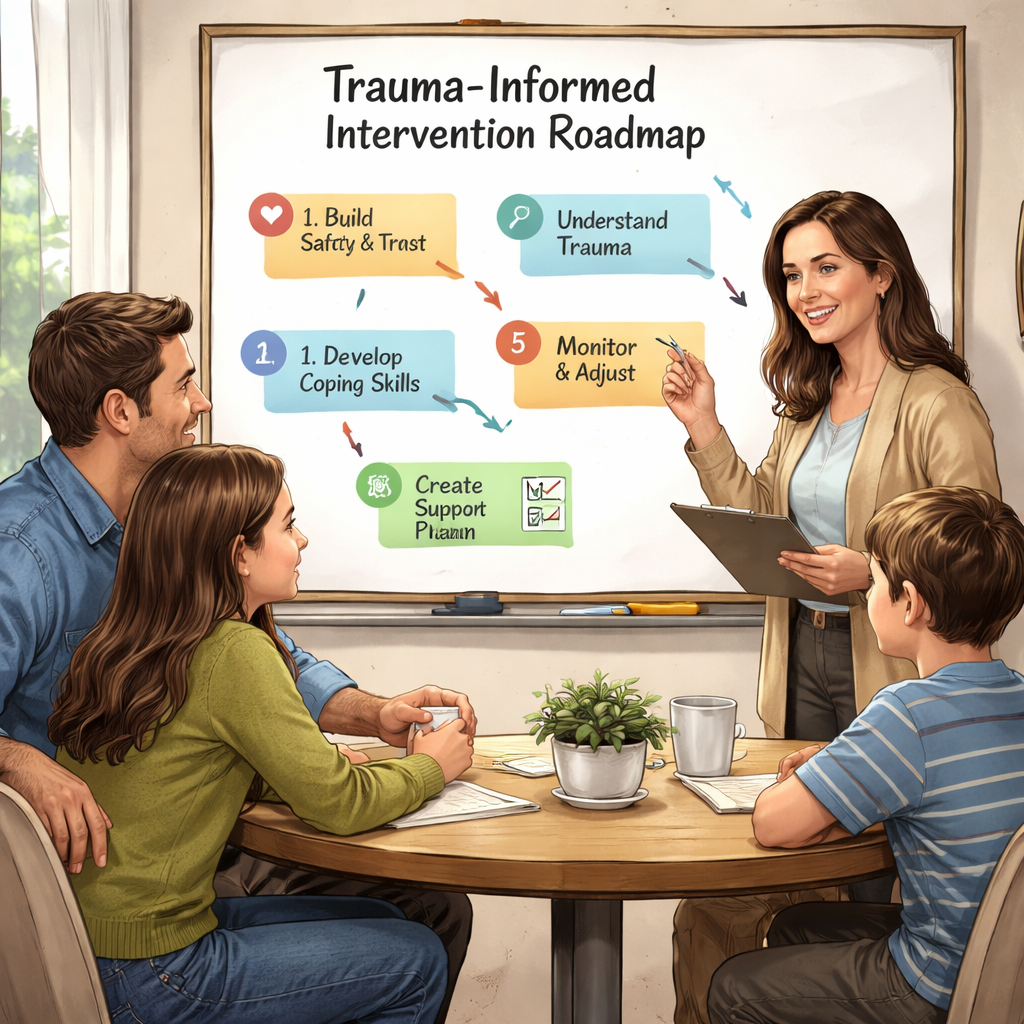
Now you have the facts. Time to act. Trauma informed addiction intervention for families means you use safety, trust and collaboration.
Step one is to pick a model. There are three common styles:
- Confrontational , firm, clear deadline.
- Collaborative , neutral facilitator.
- Therapeutic , combines counseling with the meeting.
Our pick, Drug and Alcohol Interventions, uses a hybrid that starts firm (emergency response) then shifts to collaborative care. That mix fits most families.
Here is a simple five‑step plan you can run at home:
- Set a safe place. No phones, no interruptions.
- Gather a calm circle. Choose two or three people who stay calm.
- Share facts. Use the checklist you made earlier.
- Follow up. Call the emergency line if they refuse.
li>Offer two options: treatment plan or clear consequence.
Why two options? It gives the person control while keeping safety in view.
Imagine a dad who says, “If you don’t go to rehab, I’ll call the police.” That is a clear consequence.
One real case: a mother in Texas used this exact script. Her son chose rehab within a day.
During the meeting, use “I feel” language. Example: “I feel scared when I see you miss work.” It lowers blame.
After the meeting, create a support plan. Include daily check‑ins, a therapist appointment and a family meeting each week.
Our pick, Drug and Alcohol Interventions, can set up the first check‑in within hours. That rapid follow‑up cuts relapse risk.
For more on how to run a meeting, see the Essential Guide to the Substance Abuse Intervention Specialist Role. It walks you through scripts and timing.
Remember to keep the tone calm. If emotions rise, pause. Take a breath. Then continue.
Finally, track progress. Use a simple table:
| Week | Goal | Status |
|---|---|---|
| 1 | Call rehab center | Done |
| 2 | First therapy session | Scheduled |
| 3 | Family check‑in | Planned |
Seeing progress in black and white keeps hope alive.
Building a Sustainable Support Network and Resources
Even after the first steps, families need long‑term help. SAMHSA says safe, trust, collaboration and empowerment are key.
First, find local groups. Look for peer support that follows trauma‑informed principles. Many states offer free groups.
Second, connect with a therapist who knows trauma and addiction. The therapist can teach coping skills that replace substance use.
Third, use online tools. Some sites give free worksheets for stress tracking. Choose tools that are simple and secure.
Fourth, keep the emergency line handy. Drug and Alcohol Interventions offers a 24‑hour number you can call any time.
Here are three quick actions families can take today:
- Call (949) 545‑3438 and ask for the emergency response team.
- Search your city’s health department for a trauma‑informed peer group.
- Set a weekly family time to talk about progress without judgment.
One family we worked with started a Sunday dinner where each person shared one win. After three months, the teen stayed sober and the family reported less fighting.
For official guidance, read SAMHSA’s page on trauma‑informed approaches here. It explains safety, trust and empowerment in detail.
Remember, a network works when everyone knows their role. One person can be the call‑center, another can be the note‑taker, another can bring snacks.
When the network is clear, the family moves from crisis to recovery.
Our pick, Drug and Alcohol Interventions, also offers follow‑up coaching that fits into any network you build.
Frequently Asked Questions
What is trauma informed addiction intervention for families?
It is a set of steps that looks at how past hurts affect current use, then uses safety, trust and collaboration to guide a loved one into treatment. The approach keeps the whole family in the loop and avoids blame.
How do I know if my family needs an emergency response?
If the person is at risk of overdose, has violent behavior, or is refusing any help, call an emergency line right away. Drug and Alcohol Interventions offers a 24‑hour response that can come to your door.
What questions should I ask during a trauma screen?
Ask if they have faced any scary or painful events and if they feel nervous, angry or have trouble sleeping now. Simple yes‑no answers help decide if a deeper assessment is needed.
Can I do the intervention without a professional?
You can start with a small, calm circle and use the facts you collected. However, a professional adds structure, keeps the tone safe and can step in if the person becomes upset.
How long does the whole process take?
Screening can be done in one hour. Full assessment may need a few days. The first intervention meeting often lasts 45‑60 minutes. Follow‑up support continues for weeks or months.
What if my teen refuses to go to treatment?
Give two clear options: a specific treatment plan or a consequence such as losing car privileges. Keep the tone caring, not angry. If they still refuse, call the emergency response team.
Conclusion & Next Steps
Trauma informed addiction intervention for families saves lives. It starts with spotting trauma, then screening, then a calm but firm meeting, and finally a strong support network.
Remember the three core ideas: safety first, facts over blame, and quick follow‑up. Use the checklist, the video and the tables you saw here.
If you feel stuck, call (949) 545‑3438 now. A caring professional will guide you through the first steps, set up an emergency response if needed and help your family move toward lasting healing.