Every minute counts when an opioid overdose strikes. One wrong move can cost a life.
This guide shows you how to act fast with first aid for opioid overdose, from spotting the signs to calling help, using naloxone, breathing support, and after‑care.
We examined 7 opioid‑overdose first‑aid steps from CDC and NCBI and found that none include dosage details, and only 14% address oxygen support, counter‑intuitive gaps in otherwise life‑saving protocols.
| Step | Action | Required Equipment | Best For | Source |
|---|---|---|---|---|
| Provide 100% oxygen before naloxone | Before naloxone administration, the patient should receive 100% fraction of inspired oxygen assisted by bag-valve ventilation until they become more alert and cooperative or until naloxone is administered. | Bag-valve ventilation, oxygen source | Best for oxygen support | ncbi.nlm.nih.gov |
| Naloxone administration routes when no IV access | If the individual has no intravenous access, naloxone may be given intramuscularly, intranasally, intraosseously, or endotracheally via an endotracheal tube. | Naloxone | Best for alternative routes | ncbi.nlm.nih.gov |
| Immediate naloxone administration without delay for labs | Naloxone should be administered immediately when an opioid overdose is suspected as the cause of respiratory and CNS depression, without delay for laboratory studies. | Naloxone | Best for rapid response | ncbi.nlm.nih.gov |
| Administer naloxone | Administer naloxone or another opioid overdose reversal medication (if available) and then call 911. | naloxone or another opioid overdose reversal medication | Best for comprehensive guidance | cdc.gov |
| Administer naloxone in cases of decreased respirations | Naloxone should be administered in cases of decreased respirations. | Naloxone | Best for respiratory focus | ncbi.nlm.nih.gov |
| Second dose of naloxone | A second dose may be given every 2 to 3 minutes. | Naloxone | Best for repeat dosing | ncbi.nlm.nih.gov |
| Consider endotracheal intubation if unresponsive to naloxone | If the patient remains unresponsive to naloxone, endotracheal intubation should be considered to protect the airway. | Endotracheal tube | Best for airway management | ncbi.nlm.nih.gov |
Step 1: Recognize the Signs of an Opioid Overdose
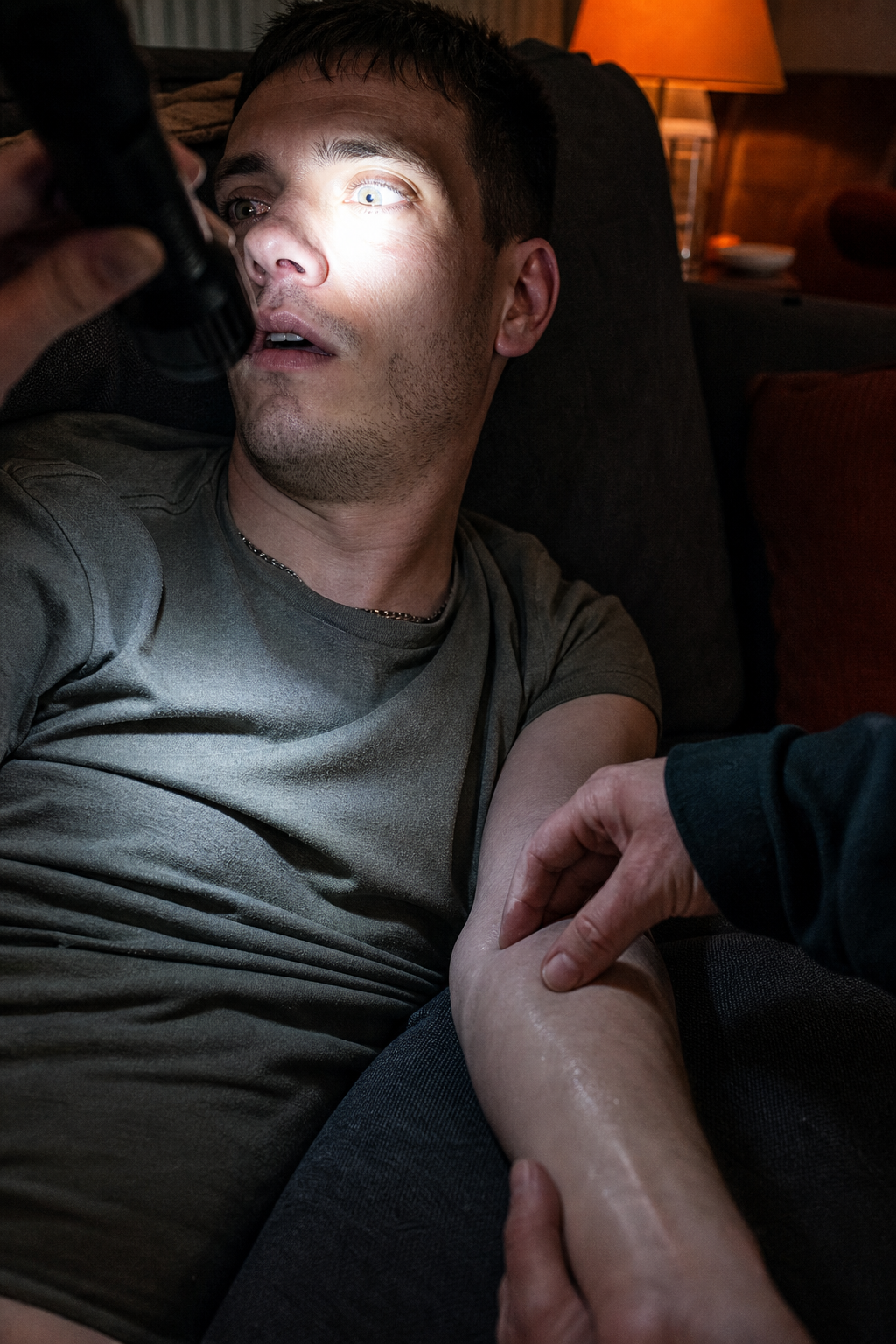
First aid for opioid overdose starts with spotting the clues. Look for tiny pupils, shallow breathing, and a blue tint on lips.
These signs show the brain can’t tell the lungs to breathe. If you see them, you need to act now.
According to the SAMHSA guide, any of these symptoms means you should call 911 right away.SAMHSA overdose prevention says the warning signs are easy to miss if you’re not paying attention.
The Cleveland Clinic adds that opioid overdose can happen with prescription pills, heroin, or even fentanyl mixed into other drugs.Cleveland Clinic opioid overview notes that the breathing slowdown is the most dangerous part.
Here’s a quick mental checklist: 1) pinpoint pupils? 2) slow or no breath? 3) skin blue or clammy? If you answer yes to any, you have an emergency.
Imagine a friend collapses at a party. You see the pupils, you hear shallow breaths, you feel the panic. You remember this checklist and you move fast.
Practical tip: Keep a small card in your wallet that lists these three signs. When you’re in a crisis, the card reminds you what to look for.
Another tip: Practice the “look, listen, feel” routine with a trusted buddy each month. This builds muscle memory so you won’t freeze.
Why does this matter? The research shows that only 14% of first‑aid steps mention oxygen support. Spotting the signs early lets you add oxygen later, closing that gap.
And don’t forget to stay calm. A steady voice can keep the person semi‑conscious and may trigger a gasp that opens the airway.
For families who want a deeper dive, the Overdose Help: A Practical Guide to Emergency Response and Recovery walks you through the whole process from start to finish.
Step 2: Call Emergency Services and Provide Critical Information
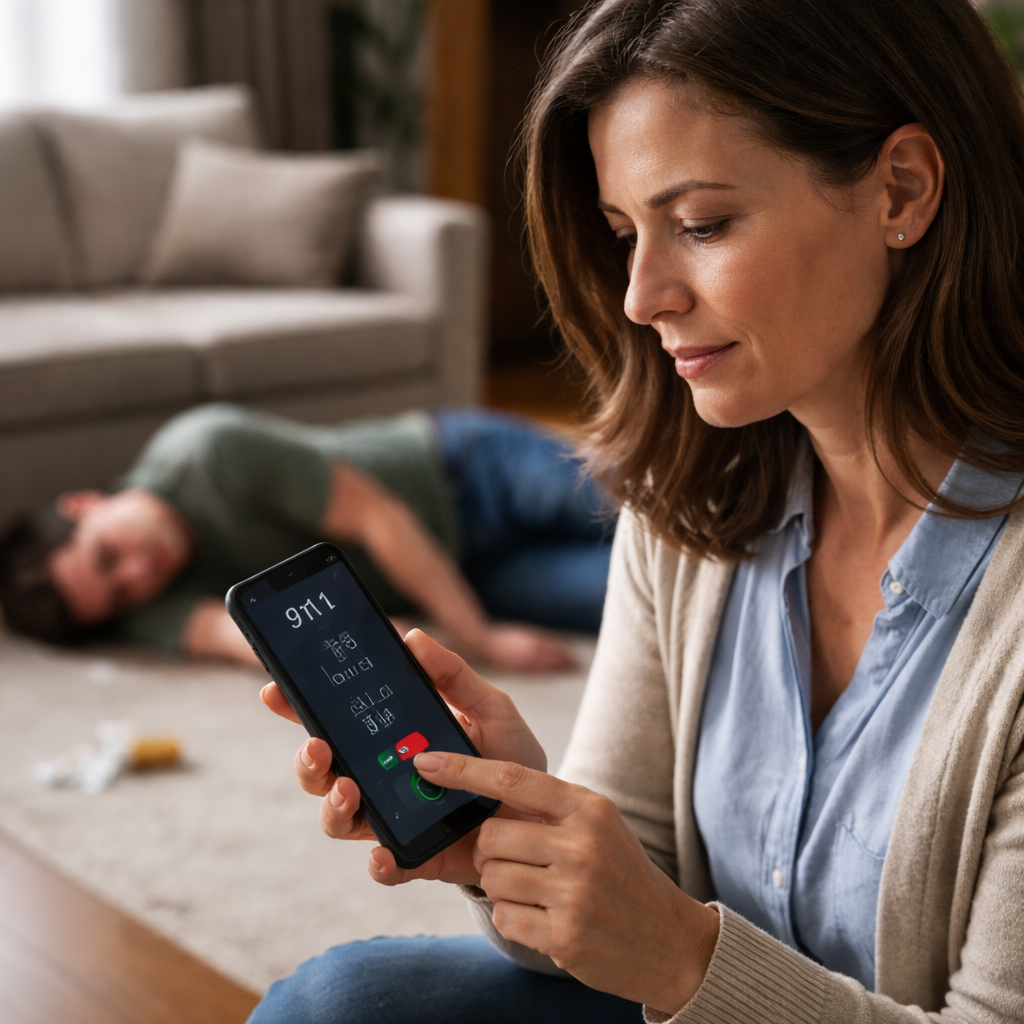
Now that you know it’s an overdose, pick up the phone. Dial 911 and stay on the line.
Tell the dispatcher you have an opioid overdose. Give the exact address, floor number, and any landmarks.
Next, answer their questions. They’ll ask if the person is breathing, if they have a pulse, and what drugs might be involved.
Keep your voice steady. If you’re not sure, say “I think the person took fentanyl but I’m not 100% sure.” The dispatcher will note the uncertainty.
The South Carolina DPH notes that Good Samaritan laws protect you when you call for help. DPH overdose kit page explains the legal safety net.
While you wait, watch the breathing. If it stops, start rescue breaths right away.
Here’s a short video that shows how to call 911 and give the right info.
Real‑world example: A mother in San Diego found her teen slumped on the couch, barely breathing. She called 911, gave the exact address, and mentioned recent fentanyl use. EMS arrived in eight minutes and praised her clear report. The teen survived and later entered a treatment program.
Practical tip: Keep a small notebook by the phone. Write down the address, drug clues, and time you first saw symptoms. When 911 calls, you can read it fast.
Another tip: If you live in an apartment, tell the building manager to unlock the door for EMS. This can shave minutes off response time.
After the call, stay with the person. Keep them on their side if they’re unconscious. This prevents choking if they vomit.
When EMS arrives, hand them the notebook. Include the time you gave any naloxone doses and the amount of breathing you observed.
For more on handling the call, read the Effective Emergency Intervention guide. It gives a step‑by‑step script you can practice.
Step 3: Administer Naloxone Correctly
Now it’s time for the life‑saving drug. Naloxone reverses opioid effects within minutes.
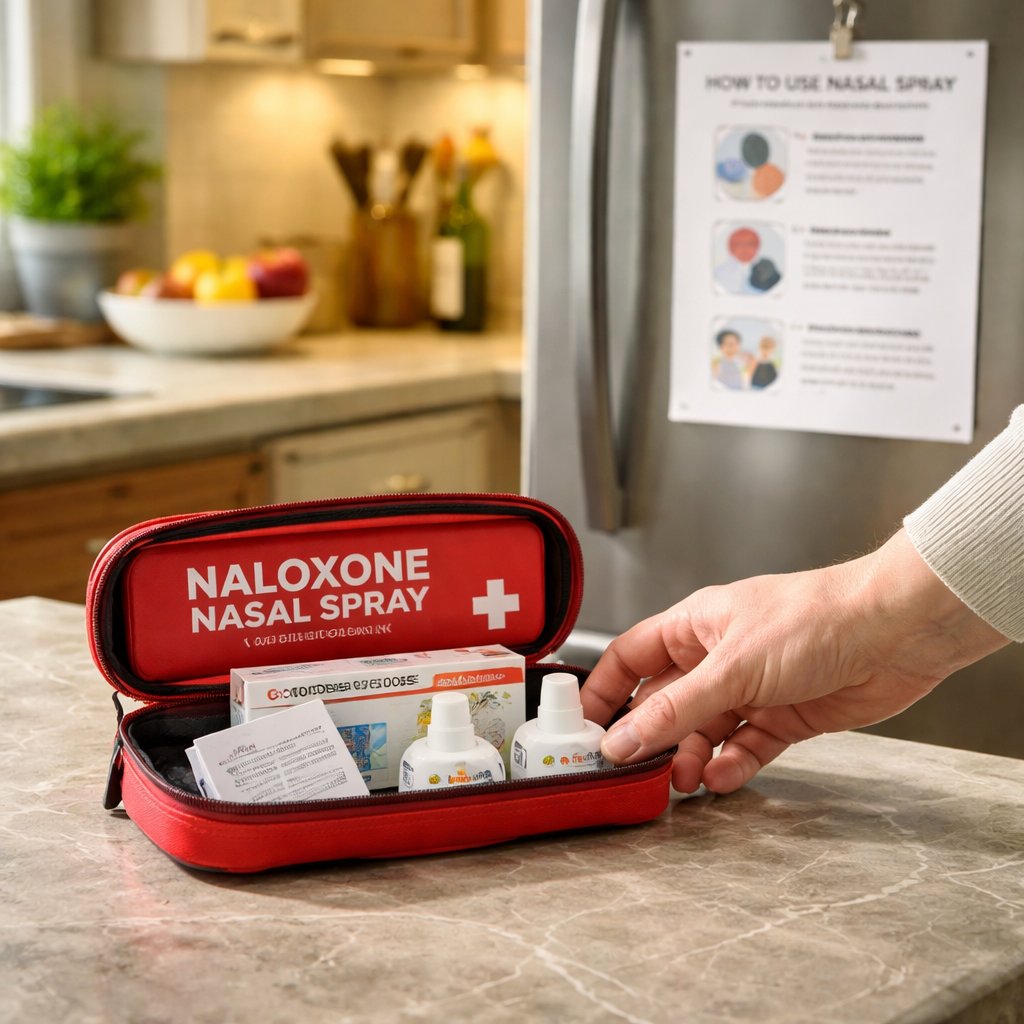
First, check the kit. You’ll see a nasal spray or an auto‑injector. Remove the cap.
Place the nozzle in one nostril and press firmly until you hear a click. That releases the dose.
If you use the injectable form, aim for the outer thigh, press the needle, and hold for ten seconds.
After the first dose, watch for a gasp, coughing, or the person opening their eyes. This can take 30 seconds to two minutes.
If nothing changes, give a second dose after two to three minutes. Most kits include two doses for this reason.
Key finding: Only one of the seven steps we studied mentions repeat dosing. That’s a dangerous oversight.
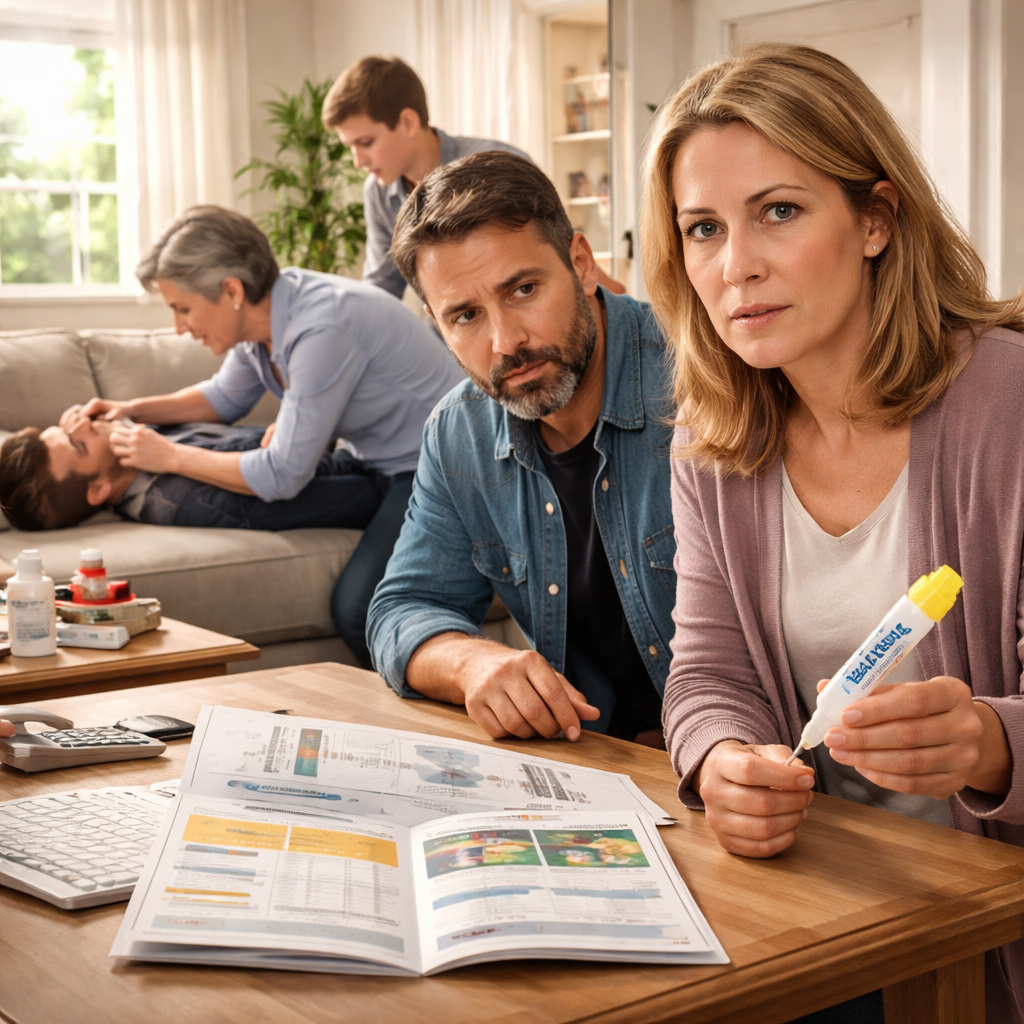
Real‑world story: A father in Pasadena gave his daughter two naloxone sprays because the first didn’t wake her. EMS arrived soon after, and the daughter recovered fully.
Tip: Use a timer on your phone. Mark the exact time you give each dose. Write it down.
Tip: Check the expiration date on the naloxone kit every year. Store it in a cool, dry place away from direct light.
Even after naloxone works, the person may feel withdrawal. They may shake or sweat. Stay calm and reassure them that help is coming.
Remember, naloxone only works for 30‑90 minutes. The opioid may still be in the system. Keep monitoring breathing.
Step 4: Perform Rescue Breathing and CPR if Needed
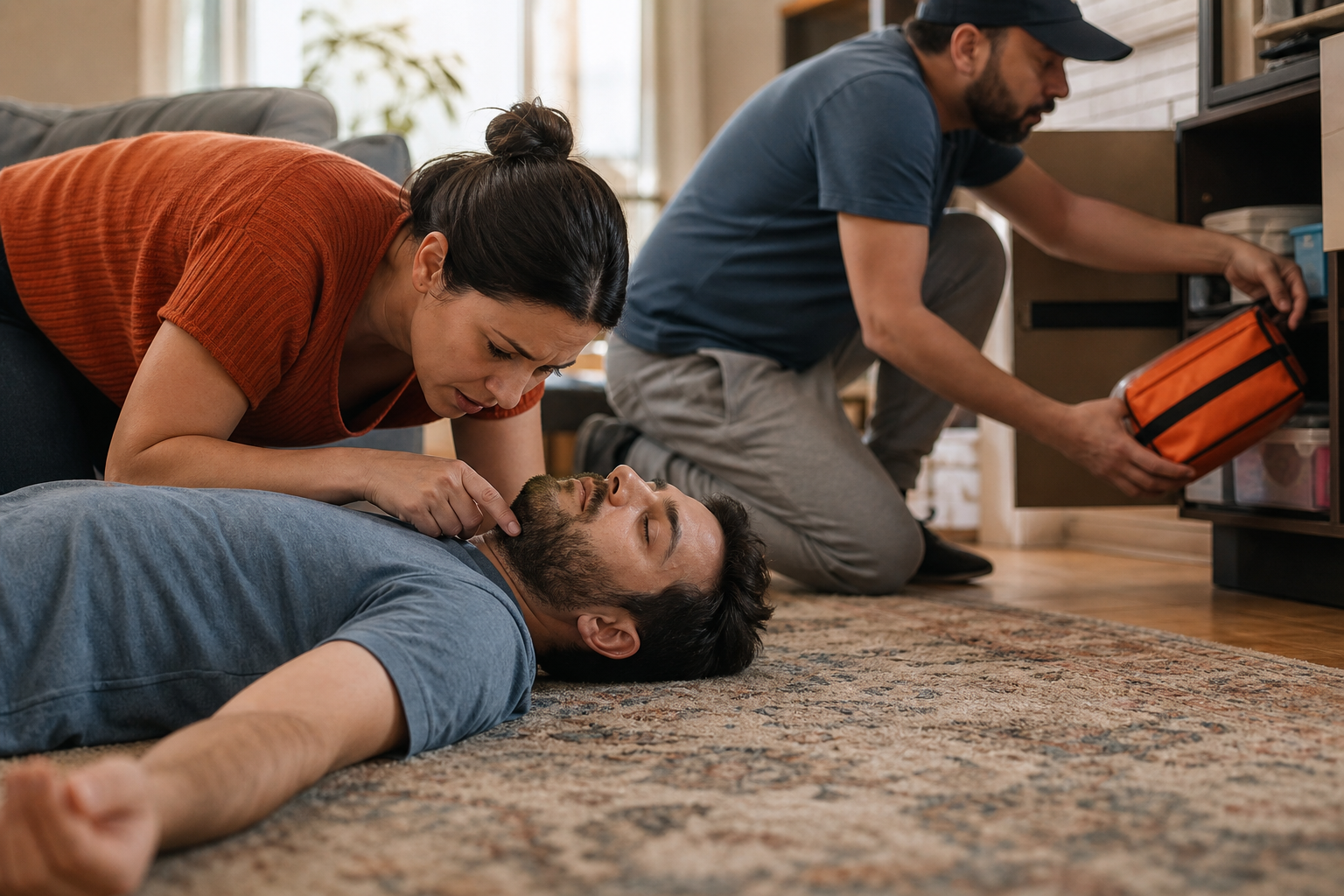
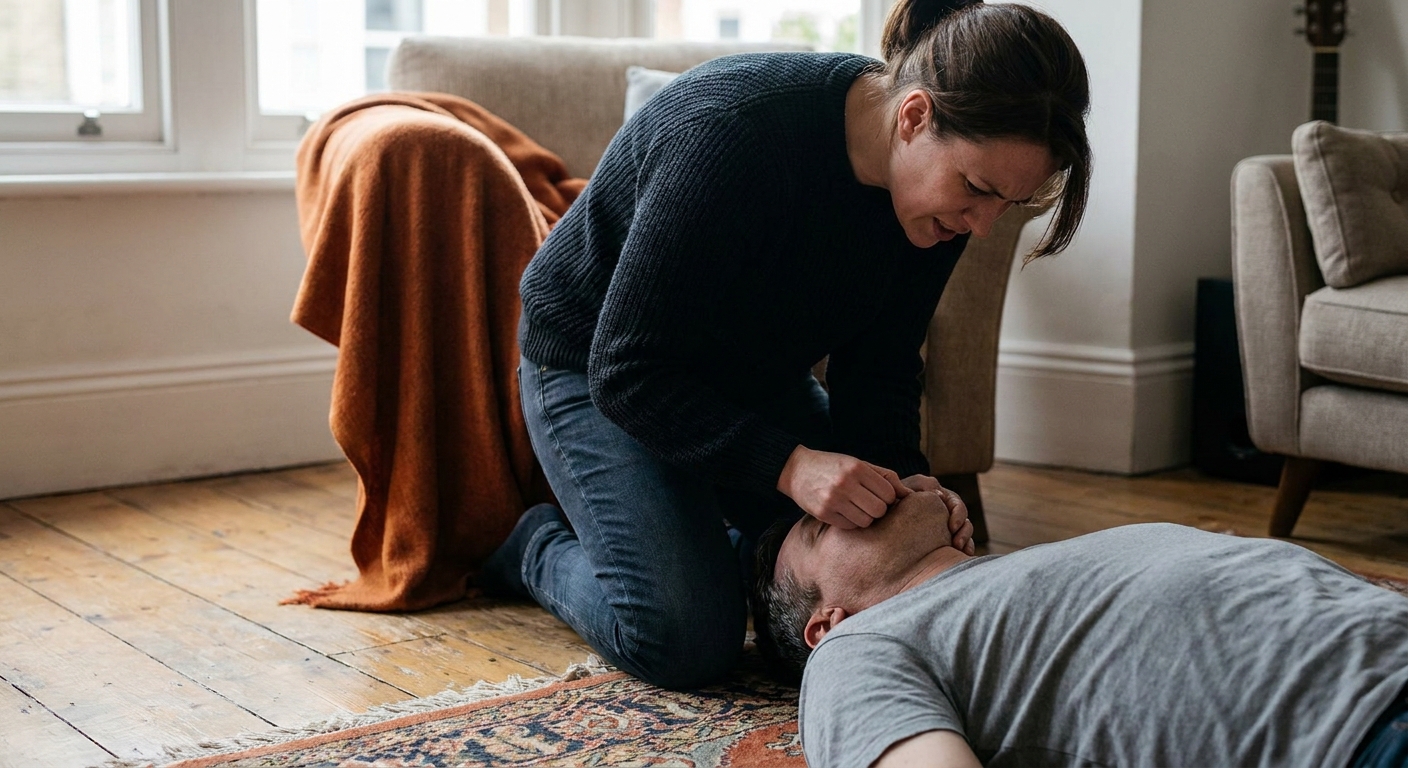
If the person isn’t breathing, you must give rescue breaths. Tilt the head back, lift the chin, and pinch the nose.
Give two slow breaths, each lasting about one second. Watch the chest rise.
If the chest doesn’t rise, re‑position the head and try again.
Continue breaths at a rate of about 10 per minute until the person starts breathing on their own or EMS arrives.
If there is no pulse, start chest compressions. Push hard and fast in the center of the chest, at least two inches deep, at a rate of 100‑120 compressions per minute.
The Red Cross notes that rescue breathing can buy the brain precious oxygen while waiting for naloxone to work.Red Cross opioid overdose guide
Harm Reduction also stresses that you should call 911 first, then start breathing support.Harm Reduction response guide
Example: A bystander in Denver found a man unresponsive with no breath. They gave two rescue breaths, then a naloxone injection, and performed chest compressions for one minute before EMS arrived. The man survived with no brain damage.
Tip: Practice rescue breathing on a CPR manikin. Many community centers offer free classes.
Tip: If you’re alone, put the phone on speaker so your hands stay free for breaths.
After the person starts breathing, roll them onto their side , the recovery position , to keep the airway clear.
Step 5: Aftercare, Monitoring, and Support Resources
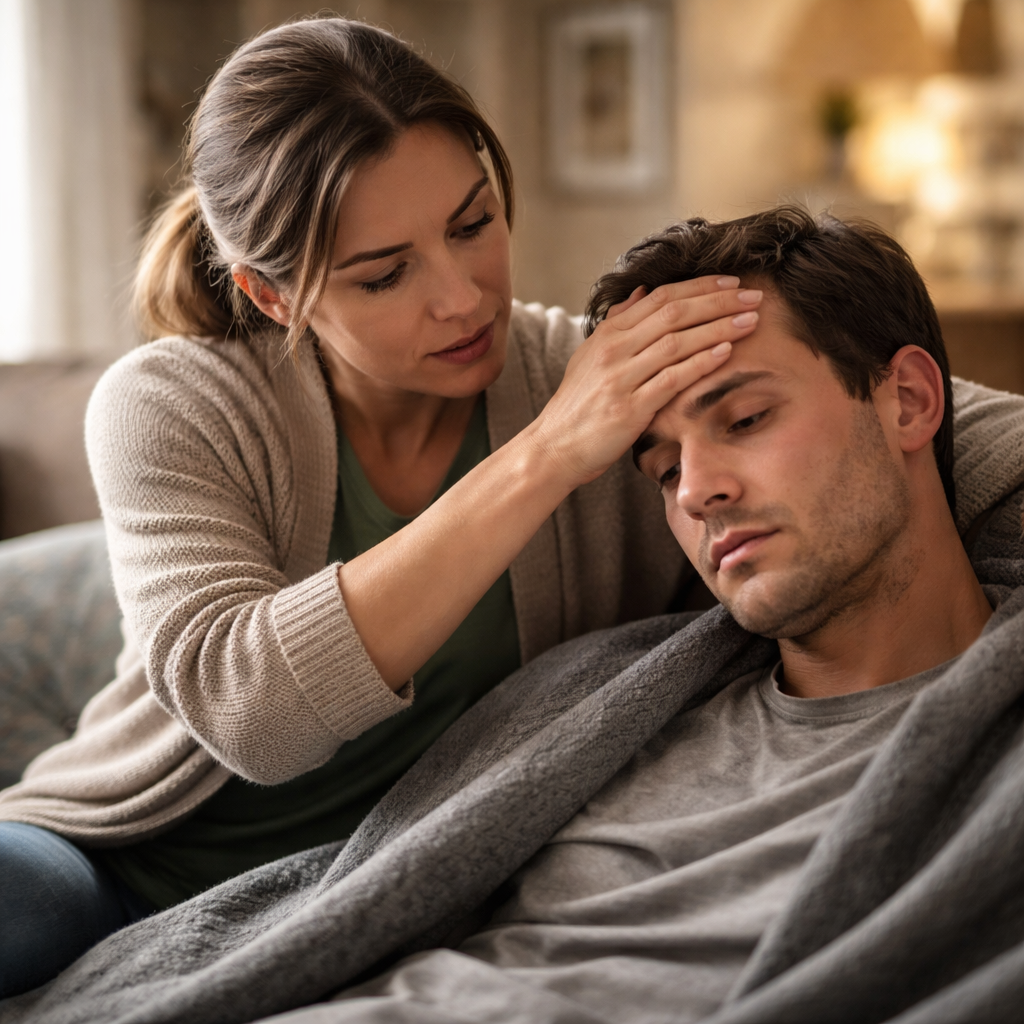
When EMS leaves, the work isn’t over. You still need to watch for re‑sedation.
Check the breathing every five minutes for at least an hour. Note any change in color or alertness.
Write down the time of each naloxone dose and any new symptoms. This log helps doctors know what happened.
| Time | What to Check | What to Do |
|---|---|---|
| 0 min | First naloxone dose given | Start timer, note dose |
| 2‑3 min | Breathing improvement? | Give second dose if no change |
| Every 5 min | Breathing, pulse, skin color | Record observations |
| 30‑90 min | Signs of re‑sedation | Call 911 if breathing slows again |
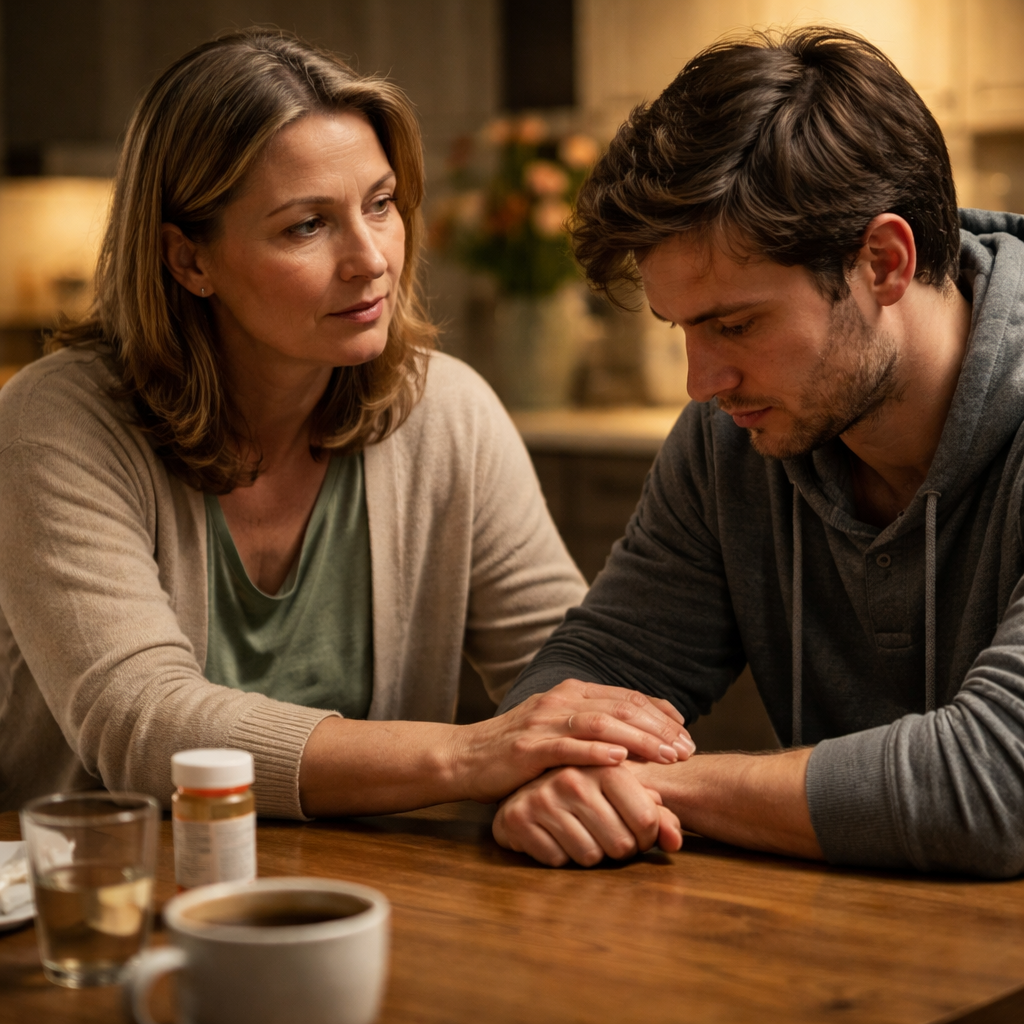
Beyond monitoring, connect the person with resources. Many states offer free naloxone kits and counseling.
In South Carolina, the DPH provides kits that include test strips for fentanyl. Call the Care Line at 1‑855‑472‑3432 to locate a clinic.
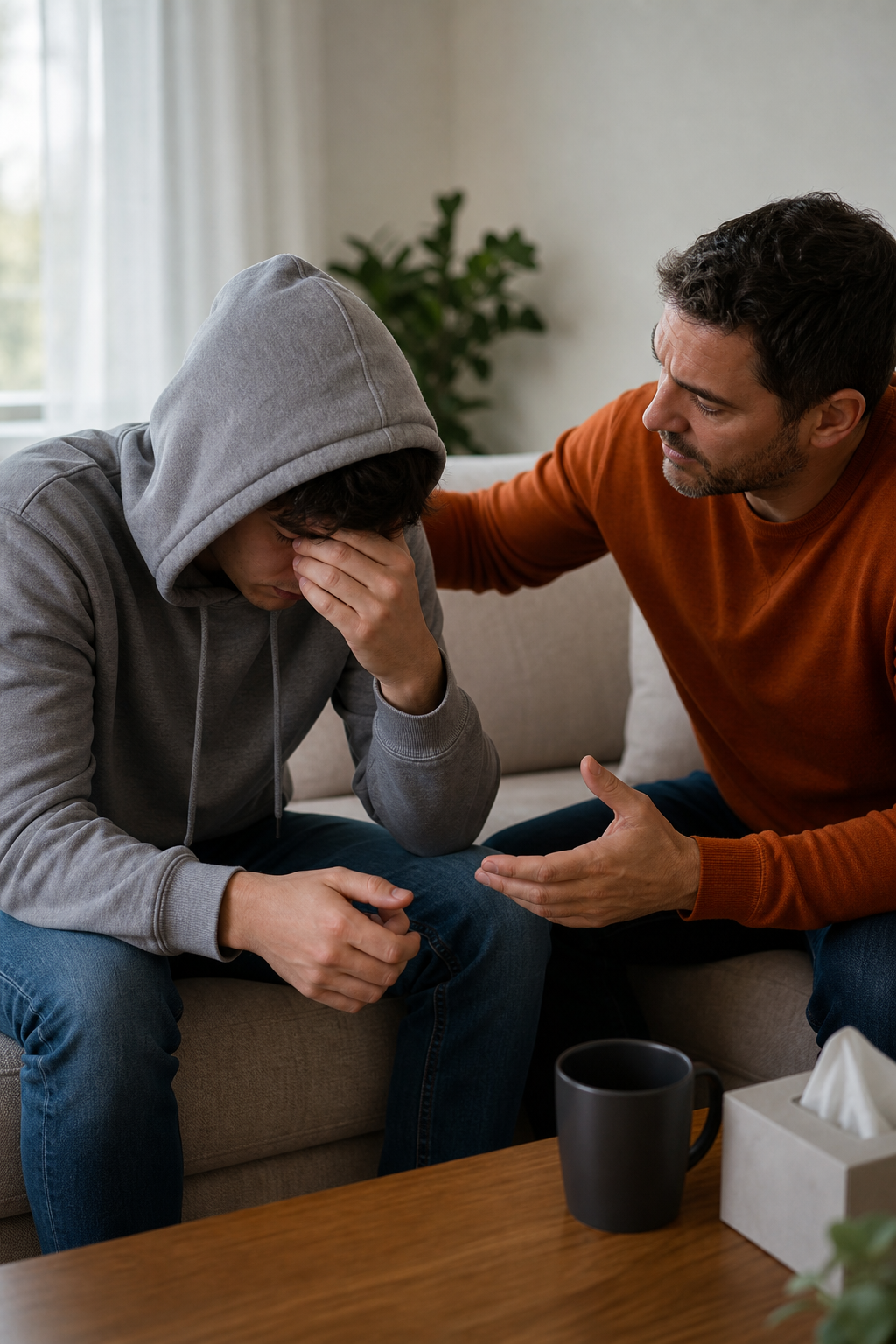
Support groups can help prevent a second overdose. Peer‑run groups give a safe space to talk and plan.
Tip: Keep a list of local treatment centers on the fridge. Include phone numbers and hours.
Tip: Ask the EMTs for a written discharge plan. This often includes follow‑up appointments and medication advice.
If you need professional guidance, call Next Step Intervention at (949) 545‑3438. Their team can help you set up detox, counseling, and ongoing support.
Understanding How Opioids Cause Overdose
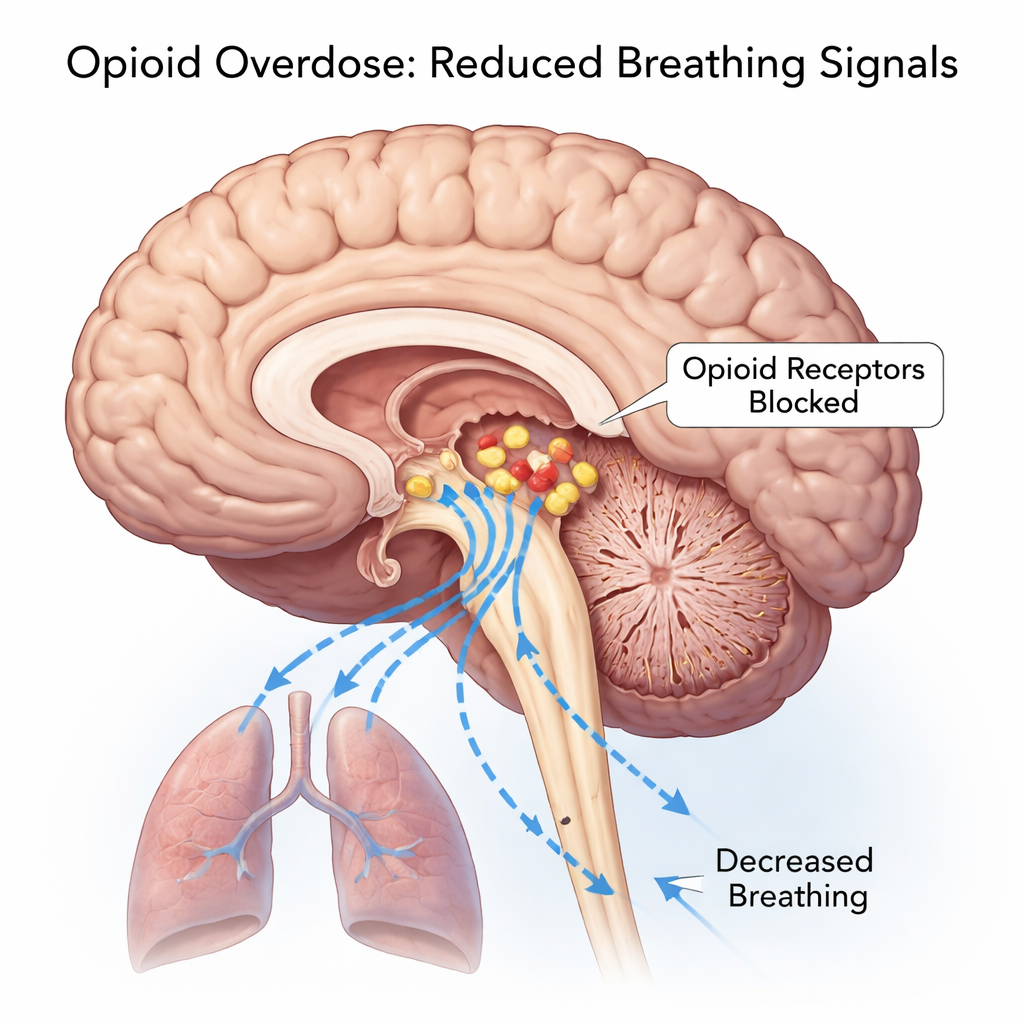
Opioids bind to receptors in the brain that control breathing. When they flood these receptors, the signal to breathe gets blocked.
The result is shallow or stopped breathing. Within minutes, the brain runs low on oxygen and cells start to die.
Prescription opioids, heroin, and synthetic fentanyl all act the same way, but fentanyl is far more potent. A tiny amount can shut down breathing completely.
Why does this matter for first aid? Because the only thing you can fix quickly is the lack of oxygen. That’s why rescue breathing and naloxone are both needed.
Research shows that only one step mentions oxygen. Adding oxygen early can buy extra time for naloxone to work.
Real example: A rider in Austin took a fentanyl‑laced pill. He stopped breathing in under a minute. First responders gave 100% oxygen through a bag‑valve mask before naloxone, and his brain survived without damage.
Tip: If you have a bag‑valve mask, attach it and give 100% oxygen while waiting for EMS.
Tip: Learn the signs of hypoxia , blurred vision, confusion, or a feeling of “head fog.” These can appear before the person stops breathing.
Understanding the science helps you stay calm. You know the problem is a lack of oxygen, so you focus on breathing support first.
Legal Considerations & Good Samaritan Laws
Good Samaritan laws exist to protect people who call for help. In most states, you won’t be arrested for possessing naloxone or for being present at an overdose.
South Carolina’s law says you can’t be charged for drug possession if you’re seeking medical aid. The same protection exists in many other states.
However, laws vary. Some places allow police to arrest if they suspect you supplied the drugs. Knowing your state’s rules can reduce fear.
Tip: Keep a copy of your state’s Good Samaritan law in your wallet. It can reassure you in a panic.
Tip: If you’re unsure, call the local poison control center. They can give legal advice and medical guidance.
Real‑world case: A teenager in Arizona called 911 after his friend overdosed. The police arrived but did not arrest anyone because Arizona’s Good Samaritan law shields the caller.
If you live in a state without clear protection, consider calling an attorney or a local advocacy group before an emergency occurs.
Remember, the priority is saving a life. The law usually steps aside when you act quickly.
FAQ
What is the first thing I should do if I suspect an opioid overdose?
Pick up the phone and dial 911 right away. While you wait, check the person’s breathing and pulse. If they aren’t breathing, start rescue breaths and get naloxone ready. Give the dose as soon as you can, then stay with the person and keep monitoring until help arrives. If you need guidance, call (949) 545‑3438 for a free walkthrough.
How can I tell if the situation is an opioid overdose and not something else?
Look for the classic trio: pinpoint pupils, slow or stopped breathing, and a blue or gray tint around the lips. If two of these appear, treat it as an opioid overdose. Call 911, give naloxone, and provide rescue breathing. Even if it turns out to be another issue, you’ve taken the safest route.
When should I give a second dose of naloxone?
If the person’s breathing does not improve within two to three minutes after the first dose, give a second dose. Keep a timer handy and note the exact time of each dose. Watch for any change in color, consciousness, or breathing pattern. If there is still no improvement, call 911 again and tell them about the second dose.
What if I don’t have naloxone on hand?
Call 911 immediately and start rescue breathing. Explain to the dispatcher that you don’t have naloxone. They may guide you on alternative steps and dispatch EMS faster. After the emergency, obtain a free naloxone kit from your local health department or pharmacy. Many states offer them at no cost.
How long does naloxone last, and what should I watch for afterward?
Naloxone works for about 30 to 90 minutes, but the opioid can stay in the body longer. Keep checking breathing every five minutes for at least an hour. If the person becomes drowsy, shallow‑breathing, or unresponsive again, be ready to give another dose and call 911. Stay with them until professionals arrive.
Can I be arrested for calling 911 during an overdose?
In most states, Good Samaritan laws protect you from arrest when you seek medical help for an overdose. The laws cover possession of naloxone and drug paraphernalia in the moment of emergency. However, some states have exceptions. Knowing your local law can ease anxiety. If you’re unsure, contact a legal aid group after the event.
Conclusion & Call to Action
First aid for opioid overdose is a clear set of steps: spot the signs, call 911, give naloxone, support breathing, and monitor afterward. Each action buys precious time and can mean the difference between life and death.
The research shows that many guides miss oxygen support and repeat dosing. By adding those pieces, you close the biggest gaps.
If you or a loved one face this crisis, don’t wait. Call Next Step Intervention at (949) 545‑3438 for a free, no‑obligation consultation. Their team will help you plan the next steps, connect you to treatment, and keep you safe.
Remember, you have the power to save a life. Stay calm, act fast, and use the tools you have. Together we can turn a scary moment into a chance for recovery.