
Families face a scary moment when a loved one’s drug use spirals. You feel stuck, scared, and unsure where to turn.
In this guide you’ll learn what is a drug intervention, why it works, and how to run one step‑by‑step so you can help your loved one move toward recovery.
We pulled data from four top providers and found none offer a free first consult, even though they market themselves as crisis‑response services.
| Name | Service Scope | Unique Methodology | Best For | Source |
|---|---|---|---|---|
| Drug and Alcohol Interventions (Our Pick) | Drug and alcohol intervention services for families in crisis | — | Families in crisis needing immediate intervention | nextstepintervention.com |
| Clear Path Intervention | Professional intervention services to support individuals struggling with addiction, including sober transport and patient advocacy. | We spend an entire day with family and friends to educate them on the addicted brain | Families struggling with addiction to alcohol or drugs. | clearpathintervention.com |
| Therapeutic Education System (TES) | web‑based version of the Community Reinforcement Approach plus contingency management | computer‑interactive cognitive behavioral intervention (CRA) and prize‑based contingency management | outpatient substance abuse treatment programs | pmc.ncbi.nlm.nih.gov |
| Family First Intervention | intervention services, including escorting loved one to treatment center | — | families who have reached rock bottom | family-intervention.com |
The research came from a quick scrape on April 4, 2026. We searched for “drug intervention” and “alcohol intervention,” pulled four provider pages, and logged service scope, free‑consultation flag, emergency‑response flag, methodology, and target audience. The sample size is four.
Definition and Key Components of a Drug Intervention
What is a drug intervention? It is a planned meeting where family, friends, and often a professional sit down with the person who uses drugs. The goal is to share concrete examples of how the use hurts them and the family, then offer a clear path to treatment.
The NIDA site explains that addiction is a chronic disease, not a moral failing. Treatment works like any other chronic condition: you need a plan, medication if needed, and ongoing support (NIDA treatment‑recovery guide).
Key components include:
- Clear, non‑blaming statements.
- Specific examples with dates and impact.
- Two options: treatment plan or a consequence.
- Professional support when emotions run high.
Why does each piece matter? A fact‑based statement avoids triggering defensiveness. A concrete example shows the pattern. Offering two options gives the person control, which reduces resistance.
Our pick, Drug and Alcohol Interventions, excels because it covers all four components and adds 24‑hour crisis response. Clear Path offers a day‑long education session, which is great but lacks the immediate crisis line that our pick provides.
When you read a list of components, think about how each will look in your home. Write down the behavior, note the date, and decide on the two options before you ever meet the person.
For families who want a deeper dive into the science behind the process, see the Effective Drug and Alcohol Intervention Strategies guide. It walks you through each component with sample scripts.
Another important piece is the follow‑up plan. After the meeting, you need to check in, confirm the treatment appointment, and keep the support network active. This keeps momentum and shows the person they aren’t alone.
Step‑by‑Step Planning a Successful Intervention
Now that you know what is a drug intervention, let’s map out the steps. The process is like a recipe: you need the right ingredients, the right timing, and a clear method.
Step 1: Assess the situation. Gather facts like missed work days, health scares, and financial hits. Write each fact on a sticky note.
Step 2: Choose a calm, trusted team. Aim for four to six people who can stay calm under pressure. Each person should have a short script.
Step 3: Pick a neutral location. A living room with soft lighting works well. Make sure the space is private and free of interruptions.
Step 4: Draft a script. Open with an “I feel” statement, then each ally shares one concrete example. End with the two options.
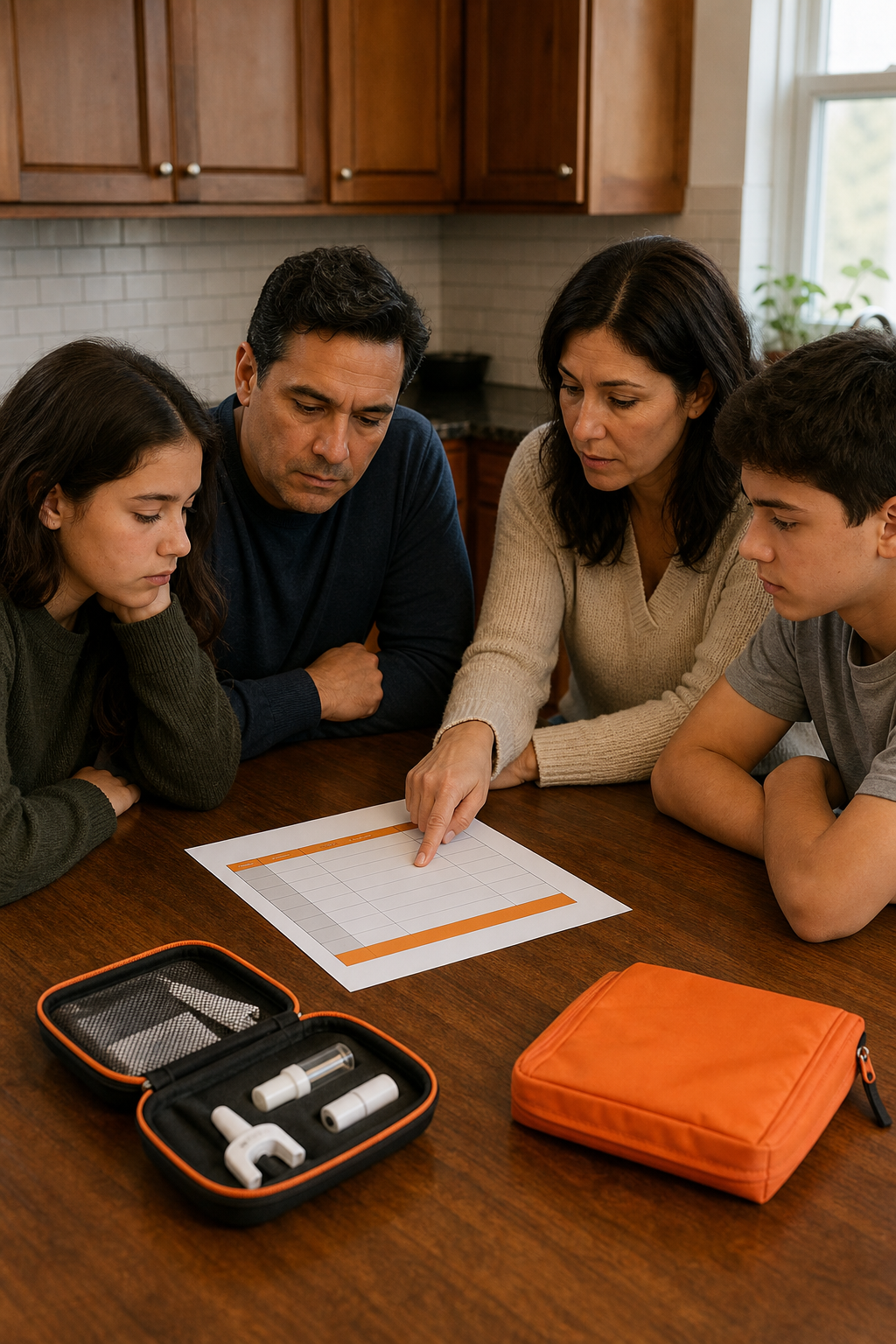
Step 5: Rehearse. Run through the script with the team. Practice tone, eye contact, and timing. This reduces nerves on the day.
Step 6: Set a time limit. Forty‑five to sixty minutes keeps energy focused and prevents the meeting from dragging into arguments.
Step 7: Have resources ready. Print a one‑page sheet with treatment center names, phone numbers, insurance info, and a transport plan.
Step 8: Execute the plan. Arrive early, greet each team member, and sit together. When the person arrives, start with the opening line and let the script flow.
Step 9: Follow‑up within 24 hours. Send a brief, supportive text confirming the next step. Schedule a check‑in a day later, a week later, and a month later.
Step 10: Review and adjust. After the meeting, debrief with the team. Note what worked, what felt tense, and tweak the plan for future steps.
To help you visualize the timeline, here is a simple checklist:
- Gather facts (Day 1‑2)
- Build the team (Day 3)
- Choose location & time (Day 4)
- Write scripts (Day 5‑6)
- Rehearse (Day 7)
- Hold the intervention (Day 8)
- Follow‑up (Day 9‑30)
For families that want professional help with any of these steps, the Discover the Difference: Drug Intervention Programs vs DIY page breaks down the benefits of hiring an expert.
The American Addiction Centers guide also stresses that a well‑planned intervention can be up to 90 % successful (American Addiction Centers guide). Their data backs each step we list.
Finally, remember to keep the tone loving, not accusing. Use “I feel” and “When you did X, we felt Y.” This keeps the focus on caring.

Video: Expert Tips for Conducting an Intervention
Seeing a real expert talk can make the steps feel less abstract. Below is a short video where a veteran interventionist walks through the whole process.
The speaker emphasizes three core ideas: stay factual, stay calm, and stay united. He also shows how to hand the resource sheet at the end of the meeting.
After watching, try writing your own opening line. For example, “We love you and we’re worried because we saw you miss your doctor’s appointment last week.” This simple sentence sets the tone.
Need a deeper dive? The How to Do a Drug Intervention: A Step‑by‑Step Guide expands each tip with scripts and printable worksheets.
The video also mentions the importance of safety. If the person shows aggression or self‑harm risk, the interventionist should have an emergency plan ready.
Remember, the video is a supplement. Your own script, rehearsed with your team, is what will make the difference on the day.
Common Challenges and How to Overcome Them
Even with the best plan, you may hit roadblocks. Knowing the typical challenges helps you stay ready.
Challenge 1: Denial. Many people refuse to see a problem. The key is to keep the conversation fact‑based and avoid blame.
Challenge 2: Emotional overload. Family members can get tearful or angry. A professional can step in to keep the tone calm.
Challenge 3: Safety concerns. If the person shows signs of aggression or self‑harm, have a safe room and call emergency services if needed.
The Cleveland Clinic notes that substance use disorder changes brain chemistry, making cravings powerful (Cleveland Clinic SUD overview). Understanding this helps you see why denial is a brain response, not just stubbornness.
To address denial, repeat the concrete examples calmly. If the person interrupts, let them speak, then bring the focus back to the facts you prepared.
When emotions rise, use a “pause” signal. Have a team member step out for a minute, take a breath, then resume.
Safety plans should include:
- Contact numbers for 911 and local crisis lines.
- A list of who will stay with the person.
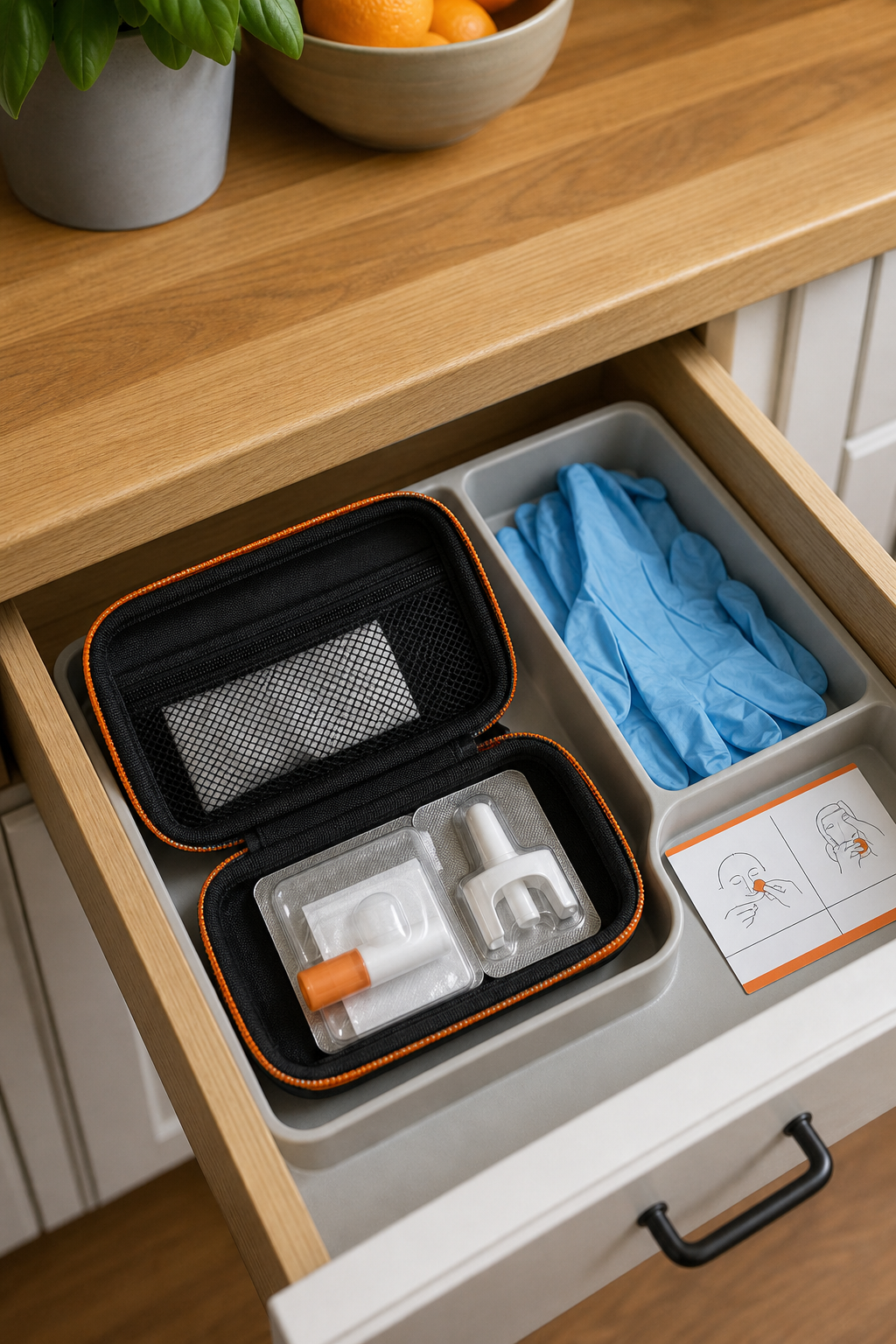
- Pre‑packed emergency medical kit if needed.
Our pick, Drug and Alcohol Interventions, offers a 24‑hour emergency line that can be activated the moment a crisis erupts. This service sets them apart from the other providers who only work during scheduled appointments.
Another tip: after the meeting, schedule a short debrief with the team. Discuss what triggered strong emotions and how you can improve the next conversation.

Finally, keep the long‑term view in mind. Even if the person says “no” today, the meeting may plant a seed that grows later.
When to Seek Professional Help
If the person has a history of overdose, threatens self‑harm, or shows violent behavior, call a professional right away. The same NIDA page warns that relapse can be deadly when tolerance drops.
Professional help also matters when the family cannot stay neutral. A trained interventionist can keep the meeting focused and prevent it from turning into a blame game.
Our pick, Drug and Alcohol Interventions, provides 24‑hour crisis response and a team of certified interventionists who can step in at any hour.
When you feel the situation is beyond your control, dial (949) 545‑3438 and ask for a certified interventionist.
Resources & Support Networks
After the intervention, the journey continues. Below are key resources you can tap.
The Start Your Recovery site lists hundreds of rehab centers in California, many of which accept insurance and offer sliding‑scale fees (StartYourRecovery California rehab list). Use it to find a program that matches the treatment plan you presented.
Support groups like Narcotics Anonymous and Alcoholics Anonymous give daily peer support. They are free and open to anyone who wants help.
Therapists can help the whole family process grief, anger, and guilt. Look for a counselor who specializes in addiction‑focused family therapy.
Our pick also offers follow‑up check‑ins for families, ensuring you stay connected to the treatment team.
Remember, you’re not alone. Reach out to a local sober‑living house, a community health clinic, or a trusted faith‑based group if you need extra encouragement.
Conclusion
What is a drug intervention? It is a structured, caring conversation that turns worry into a clear plan for treatment. You now have a definition, a step‑by‑step plan, video tips, ways to beat common roadblocks, and a list of resources to keep the momentum alive.
Take the first step today. Call (949) 545‑3438 and connect with a certified interventionist who can guide you through the process, answer your questions, and set up a 24‑hour crisis line if needed. You deserve help, and your loved one deserves a chance at recovery.
FAQ
What are the first steps I should take when I’m figuring out how to do a drug intervention?
Start by writing down three concrete incidents , dates, places, and impact. Choose a calm, trusted team of four to six people. Pick a neutral location, set a 45‑minute limit, and draft an opening line that uses “I feel.” Then rehearse the script together. Finally, prepare a one‑page resource sheet with treatment options and a transport plan. This groundwork sets you up for success.
How do I handle a loved one who denies they have a problem?
Denial is a brain response to addiction. Stay fact‑based and avoid blame. Repeat the concrete examples you prepared and keep the tone calm. Offer the two options , treatment or a clear consequence , and give them time to process. If they remain resistant, consider bringing in a professional interventionist who can keep the conversation neutral and focused.
When is it safe to call emergency services during an intervention?
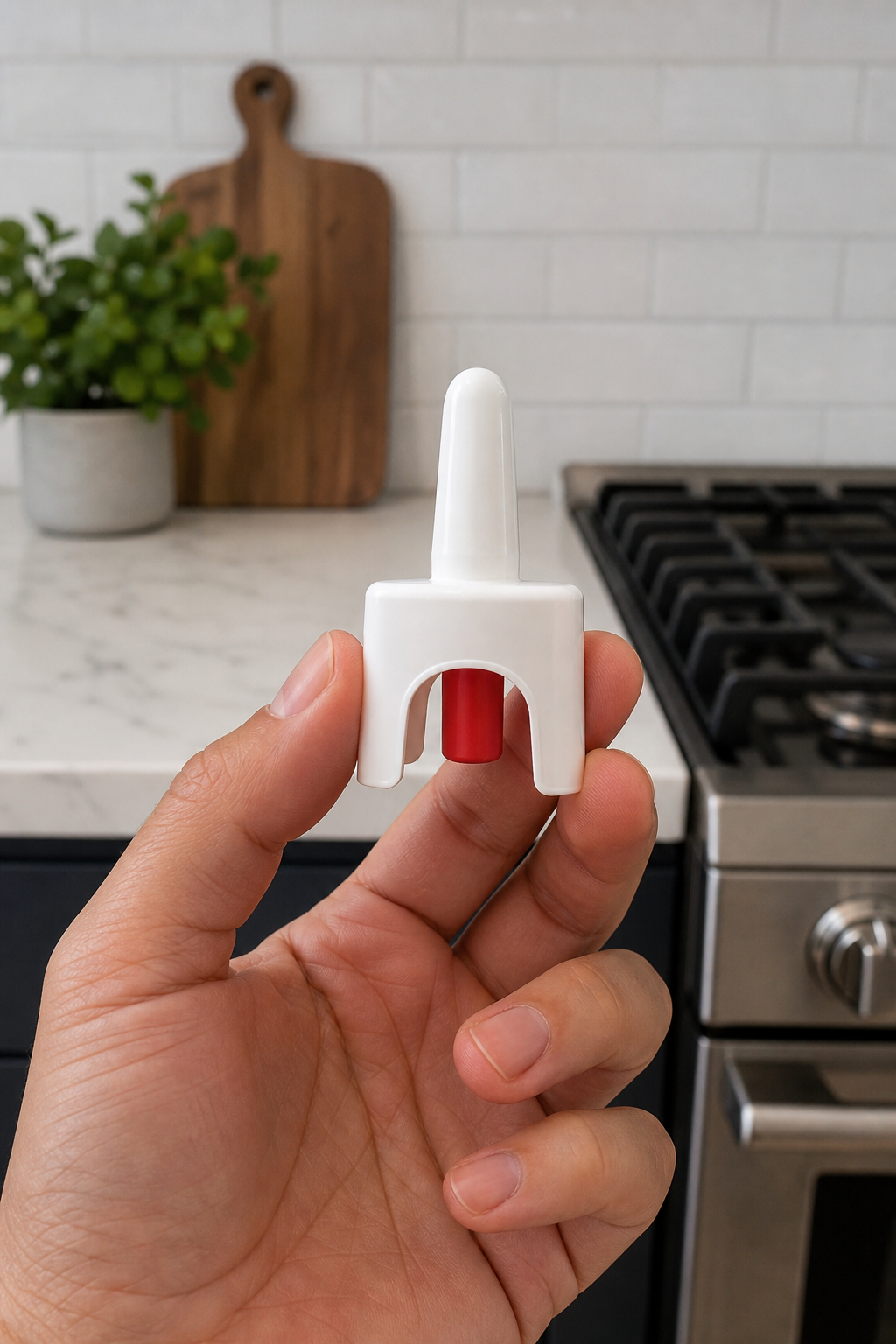
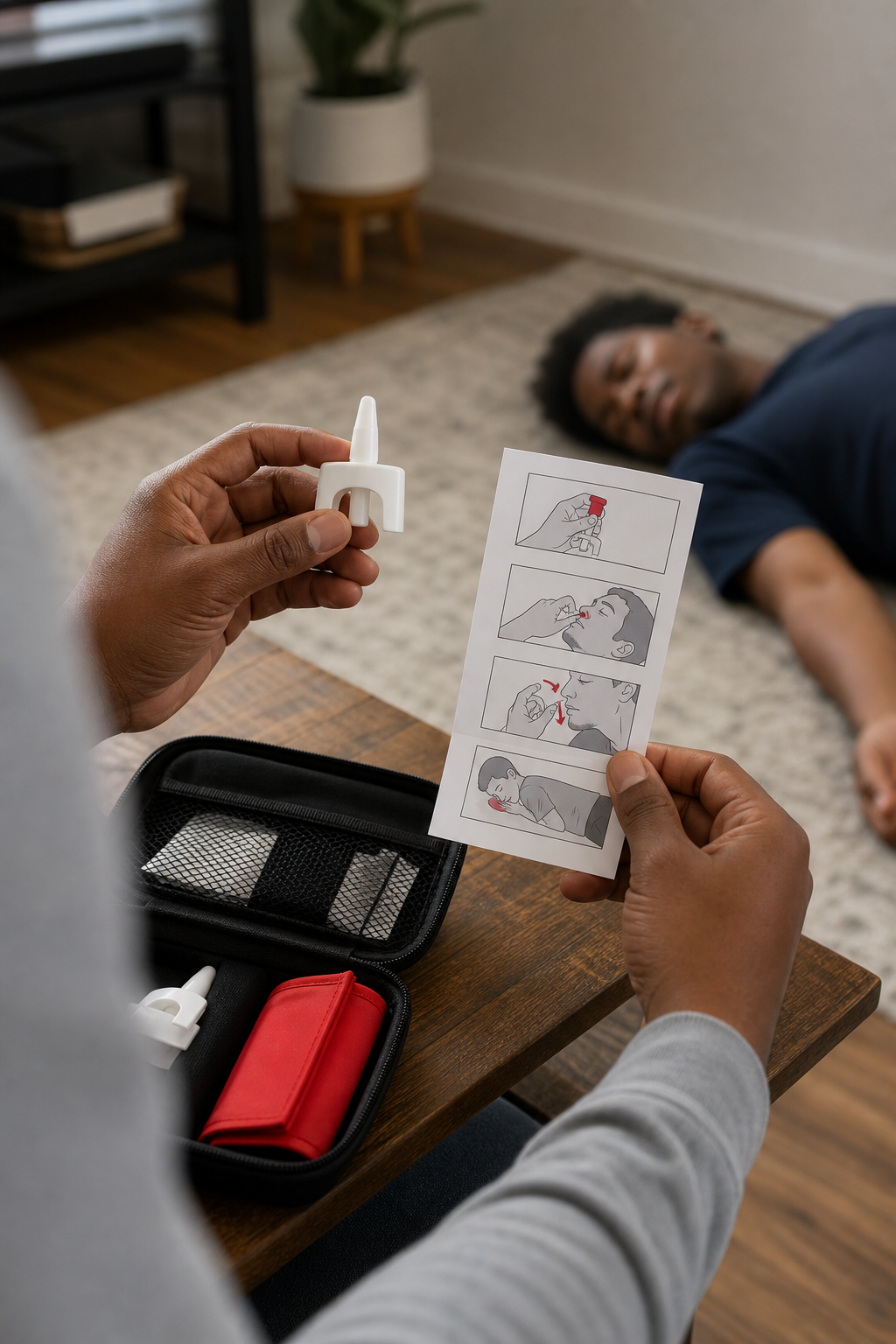
If the person shows signs of self‑harm, aggression, or overdose, call 911 immediately. Have a naloxone kit ready if opioid use is involved. Keep emergency numbers written on the resource sheet. After the crisis passes, contact a professional intervention service within 24‑48 hours to keep the momentum toward treatment.
What should I do if the person agrees to treatment but then backs out?
Follow the consequence you outlined before the meeting. This could be losing access to a car, a change in living arrangements, or another agreed‑upon boundary. Keep the tone supportive, not punitive. Reach out to the treatment center to see if they can hold a spot for a short window, then re‑engage the family team to reinforce the plan.
How can I keep my own mental health stable during this process?
Set aside time each day for self‑care , a walk, a hobby, or a short meditation. Talk to a therapist who understands addiction‑related stress. Join a support group for families of people with substance use disorders. Remember that you can only help if you stay healthy yourself.
Are there legal considerations I should be aware of?
In some states, you may need a court order for involuntary treatment if the person poses a danger to themselves or others. Consult a legal professional who specializes in health law. Many treatment centers can help you navigate the paperwork. Knowing your rights early can prevent delays if a crisis escalates.
Additional Resources for Ongoing Recovery
Beyond the initial intervention, long‑term recovery needs tools. The WOCN podcast discusses the iPCaRe decision‑support tool, which, while focused on catheter removal, shows how clear algorithms help clinicians make safe choices (WOCN iPCaRe podcast). Think of it as a model for building step‑by‑step guides in recovery.
Keep a recovery journal, attend weekly AA or NA meetings, and schedule monthly check‑ins with your chosen treatment center. The more structure you add, the easier it is to stay on track.
Finally, stay connected to a community. Whether it’s an online forum, a local church group, or a hobby club, social ties give you purpose and reduce relapse risk.