
Watching a parent slip back into drinking can feel like the floor just fell out from under you. You’re scared, angry, and maybe a little lost. That’s okay. In the next few minutes, we’ll walk through seven specific ways you can help, actions that keep both of you safe and move toward real recovery. Each step is grounded in operational advice and backed by professional guidance.
1. Open a Compassionate Conversation
The first thing to do after a relapse is start a conversation. Not a lecture, not an interrogation, a real talk where you listen as much as you speak. Addiction recovery experts say the tone matters more than the words. Show up with love, not blame.
Start with an “I” statement: “I’ve noticed you’ve been drinking again, and I’m worried about you.” Avoid “you” accusations like “You ruined everything.” That just triggers shame and defensiveness. According to the National Institutes of Health, compassionate communication helps the person feel safe enough to open up.
Ask open-ended questions: “What happened?” “How are you feeling?” Let them talk. Relapse often comes with intense guilt. They may lash out or shut down. Stay calm. If they get angry, say, “I hear you. I’m not here to fight. I’m here because I love you.”
Be honest about your own emotions too, but without making it all about you. “I feel scared when I see you drinking because I don’t want to lose you.” That’s honest without attacking. The goal is to build rapport so you can work together on what comes next.

2. Set Clear, Loving Boundaries
After a relapse, you need boundaries, not to punish your parent, but to protect yourself. Boundaries are lines that say, “I love you, but I won’t enable this behavior.” They’re not cruel; they’re necessary for both of you.
Think about what you can’t accept anymore. Maybe it’s lending money, covering up for missed events, or allowing drinking in the house. Write down your limits and share them calmly. For example: “If you come home drunk, I will sleep at a friend’s house tonight. I’m not punishing you; I’m taking care of myself.”
This is tough love, but it’s still love. The key is to separate consequences from punishment. Consequences naturally follow actions: if they steal money, you lock up your wallet. Punishment would be yelling or taking away something unrelated. A usable guide on setting boundaries with an addict provides specific scripts you can use right away.
Remember: you can’t control their drinking. You can only control how you respond. Boundaries show that you respect yourself, and that respect often sets the stage for your parent to respect the need for change.
3. Prioritize Immediate Safety and Health
When a parent relapses into drinking, safety comes first. Alcohol withdrawal can be dangerous, even deadly. Heavy drinkers who stop suddenly may have seizures or delirium tremens. And there’s always a risk of overdose or accidents while intoxicated.
If you find your parent unconscious or with shallow breathing, call 911 immediately. Don’t wait. If you suspect withdrawal symptoms like shaking, confusion, or rapid heart rate, get medical help. The SAMHSA National Helpline(1-800-662-HELP) is a free, confidential resource available 24/7.
Also check for any injuries. Drunk falls can cause head trauma or bruises. Look for signs of dehydration, malnutrition, or other health issues. If they’re relapsing frequently, consider a trip to the ER or a detox center. Many hospitals have medical detox programs that can stabilize them safely.
Keep emergency numbers handy: 911, a local crisis line (988), and a trusted friend who can help. If your parent is on medications, ask a doctor about interactions with alcohol. Some meds are dangerous when mixed with booze. Safety isn’t about being paranoid; it’s about being prepared.
4. Encourage Professional Intervention Services
Sometimes family talks aren’t enough. That’s when a professional interventionist can step in. These experts train families on how to approach a loved one, create a treatment plan, and handle crises. According to research, only about 8% of intervention services list an emergency response, making rapid, in-person help rare. Next Step Intervention is one of the few that offers a 24-hour emergency response with in-person counseling, which families say is best for immediate crisis situations.
A professional intervention isn’t an ambush. It’s a structured conversation led by someone who’s seen this before. They help each family member write impact statements, set consequences, and present a clear path to treatment. After the intervention, they often connect the parent to detox, rehab, or therapy.
The cost varies, data shows an average of around $6,920 for some services, but many offer sliding scales. Most importantly, a professional can handle the emotional rollercoaster so you don’t have to do it alone. If you’re unsure where to start, a step-by-step guide to designing an intervention program can show you what to expect.

Comparison of Intervention Options
When time matters, opt for services with emergency response. For less urgent situations, peer support groups work well. The key is matching the level of help to the crisis.
5. Join a Family Support Group
You can’t do this alone, and you shouldn’t have to. Family support groups give you a space to share stories, learn coping skills, and get emotional support from people who truly understand. These groups meet in person and online, often for free.
Some groups follow a 12-step model similar to Alcoholics Anonymous, focusing on acceptance, detachment, and personal growth. Others use evidence-based tools from cognitive behavioral therapy. Both are non-judgmental and confidential. Attending regularly helps you set boundaries, reduce stress, and see your parent’s addiction in a new light.
Many families report that joining a support group was the single most helpful step they took. It reminds you that you’re not crazy, not alone, and not responsible for fixing everything. And it gives you usable strategies for dealing with relapse. As one support group member put it, “I can’t control my husband’s drinking, but I can control my reaction.”
Find a local or online support group through community resources. Try a few meetings to see which group feels right. The connection you build there can sustain you through the hardest days. For professional guidance and intervention support, contact Next Step Intervention at (949) 545-3438 or visit NextStepIntervention.com.
6. Address Betrayal Trauma and Emotional Fallout
A parent’s relapse often feels like a betrayal. You trusted them to stay sober, and they let you down. That hurt is real. It can cause anxiety, depression, and even symptoms of post-traumatic stress. Recognizing this emotional fallout is important for your own healing.
Betrayal trauma is especially common when the relapse involves lying, stealing, or breaking promises. Your brain may go on high alert, watching for signs of drinking and feeling exhausted. It’s okay to be angry. But don’t direct that anger at yourself. The relapse is not your fault.
Consider individual therapy for yourself. A therapist who specializes in addiction or trauma can help you process these emotions and develop healthy coping mechanisms. Some therapists offer sliding-scale fees. You can also find workbooks on betrayal trauma and addiction recovery.
Talk to trusted friends or your support group about how you feel. Bottling it up only leads to burnout. And remember: you can love your parent while still being hurt by their actions. Those two truths can coexist.
7. Protect Legal and Financial Interests
Addiction often brings financial chaos. Your parent may have drained savings, taken out loans, or failed to pay bills. After a relapse, it’s important to assess and protect your family’s legal and financial health. This isn’t about punishing them; it’s about preventing further damage.
Start by gathering documents: bank statements, credit reports, property deeds, and medical records. Look for unauthorized transactions or debts. If your parent has a joint account with you, consider moving your share to a separate account. Consult a financial advisor or attorney who understands addiction-related issues.
You may also need to discuss guardianship or power of attorney if your parent cannot manage their affairs. This is a sensitive step, but it can prevent eviction, foreclosure, or medical bankruptcy. The FTC’s identity theft guide offers tips for detecting and addressing financial fraud, which sometimes occurs during addiction.
If your parent has a drinking problem that leads to legal trouble (DUIs, public intoxication), a lawyer specializing in addiction defense may help. Also, consider umbrella insurance to protect family assets from liability, a resource like a guide on umbrella insurance can explain how extra liability protection works for high-risk situations. Lastly, if you’re struggling to afford treatment, a loan provider might offer financing options for medical expenses.
When to Consider Tough Love vs. Punishment
A common question is how to balance being loving with being firm. Tough love means setting boundaries that protect you and create natural consequences. Punishment is about making them suffer. For example, if they miss work because of drinking, a natural consequence is losing that job. If you then lecture them for hours, that’s punishment. Instead, say, “I’m sorry you lost your job. What’s your plan for next steps?”
The difference is in your intent. Tough love aims to encourage responsibility. Punishment aims at revenge. Stick to consequences that directly relate to the behavior. Avoid emotional outbursts or threats you can’t back up. This approach preserves your relationship while still holding them accountable.
For more on this, a guide on effective intervention steps explains how to frame consequences as part of a caring plan, not a power struggle.
Conclusion
Helping a parent who relapses into drinking is one of the hardest things you’ll ever do. But you don’t have to figure it out alone. Start with a conversation, set clear boundaries, and keep safety first. Bring in professional help when the situation feels too big to handle. And take care of yourself, your mental and emotional health matter just as much.
The steps above give you a roadmap. You may not follow it perfectly, and that’s okay. Every small action counts. Whether you call a support group, talk to your parent, or reach out to an interventionist like Next Step Intervention, you’re making progress. They offer in-person crisis counseling and a dedicated emergency response, so you can get immediate support. Call (949) 545‑3438 or visit nextstepintervention.com to learn more.
You’re not alone. Thousands of families have walked this path. With patience, love, and the right resources, you can help your parent, and yourself, find a way forward.
Frequently Asked Questions
What should I say to my parent right after a relapse?
Start with a calm, caring tone. Say something like, “I noticed you’ve been drinking, and I’m really worried about you.” Avoid blame or anger. Let them talk if they want. If they’re defensive, don’t push. Just say, “I’m here when you’re ready to talk.” Your goal is to keep the door open, not force a confession.
How do I know if I’m enabling my parent’s drinking?
Enabling means you’re making it easier for them to keep drinking without facing consequences. Common signs: making excuses for their behavior, giving them money, covering up for missed work, or drinking with them. If you’re doing any of these, you’re likely enabling. Setting boundaries is the opposite of enabling.
Can I force my parent to go to rehab?
In most cases, no. Adults can’t be forced into treatment unless a court orders it (for example, after a DUI or as part of a guardianship). However, an intervention can motivate them to choose help. If they pose an immediate danger to themselves, you may call 911 or a local crisis line to initiate an emergency evaluation.
What do I do if my parent refuses to stop drinking?
You can’t control their choice. What you can control is your response. Set boundaries to protect yourself, like not spending time with them when they’re drunk. Continue attending support groups for yourself. Sometimes the only way to help them is to step back and let them face the consequences of their actions.
How can I take care of my own mental health while supporting my parent?
Prioritize self-care. That means sleeping enough, eating well, and talking to someone you trust. Join a support group for families or see a therapist. Don’t neglect your own needs, burnout helps no one. It’s okay to take breaks and focus on your own life. You’re not abandoning them; you’re keeping yourself healthy.
Is it normal to feel angry at my parent for relapsing?
Absolutely. Anger is a natural response to feeling hurt, betrayed, or scared. It doesn’t mean you don’t love them. The key is to express your anger in healthy ways, not through yelling or punishment. Talk it out with a friend or therapist, write in a journal, or exercise. Let yourself feel it without acting on it destructively.
What are the first steps if I suspect a parent is overdosing?
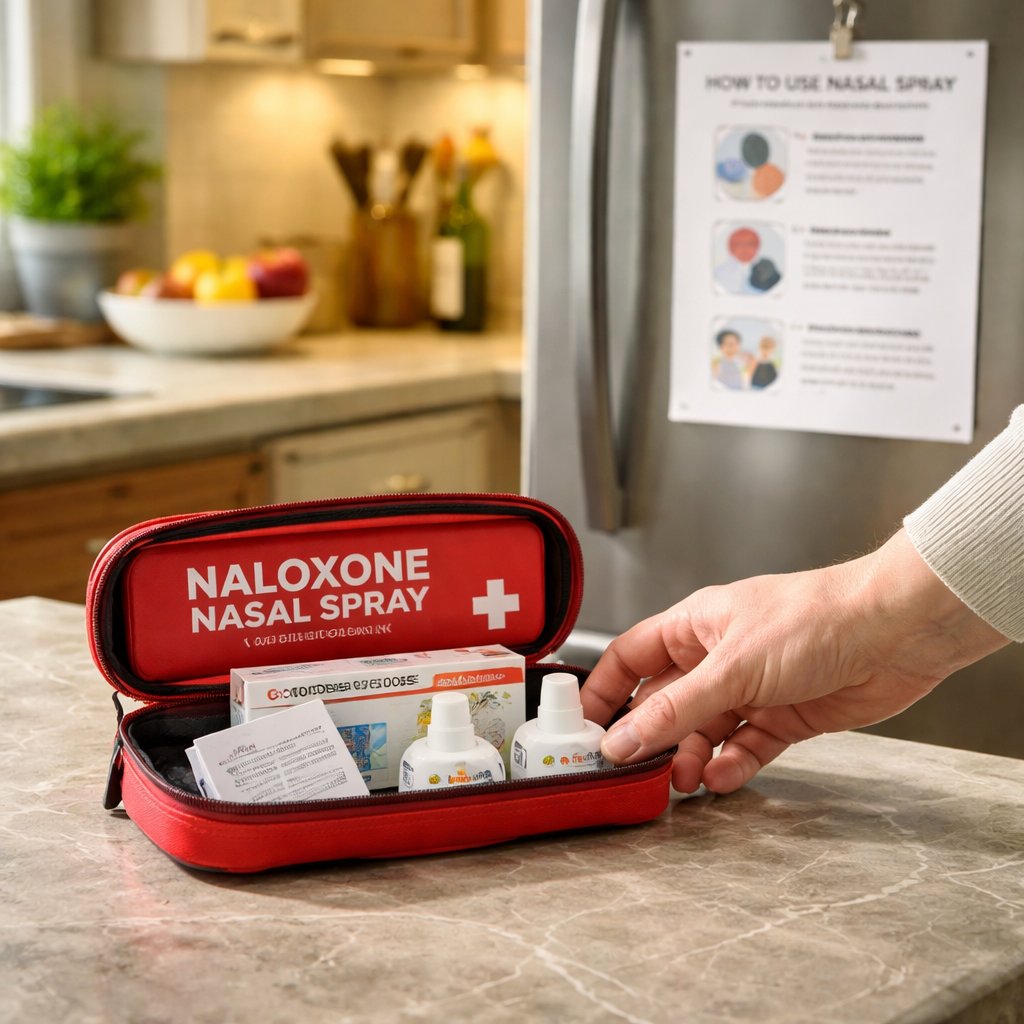
If your parent is unconscious, breathing slowly, or has blue lips, call 911 immediately. If you suspect opioid overdose (though alcohol alone doesn’t cause this, it can be mixed with opioids), administer naloxone if available. Stay with them until help arrives. Don’t leave them alone to “sleep it off.” Alcohol poisoning can be fatal.
Should I hide alcohol in the house to prevent relapse?
No, hiding alcohol rarely works and can damage trust. It’s better to have a direct conversation about having an alcohol-free home. Ask your parent to agree to remove all alcohol. If they refuse, you may need to set a boundary about what you’re comfortable with in your shared space. Focus on open communication, not secrecy.