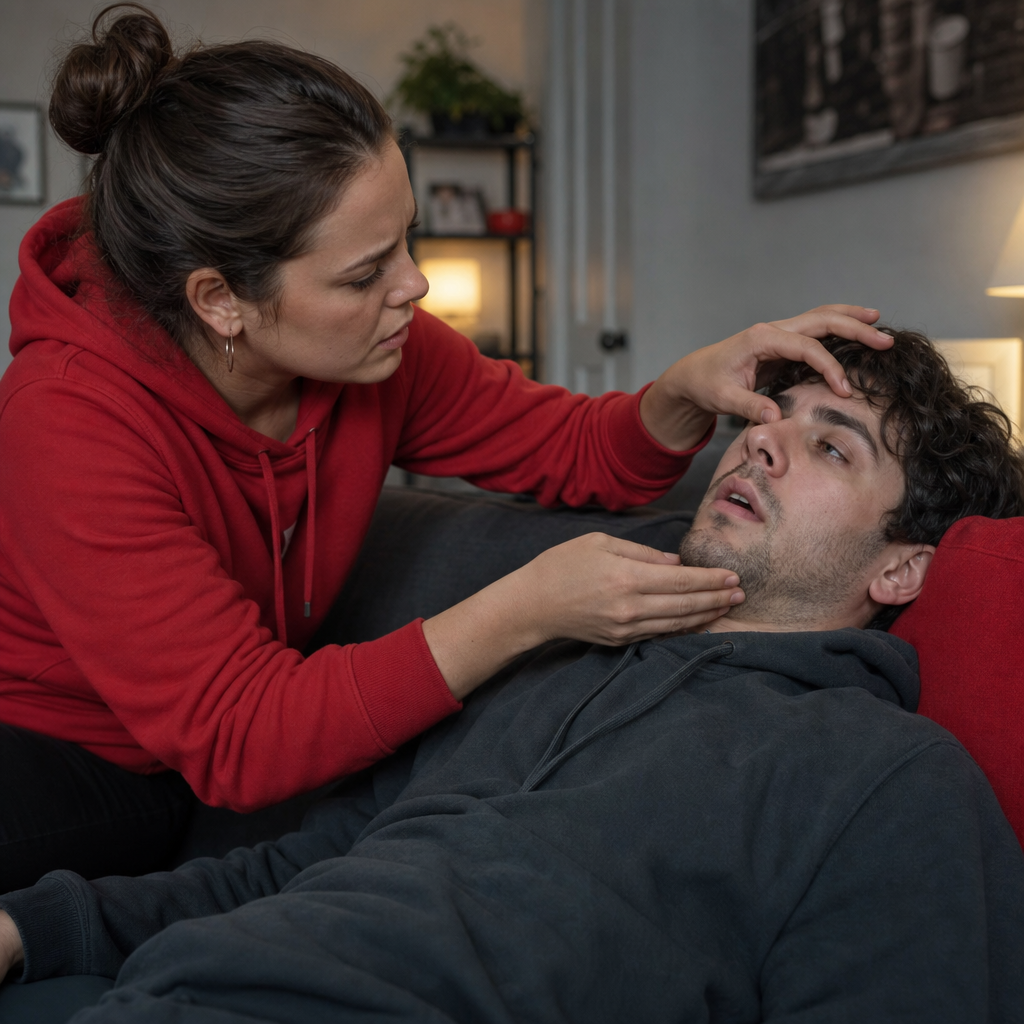
Fentanyl is tiny but deadly. One whiff, one bite, and a person can slip into a life‑threatening state before anyone even notices. That’s why you need a quick way to spot the warning signs. In the next few minutes you’ll learn the exact steps to recognize a fentanyl overdose in a friend, how to give immediate help, and what to do after the crisis passes.
We’ll break the process into five easy steps. Each step includes real‑world tips, what to look for, and why it matters. By the end you’ll feel ready to act confidently, call 911, and connect the person to lasting support.
Step 1: Observe Physical Symptoms
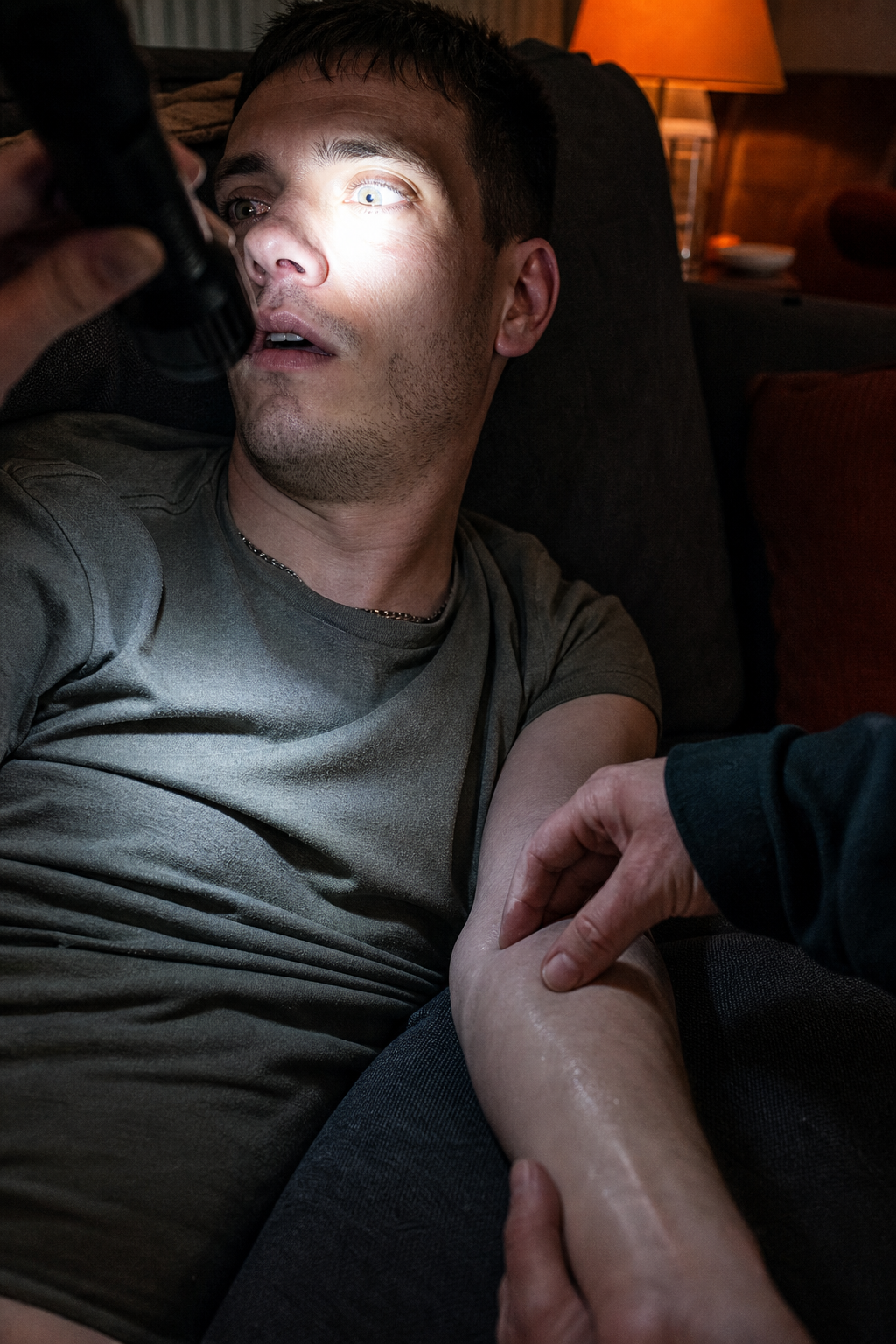
When fentanyl hits the brain, the body reacts fast. The most reliable clue is the Opioid Triad: pinpoint pupils, shallow breathing, and a limp body. Pinpoint pupils, also called miosis, look like tiny black dots that don’t open even in bright light. This tiny sign often appears before breathing slows.
Other physical cues include:
- Clammy, cold skin
- Blue‑tinged lips or fingertips
- Muscle rigidity, especially in the chest
- Unexplained limpness or inability to lift arms
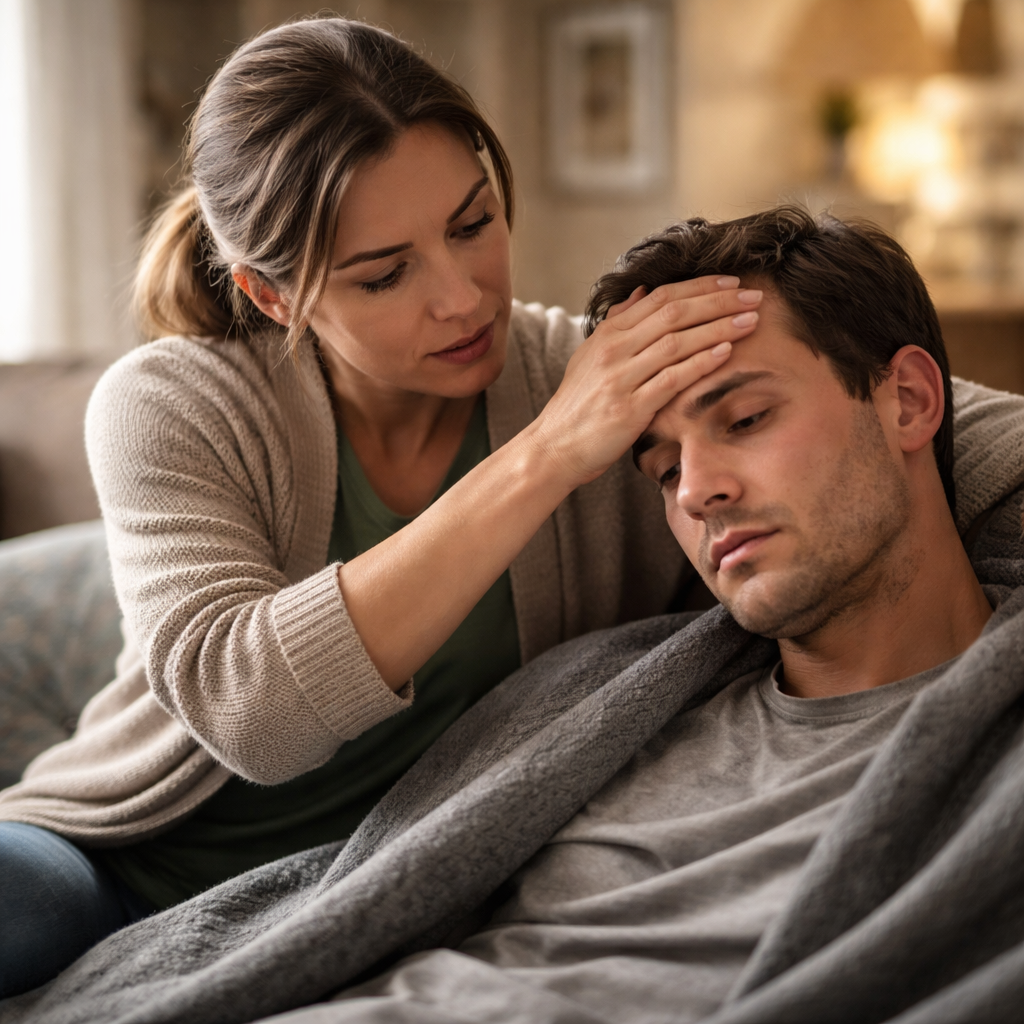
Imagine you’re at a house party and a friend slumps onto the couch. Their eyes are glassy, pupils barely visible, and their skin feels cool to the touch. Those are red flags. Check the chest , is it rising and falling? If the breaths are shallow or stopped, you are looking at a possible overdose.
Why do these signs matter? Fentanyl binds tightly to brain receptors that control breathing. When those receptors are blocked, the body can’t get enough oxygen. Within minutes, brain cells begin to die. That’s why every second counts.
When you spot any of these signs, don’t wait for the person to become unresponsive. Move to the next step , call emergency services while you prepare naloxone if you have it.
For a deeper look at the Opioid Triad and how it appears in real cases, see the guidance from the Coastal Health District signs of an overdose page. Their checklist matches what we’ve just described.
Step 2: Identify Behavioral Changes
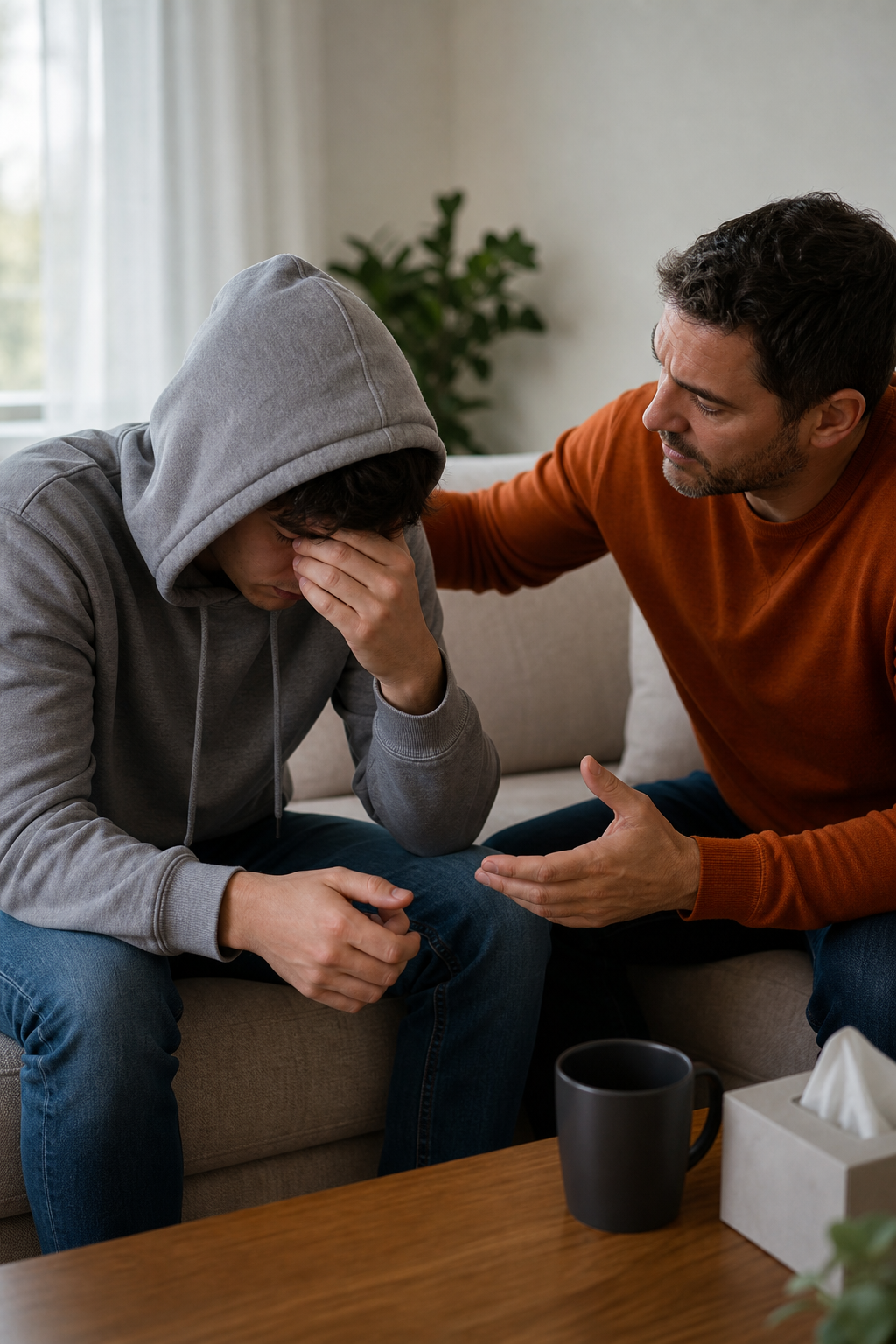
Physical signs are easy to miss when a crowd is loud. Behavioral clues often give you the first hint that something is wrong. A friend who suddenly becomes unusually quiet, drifts off mid‑conversation, or shows extreme agitation may be experiencing a fentanyl‑related episode.
Common behavioral shifts include:
- Sudden confusion or disorientation
- Extreme drowsiness or “nodding off”
- Uncharacteristic aggression or paranoia
- Repeating the same phrase over and over
These changes happen because fentanyl depresses the central nervous system. Even a tiny dose can make a person feel detached from reality. If you notice a friend staring blankly, slurring words, or having trouble staying upright, treat it as an emergency.
Here’s a quick mental drill: Stop what you’re doing, Look at the person’s eyes, Listen for breathing, and Respond with help. It’s a simple way to keep your focus when adrenaline spikes.
Imagine a scenario where you’re at a coffee shop. A friend who’s usually chatty suddenly stops speaking, eyes glaze, and their hands tremble. Those are warning signs. You’ve already seen the physical clues; now you add the behavioral ones to confirm the risk.
State health agencies note that behavioral changes often precede severe breathing problems. The Oregon Health Authority explains this pattern in its fentanyl facts sheet here. Knowing the timeline helps you act faster.
When you see these signs, stay close, keep the person upright, and prepare to call 911. If you have naloxone nearby, get it ready now.
Need a step‑by‑step guide on what to say when you call for help? Check out How to Handle a Loved One’s Fentanyl Overdose. It walks you through the phone script you’ll need.
Step 3: Check Breathing and Pulse
Breathing is the body’s alarm system. If fentanyl slows it down too far, the heart can stop. Here’s how to assess it quickly.
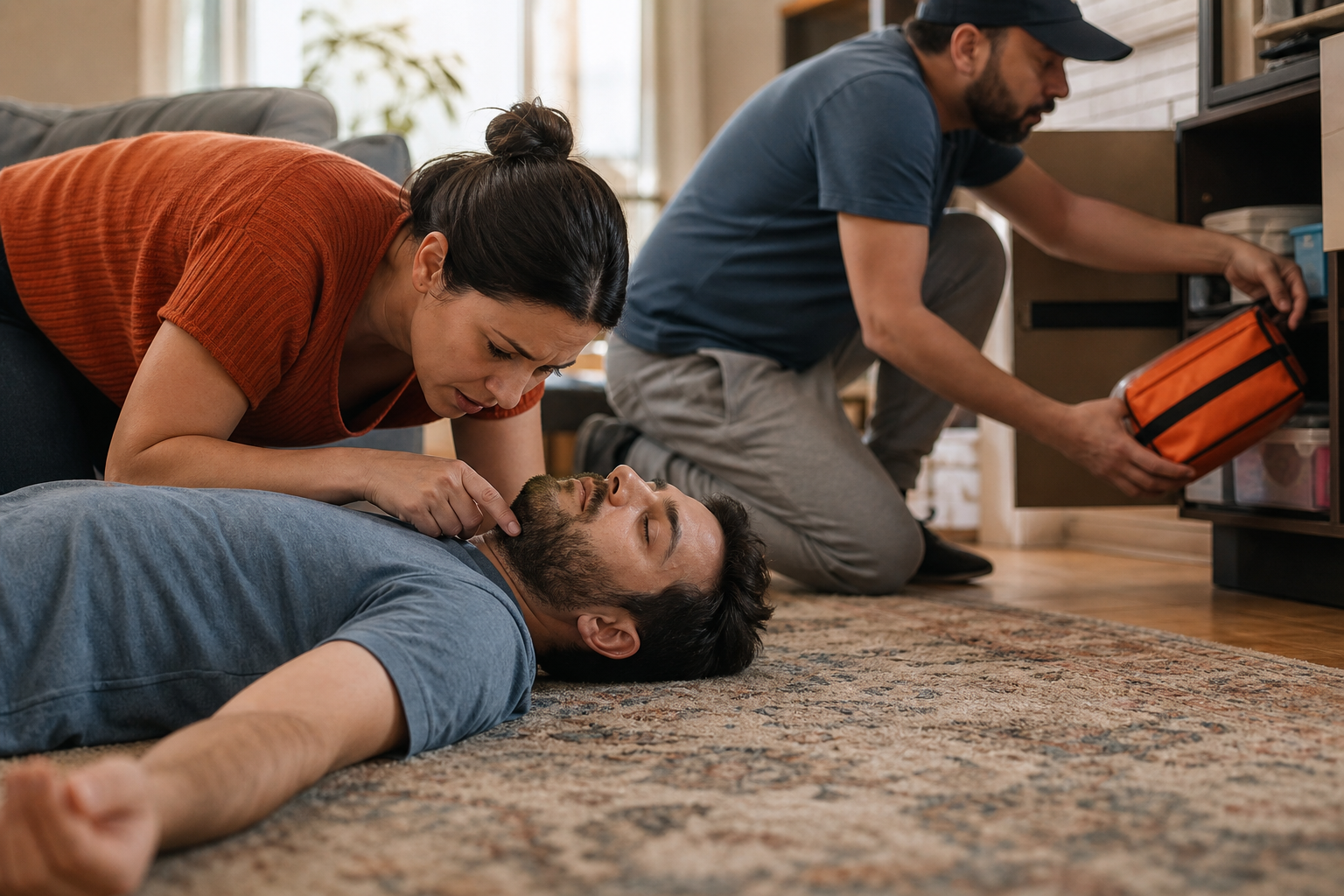
First, place a hand on the person’s chest. Feel for rise and fall. Count the breaths for ten seconds; multiply by six to get breaths per minute. Normal breathing is 12‑20 breaths per minute. Anything lower, especially under eight, is dangerous.
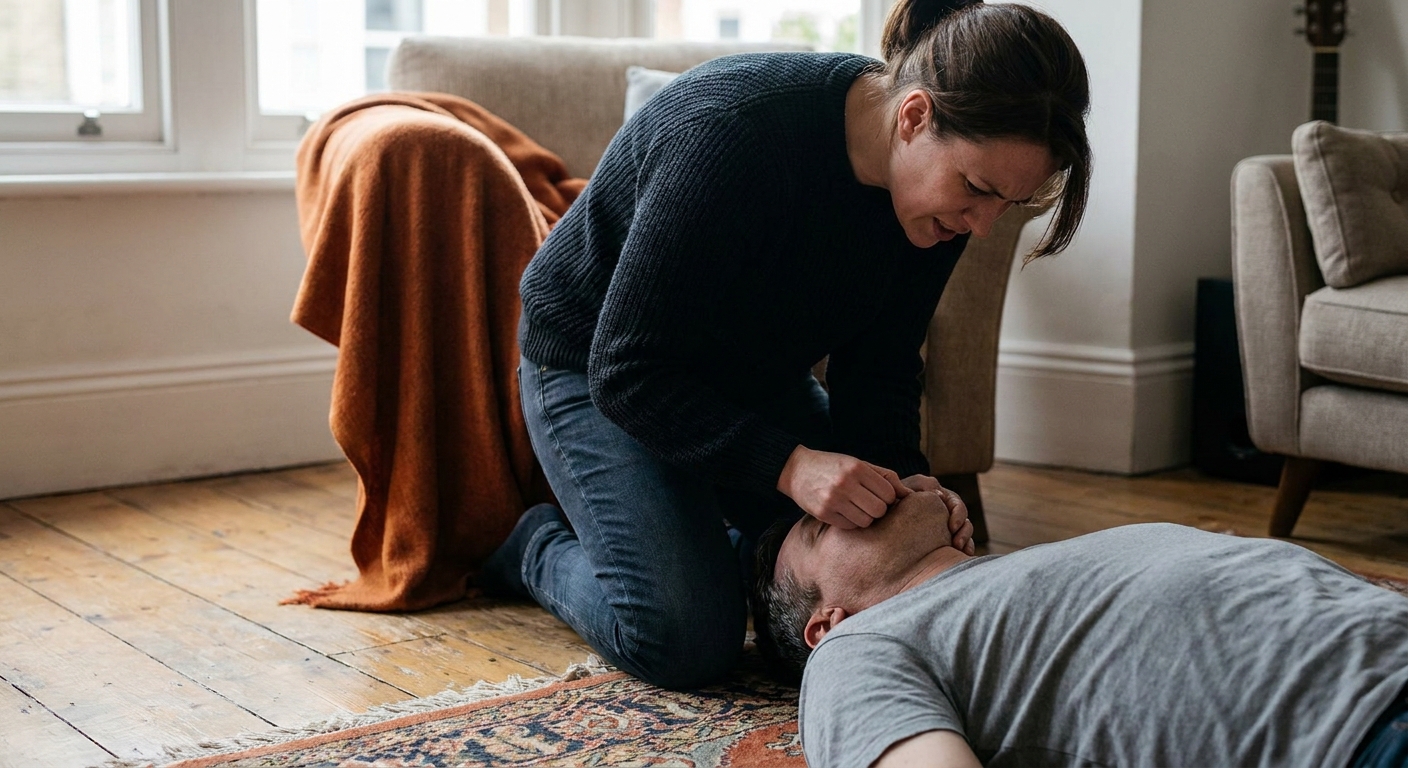
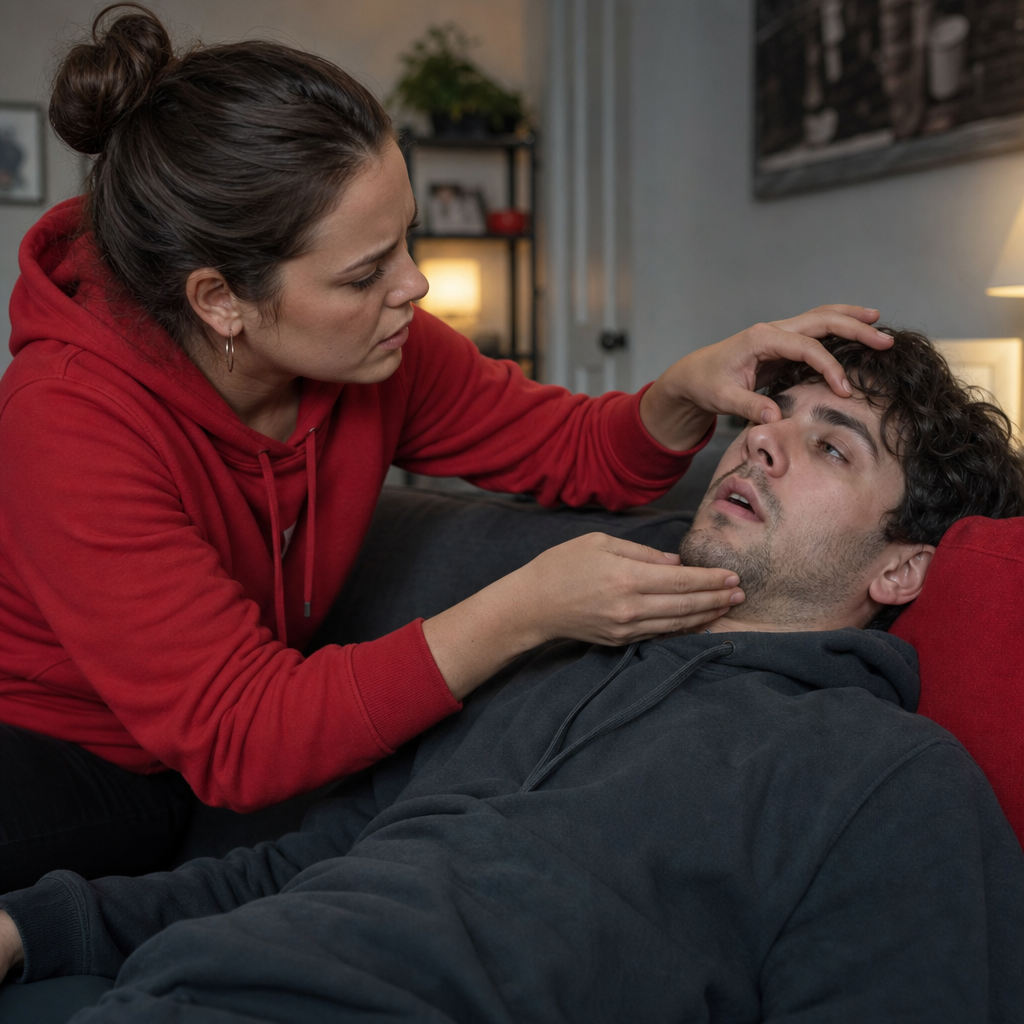
Next, feel for a pulse. The best spot is the wrist (radial artery) or the side of the neck (carotid). Press lightly , you should feel a steady thump. If you can’t find a pulse, assume cardiac arrest and start CPR immediately.
If breathing is shallow but the person is still conscious, give rescue breaths every five seconds. If breathing has stopped, begin chest compressions at a rate of 100‑120 per minute , think of the beat of a fast song.
The Cleveland Clinic explains the physiology behind opioid‑induced respiratory failure in detail here. Their guide also notes that naloxone can reverse the effect in minutes, but you still need to watch the person for at least an hour after the dose.
Now watch the video below. It shows a first‑responder checking breathing and pulse in real time.
After you’ve confirmed breathing problems, call 911 if you haven’t already. While you wait, keep the person’s airway open by tilting the head back and lifting the chin. If you have naloxone, administer it now.
Step 4: Perform the Naloxone Test (if available)
Naloxone is the antidote that can pull a person out of a fentanyl haze. It works by blocking the opioid receptors, allowing the brain to start breathing again.
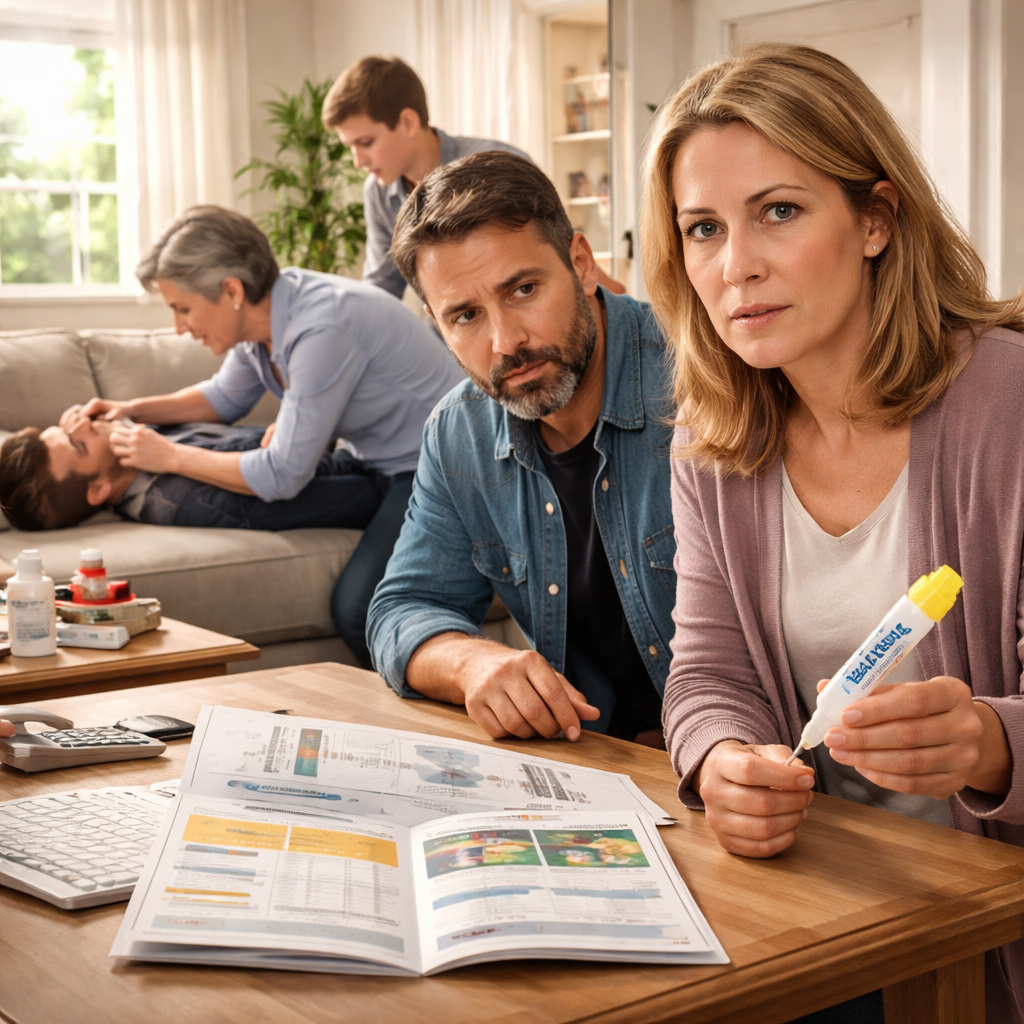
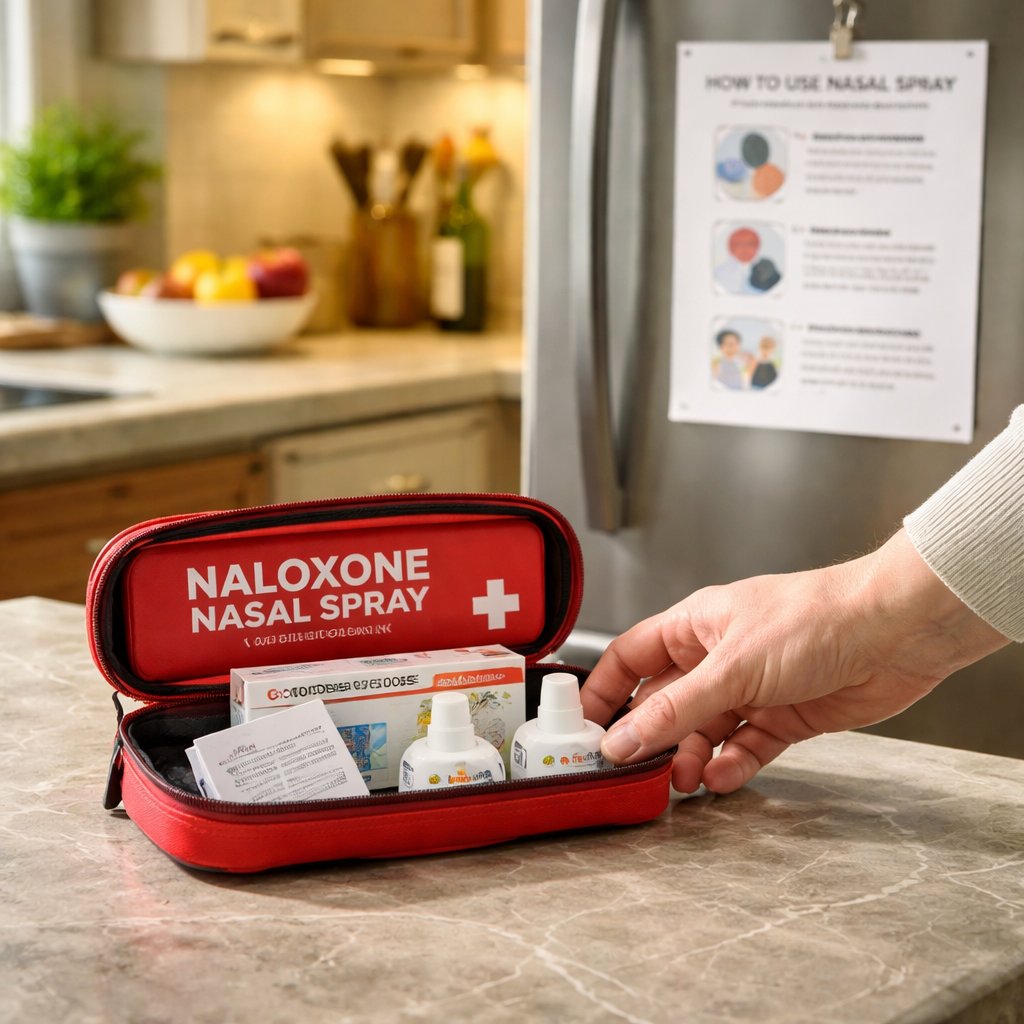
If you have a naloxone kit, follow these steps:
- Remove the protective cap.
- Place the nasal tip into one nostril and press firmly until you hear a click.
- Watch the person for a change in breathing within two minutes.
- If no improvement, give a second dose in the other nostril or on the thigh if using an auto‑injector.
Most kits contain enough medication for two doses. Because fentanyl is so potent, sometimes a second dose is needed.
Remember to stay with the person after you give naloxone. They may become agitated as the drug wears off. Keep the airway open and be ready to give rescue breaths again.
After the dose, continue to monitor breathing every five minutes for at least an hour. If breathing slows again, you may need another dose while waiting for EMS.
For more on how naloxone works and its limits, the CDC’s emergency response card outlines the exact protocol here. (Note: this is an authority source.)
If you need help locating a nearby pharmacy that can provide a free kit, the Effective Emergency Intervention guide includes a quick‑lookup list.
Step 5: Call Emergency Services & Provide Critical Information
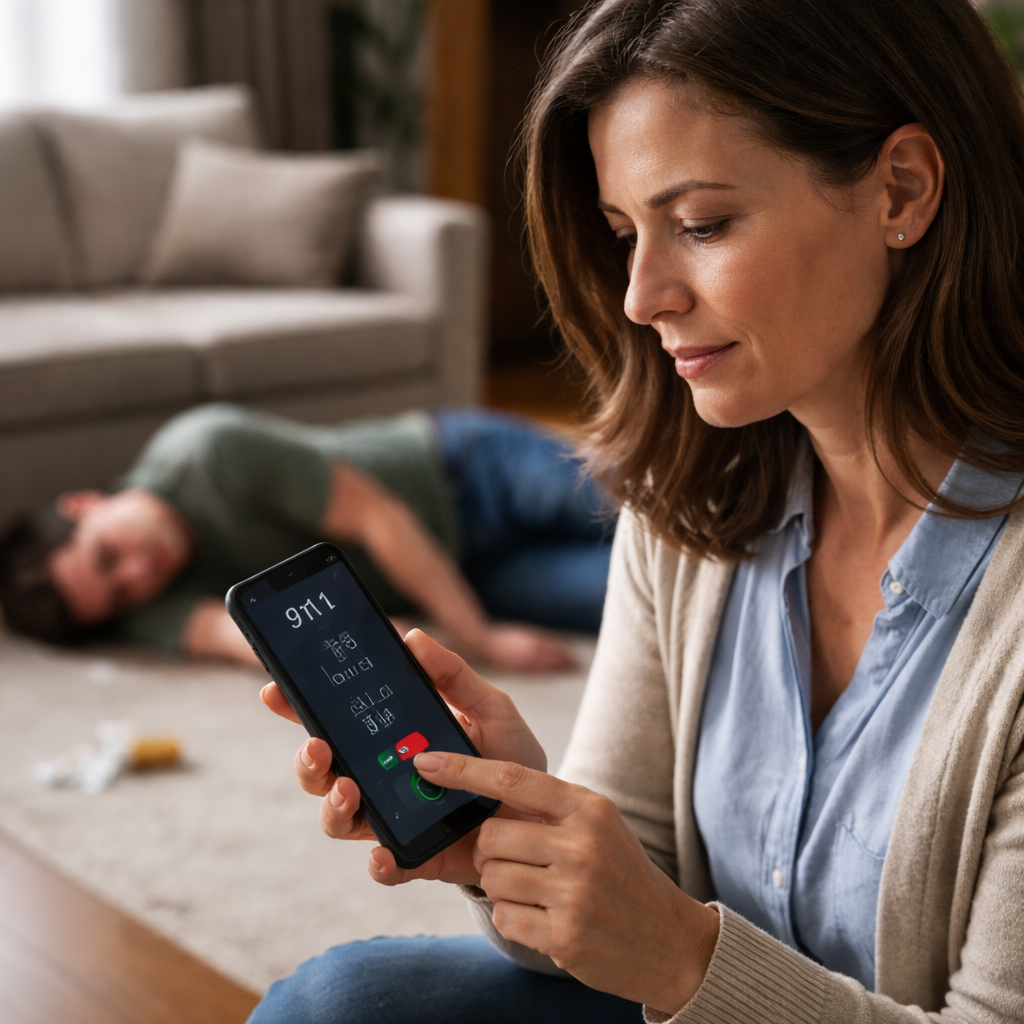
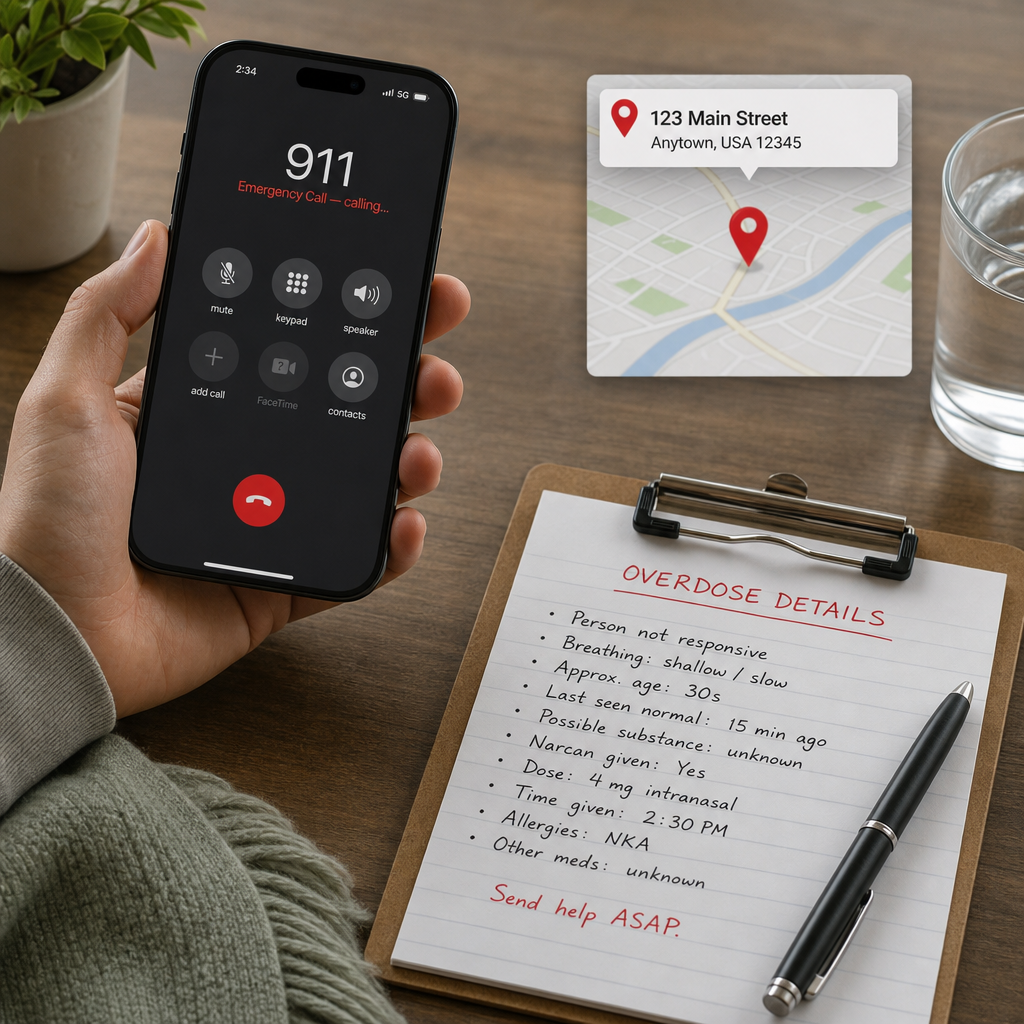
Dialing 911 is the most important move you can make. While you wait, give the dispatcher clear, concise facts. This helps the EMTs bring the right equipment and medication.
Tell them:
- The exact address, including apartment number or floor.
- That you suspect a fentanyl overdose.
- Any visible substances , pills, syringes, powder.
- Known medical history: allergies, chronic conditions, or a Do‑Not‑Resuscitate order.
Speak slowly, pause to breathe, and repeat the key details if asked. The dispatcher may guide you through rescue breathing or additional naloxone doses.
While you wait, keep the person’s airway open, monitor breathing, and be ready to give a second naloxone dose if needed.
After EMS arrives, hand over your notes. A quick written log of the timeline (when you called, when you gave naloxone, any changes) speeds up treatment.
Once the immediate crisis is over, the next step is long‑term care. Reach out to a professional intervention service within the next day. The team at Next Step Intervention can set up a treatment plan, arrange counseling, and help the family create a safe home environment.
For a quick checklist you can print and tape to the fridge, see the Find a Qualified Intervention Counselor Near Me page. It includes a ready‑to‑use emergency info sheet.
FAQ
What physical signs should I look for first?
The fastest clues are pinpoint pupils, a cool, clammy skin, and shallow breathing. If the person’s chest isn’t moving or their lips turn blue, treat it as an emergency. Check the pulse with your fingertips; if you can’t feel it, start CPR right away. These signs often appear before the person loses consciousness, giving you a narrow window to act.
How do I know if I should give naloxone?
Give naloxone any time you see the Opioid Triad , especially pinpoint pupils and slowed breathing , even if you’re not 100% sure it’s fentanyl. The medication is low‑risk and can reverse the overdose in minutes. If you have a kit, administer it while you call 911. A second dose may be needed because fentanyl can outlast naloxone’s effect.
What exact details does the 911 dispatcher need?
Tell the dispatcher the precise location, including apartment or floor number, and say you suspect a fentanyl overdose. Mention any drug paraphernalia you see, such as pill bottles or powder. Share known medical issues like allergies or chronic conditions. Speak clearly, pause to breathe, and repeat the key points if asked. Accurate info helps responders bring the right tools and medication.
What if I’m alone when the overdose happens?
Stay with the person and call 911 immediately. Put the phone on speaker so your hands stay free to check breathing or give naloxone. If a neighbor is nearby, shout for help and ask them to call the intervention line while you focus on the emergency steps. Even a brief voice‑check can keep you from feeling isolated.
How long should I monitor the person after giving naloxone?
Watch the person for at least an hour after the first dose. Naloxone’s effects wear off in 30‑90 minutes, and fentanyl can cause a delayed return of symptoms. Keep checking breathing every five minutes and be ready to give a second dose if breathing slows again. Write down each dose time to share with EMTs.
What follow‑up steps help prevent another overdose?
After the emergency, contact a professional intervention service like Next Step Intervention within 24‑48 hours. They can arrange a treatment plan, provide counseling, and set up safety measures such as lock‑boxes for medications. Encourage the person to attend a support group and keep a naloxone kit at home. A clear recovery roadmap reduces the chance of repeat incidents.
Conclusion
Spotting a fentanyl overdose is about watching for tiny pupils, shallow breaths, and sudden behavior changes. Act fast: check breathing, give naloxone if you have it, and call 911 with clear details. After the crisis, link the person to lasting help. Next Step Intervention offers 24‑hour emergency response and a full recovery pathway. Call them at (949) 545‑3438 or visit their website to start the next step toward safety.
Remember, every second counts. Your quick eyes, calm voice, and prepared actions can turn a life‑threatening moment into a chance for a new start.
“When breathing stops, every second lost reduces the chance of full recovery,” says the Cleveland Clinic.