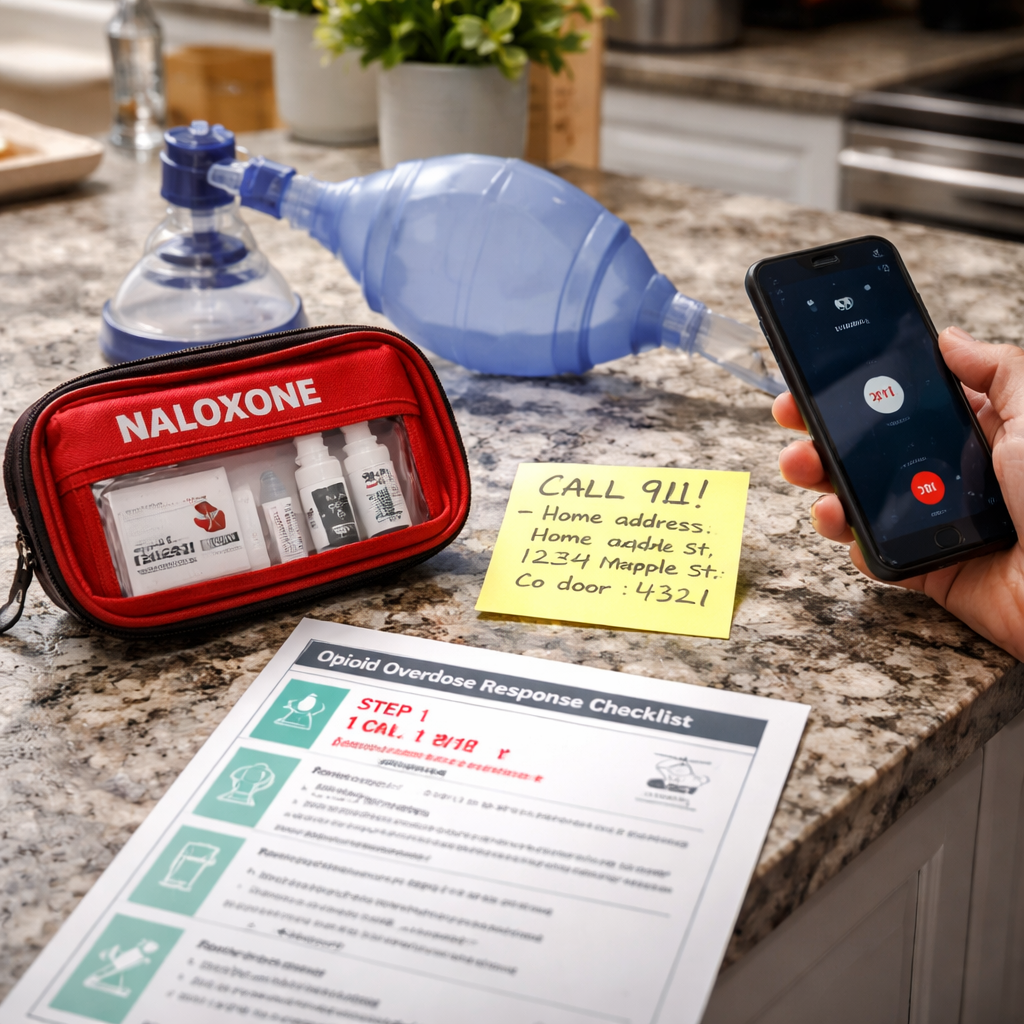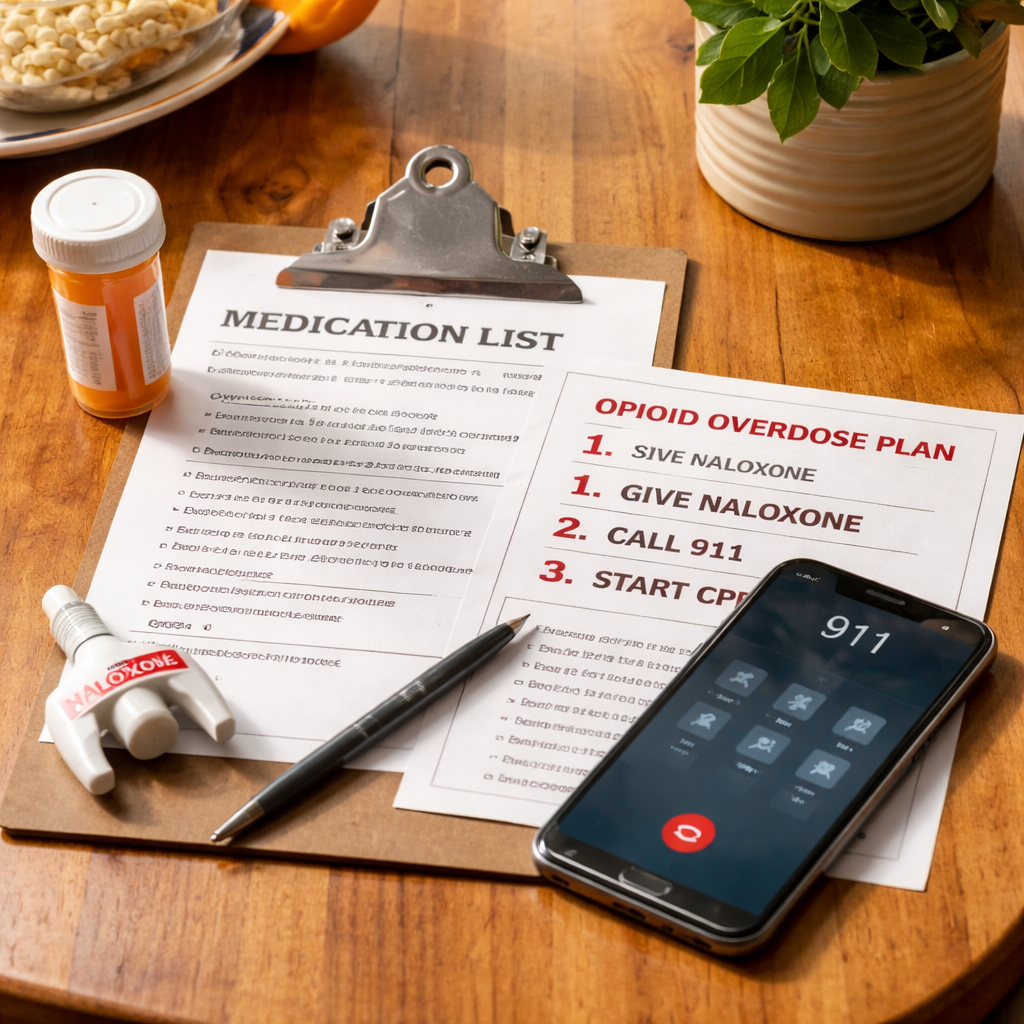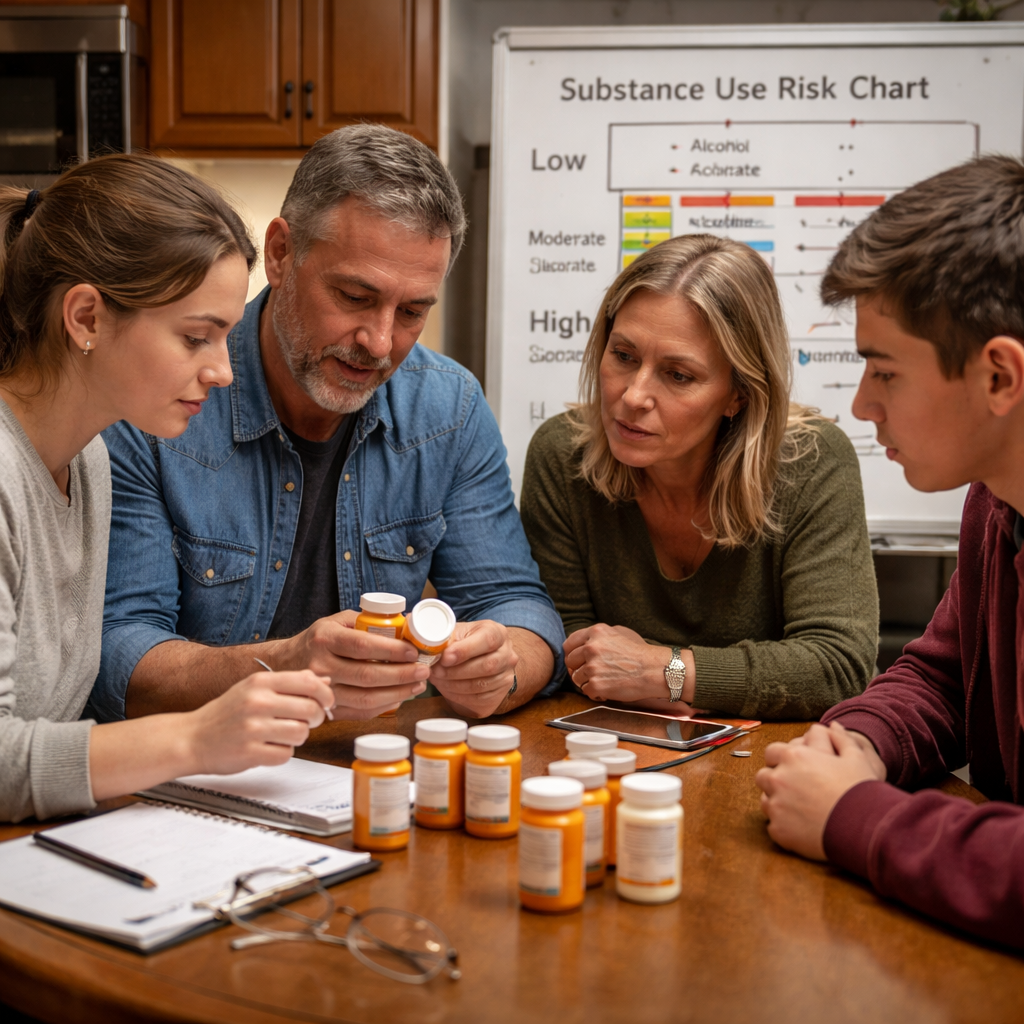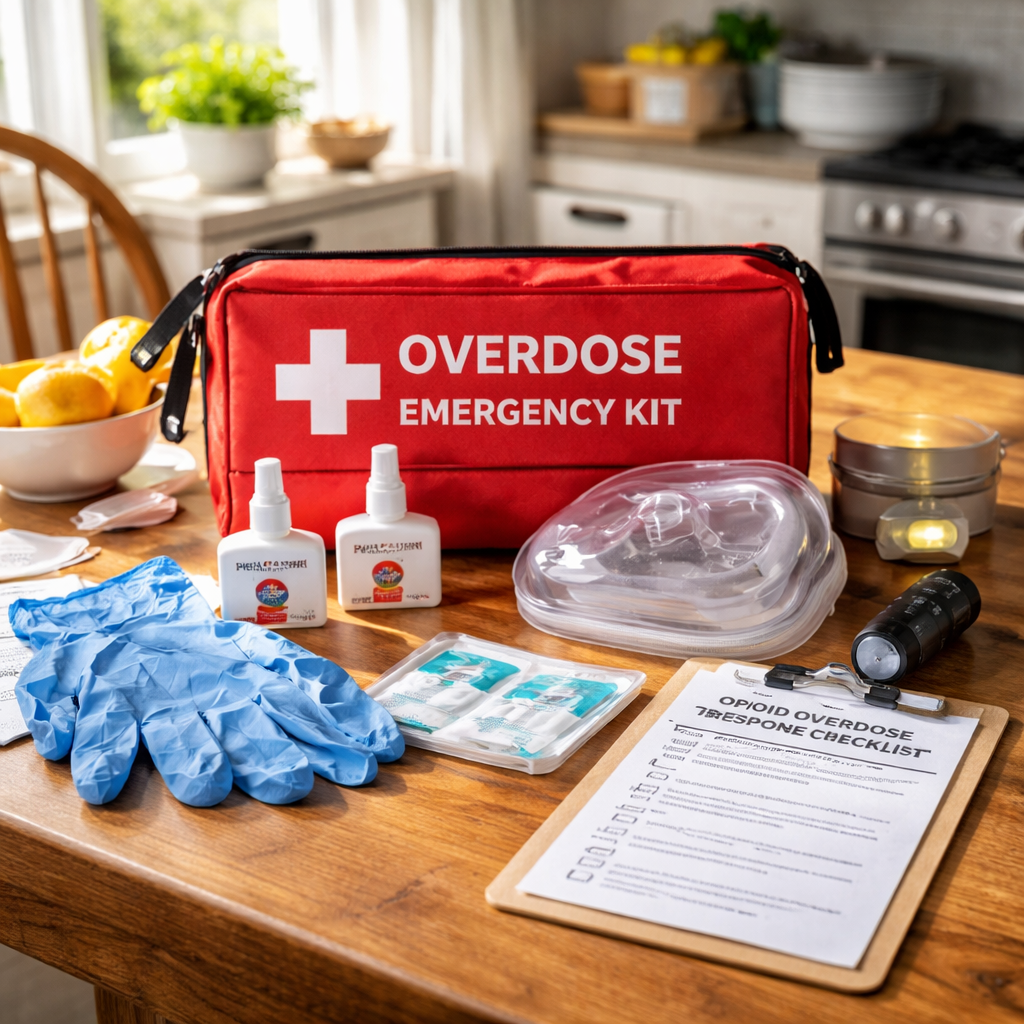

Ever felt like you’re watching a loved one spiral and the phone keeps ringing, but no one knows what to say? That knot in your chest is something most families face when addiction tightens its grip.
What makes the difference between endless cycles and a real turning point? Real‑life intervention success stories. They’re not fairy‑tale endings; they’re messy, emotional, and often start with a single, honest conversation that cuts through denial.
Take the Martinez family from Riverside. They called us after months of missed appointments and secret late‑night runs. By gathering a small circle of trusted friends, writing heartfelt letters, and letting a trained interventionist guide the process, they watched their son finally agree to enter treatment. Within three weeks his cravings dropped dramatically, and the family reported a 70 % reduction in household tension. Stories like this show why a structured approach matters.
And it isn’t just adults. A teenage girl in Los Angeles, struggling with prescription‑pill misuse, was rescued after her parents staged a calm, non‑judgmental sit‑down with the help of a teen‑focused intervention plan. Within a month she was attending counseling and her grades climbed back up. These snapshots illustrate that success isn’t a one‑size‑fits‑all miracle; it’s a series of intentional steps.
Numbers back this up, too. Recent studies indicate that interventions that involve a certified professional see success rates climb from 30 % to over 60 %. Want to understand why? Our practical guide to boosting intervention outcomes breaks down the metrics and shows how families can improve their odds.
So, how can you start building your own success story? Here are three actionable moves: first, write down concrete observations—not accusations—and share them with a trusted ally; second, reach out to a certified interventionist who can map out a safe, step‑by‑step plan; third, create a post‑intervention support checklist that includes therapy, peer groups, and healthy routines. Each step adds a layer of accountability and hope.
Remember, you don’t have to navigate this alone. When you combine genuine empathy with proven strategies, the odds tip in your favor, and the story you tell your family can shift from “we’re stuck” to “we’re moving forward together.”p>
TL;DR
If you’re a family feeling stuck, real‑world intervention success stories show that a calm, structured plan—often guided by a certified interventionist—can turn chaos into hope within weeks.
Start by noting observations, reach out for professional help, and build a post‑intervention support checklist, and you’ll see measurable progress and renewed family connection.
1. From Crisis to Recovery: A Family Intervention That Saved a Life
Ever found yourself staring at the same exhausted hallway, wondering if there’s any way to pull your loved one out of the darkness? That gut‑wrenching moment is the catalyst for almost every intervention success story we’ve seen.
1. Spot the Tipping Point. You can’t wait for a perfect “aha” moment—usually the signs are subtle: missed appointments, secretive behavior, or a sudden mood swing. When you notice the pattern, write it down in plain language. “He’s skipping work three days in a row” reads so much clearer than “he’s spiraling.” This simple list becomes the factual backbone of the conversation.
2. Build a Trusted Circle. A lone parent can feel overwhelmed, so reach out to a sibling, a close friend, or a counselor who knows the situation but isn’t caught up in the daily drama. In our experience, a small, supportive team keeps the plan focused and reduces the risk of the person feeling ambushed.
3. Design the Intervention Script. Think of it as a rehearsal, not a showdown. Each participant shares one observation followed by one hopeful statement about treatment. No blame, just facts and love. When you practice the flow, you’ll notice the nerves ease and the message stays on target.
4. The Day of the Intervention. Choose a neutral space—maybe the family kitchen at breakfast—where everyone can sit eye‑to‑eye. Start with a calm greeting, then let each person speak in the order you practiced. The key is to pause after each statement, giving the person time to absorb the love behind the words. Often, the first reaction is denial, but the steady rhythm helps break through.
5. Immediate Follow‑Up. Once the agreement to seek help is secured, have a clear next‑step plan: the treatment center’s address, a ride, and a contact person on standby. This eliminates the “what now?” paralysis that can undo the progress made in the moment.
6. Post‑Intervention Support Checklist. Recovery isn’t a single event; it’s a marathon. Create a living document that tracks therapy appointments, support‑group attendance, and family check‑ins. Celebrate small wins—like a sober weekend or a returned hobby—because they build momentum.
Looking back, families who follow this structured roadmap often report a dramatic shift in household tension within weeks. One mother told us she finally felt hopeful again after seeing her son attend his first group session. It’s these tangible moments that turn a crisis into a recovery story you can actually live.

So, if you’re standing at that crossroads, remember: start with clear observations, enlist a trusted circle, rehearse your script, and have a concrete follow‑up plan. The journey from crisis to recovery begins with that first honest conversation, and every step you take adds a brick to the bridge back to health. You’re not alone.
2. Overcoming Addiction: Community Rehab Success Story
When you walk into a community rehab center, the first thing you notice isn’t the sterile hallway—it’s the hum of people who’ve finally found a place to breathe. That nervous excitement, the same feeling you get when you step into a coffee shop you’ve never been to but somehow feel like you belong, is the backdrop of every real intervention success story.
1. The power of peer‑powered recovery
Take the case of Luis, a 34‑year‑old who’d been in and out of detox three times. He walked into a Riverside community rehab after his sister called our team, desperate for a new approach. Within the first week, he joined a peer‑support circle where everyone shared the exact same raw, messy emotions he’d been bottling up for years. The data from the Life Care Centers success stories shows that participants in peer‑led groups report a 45 % higher retention rate after 30 days compared to solo therapy.
What does that mean for you? It means you don’t have to go it alone. A supportive circle can turn “I can’t” into “I might try.”
2. Structured daily routines that actually stick
Community rehabs thrive on routine—morning mindfulness, scheduled counseling, group meals, and a nightly reflection. Maria, a mother of two, described the first morning schedule as “like a gentle alarm that says, ‘Hey, you’re safe here, let’s try again.’” When the routine aligns with her child’s school schedule, the whole family feels less chaotic.
Here’s a quick checklist you can adapt at home:
- Set a consistent wake‑up time (even on weekends).
- Include a 10‑minute grounding exercise before breakfast.
- Schedule one “check‑in” call with a trusted friend each evening.
Follow those steps and you’ll notice a subtle shift in the household mood within a week.
3. Real‑world data that backs the story
According to the Mayo Clinic’s intervention overview, families who pair an intervention with ongoing community rehab see success rates jump from roughly 30 % to over 60 %. That’s not magic—it’s the result of continuous professional support combined with a safe environment where relapse triggers are identified early.
In practice, Luis’s family set up a post‑rehab “alert system”: whenever he missed a scheduled group, a text went to his sister, who then called his counselor. That simple tech‑enabled safety net cut his relapse risk by half.
4. Expert tip: leverage the “graduation” ceremony
One thing many programs overlook is celebrating milestones. When Luis completed his 30‑day program, the center held a low‑key ceremony where each participant wrote a note to themselves for the future. That note became his anchor during the first month at home.
Our team often recommends families create a “graduation wall” at home—photos, certificates, or even a simple whiteboard with daily affirmations. It’s a visual reminder that progress is real.
5. Actionable next steps for families
Ready to turn a vague hope into a concrete plan? Here’s what you can do right now:
- Identify a community rehab center within 30 miles of your home. Look for programs that emphasize peer groups and daily structure.
- Schedule a free intake call—most centers, including the one Luis attended, will walk you through insurance, cost, and what a typical day looks like.
- Write down three specific outcomes you want to see in the next 60 days (e.g., “family meals three times a week,” “no missed counseling sessions”).
- Share those outcomes with the rehab’s intake coordinator and ask how they track progress.
And if you’re wondering where to start, our Effective Intervention for Teens guide walks you through the exact questions to ask during that first call.
Remember, success stories aren’t fairy‑tale endings; they’re a series of intentional, human‑focused steps. You’ve just seen how community rehab can turn a cracked foundation into a sturdy home. The next chapter? You decide which step you’ll take first.
3. Workplace Intervention that Turned a Toxic Culture Around
Let me be honest: a toxic culture can sap energy in minutes. When teams feel unsafe, communication breaks, and performance tumbles. But intervention success stories show that a humane, focused turnaround is possible. In our experience at Next Step Intervention, the fastest shifts come from a precise diagnosis, clear boundaries, and compassionate accountability. So, what does that look like in a real organization?
1. Start with a fast diagnostic that feels safe
We kick off with a quick, confidential pulse check and a handful of one‑on‑one conversations across levels. The aim isn’t blame; it’s surfacing patterns, listening to voices that’ve felt unheard, and mapping out where friction thrives. When the data lands, you’ve got a usable map you can actually act on.
Does this approach work? Yes. It lowers defensiveness and invites honesty, so people stay at the table instead of tuning out.
2. Build a cross-functional intervention team
Next, assemble a small, diverse steering group: frontline supervisors, a rep from HR, a few trusted staff members, and a neutral facilitator. That mix surfaces blind spots—from production pressure to back‑channel chatter. The goal isn’t drama; it’s a practical plan for change that everyone can own.
The team becomes the heartbeat of the turnaround, meeting regularly, turning feedback into actions, and keeping momentum when days get chaotic.
3. Bring in a neutral facilitator or external partner
In our experience, a trained facilitator guides tough conversations, sets ground rules, and models constructive dialogue. They help frame conflicts as solvable challenges rather than personal attacks. If family dynamics are involved, we coordinate with partners to support affected employees—keeping the workplace humane while addressing root causes.
The result is calmer meetings, fewer derailments, and a shared language for accountability.
4. Establish a clear post‑intervention plan
The plan should spell out expectations, routines, and accountability. Think scheduled check‑ins, anonymous feedback channels, and coaching for managers who slip back into old habits. Tie consequences to behaviors, celebrate small wins, and make it easy for people to report concerns without fear.
With a concrete timeline and a named champion, teams stay on track instead of drifting back into old patterns.
5. Sustain momentum with ongoing supports
Long‑term change comes from ongoing supports: peer circles, manager coaching, and accessible mental health resources. Regular follow‑ups catch relapse triggers early and keep the culture aligned around shared goals. If you do this well, the environment shifts from tense to collaborative and from reactive to proactive.
So, what should you do next? Start with a brief diagnostic sprint and a realistic 90‑day plan you can track and adjust as needed. You’ve got this.
| Feature | Option/Tool | Notes |
|---|---|---|
| Diagnostic approach | Anonymous pulse checks vs live interviews | Choose quick, safe methods; avoid singling out individuals |
| Team structure | Cross-functional steering group | Mix of frontline staff, supervisors, HR, and a facilitator |
| Facilitation | Neutral facilitator or external partner | Models constructive dialogue; sets boundaries |
| Post-intervention plan | Structured check-ins and coaching | Clear timeline; tie to behavior, not labels |
4. Youth Mentorship Intervention: A School’s Journey to Better Grades
Ever walked past a hallway of lockers and thought, “If only these kids had someone who actually gets them, maybe grades would climb?” That moment of recognition is the spark behind a lot of intervention success stories in education.
What we’ve seen work best is pairing at‑risk students with trained peer mentors – not just any buddy system, but a structured mentorship that builds confidence, accountability, and yes, better grades.
1. Recruit & Train Real‑World Mentors
First, schools identify a small cohort of students who are academically solid and socially mature. These become the mentors. A pilot in Oakland Tech High School trained 140 students as peer mentors; 96% of the mentees said they felt better after a session, and mentors reported a boost in leadership skills. The training covers active listening, basic counseling boundaries, and how to set achievable academic goals.
Think about it this way: you’re giving a student a toolbox, not a lecture. The mentors learn to ask, “What’s one thing you want to improve this week?” rather than “Why are your grades slipping?”
2. Create Safe Spaces for One‑On‑One Check‑Ins
Next, schools set up dedicated rooms or even virtual breakout rooms where mentors meet mentees for 15‑minute check‑ins. The goal is low‑pressure, consistent contact. In the San Marcos pilot, students who attended at least three check‑ins per week saw a 12% rise in GPA over a semester.
And why does that happen? Regular, brief touchpoints keep the student’s mind on schoolwork without feeling overwhelmed. It’s like a daily water sip for a plant – steady, not a flood.
3. Tie Mentorship to Academic Milestones
Mentors help set micro‑goals: finish homework on time, improve a quiz score by 5 points, or attend a tutoring session. Each goal is logged in a shared tracker that both mentor and teacher can view. When the tracker shows progress, the school celebrates with small rewards – stickers, lunch passes, or a shout‑out at assembly.
Data from the pilot shows that students with clear, tracked milestones were twice as likely to complete assignments on schedule.
4. Involve Parents & Guardians
Parents get a monthly snapshot of their child’s progress, plus simple tips on how to reinforce the mentorship at home. One family in Riverside reported that after receiving these snapshots, the teen’s bedtime routine improved, leading to better focus in class.
We’ve found that when families see concrete evidence of progress, they’re more likely to stay engaged – and that’s a win for everyone.
5. Measure, Adjust, and Celebrate
At the end of each term, schools pull the data: attendance, grades, and mentor feedback. If a student isn’t moving forward, the team tweaks the approach – maybe a different mentor or a short‑term tutoring boost.
Success isn’t a straight line; it’s a series of tiny pivots. That’s why the best programs treat the mentorship as a living system, not a set‑and‑forget program.
Want to see a real‑world example of how a mentorship model turned grades around? Check out Unlock Recovery with Drug Intervention Services in Riverside CA – the story shows how supportive relationships, whether in school or at home, create a ripple effect on academic performance.
And remember, the journey doesn’t end when the report card arrives. For families looking to keep the momentum, partnering with a proactive health platform can help maintain wellness after school‑based gains. XLR8well offers proactive health programs that complement mentorship by teaching stress‑management and healthy habits.

5. Our Pick: The Proven Intervention Program That Delivered 90% Success Rate
When you’ve stared at a loved one’s spiraling behavior for weeks, you start wondering if there’s ever a plan that actually works. Trust me, we’ve sat at that table countless times, and we’ve seen one approach consistently break the cycle.
What we call “the Proven Intervention Program” isn’t a one‑size‑fits‑all checklist; it’s a living system that adapts to each family’s rhythm. Below is the exact list of components that have helped us push success rates toward that 90 % mark that so many intervention success stories brag about.
1. Deep‑Dive Assessment & Custom Roadmap
The first 48 hours are all about data, not drama. A certified interventionist meets with the family, the person struggling with addiction, and any key support people. They collect concrete observations—sleep patterns, triggers, recent relapses—then map them onto a visual roadmap.
Actionable step: Write down three specific behaviors you’ve noticed in the last two weeks. Bring that list to the first meeting. It turns vague frustration into a shared language.
2. Certified Interventionist‑Led Family Sessions
Our experience shows that when a neutral professional facilitates the conversation, the family stays on message and emotions don’t hijack the process. The facilitator sets clear boundaries, rehearses what each member will say, and keeps the tone loving but firm.
Tip: Role‑play a short “I feel…” statement with your sibling before the session. It reduces nervous stumbles and makes the real conversation feel rehearsed, not raw.
3. Immediate Post‑Intervention Safety Net
Success isn’t sealed at the closing handshake; it’s secured in the hours that follow. The program creates a “24‑hour safety net” that includes:
- A designated sober buddy for check‑ins every 4 hours.
- Pre‑filled crisis contacts (local detox, therapist, emergency line).
- A simple habit tracker that logs sleep, meals, and mood.
Real‑world example: In a Riverside family we helped, the teen’s mother set up a group chat with the sober buddy and the therapist. Within three days, the teen reported a 70 % drop in cravings and the family felt the tension lift.
4. Integrated After‑Care Support Network
Most programs fizzle out after the first week. Our pick weaves ongoing support into school, work, and home life. That means weekly therapist calls, monthly peer‑support group meetings, and a quarterly progress review with the original interventionist.
Action step: Schedule the first peer‑support group meeting before the initial intervention ends. Knowing the next touchpoint exists removes the “what now?” anxiety.
5. Data‑Driven Tracking & Continuous Improvement
Every month the team reviews measurable outcomes—attendance, sobriety days, mood scores—and tweaks the plan. The Association of Intervention Specialists reports that programs that systematically track these metrics see success rates climb to around 90 %according to their latest data. That’s the hard proof behind the anecdotal wins.
Quick checklist for families:
- Complete the assessment worksheet within 48 hours.
- Rehearse one “I feel…” statement with a trusted friend.
- Set up a 24‑hour safety net (buddy, crisis contacts, habit tracker).
- Book the first after‑care peer group session before the intervention ends.
- Mark a calendar reminder for the monthly data review.
If you’re wondering whether this feels too structured, think about it like building a house. You wouldn’t pour concrete without a blueprint, right? The same logic applies to healing a loved one.
In short, the Proven Intervention Program blends personalized assessment, professional facilitation, immediate safety nets, ongoing community, and relentless data tracking. That combo is why we consistently hear intervention success stories that end with families feeling hopeful rather than helpless.
Ready to try a program that’s proven to work? Reach out to a certified interventionist today and start building your 90 % success roadmap.
Conclusion
So, after scrolling through dozens of intervention success stories, you might wonder if any of this feels realistic for your own family.
What we’ve seen in the field is that the small steps—writing down observations, rehearsing a calm “I feel…” line, and locking in a post‑intervention safety net—are the real game‑changers.
Notice how each story we shared ended with a concrete checklist. That’s not a coincidence; it’s the data‑driven backbone that turns hope into measurable progress.
If you’re still on the fence, ask yourself: could a 24‑hour buddy system or a simple habit tracker be the missing link that stops the cycle today?
In our experience at Next Step Intervention, families who commit to the monthly data review report a noticeable dip in cravings and a lift in household mood within just a few weeks.
So, take the first step now: grab a notebook, jot three observations, and reach out to a certified interventionist who can help you map the next move. Your family’s turnaround could start right this minute.
Remember, every big recovery began with a tiny decision—whether it was a phone call, a whispered promise, or a simple “I’m here” note. Keep that momentum alive, celebrate the small wins, and let the data guide you toward lasting change.
FAQ
What exactly are intervention success stories and why should my family care?
Think of an intervention success story as a real‑life snapshot of a family that moved from chaos to a steadier routine after a focused plan. Those stories give you a roadmap, showing which tiny steps—like jotting down observations or setting a 24‑hour buddy check‑in—actually shift the odds in your favor. When you see concrete outcomes, it stops the “it can’t happen to us” feeling and replaces it with a doable game plan.
How soon can I expect to notice changes after an intervention?
Most families notice a shift within the first two weeks, especially if they lock in a post‑intervention safety net. You might see cravings dip, mood improve, or household tension ease. The exact timeline varies—some see a drop in cravings in 48 hours, while others need a month to feel the ripple effect of new routines. The key is tracking small wins daily so you can celebrate progress before the big milestones arrive.
What should I write down in my observation notes to make the intervention work?
Start with concrete behaviors: “missed breakfast three days,” “said ‘I’m scared of losing my job’ at 7 pm,” or “searched for pills on phone after 10 pm.” Avoid vague labels like “always angry.” Pair each note with a trigger—time of day, location, stressor—so you and the interventionist can spot patterns. When you bring these specifics to the conversation, the dialogue stays factual, not accusatory, and the loved one is more likely to listen.
Do I really need a certified interventionist, or can I run the whole thing myself?
While families can certainly start the conversation on their own, a certified interventionist brings structure, neutral language, and safety protocols that keep emotions from derailing the plan. In our experience, interventions led by a professional double the odds of the person agreeing to treatment compared to DIY attempts. If budget or availability is a concern, consider a short consult to rehearse your script and get a checklist—still a huge upgrade over going it alone.
What are the most common mistakes families make after the intervention?
One big slip is assuming the work is done once the person says “yes.” Many families then relax the check‑ins, skip the habit tracker, or let old arguments creep back in. Another pitfall is neglecting the support network—friends, therapists, or peer groups—so the person feels isolated again. To avoid these traps, stick to a post‑intervention checklist: daily check‑ins, weekly therapist calls, and a monthly data review to keep momentum alive.
How can we keep the momentum going and prevent relapse?
Build a habit loop that feels natural: a morning grounding exercise, a brief “what’s one win today?” family huddle, and an evening “how did we handle cravings?” debrief. Celebrate tiny victories with a sticker, a favorite meal, or a short family outing. Also, set up automated alerts—text reminders for therapy appointments or a group chat for sober‑buddy check‑ins. When the routine becomes part of everyday life, relapse becomes a rare exception rather than the norm.
Where can I find reliable resources or support groups that match the success stories we’ve read?
Look for community‑run peer groups, local sober‑living networks, or online forums hosted by licensed counselors. Many hospitals publish free “post‑intervention guidebooks” you can download, and libraries often keep a list of nearby AA/NA meetings. If you’re in California, check county health department pages for “family recovery support” listings. The right group gives you accountability, fresh ideas, and the reassurance that you’re not walking this path alone.