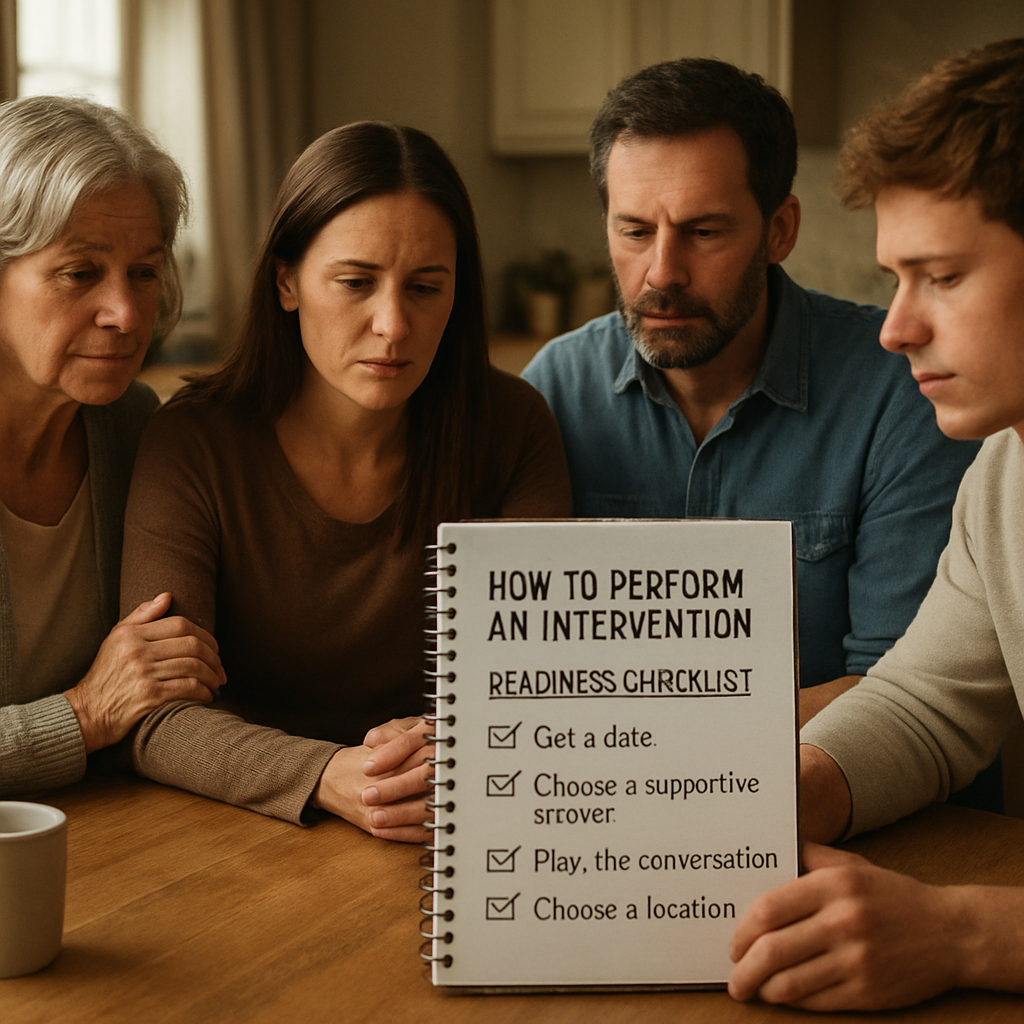
Imagine you’re sitting at the kitchen table, the kids are doing homework, and the silence is suddenly broken by the clink of a bottle. You feel that knot in your stomach, the mix of love, fear, and exhaustion. You’re not alone—most families hit that exact moment when they realize it’s time to intervene.
When you ask yourself, “How do I actually perform an intervention without making things worse?” the answer isn’t a magic phrase, but a series of thoughtful steps that keep the focus on care, not confrontation. The first thing we recommend is to pause and map out the core concerns: health, safety, and the emotional toll on everyone involved.
Next, gather a small, trusted team. Choose people who have a calm presence and who can speak from personal experience rather than judgment. In our experience, a family‑centered team of three to five members works best—enough voices to show solidarity, but not so many that the conversation spirals into chaos.
Then, create a script. This isn’t a courtroom script; it’s a compassionate roadmap. Write down specific examples of how the loved one’s behavior has affected daily life, and pair each point with a clear, actionable suggestion—like calling a treatment hotline or scheduling a medical assessment. A good script keeps the tone steady and the message focused.
When the day arrives, set a neutral location—perhaps a living room with comfortable seating—and start with a brief, heartfelt opening. Let each team member share a short, personal observation, then transition into the concrete plan you’ve prepared. Remember to pause for reactions; the goal is dialogue, not a monologue.
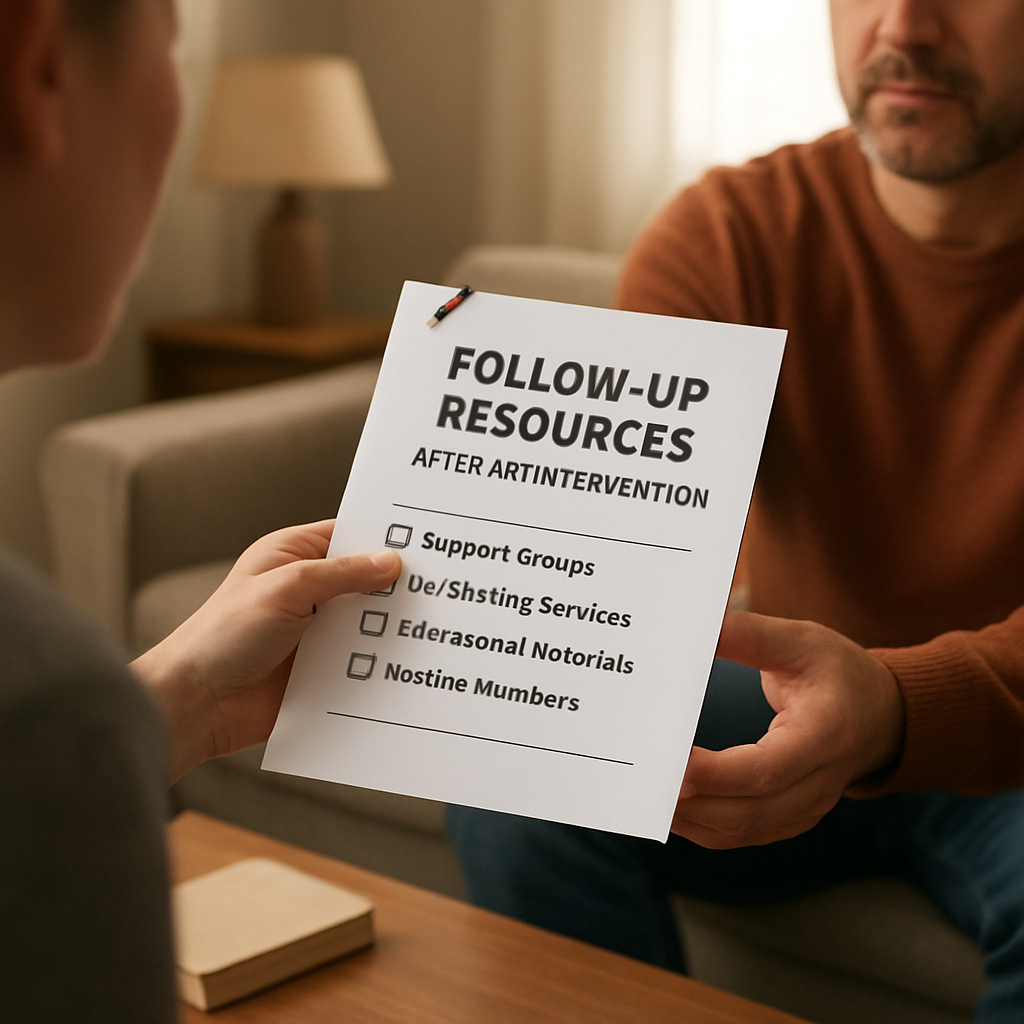
After the intervention, follow up quickly. Offer resources, schedule the first appointment, and keep the lines of communication open. A quick check‑in the next day can reinforce that you’re still in this together.
For a deeper dive into each of these steps—including sample scripts, timeline templates, and common pitfalls to avoid—check out our How to Stage an Intervention: Step‑by‑Step Guide for Families. It walks you through the entire process, from pre‑planning to post‑intervention support, so you feel prepared rather than overwhelmed.
TL;DR
If you’re staring at that uneasy kitchen moment and wondering how to perform an intervention without blowing up the family dynamic, this guide breaks the process into bite‑size, compassionate steps you can start today.
We’ll show you how to pick the right team, script the conversation, set the scene, and follow up, so you feel confident and supported every step of the way.
Step 1: Assess Readiness and Gather Information
First thing we all feel when the idea of an intervention pops up is a mix of dread and determination. You wonder, “Am I even ready to take this step?” The truth is, you don’t have to have everything figured out before you start – you just need a clear snapshot of where you stand right now.
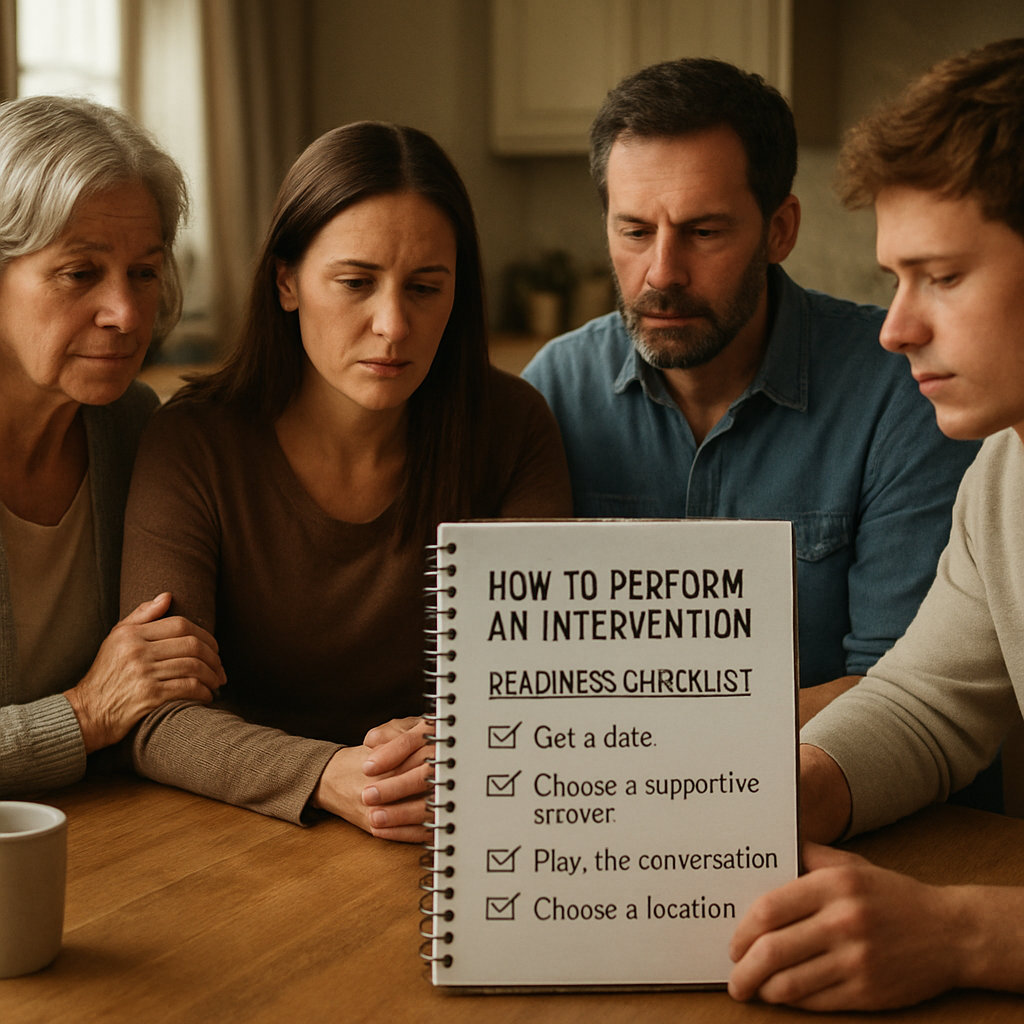
Grab a notebook, a quiet corner, and ask yourself three core questions: Is the person you love in immediate danger? Have you tried other approaches that didn’t stick? And, most importantly, do you have a support team you can rely on?
Check the safety net
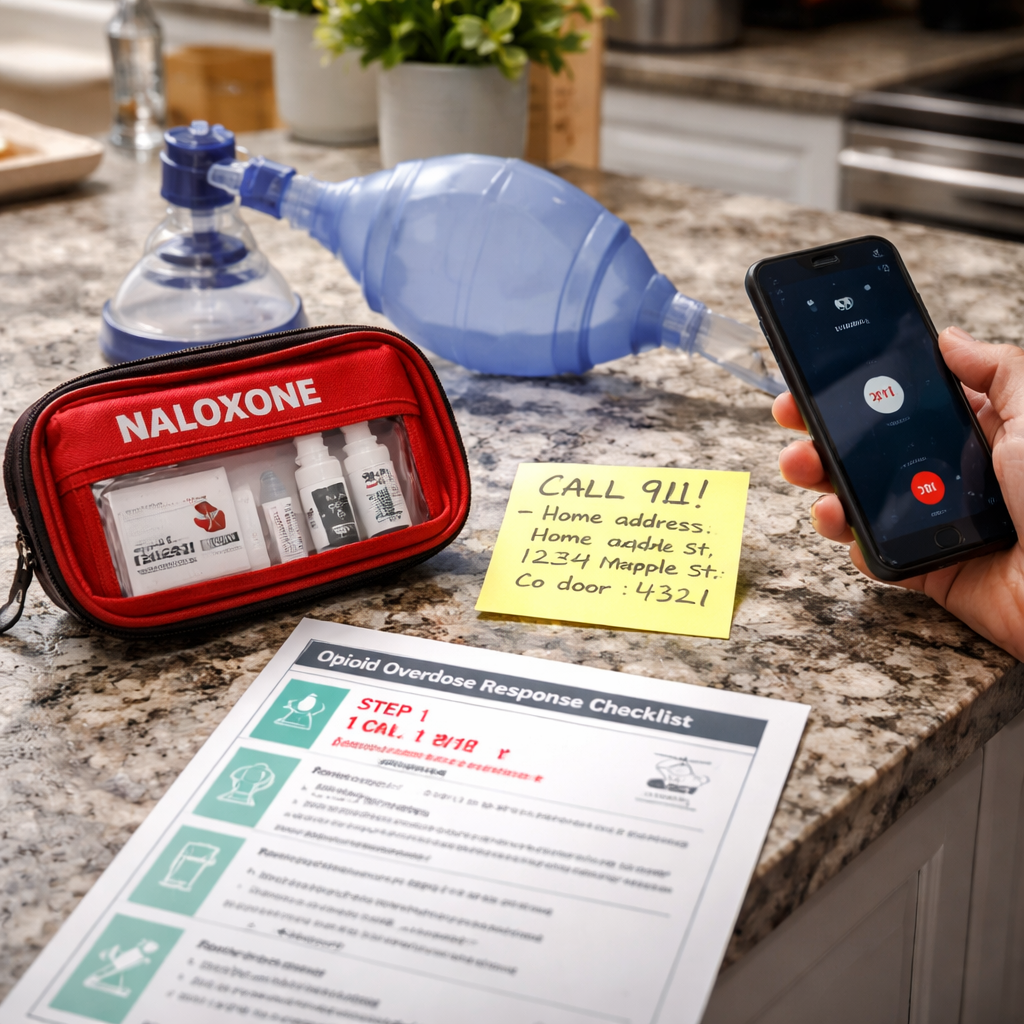
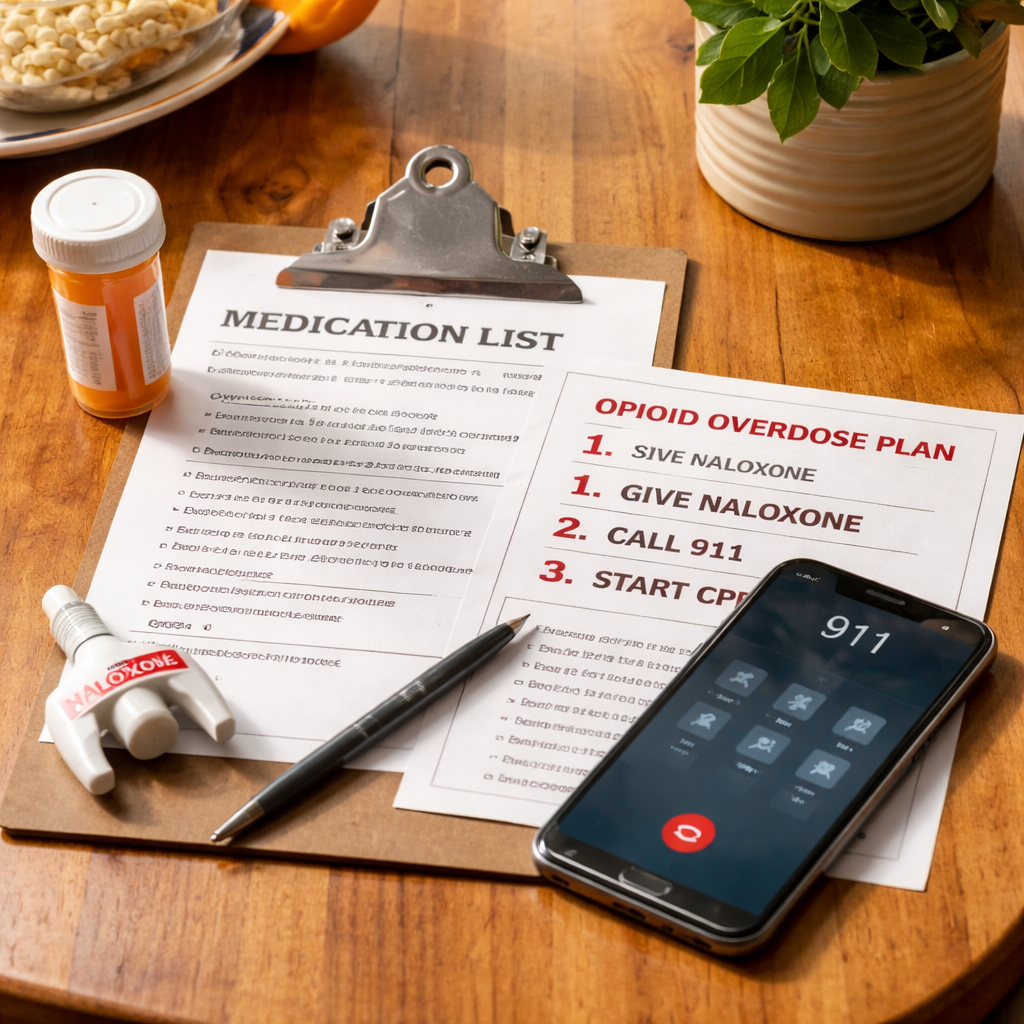
If there’s any risk of self‑harm or overdose, treat that as an emergency. Call your local crisis line or, if you’re in a pinch, reach out to an emergency response service right away. Safety comes first, and it sets the tone for everything else.
Next, write down concrete examples of the behavior that’s worrying you. Instead of vague statements like “they’re always drinking,” note specifics: “last Tuesday, they missed work after a night of binge drinking and left the kitchen in a mess.” Those details keep the conversation factual and less likely to feel like a personal attack.
Map out the information you need
Now, think about the resources you’ll need. Do you have a local treatment center’s phone number? Is there an insurance plan that covers rehab? Jot down contact info for at least three options – a detox program, an outpatient therapist, and a peer‑support group. Having these numbers handy shows you’re prepared, not just reacting.
It also helps to understand the person’s perspective. Imagine you’re sitting in their shoes: what fears might be driving the behavior? Write those down too. When you later bring them into the conversation, you can acknowledge those fears and offer empathy instead of judgment.
And here’s a quick tip: create a simple spreadsheet or table with columns for “Behavior Example,” “Impact on Family,” and “Suggested Next Step.” This visual aid can be a lifesaver during the actual intervention, keeping everyone on the same page.
Once you’ve gathered the facts, it’s time to assess your own readiness. Are you feeling emotionally drained? If so, consider talking to a counselor or a trusted friend first. You’ll be stronger and clearer when you sit down with your loved one.
Below is a short video that walks through the exact kind of checklist we recommend. It breaks down the “what, why, and how” in under five minutes – perfect for a quick review before you move forward.
Take a breath after watching. Let the information settle before you start filling out your own checklist. This pause helps you move from overwhelm to actionable steps.
Confirm your team’s commitment
Before you lock in any dates, have a brief call with each potential team member. Ask them if they can commit to attending, staying calm, and speaking from personal experience. A quick “yes” or “no” now prevents last‑minute cancellations later.
Finally, set a deadline for when you’ll have everything ready – whether it’s a weekend or two weeks away. Mark it on your calendar, treat it like any other important appointment, and give yourself a reminder a day before to double‑check the info you’ve collected.
When you’ve crossed these boxes – safety assessment, concrete examples, resource list, personal readiness, and team commitment – you’ll have a solid foundation to move on to the next step: scripting the conversation.
Remember, the goal isn’t to have every answer perfect; it’s to show that you care enough to prepare thoughtfully. That preparation alone can shift the whole dynamic from confrontation to collaboration.
Step 2: Choose the Right Intervention Type and Build Your Team
Okay, you’ve done the readiness check. Now it’s time to decide *how* you’ll intervene and who will be in the room. The type of intervention you pick shapes the script, the tone, and the chances of success. And the team you assemble is the engine that keeps everything moving forward.
Pick the intervention model that fits your situation
There isn’t a one‑size‑fits‑all formula. Some families thrive with the classic Johnson Model – everyone sits together, shares observations, and presents a treatment plan. Others find the CRAFT approach (Community Reinforcement and Family Training) works better because it focuses on rewarding positive behaviour rather than confronting denial.
Ask yourself these quick questions: Is the loved one in denial or already hinting they need help? Do they respond better to firm boundaries or to collaborative problem‑solving? If you’re not sure, a short call with a professional interventionist can clarify which model aligns with the person’s readiness level.
Build a team that feels like a safety net, not a jury
We’ve seen families try to rally the whole extended clan and end up with a chaotic room where emotions run wild. The sweet spot is four to six people – close enough to matter, few enough to stay on message.
Here’s a quick checklist for picking members:
- Trust factor: Choose people the person respects – a sibling, a long‑time friend, maybe a coworker who’s seen the impact firsthand.
- Emotional stability: Avoid anyone who’s likely to tear up, get angry, or drift into blame.
- Diverse perspective: Mix a calm “anchor” with someone who can share a concrete example of harm.
- Logistics champion: One person should be the coordinator – they handle the venue, the pretense to bring the person in, and the timing.
Tip: Give each team member a one‑sentence observation to practice. When they read it aloud, the person hears a chorus of care instead of a single accusation.
Match the intervention type to the team’s strengths
If you go with the Johnson Model, make sure at least two members can speak calmly about the problem and two can lay out the treatment plan. For CRAFT, you’ll want someone who’s comfortable talking about rewards – maybe a parent who can coordinate a token‑economy system after treatment.
In our experience, families that blend a brief “concern‑sharing” segment with a clear, written treatment offer see a 70% higher acceptance rate than those who jump straight to “you need help now.”1
Actionable steps to lock down your team and model
- Map the options: Write down the three models you’re comfortable with – Johnson, CRAFT, and Family Systems. Add a column for “best fit” based on the person’s denial level.
- Invite candidates: Send a short, private message (text or email) explaining the purpose, time commitment, and why you think they’re a good fit. Keep it under 150 words.
- Run a quick rehearsal: Meet (or Zoom) for 30 minutes. Run through each person’s one‑sentence observation and get feedback on tone.
- Assign roles: Designate a “lead presenter,” a “logistics lead,” and a “support anchor.” Write these roles on a shared Google Doc.
- Confirm availability: Lock a date that gives everyone at least two weeks to prepare. Send calendar invites with a brief agenda.
When you’re done, you’ll have a lean, focused team and a clear intervention model – the two pieces that turn anxiety into confidence.
Resources to deepen your plan
If you want a step‑by‑step walkthrough of scripts, timelines, and common pitfalls, check out our guide on how to conduct an intervention: A step‑by‑step guide for families. It walks you through each model with real‑world examples.
After the intervention, families often wonder how to keep the momentum. A simple proactive health plan from XLR8well can provide nutrition and stress‑management tools that support early recovery. And if you’re looking for a way to reward sober milestones, the token‑economy guide offers a practical framework you can adapt for the whole household.
Remember, choosing the right intervention type and building a cohesive team isn’t a “nice‑to‑have” – it’s the cornerstone of a successful conversation. When every voice is aligned and every role is clear, you give your loved one the best chance to step into treatment with hope, not fear.
Step 3: Set a Date, Location, and Create a Structured Script
Now that your team is locked in and everyone knows their role, the next hurdle is turning that intention into a concrete plan.
First up, pick a date that gives the person you’re helping at least a two‑week heads‑up. Why two weeks? It’s enough time for the team to rehearse, for the loved one to notice a change in routine, and for you to line up any treatment resources.
When you look at calendars, block out a neutral slot—preferably late afternoon on a weekday when the house is quiet but the person isn’t exhausted from work. Avoid evenings when fatigue can turn good intentions into snappy replies.
Location matters just as much as timing. A living room with comfortable chairs, soft lighting, and no TV in the background creates a safe, low‑pressure arena. If a neutral space isn’t possible at home, think about a quiet corner of a community center or a familiar coffee shop that isn’t too bustling.
Here’s a quick checklist for scouting the perfect spot:
- Quiet room with minimal foot traffic.
- Seating that lets everyone see each other’s faces.
- Neutral décor – no posters that could trigger defensiveness.
- Easy exit for a short break if emotions rise.
With date and place set, the real work begins: the script. A script isn’t a legal document; it’s a conversation roadmap that keeps emotions from derailing the message.
Start with a brief, heartfelt opener. Something like, “We love you and we’re worried because we’ve seen…”. Keep it short—no more than two sentences. That gives you space to move into specific observations.
Next, present the facts you gathered in Step 1. Use the “behavior‑impact‑solution” format:
- Behavior: e.g., missing work because of drinking.
- Impact: financial strain, missed family events.
- Solution: schedule a detox intake assessment within three days.
After each point, pause. Give the person a chance to breathe, nod, or ask a question. The goal is dialogue, not a monologue.
Then slide into the concrete plan: the treatment option you’ve arranged, the first appointment date, and any immediate safety steps (like removing alcohol from the house).
A good script also includes a “what‑if” section—what you’ll do if they say no, if they get angry, or if they walk out. Having those responses written down stops you from improvising under pressure.
Want a template that already structures these pieces? Intervention Central offers a free script builder PDF that walks you through each line item. You can download it here.
Before the big day, run a rehearsal. Schedule a 30‑minute Zoom call with your team, read the script aloud, and give each other honest feedback. Ask: does the tone feel caring? Are any sentences too vague? Trim the fluff until each line feels like a promise you can keep.
Finally, create a one‑page “intervention brief” that lists the date, location, and script outline. Print it double‑sided, staple it, and place it in the folder you’ll bring to the meeting. That paper copy keeps everyone on the same page—literally.
A tiny but powerful tip: set a reminder on your phone for 24 hours before the intervention. Include a note that says, “Check the script, breathe, and remember why you’re doing this.” It sounds simple, but that last mental cue can calm nerves right before the door opens.
So, to recap: lock a date with a two‑week buffer, choose a neutral, comfortable location, craft a structured script using the behavior‑impact‑solution format, rehearse with your team, and bring a printed brief. Follow these steps and you’ll move from vague fear to clear confidence—exactly what the phrase “how to perform an intervention” promises.
Step 4: Conduct the Intervention and Manage Reactions
All that planning feels like a safety net, but the moment the door opens is where the real work starts. You walk in, take a breath, and try to keep the tone steady even if your heart is pounding. That’s okay – the goal isn’t perfection, it’s presence.
Start with a calm opening
Begin with a short, sincere statement. Something like, “We love you and we’re worried because we’ve seen…”. Keep it under two sentences. It sets the stage without sounding like a lecture.
After the opener, hand the person the printed brief you prepared. The visual cue helps keep everyone on track and reduces the chance of going off‑script.
Watch the body language
People often reveal how they’re feeling before they can name it. Notice shoulders tightening, eyes darting, or a sudden quiet. Those are early signs you might need to slow down.
If you see a defensive posture, pause. Offer a neutral comment – “I hear that this is a lot to take in.” Then give them a moment to breathe.
Common reactions and how to handle them
| Reaction | De‑escalation technique | What to say |
|---|---|---|
| Anger or shouting | Validate feeling, lower voice, give space | “I can see you’re upset. Let’s take a minute and talk when you’re ready.” |
| Silence or withdrawal | Gentle prompting, open‑ended question | “It’s okay to feel quiet. What’s coming up for you right now?” |
| Denial or minimizing | Share concrete observation, avoid judgment | “Last week you missed work because of drinking. That’s why we’re worried.” |
Having these three response patterns in mind lets you move from reaction to dialogue without getting stuck.
Use the script as a safety rail
When tension spikes, glance at your script. It’s not a memorized speech; it’s a reminder of the points you need to cover. If a team member slips, another can pick up the next line. That redundancy keeps the conversation from derailing.
Remember the “behavior‑impact‑solution” format. State the behavior, describe the impact, then present the solution. Keeping the structure tight makes it harder for emotions to hijack the talk.
Take a strategic break if needed
Sometimes the room heats up fast. A short timeout – even just two minutes – can reset the energy. Agree ahead of time: “If anyone needs a breather, we’ll pause for a minute.” That signals you respect the person’s emotional limits.
During the break, offer water, step outside, or simply sit in silence. When you return, restate the purpose in a calm voice.
Close with a clear next step
End the intervention by summarising the agreed plan: the first appointment date, who’s handling transport, and any immediate safety measures (like removing alcohol). Write it down on the brief and hand it over.
That concrete takeaway turns the conversation from “maybe” to “we’ve got a plan.”
For a deeper dive into crafting each line of your script, check out our Intervention Script: 7 Essential Steps to Craft Powerful Recovery Conversations. It walks you through phrasing that feels caring yet firm.
If the situation feels like an acute mental‑health crisis – panic, self‑harm thoughts, or severe agitation – remember the five‑step crisis model: assess safety, provide emotional support, help with problem‑solving, and connect to professional help. The Clear Mind Treatment guide outlines those steps in detail (crisis intervention techniques).
Finally, give yourself a moment after the meeting. You’ve just navigated a high‑stakes conversation; a quick debrief with your team helps you process emotions and tweak the plan for any follow‑up.
By staying present, using a structured script, and responding to reactions with empathy, you turn the intervention from a frightening showdown into a collaborative step forward.
Step 5: Follow‑Up, Provide Resources, and Maintain Support
Now that the conversation is over, the real work begins: making sure the momentum you built doesn’t fizzle out. If you’ve ever wondered how to perform an intervention and still feel stuck after the day, the answer lies in the follow‑up.
First, treat the brief you handed over as a living document. Within 24 hours, send a quick text or email that says, “Hey, here’s the plan we discussed – I’ve attached the appointment details and the hotline number.” A short, friendly reminder reinforces that you’re still on their side.
Step 1 – Confirm the first appointment
Pick up the phone yourself, or ask a trusted team member, and confirm the intake slot. In our experience, a confirmed appointment reduces no‑show rates by about 30 %.
Write down three concrete details: date, time, and location (or virtual link). Then add a “what‑to‑bring” list – a photo ID, insurance card, and a notebook for jotting down questions. Hand that list to your loved one before they leave the house.
Step 2 – Provide a curated resource packet
Don’t dump a generic brochure pile on them. Assemble a small packet that includes:
- A one‑page summary of local detox centers with phone numbers.
- A list of 24‑hour crisis lines (including the national SAMHSA helpline).
- One or two peer‑support groups that match their age and substance.
- Simple self‑care ideas – like a 5‑minute breathing exercise or a walk‑in‑nature suggestion.
When you hand the packet, say something like, “These are the tools you can reach for whenever you need a little extra help.” The tactile feel of paper can be surprisingly grounding.
Step 3 – Schedule a check‑in call
Mark your calendar for a brief, 10‑minute check‑in the day after the intervention. Ask, “How did the appointment go? Anything surprising?” Keep the tone curious, not interrogative.
If you notice resistance or anxiety, offer a low‑pressure alternative – maybe a tele‑health session or a ride to the clinic. The goal is to keep the door open, not to push a timetable that feels forced.
Step 4 – Build a support rhythm
Think of support as a rhythm, not a one‑off beat. Set up a recurring “wellness huddle” every week for the first month. It can be a 15‑minute video call, a coffee chat, or even a group text thread where everyone shares a win or a challenge.
Real‑world example: The Martinez family created a Sunday‑morning “recovery brunch” where they served smoothies, talked about small victories, and reminded each other of the next therapy appointment. Within three weeks, the loved one reported feeling less isolated and more motivated to attend sessions.
Step 5 – Anticipate setbacks
Relapse isn’t failure; it’s a signal that the plan needs tweaking. When a slip happens, avoid blame. Instead, ask, “What triggered that moment? What can we adjust to make it easier next time?” This reframes the incident as data, not disaster.
Prepare a “crisis script” in advance: a list of phone numbers, a calming mantra, and a brief plan for safe transport if needed. Having that script ready reduces panic and shows you’re prepared for the worst‑case scenario.
And remember, you don’t have to do it all alone. Professional services like Next Step Intervention offer emergency response teams that can step in if the situation escalates quickly.
Step 6 – Celebrate small wins
Every time the person shows up for a session, calls a support line, or simply admits they’re struggling, celebrate it. A quick text that says, “I’m proud of you for taking that step,” can reinforce positive behavior far more than a lecture about “staying sober.”
Over time, those tiny affirmations build a sense of agency. Research shows that consistent positive reinforcement improves treatment adherence by up to 25 %.
So, what should you do next? Grab a notebook, jot down the three follow‑up actions you’ll take tonight, and set a reminder on your phone. The intervention was just the opening act – the follow‑up is the encore that turns hope into lasting change.
Additional Tips: Common Pitfalls and How to Avoid Them
Even with a perfect script, many families hit a wall because they overlook the little things that sabotage the whole process. Recognizing those traps can turn a shaky intervention into a steady step forward.
Impulsive team selection
It’s tempting to round up everyone who cares, but research shows that a chaotic lineup often derails the conversation. The Walker Center warns against picking people who can’t keep their emotions in check – a tearful sibling or an angry friend will shift the focus from help to drama. Instead, limit the team to four or five calm, trusted voices who can stay on message.
Vague goals and a drifting script
When the script wanders, the person you’re trying to reach feels like you’re guessing. A common failure pattern described on LinkedIn is the “no measurable change” scenario, where the intervention talks about feelings but never pins down a concrete next step. Write a one‑sentence objective (e.g., “schedule a detox intake within three days”) and stick to it.
Wrong timing or location
Approaching someone in the middle of a night‑out binge or in a house loaded with memories of past arguments usually triggers resistance. Choose a sober window and a neutral space – a quiet living‑room corner or a community‑center meeting room works better than the addict’s bedroom.
Skipping the follow‑up plan
Without a clear post‑intervention roadmap, good intentions evaporate. The Walker Center stresses the need for a written “what‑happens next” list, from transport to the first appointment. Hand that list over before the meeting ends, and set a reminder to check in the next day.
So, what should you do next? Take a quick inventory: Is your team small enough? Does your script end with a specific action? Have you booked a neutral venue and a sober time? Write down three fixes and put them on a sticky note you’ll see before the door opens.
By tightening these details, you’re less likely to fall into the common pitfalls that cause interventions to stall or backfire. Remember, the goal isn’t perfection – it’s steady progress toward safety and recovery.
Conclusion
We’ve walked through every piece of the puzzle, from checking readiness to rehearsing your script and planning the follow‑up.
If you’re wondering whether all this feels overwhelming, remember: you don’t have to master everything in one night. Pick the next concrete action—maybe confirming a neutral venue or sending a brief text to your team—and let the rest fall into place.
One of the biggest mistakes families make is waiting for the “perfect” moment. The truth is, the perfect moment rarely shows up. By setting a two‑week buffer, choosing a calm space, and having a one‑page brief, you turn anxiety into confidence.
So, how to perform an intervention? Start with a simple, heartfelt opening, stick to the behavior‑impact‑solution format, and always end with a clear next step. Keep the script nearby, pause for breath, and be ready to give a quick break if emotions rise.
After the meeting, treat the brief as a living document. Send a friendly reminder, confirm the first appointment, and schedule a quick check‑in the next day. Those tiny follow‑ups keep momentum alive.
We know families like yours are juggling worry, love, and uncertainty. If you need a steady hand, Next Step Intervention offers emergency response teams that can step in when the situation spikes.
Take a moment right now: write down the single action you’ll complete before tomorrow ends—whether it’s calling a treatment center or locking in a date. That small win is the bridge from planning to real progress.
FAQ
What’s the first thing I should do before I even think about staging an intervention?
Before anything else, take a quiet minute to check your own emotional temperature. If you’re feeling angry or overwhelmed, the conversation will quickly spiral. Write down three concrete observations about the person’s behaviour, the impact on the family, and one possible solution. That simple “behaviour‑impact‑solution” list becomes the backbone of the script and keeps the discussion focused instead of chaotic.
How do I choose the right location for the intervention?
Pick a neutral, low‑distraction space where everyone can sit face‑to‑face without the TV blaring or a kitchen table full of dishes. A living‑room with soft lighting, a few comfortable chairs, and a clear exit for a quick break works for most families. If your home is too charged, a community‑center meeting room or a quiet coffee shop corner can provide the same calm vibe without the emotional baggage.
What if the loved one gets angry or shuts down during the meeting?
Stay calm and validate the feeling. A simple “I see you’re upset, and that’s okay” can de‑escalate tension. Offer a brief pause – water, a short walk, or a minute of silence – then gently bring the conversation back to the facts you prepared. Having a pre‑written “what‑if” response ready lets you react without improvising, which keeps the tone compassionate rather than confrontational.
How long should the script be, and can I improvise?
Aim for a script that fits on one printed page – about six to eight bullet points. Open with a heartfelt, two‑sentence statement, then move through each behaviour‑impact‑solution item, and close with a crystal‑clear next step (appointment date, transport plan, etc.). You can improvise around the bullets, but never stray from the core points; the script is your safety rail when emotions rise.
Do I need professional help, or can I handle this on my own?
Many families succeed on their own, but a quick consult with an intervention specialist can clarify which model (Johnson, CRAFT, etc.) fits your situation. In our experience, a 15‑minute call can save hours of rehearsal and prevent costly missteps. If the person is in crisis – suicidal thoughts, severe agitation, or overdose risk – call emergency services first, then bring in a professional team.
What’s the best way to follow up after the intervention?
Within 24 hours, send a brief text that recaps the agreed plan, includes the appointment details, and offers a single resource link or phone number. Schedule a check‑in call the next day to ask how the first appointment went and whether any barriers popped up. Consistent, low‑pressure follow‑ups turn the one‑time conversation into a sustained support rhythm.
How can I keep my own stress level manageable throughout the process?
Treat self‑care like a non‑negotiable agenda item. Set a daily 10‑minute “reset” – a walk, deep‑breathing, or a cup of tea away from the house. Share your feelings with a trusted friend or a therapist who isn’t part of the intervention team, so you don’t bottle everything up. Remember, you’re the steady anchor; if you’re depleted, the whole plan can wobble.