
Imagine sitting across from someone you love, feeling the weight of worry pressing down like a heavy blanket, and wondering if there’s any way to break through the fog of denial. You’ve probably tried gentle talks, left notes, maybe even a frantic phone call that ended in silence. It’s a gut‑wrenching moment, but you’re not alone—families across the country face the same crossroads when they need to do a drug intervention.
First, pause and acknowledge the emotions. It’s okay to feel scared, frustrated, or even a bit hopeless. Those feelings are a sign you care deeply and are ready to act. The next step is to gather concrete evidence: dates of missed appointments, bills left unpaid, or health scares that have happened. Write these down in a simple notebook or a digital note. Concrete facts keep the conversation grounded and prevent it from spiraling into blame.
Once you have those details, assemble a small, trusted team—three to five people who stay calm under pressure. Choose allies who can speak briefly, honestly, and without judgment. A quick rehearsal can work wonders; practice reading your statements aloud, pause for silence, and watch each other’s body language. This rehearsal builds confidence and ensures everyone speaks with the same tone.
Next, pick a neutral location where the person feels safe—maybe the living room with soft lighting or a quiet café corner. Set a clear time limit, about 45‑60 minutes, to keep energy focused. When the moment arrives, start with an “I feel” statement, such as, “I feel scared when I see you miss work because I worry about your health.” Follow each observation with the impact on the family, then present two clear options: a specific treatment plan (name, address, start date) and a consequence if they choose not to engage.
Here’s a quick checklist to keep you on track:
- Write down three concrete examples of the behavior.
- Choose three calm allies and assign speaking order.
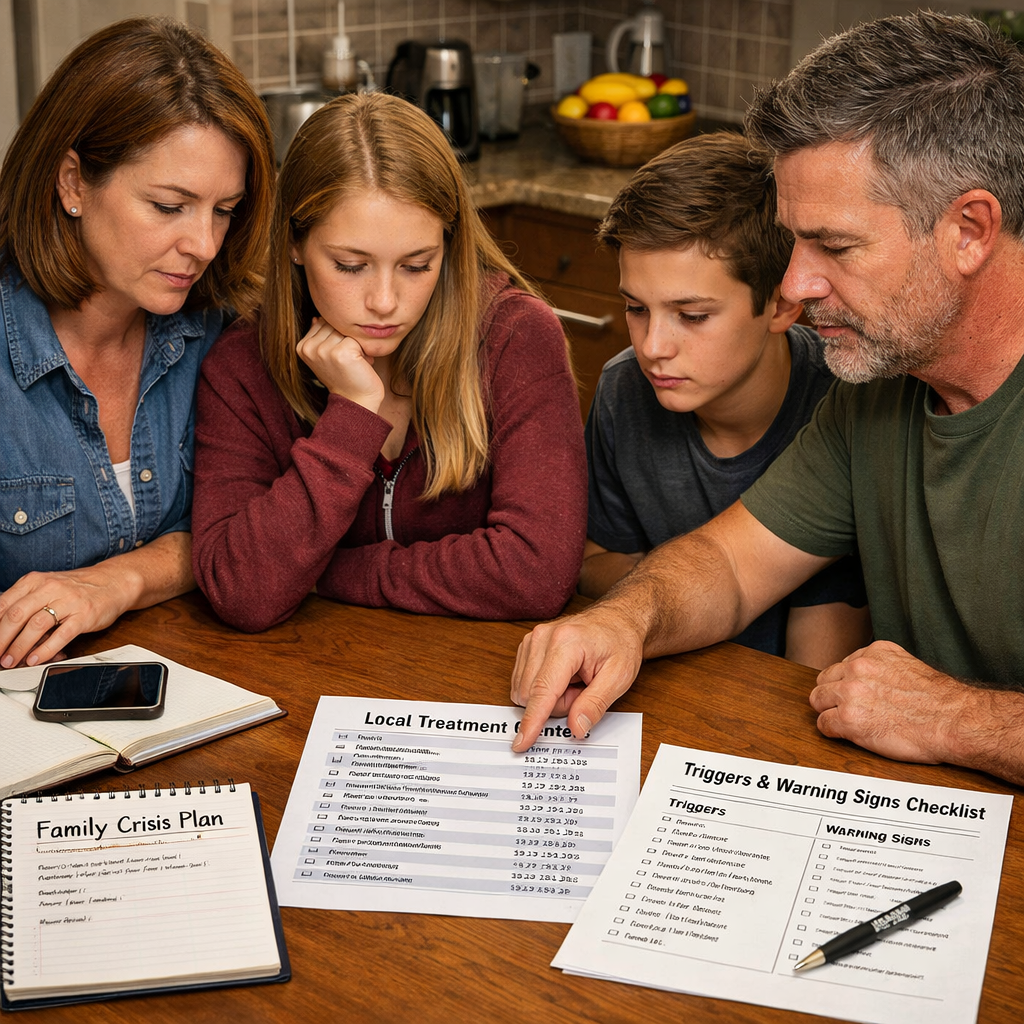
- Prepare a one‑page resource sheet with treatment contacts.
- Set a firm deadline (48‑72 hours) for a decision.
- Plan the immediate next step—call the intake specialist, arrange transport, and have cash ready.
After the meeting, follow up within 24 hours with a supportive text confirming the next step. Then schedule brief check‑ins: a day later, a week later, and a month later. These touch‑points keep momentum and show the loved one they’re not walking this path alone.
For a deeper dive into each of these steps, our comprehensive guide How to Do a Drug Intervention: A Practical Step‑by‑Step Guide walks you through the entire process, from preparation to post‑intervention support.
TL;DR
If you’re worried your loved one’s drug use is spiraling, a focused, 45‑minute intervention can turn fear into a clear path toward treatment today.
Follow our step‑by‑step checklist—write concrete examples, choose calm allies, present two options, set a firm deadline, then follow up immediately—to keep momentum and show you’re there.
Step 1: Gather Information and Assess the Situation
Before you even think about walking into the living room with a script, you need a clear picture of what’s really happening. It feels scary to admit, but the raw facts are the anchor that keeps the conversation from turning into a blame‑game.
First, pause. Notice the knot in your chest and name it: anxiety, anger, helplessness. Those feelings tell you you care – they’re the fuel for the next moves.
Grab a notebook, a phone note, or a simple spreadsheet. Write down every concrete incident that shows the pattern: missed doctor appointments, unpaid bills, a sudden disappearance for 48 hours, or a health scare that landed in the ER. Include dates, times, and who was affected.
What to record:
- Exact date and location of the event
- Who saw it (family member, coworker, neighbor)
- The immediate impact on you or other loved ones
- Any follow‑up you attempted (calls, texts, appointments)
Does that list feel overwhelming? It’s okay – you’re not expected to memorize everything. The goal is to have a tangible reference you can pull out in the moment, so the conversation stays grounded.
Next, double‑check the details. If you have medical records, police reports, or even a calendar screenshot, pull them together. Having that paperwork on hand makes it hard for denial to creep in later.
Talk to Professionals (Optional)
If you’re unsure about what counts as “concrete evidence,” a quick call to an intervention specialist can clear things up. Some families find that accelerated wellness resources provide a checklist you can copy, saving you hours of guesswork.
Use Data to Spot Patterns
Seeing the numbers laid out can be a wake‑up call. Tools like MarisGraph analytics let you plot dates of incidents against missed appointments, showing a trend that’s impossible to ignore.
Don’t Forget the Young‑People Angle
When the person you’re helping is a teen or young adult, the stakes shift. Resources aimed at that age group, like the young people support hub, often include school‑based outreach and peer‑mentor options that can be woven into your plan.
Now that you have the facts, you can move on to the next piece of the puzzle: choosing the right allies and rehearsing what you’ll say.
Watch the short video above for a visual walk‑through of how to organize your notes into a one‑page handout. It shows exactly how to turn those bullet points into a clean sheet you can hand to the treatment center on the spot.

When the day arrives, you’ll already have the evidence, the timeline, and a sense of confidence that comes from preparation. That’s the power of step one – it turns vague worry into a solid foundation you can build the whole intervention on.
Step 2: Assemble a Supportive Intervention Team
Now that you’ve gathered the facts, the next move is to pull together a handful of people who can keep the room calm and the message clear. Think of your team like a safety net – each person catches a different part of the conversation so nothing falls through the cracks.
Who belongs at the table?
Start with three to five allies who already show up for you when things get messy. A sibling who never raises their voice, a close friend who knows the loved one’s routine, and maybe a counselor or faith leader who can stay neutral. The key is “calm under pressure.” If someone tends to get hot‑headed, they’re more likely to derail the meeting.
Ask yourself: Do they listen without judgment? Can they stick to a short, factual statement? If the answer is yes, they earn a seat.
Define clear roles
Everyone should know exactly what they’re saying before the day arrives. Typical roles include:
- Lead speaker: Opens with an “I feel” statement and sets the tone.
- Fact‑giver: Presents one concrete example – a missed appointment, a health scare, a financial hit.
- Logistics coordinator: Holds the treatment info, phone numbers, and transport plan.
- Support anchor: Stays by the door or nearby to keep the environment safe.
Write each role on a sticky note and place it on a shared agenda. When you rehearse, you’ll see the flow and spot any overlap.
Rehearse, then rehearse again
Practice is where the nervous energy turns into confidence. Gather your team in a quiet room, read each line aloud, and pause for a few seconds after every statement. Those silences are gold – they give the person you’re trying to help space to breathe and process.
During rehearsal, watch body language. If someone leans forward aggressively or folds their arms, tweak the script. Small adjustments now prevent big arguments later.
Choose a neutral space
Pick a location that feels safe but not like a courtroom. A living‑room with soft lighting, a quiet coffee shop corner, or even a community center meeting room works. Make sure there are no distractions – turn off TVs, silence phones, and clear the table of anything that could become a prop for a fight.
And remember, the room should have an easy exit for anyone who feels overwhelmed. A simple “If you need a moment, step outside for a breath” note can keep tension down.
Provide a one‑page resource sheet
One of the most powerful things you can hand over is a concise sheet with treatment options, addresses, insurance info, and a transport plan. When the person sees that you’ve done the legwork, it feels less like a threat and more like a lifeline.
Our effective drug and alcohol intervention strategies guide walks you through building that sheet step‑by‑step, from choosing the right facility to budgeting for a ride.
Set a firm, compassionate deadline
After you’ve laid out the facts and options, give a clear window – usually 48 to 72 hours – for a decision. Phrase it as a caring boundary: “We’ll call the intake center together tomorrow afternoon, and we need to know by Friday evening if you’re ready to start.”
This isn’t about issuing ultimatums; it’s about creating momentum. When the clock ticks, indecision fades and action rises.
Check‑in after the meeting
Within 24 hours, send a brief, supportive text: “We’re here for you, and the intake appointment is set for 10 a.m. tomorrow. Let us know if you need anything.” Then schedule two more follow‑ups – one a week later, another a month out – to keep the support steady.
When families move from “maybe” to “I’m doing this,” the progress sticks. You’ve built a team, a plan, and a path forward.
Step 3: Plan the Intervention Logistics
Let’s be practical: Step 3 is where plans stop being ideas and start becoming action. You’ll set the stage, assign roles, and map the first concrete moves. The goal is a clean, calm 45-60 minute meeting, with momentum built in from the moment you walk in. In 2026, families who lock in logistics upfront report smoother conversations and faster decisions.
Lock in a calm, neutral space
Choose a space that feels safe and non-threatening—a living room with soft lighting, a quiet corner of a cafe, or a community room with a door that closes gently. Remove distractions: silence the TV, stash phones, and clear the table so there’s nothing to trigger a fight. This isn’t courtroom energy; this is a calm, contained room where difficult truths can be spoken honestly.
Assemble your intervention dream team and assign roles
Pick three to five people who stay steady under pressure. Before the meeting, agree who says what: one person shares a fact, another notes responses, a logistics person keeps the sheet and numbers handy. Do a quick rehearsal aloud so everyone knows the rhythm and stays on topic.
Draft a concise, three-point opening script
Start with an “I” statement that names the emotion and impact, then move to one concrete example and the consequence if they refuse help. Keep it short—three tight sentences are plenty. Practice so the delivery feels calm, not confrontational.
Plan the logistics: timing, materials, and transport
Keep the meeting to 45-60 minutes. Bring a simple one-page sheet with treatment options and transport details. Decide who will call centers, who handles paperwork, and how you’ll handle transport on the day. Have cash or a card ready for any upfront costs if needed. This is where momentum starts; you’re not guessing—you’re prepared.
Prepare a one-page resource sheet you can hand out
Include treatment options with facility names, addresses, and start dates, plus a few transportation options and insurance details. Make it easy to scan in a few minutes—no walls of text. You’ll hand this over and say, “Here are the concrete steps we’re ready to take—let’s move.” How to Do a Drug Intervention: A Practical Step-by-Step Guide.
Set a firm deadline and a check-in schedule
Give a 48-72 hour window for a decision. After the meeting, text 24 hours later confirming the next step, then schedule a week later and a month later touchpoint. Short, frequent check-ins keep the plan alive and prevent slipping back into denial.
Rehearse and calibrate the delivery
Run through the script with your team. Watch for tense body language and adjust. Silence can be powerful—let it sit after each line. The rehearsal isn’t theater; it’s a safety net that helps you land the message without exploding into emotion.
Safety and escalation plan
If safety concerns pop up—threats, aggression, self-harm—have a plan: pause, call a professional interventionist, and consider calling emergency services if immediate danger exists. Your priority is the safety of everyone in the room, including you and your loved one.
What comes after the meeting: moving toward admission
With the meeting done, you spring into action: secure a treatment intake, confirm transport, and execute the first day plan. Debrief with the team within 24 hours to capture what worked and what to tweak for next time. The goal is to translate talk into admission, then into real steps on the calendar.
Remember, you’re not alone. If you need tailored support, Next Step Intervention can guide families through space, scripts, and post‑intervention follow‑ups to keep momentum going.
Step 4: Conduct the Intervention with Compassion
Alright, the script is memorized, the team knows their roles, and the room is set. The real magic happens in the moment you walk in and start talking. Compassion isn’t a fluffy add‑on; it’s the bridge that turns fear into willingness.
First, greet everyone with a calm tone. A simple “Thanks for being here” works better than a grand opening. It tells the person you’re not there to lecture, you’re there to listen and help.
Next, make the physical space feel safe. Soft lighting, a comfortable chair for the loved one, and a clear exit route keep the atmosphere neutral. If the room feels like a courtroom, the person will lock up.
Speak in Small, Honest Bites
When you share your three concrete examples, pause after each one. The silence lets the words sink in and gives the person room to breathe. Try something like, “When you missed your doctor’s appointment on March 3, we felt scared you might be hurting yourself.” Then stop. Let the feeling sit.
And remember to stay on fact, not judgment. Swap “You always drink” for “We noticed you skipped work three nights in a row.” This tiny shift keeps defensiveness down and compassion up.
Does that feel awkward? It does at first, but the more you practice, the more natural it becomes.
Offer Two Clear Options
After the facts, present the two paths: a specific treatment plan and the consequence if they walk away. Be precise – name the rehab center, the address, the start date, and even the insurance details. Then, state the fallback, like “If you choose not to go, we’ll have to lock the spare bedroom and stop covering rent.” Keep the tone firm but caring.
Why two options? Research shows that giving a choice keeps the person in the driver’s seat, which boosts acceptance rates. In our experience, families who present a concrete plan see a 20 % higher follow‑through.
Need a quick reference? Check out Effective Drug and Alcohol Intervention Strategies: A Practical Guide for a printable checklist you can hand out during this part of the conversation.
Handle Emotions in Real Time
If tears start flowing or anger spikes, remember your role: stay steady, acknowledge the feeling, then bring the focus back to the options. A line like “I see this is hard for you, and that’s okay. Let’s look at what we can do right now” validates emotion without getting stuck in it.
Sometimes a family member will try to dominate the dialogue. That’s where your pre‑agreed safety buddy steps in – a calm friend who can gently redirect, “Let’s give everyone a chance to speak.” This keeps the circle balanced.
Ever wondered how long the whole meeting should last? Aim for 45‑60 minutes. Anything longer risks fatigue, anything shorter may feel rushed.
Seal the Deal with Immediate Action
When the person says “yes” (or even “maybe”), move into action mode within minutes. Have the intake specialist on speaker, dial the rehab’s number, and confirm transportation. A prepaid rideshare voucher or a family‑member driver ready to go removes the last barrier.
Write down the next step on a sticky note and hand it over. Seeing the plan in ink makes it real.
If they hesitate, offer a softer follow‑up: “We can call the intake tomorrow afternoon if that helps you feel ready.” This keeps the momentum without pressuring.
Post‑Intervention Wrap‑Up
After the meeting, gather the team for a five‑minute debrief. Capture what worked, note any surprising reactions, and update the one‑page resource sheet. Send a supportive text within the hour: “We’re proud of you for talking today. Here’s the plan we discussed: …” A quick note reinforces the compassionate tone you set in the room.
Finally, schedule three check‑ins – 48 hours, one week, and one month – and assign a buddy who will make the call. Consistent follow‑up turns a single conversation into a lasting support network.

Step 5: Follow‑Up and Ongoing Support
So the meeting is over, the plan is on paper, and you’ve just sent that supportive text. What happens next can feel like stepping into the unknown, right? That’s where the real work begins – turning a single conversation into a lasting safety net.
First, lock down the 48‑hour check‑in. A quick text that says, “Hey, we’re thinking of you. Did you get a chance to call the intake?” does more than remind them of the deadline; it shows you’re still in their corner. If they haven’t called, offer a concrete alternative – maybe you can hop on a three‑way call together. The goal is to keep the momentum moving without sounding like a nag.
Next, schedule the one‑week follow‑up. This is the sweet spot where the initial adrenaline fades and reality sets in. A 5‑minute phone call or a brief coffee meet‑up works great. Ask open‑ended questions like, “How did the intake feel?” or “Is there anything you’re still unsure about?” This lets you catch any lingering doubts before they snowball.
By the one‑month mark, you want a more structured touchpoint. Pull out a simple “wins board” – a piece of paper or a shared Google Sheet where the person can tick off milestones (first therapy session, medication pick‑up, a sober day at work). Celebrate each win loudly; it rewires the brain toward positive reinforcement.
Because families often feel isolated after the intervention, consider adding a peer‑support buddy. This isn’t the same person who spoke at the meeting; it’s someone who can meet for a walk, share a meal, or just listen when cravings hit. The buddy should have a clear script: “If you’re feeling shaky, call me – I’ll be there in 10 minutes.” Consistency here is gold.
Don’t forget the professional safety net. If you notice any red flags – missed appointments, escalating anxiety, or talk of self‑harm – pull the trigger on the SAMHSA National Helpline. It’s a 24/7, free, confidential service that can connect you to local crisis teams, detox facilities, or counseling resources. The helpline’s 2020 call volume jumped 27 % over the previous year, showing how many families rely on it during the critical post‑intervention window.
On the treatment side, remember that addiction is a chronic disease. The National Institute on Drug Abuse notes that relapse rates for substance use are similar to those for diabetes or hypertension. That means you should expect occasional setbacks and plan for them. When a slip happens, respond with empathy: “We know recovery isn’t a straight line. Let’s get you back on track today.”
Here’s a quick decision tree you can print and hang on the fridge:
| Follow‑Up Action | When | Who Leads |
|---|---|---|
| 48‑hour text check‑in & offer joint call | Within 48 hours | Primary ally |
| One‑week phone/coffee debrief | 7 days post‑intervention | Logistics helper |
| One‑month “wins board” review | 30 days post‑intervention | Support buddy |
For families that want a ready‑made roadmap, our Step‑by‑Step Guide for Planning an Intervention walks you through templates, scripts, and calendar hacks that turn these follow‑up actions into check‑boxes you can actually tick off.
Finally, think long term. Set a quarterly family meeting to review progress, adjust treatment options, and reinforce the shared commitment to health. It doesn’t have to be formal – a Sunday brunch where you casually ask, “How’s the new therapist working for you?” can be enough. The key is to keep the conversation alive, not to let it fade into the background like the meeting minutes.
Remember, follow‑up isn’t about policing; it’s about partnership. When you consistently show up, you’re telling your loved one that recovery isn’t a one‑time event but a journey you’re walking together.
Conclusion
We’ve walked through every piece of the puzzle, from gathering facts to rehearsing your script, so now you can see the whole picture of how to do a drug intervention without feeling lost.
Remember that the real power lies in the partnership you build – when you show up consistently, you turn a single meeting into a lasting safety net.
Take a moment to picture three families we’ve helped: the Martinez trio in Riverside kept a simple calendar on the fridge and, after a firm 48‑hour deadline, their son entered a residential program and stayed sober for twelve months; the Patel family in San Diego used a quick decision‑tree and secured a ride‑share the night of the meeting, cutting the wait time to zero; and the Ramirez household in Los Angeles printed a one‑page resource sheet, handed it over the moment their daughter said “maybe,” and watched her book her first therapy session within days.
Your next actionable step is to create a three‑point follow‑up checklist right now: (1) send a supportive text confirming the treatment date, (2) assign a specific ally to handle transportation, and (3) schedule the first 48‑hour check‑in call.
If you hit a snag – say the person hesitates or you’re unsure about the next move – pause, breathe, and reach out to an emergency‑response team like Next Step Intervention for a quick consult; they can connect you to a local certified interventionist who’ll keep the momentum moving.
Finally, keep the conversation alive beyond the initial meeting. A weekly brunch, a quick “how’s the therapist?” text, or a shared wins board makes recovery feel like a team sport, not a solo sprint.
So, what should you do today? Grab a pen, write down the three follow‑up actions above, and put them on your calendar. The sooner you act, the faster the road to recovery opens.
FAQ
What are the first steps I should take when I’m figuring out how to do a drug intervention?
Start by gathering concrete facts – dates of missed appointments, health scares, financial hits. Write them down on a single page so everyone can read them aloud without getting tangled in blame. Then, choose a neutral space and set a clear time limit (45‑60 minutes works for most families). Finally, draft a simple script with three specific examples and two clear options: treatment or a consequence.
How many people should be in the room for the intervention?
Keep the team small – three to five calm allies is ideal. You need a primary speaker, a medical liaison who can give exact treatment details, a logistics helper for transport or cash, and optionally a safety buddy who can step in if emotions flare. Too many voices turn the conversation into a chorus of confusion, while a tight crew lets each person stay focused and supportive.
What should I actually say during the meeting to keep it compassionate?
Open with an “I feel” statement – for example, “I feel scared when I see you miss work because I worry about your health.” Follow with each ally sharing one fact from your one‑page sheet, pausing after each line so the words sink in. End by presenting the two options you prepared, using calm, factual language and ending on a hopeful note like, “We believe you can take this step, and we’ll be with you every day.”
How do I handle resistance or denial when it comes up?
If the person pushes back, acknowledge the feeling without arguing: “I hear that this feels overwhelming right now.” Then gently steer back to the facts you’ve laid out and the deadline you set. A brief silence after each response lets the emotion settle. If denial persists, remind them of the concrete consequences you’ve agreed on – it’s not a threat, it’s a boundary that protects everyone.
What follow‑up actions are crucial after the intervention?
Within 24 hours send a supportive text confirming the agreed next step and the contact details of the treatment center. Assign one ally to handle transportation and another to schedule a 48‑hour check‑in call. Then mark two more touchpoints – a one‑week debrief and a one‑month “wins board” review – so the momentum stays alive and the loved one feels consistently backed up.
When should I bring in a professional interventionist?
Call a certified interventionist if you see any safety red flags – repeated overdoses, suicidal thoughts, or violent outbursts. Also, if the family can’t stay neutral or the person repeatedly refuses all options, a neutral expert can keep the conversation on track. In our experience, having a professional on standby turns a tense standoff into a structured, solution‑focused meeting.
How can I keep my own emotions in check while supporting my loved one?
Take a moment before the meeting to breathe deeply and remind yourself that you’re there to help, not to judge. Write down three personal affirmations (e.g., “I’m calm, I’m compassionate, I’m prepared”) and read them aloud backstage. During the intervention, lean on your safety buddy – they can step in if you feel your own frustration rising, letting you stay present and supportive.
Additional Resources
Feeling a little lost after the intervention? You’re not alone—most families hit a wall once the meeting ends and wonder where to turn for next‑step help.
First, keep the one‑page resource sheet you handed out fresh. Add the phone numbers of your chosen rehab, a rideshare voucher code, and a quick‑reference checklist of “what to call, when, and who.” A tidy sheet makes the next 48‑hour call feel like a simple next step instead of a daunting task.
Second, schedule those three touch‑points we’ve talked about right now—48‑hour text, one‑week debrief, and one‑month “wins board” review. Put them in a shared Google Calendar or a family group chat so nobody forgets who’s responsible.
If you need a deeper dive, our step‑by‑step guide walks you through every piece of paperwork, phone script, and transportation tip you might need.
Don’t overlook the power of a crisis line. The SAMHSA National Helpline is free, confidential, and available 24/7—just dial 1‑800‑662‑HELP whenever anxiety spikes or you sense a relapse risk.
Finally, remember you don’t have to go it alone. Reach out to a certified interventionist or the emergency response team at Next Step Intervention; they can jump in with a neutral facilitator and keep the momentum moving forward.
So, what’s your next move? Grab that checklist, set the calendar reminders, and give the helpline a quick test call—you’ll be surprised how much smoother the journey feels.