

The Marchman Act can pull a loved one into treatment before things hit rock bottom.
It’s a Florida law that lets family members or close friends ask a judge to order a brief, involuntary assessment for someone who shows signs of dangerous substance abuse or mental health issues. The goal isn’t punishment; it’s a fast‑track safety net.
First, you file a petition with the court. You’ll need basic info about the person’s behavior, recent incidents, and why you think they need help. The court then sets a hearing, often within a few days. At that hearing a judge decides if there’s enough evidence to order a 72‑hour evaluation at a licensed facility. After the assessment, a doctor decides if longer‑term treatment is needed.
Here’s a simple way to picture it: imagine your teen has missed school, skipped meals, and is acting erratically. You call a trusted lawyer, fill out the forms, and within a week the judge signs off on an evaluation. The teen spends three days in a safe setting where professionals can see if they truly need rehab. If they do, a court‑ordered plan follows; if not, they return home with a recommendation.
Practical steps you can take right now:
- Gather any police reports, medical records, or witness statements that show risky behavior.
- Contact a local attorney who knows the Marchman Act process.
- Prepare a clear, concise statement of why you’re concerned.
- Ask the court for an emergency hearing if the situation feels urgent.
Remember, you’re not alone. Many families find that the Marchman Act provides a legal bridge to get help fast. For a detailed walk‑through of each filing step, check out How to File a Marchman Act in Florida: Step‑by‑Step Guide. It breaks the process into bite‑size actions you can follow today.
Step 1: Recognize the Need for Intervention
First thing you have to do is admit that something’s off. You might see missed school, lost work, strange moods, or risky behavior. Those signs tell you it’s time to act.
Ask yourself: is this pattern getting worse? If yes, the Marchman Act can step in before things hit rock bottom. It’s a legal tool that lets a judge order a short, involuntary assessment when a loved one’s safety is at stake.
Here’s a quick way to spot the red flag: you notice a family member skipping meals, staying up all night, and refusing help. You’ve tried gentle talks, but nothing sticks. That’s a cue to start the paperwork.
Gather what you can – police reports, hospital notes, or even a simple diary of incidents. Keep it clear and to the point. When you present this to the court, the judge looks for concrete evidence that the person may harm themselves or others.
Need a deeper dive? The step‑by‑step guide walks you through each form and filing tip so you don’t get lost in legal jargon.
But remember, the Act isn’t a punishment. It’s a safety net. It gives professionals a chance to assess the need for treatment in a controlled setting.
While you’re figuring out the legal steps, think about the bigger picture of health. A proactive health partner like XLR8well can help families build habits that keep everyone steadier once the crisis passes.
Take a moment now to write down the three most recent incidents that scared you. Those notes become the backbone of your petition. When you hand them to a lawyer, you’ve already done half the work.
Once the judge signs off, a 72‑hour evaluation begins. Professionals will watch, talk, and decide if longer treatment is needed. That decision can be the first real step toward getting your loved one back on track.
Step 2: File the Petition with the Court
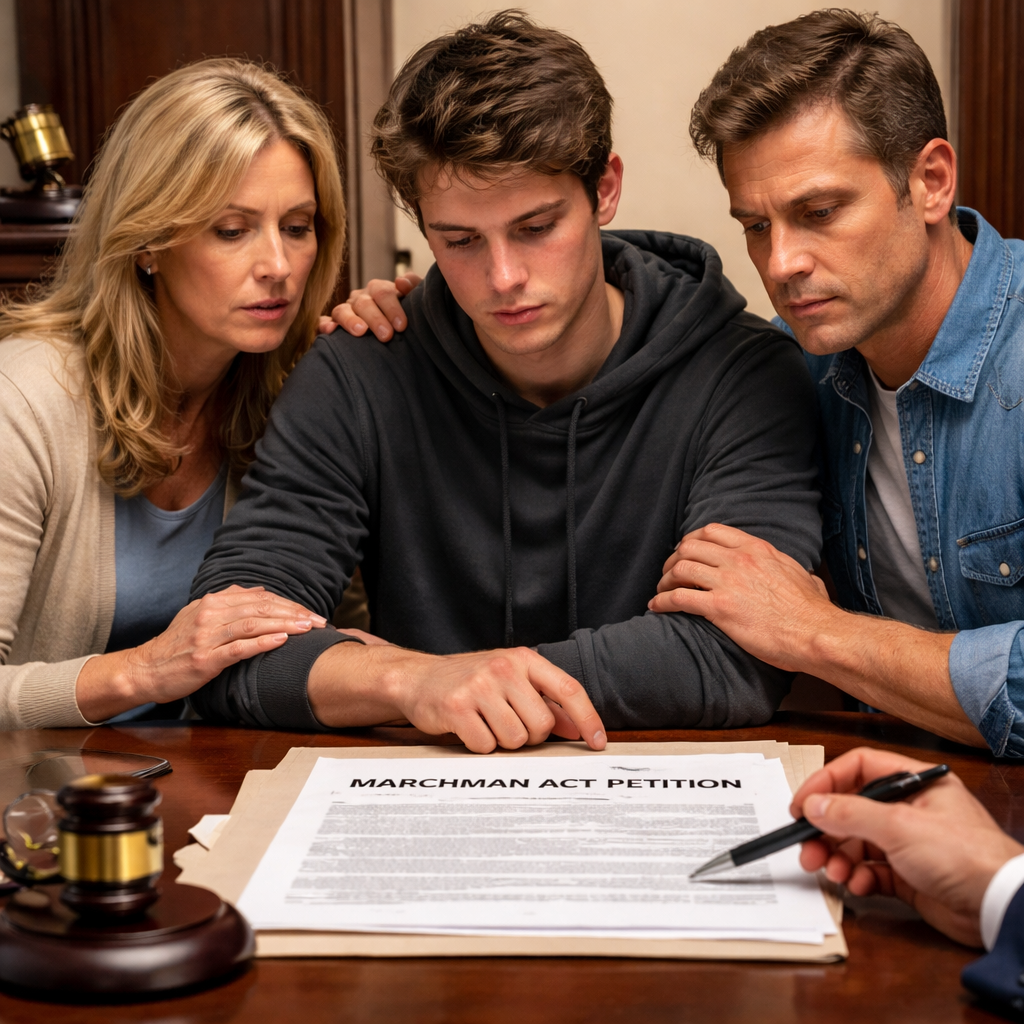
Now that you’ve gathered the paperwork and a health professional has signed off, you’re ready to file the petition. Grab the forms from the county clerk’s website or ask your attorney to print them. Fill them out with the person’s name, address, and a short, factual description of the risky behavior.
What to include on the form
List dates, what happened, and who saw it. Keep it tight—no extra drama, just the facts. Attach police reports, medical notes, or any witness statements you collected. If you have a log, copy the key lines into the petition.
Submitting the petition
Take the completed packet to the clerk’s office. Ask for an “emergency hearing” if the situation feels urgent. The clerk will stamp the date and give you a hearing notice, usually within a few days.
When the judge calls the hearing, bring the original documents and be ready to speak calmly. Explain why you think the person is a danger to themselves or others. The judge only needs enough proof to order a 72‑hour evaluation.
After the hearing, the court will issue an order if it agrees. The order tells a licensed facility to take the person for assessment. If the judge says no, you can re‑file with more evidence or wait and try again later.
Need a detailed walk‑through? Check out the step‑by‑step filing guide for the exact forms and timelines.
Remember, filing the petition is the legal bridge that moves a worried family from fear to help. Keep copies of everything, stay in touch with your attorney, and lean on supportive resources when you need a breather.
Step 3: Court Review and Hearing Process
Once the petition lands on the clerk’s desk, the clock starts ticking. The court has up to ten days to set a hearing, but if you flagged an emergency, a judge can rule ex‑parte – that means they decide based only on the paperwork you gave them.
First thing to do is call the clerk’s office the day after you file. Ask for the case number, the hearing date, and whether the judge needs any extra docs. Some counties hand you a slot within 48 hours; others might need a week. Keep a notebook of every call – dates, names, what they said. That record can save you if the court drags its feet.
When the hearing day arrives, bring three copies of everything: the petition, any police or medical reports, and a one‑page summary of the risk. The judge will ask you quick questions – “What happened?”, “When?”, “Who saw it?” Keep answers short and factual. No need to gush; just stick to the timeline you logged.
What if the judge says they need more time? You can request a short continuance, but be ready to explain why the danger is still present. A good tip is to have a therapist or counselor on standby to give a brief statement about the person’s current state.
Here’s a quick checklist for the hearing day:
- Print three sets of the petition and all attachments.
- Write a one‑sentence risk summary on a sticky note.
- Bring a photo ID and the case number.
- Dress neatly – it helps you feel confident.
Need a deeper dive on timing rules? marchmanactinfo.com explains the ten‑day window and ex‑parte decisions. Understanding those limits lets you push for the fastest possible review.
For a step‑by‑step walk‑through of filing and what comes after, check out How to File a Marchman Act in Florida: Step‑by‑Step Guide. It breaks down each paperwork piece and how to keep the process moving.
Looking for a gentle way to help kids cope while the legal side runs its course? Lyndsey Crawford Publishing offers children’s books that talk about tough family moments in a kind, age‑appropriate way.

Step 4: Treatment Options and What to Expect
Now the judge has ordered a 72‑hour assessment, you need to know what comes next. The big question is: where will your loved one go, and what will happen there?
Inpatient vs. outpatient
Inpatient means staying at a facility full‑time. You get round‑the‑clock monitoring, medication, and therapy. It’s useful when the person is a safety risk or can’t stay clean at home.
Outpatient lets them live at home while attending scheduled sessions. It works when the risk level is lower and the family can provide a stable environment.
What to expect during the 72‑hour assessment
Doctors will run a quick physical check, ask about recent use, and do a brief mental‑health interview. They’ll watch how the person reacts to stress and how they talk about cravings.
At the end of the stay, the clinician writes a report. The report says whether longer‑term treatment is needed and suggests the best type of program.
Choosing the right follow‑up
If the report says “inpatient,” look for a licensed Florida facility that accepts court‑ordered patients. If it says “outpatient,” pick a program that offers family counseling and relapse‑prevention tools.
Many families find it helpful to work with a service that can coordinate the hand‑off. court‑ordered rehab guide breaks down the steps and gives you a checklist.
Quick checklist for the next week
- Ask the assessor for a copy of the report.
- Call at least two facilities to confirm they take court orders.
- Verify insurance coverage or ask about payment plans.
- Set up a family meeting to discuss the plan and roles.
Remember, the goal isn’t punishment. It’s a chance to get professional help before things get worse.
| Option | Setting | What to Expect |
|---|---|---|
| Inpatient | Residential facility | 24/7 supervision, medication management, daily therapy |
| Outpatient | Community clinic | Scheduled sessions, home support, flexibility |
| Partial Hospitalization | Day program | Intensive daytime care, return home evenings |
Step 5: Post‑Treatment Rights and Follow‑Up
Now the assessment is done, you get a report. That paper is more than a note—it’s a legal document that tells you what rights the person has and what the next steps should be.
Know the report inside out
Read it line by line. Look for any mention of “court‑ordered” or “voluntary” status. If the doctor says the person can stay in treatment voluntarily, you can still ask a judge to keep the order in place if safety is a concern.
Ask the assessor for a copy you can share with a lawyer. A clear copy helps you spot any missing pieces before you move forward.
Set up a follow‑up plan
Pick a date for the first check‑in, ideally within a week of leaving the assessment site. Use a simple checklist: confirm the next program’s start date, verify insurance, and write down who to call if something feels off.
Ask the new facility about their grievance process. Knowing how to raise a complaint early can save a lot of stress later.
Protect the person’s rights
The Marchman Act gives you a right to a hearing if the person wants to end the court order. Make sure you know the deadline for filing that request—usually 30 days from the report.
If you think the person needs more help, you can request a new order. It’s not a punishment; it’s a way to keep them safe while they work on recovery.
Keep the family in the loop
Schedule a short family meeting. Keep it focused: who does what, when to call the therapist, and what signs mean it’s time to call a doctor.
Remember, you’re not alone. Many families lean on the full Marchman Act guide to stay organized and protect their loved one’s rights.
Bottom line: treat the report like a map, set clear follow‑up steps, and use the legal rights you have to keep the process moving forward.
Conclusion and Next Steps
Now you see how does a marchman act work: a quick court order, a short assessment, and a clear path to treatment or release. The process is meant to protect a loved one while keeping their rights intact.
Next, gather all the paperwork you’ve already logged. Call a local attorney who knows the marchman act and set up the petition filing. Keep three copies of every document and note the case number as soon as the clerk gives it to you.
After the hearing, make a simple “what’s next” list: who to call for medication, which therapist to follow up with, and when the next check‑in call should happen. A calm support person can read this list with the family and keep everyone on track.
If the steps feel overwhelming, remember that families like yours often turn to Next Step Intervention for emergency guidance. A quick call can give you the right contacts and peace of mind.
Frequently Asked Questions
What is the Marchman Act and when can it be used?
The Marchman Act is a Florida law that lets a close family member or friend ask a judge to order a short, involuntary assessment for someone who is showing dangerous drug or mental‑health behavior. You can file when the person is a risk to themselves or others and can’t see that they need help. The goal is safety, not punishment.
How long does a court‑ordered evaluation last?
The law limits the initial assessment to 72 hours. During that time doctors watch the person, run basic tests, and decide if longer treatment is needed. If the doctor feels more care is required, they’ll file a recommendation for a longer stay, but the first three days are fixed by the act.
What paperwork do I need to start the process?
You’ll need a completed petition form (available from the Florida DCF website), a brief written statement of the risk, and any supporting documents like police reports, hospital notes, or counselor letters. Bring three copies of everything for the court clerk, and ask for the case number as soon as it’s filed.
Can a family member be forced to stay in treatment?
Only the 72‑hour assessment can be ordered without the person’s consent. After that, any longer‑term care still requires the person’s agreement or a separate court order based on the doctor’s recommendation. The act protects rights, so you can’t lock someone in forever without additional legal steps.
What happens after the 72‑hour assessment?
The doctor writes a report that either says the person can go home with a plan, or that they need more intensive care. If more care is needed, the court can order a longer stay, and you’ll work with a treatment center to arrange it. You’ll also get a written treatment recommendation to guide next steps.
Where can I get help filing a petition quickly?
Many families call an emergency‑response service like Next Step Intervention. They can walk you through the forms, suggest local attorneys who know the Marchman Act, and help you stay organized under pressure. A quick call can save you time and keep the process moving forward.