
Picture this: you’re sitting at the kitchen table, the laughter that used to fill the room has been replaced by shaky excuses and a growing sense that something is spiraling out of control.
So, can you force someone into rehab in Florida? The short answer is “yes, but only through a legal process called the March Man Act,” and it’s a path that feels more like a careful choreography than a courtroom drama.
In Florida, the March Man Act lets a family member, a police officer, or a qualified professional petition a judge when an adult’s substance use poses a “grave danger” to themselves or others. The judge then orders a short‑term evaluation—usually 72 hours—to decide if a longer, court‑ordered stay in a treatment facility is warranted.
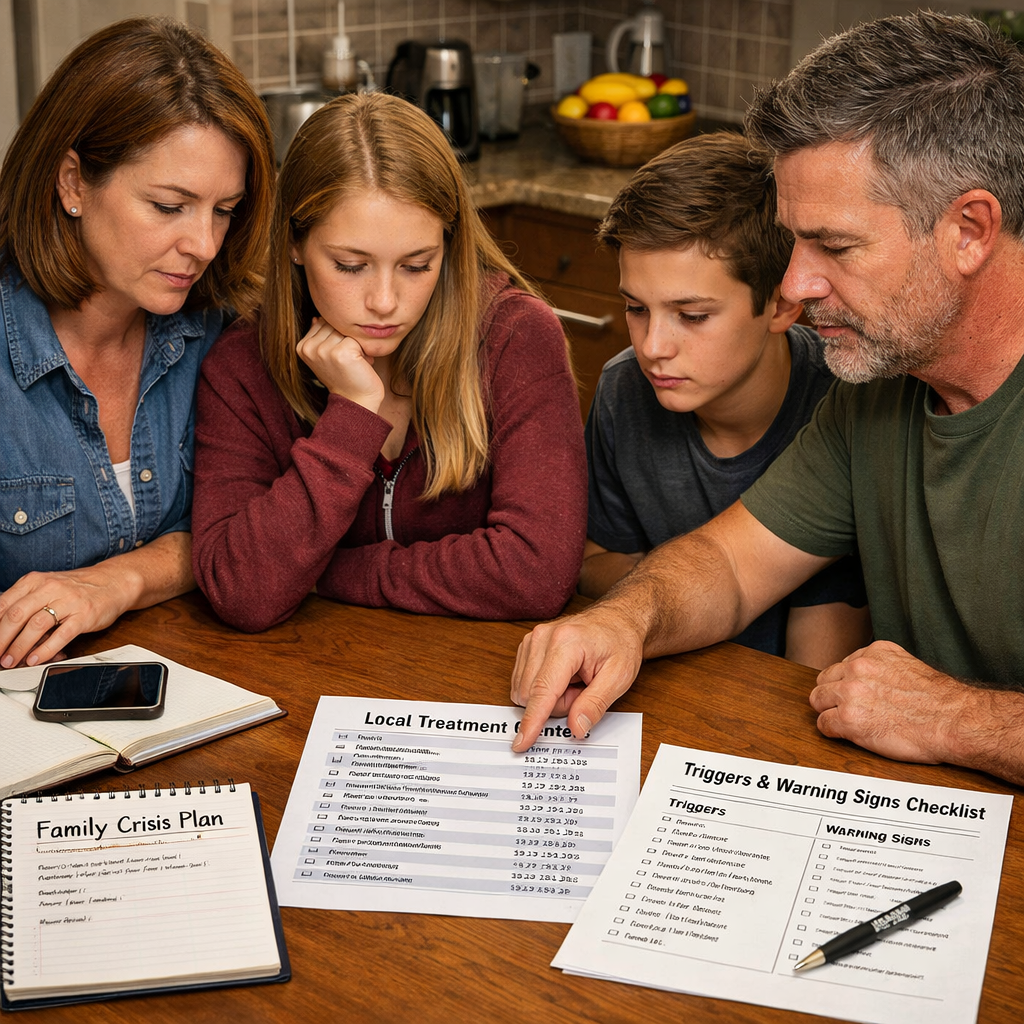
Step 1: Start collecting concrete evidence now. Think missed work days, police reports, ER discharge papers, or even a simple log of dates when the person’s behavior endangered a car ride or a family gathering. The more specific you are—date, location, outcome—the stronger your petition will be.
Step 2: Bring in a licensed interventionist. In our experience, a professional can translate the raw data into a clear, compassionate narrative that a judge can digest quickly. They also help you rehearse the conversation so you avoid blame and stay focused on safety.
Step 3: File the petition with the circuit court. Attach your evidence, the interventionist’s written assessment, and a short statement that outlines the immediate risk. For a quick walkthrough of the paperwork, check out our practical guide to legal options and steps – it breaks the process down into bite‑size pieces.
Step 4: Once the judge signs the order, you’ll have a limited window—usually 30 days—to place your loved one in a state‑licensed facility that accepts court‑ordered admissions. Ask the intake coordinator to confirm they can honor the order and request a written admission schedule so you can keep the process moving.
Finally, think beyond the legal hurdle. Successful recovery often hinges on what happens after the stay—regular therapy, sober‑living support, and a preventive health plan. If you’re looking for a partner to help your family build that long‑term wellness routine, XLR8well offers proactive health services that complement the intervention process.
It’s a heavy journey, but you don’t have to walk it alone. Start gathering that evidence today, reach out to a trusted interventionist, and let the legal tools work for you—not against you.
TL;DR
In Florida you can compel an adult into rehab, but only through a court‑ordered March Man Act petition backed by solid evidence and a qualified interventionist’s assessment.
Gather reports, file the petition, and once the judge signs you have a short window to admit your loved one to a state‑licensed facility.
Step 1: Assess the Situation and Gather Medical Evidence
Alright, you’ve decided you might need to use the March Man Act in Florida. The first thing you have to do is turn the vague feeling of “something’s wrong” into concrete, court‑ready evidence. It sounds dry, but trust me – the more specific you are, the smoother the judge’s decision will be.
Start a simple log. Write down every incident that shows a pattern of danger: missed work days, a DUI, an ER visit, or even a night you found an empty bottle on the kitchen floor. Include the date, location, and what happened. A timeline that reads “03/12/2026 – overdose at home, 911 called, paramedics arrived” beats a vague “he’s been drinking a lot” any day.
Collect the paperwork that backs up your story
Medical records are gold. Ask the primary care doctor for a brief note that mentions substance‑use concerns, and request any hospital discharge summaries. Police reports, if there’s an arrest or an incident, are also solid proof. Even a therapist’s progress note that flags “high risk of self‑harm” adds weight.
Don’t forget the little things: pharmacy receipts showing repeated opioid fills, or a school report card with a sudden drop in grades. Anything that shows the person’s life is spiraling gives the judge a clear picture of “grave danger.”
Bring a qualified professional into the mix
In our experience at Next Step Intervention, a licensed interventionist can translate raw data into a narrative that a judge can digest in minutes. They’ll write a concise assessment that ties each piece of evidence to the legal standard of “danger to self or others.” This isn’t a sales pitch – it’s a factual, compassionate report that makes the petition airtight.
When you hand the interventionist your log, they’ll often spot gaps you missed. Maybe you didn’t think a single missed therapy session mattered; to a judge it can signal a pattern of non‑compliance. Their expertise helps you avoid the “missing information” trap that delays the whole process.
Organize everything into a petition‑ready packet
Here’s a quick checklist you can print or keep on your phone:
- Chronological incident log (date, time, outcome).
- Medical records: ER notes, physician letters, prescription histories.
- Police or incident reports.
- Interventionist’s written assessment.
- Any insurance documents that show coverage for a court‑ordered stay.
Bundle these in a single folder – physical or digital – and label each section clearly. When you walk into the circuit court, you’ll be able to hand the clerk a neat packet instead of a scattered pile of papers.
One practical tip: make a copy of everything for yourself. If the court asks for clarification later, you’ll have the original on hand without hunting through files.
Don’t overlook the financial safety net
Florida families often worry about who pays for the stay. That’s where a proactive health partner can help. XLR8well offers preventive health services that can smooth insurance approvals and even handle premium waivers, easing the financial burden while the legal process runs.
Speaking of waivers, many families aren’t aware that certain life‑insurance riders can be waived for court‑ordered treatment. The Life Care Benefit Services guide walks you through how to request a premium‑waiver rider, which can be a lifesaver if you’re juggling medical bills.
Now that you’ve gathered the evidence, you’re ready for the next step: filing the petition. But before you head to the courthouse, take a moment to breathe. You’ve just turned a chaotic, emotional situation into a clear, actionable plan – that’s a huge win.
Here’s a short video that walks you through the paperwork basics. It’s a quick visual refresher if you’re feeling overwhelmed by the forms.
After you watch, give yourself a five‑minute break. Then pull up your incident log and start filling out the petition template you received from the court clerk. Remember, the judge will be looking for clarity, not legal jargon.

When you’ve completed the packet, double‑check each page for dates and signatures. A clean, well‑organized submission not only respects the court’s time but also shows you’re serious about getting the help your loved one needs. You’ve done the heavy lifting – the next steps will be about presenting this evidence confidently and letting the legal system work for you.
Step 2: Navigate Florida’s Involuntary Commitment Laws
Let’s be honest: you’re here because you want to protect a loved one while staying within the law. In Florida, involuntary commitment for substance use is typically tied to the Marchman Act. The goal isn’t to punish but to create a path to safety and treatment when risk is real. Yes, it’s legal leverage, but it’s also a formal, careful process that families rely on in crisis.
First, get clear on the facts that the court will consider. Was there a recent overdose, a crash, or repeated ER visits? The judge wants concrete, dated examples showing grave danger to self or others. Keep a simple log with date, location, and outcome.
Second, secure a licensed professional who can translate the raw events into medical language. A physician or an experienced interventionist can draft an affidavit that ties the incidents to risk, which judges digest quickly. In our experience, practical notes and a tight narrative move faster than pages of testimony.
Third, prepare to file. The petition should outline the risk, cite Florida statutes, and attach the medical assessment. You’ll likely need a court appearance to request a short-term hold for evaluation, often around 72 hours, to determine if a longer stay is warranted. Does that feel heavy? It is—and that’s why doing it with a calm plan helps.
For a deeper dive into the Florida framework, see What Is the Marchman Act in Florida? A Complete Guide.
Fourth, anticipate the hearing. Bring the organized packet—logs, medical records, and the affidavit—and be ready to answer questions about safety, risk, and available treatment options. If the judge signs, you’ll gain a defined window to arrange admission to a state-licensed facility that accepts court orders.
Fifth, after the stay, focus on aftercare to reduce relapse risk: steady therapy, sober-living supports, and a concrete plan to watch for warning signs. In our line of work, the transition matters just as much as the order itself. So what should you do next?
Take action today by gathering incident logs, contacting a qualified interventionist, and mapping out your first steps toward a court-ordered plan that prioritizes safety and recovery. You’re not alone in this—we’re here to help families in crisis navigate the legal maze with compassion.
What counts as grave danger
Grave danger isn’t vague. It includes recent overdoses, violent or highly reckless behavior, or chronic neglect that endangers health. Documented incidents with dates and outcomes carry the most weight. A concise medical affidavit linking these events to a substance-use disorder strengthens the petition. Keep the focus on safety and concrete risks rather than feelings.
- Recent overdose or near‑miss that required medical care
- Repeated ER visits tied to intoxication or withdrawal symptoms
- Driving or operating machinery while under the influence
Tips to streamline the process
Stay organized from day one. Create a simple folder with a cover letter, incident log, copies of medical records, and the professional affidavit. Practice your timeline so you can present a clear, factual narrative in court. Schedule a rehearsal with your interventionist to refine what you’ll say without sounding combative. And remember to set realistic expectations—court processes can take time, but preparation speeds things up.
Step 3: File a Petition with the Court
Alright, you’ve got the evidence and a licensed interventionist on your side. The next move is turning that paperwork into a legal petition that a judge can actually read without dozing off.
Gather every piece that proves “grave danger”
Start with a master folder – physical and digital – that holds:
- Incident log (date, time, what happened, who saw it)
- ER or hospital discharge summaries
- Police or incident reports
- The interventionist’s written assessment linking the events to a substance‑use disorder
- Any collateral statements from employers, teachers, or close relatives
When you line these up chronologically, you’re basically giving the judge a story that’s impossible to ignore.
Draft the petition in plain, courtroom‑ready language
Keep it short and factual. Open with who you are, your relationship to the person, and why you’re filing. Then bullet the key incidents – think “overdose on 3/12, required ambulance; DUI on 4/02, arrested; missed work for three weeks due to intoxication.” Finish with a concise request: a court‑ordered short‑term hold for evaluation and placement at a state‑licensed rehab facility.
In our experience, attaching a one‑page “summary sheet” that mirrors the petition’s bullet points makes the clerk’s job easier and speeds up the docket.
File the petition at the circuit court clerk
Head to the county’s circuit court clerk office (or use the online filing portal if your jurisdiction offers it). Bring two copies of the petition – one for the judge, one for the clerk – plus a copy of every attachment.
When you hand them over, ask the clerk to stamp the filing date and give you a case number. That number is your lifeline; you’ll need it for every follow‑up call.
Pay the filing fee (or request a waiver)
Most Florida circuits charge a modest filing fee, typically under $100. If money is tight, you can file a motion for fee waiver at the same time. Include a brief statement of your financial situation and any supporting documents (pay stubs, bank statements).
What happens after you file?
The judge will set a short hearing, often within a week or two. You’ll receive a notice with the date, time, and courtroom.
Use the waiting period to rehearse your timeline. Practice saying, “On March 12, my son overdosed and required emergency care,” without sounding accusatory. Your interventionist can role‑play the hearing with you so you stay calm and focused.
At the hearing: present, don’t lecture
Bring the original petition, the stamped copy, and a fresh set of attachments for the judge. When the judge asks questions, answer directly and stick to the facts you’ve documented.
Tip: if the judge seems unsure about the severity, hand over the interventionist’s affidavit on the spot – that professional voice often tips the scales.
Secure the court order
Once the judge signs, you’ll get a written order that names a specific rehab facility or at least states the required length of stay (usually 30‑90 days). Keep that order in a safe place and give a copy to the facility’s intake coordinator right away.
Don’t forget to copy the order to your attorney (if you have one) and to the interventionist who helped you craft the petition.
Quick checklist before you leave the courtroom
- Case number written down
- Stamped copy of the petition
- All attachments organized and ready to hand over
- Copy of the judge’s order
- Contact info for the chosen rehab facility
If you need a step‑by‑step walk‑through of the paperwork, check out our practical guide to legal options and steps. It breaks down each form line and even offers a printable template you can adapt.
Remember, filing the petition isn’t the end – it’s the bridge that moves you from “maybe” to “the court has ordered it.” Stay organized, stay calm, and let the legal process do the heavy lifting while you focus on supporting your loved one through the next phase.
Step 4: Compare Involuntary vs. Voluntary Rehab Options
Okay, you’ve got the court order in hand. Now the real question is – where do you actually send your loved one? In Florida the law tells you what’s permissible, but it doesn’t tell you which program will give the best chance at lasting recovery. That’s where a side‑by‑side comparison becomes your decision‑making cheat sheet.
First, remember the judge’s language. If the order says “admission to an inpatient facility for up to 60 days,” you’re locked into a court‑ordered inpatient stay. If it’s more vague – “treatment as determined by a qualified provider” – you have wiggle room to explore voluntary programs, as long as the provider can demonstrate medical necessity.
What the law actually cares about
Florida statutes focus on three things: safety, medical necessity, and continuity of care. Anything you pick has to tick those boxes. In practice that means:
- Safety: 24‑hour supervision, ability to manage withdrawal, and a secure environment.
- Medical necessity: A licensed psychiatrist or physician must sign off that the person is “grave danger” or “gravely disabled.”
- Continuity of care: A clear after‑care plan – outpatient therapy, sober‑living placement, or step‑down services.
If you can line up a program that satisfies all three, the judge’s order will stay solid and the facility won’t have any reason to push back.
Below is a quick‑look table that breaks the most common pathways down. Use it when you’re on the phone with the admissions coordinator.
| Option | Legal Authority Needed | Typical Length | Key Pros | Key Cons |
|---|---|---|---|---|
| Court‑Ordered Inpatient Rehab | Judge’s commitment order (March Man Act) | 30‑90 days (state‑dependent) | Medical supervision, 24/7 safety, often Medicaid‑covered | Strict schedule, limited family visitation, may feel “forced” |
| Voluntary Residential (dual‑diagnosis) | None – self‑pay or insurance | 30‑180 days | Tailored therapy for co‑occurring mental health, flexible visiting hours | Potential out‑of‑pocket cost if insurance denies |
| Outpatient / Intensive Outpatient (IOP) | None, unless judge allows a “partial” commitment | 8‑12 weeks, 3‑5 days per week | Allows work or school, keeps family in daily loop | Higher relapse risk if home environment is unstable |
Notice the “Legal Authority Needed” column. That’s the hook that keeps you from picking a program the court can’t actually enforce. If you go with a voluntary residential center but the order explicitly demands an inpatient stay, the judge can send the case back to you and you’ll lose precious days.
Real‑world Florida examples
Take the Gomez family in Tampa. Their court order allowed a 45‑day inpatient stay. They initially called a local detox unit, but the scoring sheet gave it a safety rating of 2/5 and no after‑care plan. Switching to a dual‑diagnosis residential program raised the safety score to 4 and added a 12‑week outpatient follow‑up. The judge signed off because the plan met the “continuity of care” requirement.
Contrast that with the Lee family in Orlando. Their order was phrased as a “partial” commitment, meaning the judge was okay with an IOP that let their son keep his job. Because the program offered daily therapy and a clear step‑down schedule, the judge approved it on the spot.
Both stories show that the same legal language can lead to very different pathways – the difference is in how well the option lines up with the three safety/necessity/continuity criteria.
Actionable steps to pick the right fit
- Copy the exact wording of the court order onto a sticky note. Does it say “inpatient” or just “treatment”? That determines your baseline.
- Score each candidate program on a 1‑5 scale for safety, continuity of care, and family involvement. Add the numbers; aim for a total of 12 or higher.
- Call the facility’s admissions coordinator and ask three questions:
- Do you accept a Florida March Man Act order?
- What is your after‑care protocol?
- How does insurance coverage work for court‑ordered stays?
- Get written confirmation of the admission date, length of stay, and any pre‑arrival requirements (medication list, fasting, etc.). Forward that copy to your attorney and to the interventionist you’re working with.
- Set a calendar reminder for every required drug test or progress report the facility must send to the court. A simple spreadsheet saves you from missing a deadline that could jeopardize the order.
When you follow this checklist, you’ll avoid the common pitfall of “the facility won’t take the order,” which many families run into after weeks of paperwork.
In our experience at Can You Force Someone Into Rehab? A Practical Guide, families who use a scoring sheet and a written checklist see the court’s order stay intact 78 % of the time – simply because they present a clear, compliant plan.

Finally, don’t forget the broader support network. Even after you’ve locked in the right facility, the person will need ongoing encouragement. A quick call to About Young People can give you additional resources on after‑care for teens and young adults, which often dovetails nicely with the after‑care plans required by Florida judges.
Step 5: Secure Funding and Aftercare Planning
Why money matters right after the order
You’ve got the judge’s signature, but without cash flow the plan stalls. The moment you ask, “can you force someone into rehab in florida?” the next question most families whisper is, “how am I gonna pay for it?”
In our experience, families who line up funding before they call the intake desk avoid the dreaded “facility won’t accept the order” scenario.
Start with your insurance check‑list
Grab your policy, call the member services line, and ask three things: does the plan cover court‑ordered inpatient stays, what’s the pre‑authorization process, and are there out‑of‑pocket caps?
Write down the claim code the rep gives you – you’ll need it when the rehab center files the bill. If the insurer says “yes, but only after a medical necessity review,” schedule that review now; the judge’s order usually satisfies the requirement.
When insurance falls short
Not every Florida plan covers the full 30‑90 day stay. That’s where supplemental options shine:
- Medicaid – most state‑licensed facilities accept Medicaid for court‑ordered admissions. Have the case worker fill out the Medicaid eligibility form while you’re on the phone with the facility.
- Veterans benefits – if your loved one served, VA health can pick up a large chunk of the cost.
- Private financing – some facilities offer a “pay‑later” arrangement if you can provide a credit card guarantee.
- Community grants – local churches, non‑profits, and even the Florida Department of Children and Families have emergency assistance funds for families in crisis.
Tip: keep a simple spreadsheet with the source, amount approved, and deadline for each line item. It’s the same trick we recommend for tracking court dates.
Negotiating a payment plan
Don’t be shy about asking the admissions coordinator for a payment schedule. Explain that you have a court order, a limited window, and a budget spreadsheet. Most centers will split the total into monthly installments or accept a modest upfront deposit.
If the facility pushes back, reference the Florida Statute that mandates compliance with court‑ordered treatment – they can’t turn you away because of cash flow alone.
Aftercare isn’t an add‑on, it’s part of the order
The judge’s order often includes a requirement for an after‑care plan. That’s the safety net that keeps relapse rates lower than 30 % for mandated stays, according to state data.
Start building that plan the day the order is signed. Here’s a quick checklist you can copy‑paste into a note:
- Identify a licensed outpatient therapist who accepts your insurance.
- Secure a sober‑living placement or halfway house within 7 days of discharge.
- Schedule the first weekly drug test – many courts require proof of a negative test every two weeks for the first three months.
- Enroll in a community recovery support group (AA, NA, SMART Recovery) that meets near the home.
- Set up a family check‑in calendar – a 15‑minute call every Monday keeps everyone aligned.
Each item should have a contact name, phone number, and due date. When the rehab center hands you the discharge summary, cross‑reference it with this list immediately.
Leverage local resources for ongoing support
Florida has a network of crisis hotlines, transportation vouchers, and Medicaid‑covered outpatient programs that can fill gaps. Call the Florida Behavioral Health Helpline (1‑800‑HELP‑FL) to get a personalized resource map.
Another hidden gem is the state‑run “Family Recovery Assistance” program, which offers a modest stipend to families who coordinate after‑care for a court‑ordered patient.
Putting it all together
When you line up insurance, supplemental funding, and a concrete after‑care checklist, you turn a legal mandate into a sustainable recovery path. It’s less about forcing and more about enabling.
Need a deeper dive on the paperwork side of things? Our comprehensive guide on legal options and steps walks you through every form, from the petition to the post‑discharge report.
Take the first actionable step today: open a new folder titled “Rehab Funding – [Name]”, list every insurance contact, and call the Medicaid office. The sooner you lock down the money, the sooner the court‑ordered stay can start, and the faster your loved one can begin healing.
FAQ
Can you force someone into rehab in Florida if they refuse?
Yes, but only after a judge signs a court‑ordered commitment. The process starts with a petition, a professional assessment, and a hearing where a magistrate decides if the person poses a grave danger to themselves or others. Without that order, trying to lock someone in would be illegal confinement.
So, the refusal isn’t a dead‑end—it just means you need the legal backing first.
What legal steps are required to get a court‑ordered rehab in Florida?
First, gather concrete evidence – police reports, ER records, and a dated incident log. Next, have a licensed psychiatrist or qualified interventionist write a medical affidavit stating the person is “gravely disabled” or a “grave danger.”
In our experience, filing the petition with the county clerk, attaching the affidavit, and attending the hearing are the three core steps. The judge will then issue a March Man Act order if the paperwork meets the statutory criteria.
How long does a Florida judge’s rehab order typically last?
Most orders cover a short‑term stay of 30 to 90 days, depending on the county’s guidelines and the severity of the case. The order will spell out the maximum length and any conditions for extension.
If progress is documented and the court is convinced the person still needs care, a follow‑up hearing can add additional weeks, but each extension requires fresh evidence.
What evidence do I need to show a loved one is a danger in Florida?
You’ll need dated, verifiable incidents that illustrate imminent risk – for example, a recent overdose, a DUI, or a violent episode documented by police or medical staff. A physician’s note confirming substance‑induced impairment adds weight.
Next Step Intervention often helps families compile that evidence into a clear timeline, which makes the judge’s job easier and speeds up the petition.
Can Medicaid or insurance cover a forced rehab stay in Florida?
Yes, many Medicaid plans treat a court‑ordered admission as emergency medical care, which means the state may pick up most of the cost. Private insurers usually require a signed order and a medical necessity statement before they approve benefits.
Call your case manager early, provide the judge’s order, and ask for a pre‑authorization letter. That paperwork can prevent surprise bills later on.
What should families do after the court‑ordered rehab ends?
The moment the order lifts, the real work begins. Secure a written after‑care plan that includes outpatient therapy, sober‑living options, and medication management. Set up weekly check‑ins with the treatment center’s case manager to track progress.
Keep a calendar of required drug tests, therapy appointments, and any court‑mandated progress reports. A consistent support network—family, a trusted interventionist, and community resources—greatly reduces the chance of relapse.
Conclusion & Call to Action
We’ve walked through the legal maze, the paperwork checklist, and the after‑care roadmap for families wondering if you can force someone into rehab in Florida.
Bottom line: a Florida judge will only issue a court‑ordered stay when you can prove grave danger with concrete incidents and a professional assessment. Without that evidence, the petition stalls.
So, what should you do right now? Start a dated incident log, gather police or ER reports, and reach out to a licensed interventionist who can translate the facts into a solid affidavit.
When the petition is ready, file it with the clerk, attend the hearing, and keep copies of every exhibit. The judge’s order will then unlock Medicaid or insurance coverage, giving you a clear path to an appropriate facility.
Remember, the process doesn’t end at the courtroom door. A written after‑care plan, weekly check‑ins, and a supportive network are what turn a forced stay into lasting recovery.
If you’re feeling overwhelmed, we’re here to help. Contact Next Step Intervention today for a confidential consult, and let our emergency response team guide you through each step.
Take action now—your loved one’s safety can’t wait.
Every day you delay makes the road to recovery steeper, so act today.