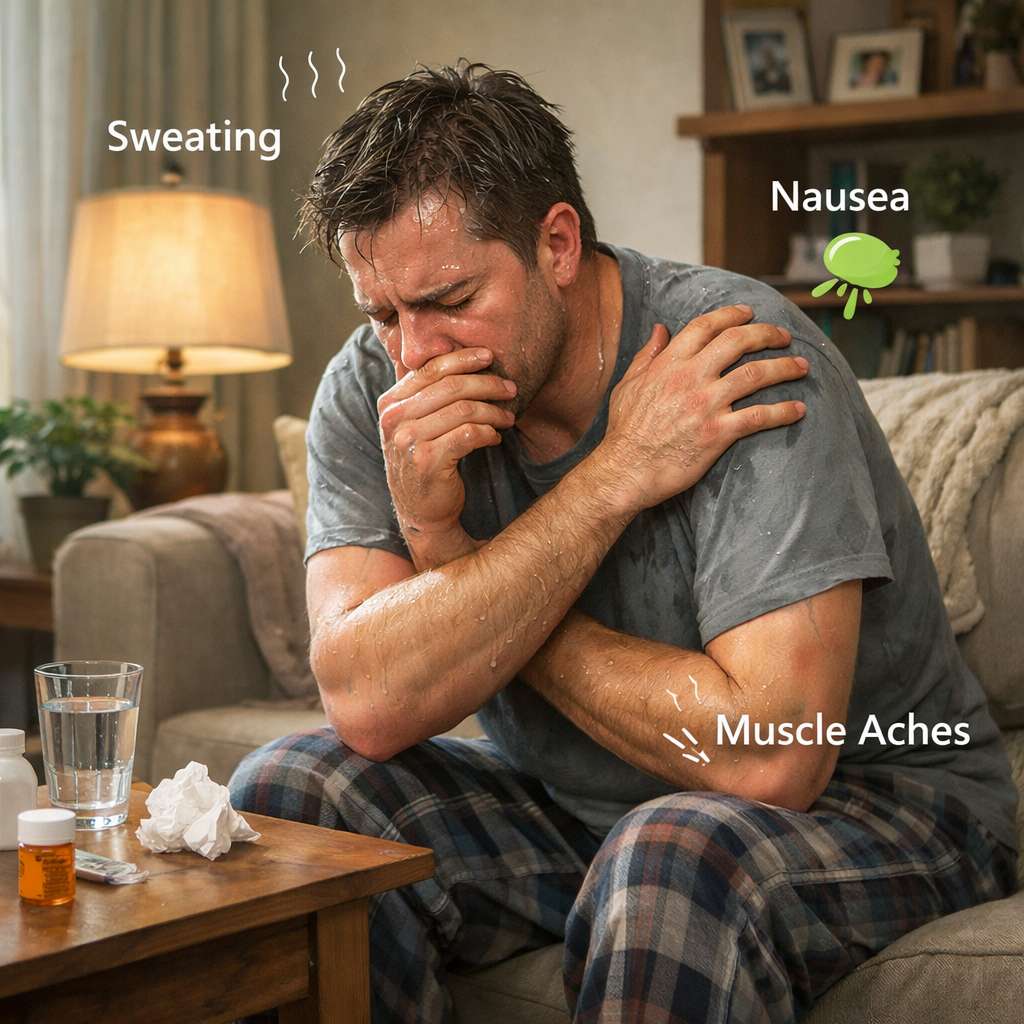
Opioid withdrawal can hit your family hard. You might see shaking, nausea, or a sudden mood swing. This family guide to opioid withdrawal symptoms will walk you through what to look for, how to make a safe space, and when to call a professional. You’ll get practical steps you can use tonight, plus where to get urgent help if things get scary.
Step 1: Recognize Opioid Withdrawal Symptoms
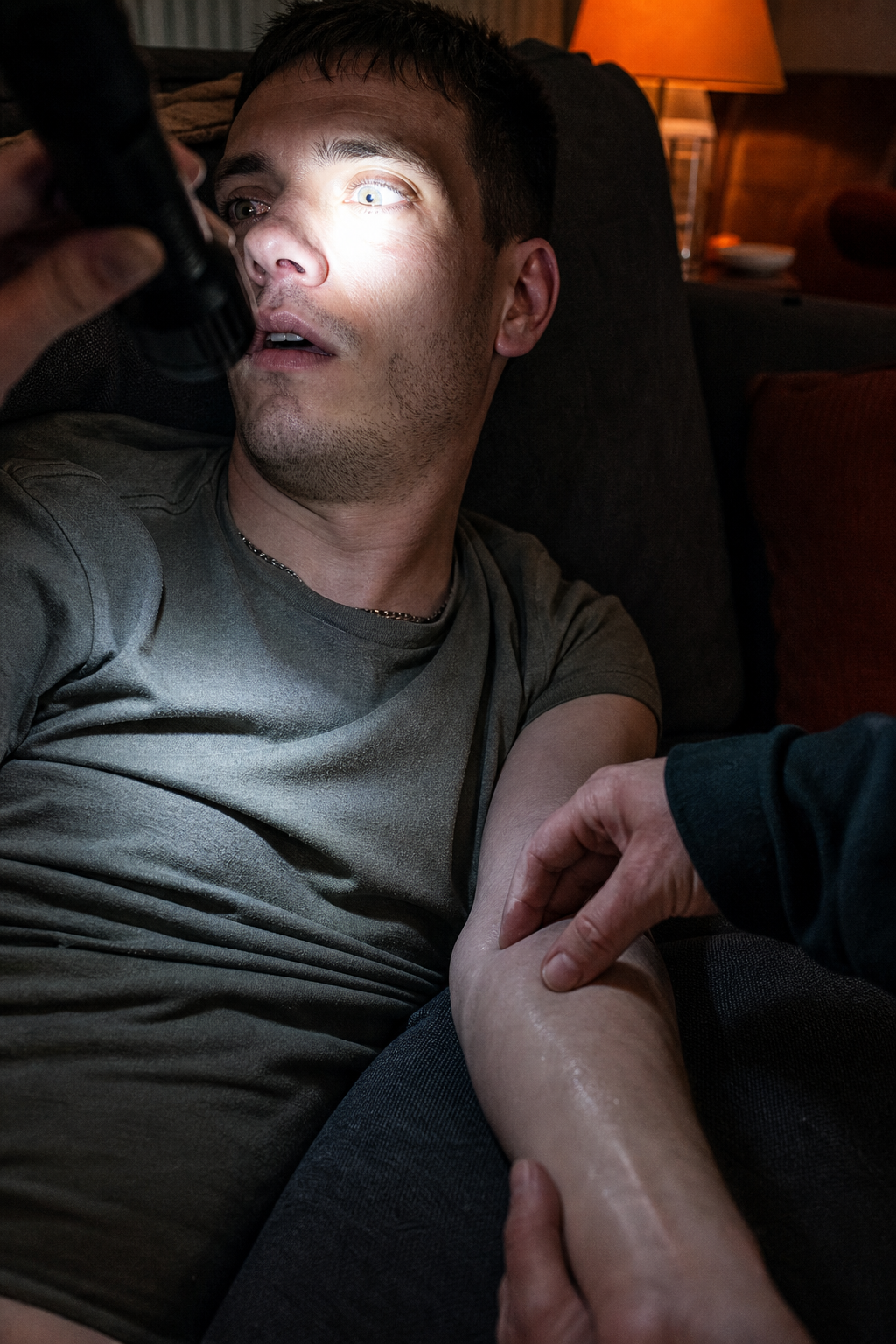
The first thing a family can do is learn the signs. The family guide to opioid withdrawal symptoms starts with a look at the body’s reaction when opioids are gone. Most signs show up 6‑10 hours after the last dose and can last up to two days. You’ll see cravings, stomach cramps, sweating, and a flu‑like feeling.
Here’s a quick snapshot you can print and put on the fridge. It lists common symptoms, when they usually start, and how long they tend to stick around.
And remember, the list often leaves out milder signs like a headache or mild anxiety. That’s why you should trust your gut if something feels off.
Families that track symptoms can call a doctor with exact info. That speeds up care and cuts down on guesswork.
For more detail on what doctors call opioid withdrawal, see the Cleveland Clinic page. It breaks down each symptom and why it happens.
If you need a step‑by‑step plan for detox, check out our Effective Detox Treatment guide. It shows how to pair medical help with family support.
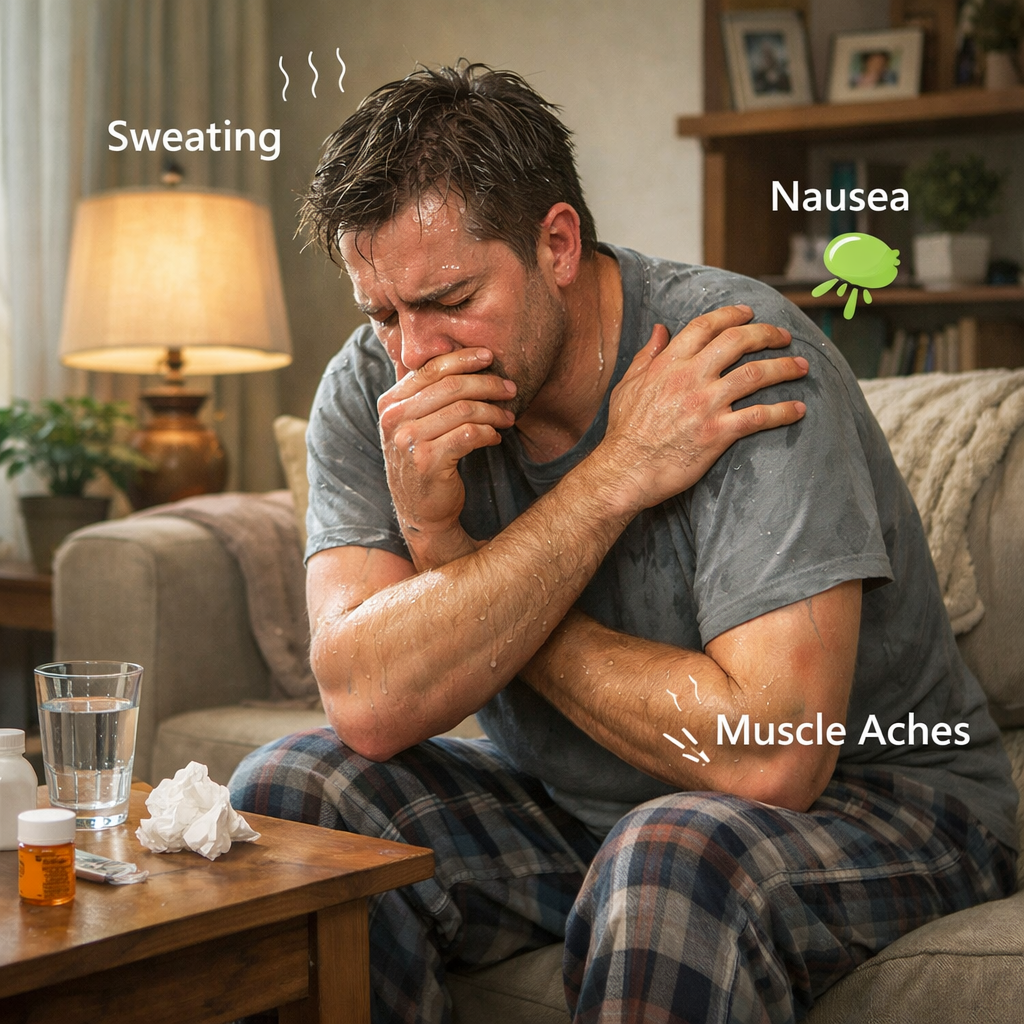
Bottom line:Knowing the timing and shape of withdrawal symptoms lets you catch them early and get help before they get worse.
Step 2: Create a Safe and Supportive Environment
Now that you can name the signs, you need a place where the person can ride them out. The family guide to opioid withdrawal symptoms says a calm room helps lower anxiety. Think low light, soft blankets, and a quiet tone.
Start by removing anything that could tempt a relapse. Hide pills, lock up alcohol, and toss any drug‑paraphernalia. Keep water, electrolyte drinks, and easy snacks within reach.
And don’t forget the basics: a steady supply of water (2‑3 L a day), a trash can for vomit, and a phone on silent but ready for emergency calls.
Family members should stay nearby but give space. Sit in the same room, but let the person rest. Offer a cool compress for fever, a fan for chills, and gentle reassurance.
When you need a trusted source on how to set up a safe space, the Alberta health page offers solid advice. See the Alberta health guide for tips on after‑care and safe environments.
Our 10 Essential Detox Services article also lists what a good detox setting should include, from 24‑hour nursing to quiet rooms.
Make a simple checklist for the night:
- Water bottle on the bedside table.
- Thermometer and fan.
- Phone with emergency numbers.
- Comfort items (blanket, pillow).
Check the list before the first symptoms hit. It saves you from scrambling.
And if the person feels dizzy or shaky, help them sit down, keep a cool cloth on their forehead, and talk in a calm voice.
Remember to note any changes in mood or physical feeling. That record will help the doctor later.
When the night is over, review the diary you kept. Talk about what helped and what didn’t. This builds trust.
Bottom line:A calm, well‑stocked space lets the body heal while the family stays in control.
Step 3: Seek Medical Professional Help
If the symptoms get worse, you need a professional. The family guide to opioid withdrawal symptoms stresses that medical help can stop a crisis before it starts.
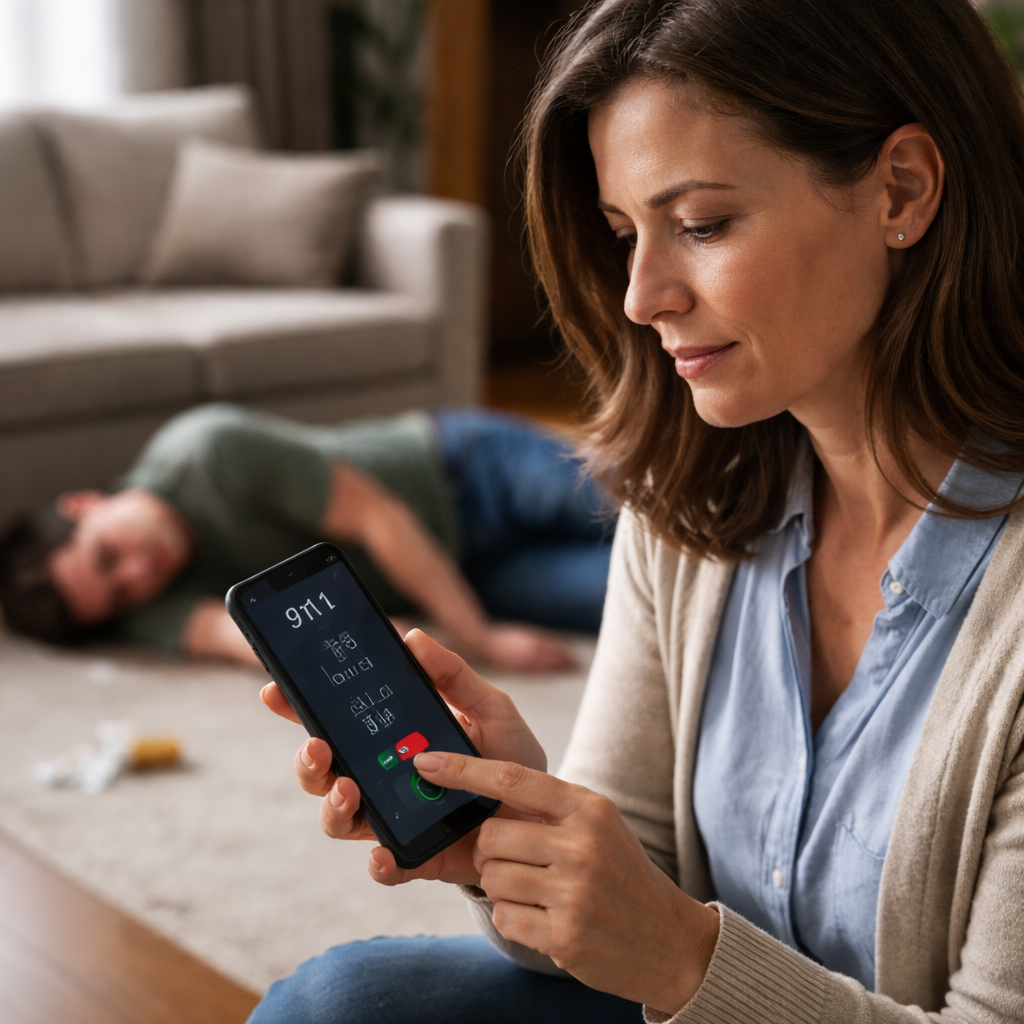
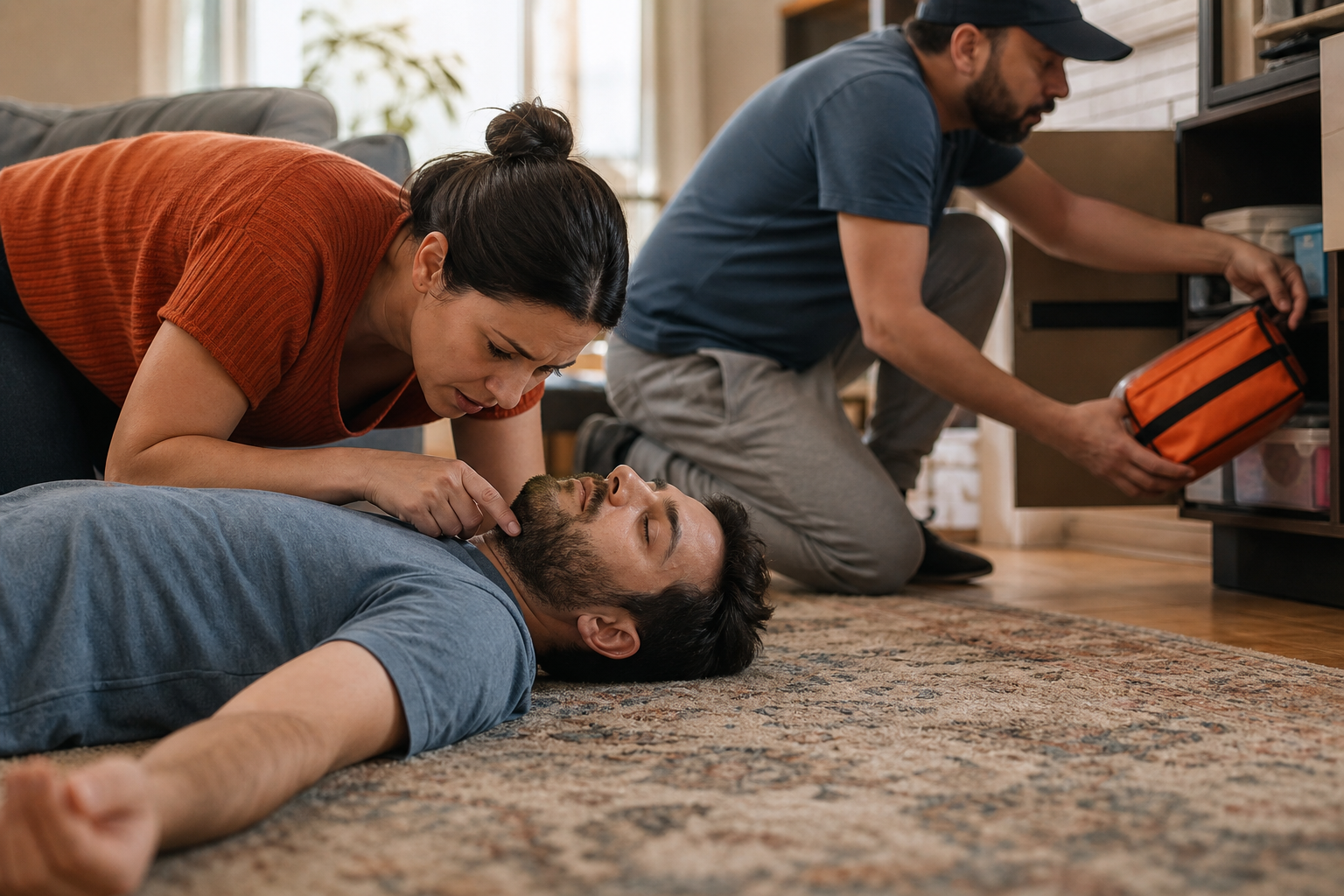
Look for red flags that need urgent care: nonstop vomiting, seizures, extreme confusion, or breathing that slows down. Call 911 right away if any of these happen.
Even if the signs are mild, a doctor can give meds like clonidine or buprenorphine to ease cravings and keep you from feeling out of control.
Many families wonder if they can handle withdrawal at home. The truth is, a clinician can monitor blood pressure, heart rate, and fluid loss, which are hard to do alone.
Here’s a quick decision flow:
- If severe vomiting or dehydration , go to ER.
- If agitation, tremors, or high fever , call your doctor for a rapid‑response plan.
- If mild flu‑like symptoms , schedule a detox appointment within 24 hours.
And don’t forget to bring the symptom diary you kept. It gives the team a clear picture.
When you’re ready to call, have these numbers handy:
- Local hospital ER (911 in the US).
- Your primary care doctor’s office.
- Next Step Intervention at (949) 545‑3438.
“The best time to start building backlinks was yesterday.”
For an official look at withdrawal management, the National Institutes of Health outlines protocols in its book. lines.
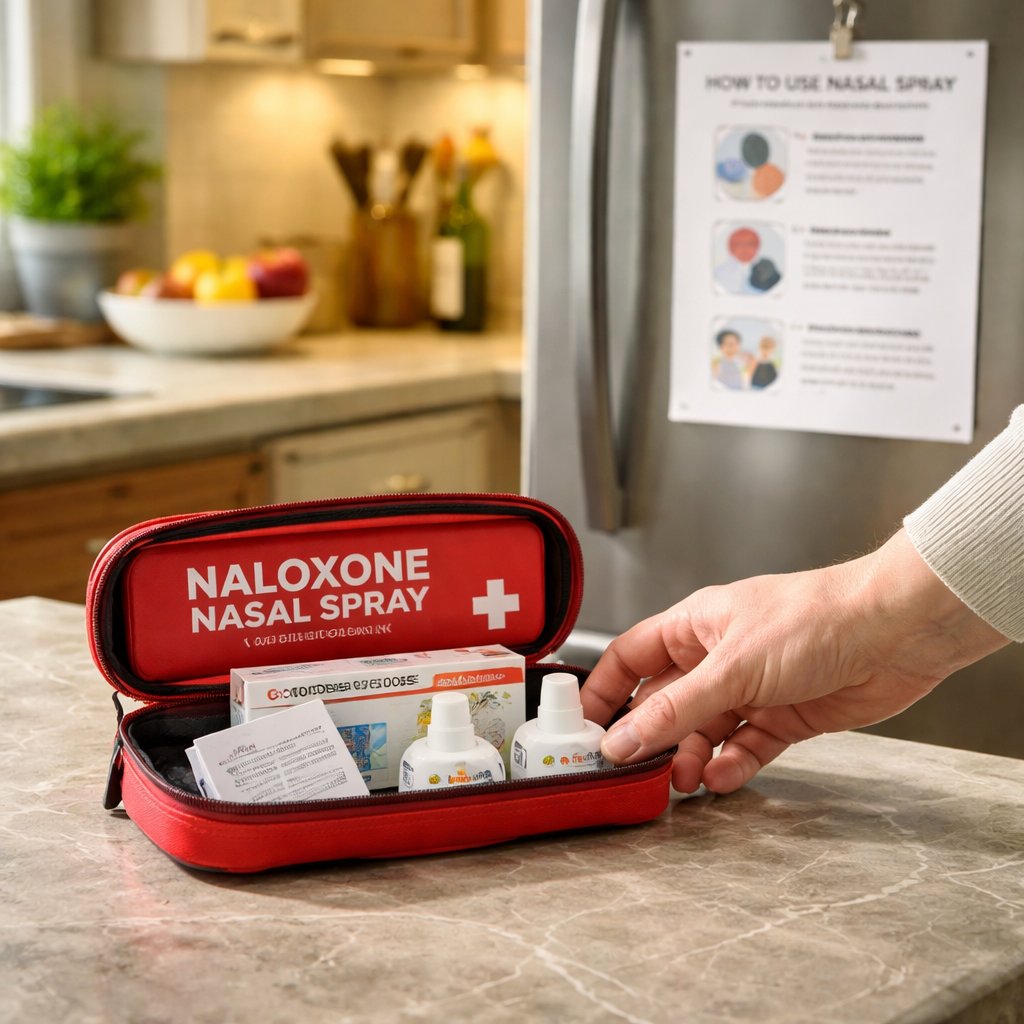
If you want a quick guide on what to do after an overdose, the Overdose Help guide walks you through naloxone use and follow‑up steps.
Bottom line:Call a medical team as soon as severe symptoms appear , it can be the difference between a smooth detox and a life‑threatening crisis.
Step 4: Provide Emotional Support and Communication
While the body fights the drug, the mind needs love too. The family guide to opioid withdrawal symptoms reminds us that fear of symptoms often keeps someone using. Your calm voice can break that fear.
Start with simple statements: “I’m here for you,” or “You’re safe right now.” Avoid blame. Focus on what you see, not what you think they did.
And give them space to talk. Ask open‑ended questions like, “How does your stomach feel right now?” or “What’s the hardest part for you today?” Let them answer without interrupting.

Families also benefit from learning coping tools together. Try deep breathing: inhale for four counts, hold for four, exhale for four. Do it three times when anxiety spikes.
And remember to take care of yourself. You can’t pour from an empty cup. Drink water, get sleep, and lean on a support group.
Support groups like Narcotics Anonymous or SMART Recovery give families a place to share without judgment. They can boost confidence and give practical ideas.
Bottom line:Your steady, caring voice can calm the mind while the body heals.
Step 5: Plan for Aftercare and Relapse Prevention
When the acute withdrawal fades, the real work begins. The family guide to opioid withdrawal symptoms says relapse risk stays high for weeks. A clear after‑care plan lowers that risk.
First, set up a follow‑up appointment with a doctor or a counselor within a week. Write the date on a calendar that everyone can see.
Second, pick a medication‑assisted treatment (MAT) if it fits. Options like buprenorphine or methadone keep cravings low while the brain rewires.
Third, build daily habits that replace the drug habit. Exercise for 20 minutes, drink a protein‑rich smoothie, and journal three things you’re grateful for.
And create a relapse‑ready action plan. Write down who to call, what coping tool to use, and where to go if cravings get too strong. Keep the plan on the fridge.
Family members should attend at least one therapy session with the person. That shows you’re in it together and gives you tools to handle triggers.
Lastly, celebrate small wins. A day without cravings? A night of good sleep? Mark it on a chart and give a small reward like a movie night.
Bottom line:A solid after‑care plan keeps the person steady after withdrawal ends.
Frequently Asked Questions
What are the first signs I should watch for in a family guide to opioid withdrawal symptoms?
The early signs usually start 6‑10 hours after the last dose. Look for sweating, goose‑flesh, stomach cramps, nausea, and a flu‑like ache. You may also see restlessness, anxiety, or a strong urge to use. Write down each sign with the time it began so you can share a clear picture with a doctor.
How long do typical opioid withdrawal symptoms last to opioid withdrawal symptoms?
Most physical symptoms peak around 48 hours and fade by the third day. Some, like insomnia or mood swings, can linger for a week or more. Tracking each day helps you see the trend and lets you know when it’s time to call a professional.
When should I call emergency services while using a family guide to opioid withdrawal symptoms?
If the person can’t keep fluids down, is vomiting nonstop, has seizures, or shows very slow breathing, call 911 right away. Also call if they become unresponsive, have a blue tinge around the lips, or you suspect an overdose. Quick action can save a life.
Can over‑the‑counter meds help with opioid withdrawal symptoms in a family guide to opioid withdrawal symptoms?
OTC meds like ibuprofen can ease muscle aches, and anti‑nausea tablets may calm the stomach. However, they won’t stop cravings. Always check with a doctor before mixing anything, especially if the person is on prescription meds.
What role does hydration play in a family guide to opioid withdrawal symptoms?
Staying hydrated replaces the fluids lost through sweating and diarrhea. Aim for at least 2‑3 liters of water a day. Add electrolyte drinks if the person is vomiting a lot. Hydration also helps the kidneys clear the drug faster.
How can I support my loved one emotionally during opioid withdrawal in a family guide to opioid withdrawal symptoms?
Listen without judging. Offer simple reassurance like, “You’re safe,” and avoid blaming language. Use calm tones, keep the room quiet, and give them a blanket if they feel cold. Small gestures of care go a long way.
What after‑care steps should I take after the withdrawal phase ends in a family guide to opioid withdrawal symptoms?
Schedule a doctor follow‑up within a week, start a medication‑assisted treatment if advised, and join a support group. Build daily routines that include exercise, healthy meals, and regular sleep. Keep a relapse‑prevention plan ready and review it weekly.
Is it safe to ta to opioid withdrawal symptoms?
Self‑tapering can work for very mild cases, but most families need medical supervision. A doctor can give a taper schedule that reduces withdrawal pain and monitors blood pressure. When in doubt, call a professional.
Conclusion
Knowing the signs, making a calm space, calling the right help, and staying supportive are the four pillars of this family guide to opioid withdrawal symptoms. After the acute phase, a clear after‑care plan keeps the person on a steady path.
If you feel stuck, remember Next Step Intervention is ready to walk you through each step. Call (949) 545‑3438 or visit Next Step Intervention for a free consultation. You don’t have to face this alone , help is just a phone call away.