Every day, families face the scary chance that a loved one could overdose. The good news? You can act fast and keep a life safe. This family guide to naloxone use walks you through each move, from spotting the signs to getting help after the crisis.
We’ll cover seven clear steps, real‑world tips, and the legal safety net that lets you help without fear. Let’s get ready to act.
Step 1: Recognize the Signs of Opioid Overdose , a family guide to naloxone use
First, you need to know what an opioid overdose looks like. The signs are fast, clear, and easy to learn.
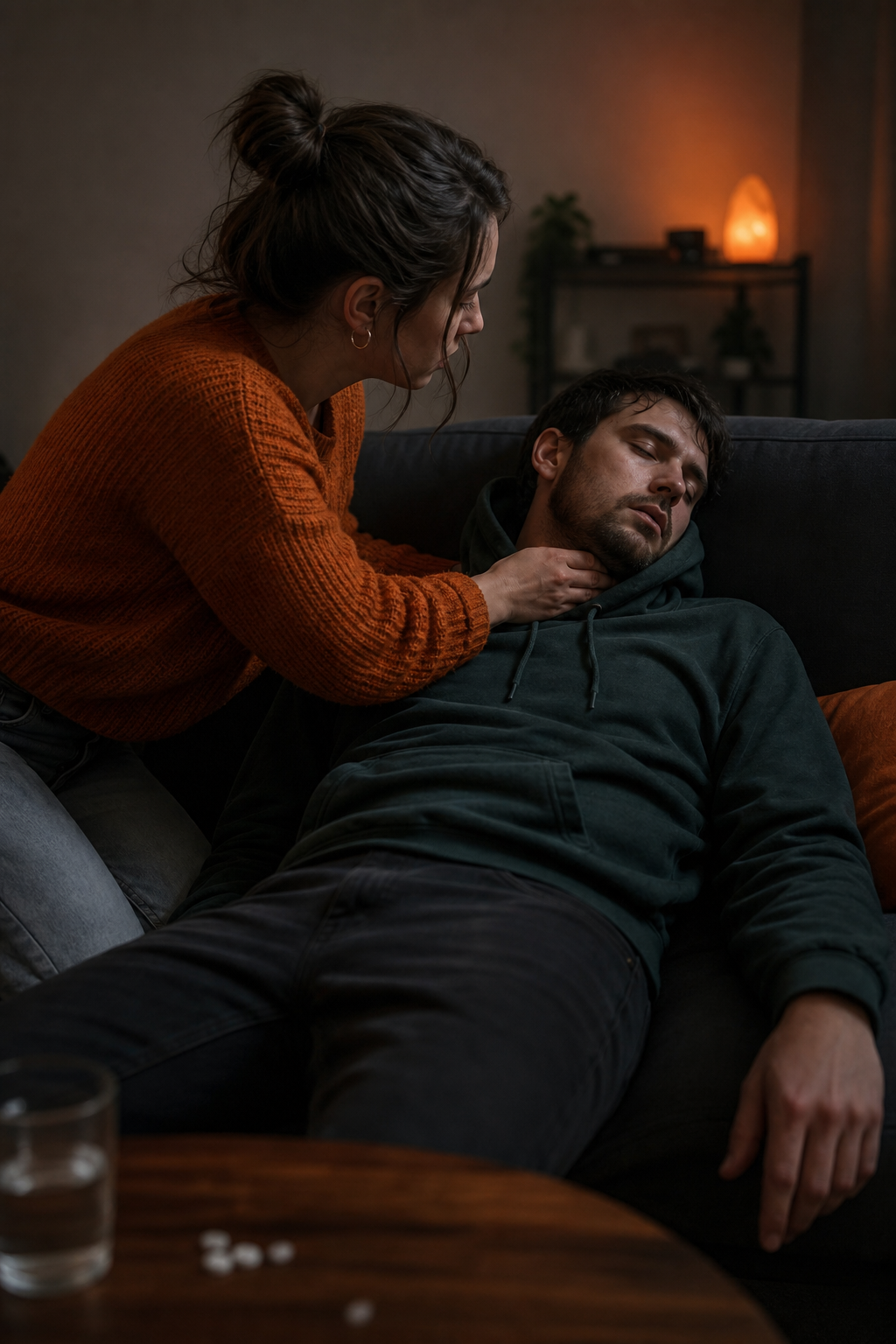
Look for pinpoint pupils that look like tiny beads. Notice shallow, slow breathing that may sound like a sigh. Skin can turn a blue or gray tint, especially around lips or fingertips. The person may be unresponsive or hard to wake.
These clues match what the Ohio pharmacy counseling brochure lists as the top three warning signs. They also line up with the medical description on Wikipedia’s opioid overdose page. Spotting them early can mean the difference between a quick recovery and a tragic loss.
Imagine you walk into the kitchen and find your teen slumped on the floor, eyes glassy, breathing barely. You notice the tiny pupils and a faint gray shade on the lips. That moment is the cue to act.
Here’s what I mean: you don’t need a medical degree. You just need to watch for those three signs and stay calm.
Why does this matter? Because every second counts. When you spot the signs, you can call 911 and start the rescue steps before the brain loses oxygen.
Pro tip: Keep a small checklist on the fridge. Write the three signs in big letters and tape it near the phone. That way you won’t forget when panic hits.
Bottom line: Spotting pinpoint pupils, slow breathing, and gray skin tells you an opioid overdose is happening.
Step 2: Call 911 and Prepare for Action , a family guide to naloxone use
Once you see the signs, pick up the phone and dial 911. Speak clearly and give the dispatcher these details:
- Exact address, including apartment number if needed.
- What you think caused the overdose (type of drug, recent use).
- How many naloxone doses you have and if you’ve already given one.
- Any known medical conditions or allergies.
The dispatcher will stay on the line and may guide you through rescue breathing while help is on the way. Stay on the call; do not hang up.
While you wait, gather your naloxone kit, a pair of gloves, and a timer. Having these items ready saves precious seconds.
“The best time to start building backlinks was yesterday.”
In many states, Good Samaritan laws protect you from legal trouble when you help in an overdose. This safety net isn’t always highlighted, but it means you can act without fear of being sued.
Pro tip: Write the 911 phone number on the back of your phone case. That tiny reminder can shave off a minute when you’re in a rush.
Bottom line: Call 911 immediately, stay on the line, and gather your naloxone kit while help is on the way.
Step 3: Administer Naloxone (Nasal Spray or Injectable) , a family guide to naloxone use
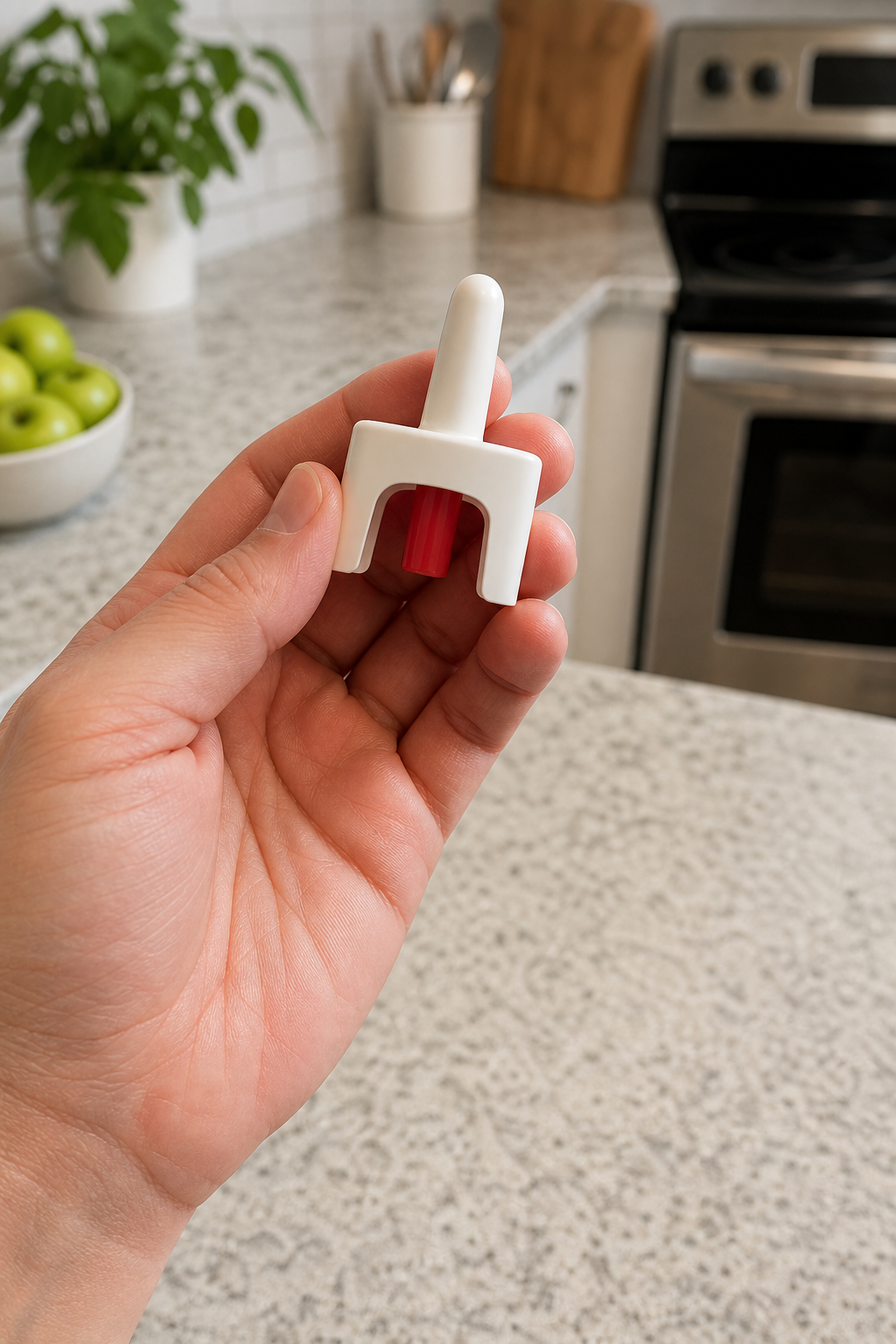
Now comes the life‑saving part. Naloxone comes as a nasal spray or an auto‑injector. Both deliver a 4 mg dose that can reverse opioid depression in minutes.
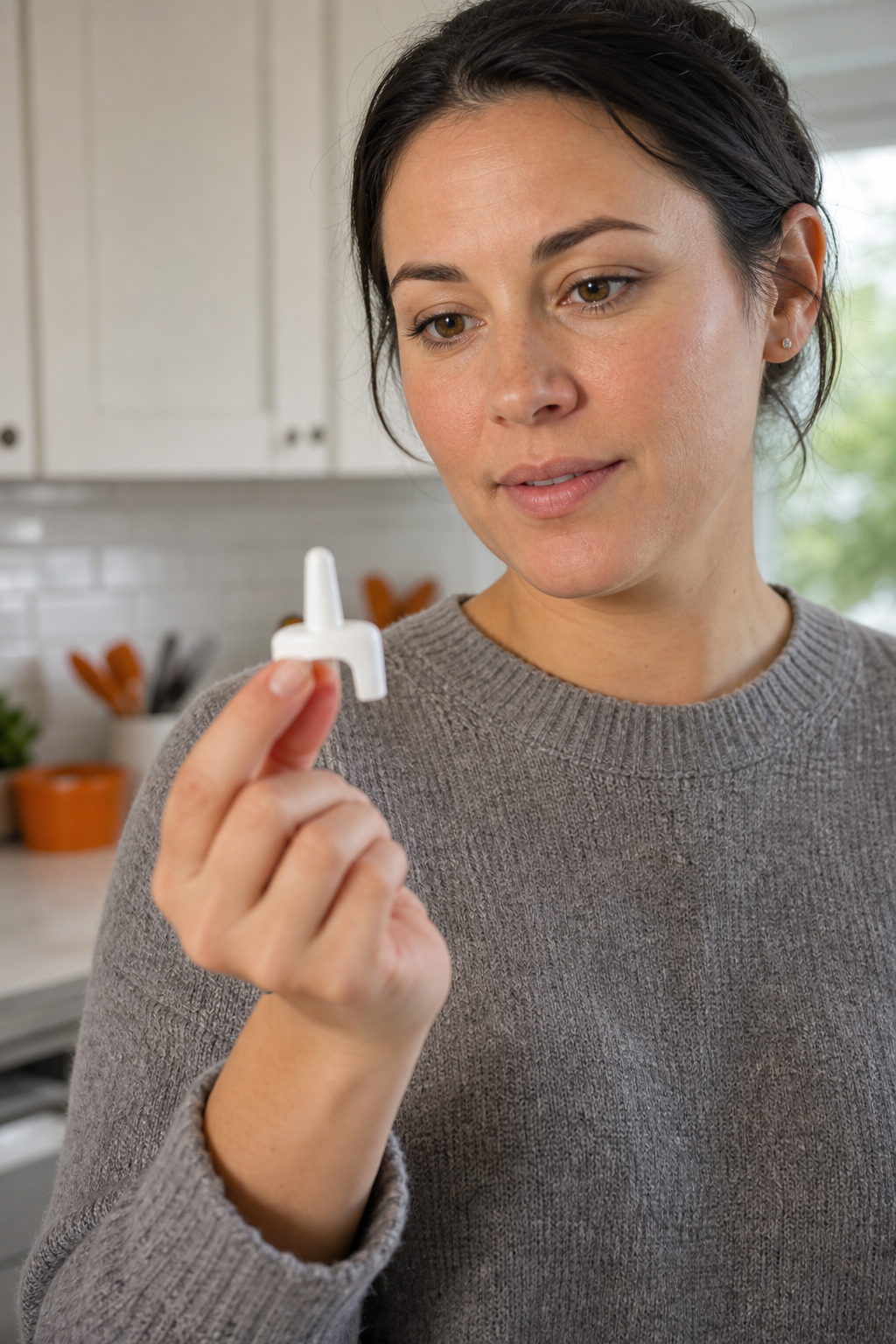
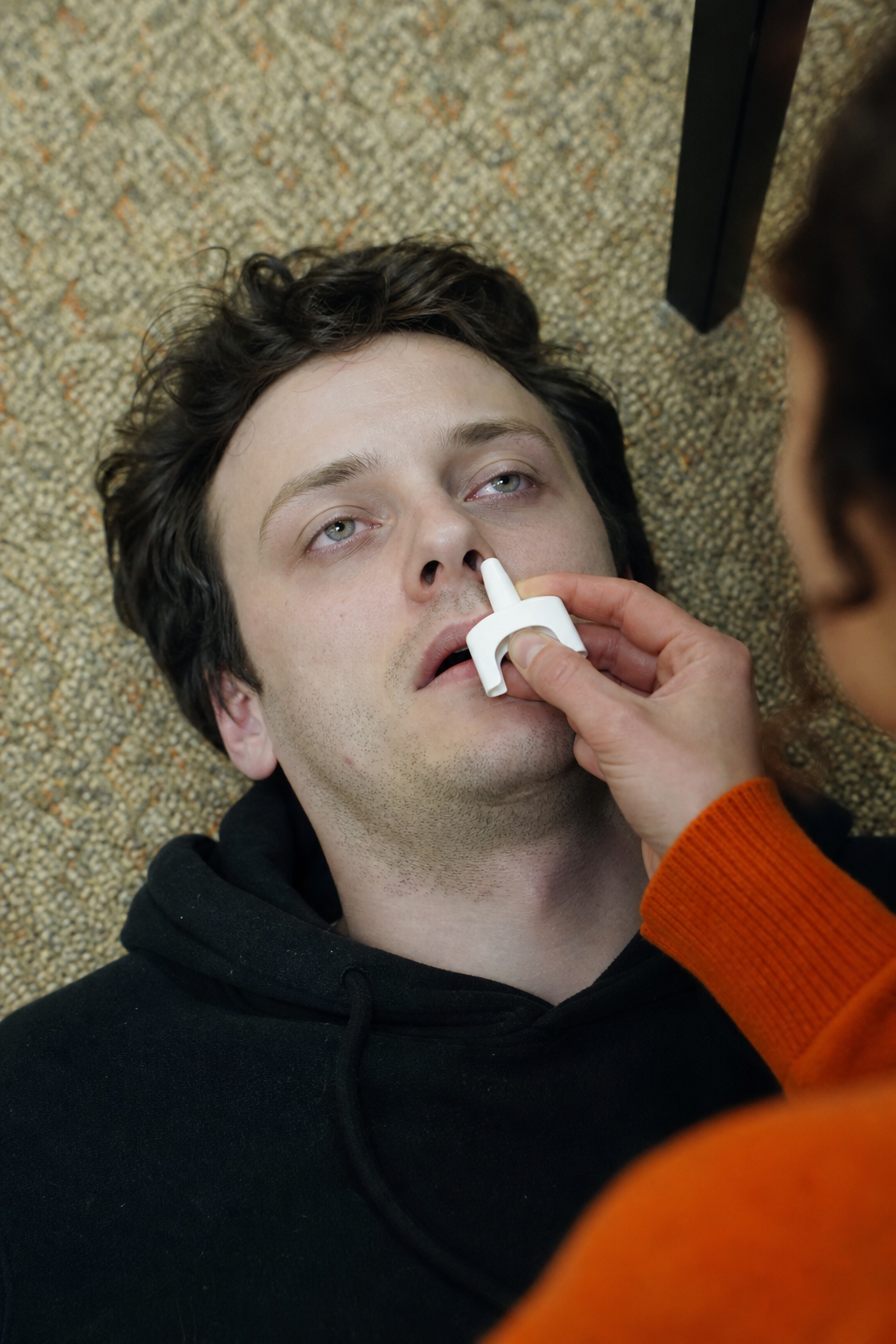
Take the kit out of its case. For the nasal spray, pull off the protective cap, place the nozzle into one nostril, and press firmly until you hear a click. For the auto‑injector, press the needle into the outer thigh, hold for 10 seconds, then remove.
After the first dose, wait 2, 3 minutes. Watch for a gasp, coughing, or a return of normal breathing. If nothing changes, give a second dose using the same method.
Why the wait? Studies from the NY health naloxone guide show that giving a second dose too early can waste the medication, while waiting too long can let the overdose worsen. The 2‑minute window hits the sweet spot.
Here’s a quick checklist you can run in your head:
- Check that the person is still not breathing well.
- Give the nasal spray or auto‑injector.
- Start the timer.
- Watch for improvement.
- Give a second dose if needed after 2‑3 minutes.
Pro tip: Set a timer on your phone as soon as you give the first dose. A loud alarm reminds you when to check for a second dose.
Bottom line: Give a 4 mg nasal spray or auto‑injector, wait 2‑3 minutes, then repeat if breathing hasn’t improved.
Step 4: Provide Rescue Breathing and CPR , a family guide to naloxone use
If the person isn’t breathing or only takes shallow breaths, you must start rescue breathing.
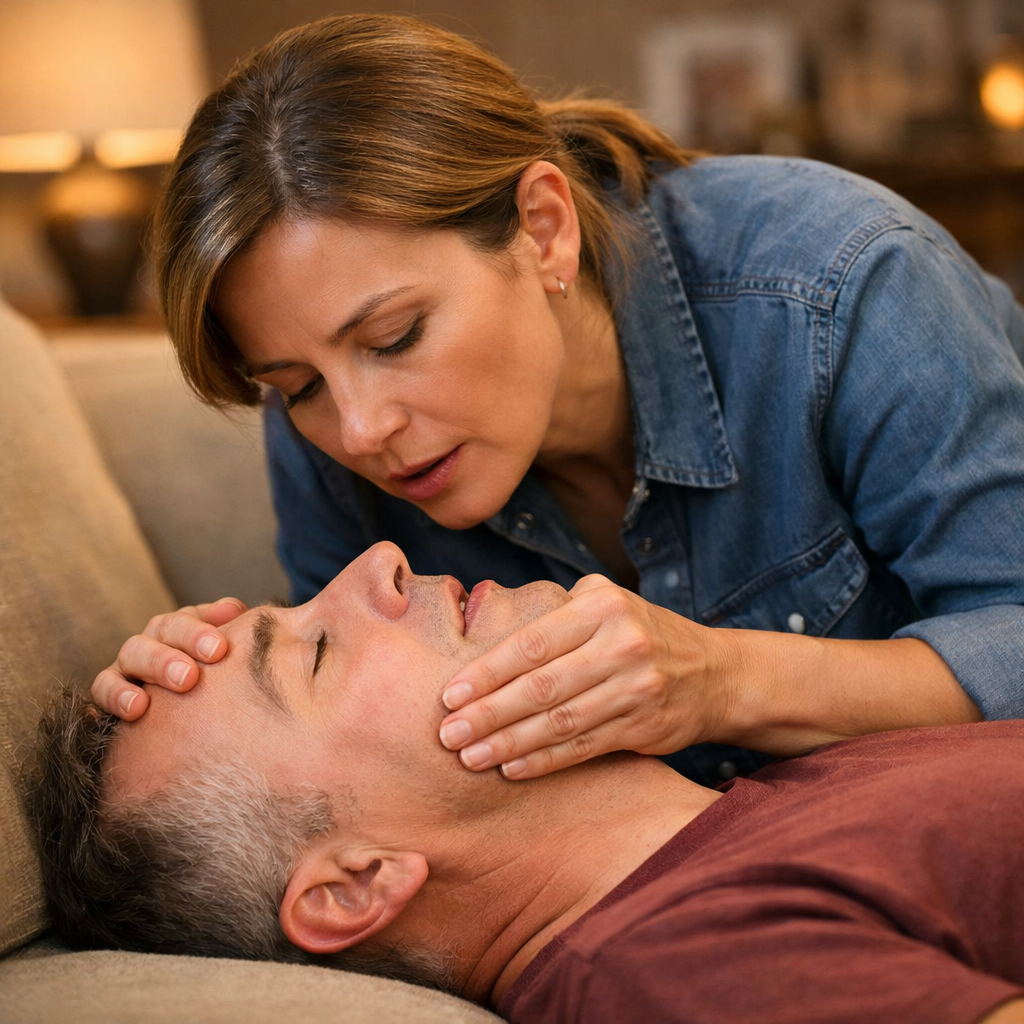
Lay the person on their back. Tilt the head back gently and lift the chin. Pinch the nose shut, take a normal breath, and blow into the mouth for about one second. Watch for the chest to rise.
Give two breaths, then check for a pulse at the neck or wrist. If no pulse, start CPR: 30 chest compressions at a depth of about two inches, followed by two rescue breaths. Continue until EMS arrives or the person starts breathing on their own.
Doing this right can keep oxygen flowing until naloxone kicks in.
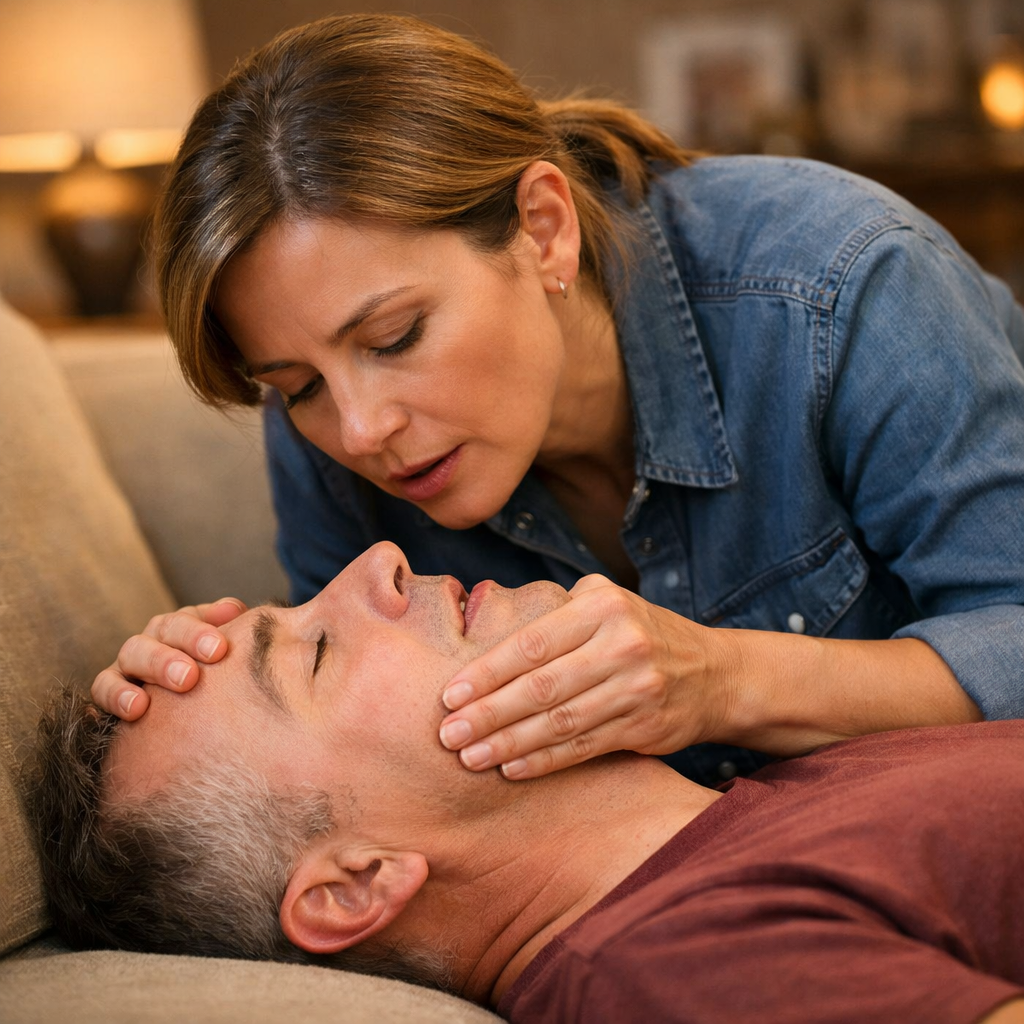
Remember, you don’t have to be perfect. Even simple breaths can buy time.
Bottom line: Start rescue breathing or CPR right away if breathing is inadequate, then keep monitoring until help arrives.
Step 5: Stay with the Person Until Help Arrives , a family guide to naloxone use
After you’ve given naloxone and started breathing support, stay by the person’s side. Your presence can keep them calm and prevent a second overdose.
Lay them in the recovery position if they start to wake up but are still drowsy. This means turning them onto their side, bending the top leg, and keeping the head tilted back.
Keep talking in a calm voice. Simple phrases like “You’re safe, help is on the way” work well. Note the time you gave each naloxone dose and any changes in breathing.
When EMS arrives, hand over the timing notes, the amount of naloxone used, and any other drugs you suspect were taken. This info helps paramedics decide on further treatment.
Pro tip: Keep a small notebook in your emergency kit. Jot down the time of each dose, breaths counted, and any seizures. It’s a tiny step that saves big time for professionals.
Bottom line: Remain with the person, monitor them, and give EMS a concise report.
Step 6: Understand Aftercare and Follow‑Up Support , a family guide to naloxone use
When the person wakes up, they may feel shaky, sweaty, or nauseous. Those are normal withdrawal signs caused by naloxone kicking out the opioids.
Do not panic. Offer a blanket, a glass of water, and a calm space. Keep them seated upright to avoid choking if they vomit.
After the immediate crisis, arrange follow‑up care. An emergency drug intervention plan for families can help you navigate the next steps. Call your local health department for free or low‑cost counseling, or schedule an appointment with a physician who can discuss medication‑assisted treatment (MAT).
Good Samaritan laws also protect you when you call for help after the overdose. Knowing this can ease the guilt many families feel.
Pro tip: Create a one‑page after‑care plan that lists emergency contacts, a local addiction counselor, and a schedule for the first week of check‑ins.
Bottom line: Manage withdrawal symptoms, stay calm, and set up professional after‑care quickly.
Step 7: Get Naloxone and Training for Your Family , a family guide to naloxone use
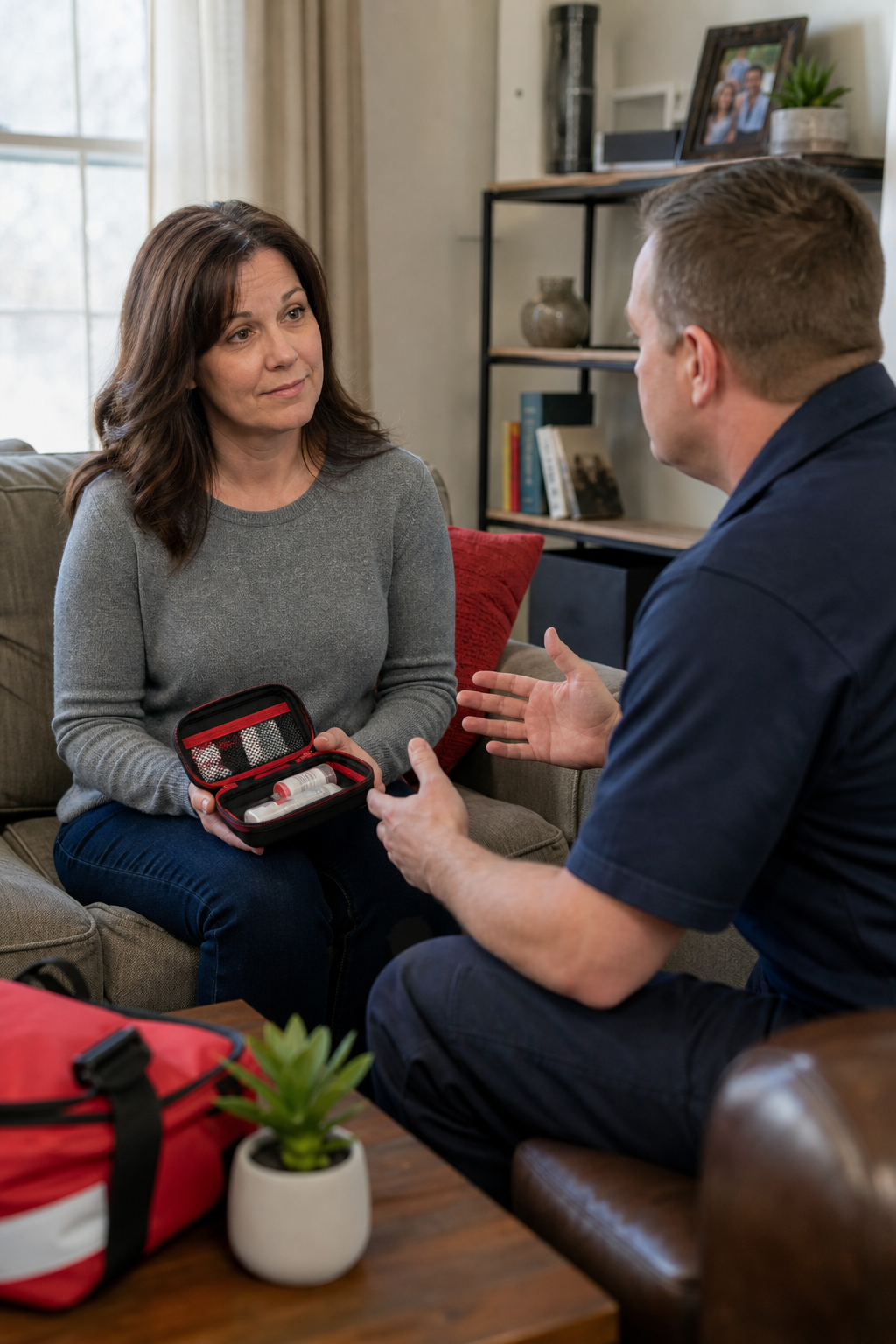
Now that you know how to act, make sure your home always has a kit ready.
You can buy naloxone over the counter at most pharmacies. Many states also run free distribution programs through health departments. Check your county’s website or call the local health office.
Ask the pharmacist to show you how the nasal spray works. A quick demo takes less than five minutes and can boost confidence.
Store the kit at room temperature, away from heat or cold. The Ohio brochure says the ideal range is 3.8 °C, 40 °C (39 °F, 104 °F). Keep it in a labeled box near the phone.
Pro tip: Replace the kit every two years or sooner if the expiration date passes. A calendar reminder on your phone makes this easy.
Bottom line: Get a naloxone kit, learn how to use it, and keep it ready for any emergency.
Frequently Asked Questions
What should I do first if I think someone is overdosing?
In a family guide to naloxone use, the first move is to call 911, note the location, and start checking breathing. If the person isn’t breathing well, begin rescue breaths and get your naloxone kit ready. Giving naloxone right away can reverse the overdose while EMS is on the way.
How many doses of naloxone can I give?
Each kit usually contains two 4 mg doses. After the first spray, wait 2, 3 minutes. If breathing is still shallow, give the second dose. Most people need only one dose, but powerful opioids like fentanyl may require a second.
Is naloxone safe for children?
Yes. The nasal spray is approved for anyone 12 years and older, and the auto‑injector can be used on younger kids in an emergency. Always follow the dosing instructions on the kit.
Will my family be protected by Good Samaritan laws?
In most states, Good Samaritan laws shield anyone who calls 911 or administers naloxone from civil liability. This legal safety net lets families act without fear of being sued.
Where can I get naloxone for free?
Many county health departments run Overdose Education and Naloxone Distribution (OEND) programs that give out kits at no cost. Pharmacies also often provide a free kit with a prescription or as part of a community outreach event.
What should I do after the person wakes up?
Offer water, a blanket, and a calm space. Watch for withdrawal signs like shaking or nausea. Then contact a local addiction counselor or your doctor to discuss treatment options and schedule follow‑up care.
How often should I check my naloxone kit?
Check the expiration date every six months. If the kit is older than two years, replace it. Also, make sure the spray or injector is stored at room temperature and that the protective cap is intact.
Can I use naloxone if I’m not sure it’s an opioid overdose?
If there’s any chance the person used opioids, it’s safest to give naloxone. It has no harmful effects if the overdose isn’t opioid‑related, and it could save a life if you’re wrong.
Conclusion: Be Prepared, Save a Life , a family guide to naloxone use
This family guide to naloxone use gives you the tools to act fast, stay calm, and protect your loved ones. From spotting the signs to calling 911, giving naloxone, and arranging after‑care, each step builds a safety net that can turn a tragedy into a chance for recovery.
Remember, the best defense is preparation. Keep a kit at home, practice the effective intervention steps, and know your local Good Samaritan protections. When minutes matter, you’ll be ready.
If you need more help, call Next Step Intervention at (949) 545‑3438. Our team can walk you through the process, set up an emergency plan, and connect you with local treatment options.
Take the first step today. Grab a naloxone kit, run through the checklist, and share this guide with anyone else in the household. You have the power to save a life.