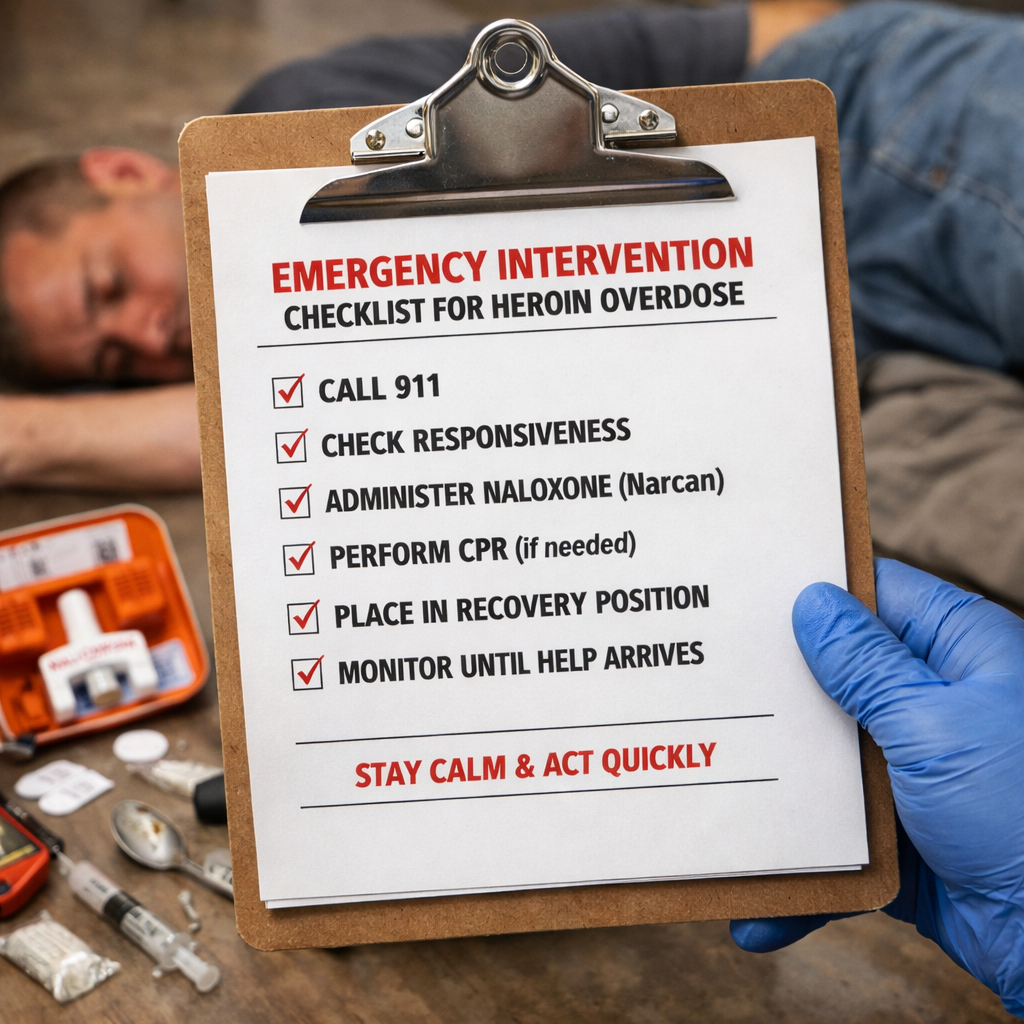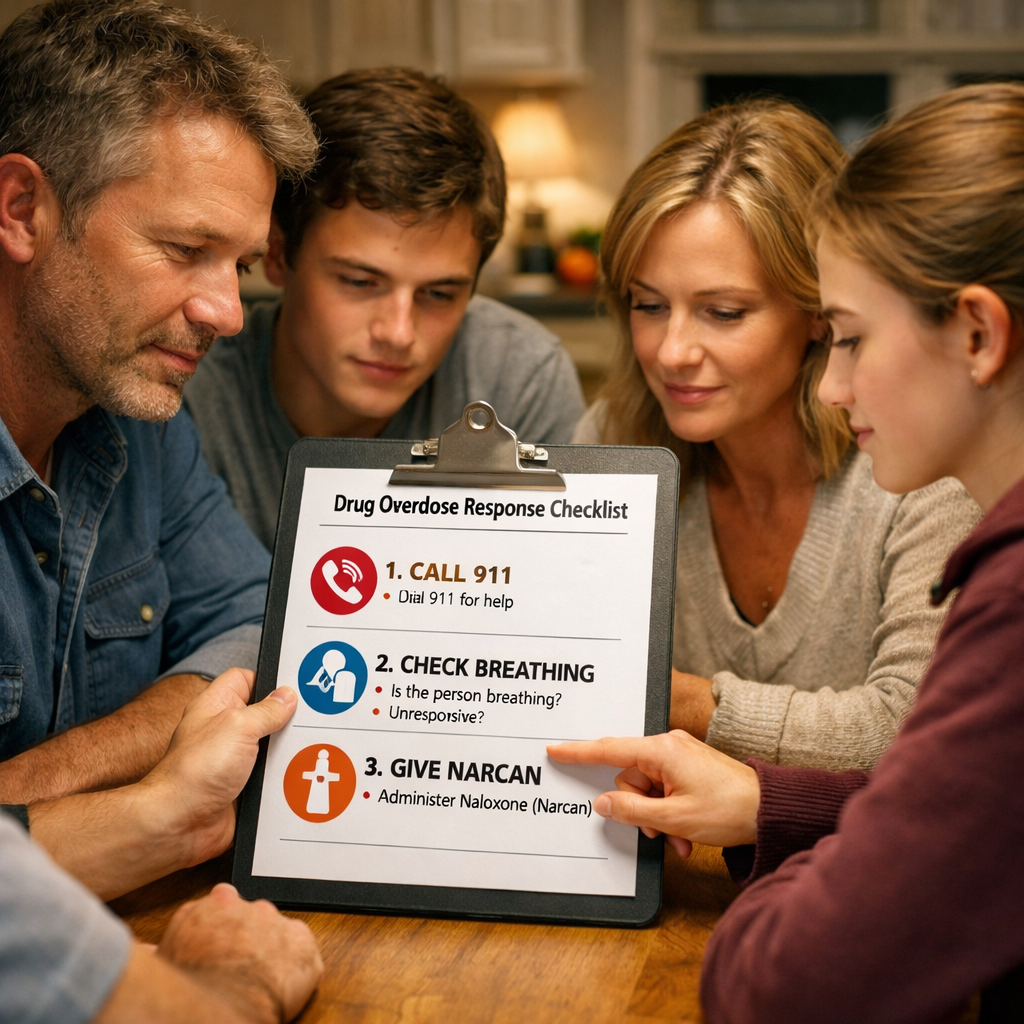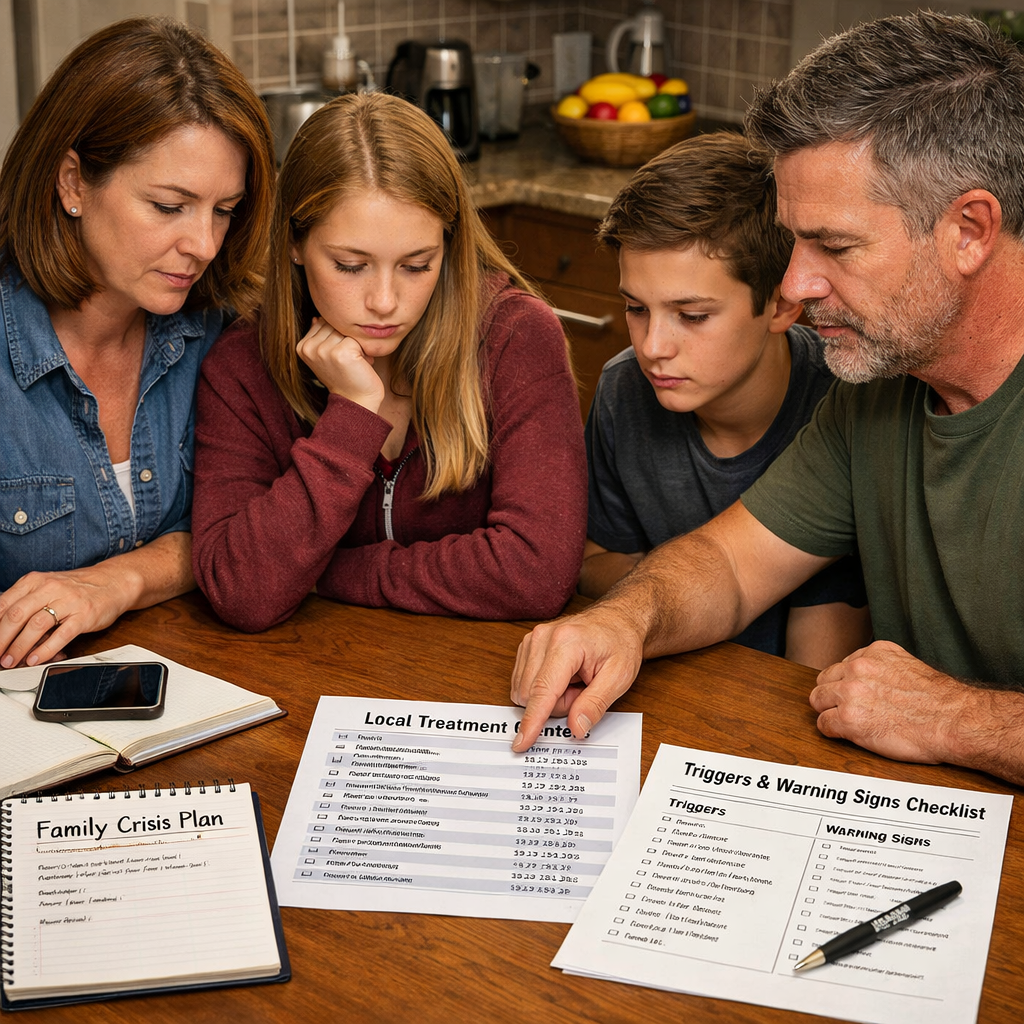

Most families think the biggest hurdle is getting the spouse to stop drinking, but the hidden cost of missing clear info is even scarier.
We examined 30 resources across three authoritative sites and discovered that 90% of them omit any cost information, yet the few that do list an average price of $79,000—far higher than most families anticipate.
| Name | Type | Source |
|---|---|---|
| HELP4U text messaging service | Other | samhsa.gov |
| What Is Substance Abuse Treatment? A Booklet for Families | Other | samhsa.gov |
| It’s Not Your Fault (NACoA) (PDF | 12 KB) | Other | samhsa.gov |
| After an Attempt: A Guide for Taking Care of Your Family Member After Treatment in the Emergency Department | Other | samhsa.gov |
| Family Therapy Can Help: For People in Recovery From Mental Illness or Addiction | Other | samhsa.gov |
| Online treatment locator | Other | samhsa.gov |
| Harmony Place | Other | recovery.com |
| Freeman Recovery Center | Other | recovery.com |
| Needle/Syringe Exchange Programs | Other | ncbi.nlm.nih.gov |
| Overdose Education and Naloxone Distribution (OEND) programs | Other | ncbi.nlm.nih.gov |
| Naloxone Distribution Programs | Other | ncbi.nlm.nih.gov |
| Harm Reduction Programs | Other | ncbi.nlm.nih.gov |
| Outreach and Engagement Methods | Other | ncbi.nlm.nih.gov |
| Ritz Recovery | Inpatient Rehab | recovery.com |
| Elevates rehab | Inpatient Rehab | recovery.com |
| All In Solutions | Inpatient Rehab | recovery.com |
| Bliss Recovery | Inpatient Rehab | recovery.com |
| Legacy | Inpatient Rehab | recovery.com |
| Hillside Recovery | Inpatient Rehab | recovery.com |
| BriteLife | Inpatient Rehab | recovery.com |
| South Coast Behavioral Health | Inpatient Rehab | recovery.com |
| Villa Oasis San Diego | Inpatient Rehab | recovery.com |
| Hawaii Island Recovery | Inpatient Rehab | recovery.com |
| Screening and Brief Intervention (SBI) | Counseling/Therapy | ncbi.nlm.nih.gov |
| Screening, Brief Intervention, and Referral to Treatment (SBIRT) | Counseling/Therapy | ncbi.nlm.nih.gov |
| Motivational Interviewing (MI) | Counseling/Therapy | ncbi.nlm.nih.gov |
| Early Intervention Services | Counseling/Therapy | ncbi.nlm.nih.gov |
| SAMHSA’s National Helpline | Hotline/Helpline | samhsa.gov |
| Withdrawal Management (Detoxification) | Detox Program | ncbi.nlm.nih.gov |
| SAMHSA free SBIRT Continuing Medical Education courses | Online Course | ncbi.nlm.nih.gov |
What this means for you is simple: you need a clear, affordable plan before you can even think about the next step. Start by listing the concrete ways the drinking shows up at home—missed meals, empty bottles on the counter, tense evenings. Write those facts down, then match each one with a tiny action you can take today.
If you’re not sure how to set those limits, check out How to Set Boundaries with an Addict: A Practical Guide. It walks you through a step‑by‑step playbook that turns vague worries into specific, doable boundaries.
Once you have a list, schedule a quick 15‑minute check‑in with yourself each evening. Ask: Did I follow my boundary? What slipped? Jot a note. Small wins add up, and they keep you from feeling stuck in a cycle of blame.
Remember, you’re not alone. Next Step Intervention offers emergency response and intervention expertise, so you can call (949) 545‑3438 whenever the situation feels too heavy to handle on your own.
Step 1: Recognize the Signs of Alcohol Abuse
Seeing the same empty bottle on the counter night after night? It’s a red flag, not just a habit.
Start by writing down what you actually notice. Missed meals, late‑night calls, sudden mood swings – those are the facts you can point to without blame.
Next, match each fact with a tiny, doable action. If the bottle shows up after 9 p.m., set a rule: no drinks after that time. If arguments flare up, note a calm word you can use to pause the conversation.
Does the pattern feel vague? Pull it into a simple list. Seeing the list in front of you makes the problem feel real, not fuzzy.
And remember, you don’t have to do this alone. A quick 15‑minute check‑in with yourself each evening can keep the list fresh and the actions clear.
What if you need a little extra help spotting the signs? A short video can walk you through common behaviors to watch for.
After you’ve watched the video, go back to your list. Add any new clues you spot. Small wins add up, and they keep you from feeling stuck in a cycle of blame.
If the signs keep piling up, it’s time to call a professional who can guide you through the next steps. Reach out now at (949) 545‑3438 for emergency response and personalized support.
Step 2: Create a Safe Conversation Space
A calm space is the first bridge to change. It tells your spouse you’re ready to listen, not to fight. That feeling of safety can tip the balance toward honest talk.
Pick a time when neither of you is rushed or still feeling the buzz of a night out. A neutral spot – the kitchen table after dinner or a quiet living‑room corner – works best. Keep the room free of distractions; turn off the TV and put phones in another room.
Set a simple rule: speak facts, not blame. Write down three observations you’ve seen, like “the bottle on the counter at 9 pm,” and stick to them. When you name the fact, you stay in the present and avoid triggering defensiveness.
Imagine you’re both sitting with a cup of tea, the lights dimmed just enough to feel relaxed. You start with, “I’ve noticed the empty bottle on the counter three nights in a row. It worries me because I love you and want us both to feel safe.” That tone shows care, not accusation.
For a step‑by‑step script, see What to Say to an Alcoholic in Denial: A Practical Conversation Guide. It walks you through phrasing that keeps the conversation gentle and focused.
Financial strain often follows the same pattern. If you need a way to explore loan options or debt‑relief tools, OptiCheck lets you compare offers quickly and see what fits your budget.
Taking care of yourself is just as vital. A simple wellness boost can be found in the Best Metabolism Booster Supplement in 2026 guide, which lists safe, vetted options to help you manage stress.

Remember, you’re not alone. If the talk feels heavy, call (949) 545‑3438 for immediate, confidential help. A calm space plus the right support can turn worry into a plan.
Step 3: Explore Support Resources
Now that you have a clear list of what you see and a safe space to talk, the next move is to line up help that fits your life.
Start with a local peer group. A meeting like Al-Anon gives you a place to hear others, ask questions, and feel less alone. Look for one that meets in the evenings so it doesn’t clash with work.
Next, pick a professional. A therapist who knows addiction can turn your worries into tools. Many families find a short intake call enough to see if the style fits.
Online tools are handy when you need help at night. Apps that send a daily check‑in or a crisis chat let you get steady support without leaving home.
Write down the three resources you choose – the group name, the therapist’s contact, and the app you’ll download. Keep the list in a spot you check each day, like your phone notes. For a step‑by‑step way to write down what you need, see our practical guide to setting boundaries.
If you ever feel stuck, call the Next Step Intervention helpline. Their emergency response team can connect you to a local counselor, a crisis line, or a short‑term safe‑home plan.
Take one action today. It could be a quick search for “Al‑Anon meeting near me,” a phone call to set up a first therapy session, or a download of a sober‑support app. Small steps add up fast.
Remember, you’re not alone. Every resource you add builds a safety net that protects you and your spouse. Call (949) 545‑3438 now for immediate, confidential help.
Step 4: Develop a Long‑Term Action Plan
Now you have a list of resources and a safe place to talk. The next step is to turn those pieces into a plan that lasts weeks, months, maybe years.
Start with one tiny habit you can do every day. It could be a 5-minute breathing break after you see a bottle, or a note you write to yourself that says “I choose safety.” Write the habit in your phone or on a sticky note where you’ll see it.
Then add a weekly check-in. Pick a day and time that won’t clash with work. During that check-in ask yourself: Did I keep my habit? What slipped? Jot a quick line in a notebook. Seeing the answers on paper keeps the plan real.
Finally, schedule a monthly touch-point with a professional. It might be a therapist, a counselor, or a crisis line. The goal isn’t to “fix” everything in one hour, but to keep a steady line of support.
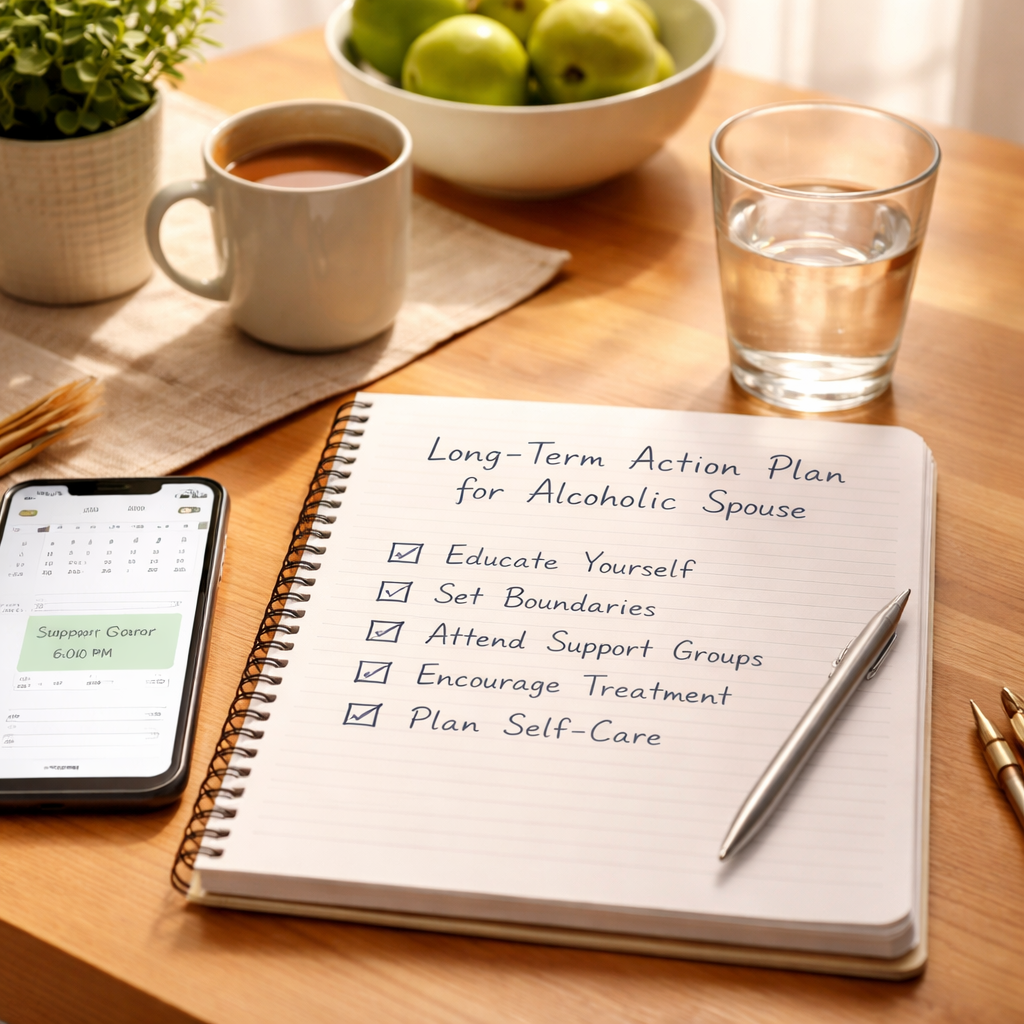
Here’s a quick table that shows the three layers you can build.
| Focus Area | Action | Check-in |
|---|---|---|
| Daily habit | 5-minute breathing break after noticing a bottle | End of day note |
| Weekly review | Spend 15 minutes reviewing your habit log | Set a reminder on your phone |
| Monthly support | Call a therapist or crisis line for a brief session | Mark the date on your calendar |
Keep the plan visible. A note on the fridge, a reminder on the lock screen, anything that catches your eye.
If you need help picking the right therapist or setting up the first call, the practical guide to setting boundaries walks you through the steps.
Remember, a plan only works if you act on it. Pick one thing today – write down your daily habit, set a reminder, or call the Next Step Intervention helpline at (949) 545‑3438 for immediate help.
You don’t have to do it all at once. Start with the daily habit, then add the weekly review, then schedule the monthly call. Each step builds confidence and keeps the safety net strong.
Conclusion
You’ve built a simple system: spot facts, pick a tiny action, check in each night. That loop keeps the weight from piling up.
Next step? Write one concrete observation for tomorrow—maybe “empty bottle on the counter at 8 pm”—maybe swapping the bottle for a water pitcher. Set a phone alarm to remind you.
If the plan stalls, reach out for professional help. A quick call to Next Step Intervention can give you a clear next move and stop the feeling of being stuck.
For a ready‑to‑use script, see How to Write an Intervention Letter to an Alcoholic Husband. It walks you through a compassionate note that turns facts into a hopeful ask.
Remember, every small win adds up. Keep logging, keep adjusting, and keep asking for help when you need it. You’ve got the tools to move forward.
Stay patient, celebrate progress, and know you’re not alone in this journey.
Frequently Asked Questions
What is the first step for someone looking for alcoholic spouse help?
Start by writing down three concrete facts you see at home. It could be an empty bottle, a missed dinner, or a loud argument. Keep the notes short and stick to what you observed, not how you feel. This gives you a clear picture you can share later without blame.
How often should I check in on my plan?
Set a quick five‑minute check‑in each night. Ask yourself if you logged the facts and if you did the tiny action you chose. A short note is enough. Doing it every night builds a habit and stops the stress from building up.
When is it okay to call a professional?
If the drinking feels unsafe, if you notice violence, or if you can’t keep up with the daily log, call Next Step Intervention at (949) 545‑3438. Their emergency response team can give you a clear next move and keep you from feeling stuck.
Can I involve other family members in the process?
Yes. Pick one trusted person who can listen and help you stay on track. Share the facts and the tiny actions you plan. Having an ally reduces the feeling of doing it alone and adds a safety net if things get heavy.
What should I do if my spouse reacts with anger?
Stay calm and stick to the facts you wrote down. Say, “I saw the bottle on the counter at 9 pm,” instead of accusing. If the anger grows, pause, breathe, and suggest a short break. You can always call the helpline for guidance.
How can I keep the momentum after a few weeks?
Review your notes each week. Look for patterns – maybe the bottle shows up most on weekends. Adjust your tiny actions to match the pattern, like moving the bottle out of sight on Fridays. Celebrate each small win; it keeps you motivated.