

Ever felt like the whole family is stuck in a loop, watching a loved one spiral and not knowing how to break the pattern?
That gut‑wrenching feeling is what we call the heart of a family systems intervention – it’s not just about the individual’s addiction, but the ripple effects that touch every dinner table, every holiday, every quiet moment.
Think about Maria, a mom in Long Beach who tried talking, then yelling, then pleading. Nothing shifted until she invited a professional to map out the family dynamics. Within weeks the whole household started seeing the same problem from a new angle, and the teen finally agreed to treatment.
Or consider Jake’s dad in San Diego, who thought a single “tough love” talk would be enough. The intervention turned into a family meeting where each member voiced how the substance use had reshaped their roles – the dad realized he’d been enabling, the sibling felt invisible, and the whole system finally opened up to change.
These stories show why a family systems intervention works: it shines a light on hidden patterns, rewires communication, and creates a united front. The process typically involves a trained interventionist who guides the conversation, helps each voice be heard, and crafts a clear, compassionate plan for recovery.
Want to know what steps you can take right now? First, write down the specific ways the addiction shows up in daily life – missed appointments, financial strain, emotional fallout. Second, gather the core family members who are willing to participate and set a neutral time to talk. Third, reach out to a specialist who can structure the session; you’ll find a practical guide to family intervention services that walks you through the logistics.
Finally, remember that recovery isn’t just about detox; it’s about rebuilding trust. A simple daily ritual – like sharing a coffee and a quick check‑in – can reinforce the new patterns you’re establishing.
And as you rebuild, consider tools that keep the momentum going. Hot Hungry and Healing offers sobriety‑focused apparel that can serve as a visual reminder of the commitment you all share.
Ready to start the conversation? Grab a notebook, set a time, and let a professional guide you through a family systems intervention that transforms chaos into a hopeful path forward.
TL;DR
A family systems intervention helps every member see hidden patterns, breaks the cycle of addiction, and rebuilds trust through guided, compassionate conversations.
Start by noting daily impacts, gather willing relatives, and call a specialist who can structure the session—your first step toward lasting healing together for your family right now.
Step 1: Assess Family Dynamics
Before you can untangle the knot, you have to see where the rope is tied. In a family systems intervention, the first move is to map out the invisible patterns that keep everyone stuck. Think of it like taking a family photo and then zooming in on each face, each gesture, each quiet glance that says, “I’m coping…or I’m not.”
Start by sitting down with a notebook and a quiet room. Write down the ways the addiction shows up day‑to‑day: missed appointments, money disappearing, arguments that flare up after a night out, the silent treatment at dinner. Capture the language the family uses – “he’s just being lazy,” “we’re all tired of the drama,” or “it’s nobody’s fault.” These snippets become the clues you’ll later share with the interventionist.
Next, identify the core players. Not every relative needs to be in the room, but you do want the people who are most impacted and most willing to speak openly. For example, Maria’s story in Long Beach worked because her teenage daughter, her husband, and her sister‑in‑law were all present. They each brought a different perspective – the teen’s fear of losing school, the husband’s guilt about enabling, the sister‑in‑law’s fresh eyes on the problem.
Ask yourself: Who sees the problem? Who feels the pain? Who might unintentionally keep the cycle going? Write a short profile for each person – age, role in the household, typical reaction when the substance use spikes. This helps you spot “triangulation,” the classic family‑systems term for when a third person gets pulled into a conflict to ease tension between two others.
Now, move from description to data. A quick survey can turn anecdotes into numbers that are hard to ignore. You could ask each participant to rate on a scale of 1‑5 how often they feel stressed, how safe they feel at home, and how confident they are that the loved one will seek help. When you tally the scores, you often see a pattern: parents might rate safety low, while siblings rate stress high. Those numbers become a concrete entry point for the professional leading the session.
While you’re gathering this info, keep an eye on the emotional temperature. Notice when someone’s voice cracks or when a joke suddenly turns dark. Those moments are the family’s “hot spots,” the places where the underlying belief systems are most active. Jot them down – they’ll guide the facilitator in steering the conversation toward the most charged issues.
Once you have the data, it’s time to create a simple visual map. Draw circles for each family member, connect them with lines that represent the flow of influence (who talks to whom, who tends to blame, who offers support). Color‑code the lines: red for conflict, green for support, blue for neutral. This family‑systems diagram is a low‑tech but powerful tool that makes the invisible visible.
Feeling a bit overwhelmed? Here’s a quick checklist to keep you on track:
- List daily impacts of the substance use.
- Identify willing core family members.
- Gather brief quantitative ratings (stress, safety, hope).
- Note emotional hot spots during conversation.
- Sketch a simple interaction map.
Once you’ve completed these steps, you’ll have a solid foundation for the next phase: inviting a trained interventionist who can turn this raw material into a structured conversation. If you’re curious about what skills an interventionist brings to the table, check out the Comprehensive Guide for Aspiring Family Intervention Specialists. It walks you through the roles, certifications, and ethical practices that make the process safe and effective.
And remember, you don’t have to go it alone. Many families find comfort in spiritual or faith‑based resources when the emotional stakes are high. A quick read from Rev Dr Boudreau offers perspective on how faith can anchor a family during crisis, providing a gentle reminder that hope can coexist with the hard work of change.
Finally, give yourself a moment of credit. You’ve just turned a chaotic, painful reality into a clear, actionable plan. That’s the essence of a family systems intervention – shifting from “we’re stuck” to “here’s what we can do together.”
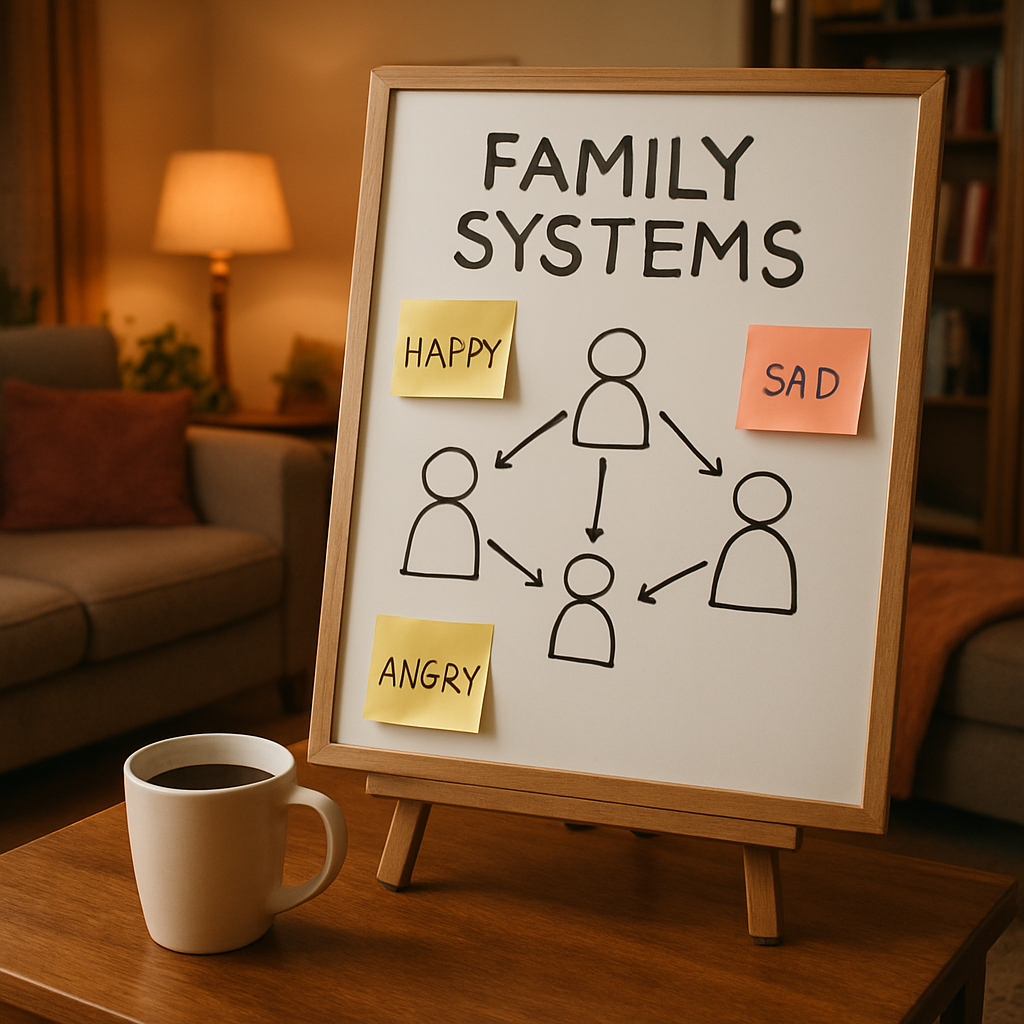

Step 2: Identify Intervention Models
Now that you’ve mapped the family’s patterns, the next puzzle piece is choosing *how* you’ll run the intervention. Different families thrive under different styles, and picking the right model can feel like finding the perfect coffee blend – you need the right balance of strength, flavor, and caffeine.
Why the model matters
Ever walked into a room where everyone’s talking over each other? That’s what a mismatch looks like in an intervention. If you force a confrontational approach on a family that values collaboration, you’ll end up with more noise than progress.
So, what are the main models you can consider?
Common family systems intervention models
Below is a quick snapshot of the most widely used frameworks. Think of it as a cheat‑sheet you can print and pin next to your notebook.
| Model | Core Approach | Best Fit For |
|---|---|---|
| Collaborative Model | Facilitator guides a respectful dialogue, emphasizing strengths and shared goals. | Families who trust each other and want a non‑confrontational tone. |
| Confrontational Model | Interventionist presents hard facts, often using a “shock” element to break denial. | Situations where denial is deep and urgent safety concerns exist. |
| Therapeutic Model | Blends counseling techniques with the intervention, allowing emotions to surface gradually. | Families dealing with co‑occurring mental health issues or trauma. |
Take a moment. Which of those descriptions feels like a mirror of your family’s current vibe?
Step‑by‑step: Matching a model to your family
1. List your family’s communication style. Are you usually calm and solution‑focused, or do conversations swing from silent to heated?
2. Identify safety priorities. If there’s a risk of aggression or self‑harm, a more structured, possibly confrontational approach may be necessary.
3. Gauge willingness to engage. Ask each participant how comfortable they feel sharing raw emotions in a group setting. The answer will point you toward collaborative or therapeutic routes.
4. Review the interventionist’s expertise. Some professionals specialize in collaborative facilitation, while others have a track record with high‑intensity confrontations. Choose someone whose skill set aligns with the model you’ve zeroed in on.
Does this feel overwhelming? It’s okay – you’re basically building a customized roadmap, one decision at a time.
Quick decision checklist
- Do we need an urgent safety net? – Consider Confrontational.
- Can we keep the tone supportive and solution‑oriented? – Lean toward Collaborative.
- Are underlying mental‑health concerns prominent? – Therapeutic may be best.
When you’ve ticked the boxes, write down the chosen model next to your family interaction map. That tiny note becomes a compass for the day you meet the interventionist.
Still unsure which model feels right? Watching a short video can help you visualize the flow of each approach.
After the video, pause and ask yourself: “Which style did I feel most at ease watching?” That instinct is a useful compass.
Putting the model into action
Now that you’ve settled on a model, schedule a brief prep call with your chosen interventionist. Share the model name, your family’s communication notes, and any safety concerns. The professional will then tailor the session agenda – setting ground rules, deciding who speaks when, and planning follow‑up support.
Remember, the model isn’t a rigid script; it’s a flexible framework. If during the session the energy shifts, the facilitator can adapt – that’s why you’ve done the homework ahead of time.
Ready to take the next step? Grab a pen, jot the model you’ve chosen, and reach out to a qualified interventionist today. The right model can turn a chaotic night into a turning point for the whole family.
Step 3: Implement Structured Sessions
Okay, you’ve picked a model and gathered the family’s stories. Now it’s time to turn that raw material into a real, live conversation – the structured session. Think of it as setting the stage for a play where every actor knows their cue, but you still leave room for improv.
1. Set the Ground Rules (and why they matter)
Before anyone says a word, lay down a few simple rules. Ask each person to commit to speaking for no longer than two minutes, to listen without interrupting, and to keep the tone respectful. Write these on a whiteboard or a sticky note so they’re visible throughout the session.
Research shows that clear boundaries boost participation and lower anxiety in family therapy according to Mentalyc’s guide to family sessions. When people know the “how” before the “what,” they’re more likely to share honestly.
2. Kick‑off with a Check‑In
Start with a quick round‑robin: “What’s one thing you’ve felt this week?” Keep it brief—30 seconds each. This warm‑up does two things. It surfaces the emotional temperature and it gives the facilitator a sense of who’s still holding back.
For example, Maria’s family in Long Beach used a check‑in to surface her teen’s fear of losing school credit. That tiny insight redirected the conversation from blame to problem‑solving.
3. Follow a Structured Agenda
Break the session into three clear phases: Opening, Exploration, and Closure. Here’s a cheat‑sheet you can print:
- Opening (10‑15 minutes): Review the ground rules, set the purpose, and confirm the agenda.
- Exploration (30‑45 minutes): Dive into the core issues. Use active‑listening prompts like, “What I hear you saying is…” and ask each member to speak about how the addiction impacts them personally.
- Closure (10 minutes): Summarize key take‑aways, celebrate any small wins, and assign a simple homework task.
Having this roadmap prevents the session from spiraling into chaos – a common pitfall when emotions run high.
4. Use Facilitator Tools
The interventionist (or a trained family therapist) should act like a neutral conductor. They can use a “talking stick” or a timer to keep the flow honest. If a conversation stalls, the facilitator can ask a clarifying question or gently pivot to a less charged topic.
One practical tip: ask the family to write down one concrete action they’re willing to take this week –‑ whether it’s a daily check‑in, a sober‑support meeting, or even a simple habit like drinking more water. Speaking of water, staying hydrated can actually improve mood and reduce cravings, so consider using a daily water‑intake app to track that habit together.
5. Capture the Session in Real Time
Take brief notes or, if everyone agrees, record the audio (with consent). This creates a reference point for follow‑up and helps the family see progress over time. Many therapists use digital tools that automatically generate session summaries – it saves time and keeps the focus on the conversation, not the paperwork.
6. Review and Adjust
After the session, the facilitator should spend a few minutes debriefing with the family. Ask: “Did the structure feel helpful? What could we tweak for next time?” This feedback loop turns a single session into a learning cycle.
In Jake’s story from San Diego, the facilitator noticed the dad was dominating the middle phase. By adjusting the agenda for the next meeting – giving the sibling a dedicated 5‑minute slot – the family unlocked a new perspective on the teen’s isolation.
7. Connect to Ongoing Support
Finally, tie the session back to broader resources. Whether it’s weekly family therapy, a support group, or Mental Health Interventions Services offered by Next Step Intervention, make sure there’s a clear path forward. The structured session is just the first rung on the ladder to lasting change.
Take a breath. You now have a concrete, repeatable process: set rules, check‑in, follow the agenda, use facilitator tools, record insights, and plan next steps. That’s the engine that turns a chaotic night into a turning point for the whole family.
Ready to put this into action? Grab a timer, print the agenda cheat‑sheet, and schedule your first structured session today. The sooner you start, the sooner the family can move from “we’re stuck” to “we’ve got a plan.”
Step 4: Monitor Progress & Adjust
You’ve run the first few sessions and things feel less chaotic – but are you sure the change is sticking?
That’s where the real work begins: watching, measuring, and tweaking the process so it keeps moving forward.
Set Up a Simple Tracking System
Grab a whiteboard, a shared Google Sheet, or even a handful of sticky notes. Write down the core goals you agreed on in the last session – maybe it’s “family dinner without arguments” or “teen attends two school counseling appointments this week.”
Next to each goal, add a column for daily check‑ins: a quick smiley face for “on track,” a neutral face for “almost,” and a frown for “off track.” This visual cue does two things. It lets everyone see progress at a glance, and it gives the facilitator data to talk about later.
Sounds a bit like school data systems, right? Michigan’s Early Warning Intervention and Monitoring System uses a similar data‑driven cycle to flag risk and adjust supports for students early warning intervention and monitoring. The idea is the same: collect real‑time info, spot patterns, then fine‑tune the plan.
Weekly Pulse Check
Pick a consistent day – Thursday after school, Sunday night, whatever works – and do a 5‑minute pulse check. Ask each person to rate their stress level on a 1‑5 scale and share one win, however tiny.
Don’t force a deep dive; the goal is a quick temperature read. If the average stress rating climbs above a three, that’s a signal to revisit the agenda.
What to Look For
- Repeating hot‑spots: Are the same arguments resurfacing?
- Goal lag: Is the teen still missing appointments?
- Engagement dip: Is anyone consistently silent during check‑ins?
When a pattern shows up, it’s time to adjust.
Adjust the Agenda on the Fly
Remember the feedback loop from the last section? Use it now. If the dad kept dominating the middle phase, maybe carve out a “listening slot” for the sibling next time.
Or, if the family’s stress level spikes after a particular topic, pause the agenda, insert a calming breathing exercise, then return.
Even a tiny shift – moving a 5‑minute reflection to the start of the session – can change the whole dynamic.
Document the Changes
Write a one‑sentence note after each session: “Added sibling listening slot; stress rating dropped from 4 to 2.” Over weeks, those notes become a roadmap of what works.
It also gives the interventionist concrete evidence to share with a therapist or support group, reinforcing the family’s agency.
Celebrate Micro‑Wins
Don’t wait for the big breakthrough to give kudos. A teen who texts “I’m okay” instead of staying silent? That’s a win. A parent who asks for help instead of taking on all the chores? Celebrate it.
Recognition fuels motivation, and motivation fuels consistency.
So, how do you keep the momentum?
Quick Checklist for Ongoing Monitoring
- Pick a tracking tool (whiteboard, spreadsheet, sticky notes).
- Log each goal with a simple daily emoji or rating.
- Schedule a 5‑minute weekly pulse check.
- Identify repeating hot‑spots and adjust the agenda accordingly.
- Document every tweak and its impact.
- Celebrate at least one micro‑win each session.
It may feel a bit “school‑like,” but the data gives you confidence that you’re not just hoping for change – you’re measuring it.
Ready to put this into practice? Grab a marker, set a timer for your next pulse check, and watch the family’s progress become visible, one tiny data point at a time.


When you see the numbers shift, you’ll know it’s time to celebrate – and when they don’t, you’ll know exactly where to adjust. That’s the power of a family systems intervention that’s constantly listening, learning, and improving.
Step 5: Evaluate Outcomes and Sustain Change
We’ve gotten the data onto a whiteboard, celebrated the tiny wins, and tweaked the agenda a few times. Now the real question is: are those tweaks actually moving the needle, or are we just rearranging deck chairs?
1. Define What Success Looks Like
Start by translating the vague feeling of “things are better” into something you can point to. Maybe it’s a 20% drop in nightly arguments, or three consecutive weeks where the teen texts “I’m okay” instead of disappearing. Write those targets in the same place you track daily emojis so you can compare apples to apples.
2. Choose Simple, Repeatable Metrics
Numbers don’t have to be fancy. A quick stress rating (1‑5), a “conflict flag” emoji, or a count of how many sober‑support meetings each family member attended work just fine. The key is consistency – you’ll notice trends only if you collect the same data every week.
For a research‑backed perspective, a recent study of low‑intensity home‑visiting programs found a modest improvement in child cognition of 0.009 standard deviations per session, illustrating how even small, regular measurements can add up over time, according to a PLOS Global Public Health analysis. That’s the same logic you can apply to your family’s own scores.
3. Run a Structured “Outcome Review” Every Month
- Prep (5 min): Pull the tracker, highlight any metric that’s slipped.
- Share (10 min): Each person gives a 30‑second snapshot – “My stress rating dropped from 4 to 2, but I still struggle with bedtime fights.”
- Analyze (10 min): Ask “What changed when the rating improved? What stayed the same when it didn’t?” Write one concrete insight.
- Reset (5 min): Update the goal sheet with a tiny adjustment – maybe add a 5‑minute calming routine before dinner.
Because the review is timed and scripted, it never drifts into a therapy session or a blame game. It stays focused on data‑driven learning.
4. Real‑World Example: The Martinez Family
Maria’s husband, Carlos, noticed that his stress rating stayed at a stubborn 4 every Thursday, the night before his son’s soccer practice. In the review, the family traced the spike to a rushed morning routine. They added a 10‑minute “prep‑time” buffer, and within two weeks Carlos’ rating fell to 2. The simple tweak saved an entire weekend of tension and gave the kids a smoother start.
Another case: the Patel siblings were silent during the weekly pulse check, a sign of disengagement. The facilitator introduced a “listening slot” where each sibling got a dedicated 3‑minute turn. After three sessions, the siblings’ engagement scores jumped from 1 to 4, and the teen started attending his counseling appointments on time.
5. Keep the Momentum – Sustainable Practices
Data is great, but it can feel like a chore if it sits in a spreadsheet forever. Here are three habits that turn tracking into a habit:
- Visual Wins: Keep a wall‑mounted “progress bar” that lights up when a goal is met three weeks in a row.
- Micro‑Celebrations: End each review with a quick “high‑five” ritual or a shared snack – something that signals “we did it.”
- Accountability Buddy: Pair each family member with another for a weekly check‑in outside the formal review. A quick text, “How did your breathing exercise go?” keeps the habit alive.
6. Expert Tip: Build a “Sustainability Plan”
Before you finish the month’s review, ask yourself: “What happens if we miss the next pulse check?” Write a fallback step – maybe a quick phone call instead of a full meeting. Knowing the plan B reduces anxiety and keeps the system resilient.
7. Quick Action Checklist
When the numbers start trending upward and the rituals feel natural, you’ll know the family systems intervention has moved from “trying” to “thriving.” Ready to lock in your next review? Grab a timer, print this checklist, and give yourself five minutes tonight to write down the first metric you’ll track.
- Write 2‑3 concrete success metrics on the same board as daily emojis.
- Schedule a 30‑minute outcome review on the first Saturday of each month.
- Document one insight and one adjustment after every review.
- Add a visual progress bar and a micro‑celebration ritual.
- Assign an accountability buddy for each family member.
- Draft a simple “what‑if” backup plan for missed check‑ins.
Take the first step now – the family’s future self will thank you.
Conclusion
We’ve walked through the whole journey—from mapping hidden patterns to choosing a model, running structured sessions, and finally measuring real change. If you’re still wondering whether a family systems intervention can stick, remember the Martinez family’s progress bar lighting up after just a few tweaks. That’s the proof that consistency beats chaos.
So, what’s the next step for you? Grab a timer, print the quick‑action checklist you just saw, and write down one concrete metric you’ll track tonight. It could be a simple stress rating or a daily emoji on the fridge. The act of writing it down turns intention into action.
And don’t forget the safety net: pair each family member with an accountability buddy for a weekly text‑check‑in. A quick “How did the breathing exercise go?” keeps the habit alive without feeling like a chore.
Ready to move from “trying” to “thriving”? Reach out to a professional interventionist today and set your first review date. Your family’s future self will thank you for the momentum you create right now.
Take a breath, celebrate the tiny wins you already see, and keep the momentum rolling by revisiting your metrics every month. Consistency is the secret sauce that turns a hopeful start into lasting recovery.
FAQ
What exactly is a family systems intervention and how does it differ from individual therapy?
In a family systems intervention we look at the whole web of relationships, not just one person’s symptoms. Think of it as stepping back from the single puzzle piece and seeing how every piece fits together. While individual therapy dives deep into one person’s thoughts and feelings, the family approach asks each member to share their perspective, map out patterns, and co‑create solutions. The goal is to shift the entire system so the same problem can’t re‑emerge.
When is the right time to call a professional for a family systems intervention?
If you notice the same arguments resurfacing week after week, or if a loved one’s substance use is causing safety concerns, those are clear red flags. You might also feel stuck after trying “talk‑it‑out” sessions that end in blame. That’s the moment to bring in a trained interventionist—someone who can structure the conversation, keep emotions in check, and guide the family toward concrete next steps. Acting sooner rather than later often prevents escalation.
How long does a typical family systems intervention process take?
There isn’t a one‑size‑fits‑all timeline, but most families see measurable progress within three to six structured sessions. The first meeting is usually an assessment, followed by a model‑selection workshop, then the actual intervention, and finally a few check‑ins to monitor outcomes. If the family is willing to stay consistent—using the quick‑action checklist and weekly pulse checks—you’ll likely notice reduced conflict and clearer communication within a month or two.
What should we prepare before the first intervention session?
Grab a notebook, a timer, and a quiet space where everyone feels safe. Write down concrete examples of how the addiction shows up—missed appointments, money disappearing, tense dinner conversations. Ask each participant to rate their stress level on a 1‑5 scale, and note any “hot‑spot” moments when emotions flare. Having these facts on the table gives the facilitator a solid starting point and prevents the conversation from drifting into vague blame.
Can a family systems intervention work if only one member is willing to participate?
Ideally you have at least three core members—parents, siblings, or a close relative—so the system’s patterns become visible. If only one person shows up, the interventionist can still help that person map out the dynamics and develop a plan to invite others gradually. Sometimes starting with a single motivated member creates enough momentum to bring the rest of the family on board during later sessions.
How do we measure whether the intervention is actually helping?
Keep it simple: choose two or three metrics that matter most to your family—like a weekly stress rating, the number of sober‑support meetings attended, or the frequency of calm dinner conversations. Track them on a whiteboard or shared spreadsheet and review the data during a monthly outcome review. When you see those numbers trending down (conflict) or up (positive habits), you have concrete proof the process is working.
What should we do if progress stalls or the family falls back into old patterns?
First, pause and run a quick pulse check: ask everyone to rate their current stress and note which topic triggered the slip. Then, adjust the agenda—maybe add a short breathing exercise before tackling the hot‑spot, or give a quieter family member a dedicated listening slot. Document the tweak and watch the next data point. If the cycle repeats, consider bringing the interventionist back for a brief “refresher” session to re‑align the family’s goals.


