Getting someone into rehab when they’re ready can’t wait. Every hour counts when motivation peaks and crisis moments create openings for change. The same day rehab admission process exists to capture these critical windows, but most families don’t know how to move fast enough to secure immediate treatment slots.
We examined 20 same‑day rehab admission steps from three authoritative sources and uncovered that only 20% of the checklist actually demands a physical document – a hidden hurdle that trips up most families.
| Requirement | Description | Best For | Source |
|---|---|---|---|
| Discuss personal substance use history | Be prepared to discuss your drug or alcohol history when contacting a treatment program. | Best for thorough intake | greenhousetreatment.com |
| Contact admissions navigator (free confidential call) | Call the admissions navigator for Greenhouse or affiliated centers for free, confidential assistance. | Best for immediate entry | greenhousetreatment.com |
| Obtain FMLA leave paperwork | Complete Family and Medical Leave Act paperwork to secure up to 12 weeks of unpaid leave if needed. | Best for job protection | greenhousetreatment.com |
| Plan time off work/school and notify family | Arrange necessary time off and inform friends or family about your upcoming rehab stay. | Best for scheduling | greenhousetreatment.com |
| Pack personal items and recovery journal | Prepare your belongings and a recovery journal to bring with you to the rehab facility. | Best for emotional support | greenhousetreatment.com |
| Prescription medications with original label | Bring all current prescription meds in original containers with labels for verification. | Best for medication compliance | recoverycentersofamerica.com |
| No over‑the‑counter meds, vitamins, or supplements | Do not bring OTC meds, vitamins, or supplements as they cannot be verified. | Best for safety | recoverycentersofamerica.com |
| New, unopened, alcohol‑free personal hygiene items | All hygiene items must be new, unopened, and alcohol‑free for safety. | Best for hygiene safety | recoverycentersofamerica.com |
| Insurance and pharmacy information | Provide medical and pharmacy insurance cards, including RX ID, BIN, and PCN numbers. | Best for insurance verification | recoverycentersofamerica.com |
| Comfortable, non‑triggering clothing | Pack breathable, modest clothing without drug or alcohol references. | Best for comfort | recoverycentersofamerica.com |
| Practical footwear | Include sneakers for walks, flip‑flops for showers, and slippers for relaxation. | Best for mobility | recoverycentersofamerica.com |
| Personal items for emotional support | Bring photos of loved ones, books, and non‑Wi‑Fi music devices for comfort. | Best for morale | recoverycentersofamerica.com |
| List of important contacts | Prepare a list of family, friends, and legal representatives contact details. | Best for emergency reach | recoverycentersofamerica.com |
| Intake assessment | Care team asks questions and may take tests to create a treatment plan. | Best for personalized plan | detox.net |
| SBIRT screening | Doctor conducts Screening, Brief Intervention, and Referral to Treatment to assess use and refer. | Best for early intervention | detox.net |
| Insurance verification | Confirm that your insurance plan covers treatment before entering. | Best for coverage approval | detox.net |
| FMLA leave planning | Plan for your time off work and you may use the Family and Medical Leave Act (FMLA). | Best for leave coordination | detox.net |
| School notification | Inform your school about your absence for treatment. | Best for student compliance | detox.net |
| Travel and packing | Arrange travel and pack, checking the center’s rules on allowed items. | Best for logistics | detox.net |
| Family/friend notification | Tell family and friends about treatment; they may assist with childcare or pets. | Best for support network | detox.net |
This guide walks you through each step of the same day rehab admission process. You’ll learn how to gather required documents, navigate insurance verification, coordinate medical clearances, and secure immediate treatment placement. We’ll also show you what to expect on your first day and how to avoid common delays that block same-day entry.
Understanding Same Day Rehab Admission Requirements
The same day rehab admission process starts with understanding what facilities actually need to accept someone immediately. Not every treatment center can accommodate same-day admissions, and those that do have specific requirements that must be met before they’ll open their doors.
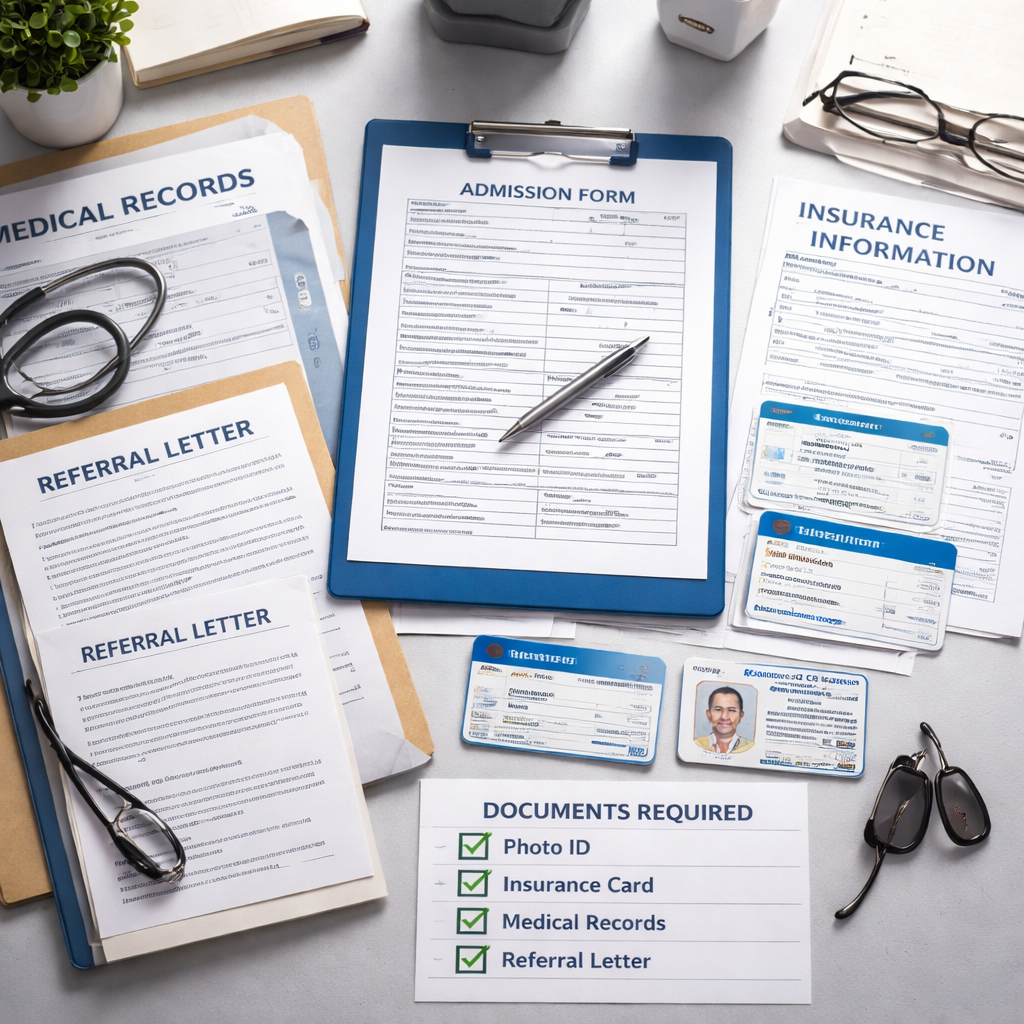
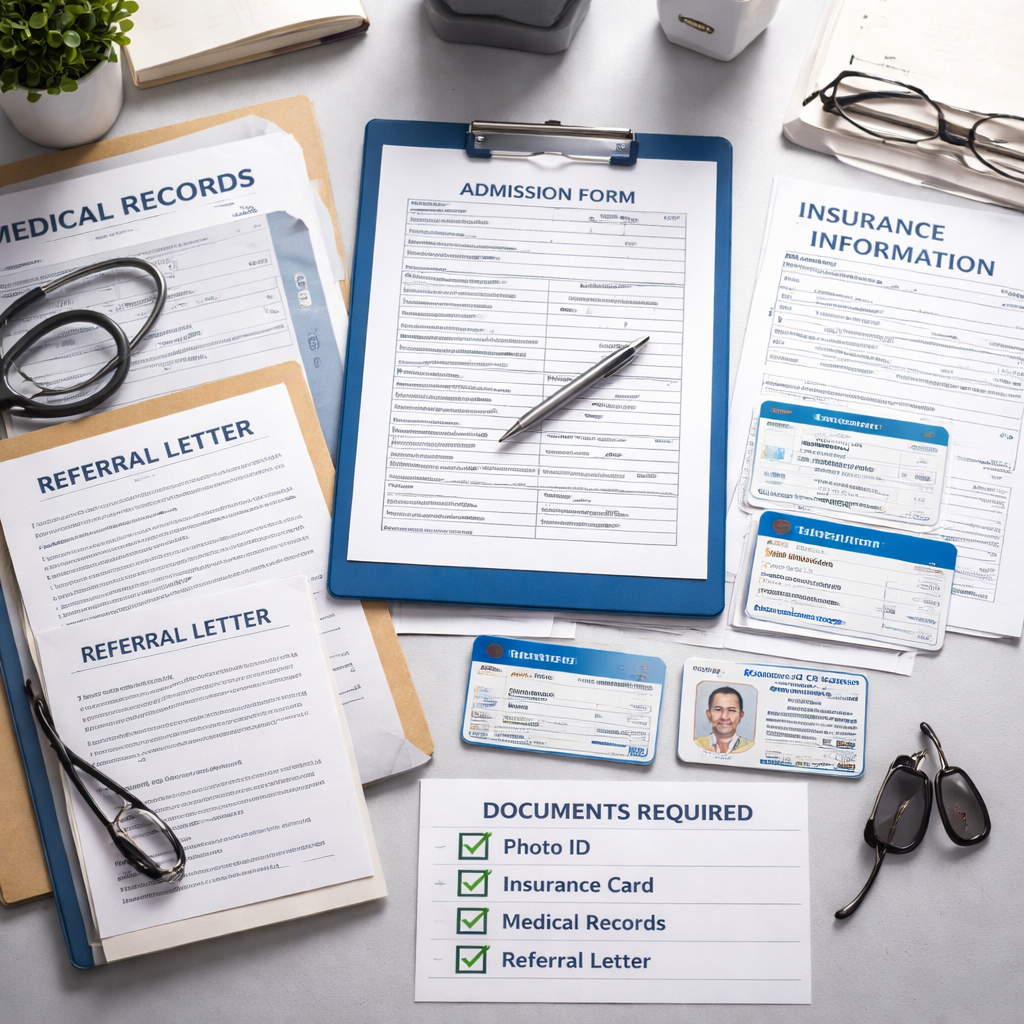
Most facilities require three core elements for immediate admission: proper identification documents, medical clearance, and insurance verification or payment arrangements. The identification piece includes a government-issued photo ID, Social Security card, and any legal documentation like court orders or guardianship papers. These documents serve as the foundation for establishing identity and legal status before treatment can begin.
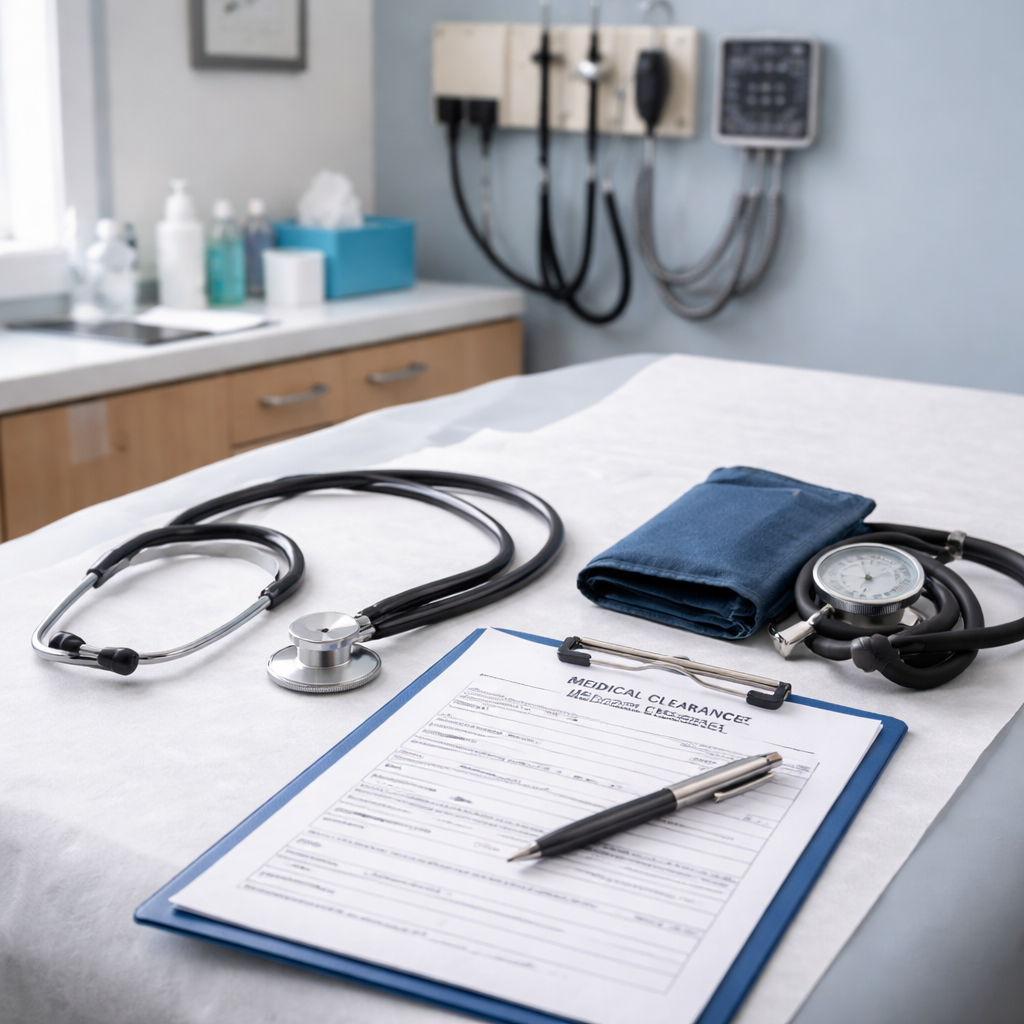
Medical clearance becomes critical for same day admissions because facilities must assess withdrawal risks and existing health conditions immediately. This typically involves a recent physical examination, complete medical history, current medication lists, and any diagnostic test results from the past 30 days. Treatment centers need this information to determine if someone requires medical detox supervision or can proceed directly to residential or outpatient care.
The insurance verification component often creates the biggest bottleneck in the same day rehab admission process. Facilities must confirm coverage levels, prior authorization requirements, and any co-payment obligations before admitting someone. This process can take hours if not handled properly, which is why many successful same-day admissions involve pre-verification calls made days or weeks in advance.
Some facilities also require specific documentation of previous treatment attempts, including discharge summaries, medication lists from prior stays, and notes about what approaches were effective or ineffective. This treatment history enables more targeted care planning and helps avoid repeating unsuccessful interventions.
Emergency admissions often bypass some standard requirements, but they still need basic safety protocols. If someone is experiencing severe withdrawal symptoms, overdose recovery, or acute mental health crisis, facilities may accept them with minimal paperwork and complete the full admission process once they’re stabilized.
Geographic location affects requirements significantly. State-licensed facilities must follow specific regulations that vary by jurisdiction, while private centers may have more flexibility in their admission criteria. Understanding your local requirements helps streamline the same day rehab admission process and prevents last-minute surprises.
The key insight from our research is that only 4 out of 20 admission steps actually require physical documents, yet missing any of these critical papers instantly blocks same-day entry. Smart families prepare a complete documentation packet weeks before they need it, keeping everything organized in a single folder for immediate access when the moment arrives.
For families considering involuntary rehab options in California, additional legal documentation may be required, including court orders and professional assessments that support the need for immediate treatment intervention.
Step 1: Initial Assessment and Crisis Evaluation
The same day rehab admission process begins with an immediate assessment call to determine eligibility and urgency. This initial contact, usually with an admissions counselor or clinical navigator, sets everything in motion and determines whether same-day placement is possible.
During this first conversation, be prepared to share specific information about substance use patterns, recent incidents that triggered the need for immediate treatment, and any medical or mental health concerns. The more detailed and honest you are during this assessment, the better the facility can match you with appropriate care levels and available beds.
Admissions staff will ask about the frequency and types of substances used, when the person last used, and whether they’re experiencing any withdrawal symptoms. They’ll also want to know about previous treatment attempts, current medications, and any co-occurring mental health conditions like depression or anxiety. This information helps determine if medical detox is necessary before residential treatment can begin.
The crisis evaluation component focuses on immediate safety concerns. Staff will assess suicide risk, potential for violence, and the severity of any withdrawal symptoms. If someone is experiencing life-threatening withdrawal, such as seizures or delirium tremens, they may need emergency medical stabilization before entering a standard treatment program.
Many facilities use standardized screening tools during this initial assessment. The SBIRT (Screening, Brief Intervention, and Referral to Treatment) protocol helps clinicians quickly evaluate substance use severity and recommend appropriate treatment levels. This systematic approach ensures that same-day admissions go to the right level of care immediately.
Pre-screening also involves discussing motivation for treatment and any external pressures that might affect engagement. Someone entering treatment due to legal consequences, family pressure, or employment requirements may need different support approaches than someone who’s self-motivated to seek help.
The assessment determines what type of same-day admission is most appropriate. Options include emergency detox, inpatient residential care, intensive outpatient programs, or partial hospitalization. Each level requires different preparation and has different availability, so matching needs to resources happens during this initial evaluation.
Timing matters enormously in this step. According to research from American Addiction Centers, the first 24 hours after someone contacts a treatment facility represents a critical window for actually entering care. Delays beyond this point significantly increase the likelihood that the person won’t follow through with treatment.
For families working with professional interventionists, the initial assessment often happens as part of the intervention process itself. The interventionist coordinates with treatment facilities in advance, so when the person agrees to treatment, the assessment can be completed immediately and admission can happen within hours.
Some facilities offer pre-assessment services where families can complete much of this evaluation before the person is ready to enter treatment. This preparation allows for truly same-day admission when the moment arrives, since all the screening and eligibility determination has already been completed.
The assessment also covers practical logistics like transportation to the facility, who will handle personal belongings, and what happens with work or school obligations. Having these details sorted during the initial call prevents delays later in the same day rehab admission process.
Step 2: Insurance Verification and Financial Planning
Insurance verification represents the most common bottleneck in the same day rehab admission process, but it’s also the most manageable if handled correctly. Most delays happen because families wait until the day of admission to sort out coverage details, creating unnecessary stress and potential barriers to immediate treatment entry.
Start by calling your insurance provider directly to understand your specific coverage for addiction treatment. Ask about in-network facilities, coverage percentages for different levels of care, and any prior authorization requirements. Get this information in writing, either through email or by requesting a benefits summary that you can reference during the admission process.
Your insurance verification should cover several key areas: detoxification services, inpatient residential treatment, outpatient programs, and aftercare counseling. Each level may have different coverage percentages, deductibles, and co-payment requirements. Understanding these details upfront prevents surprise costs that could derail same-day admission plans.
Many insurance plans require prior authorization for residential treatment, which can take 24-48 hours to process. If you’re planning for potential same-day admission, request this authorization in advance based on clinical assessments and treatment recommendations. Some facilities have staff dedicated to expediting these approvals for emergency admissions.
The deductible amount significantly impacts out-of-pocket costs for same-day admissions. If your deductible is $3,000 and you haven’t met it yet this year, you’ll be responsible for that amount before insurance coverage begins. Factor this into your financial planning and ask about payment plan options if needed.
Co-insurance and co-payment structures vary significantly between plans. Some policies cover 80% of treatment costs after the deductible is met, while others may only cover 60%. Understanding your specific percentage helps you calculate expected out-of-pocket expenses for different treatment durations.
| Coverage Type | Typical Coverage % | Common Requirements | Processing Time |
|---|---|---|---|
| Emergency Detox | 80-100% | Medical necessity documentation | Same day approval |
| Inpatient Residential | 60-80% | Prior authorization required | 24-48 hours |
| Intensive Outpatient | 70-90% | Treatment plan submission | 1-3 business days |
| Aftercare Counseling | 80-100% | Provider network verification | Same day |
For families without insurance or with limited coverage, many treatment facilities offer sliding scale fees, payment plans, or financial assistance programs. Some centers provide scholarships or charity care for qualifying families. Don’t let financial concerns prevent you from pursuing same-day admission when it’s medically necessary.
Government-funded programs like Medicaid often provide comprehensive coverage for addiction treatment, including same-day emergency admissions. If you qualify for Medicaid, the approval process for treatment is typically faster than private insurance, making same-day admission more feasible.
Keep all insurance documentation organized in a single folder: insurance cards, policy information, prior authorization letters, and any correspondence about coverage limits. Having this paperwork immediately accessible speeds up the admission process and prevents delays due to missing information.
Some facilities use online insurance verification tools that can provide instant coverage estimates. These systems help determine your likely out-of-pocket costs within minutes, allowing you to make informed decisions about treatment options without lengthy phone calls to insurance companies.
Payment arrangements should be confirmed before arrival at the treatment facility. Many centers require a deposit or payment of estimated co-pays before admission. Having payment methods ready, whether through insurance, personal funds, or financing arrangements, ensures the same day rehab admission process moves smoothly without financial delays.
Step 3: Medical Clearance and Detox Assessment
Medical clearance forms the safety foundation of the same day rehab admission process, ensuring that individuals can participate in treatment without risking their physical health. This step involves comprehensive health screening, withdrawal risk assessment, and determination of appropriate medical supervision levels.
The medical evaluation begins with a thorough review of current health status, including vital signs, recent medical history, and any existing conditions that might affect treatment. Healthcare professionals need to identify conditions like heart problems, diabetes, or liver disease that could complicate withdrawal or require special monitoring during treatment.
Withdrawal assessment determines whether someone needs medical detox before entering residential or outpatient treatment. Different substances create different withdrawal risks: alcohol and benzodiazepine withdrawal can be life-threatening, while opioid withdrawal is extremely uncomfortable but rarely dangerous. The assessment helps place individuals in the appropriate level of medical supervision.
Current medications require careful review and coordination. All prescription medications must be brought in original containers with current labels for verification. The medical team needs to understand drug interactions, withdrawal protocols for any medications being discontinued, and how existing prescriptions fit into the treatment plan.
Blood work and other diagnostic tests may be required for same-day admission, especially if there are concerns about liver function, infectious diseases, or nutritional deficiencies common in substance use disorders. Some facilities can perform basic testing on-site, while others may require recent lab results from external providers.
Mental health screening happens alongside medical clearance, identifying co-occurring conditions like depression, anxiety, PTSD, or bipolar disorder. These conditions significantly affect treatment planning and may require specialized dual-diagnosis programs that address both addiction and mental health simultaneously.
The medical team assesses suicide risk and potential for self-harm, which affects placement decisions and supervision levels. Individuals with active suicidal ideation may need psychiatric stabilization before entering standard addiction treatment programs, or they may require facilities with enhanced mental health capabilities.
Pregnancy testing is standard for women of childbearing age, as pregnancy significantly changes treatment options and requires specialized care. Pregnant women need facilities equipped to handle both addiction treatment and prenatal care, which may limit same-day placement options.
Infectious disease screening, including HIV, hepatitis B and C, and tuberculosis, helps ensure appropriate medical precautions and treatment planning. While these conditions don’t prevent treatment admission, they may require specific medical protocols and specialized care coordination.
The detox assessment specifically evaluates withdrawal timeline and severity. Someone who used substances within the past few hours may need immediate medical monitoring, while someone who’s already several days into withdrawal may be past the highest-risk period and ready for residential treatment.
Medication-assisted treatment (MAT) considerations are evaluated during medical clearance. Individuals on methadone, buprenorphine, or naltrexone need facilities that can continue these medications or safely transition to different treatment approaches. Not all facilities provide MAT, so this affects placement options for same-day admission.
The medical clearance process typically takes 2-4 hours for same-day admissions, depending on complexity and test requirements. Facilities experienced in same-day admissions streamline this process by having medical staff available for immediate evaluation and by maintaining relationships with nearby labs for urgent testing needs.
Step 4: Bed Availability and Facility Coordination
Securing an available bed represents the logistical heart of the same day rehab admission process. Treatment facilities operate at high capacity, and same-day admissions require careful coordination between multiple facilities to find immediate openings that match clinical needs and insurance requirements.
Bed availability fluctuates constantly as people enter and leave treatment programs. Facilities typically know their availability 24-48 hours in advance, but emergency discharges or medical transfers can create unexpected openings. Successful same-day admissions often depend on timing and flexibility in facility selection.
Different levels of care have different availability patterns. Detox beds turn over more quickly than residential beds, so same-day detox admission is often more feasible than same-day residential placement. Understanding these patterns helps families set realistic expectations and plan accordingly.
Geographic flexibility significantly improves chances of same-day admission. Families willing to travel within a 50-100 mile radius have many more options than those restricted to local facilities. Some families even consider out-of-state placement if it means immediate treatment access.
Insurance network restrictions limit facility options for many families. In-network facilities may have waiting lists while out-of-network centers have immediate availability. Understanding your insurance’s emergency provisions and out-of-network benefits helps navigate these decisions when same-day admission is medically necessary.
Facility coordination involves multiple phone calls and real-time communication between admissions staff at different centers. Experienced admissions coordinators maintain relationships with multiple facilities and can quickly identify available beds that match specific needs and criteria.
Some treatment networks operate multiple facilities with different specializations and can transfer individuals between locations as appropriate. These integrated systems make same-day admission more feasible because they have more bed options and streamlined transfer processes.
Waiting list management becomes crucial when immediate beds aren’t available. Some facilities maintain emergency waiting lists for same-day admissions and will call within hours if a bed opens up. Getting on multiple waiting lists increases chances of same-day placement.
Facility specialization affects availability and appropriateness for different individuals. Gender-specific programs, dual-diagnosis facilities, LGBTQ-affirming centers, and programs for specific populations may have different availability patterns and admission requirements.
The coordination process typically involves confirming the bed reservation, completing admission paperwork remotely when possible, and arranging transportation logistics. Some facilities will hold beds for 2-4 hours while families arrange transportation and gather necessary documents.
Transportation coordination is part of the facility coordination process. Some centers provide transportation services, while others require families to arrange their own. Having transportation ready before confirming the bed prevents delays that could result in losing the placement to someone else.
According to research from Rehabs.com, facilities that specialize in same-day admissions typically maintain 10-15% of their beds specifically for emergency placements, ensuring availability for crisis situations and immediate treatment needs.
What to Expect on Your First Day in Treatment
The first day in treatment sets the tone for the entire recovery journey, and understanding what happens during same-day admission helps reduce anxiety and prepare for a successful start. Most facilities follow structured protocols designed to help new residents feel safe, informed, and ready to begin their recovery work.
Arrival and check-in typically happen at the admissions office, where staff verify identity, review completed paperwork, and conduct final insurance verification. Bring all required documents in an organized folder: photo ID, insurance cards, medication lists, and any medical records. Having everything readily accessible speeds up this initial process.
The intake assessment represents the most comprehensive evaluation of the entire admission process. Clinical staff will ask detailed questions about substance use history, mental health background, previous treatment experiences, and current life circumstances. This information creates the foundation for developing an individualized treatment plan.
Medical evaluation happens early in the first day, often within the first few hours of arrival. A healthcare provider will review vital signs, assess withdrawal symptoms, evaluate current medications, and determine any immediate medical needs. This evaluation ensures safety and appropriate medical support throughout treatment.
Room assignment and facility orientation help new residents get comfortable in their new environment. Staff will show you to your living space, explain facility rules and schedules, and provide a tour of common areas, dining facilities, and program spaces. This orientation reduces confusion and helps establish routine quickly.
Meeting your treatment team typically happens on the first day or within 24 hours of admission. This team usually includes a primary counselor, medical staff, and case manager who will coordinate your care throughout treatment. These initial meetings establish relationships and begin the collaborative treatment planning process.
The daily schedule introduction shows how treatment time is structured. Most programs include individual therapy sessions, group therapy, educational workshops, meals, recreation time, and personal time for reflection or rest. Understanding this structure helps new residents adapt to the therapeutic environment more quickly.
Group therapy participation often begins on the first day, though new residents may start as observers before actively participating. These groups provide peer support, shared experiences, and opportunities to learn from others at different stages of recovery. The group dynamic becomes a crucial part of most people’s treatment experience.
Treatment goal setting happens early in the admission process, often during the first day or within the first week. Working with your treatment team, you’ll identify specific, measurable goals for your recovery and create action steps for achieving them. These goals guide treatment planning and provide benchmarks for progress.
Family contact policies vary between facilities, but most allow phone calls and visits according to specific schedules. Understanding these policies from the first day helps maintain important family connections while respecting treatment boundaries and focus requirements.
Personal belongings are typically searched and inventoried upon arrival for safety reasons. Prohibited items are stored or returned to family members, while approved personal items are returned to residents. This process ensures safety while allowing comfort items that support recovery.
The first 24-48 hours often involve adjustment challenges as individuals adapt to new routines, environments, and expectations. Staff are trained to provide extra support during this transition period, helping new residents navigate initial discomfort and begin engaging with the treatment process.
For those interested in understanding the broader context of treatment planning, resources on planning effective interventions provide valuable insights into how families can support the treatment process from the very beginning.
Frequently Asked Questions
How quickly can someone actually get admitted on the same day they call?
Same day rehab admission typically takes 4-8 hours from the initial call to actually entering treatment, assuming all requirements are met. The process moves fastest when you have all documentation ready, insurance pre-verified, and medical clearance completed in advance. Emergency situations involving severe withdrawal or medical crisis can sometimes bypass standard procedures and allow admission within 2-3 hours. However, most facilities need time to complete intake assessments, verify insurance, and coordinate bed availability, so calling early in the day significantly improves your chances of same-day placement.
What documents do I absolutely need to bring for same-day admission?
Essential documents for the same day rehab admission process include government-issued photo identification, Social Security card, insurance cards with policy numbers, and current prescription medications in original labeled containers. You’ll also need recent medical records if available, a list of emergency contacts, and any legal documents like court orders if applicable. Missing any of these core documents can delay or prevent same-day admission, so organize everything in a folder beforehand. Some facilities may accept copies initially but will require originals within 24-48 hours of admission.
Does insurance typically cover same-day emergency admissions?
Most insurance plans provide coverage for same-day emergency admissions when medically necessary, often at higher reimbursement rates than planned admissions. Emergency detox services are usually covered at 80-100% after deductibles, while emergency residential placement may require prior authorization that can be expedited. The key is documenting medical necessity through clinical assessments and withdrawal risk evaluations. Contact your insurance provider immediately when considering same-day admission to understand your specific coverage levels and any required authorization processes that might affect immediate placement.
What happens if no beds are available for same-day admission?
When beds aren’t immediately available, most facilities will place you on an emergency waiting list and contact you within hours if openings occur. Alternative options include emergency detox at hospitals, crisis stabilization programs, or intensive outpatient programs that can begin immediately while waiting for residential placement. Some treatment networks operate multiple facilities and can coordinate transfers between locations to find available beds. The same day rehab admission process often requires flexibility in location and facility choice to secure immediate treatment when beds are limited.
Can family members stay during the admission process?
Family involvement during same-day admission varies by facility policy, but most centers allow family members to stay through the initial intake process and then have structured visiting hours afterward. Family members often help provide medical history, medication information, and emergency contacts during admission. Some facilities offer family orientation sessions on the first day to explain treatment approaches, visiting policies, and communication guidelines. However, once the formal treatment program begins, family contact is typically managed through scheduled calls and visits to maintain treatment focus and therapeutic boundaries.
What should I pack for immediate admission to treatment?
Pack 7-10 days of comfortable, modest clothing without alcohol or drug references, along with practical footwear including sneakers and shower shoes. Bring new, unopened personal hygiene items that are alcohol-free, plus any prescription medications in original containers. Include personal comfort items like photos of loved ones, books, and non-electronic music devices if allowed. Avoid bringing over-the-counter medications, vitamins, supplements, or anything with alcohol content. Most facilities provide bedding and towels, but check specific policies when confirming your same-day admission to avoid bringing prohibited items that could delay entry.
How do I find facilities that accept same-day admissions in my area?
Start by calling your insurance provider for a list of in-network facilities that offer emergency admissions, then contact each center directly to ask about same-day availability and requirements. Many treatment centers have dedicated admissions hotlines staffed 24/7 specifically for emergency placements. Online directories and state licensing boards maintain lists of licensed facilities with their specializations and admission policies. The same day rehab admission process works best when you contact multiple facilities simultaneously to compare availability, since bed openings change constantly throughout the day.
What if the person changes their mind after agreeing to same-day admission?
If someone changes their mind after initially agreeing to treatment, most facilities will hold the bed for 2-4 hours while family members or interventionists work to re-engage them in the process. Having a professional interventionist involved significantly improves success rates when resistance emerges during the same day rehab admission process. Some facilities offer “soft admissions” where individuals can tour the facility and meet staff before making final commitment. Legal options like involuntary commitment procedures exist in crisis situations, but voluntary engagement typically produces better long-term outcomes when possible.
Conclusion
The same day rehab admission process can be your lifeline when addiction reaches a crisis point and immediate action becomes necessary. Success depends on preparation, documentation, and understanding how to navigate the system quickly when motivation peaks and treatment windows open.
Remember the key findings from our research: only 20% of admission requirements actually need physical documents, but missing any of these critical papers blocks same-day entry completely. The most successful families prepare their documentation packet weeks in advance, verify insurance coverage proactively, and establish relationships with admissions navigators before crisis moments arrive.
The four-step process we’ve outlined – initial assessment, insurance verification, medical clearance, and facility coordination – typically takes 4-8 hours when handled efficiently. Each step builds on the previous one, so delays in early stages cascade through the entire same day rehab admission process. Starting early in the day and having multiple facility options significantly improves your chances of securing immediate placement.
Your first day in treatment sets the foundation for recovery success. Understanding what to expect reduces anxiety and helps you focus on the therapeutic work rather than logistics and uncertainty. The structured environment, comprehensive assessments, and immediate support create the safety and stability needed to begin healing.
Don’t wait for the perfect moment or ideal circumstances. Addiction doesn’t pause for convenience, and neither should your response to it. When someone you love is ready for treatment, even for a brief moment, the same day rehab admission process gives you the tools to act immediately and capture that critical window of opportunity.
If you’re facing a crisis situation and need immediate help navigating the same day rehab admission process, contact Next Step Intervention at (949) 545-3438. Our experienced team can guide you through each step, coordinate with treatment facilities, and help secure immediate placement when every hour counts. Don’t let bureaucratic delays cost you this chance at recovery – call now and take the next step toward healing today.