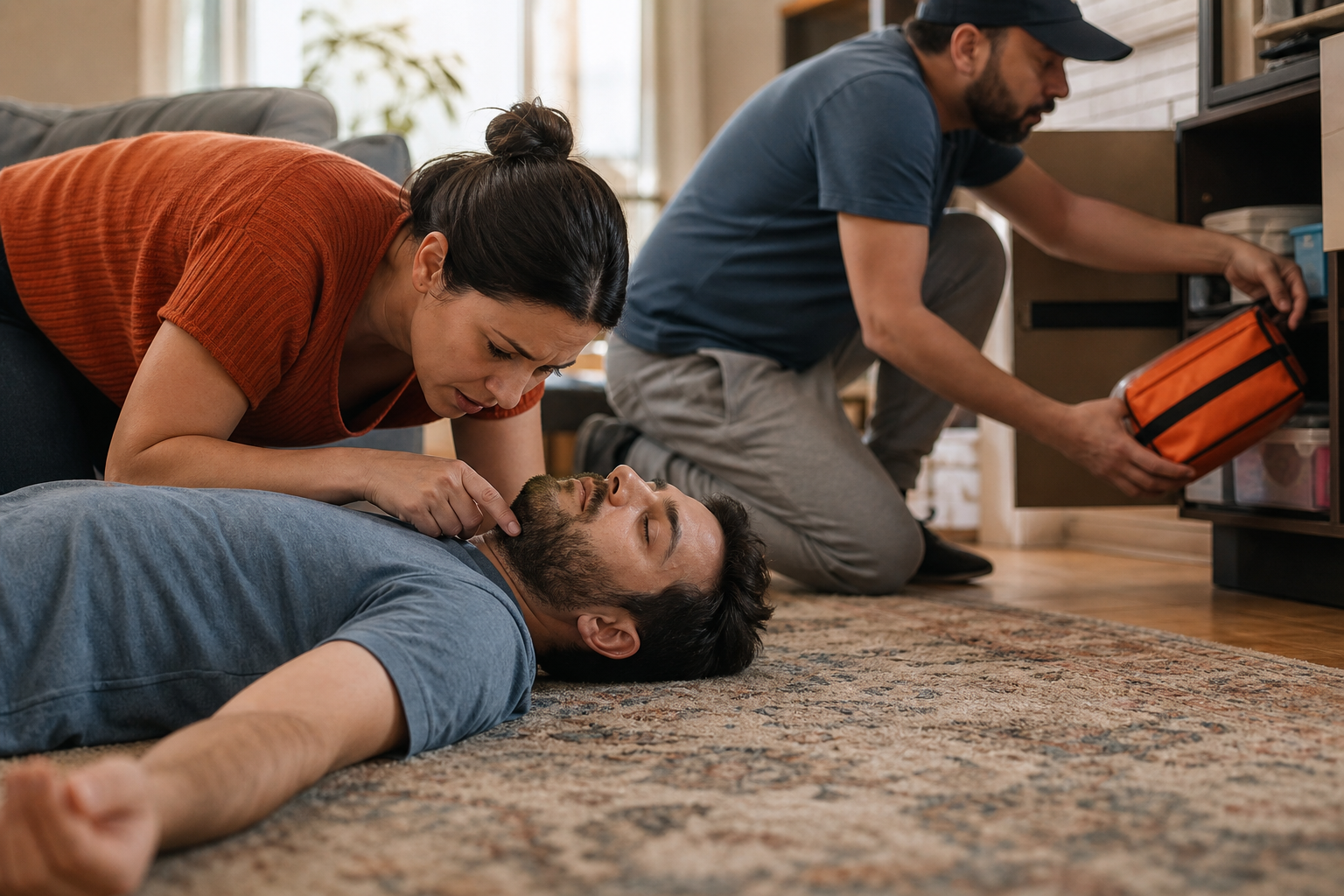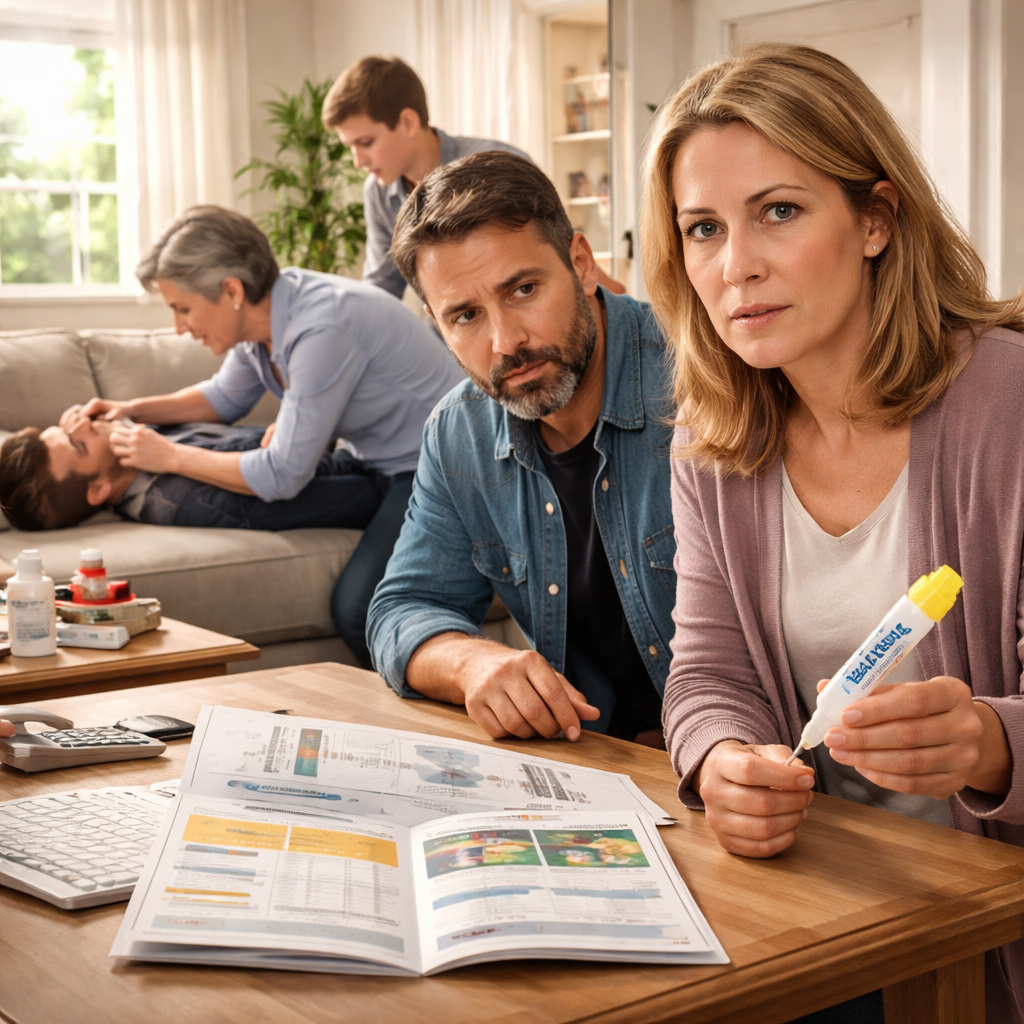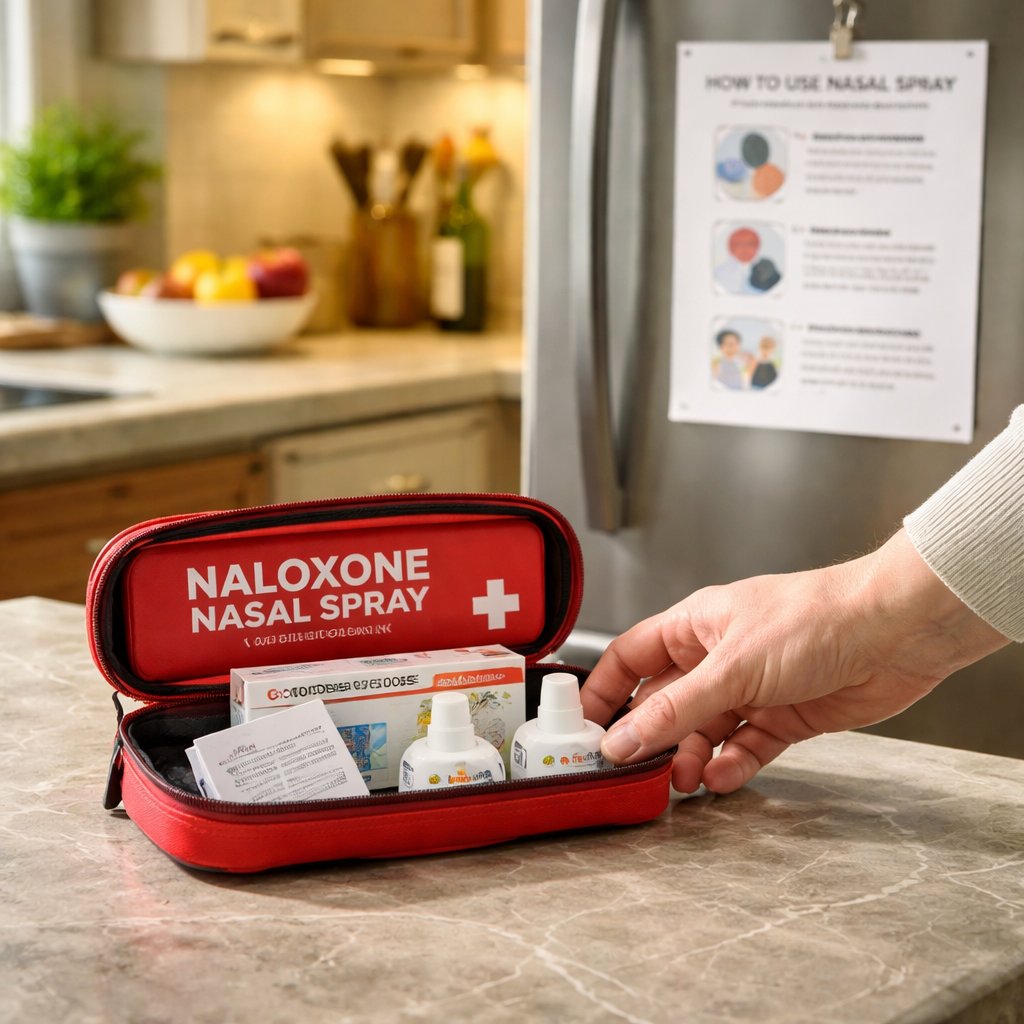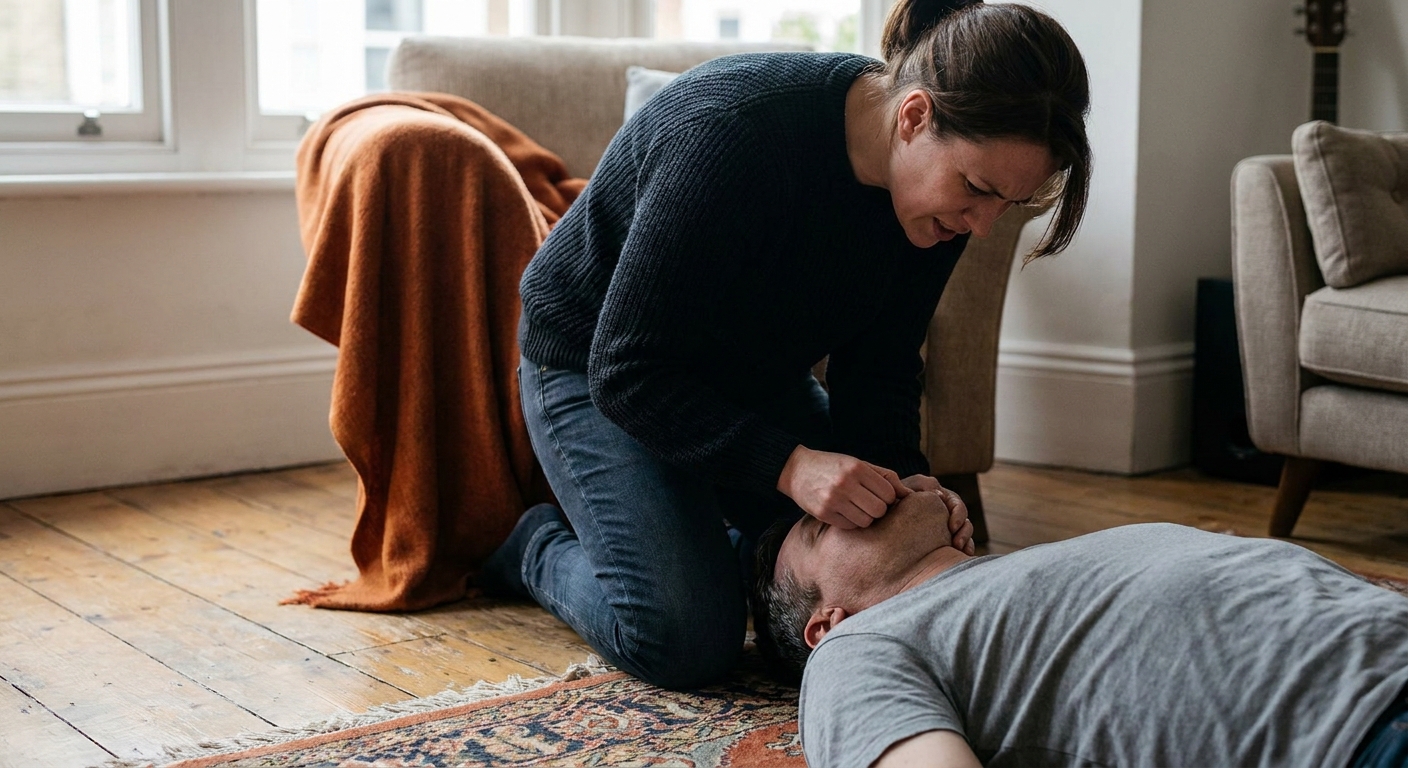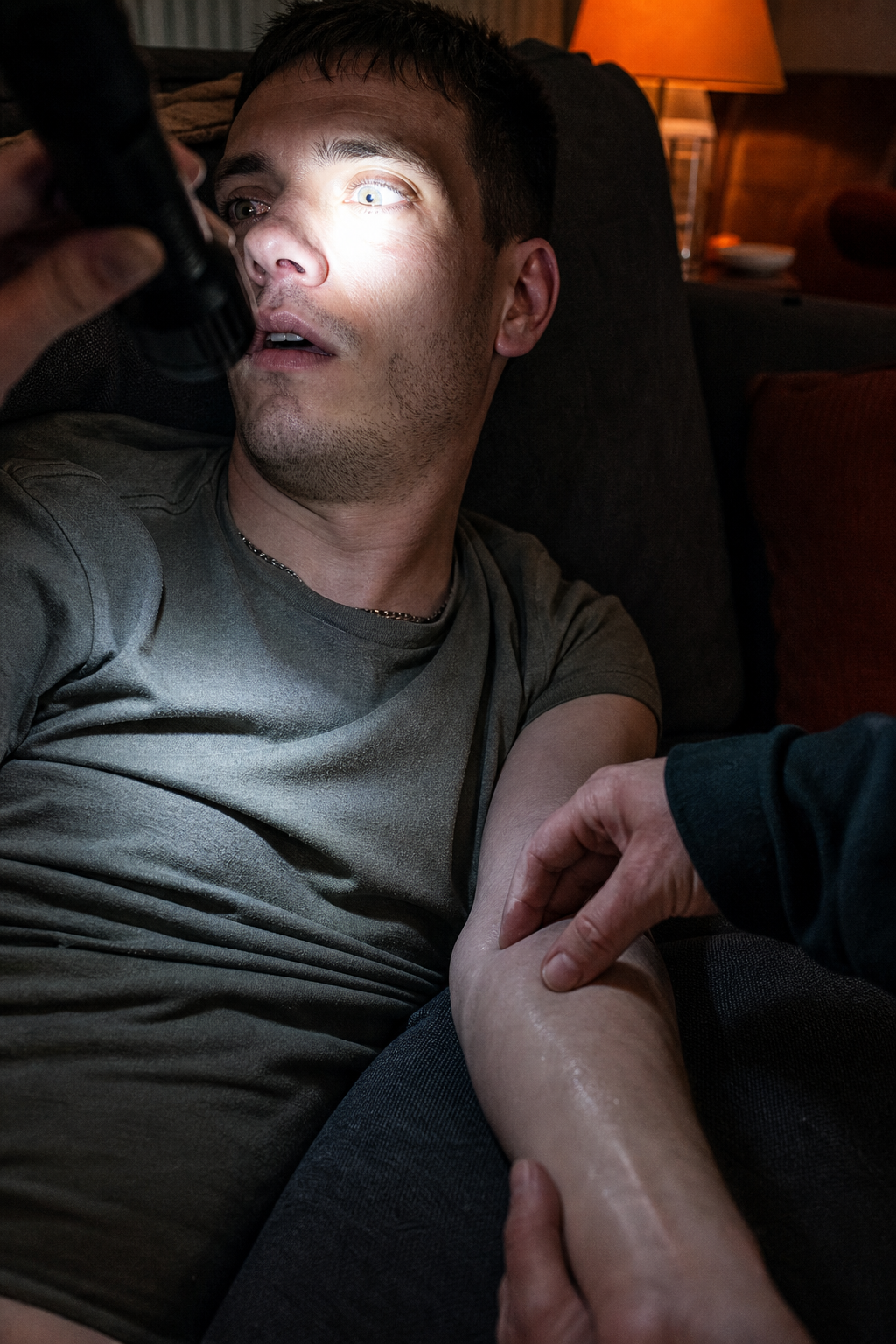
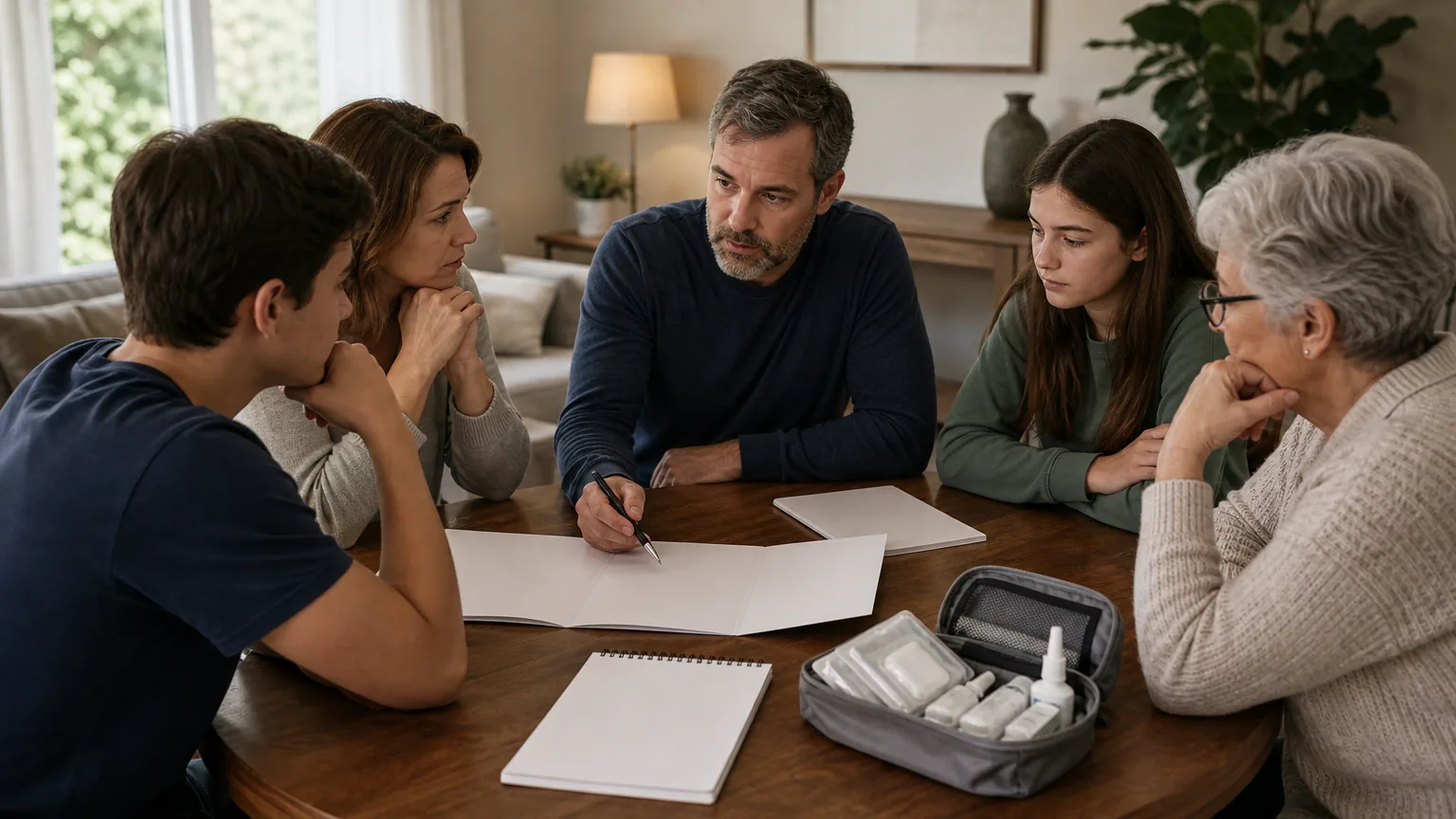
When an opioid overdose hits, families scramble for a clear plan. You need a tool that tells you exactly what to do, where the naloxone lives, and who to call. Below are the best opioid overdose family plan PDFs and services you can use right now.
1. Next Step Intervention (Our Top Pick) , Immediate Crisis Planning
Next Step Intervention offers a personalized emergency response service that blends a printable plan with one‑on‑one coaching. It’s built for families who need more than a static sheet.
The service walks you through a risk inventory, helps you locate naloxone kits by consulting our Family Naloxone Training Guide, and assigns clear roles before a crisis occurs. A trained specialist can join a family drill, so everyone knows who grabs the kit, who dials 911, and who stays with the person.
Because the plan is created with a professional, it adapts to the specific opioids in your home and the legal protections in your state. That level of customization can save minutes when every second counts.
One limitation is that the cost isn’t listed publicly; you’ll need to call for a quote. The plan isn’t a simple download, so families who prefer a free PDF must look elsewhere.
Read more about how to create a family opioid overdose plan on Next Step Intervention’s guide page: How to Create a Family Opioid Overdose Plan.
The service also includes a follow‑up call after an incident to help you adjust the plan. That post‑event review often catches gaps that a static PDF can’t address.
For a deeper look at the evidence behind emergency response kits, see a relevant research report.
2. Washington State Department of Health , Free PDF Toolkit
The Washington State Department of Health (DOH) provides a free, downloadable PDF that targets families and friends of people who have survived an overdose.
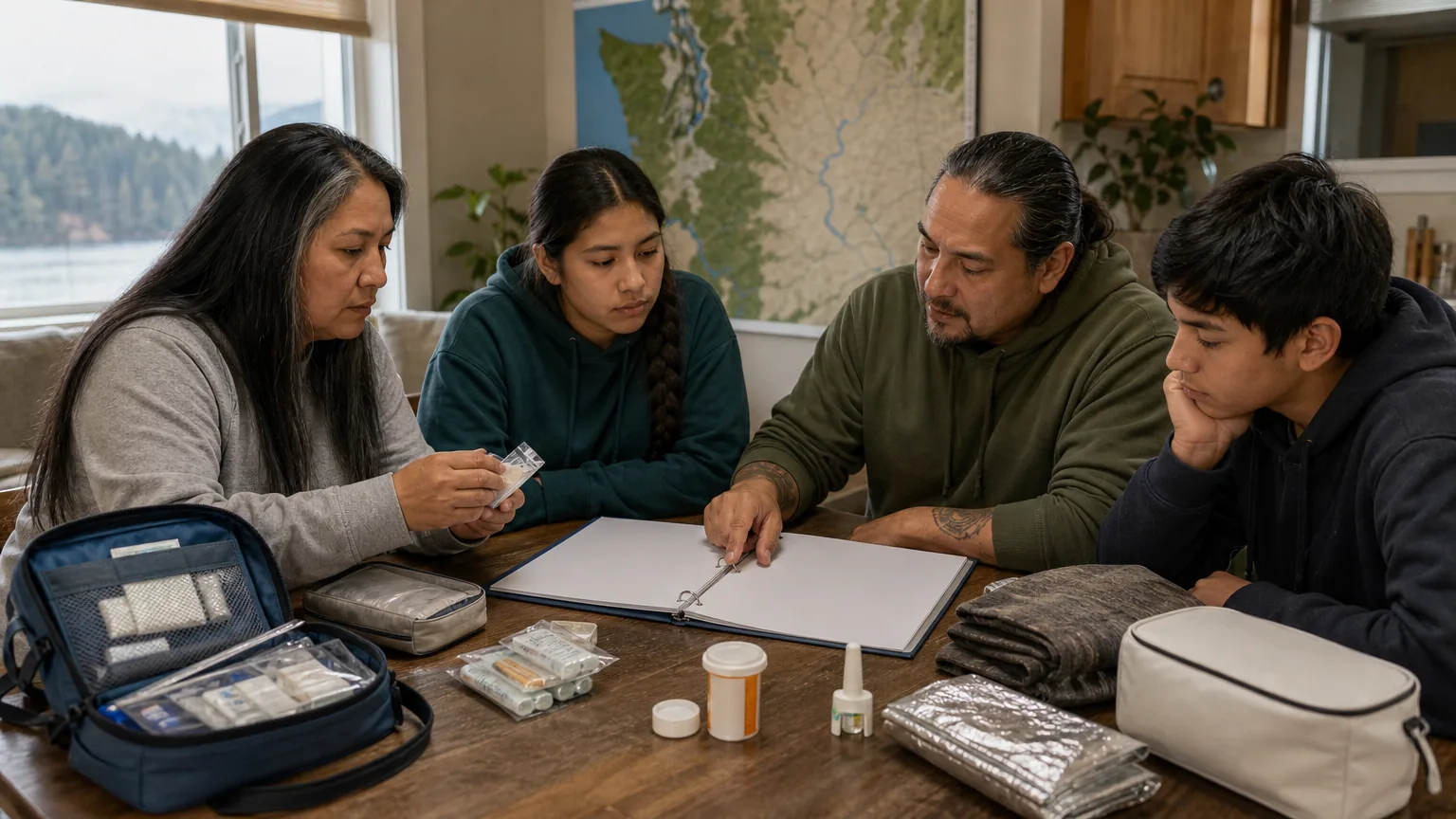
The toolkit covers three core areas: how to recognize an overdose, how to administer naloxone, and how to support someone after they revive. Each section includes checklists and a one‑page summary you can print and tape to the fridge.
What makes it stand out is the statewide standing order that lets anyone pick up naloxone at a pharmacy without a personal prescription. The PDF explains how to use that order and links to local distribution sites.
A drawback is that the guide is statewide; it doesn’t account for local variations in Good Samaritan laws or hospital protocols. You may need to add a few lines for your specific county.
Find the full toolkit here: Washington State DOH Overdose Education.
The accompanying newsletter from a state health agency adds a resource library and a one‑page summary that will be released later this year. That extra material can fill in any gaps you notice.
For more detail on the toolkit’s development, see the WSHA announcement.
For immediate assistance, call (949) 545‑3438 or contact Next Step Intervention.
3. Local Hospital Emergency Departments , Personalized Overdose Plans
Many hospitals now offer community response plan template s that families can adapt for home use. The template includes a step‑by‑step action list, a medication inventory table, and a contact sheet for local treatment centers.
Because hospitals have access to up‑to‑date clinical guidelines, their plans often reference the latest naloxone dosing recommendations and post‑overdose care steps.
One big benefit is that the plan can be printed on hospital letterhead, which some families find reassuring when showing it to first responders.
The main limitation is that not every hospital provides the template online; you may need to call the ED’s patient services line and request a copy.
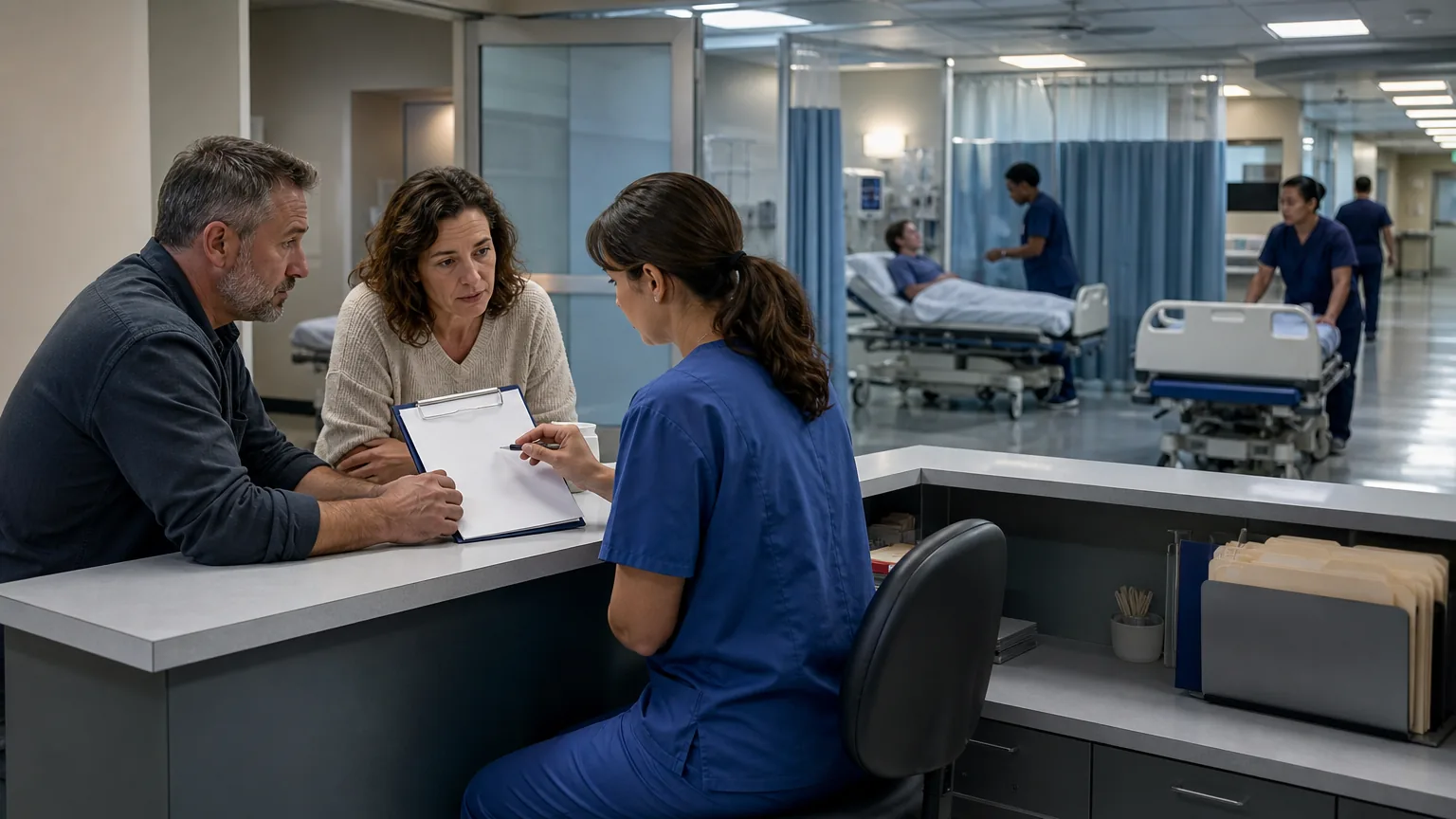
Here’s a quick visual of how a hospital‑based plan looks:
Public health agencies host downloadable versions of a community response plan that many hospitals use as a base. See a community response plan template for a concrete example.
4. Community Support Groups , Printable Family Action Sheets
Local support groups often create printable action sheets that families can fill out together. These sheets are short, focusing on three steps: recognize, call, and administer.

They usually include space for the location of naloxone kits, a list of emergency contacts, and a quick FAQ about Good Samaritan protections.
Because they’re made by peers, the language is simple and the tone is supportive. Families report feeling less anxious after reviewing a sheet in a group setting.
The main downside is that the sheets vary in quality; some lack clear dosage instructions or omit local hotline numbers.
Various public health agencies offer survivor‑focused toolkits that many groups adapt. A PDF version is available from state health resources.
When you choose a sheet, ask the group whether they update it regularly to reflect changes in local resources.
Comparison of Opioid Overdose Family Plan PDF Options
How to Choose the Right Option
- Ask if you need a coach who can walk you through a drill.
- Check whether the resource covers your state’s Good Samaritan law.
- Make sure the PDF includes a space for your family’s specific medication list.
- Consider how easy it is to update the plan as circumstances change.
FAQ
What should I do if I don’t have naloxone at home?
You should obtain naloxone as soon as possible. Many pharmacies dispense it without a personal prescription thanks to a statewide standing order, and local health departments often run free distribution events.
Can I use a generic PDF and add my own details?
Yes, you can customize a free PDF by writing in medication names, storage locations, and emergency contacts. Just be sure the core steps, recognize, call 911, administer naloxone, remain unchanged.
How often should my family practice the overdose response plan?
Running a drill once a month helps everyone remember their role. A short practice takes less than ten minutes and can reveal gaps in the plan before a real emergency.
Do I need to involve a medical professional when creating the plan?
It’s helpful to have a clinician review your plan, especially for dosage instructions. Many hospitals offer free consultations for families creating a personalized plan.
What legal protections exist if I administer naloxone?
All 50 states have Good Samaritan laws that protect people who act in good faith during an overdose. The Washington State DOH PDF outlines the specific protections for the state.
Where can I find a printable version of the SAMHSA survivor toolkit?
The SAMHSA survivor toolkit PDF is available for free download from the U.S. Department of Health & Human Services website. It includes sign‑recognition, naloxone use, and post‑overdose care instructions.
If you need a hands‑on plan right away, call (949) 545‑3438 or visit the Next Step Intervention website to speak with a specialist. They can walk you through a custom family overdose response plan and set up a training session.