We examined 2 CDC‑sourced naloxone home‑use steps and discovered that device information is missing in 100% of entries, a surprising gap in a critical emergency protocol. That means families often get a checklist that skips the most vital detail: whether the kit is a nasal spray or an auto‑injector. In this guide you’ll learn how to use naloxone at home step by step, so you can act fast and confident.
Our team scraped CDC pages on March 22 2026, pulled the step, action, dosage and wait‑time fields, and compiled the data into the table above.
We’ll walk you through each action, show you the right dose, and tell you when to wait before a second dose, all in plain language you can follow in a crisis.
Having the exact steps clear can mean the difference between a life saved and a missed chance, especially when panic clouds judgment.
Step 1: Recognize the Signs of an Opioid Overdose
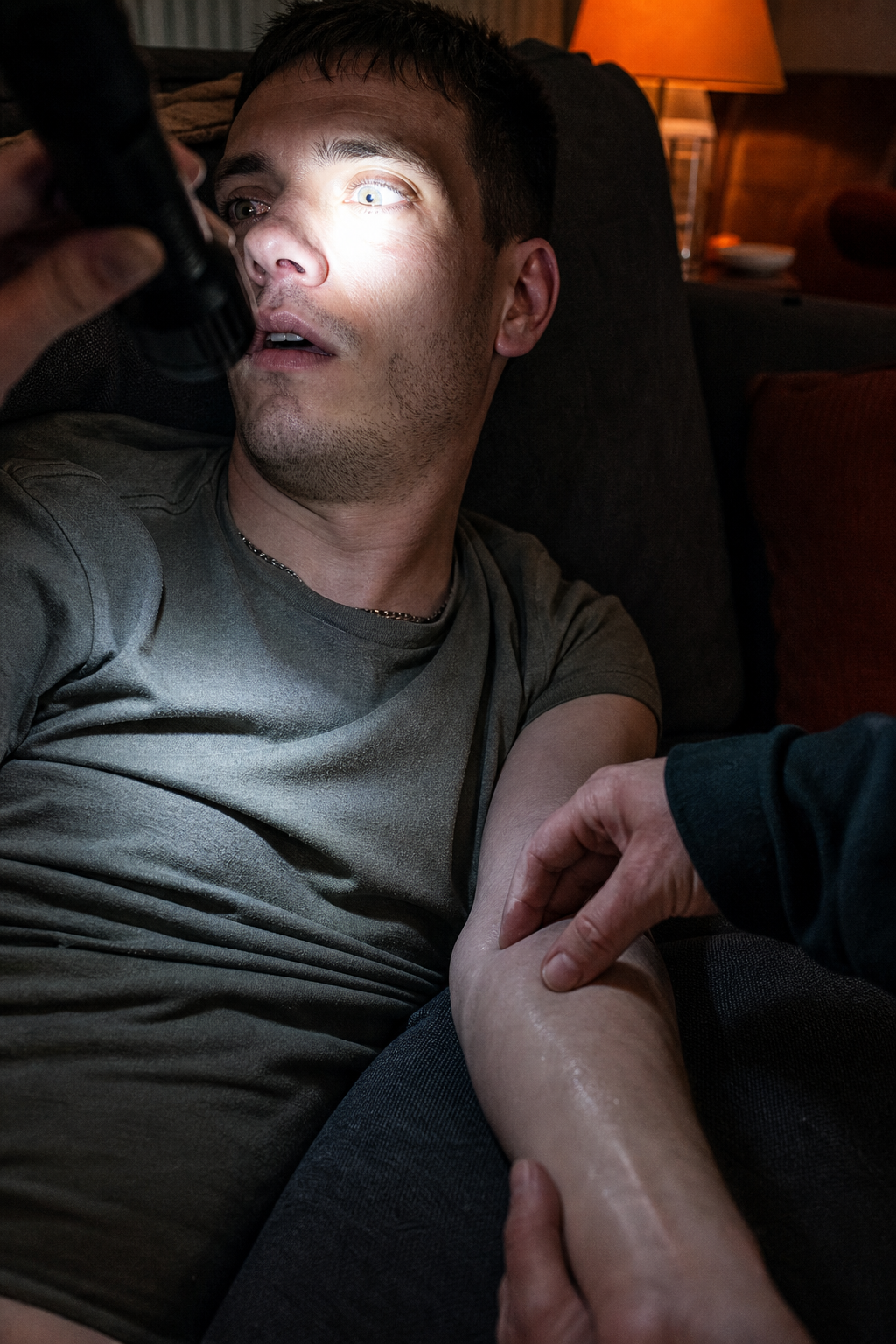
The first sign you need to catch is a sudden change in breathing. Look for shallow, irregular breaths or a complete stop. You might hear a gurgling sound, or see the person’s lips turn bluish. Time is critical; every minute counts.
Other red flags include pin‑point pupils, clammy skin, and a loss of consciousness. If the person can’t stay awake or can’t respond, treat it as an emergency right away. A rapid pulse that feels weak or fast is another warning sign.
Recognizing these signs lets you act fast. When you’re ready, grab the naloxone kit and follow the steps you learned earlier. For a deeper look at handling an overdose, check out Overdose Help: A Practical Guide to Emergency Response and Recovery.
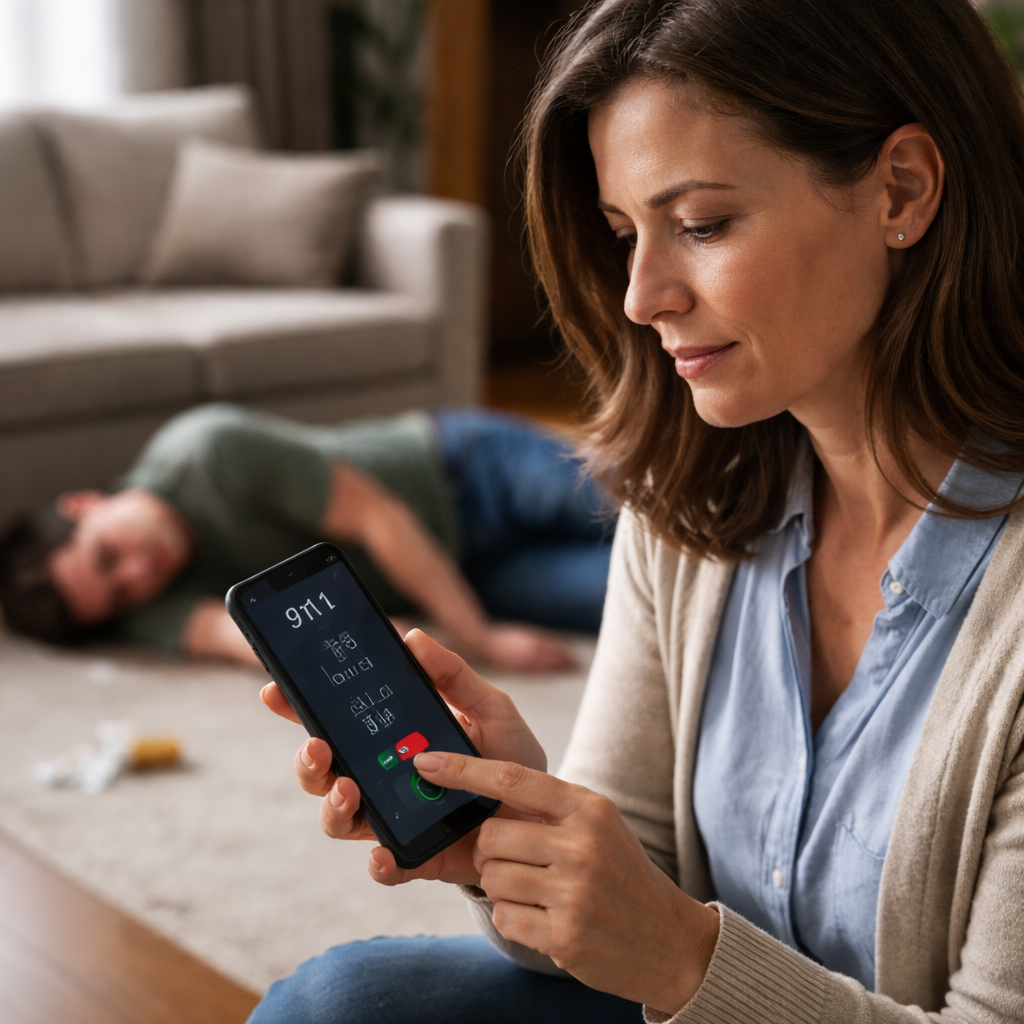
Once you’ve spotted an overdose, act in this order: 1) Call 911 and tell them it’s an opioid overdose. 2) Open the naloxone kit, remove the needle or nasal spray, and give the first dose right into the cheek or muscle. 3) Watch the person’s breathing; if it’s still shallow after two minutes, give the second dose.
If breathing doesn’t improve in 2‑3 minutes, give a second dose and call 911 immediately. Keep a phone nearby, stay calm, and stay with the person until help arrives. Need emergency support for your family? Call (949) 545‑3438 now.
Step 2: Gather Your Naloxone Kit and Prepare
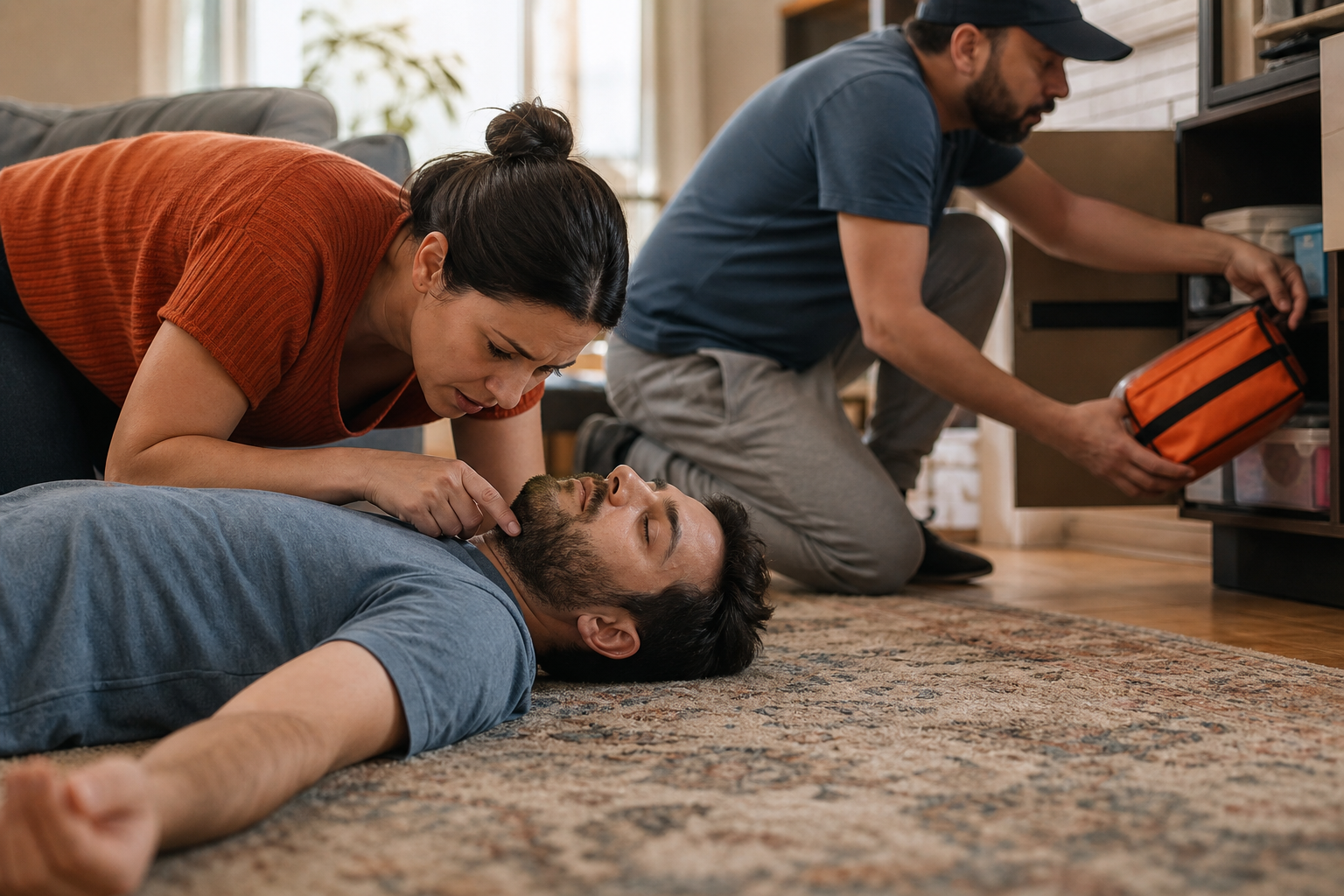
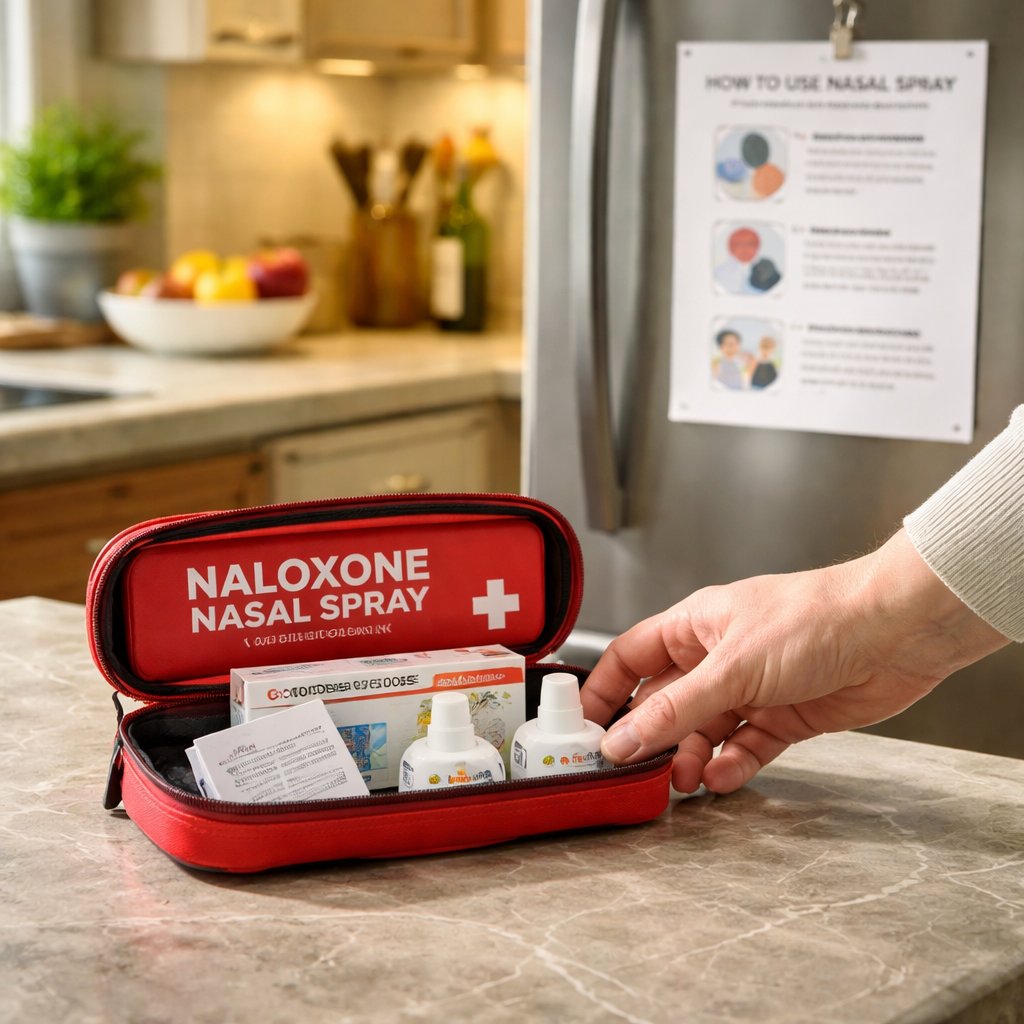
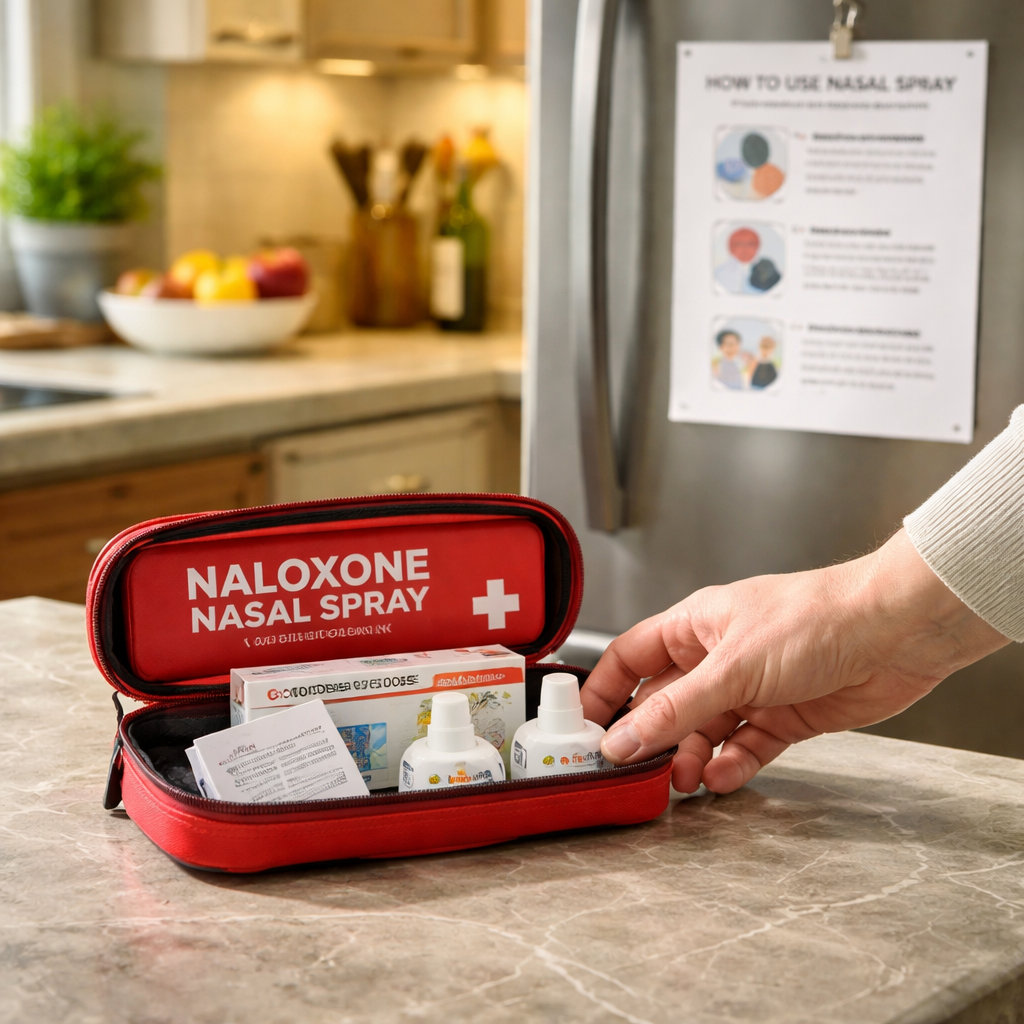
First thing you need is a kit you can reach without thinking. Put it in a place everyone knows, the kitchen counter, a bathroom shelf, or a drawer near the phone. Make sure the container stays closed but easy to open.
If you have a nasal spray, check that the nozzle isn’t blocked. For an auto‑injector, pull the safety cap off and see that the needle is still tucked in. A visual check takes less than a minute and avoids fumbling.
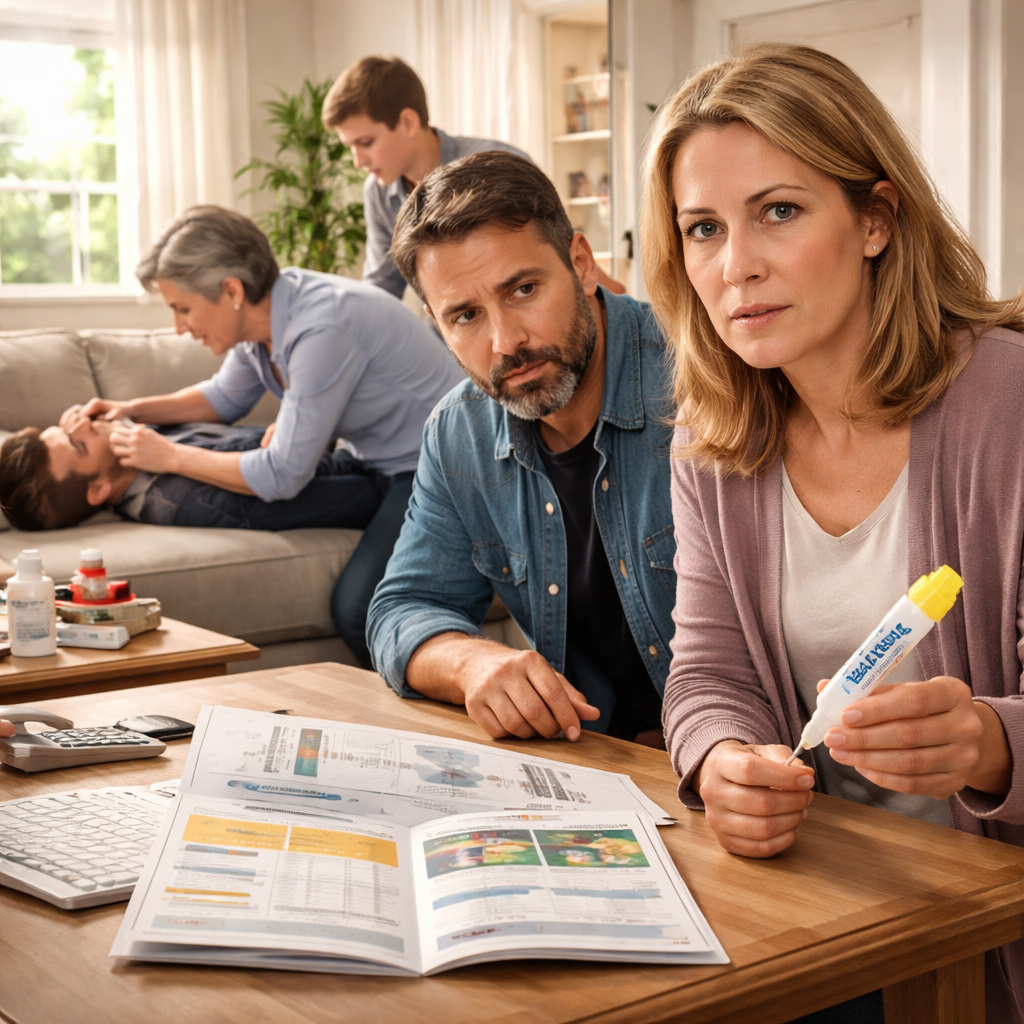
Write a one‑page cheat sheet and tape it to the kit. List these three items:
- Device type (spray or injector) and how to activate it.
- Dosage: one spray or one auto‑injector push.
- When to give a second dose, wait 2‑3 minutes, then repeat if breathing hasn’t returned.
Keep the sheet plain, big font, simple bullet points. When you practice the steps, the words become muscle memory.
Practice with a calm family member. Have them call 911 while you read the checklist. The rehearsal keeps you calm and shows where the kit lives.
Need a ready‑made checklist? Effective Crisis Intervention guide includes a printable version you can customize for naloxone.
Test the kit’s expiration date every six months. If it’s past date, replace it and a fresh kit saves a pharmacy trip.
When an overdose hits, you’ll have the kit, steps, and confidence to act fast. Keep the phone on speaker, stay with the person, and remember you’re prepared.
Need a hand getting your kit ready? Call (949) 545-3438 now.
Step 3: Administer Naloxone Correctly (Video Demonstration)
When the moment hits, you want every move to feel automatic. A short video can show you exactly how the spray or auto‑injector works, so you don’t have to guess.
First, rip open the kit and pull the device out. If it’s a nasal spray, flip the cap away and press the thumb tab. If it’s an injector, remove the safety cap and hold the tip against the outer thigh.
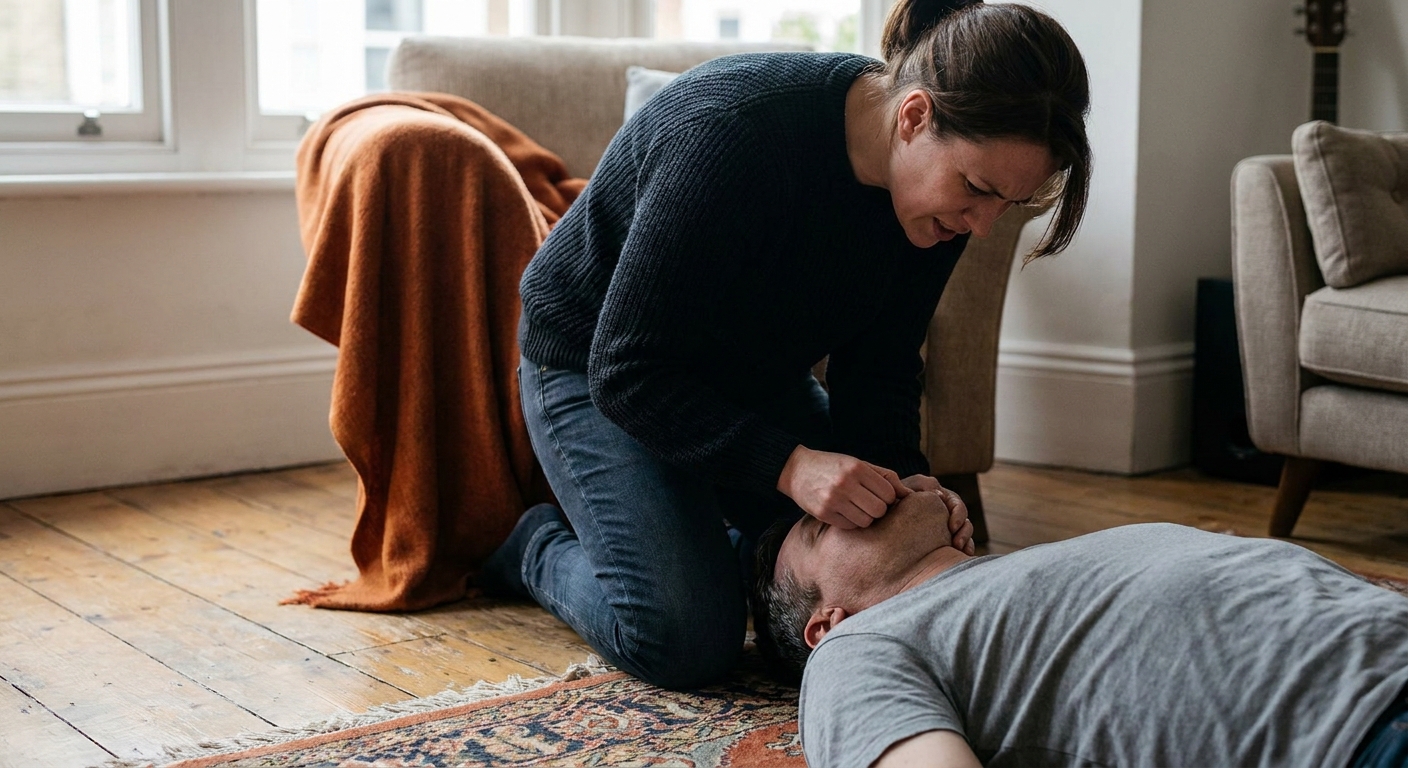
Next, lay the person on their back and tilt their head back slightly. Make sure the airway is open, a simple chin‑lift does the trick.
Now, push the device. One spray or one injector push is all the CDC says you need for the first dose. You’ll see a mist or hear a click. That’s the signal to stay with them.
After you’ve given the dose, call 911 if you haven’t already. Keep the phone on speaker so the dispatcher can hear breathing sounds. Watch for normal breathing to return. If nothing changes after two minutes, give a second dose.
Practice the steps with the video on repeat until the motions feel like muscle memory. Many families find that watching the same clip a few times builds confidence. For a full printable checklist that matches the video, check out the Overdose Help guide.
If you’re nervous, pause the video, take a deep breath, and repeat the step out loud. Saying the actions aloud helps lock them in your mind.
Step 4: After Administration – What to Do Next
You’ve just given the dose. Now what? Stay calm, keep the phone on speaker, and watch the chest rise. If breathing comes back, keep the person on their side in case they vomit.
If nothing changes after two minutes, it’s okay to give a second dose. The CDC says a second spray or injector push is fine when the first didn’t work.
While you wait, call 911 if you haven’t already. Tell the dispatcher what you did, what you saw, and that you have naloxone ready. This lets the responders know you’re already on the right track.
After the emergency crew arrives, hand them the kit and any notes you made. Let them know the exact time you gave each dose – that helps them decide if more medicine is needed.
When the crisis passes, take a moment to write down what happened. What time did you give the first dose? Did you need a second? How long before breathing returned? This quick log makes the next emergency easier.
Want a printable version of this checklist? Check out the Overdose Help guide for a simple sheet you can keep in your kit.
Finally, replace the used device and any expired meds. Call (949) 545-3438 to order a fresh kit or get help setting up a reminder to check expiration dates.
Step 5: Proper Storage and Refilling Your Naloxone
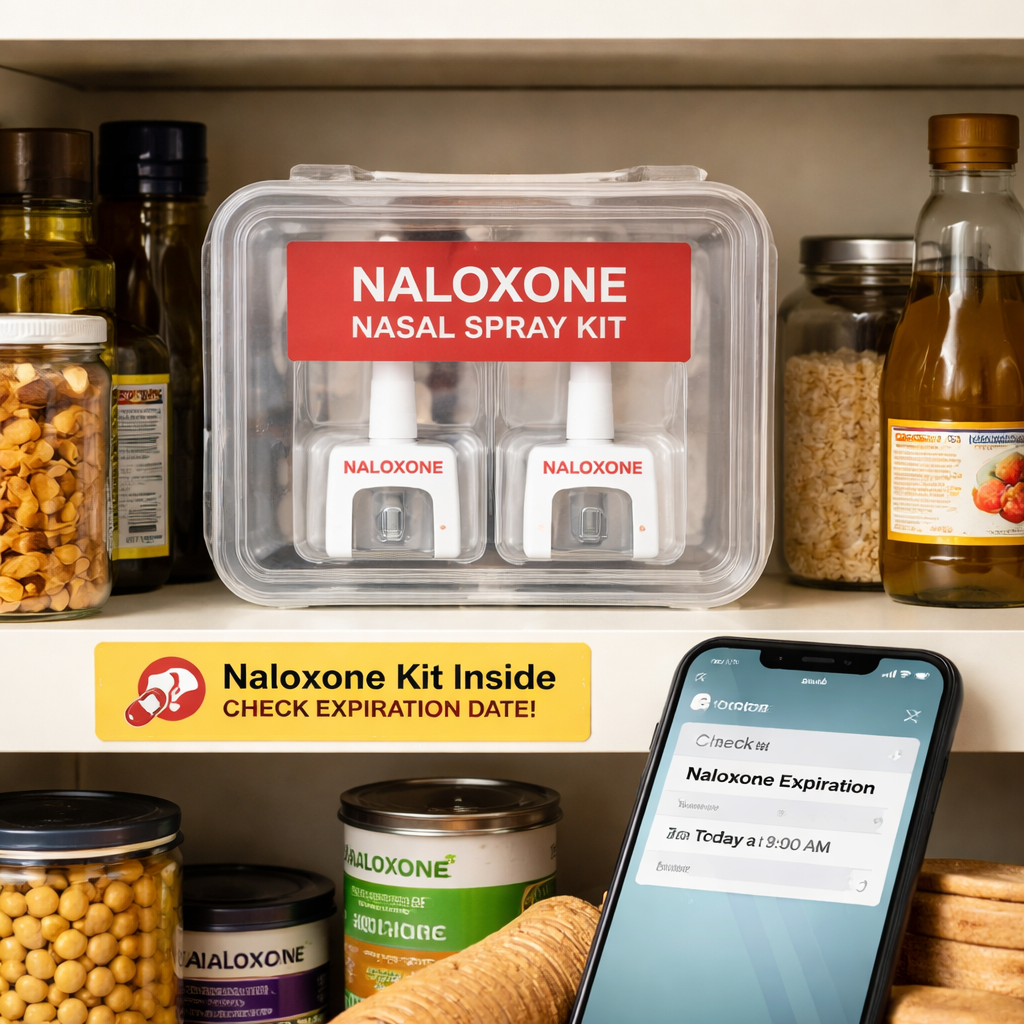
When the kit is back in place, you need a safe spot for it. A cool, dry shelf works best. Keep it out of direct sunlight and away from heat sources like ovens or a car dashboard. The plastic case should stay closed, but easy to open in a rush.
Check the expiration date every six months. If the date is close, swap the kit for a fresh one. A quick way to remember is to set a calendar reminder on your phone. Many families find that a monthly alert stops a bad surprise.
Store one extra kit in another easy to reach place – maybe a bathroom cabinet or a spare bedroom drawer. That way, if the first kit gets used up, you’ve got a backup without scrambling.
When you refill, follow the same steps you used to gather the kit: grab the new nasal spray or auto-injector, read the label, and put it in the same spot. Write the new expiration date on your cheat sheet so everyone knows it’s fresh.
Tip: label the container with a bold “Naloxone – Keep Cool” sticker. It reminds kids and guests that the kit isn’t a toy and that it belongs in a specific place.
For a deeper look at how families keep emergency supplies ready, see Effective Detox Treatment: A Step by Step Guide. It walks through checklists that work for any home health kit.
Finally, run a quick drill every few months. Grab the kit, open it, and close it again. The motion becomes muscle memory, so you won’t fumble if seconds count.
Conclusion
Knowing how to use naloxone at home step by step can turn panic into calm.
You’ve learned to spot an overdose, grab the kit, give the right dose, wait the two‑minute cue, and check the person again. Then you store the kit in a cool, dry spot and set a reminder to swap it before it expires.
Remember, the first few seconds save lives, so keep your kit within reach at all times.
Practice the checklist with a family member once a month. The motion becomes muscle memory, so you won’t fumble when seconds count.
Does this feel doable for your household? If you need a quick hand setting up a kit or a reminder call, reach out to Next Step Intervention. We help families put a plan in place and stay ready.
Pick up the phone and call (949) 545-3438 now. Your loved ones deserve that safety net.
Frequently Asked Questions
What should I do first if I think someone is overdosing?
Call 911 right away. While you wait, check if the person responds to a gentle tap and a loud shout of their name. Open the airway by tilting the head back and lifting the chin. Grab your naloxone kit, note the device type, and be ready to give the first dose as soon as you can.
How do I know if my naloxone is a nasal spray or an auto‑injector?
Look at the packaging. A nasal spray will have a nozzle that fits into a nostril and usually says “spray” on the label. An auto‑injector has a capped needle that you press against the outer thigh. Both types come with a short instruction sheet – read it once and keep it taped to the kit.
How much naloxone should I give and how often?
The CDC says one dose is enough for most cases. Give one spray or one auto‑injector push. After you give it, wait about two minutes and watch the chest. If normal breathing hasn’t returned, you can give a second dose the same way. Do not give more than two doses without professional help.
What if the person doesn’t breathe after the first dose?
Stay on the phone with the dispatcher and keep the person on their side. Watch the chest for any sign of breath. If after two minutes there’s still no breathing, give the second dose. If there’s still no change after the second dose, tell the dispatcher the exact times you gave each dose and keep them on speaker.
How do I store the kit safely at home?
Put the kit in a cool, dry place away from direct sunlight – a kitchen drawer or a bathroom cabinet works well. Keep the container closed but easy to open in an emergency. Check the expiration date every six months and set a calendar reminder to replace it before it runs out.
When should I call for professional help?
You should call 911 the moment you suspect an overdose, even if you plan to give naloxone. After you give the dose, keep the call open so the dispatcher can hear breathing changes. If the person stays unconscious, has seizures, or you’re unsure about what to do, let the professionals take over immediately.