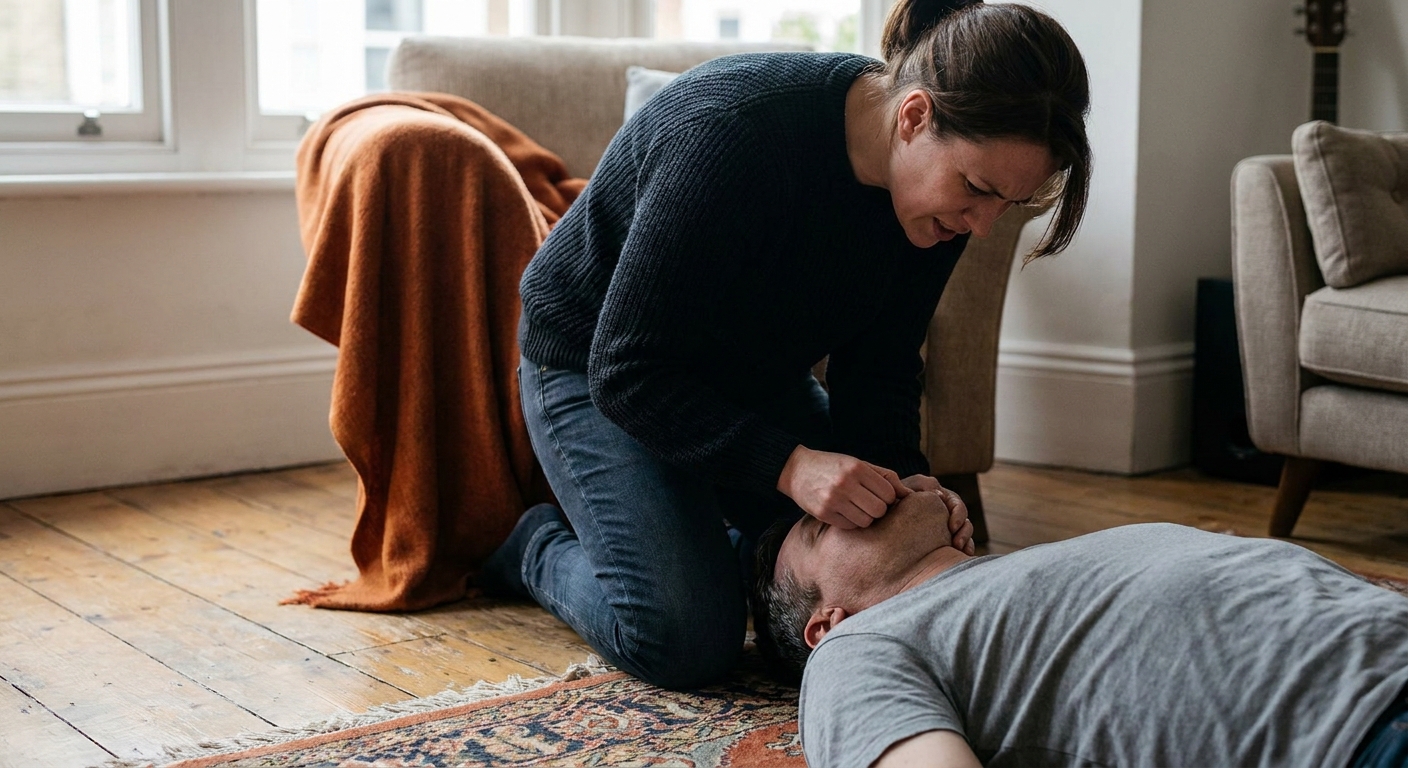
Opioid overdose can strike in minutes, and every second counts. Spotting the right clues can mean the difference between life and death. Here’s a step‑by‑step plan to help you act fast.
Step 1: Observe Physical Signs
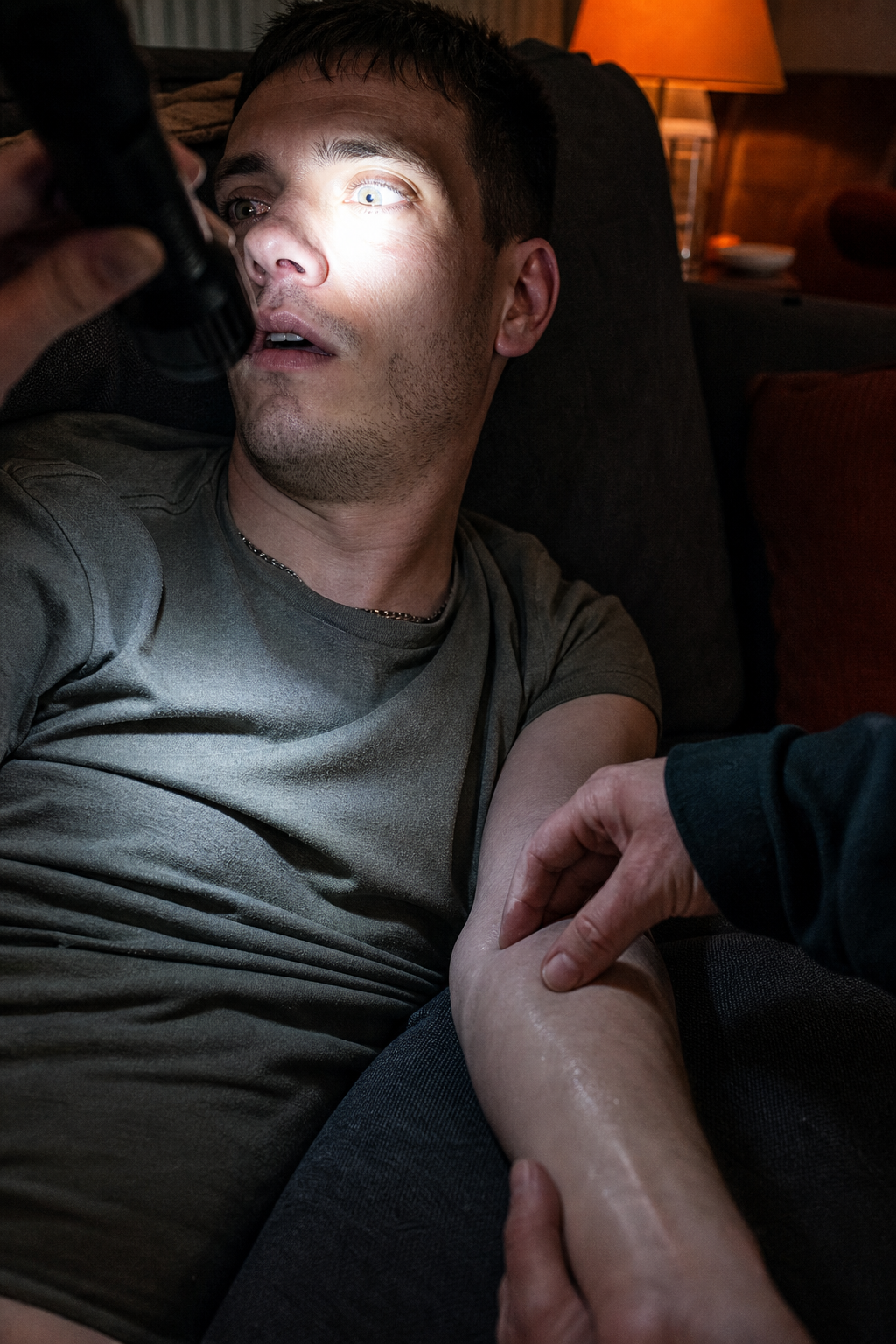
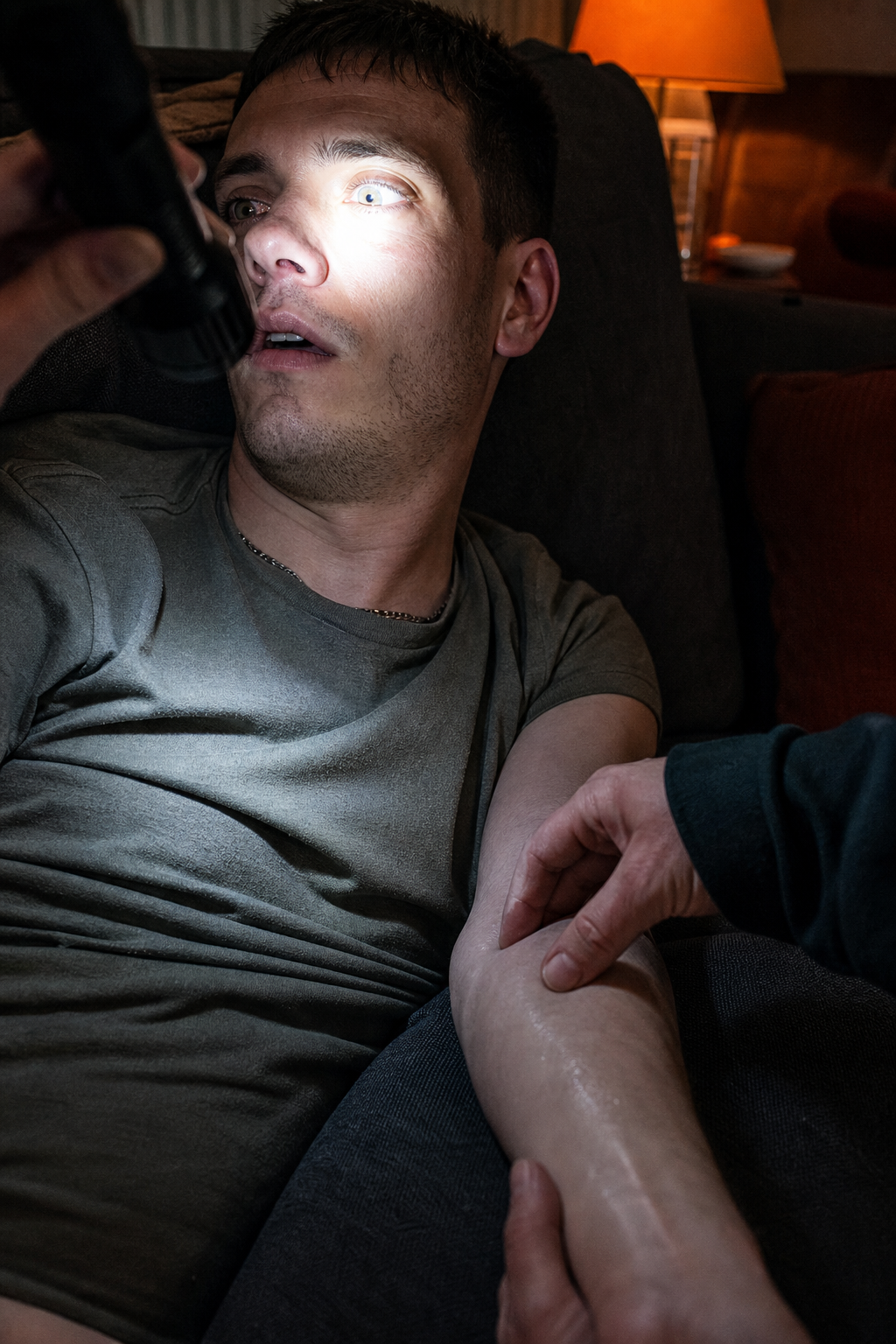
Look for the classic opioid triad: pinpoint pupils, shallow breathing, and a limp, unresponsive body. Tiny, pin‑point pupils (called miosis) often show up before breathing slows, so keep a flashlight handy for a quick check in dim rooms.
Cold, clammy skin is another warning sign. If the person’s skin feels cool to the touch or turns a bluish gray around the lips or fingertips, the oxygen level is dropping.
Extreme drowsiness or a glazed look can also hint at an overdose. When someone can’t stay upright or respond to a gentle shake, treat it as an emergency.
These observations line up with medical literature; Wikipedia notes that respiratory depression and pinpoint pupils are hallmark signs. Recognizing them early gives you a narrow window to act.
For a deeper dive on fentanyl‑specific clues, see How to Recognize Signs of Fentanyl Overdose in a Friend. The guide walks through the same visual cues with real‑world examples.
Step 2: Check Breathing & Responsiveness
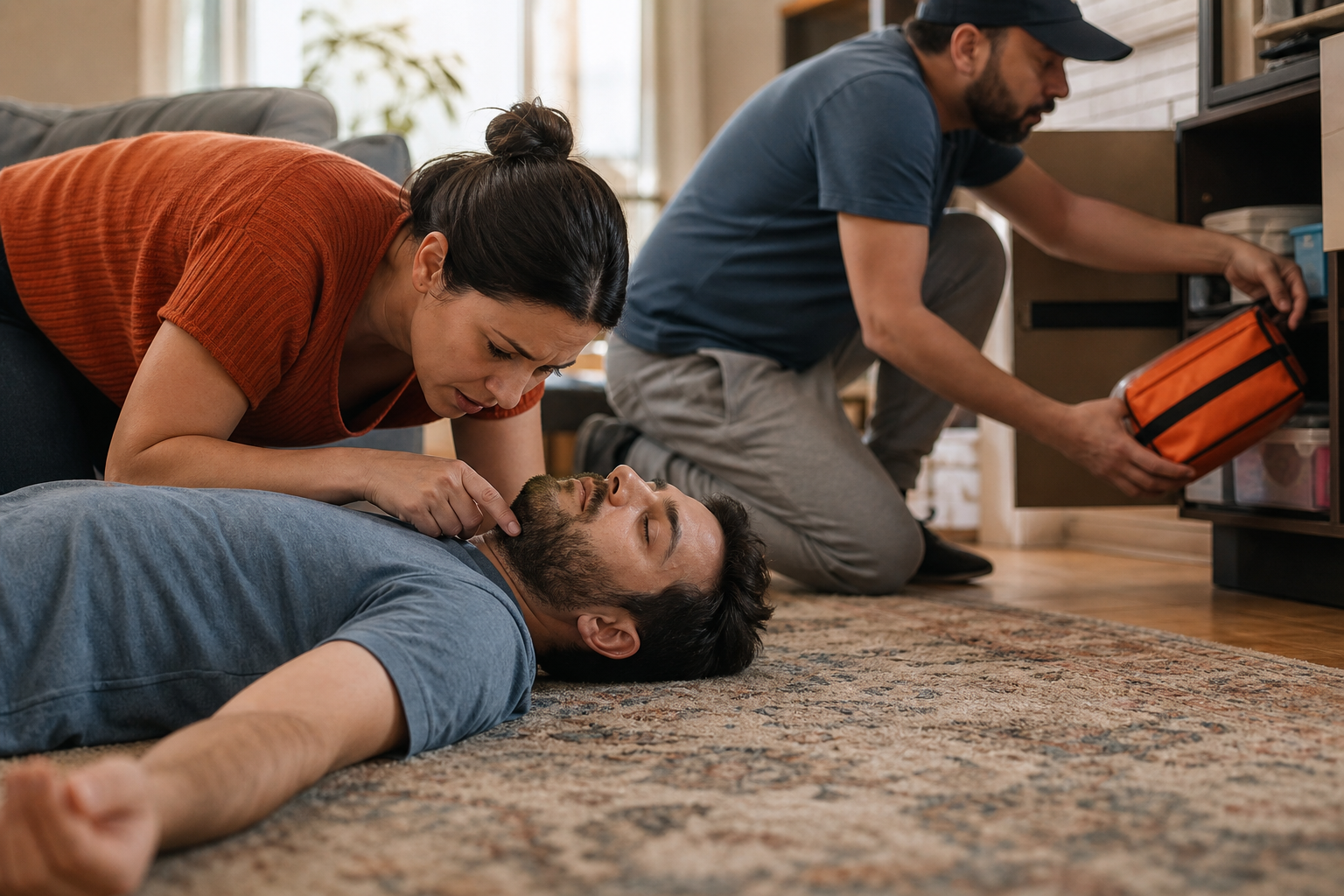
Place a hand on the chest and feel for rise and fall. Count breaths for ten seconds; multiply by six to get breaths per minute. Normal adult breathing sits around 12‑20 breaths per minute. Anything lower, especially under eight, signals trouble.
Listen for any gurgling or snoring sounds. Those noises often mean the airway is closing, a sign you shouldn’t ignore.
If the person is conscious, ask them to take a deep breath. An unresponsive individual needs a quick pulse check at the wrist or neck.
When you’re unsure about the breathing rate, you can refer to reputable medical resources such as the PubMed review of respiratory depression in opioid overdose. Use that as a medical backup.
By now you should have a clear picture of the person’s breathing pattern and whether they’re responsive.
Step 3: Administer Naloxone (if available)
Naloxone is the antidote that can reverse opioid‑induced breathing loss. It works by blocking the opioid receptors, letting the brain start breathing again.
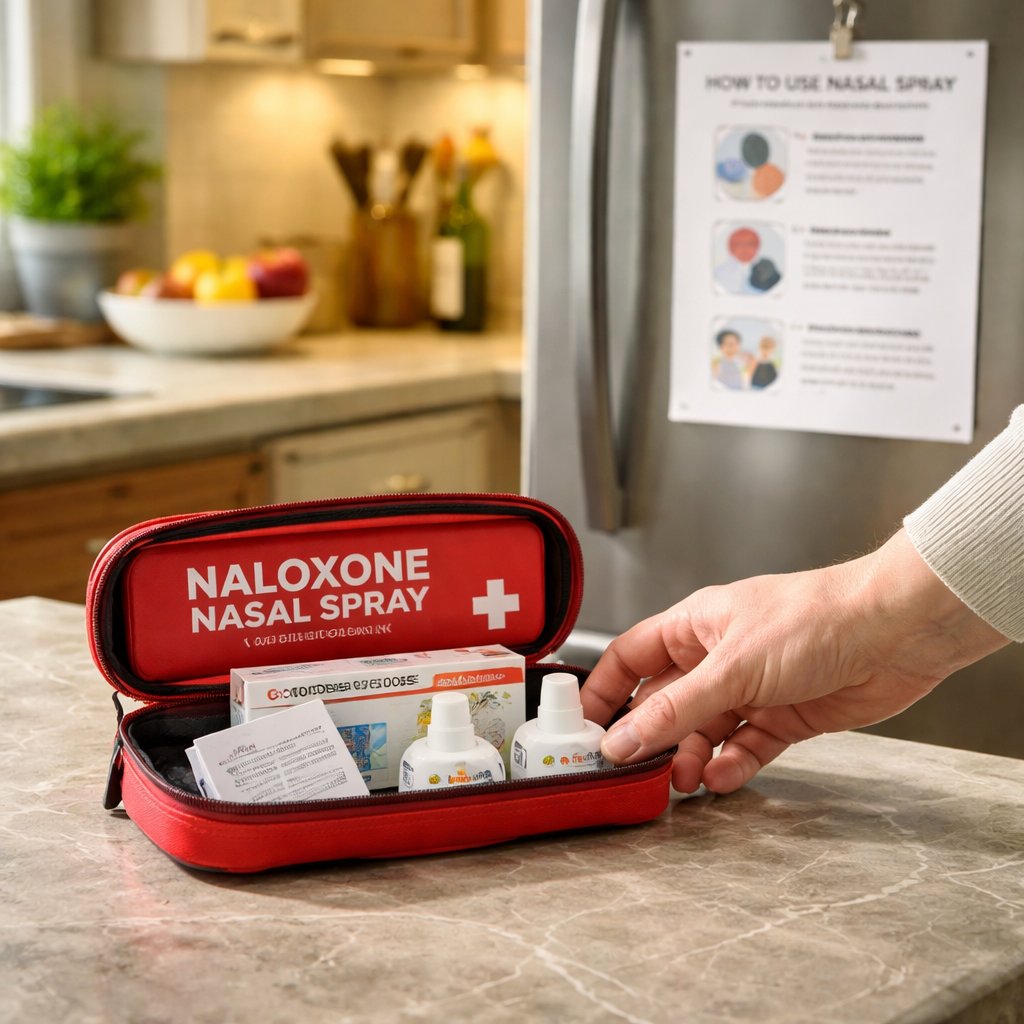
Remove the protective cap from the nasal delivery device, place the tip in one nostril, and press firmly until you hear a click. Watch for a gasp, cough, or a return to normal breathing within two minutes.
If there’s no change, give a second dose in the other nostril or use an alternative delivery method on the outer thigh. Some response kits include a second dose for this exact reason.
These steps follow standard overdose response guidelines. Follow the instructions exactly; a mis‑step can waste precious time.
For a full walkthrough of kit preparation, see Overdose response kit instructions. The guide covers both nasal delivery and injector formats.
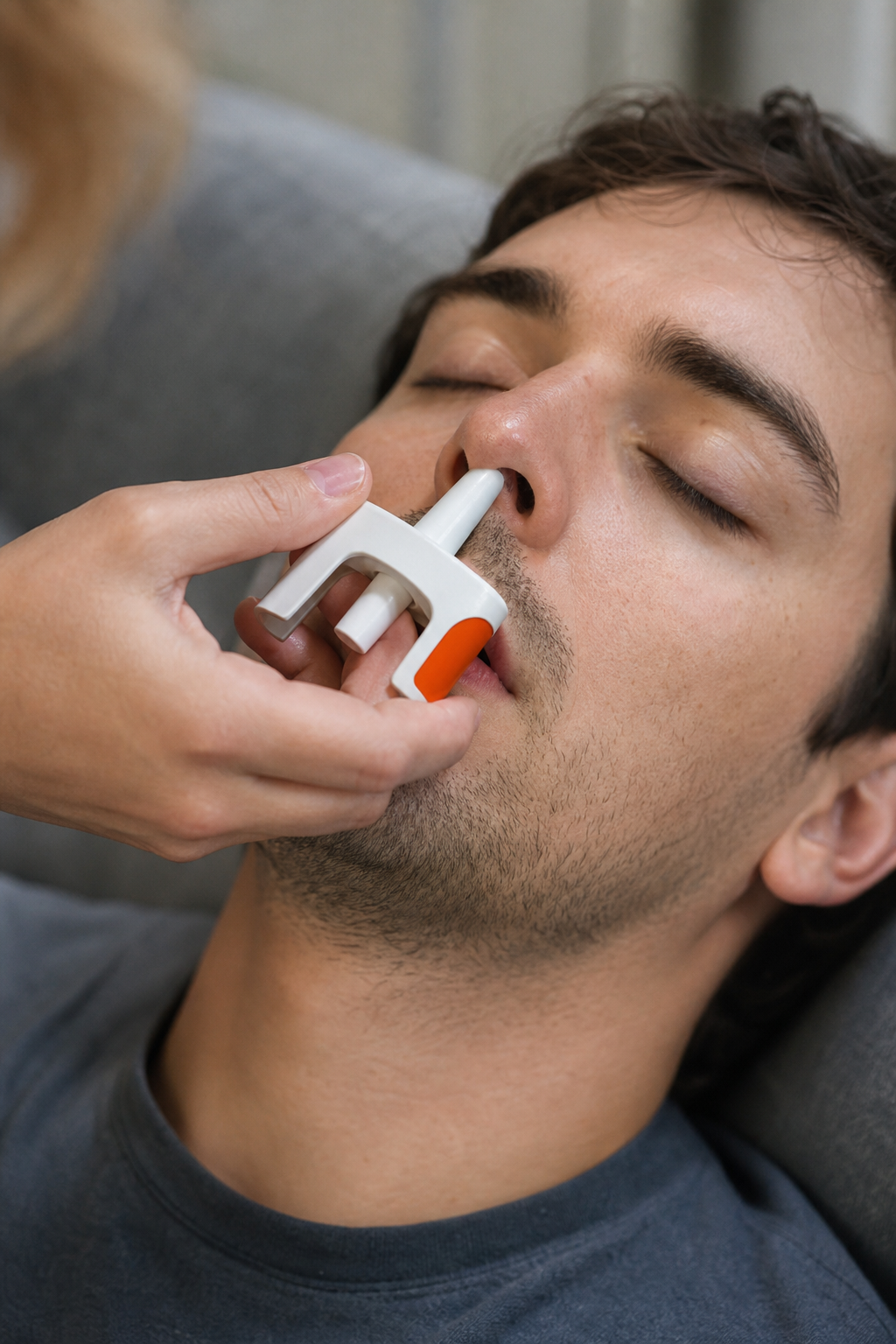
By now you should have delivered naloxone and be watching for breathing improvement.
Step 4: Call 911 and Provide Critical Info
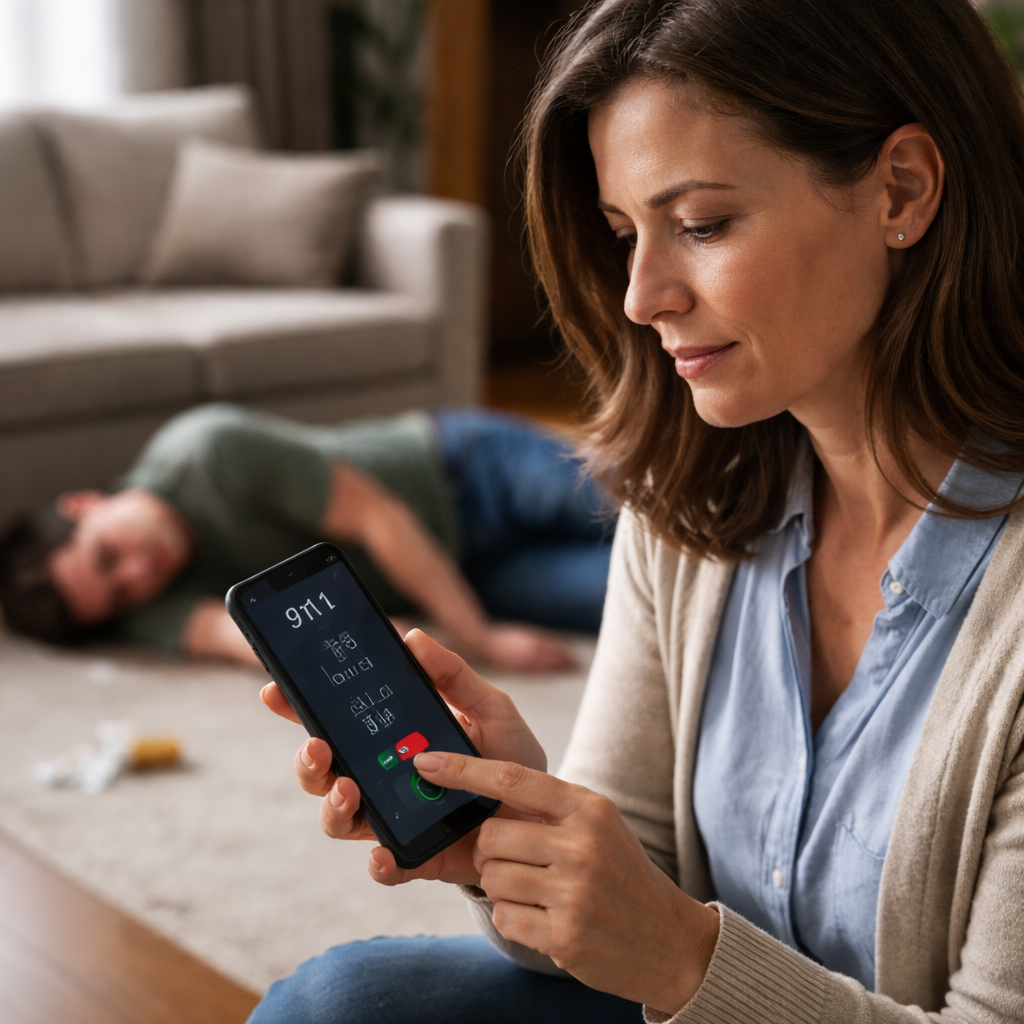
Dial 911 the moment you suspect an overdose. Tell the dispatcher the exact address, whether the person is breathing, and if you have administered naloxone.
Give a quick snapshot: pinpoint pupils, shallow or no breathing, and any doses of naloxone you’ve given, including timestamps. The operator will guide you through rescue breathing or CPR if needed.
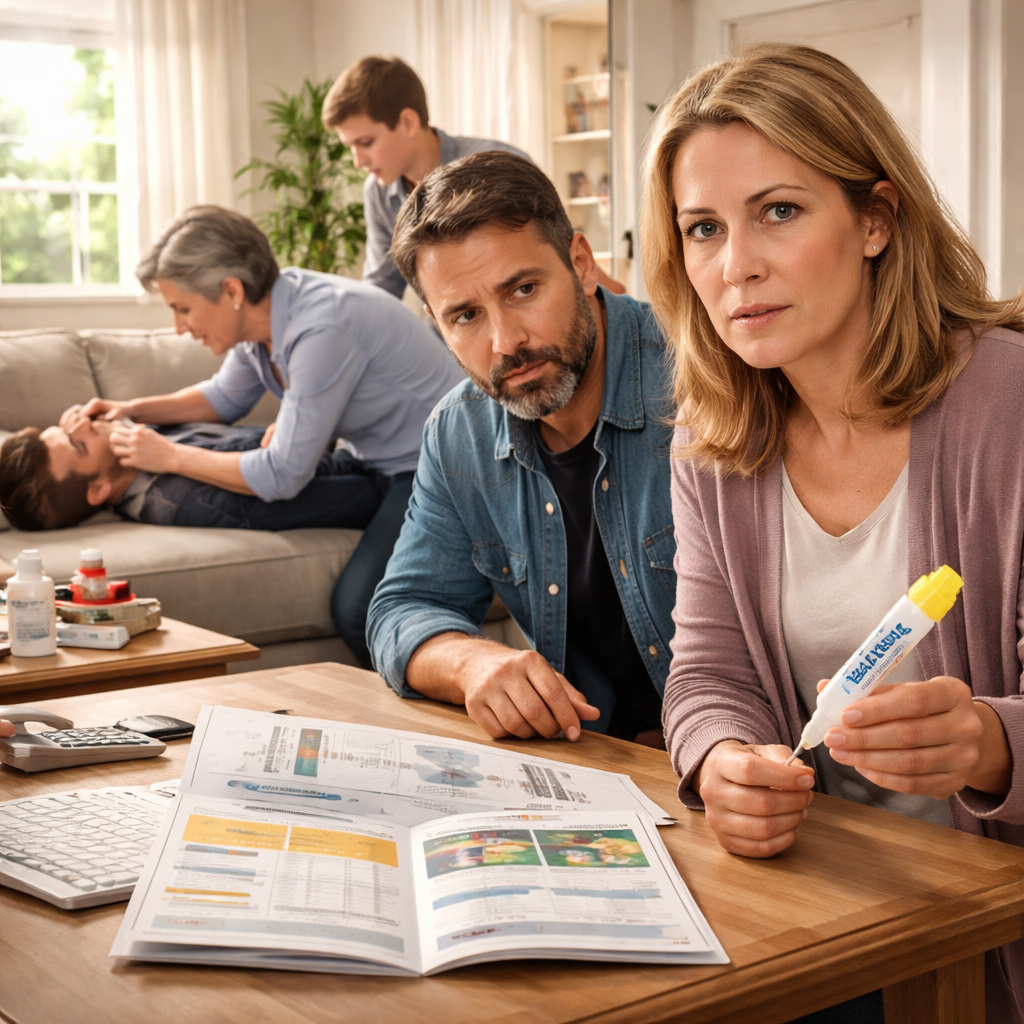
Assign roles if others are present: one person stays on the phone, another grabs the medication kit, a third monitors breathing, and a fourth opens the door for EMS.
After EMS arrives, hand over your notes and the medication kit. The responders will appreciate the clear handoff.
For a complete emergency plan, check Opioid Overdose Response Plan for Families. It lists every detail you need to convey to first responders.
By now you have called for help, given naloxone, and are ready to support the person until professionals take over.
FAQ
What are the first signs of an opioid overdose?
The first signs are pinpoint pupils, shallow or stopped breathing, and a limp, unresponsive body. Cold, clammy skin or a bluish tint around the lips also point to a serious problem.
How fast does naloxone work?
Naloxone usually restores breathing within one to two minutes after administration. If there’s no response, a second dose may be needed.
Can I give naloxone to a child?
Yes, naloxone is safe for children and works the same way as for adults. Use the dose provided and follow the same administration steps.
What should I tell the 911 dispatcher?
Give the exact location, describe the person’s breathing and consciousness level, and mention any naloxone doses you’ve given with timestamps.
Do I need training to use naloxone?
No formal training is required; the medication kits come with clear instructions and the steps are simple enough for anyone to follow in an emergency.
Next Step Intervention offers 24/7 support for families dealing with opioid emergencies. Keep the medication kit nearby, review this guide regularly, and call 911 the moment you suspect an overdose.
Act now—call (949) 545-3438 or visit Next Step Intervention for immediate assistance.