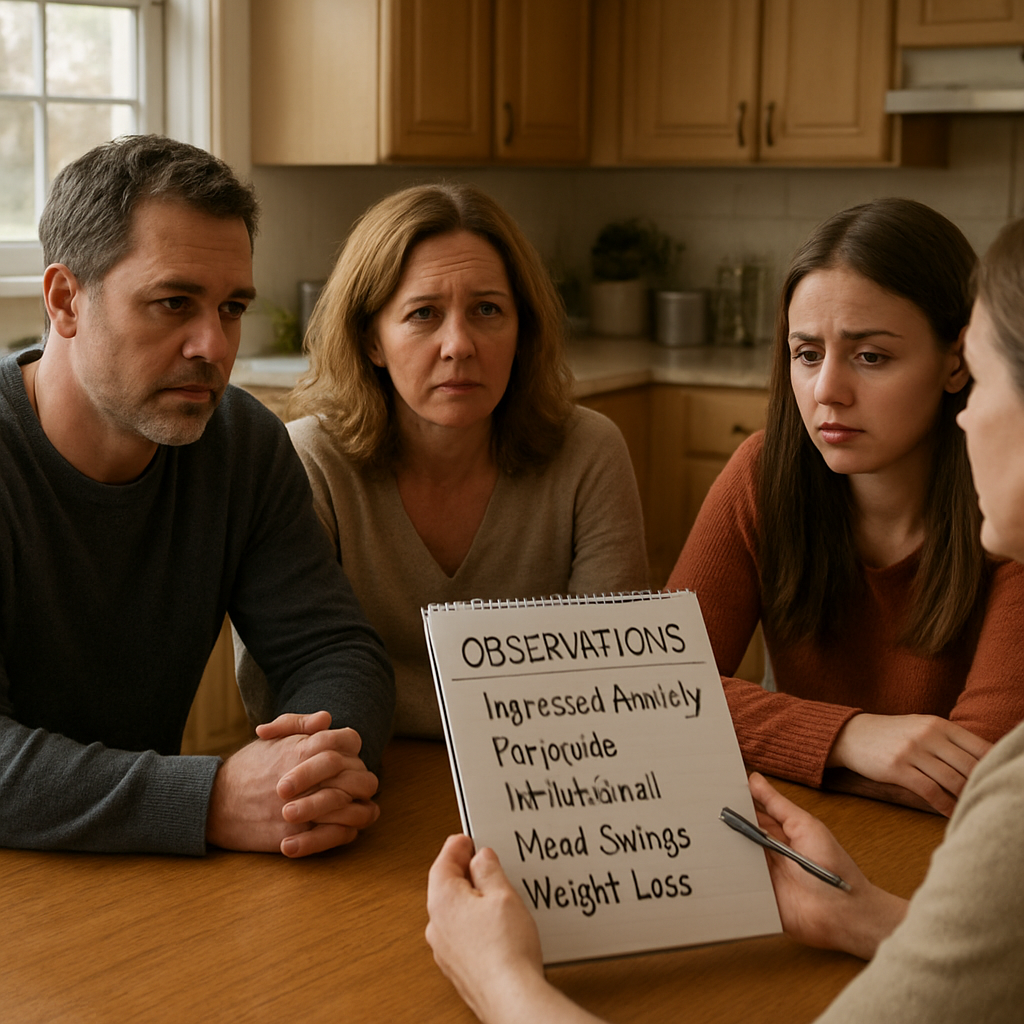

If you think the state can’t make an adult go to treatment, you’re wrong. In California, the law lets a judge order a stay when a loved one poses a danger to themselves or others.
First, gather solid proof, such as police reports, missed appointments, and doctor notes. Keep a simple file with dates and copies.
Second, get a professional assessment. A psychiatrist or a licensed interventionist can fill out the required certificate, which the court will need to see. Our team often points families to the Can You Force Someone Into Rehab? guide for a clear checklist.
Third, file the petition with the court. Bring all the evidence and the certificate, answer any questions, and wait for the judge’s decision.
While you sort the legal steps, think about adding a health coach plan to keep the person steady after release. XLR8well offers preventive health programs that fit well with recovery goals. They also help with nutrition plans that can lower relapse risk.
Start today by making a list of incidents, call a local interventionist, and set up a meeting with your attorney. The sooner you act, the more chance you have to get the court’s order and move toward lasting recovery.
Understanding Involuntary Rehab Laws in California
California lets a judge order a stay when a loved one threatens themselves or others. That’s called involuntary rehab. It sounds scary, but the law is clear: you need proof, a medical certificate, and a petition.
Proof means police reports, missed work notices, or any doctor note that shows danger. Keep a simple file with dates and copies. The more concrete you are, the easier the judge’s job.
Next, a licensed psychiatrist or interventionist fills out a certificate of need. That paper tells the court the person is a risk and needs treatment now.
When you have the evidence and the certificate, you file a petition at the county court. A judge will review it, ask a few questions, and then decide.
Want a quick legal snapshot? Marisgraph’s California statutes guide breaks down the exact language the court looks for.
While the judge signs off, think about the care plan after release. A health coach can keep the person on track. XLR8well offers preventive health programs that fit well with recovery goals.
Families also need emotional support. About Young People shares resources for parents coping with a loved one’s addiction.
Quick checklist:
- Gather dated proof of risky behavior.
- Get a professional certificate of need.
- File the petition with the court.
- Plan post‑stay health coaching.
Act today. The sooner you start, the faster a judge can order the stay, and the sooner you can move toward lasting recovery.

How the Involuntary Commitment Process Works
First, you gather proof. Look for police reports, EMS logs, missed appointments, and any doctor notes that say the person is a danger. Write each incident on a timeline. That simple sheet becomes the backbone of your petition.
Next, you need a professional assessment. A psychiatrist or a licensed interventionist must examine the person and fill out a Certificate of Need for Involuntary Commitment. If the person refuses, the court can still order an evaluation.
Now you file the emergency petition. Bring the timeline, the certificate, and any other records to the superior court. A clerk will give you a case number and set a hearing date, usually within a few days.
At the hearing, the judge looks at three things: the danger to self or others, the medical assessment, and the documented evidence. The person has the right to a lawyer, and if they can’t pay, the court will assign one. If the judge agrees, they sign an order that names a licensed rehab facility.
Once you have the order, call the facility right away. Tell them you have a court‑ordered admission and ask for the intake steps. Have the order, the certificate, insurance info, and a list of emergency contacts ready. Most centers will schedule an intake within 24‑48 hours.
After the person is admitted, the facility must send progress reports to the court. Keep a folder with every report, medication list, and discharge plan. When the court‑ordered stay ends, the same paperwork helps you move straight into after‑care – weekly therapy, sober living, and a safety plan.
Tip: Many families find the step‑by‑step checklist from How to Get a Court Ordered Rehab: A Practical Step‑by‑Step Guide useful for staying organized.
For a concise overview of the legal timeline, see the guide from Addiction Center. It breaks down filing, evaluation, and court review in plain language.
Key Options for Families: Treatment Facilities and Resources
Now that the court order is in hand, you need a place that actually helps. Not every rehab is the same, and the right fit can feel like a lifeline for your loved one.
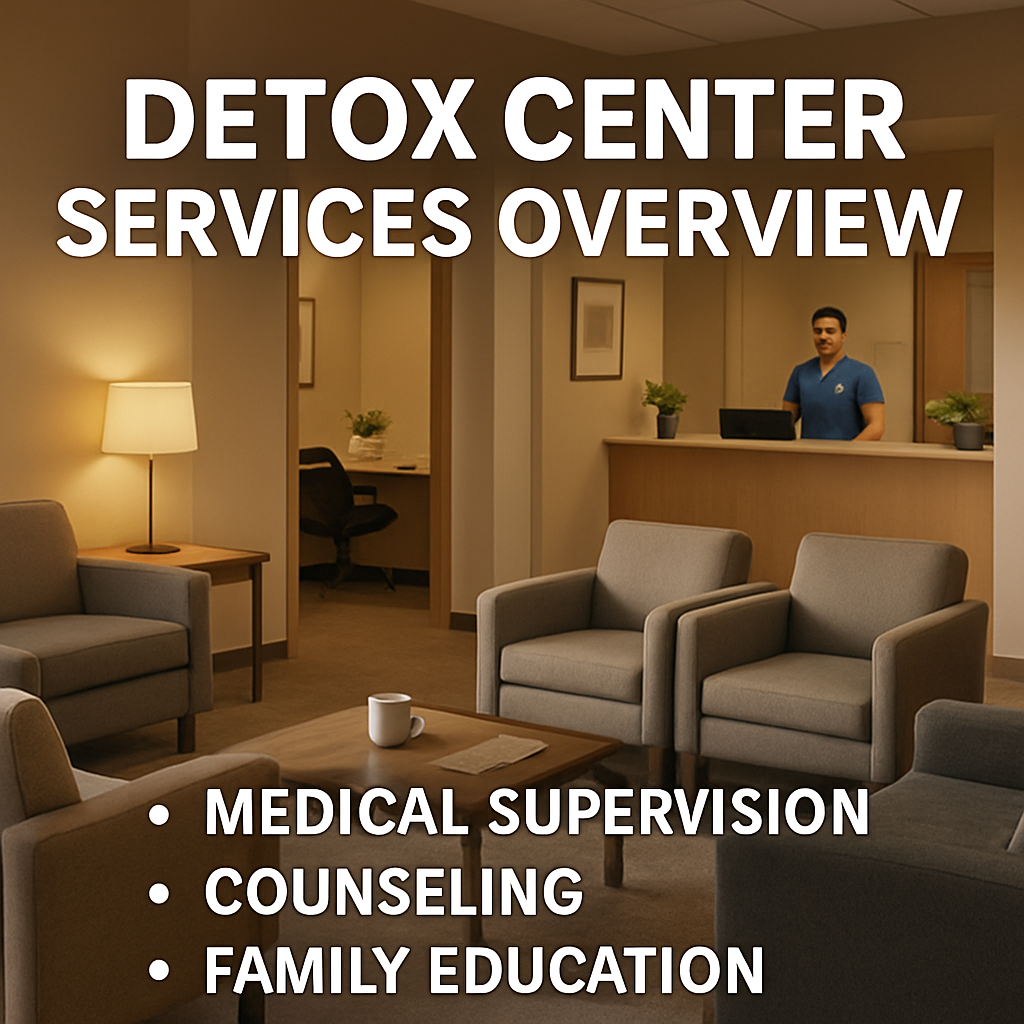
First, look for a state‑licensed facility. California requires the center to meet strict health standards. That means trained nurses, a physician on call, and a clear plan for detox and therapy.
What about cost? Most insurance plans treat a court‑ordered stay as emergency care, so they cover a good chunk. Call the insurer early and ask for the pre‑auth code. If the bill looks steep, ask the facility about sliding‑scale fees or charity care.
So, how do you pick the right spot? Ask these quick questions:
- Is the program dual‑diagnosis focused? (Many families need both addiction and mental‑health care.)
- Does the center provide a family education session?
- Can they give you progress reports that you can file with the court?
We often recommend starting with the comprehensive guide on court‑ordered rehab options. It breaks down what to ask and what paperwork to keep.
And remember, the goal isn’t just a 30‑day stay. It’s a bridge to long‑term stability. A good facility will line up after‑care before you walk out the door.
Does this feel overwhelming? Take a breath. Write down the top three things you need – licensing, insurance, family support – and check them off as you talk to each center.

Quick Comparison of Facility Types
| Option | Setting | Typical Length | Key Pros | Key Cons |
|---|---|---|---|---|
| State‑Licensed Inpatient | Residential campus | 30‑90 days | 24/7 medical care, structured schedule | Strict rules, limited family visits |
| Dual‑Diagnosis Residential | Therapy‑focused house | 60‑180 days | Addresses mental health and addiction together | Higher cost, may need out‑of‑pocket pay |
| Intensive Outpatient (IOP) | Clinic or community center | 8‑12 weeks | Allows work or school, family stays involved | Higher relapse risk if home environment is unstable |
Pick the option that matches the court’s order and your family’s ability to stay engaged. The right choice can turn a legal mandate into a real chance for lasting change.
Protecting Rights and Getting Legal Support
When a judge signs a court order, it gives you a legal tool, not a free pass to ignore the person’s rights. You still have to protect those rights while you move fast.
First, grab every piece of proof you have. Police reports, missed appointments, doctor notes – put them in a folder with dates. A clear timeline makes the case stronger and cuts down on back‑and‑forth with the court.
Next, get a professional assessment. A psychiatrist or a licensed interventionist can write a Certificate of Need for Involuntary Commitment. That paper is the bridge between your evidence and the judge’s decision.
Then, call an attorney who knows California’s LPS Act. They’ll help you file the petition, check that you meet the legal criteria, and make sure the filing is on time. Missing a deadline can stall the whole process.
Tip: Ask the attorney to request a short‑term hold if the person is a danger now. The court can grant a 30‑day intensive stay while you line up a proper facility.
Once the order is signed, you’ll need a rehab center that accepts court‑ordered admissions. Call the intake office, quote the order number, and ask for the exact paperwork they need. Missing a form can add days you don’t have.
Don’t forget the after‑care plan. The law expects a discharge plan that includes therapy, medication monitoring, and a sober‑living option. Ask the facility to write that plan before the person leaves – it’s the fastest way to keep the court happy and the recovery on track.
If you suspect abuse or neglect at the facility, you have a right to investigate. rehab center abuse and neglect resources explain how to report to the Department of Health Care Services and protect your loved one.
Finally, keep a master log. Track every call, every document, every deadline. A simple spreadsheet with columns for date, action, and person responsible keeps everything organized and shows the court you’re complying.
Need a quick reference? Our step‑by‑step guide on getting someone into rehab against their will walks you through each of these moves with real‑world examples.
FAQ
Can a judge force my adult child into rehab in California?
Yes. If a doctor or psychiatrist says the person is a danger to themselves or others, a judge can sign an involuntary rehab order. You’ll need a petition, the medical certificate, and any police or hospital reports. The court usually sets a short‑term hold of up to 30 days while you line up a facility that accepts court orders.
How long does an involuntary rehab stay last?
California law lets the court order a 30‑day intensive stay first. After that, the facility can ask the judge for up to another 30 days if more treatment is needed. The total time can be 60 days, but the judge must approve any extension before it begins.
What paperwork does the rehab center need?
Bring the signed court order, the Certificate of Need for Involuntary Commitment, and any insurance info. Some centers also ask for a recent medical record or a list of meds. Call the intake office early and ask exactly which forms they require so you don’t lose time.
Do I have to pay for the court‑ordered stay?
Many Medicaid plans treat an involuntary stay as emergency care, so the cost may be covered. If you have private insurance, call the provider to confirm coverage and whether a prior‑auth is needed. If insurance won’t pay, ask the facility about sliding‑scale fees or charity care.
Can I visit my loved one during the court‑ordered stay?
Yes, but each facility has its own rules. Most allow family visits a few times a week, especially if you’ve helped with the intake paperwork. Ask the case manager about visiting hours and any paperwork they need from you.
What happens after the court order ends?
When the order lifts, the person must have a discharge plan that includes therapy, medication checks, and a sober‑living option. Keep the court’s copy of the plan and follow up with the rehab’s case manager to make sure the after‑care steps are set. A solid plan lowers the chance of relapse.
Conclusion
Getting a court order for involuntary rehab in California can feel like a race against time. The steps we’ve covered, gathering proof, getting a professional assessment, filing the petition, and locking in a facility, are the only way to move fast and stay legal.
Remember, the paperwork is only half the battle. Keep a clear folder, call the intake office right away, and follow up on insurance every day. A solid after‑care plan lowers relapse risk and keeps the court happy.
If you’re stuck, a qualified interventionist can guide you through the maze. Next Step Intervention offers emergency response for families in crisis, making the process smoother.
Take the first step now: organize those records, reach out for help, and give your loved one a real chance at recovery.
Stay patient, but stay proactive. Check in with the rehab’s case manager weekly, and make sure any medication changes are recorded. The right paperwork and consistent communication can keep the court order active and the treatment on track.