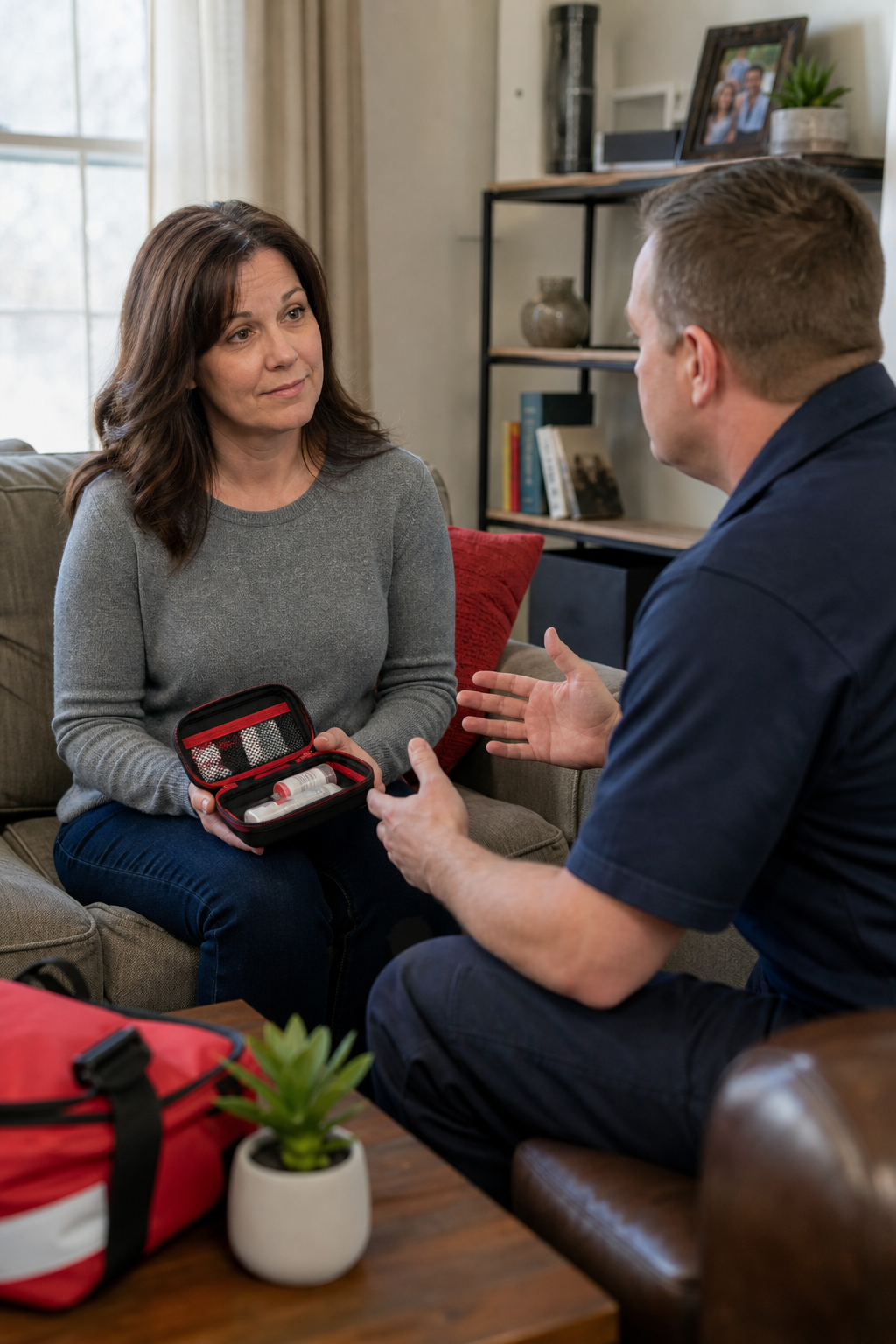

An intervention letter can be the turning point a family needs when a loved one’s substance use is hurting everyone.
Most families stare at a blank page, scared to sound angry or blame. The truth? You just need a clear, kind structure that lets you speak from the heart without turning into a lecture.
In this guide you’ll learn how to use an intervention letter template that walks you step‑by‑step through opening with love, sharing specific moments, naming the feelings those moments spark, and ending with a concrete next move.
Why a template works? It removes the guesswork. You swap out the dates, the details, and the name of the support you’re offering, but the backbone stays the same. That means less time worrying about phrasing and more time focusing on what really matters – your family’s safety and hope.
At Next Step Intervention we’ve helped dozens of families turn raw pain into a clear plan. What we’ve seen work best is keeping each paragraph under three sentences, using simple language, and ending with a single, doable ask – like “let’s meet with a counselor on Thursday at 6 pm.”
Grab a fresh document, paste the template, and fill in your own facts. You’ll see the letter change from a scary wall of text to a compassionate conversation starter.
Ready to take the first step? The template below will give you the exact flow you need, so you can write a letter that feels honest, hopeful, and ready for action.
Step 1: Understand the Purpose and Key Elements of an Intervention Letter
The purpose of an intervention letter is simple: you want to share love, show the impact of the behavior, and point to a clear next step.
Every effective letter follows four key elements. First, a warm opening that reminds the reader you care. Second, a few dated facts that stick in the mind. Third, a short line that names the feeling each fact caused. Fourth, a single ask that feels doable.
A ready‑made intervention letter template saves you from staring at a blank page. It gives you the skeleton so you only need to fill in dates, names and emotions. If you need concrete wording, check out Intervention Letter Examples: Real Templates to Write Effective Letters for proven phrasing.
Before you lock in the final draft, read it out loud. Hearing the words helps you catch blame or harsh tone. Ask a trusted friend to skim it and point out any phrase that sounds like a lecture. Small tweaks keep the letter gentle and clear.
After you’ve drafted the core, think about the road ahead. Adding a wellness partner can keep the momentum alive. For families who want a holistic health boost, XLR8well offers coaching that fits right after the letter is delivered.

When you hand the letter over, choose a calm moment. Place it on the kitchen table with a cup of tea, or slide it under a door. The setting lets the reader absorb the message without pressure.
Now you have the purpose and the four building blocks. Grab a fresh document, plug in your dates and feelings, and end with a single, caring ask. The letter will feel like a conversation, not a lecture, and it sets the stage for real change. Take a breath, sign your name, and know you’ve taken the first step toward healing.
Step 2: Draft the Letter – Structure and Sample Language
Grab a fresh doc. Title it “Intervention Letter”. You’ll fill four blocks: opening, facts, feelings, and ask.
1. Open with love
One short line that says you care. Example: “I love you and I’m scared for our kids.” Keep it under ten words. It tells the reader you’re on their side.
2. List three concrete moments
Pick dated events that show the problem without blame. Write them like a note: “On March 12 you missed Sarah’s piano recital because you were at a bar.” Use exact dates so the letter feels real.
3. Attach a feeling
Next to each fact, add a single emotion. “I felt abandoned.” “Mom felt anxious.” This tiny tag turns a fact into a personal impact.
4. Give one clear next step
Suggest a specific, low‑stakes action. “Let’s meet Dr. Lee on Tuesday at 10 am.” The ask should be easy to say yes to.
5. Polish by reading aloud
Read the draft out loud. If a sentence feels sharp, swap a word or drop a detail. A second set of eyes—maybe a sibling or a therapist—can spot hidden blame.
Real‑world snapshot: A mother wrote, “I remember the night you graduated, full of hope. Lately you’ve missed three work days (April 2, 9, 16). I feel worried and the kids feel neglected. I’ve booked a short intake with a therapist on Friday at 2 pm – can we go together?” The clear structure helped her husband agree to the appointment.
Need more phrasing ideas? Check out How to Write an Intervention Letter: Step‑by‑Step Guide for 2026 for ready‑made sentences.
After the letter lands, consider supporting the recovery habit with simple tools. XLR8well offers health‑coaching plans that can keep the family on a wellness track. For focus‑building, the FocusKeeper Pomodoro timer helps a loved one stay on task during early recovery days.
When you follow this four‑part template, the letter reads like a caring conversation, not a courtroom summons. That makes it far more likely the loved one will listen and take the first step toward help.
Step 3: Customize the Template for Different Scenarios
Now that you have the basic blocks, think about who you’re writing to. A teen, a spouse, an adult child – each needs a tiny shift in tone.
First, swap the opening line for something that fits the relationship. A parent might say, “I love you and I’m scared you’re missing school.” A partner can use, “I love you and I’m worried about how the drinking hurts our family.” The core idea stays, the words change.
Next, look at the evidence rows. Keep dates, keep facts, but change the details that matter most to that person. If you’re writing to a teen, note a missed soccer game. For a spouse, note a missed dinner.
Feelings follow the same rule. Use language that rings true for the reader. A teen might feel “embarrassed.” A partner might feel “alone.”
Finally, the ask should feel doable for them. Offer a joint activity, a short call, or a simple meeting. The ask is the bridge.
Need more real‑world phrasing? Check out intervention letter examples for templates you can tweak.
Here’s a quick cheat sheet you can paste into your draft.
| Scenario | Key tweak | Sample line |
|---|---|---|
| Parent to teen | Use short, supportive tone | I love you and I’m scared you missed school because of drinking. |
| Spouse to partner | Add a joint activity offer | Let’s attend a counseling session together on Thursday. |
| Adult child to parent | Focus on safety and health | When you skip your meds, I feel worried for your health. |
Pick the row that matches your case, swap the words, and you’re set. Remember, the template is a guide, not a rule book. Feel free to add a line about a favorite family memory or a small hope you share. That personal touch often turns a note into a conversation.
Once you’ve tweaked each part, read it out loud. If it sounds like you, you’re good to go.
Step 4: Review, Format, and Deliver Your Intervention Letter
Now the draft is on the page. The next move is to make sure every line feels kind and clear. Read it out loud. If a sentence sounds sharp, swap a word or cut a detail. Your goal is a calm tone that still shows the facts.
Check the layout. Use four short blocks: opening, evidence, feelings, ask. Put a blank line between each block so the eye can pause. A tight shape keeps the reader from feeling overwhelmed.
Ask a trusted friend or a therapist to glance at the letter. Fresh eyes spot hidden blame or vague phrasing. They can suggest a softer word without losing the point.
When you’re happy with the words, think about how you’ll hand it over. A quiet evening works best – no distractions, no alarms. Place the paper on the kitchen table with a warm cup of tea, or slide it under the door if you need a little distance.
Set a clear next step in the letter. Example: “I’ve booked a 30‑minute intake with Dr. Lee on Tuesday at 10 am. Can we go together?” Specific dates, times, and names remove the “maybe later” guesswork.
After you deliver the note, plan a follow‑up. Mark the calendar for the day after you expect them to read it. Be ready to listen, not to lecture. A simple, “Did you get a chance to read my letter?” shows you care without pressure.
If the person asks for more help, have a resource list ready. Write down a nearby support group, a therapist’s phone number, and an online tool you trust. Hand that list together with the letter so the path forward is obvious.
For a quick reference, you can look at our step‑by‑step guide on how to write an intervention letter to an alcoholic husband here. It breaks down wording tips and delivery ideas in plain language.
Finally, give yourself a moment of gratitude. You’ve turned raw worry into a concrete plan. That effort alone can shift the family’s hope.

Conclusion
You’ve made it. You’ve taken the first step toward a clearer conversation.
The intervention letter template gives you a simple, four part shape that turns worry into action.
Pick three real moments, add how they made you feel, and close with one concrete ask. That’s all you need.
When you hand the note over, set a follow up time and keep a short resource list handy. It shows you’re ready to walk the road together.
A quick gratitude pause at the end can lift the whole family’s hope. You’ve turned raw fear into a plan you can actually use.
Ready to try it? Grab a fresh doc, follow the template, and give yourself credit for the courage you’ve shown.
If you ever need extra help, Next Step Intervention offers emergency support and can walk you through the next steps. You’re not alone in this.
Take the first draft today and see how the weight lifts.
FAQ
How do I start an intervention letter template without sounding like a lecture?
Start with a line that says you love them and you’re worried. Keep it under ten words. A phrase like “I love you and I’m scared for our kids” works because it shows care, not blame. Skip any “you always” or “you never” language. Just state the fact you observed and the feeling it sparked in you. It sets a calm tone right away. The reader feels heard, not attacked.
What should I include in the evidence section of the template?
In the evidence part, list two or three real moments. Each entry should have a date, what happened, and a short note on how it affected the family. Example: “On March 12 you missed Sarah’s piano recital because you were at a bar.” Keep the wording factual and avoid adjectives that could sound like an accusation. The goal is to show a pattern, not to shame.
How many emotions should I list and how to phrase them?
Pick one feeling for each fact. Use simple words like “hurt,” “worried,” or “alone.” Write it right after the incident, for example: “I felt scared.” This ties the fact to your emotion without blaming the other person. When you read it aloud, the feeling should feel honest and direct. A clear feeling line helps the reader see why the behavior matters to you.
What’s the best way to choose a clear next step in the letter?
The next step should be a single, easy ask. Name a date, a time, and a place, like “Let’s meet Dr. Lee on Tuesday at 10 am.” Keep it low stakes so the person can say yes without feeling trapped. Write it as a suggestion, not a demand. When the ask is clear, the whole letter feels like a plan, not a lecture.
Can I use the template for a teen versus a spouse? What changes?
Yes, the template works for any family member, but you’ll tweak the tone. For a teen, use softer language and focus on school related events. For a spouse, you can be more direct about shared history and finances. The four part shape stays the same – opening, facts, feelings, ask – only the words shift to match the relationship. Tailor each example to the person’s daily life so the letter feels real and not a copy paste.
How can I get help reviewing my draft before I send it?
Before you hand the letter over, let a trusted friend or a professional interventionist read it. They can spot hidden blame or wording that sounds too harsh. Ask them to read it aloud and tell you where it feels sharp. Making that small change can turn a defensive reaction into a calm conversation. If you need a quick review, Next Step Intervention offers a short consult to polish your draft.