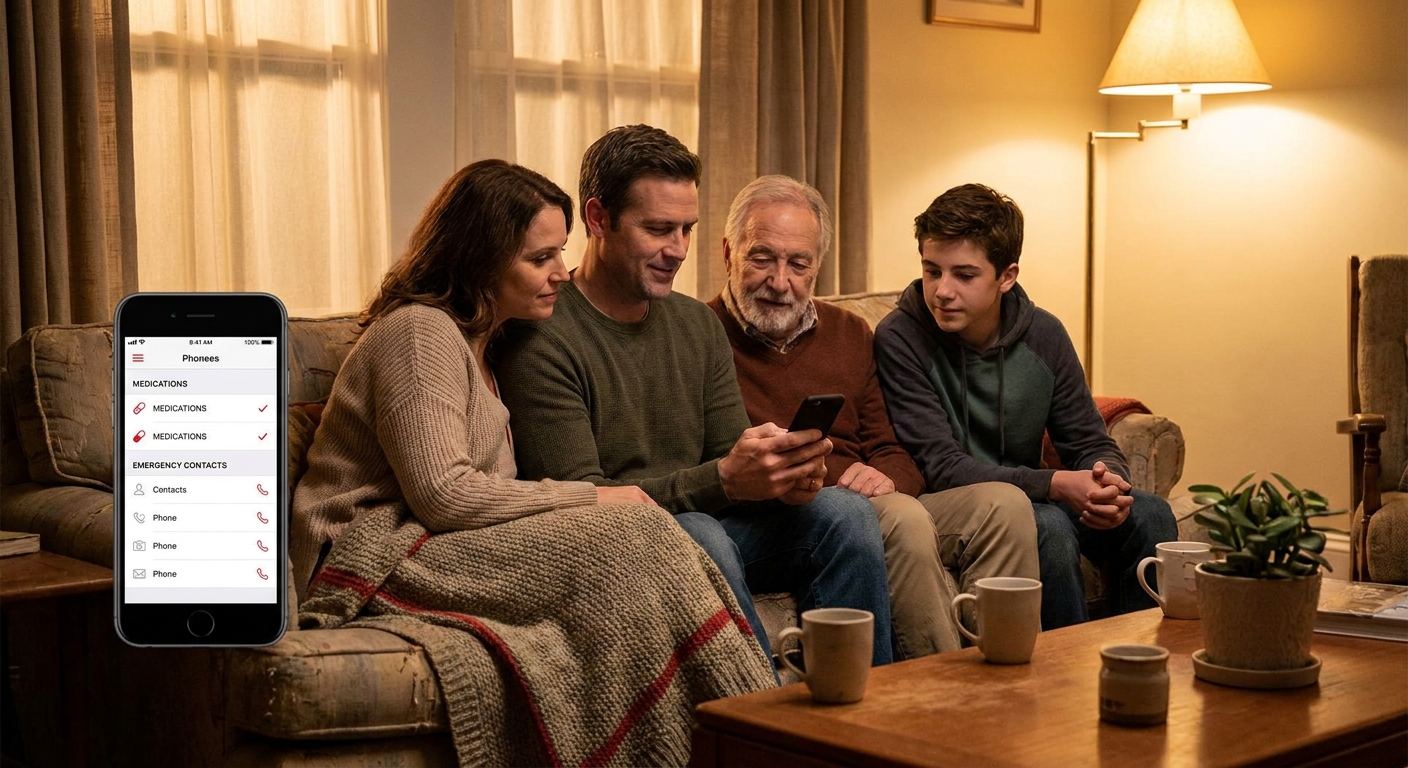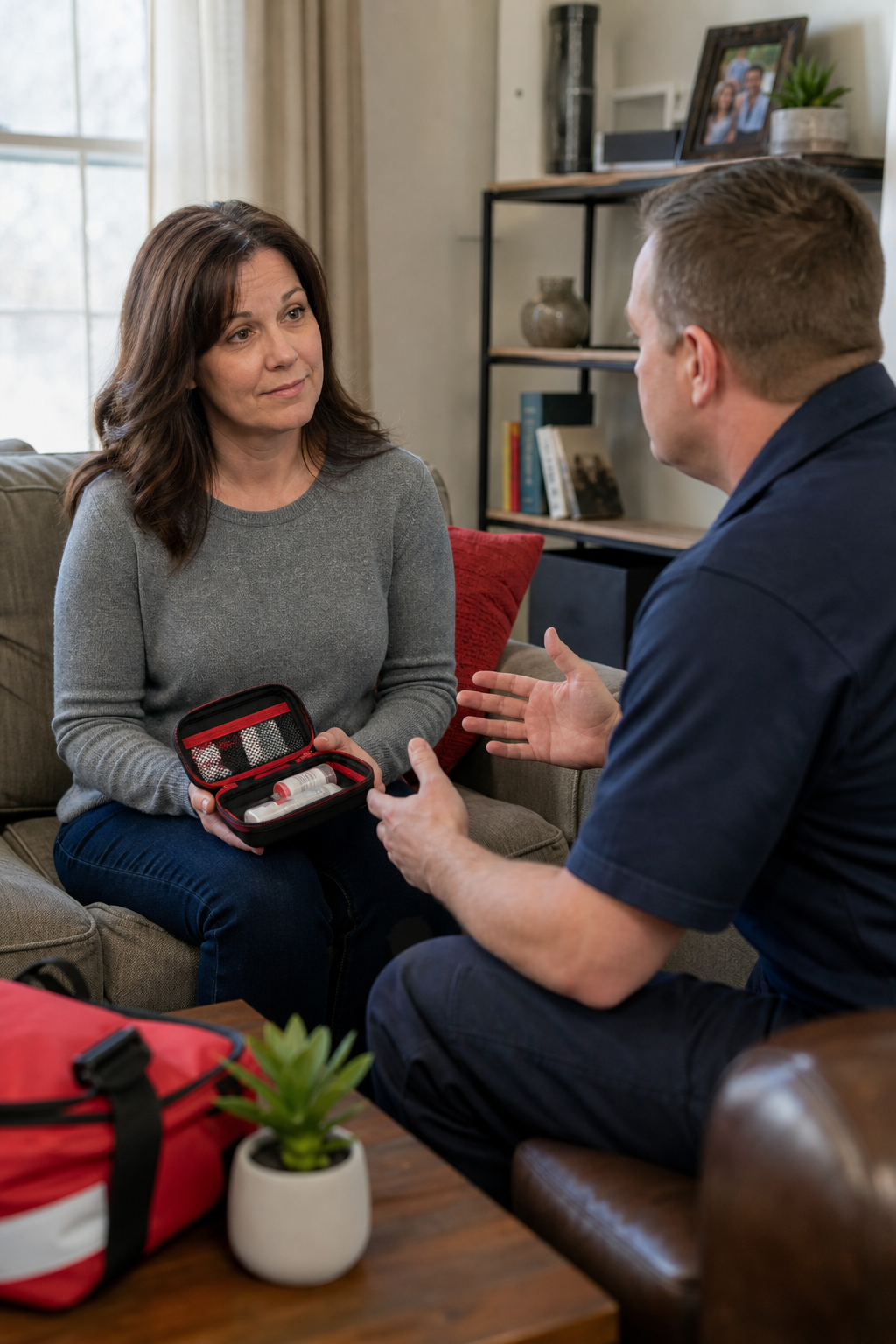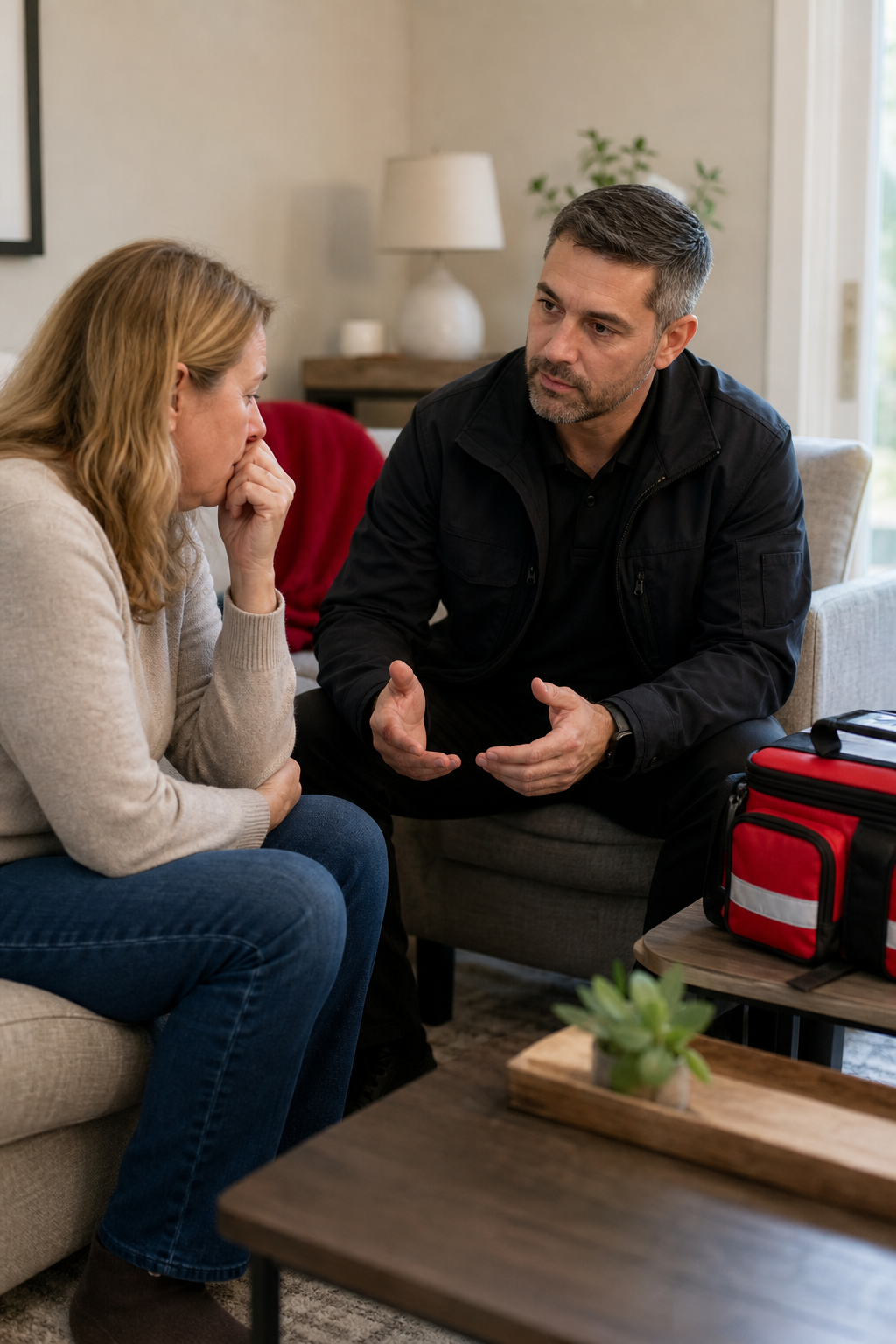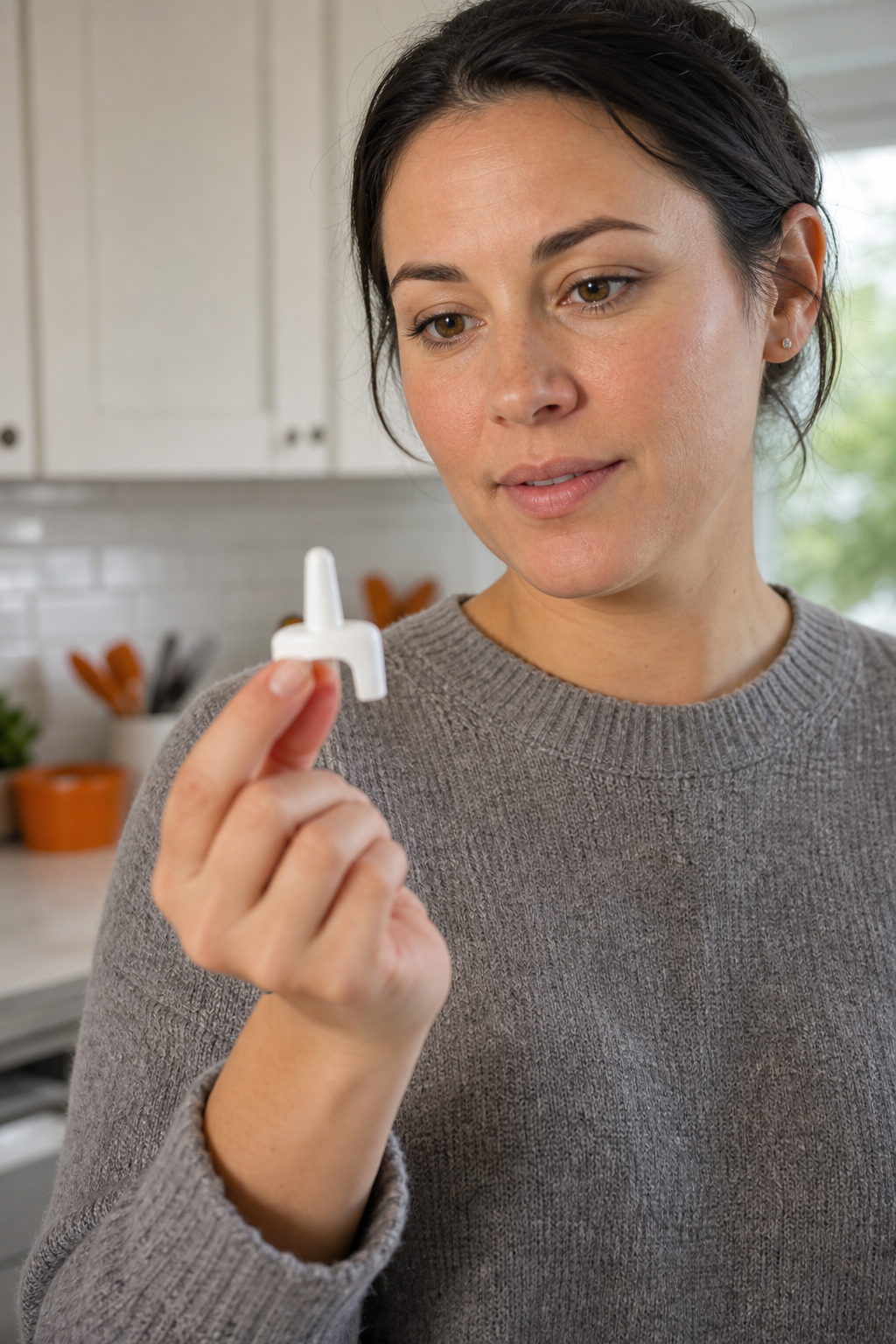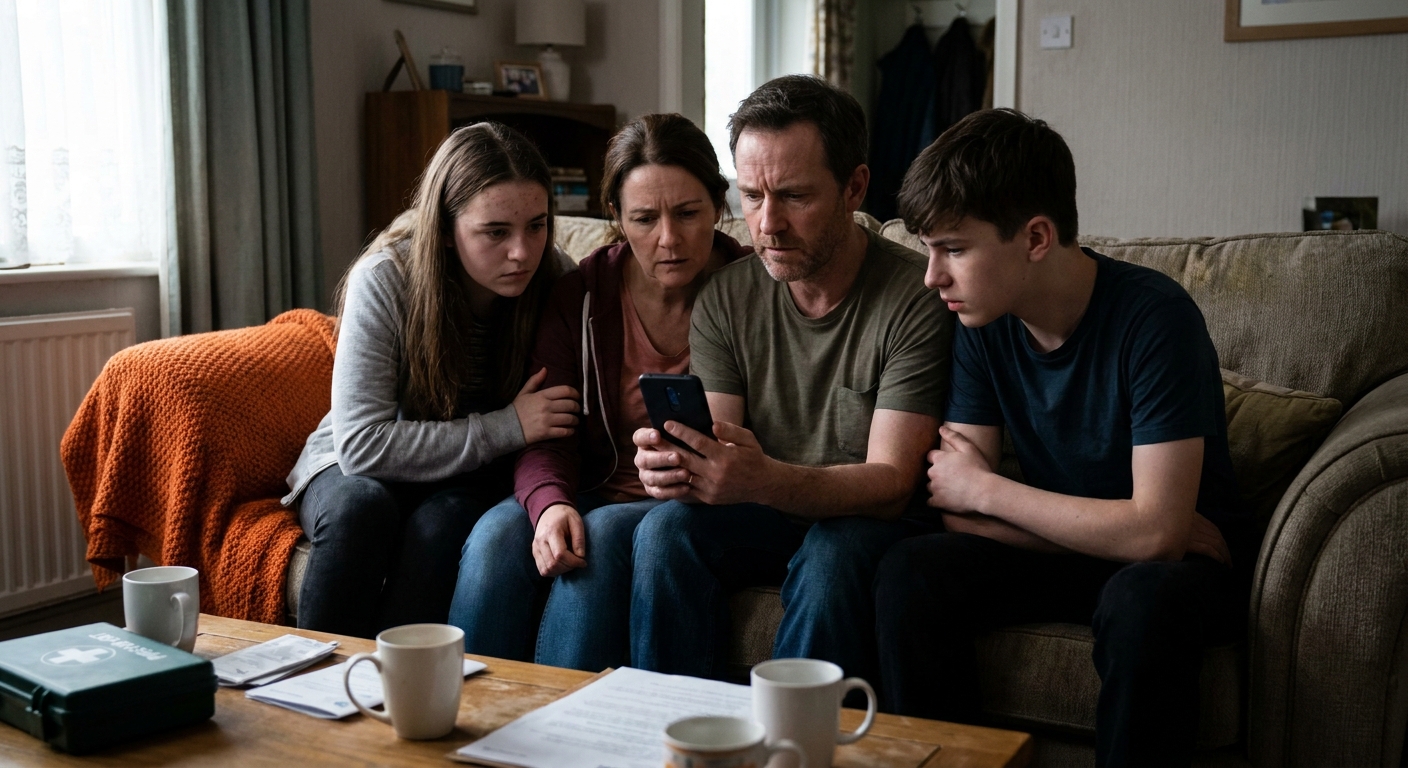

Picture this: you’re sitting at the kitchen table, the TV humming, and the person you love keeps promising “just one more drink” while the bills pile up and the nights grow longer.
That knot in your chest? It’s the gut‑wrenching mix of worry, guilt, and helplessness that shows up when a family member’s substance use spirals out of control. You’ve tried gentle conversations, you’ve set boundaries, and still the pattern repeats. It feels like you’re stuck in a loop you can’t break.
A substance abuse intervention specialist is the professional who steps in to untangle that knot. They’re trained to assess the severity of addiction, coordinate with treatment providers, and, most importantly, guide families through a structured, compassionate intervention that can shift the momentum toward recovery.
Why does this matter? Research consistently shows that early, professionally‑facilitated interventions increase the chances of entering treatment by up to 40 % compared with informal, family‑only attempts. Even if the numbers sound abstract, the real‑world impact is clear: families who involve a specialist often see reduced relapse rates and a smoother transition into rehab or outpatient programs.
Take Maria’s story. Her son Jake had been slipping into opioid use after a workplace injury. After months of denial, Maria called a specialist. The specialist conducted a thorough assessment, helped the family craft a clear, non‑judgmental script, and arranged a safe, private setting for the intervention. Within a week, Jake agreed to a medically‑supervised detox and is now attending weekly counseling. The specialist didn’t just “fix” the problem; they gave the family a roadmap and the confidence to follow it.
If you’re wondering where to start, here are three immediate actions: (1) write down specific incidents that illustrate the behavior’s impact, (2) gather a small, trusted support circle who can stay calm and consistent, and (3) reach out to a qualified specialist who can conduct a pre‑intervention assessment and tailor the process to your unique situation.
For a deeper dive into the tools and strategies these professionals use, check out our Professional Interventionist Guide: Resources and Strategies for Effective Support, which walks you through assessment forms, communication techniques, and post‑intervention planning.
Remember, you don’t have to face this alone. A skilled specialist can turn a night‑time crisis into a hopeful new beginning. Let’s take that first step together.
TL;DR
A substance abuse intervention specialist guides families through compassionate, step‑by‑step interventions that turn panic into a clear recovery roadmap, boosting treatment entry and reducing relapse. Follow our three quick actions—document incidents, assemble a calm support circle, and connect with a qualified specialist to start healing today for you and your loved ones.
Understanding the Role of a Substance Abuse Intervention Specialist
When the chaos of a loved one’s substance use reaches a breaking point, the first person you wish you had on speed‑dial is a substance abuse intervention specialist. They’re the calm in the storm, the trained professional who can turn raw panic into a clear, compassionate plan.
So what exactly does that title mean? In plain terms, an intervention specialist is a bridge between the family’s worry and the treatment world’s resources. They conduct a confidential assessment to gauge how severe the addiction is, identify any co‑occurring mental‑health concerns, and map out which level of care—detox, inpatient, or outpatient—makes sense.
But their job doesn’t stop at paperwork. They also coach the family on how to communicate without blame, help draft the intervention script, and even arrange a safe, neutral space for the conversation. Think of them as both therapist and logistics manager rolled into one.
Core responsibilities of a substance abuse intervention specialist
First, they perform a thorough assessment—often a home visit or a phone interview—to understand the pattern of use, triggers, and any health risks. Next, they create a safety plan, which might include emergency contacts, overdose‑prevention kits, or a scheduled detox slot. Third, they educate the family about addiction science so everyone moves from judgment to empathy. Fourth, they coordinate with treatment providers, insurance, and sometimes legal counsel to line up the right program. Finally, after the intervention, they stay in touch for post‑intervention follow‑up, checking that the loved one sticks to appointments and that the family has ongoing support.
If you’re curious about the exact skill set and certifications needed, our Comprehensive Guide for Aspiring Family Intervention Specialists breaks it down step by step, from active‑listening techniques to ethical boundaries.
Beyond the logistics, a specialist brings a human touch. They help families navigate the guilt‑shame loop that so often fuels relapse. After a successful intervention, many families ask, “How do we keep the momentum?” That’s where celebrating milestones becomes powerful. A small, thoughtful token—like a sobriety‑anniversary mug or a custom bracelet—can remind the recovering person that you notice their progress. Check out some thoughtful sobriety anniversary gifts for ideas that feel genuine, not cheesy.
Watching a short video about what to expect during an intervention can demystify the process. You’ll see real families sharing how the specialist’s calm presence turned a tense night into a turning point. It also reinforces that you’re not alone—there’s a proven roadmap you can follow.
Recovery isn’t just about staying clean; it’s about healing the emotional wounds that addiction leaves behind. Many families find that a spiritual or reflective practice helps them process guilt and rebuild trust. The Christian forgiveness workbook is one resource that guides both the individual and their loved ones through structured forgiveness exercises, making the post‑intervention journey feel less lonely.
Remember, the specialist’s role is to equip you with tools, not to take over your life. They’ll give you a script, a timeline, and a safety net, but the day‑to‑day encouragement still comes from you and your support circle.

So, what’s the next step? Take a breath, write down the three most recent incidents that have raised red flags, and reach out to a qualified specialist today. The sooner you involve a professional, the sooner you can shift from crisis mode to a hopeful recovery plan.
Key Skills and Qualifications Required
Core clinical competencies
First off, a substance abuse intervention specialist needs a solid grounding in assessment tools – think of the DSM‑5 criteria, standardized screening questionnaires, and brief motivational interviewing scripts. Those tools let the specialist quickly gauge severity, spot co‑occurring mental‑health issues, and decide whether a detox, outpatient program, or intensive inpatient stay is the right fit.
According to AIHCP’s overview of essential skills, crisis‑intervention training also teaches rapid risk assessment, de‑escalation techniques, and trauma‑informed communication – all of which translate directly to substance‑use crises.
So, what does that look like in a family’s living room? Imagine a specialist listening to a teen’s trembling confession about binge drinking, then calmly summarizing the facts: “You’ve been drinking every night for three weeks, your grades have slipped, and you’ve missed two doctor appointments.” That factual, non‑judgmental recap is the backbone of a successful intervention.
Professional credentials and education
Most states require a bachelor’s degree in psychology, social work, or a related field, followed by a Certified Alcohol & Drug Counselor (CADC) credential. Sober College notes that the CADC pathway includes 315 classroom hours, a practicum, and a pass on the IC&RC exam to become a certified intervention specialist. After that, many professionals add a specialized certification in intervention planning or crisis response.
Beyond the paperwork, look for ongoing training: weekly case‑study reviews, certification renewals, and attendance at the Association of Intervention Specialists conference. Those “continuing education” credits keep a specialist sharp as new substances and treatment models emerge.
Soft skills that make a difference
Technical know‑how is only half the story. Empathy, patience, and the ability to stay calm under pressure are non‑negotiable. You’ll often hear families say, “the specialist seemed like a steady rock while everything else felt chaotic.” That calm presence helps the loved one lower their defenses.
Effective communication is another must‑have. The specialist must be able to switch between active listening, concise summarizing, and gentle confrontation without sounding accusatory. A good rule of thumb: mirror the family’s language, then inject clear, actionable next steps.
Actionable steps to build or verify these qualifications
✅ Create a checklist: degree, CADC (or equivalent), crisis‑intervention certification, and at least 50 hours of supervised intervention experience.
✅ Ask for proof of recent training – many specialists post their certifications on a professional LinkedIn page or can email you a copy.
✅ Run a mock interview: have the specialist role‑play a brief assessment with you. Pay attention to how they ask about triggers, safety plans, and family dynamics.
✅ Check local licensing boards – some states maintain an online registry of approved interventionists.
And if you’re still wondering where to start looking, the practical guide to finding an interventionist near you walks you through the search, interview questions, and red‑flag warning signs.
Holistic support matters too
Recovery isn’t just about the medical plan; it’s also about meaning, hope, and sometimes faith. Families often benefit from spiritual counseling that addresses guilt and forgiveness. For a broader perspective on integrating spirituality into the healing journey, you might explore resources from Rev Dr Boudreau, who writes about the intersection of faith and personal growth.
Bottom line: the right specialist blends rigorous clinical training with genuine human compassion. When you verify those credentials and see those soft‑skill qualities in action, you’ll feel more confident that your loved one is in capable hands.
How to Become a Certified Substance Abuse Intervention Specialist
Imagine sitting at the kitchen table, scrolling through endless certification requirements, and feeling that knot of overwhelm tighten. You’ve already seen how a qualified substance abuse intervention specialist can turn a crisis into a roadmap for recovery, but now you’re wondering: how do you actually become that specialist?
First off, breathe. The path isn’t a mystery; it’s a series of concrete steps you can map out right now. Below is a down‑to‑earth, step‑by‑step guide that takes the guesswork out of the process.
Step 1: Get the Right Educational Foundation
Most states require at least an associate’s degree in a human‑services field—think psychology, social work, or counseling. If you’re already studying something like community health or criminal justice, you can often count that coursework toward the education requirement.
Tip: Keep your transcript handy. When you apply, you’ll need to upload it so the credentialing board can verify which courses satisfy the criteria.
Step 2: Choose a Certification Path (CASAC)
In New York, the most recognized credential is the Certified Alcohol & Substance Abuse Counselor (CASAC). The Office of Addiction Services and Supports outlines the CASAC credentialing process, which includes clock‑hour requirements, a background check, and a final exam.
- Option A: 350 clock hours of education + mandatory training.
- Option B: 4,000 hours of relevant work experience + 85 clock hours of specific coursework.
Both routes lead to a CASAC‑Trainee or CASAC‑Provisional certificate, giving you the legal right to practice in OASAS‑funded settings.
Step 3: Complete Required Clock Hours
Clock hours are the bread and butter of the certification. They cover topics like:
- Substance‑use disorder fundamentals.
- Motivational interviewing techniques.
- Crisis de‑escalation and safety planning.
Many community colleges, online programs, and even some employers offer these modules. If you already have a degree, you may be able to substitute relevant coursework for a chunk of the required hours.
Don’t forget to document every hour—your application will ask for a detailed log.
Step 4: Pass the CASAC Exam
Once you’ve logged the hours, you’ll receive an eligibility notice. The exam is computer‑based, 150 multiple‑choice questions, and you can schedule it at a testing center near you. The fee is $245 per attempt, and you can retake it every 90 days if needed.
Study smart: focus on the core domains—assessment, treatment planning, ethics, and cultural competence. Practice tests are often available through your training provider.
Step 5: Submit Your Application & Background Check
With your exam results in hand, head to the Credentialing Portal. You’ll upload your transcripts, clock‑hour verification, exam score, and a $150 fee (includes a $100 processing fee and $50 paper‑application charge if you go that route).
After submission, the OASAS team will review everything, send you a review summary, and let you know if anything’s missing. Keep your email current—updates come via the portal.
When approved, you’ll get your CASAC‑Trainee or CASAC‑Provisional certificate. That’s the moment you can officially call yourself a certified substance abuse intervention specialist and start taking cases.
So, what should you do next?
Take a moment to watch that quick video. It breaks down the exam day routine—what to bring, how to stay calm, and what the testing center will look like. It’s the kind of practical tip that saves you from last‑minute panic.
Step 6: Keep Your Credential Current
Certification isn’t a one‑and‑done deal. Most states require 30‑40 hours of continuing education every two years. Look for workshops on trauma‑informed care, new medication‑assisted treatment protocols, or advanced family‑system interventions.
Renewal fees are modest, but the real value is staying sharp so you can offer the latest, evidence‑based support to families in crisis.
Finally, remember that becoming a certified specialist is as much about heart as it is about paperwork. Every hour you log, every exam question you answer, brings you one step closer to being the steady hand families need during their toughest moments.
Comparing Certification Programs and Training Options
Alright, let’s face it: you’ve probably Googled “how do I become a substance abuse intervention specialist” a dozen times, and the results look like a maze of acronyms, clock‑hours, and price tags. So, which path actually lines up with your life, budget, and career goals? That’s what we’ll untangle right here.
Traditional State‑Licensed Routes
When most people talk about becoming a certified specialist, they start with the state‑run programs. Take the New York CASAC credential, for example. You can either rack up 350 classroom hours covering everything from DSM‑5 diagnostics to trauma‑informed communication, or you can log 4,000 hours of hands‑on work and then add a short 85‑hour coursework sprint. It’s a hefty commitment, but the payoff is a license that lets you bill Medicaid, work in OASAS‑funded facilities, and basically be the go‑to professional in that state.
Another classic is the Certified Alcohol & Drug Counselor (CADC). Nationwide, you need about 315 classroom hours plus a supervised practicum. The CADC is less state‑specific and more widely recognized across treatment centers, so it’s a solid fallback if you think you might move around.
Does the idea of juggling 300‑plus hours feel overwhelming? You’re not alone. Many aspiring specialists carve out study blocks on evenings or weekends, and some community colleges even bundle the coursework into a single semester.
Online and Hybrid Options
Now, if you’re a parent juggling school drop‑offs, or a professional already working a 9‑to‑5, an online certificate might be the sweet spot. Programs that partner with organizations like Next Step Intervention often package 40‑60 self‑paced hours into bite‑size modules. You get video lectures, interactive case studies, and a final assessment you can take from your couch.
What’s the catch? Online tracks usually don’t grant you a state license on their own. Think of them as a fast‑track to the fundamentals—perfect for supplementing a CADC or for families who want a deep dive into intervention techniques without the bureaucracy.
One of my friends, Alex, was a social worker who completed an online certificate while still working full‑time. Within three months, she felt confident enough to lead a family intervention at her agency, and her supervisor later helped her translate those hours into a CADC credential.
Choosing the Right Fit – A Quick Decision Matrix
Here’s a simple way to line up the options with your situation. Grab a pen, look at the table below, and ask yourself: “Do I need a state license? How much time can I realistically devote each week? What budget am I working with?”
| Program | Hours Required | Cost Approx. | Best For |
|---|---|---|---|
| CASAC (NY) | 350 education hrs or 4,000 work hrs | $400‑$600 total | Those seeking state‑licensed practice in NY |
| CADC (National) | 315 classroom hrs + practicum | $300‑$500 | Broadly recognized, good entry point |
| Online Intervention Certificate (e.g., Next Step) | Self‑paced 40‑60 hrs | $199‑$299 | Busy parents or professionals needing flexibility |
Notice the cost and time differences? If you have a full‑time job, the online route could shave off months of weekend class time. If you’re aiming to work in a state‑funded clinic, the CASAC is the ticket.
Actionable Steps to Get Started
1️⃣ Make a realistic schedule. Block out two‑hour study slots on weekdays or a solid three‑hour block on Saturdays. Consistency beats marathon sessions.
2️⃣ Gather proof of education. Keep transcripts, certificates, and any practicum logs in a dedicated folder—digital or paper. When you apply, you’ll thank yourself for the organization.
3️⃣ Reach out for mentorship. Find a licensed specialist in your area and ask for a coffee chat. Real‑world insights can save you weeks of guesswork.
4️⃣ Budget ahead. Some programs offer payment plans; others have scholarship options for veterans or low‑income applicants. Don’t let upfront cost stall your momentum.
5️⃣ Plan for renewal. Even after you get certified, you’ll need 30‑40 continuing‑education hours every two years. Choose a program that offers ongoing webinars so you can tick that box without hunting for new courses.
Bottom line: there’s no one‑size‑fits‑all answer. The best certification program is the one that fits your timeline, finances, and long‑term career vision. Take a moment now, glance at the table, and pick the row that feels right. Then, start logging those hours—you’re closer than you think to becoming the steady hand families need.
Effective Intervention Techniques Used by Specialists
When the night feels like it’s closing in and you’re wondering how to break the cycle, the substance abuse intervention specialist pulls out a toolbox that’s part science, part human‑to‑human empathy.
Motivational Interviewing Meets Compassion
First up, motivational interviewing (MI) isn’t a fancy script; it’s a way of asking questions that make the person feel heard, not judged. Think of it as “what if we could talk about your future without the shame?” The specialist will echo back the loved one’s own words, nudging them toward their own reasons for change.
Does that sound a bit too gentle for a crisis? Actually, many families report that the MI approach diffuses tension faster than a hard‑line “stop drinking now” demand.
CRAFT: Community Reinforcement and Family Training
CRAFT flips the usual “punish‑the‑behavior” mindset on its head. Instead of scolding, the specialist teaches the family how to reinforce sober moments and set clear, rewarding boundaries. For example, a parent might say, “When you choose a sober evening, we’ll cook your favorite dinner together.”
Imagine the shift when the person starts seeing sobriety as a path to positive experiences rather than a list of restrictions.
Staging the Conversation
Interventions aren’t one‑off shouting matches; they’re staged like a well‑rehearsed play. The specialist works with you weeks ahead to map out an opening line, a set of concrete observations, and a calm “what’s next” plan.
Ever felt the panic of not knowing what to say? By writing a short script—“We’ve noticed you’ve missed work three times this month, and we’re worried about your safety”—the family can stay focused, and the person feels less ambushed.
Crisis De‑Escalation and Safety Planning
When the situation spikes—maybe there’s an overdose risk or a threat of self‑harm—the specialist brings in rapid de‑escalation techniques: grounding exercises, controlled breathing, and a clear safety‑plan checklist.
Do you keep a “what‑to‑do‑if‑it‑gets‑worse” list? The specialist helps you draft one on the spot, so you know who to call, where the nearest emergency unit is, and how to keep the environment safe.
Role‑Play and Real‑Time Coaching
Before the big day, the specialist runs a quick role‑play. One family member pretends to be the loved one, the other practices delivering the script, and the specialist offers instant feedback—like “swap “you’re ruining my life” for “I’m scared for you.”
Sounds a bit theatrical, but families who rehearse report feeling 30 % more confident walking into the actual intervention.
Post‑Intervention Follow‑Up
Even the best‑crafted conversation can fizzle without follow‑up. The specialist sets up weekly check‑ins, connects you with community support groups, and tracks milestones (first sober day, first counseling session, etc.).
Do you ever wonder why some interventions succeed while others stall? Consistent after‑care is often the missing piece that turns a one‑time decision into lasting change.

Quick Checklist for Your Next Step
- Write down three specific behaviors you’ve observed (date, time, impact).
- Draft a one‑sentence opening line that stays factual and non‑judgmental.
- Choose one CRAFT reward you can offer for a sober moment.
- Create a safety‑plan sheet with emergency contacts and next‑day actions.
- Schedule a brief role‑play with a trusted friend or the specialist.
Every family is unique, so the specialist tailors the mix of techniques—maybe they lean more on CRAFT for a resistant adult, or use more MI for a teenager. That flexibility ensures the plan fits your reality, not a one‑size‑fits‑all manual.
Feeling a little less overwhelmed? Good. The right specialist turns a knot of fear into a clear, actionable roadmap. If you’re ready to take the next step, reach out to a local substance abuse intervention specialist today and let them guide you through these proven techniques.
FAQ
What exactly does a substance abuse intervention specialist do?
A substance abuse intervention specialist is a trained professional who steps in when a loved one’s use is spiraling out of control. They start with a thorough intake – gathering facts about drinking or drug patterns, health history, and family dynamics. Then they design a calm, non‑judgmental script, coach the family on delivery, and coordinate with detox or treatment providers. They also help families manage emotions during the meeting, ensure safety measures are in place, and set up follow‑up check‑ins so the recovery road stays visible.
How do I know if my family needs a specialist right now?
Deciding whether to call a specialist can feel overwhelming, but a few red flags make it obvious. If you’ve caught yourself counting missed appointments, empty bottles, or escalating arguments, that’s a signal. When guilt or fear is keeping you up at night, or when the person refuses help despite clear consequences, a specialist can break the cycle. Trust your gut—if you’re constantly walking on eggshells, professional support is probably overdue.
What should I expect during the first assessment?
The first meeting is usually a private, no‑pressure assessment that can happen over the phone or in your living room. The specialist asks concrete questions – dates of use, health concerns, any recent crises – and listens without judgment. They’ll also gauge how ready the loved one is to consider treatment and what family strengths you can lean on. Expect a short summary at the end, outlining next steps like scheduling a family role‑play or drafting an intervention script.
Can a specialist help with different substances and ages?
Specialists are trained to work across the spectrum of substances – from alcohol and prescription meds to opioids, stimulants, or even cannabis. They also adapt their approach for different ages. With teenagers, they lean more on motivational interviewing and school‑based resources; with adults, they might incorporate CRAFT techniques and workplace accommodations. The key is that the specialist tailors the plan to the specific drug, the person’s stage of change, and the family’s cultural context.
How long does an intervention usually take?
Interventions rarely happen in a single afternoon; they’re usually spread over a few weeks of preparation and follow‑up. The actual meeting where you present the script may last 30‑45 minutes, but the specialist will spend additional time on pre‑intervention coaching, safety‑planning, and post‑meeting check‑ins. In many cases families see a noticeable shift within the first two weeks, but sustained recovery often requires ongoing support for several months.
What are the costs and does insurance cover it?
Cost can vary widely depending on location, the specialist’s credentials, and the level of service you need. Some families pay a flat fee for the assessment and intervention planning, while others are billed hourly for ongoing coaching. Many insurers cover at least part of the expense if the specialist is licensed and the services are deemed medically necessary. It’s worth asking the provider up front about payment options, sliding‑scale rates, or possible reimbursement from your health plan.
What should I do after the intervention to keep momentum?
After the meeting, the real work begins: keeping momentum and preventing relapse. The specialist will usually set up weekly check‑ins, help you create a sober‑day calendar, and suggest community groups or online support that fit your family’s schedule. Celebrate tiny victories – a day without drinking, a completed counseling appointment – because those small wins add up. And remember, it’s normal to hit a setback; reach out to your specialist right away to adjust the plan rather than waiting for things to spiral.
Conclusion
We’ve walked through what a substance abuse intervention specialist actually does, the skills they bring, and how you can start the process.
So, where does that leave you? Right at the edge of a decision that could change a loved one’s life.
If you’re feeling the weight of uncertainty, remember the simple truth: you don’t have to go it alone. A specialist will turn the chaos of a crisis into a clear, step‑by‑step plan you can actually follow.
Take one concrete step today—grab a notebook, jot down the three most recent incidents you’ve witnessed, and reach out to a qualified professional. That quick action creates momentum and signals to your family that help is already on the way.
And when you do connect with a specialist, expect empathy, a safety plan, and ongoing check‑ins that keep progress moving forward. Those follow‑ups are the difference between a one‑time conversation and lasting recovery.
Ready to move from worry to hope? Let’s take that first step together. Contact Next Step Intervention now and let a seasoned specialist guide you toward a calmer, healthier future.
Remember, every small victory—like a day without drinking—adds up, building confidence and reinforcing the path toward significant lasting change.