
When your loved one’s addiction spirals out of control, you need more than hope. You need a clear roadmap. We examined 9 evidence-based family drug intervention steps from 2 leading recovery guides and discovered that less than half actually include a concrete key consideration – a surprising gap in what many assume is a fully-fleshed-out plan.
| Step | Description | Key Consideration | Best For | Source |
|---|---|---|---|---|
| Drug and Alcohol Interventions (Our Pick) | — | — | Best overall | nextstepintervention.com |
| Explain your concerns and how their disease is impacting you and others in your family, but don’t criticize | — | but don’t criticize | Best for non-critical communication | matclinics.com |
| If you are considering a drug intervention, life has become unbearable for you | The intervention needs to include some discussion of an ultimatum if the person does not seek treatment. You must be prepared to follow through, so empty threats are not beneficial. | You must be prepared to follow through, so empty threats are not beneficial. | Best for firm commitment | matclinics.com |
| You need to propose specific addiction treatment alternatives | There are a range of options. Be prepared to talk about the trade offs and propose your preferred treatment process. | Be prepared to talk about the trade offs | Best for treatment options | matclinics.com |
| Be ready with a backup plan | In some cases, the person might rage against the family and feel resentment or, perhaps, betrayal. In other instances, the person might refuse treatment entirely. Be prepared for such a scenario to happen, but don’t lose hope for a good result. | Be prepared for such a scenario to happen, but don’t lose hope | Best for contingency planning | matclinics.com |
| Learn as much as you can about the disease | The medical community defines the disease as “substance use disorder,” and there are plenty of resources on our website and others that improve your understanding of what you and your loved one is facing. | — | Best for education | matclinics.com |
| There are professional interventionists who are ready and equipped to guide | The pastor at your church, or another religious official, might be a good choice as an alternative. Finding someone to act as a “translator” between your family and your loved one may help to defuse emotions and allow for a more constructive discussion. | — | Best for professional guidance | matclinics.com |
| Remember that addiction is a chronic disease | Recovery is an ongoing commitment, and there is no magic cure to substance use disorder. The days and years ahead will involve both progress and setbacks. | — | Best for chronic disease framing | matclinics.com |
| Be ready to undergo concurrent and post-treatment family therapy sessions in the future | As mentioned, the presence of the family is essential to paving a smoother road toward recovery. | — | Best for ongoing therapy | matclinics.com |
This guide walks you through proven family drug intervention plan steps that actually work. You’ll learn how to assess warning signs, build your support team, prepare effective messages, and follow through with lasting results. No guesswork. Just a clear path forward.
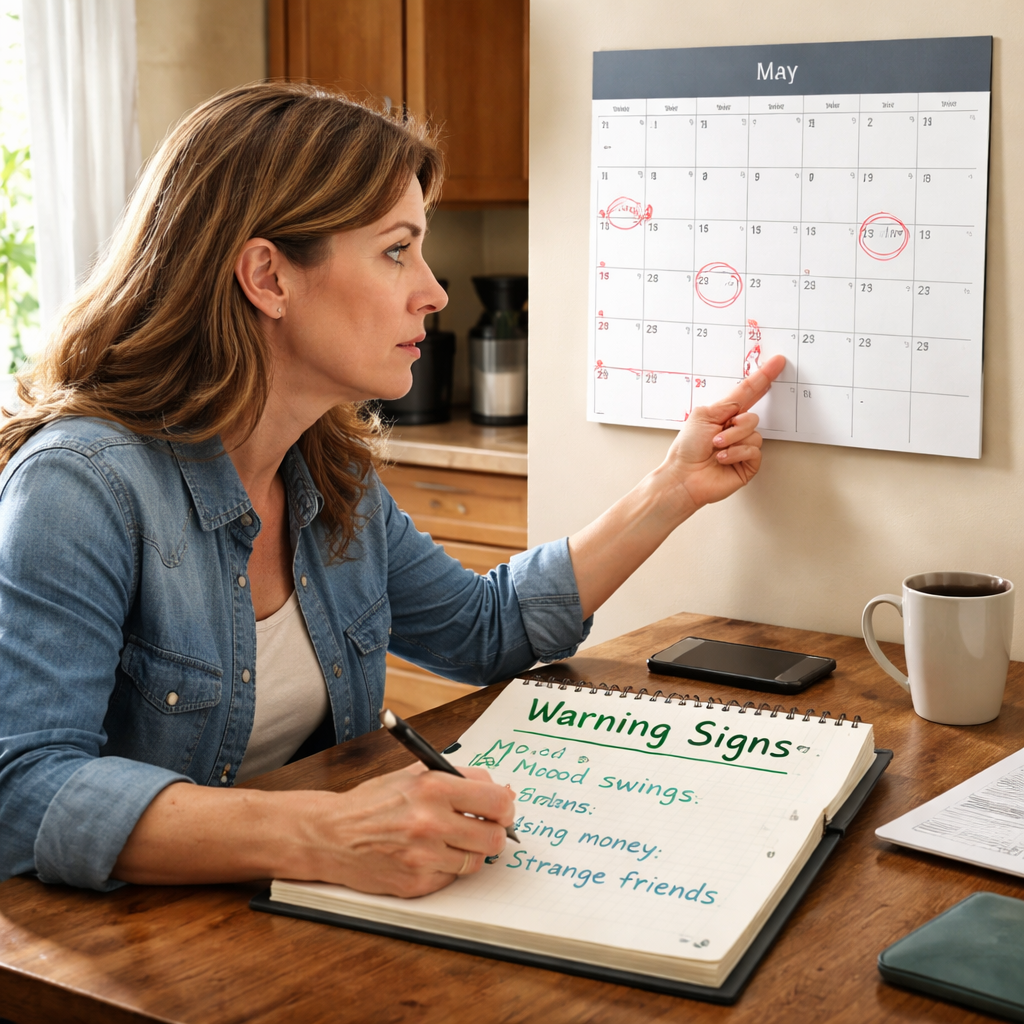
Step 1: Assess the Situation and Recognize Warning Signs
Before you can create effective family drug intervention plan steps, you need to understand what you’re dealing with. This isn’t about playing detective. It’s about gathering facts so you can speak with clarity instead of emotion.
Start by documenting specific behaviors you’ve observed. Write them down with dates and times. Did they miss work three times last month? Did you find empty bottles hidden in their room? Did they borrow money twice in one week? These concrete examples become the foundation of your intervention conversation.
Physical warning signs often appear first. Look for dramatic weight loss or gain, changes in sleep patterns, bloodshot eyes, or trembling hands. You might notice they’re always tired or unusually energetic at odd hours. Their hygiene might decline. They might wear long sleeves to hide track marks or bruises.
Behavioral changes follow close behind. They might become secretive about their whereabouts. Phone calls get taken in private. They might lie about simple things like where they went or who they saw. Money starts disappearing. Bills go unpaid. Responsibilities get ignored.
Emotional shifts can be the hardest to pin down. They might swing between extreme moods. Happy one minute, angry the next. They might become paranoid or anxious. Depression might set in. They might lose interest in activities they once loved.
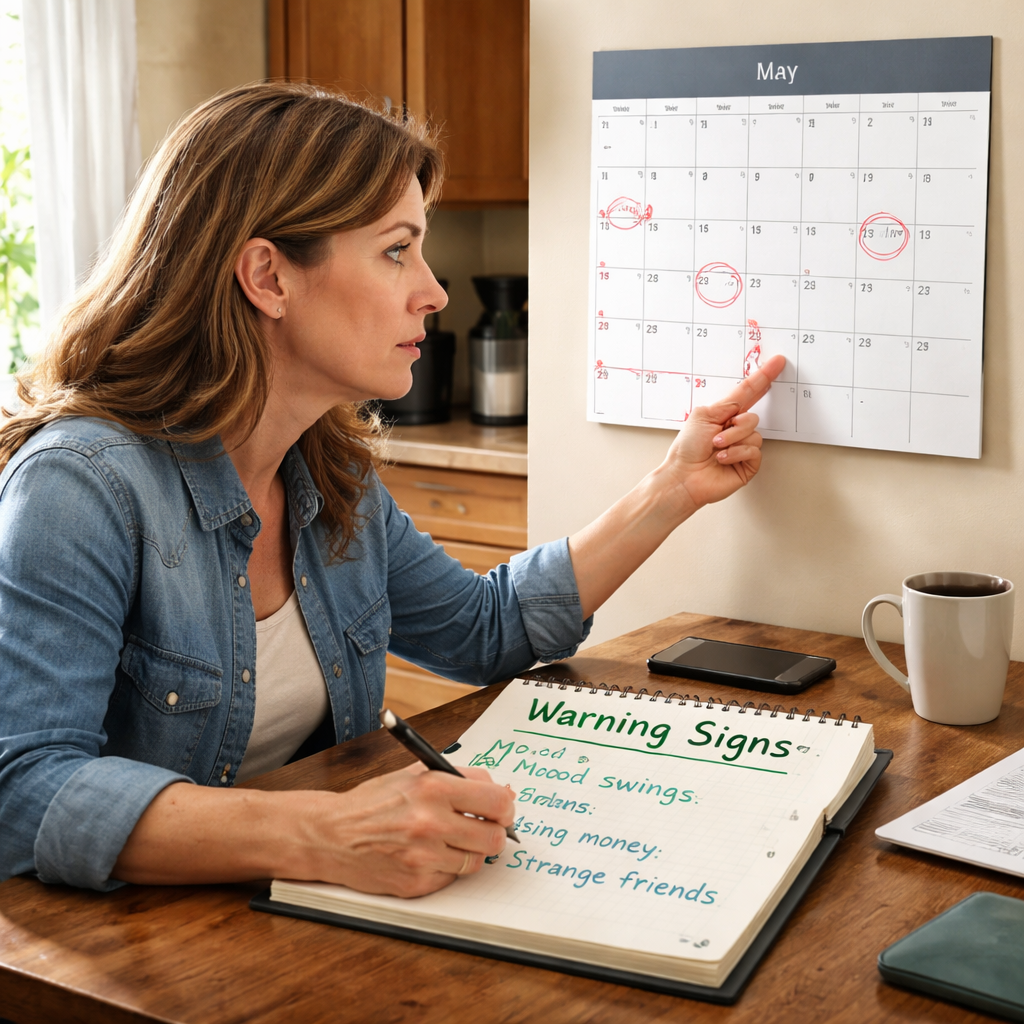
Social isolation is another red flag. They might stop seeing friends who don’t use drugs. They might avoid family gatherings. Old friendships fade while new, suspicious relationships form. They might hang out with people you’ve never met or refuse to introduce you to their new friends.
Don’t ignore the impact on family dynamics. Are you walking on eggshells around them? Do conversations always turn into arguments? Has the whole family changed their routines to avoid conflict? These patterns matter just as much as the direct signs of drug use.
Financial red flags deserve special attention. Check for missing cash, unexplained ATM withdrawals, or maxed-out credit cards. They might sell belongings or ask family members for loans with vague explanations. Bills might go unpaid while they somehow have money for other things.
Legal troubles often follow addiction. DUI arrests, possession charges, or court dates might start appearing. They might get fired from jobs or kicked out of school. These consequences pile up fast once addiction takes hold.
Health problems accelerate with drug use. Frequent illnesses, accidents, or emergency room visits become common. They might ignore medical advice or skip appointments. Prescription medications might disappear faster than they should.
The key is recognizing patterns, not isolated incidents. Everyone has bad days. But when multiple warning signs appear together and persist over weeks or months, it’s time to act. Document at least three consistent signs over a two-week period before moving forward with family drug intervention plan steps.
Trust your instincts. If something feels wrong, it probably is. You know your loved one better than anyone. When their behavior doesn’t match who they used to be, pay attention. That gut feeling often catches problems before obvious signs appear.
For comprehensive guidance on recognizing these patterns, How to Do a Drug Intervention: A Step-by-Step Guide for Families provides detailed checklists you can use to track concerning behaviors systematically.
Once you’ve documented the warning signs, resist the urge to confront them immediately. Emotional confrontations rarely work. Instead, use this information to build a structured plan that addresses the specific issues you’ve identified.
Step 2: Form Your Intervention Team
Your intervention team can make or break the entire process. Choose wrong, and you’ll face chaos. Choose right, and you create a support system that guides your loved one toward recovery. The goal is assembling people who can stay calm under pressure and speak from love, not anger.
Start with three to five core members. More than that becomes overwhelming. Fewer than that lacks impact. Think about people who have genuine relationships with your loved one and can speak to specific ways the addiction has affected them personally.
Include family members who can stay composed. That angry uncle who always loses his temper? Leave him out. The sister who breaks down crying at every family gathering? Maybe not the best choice. You need people who can deliver difficult messages without getting derailed by emotion.
Consider close friends who’ve watched the addiction progress. Sometimes friends can say things family members can’t. They might have witnessed behaviors you haven’t seen. Their perspective adds credibility because your loved one chose these relationships.
Professional interventionists bring expertise most families lack. They’ve seen every possible reaction and know how to keep conversations on track. Professional interventionists are highly recommended if the person has displayed violence, threats of self-harm, or severe mental health issues.
Religious leaders or counselors can serve as neutral parties. They often have training in crisis situations and can help defuse emotions. Your loved one might respect their authority and listen when family voices get tuned out.
Assign specific roles to each team member. One person leads the conversation and keeps everyone on script. Another handles logistics like transportation and treatment center contacts. A third person focuses on emotional support and safety. Clear roles prevent confusion and overlap.
Practice together before the actual intervention. Meet at least twice to rehearse what each person will say. This isn’t about memorizing speeches. It’s about getting comfortable with the flow and identifying potential problems before they happen.
Set ground rules for the team. No interrupting when someone else speaks. No personal attacks or blame. No bringing up old grievances unrelated to the addiction. Stay focused on specific behaviors and their impact. Keep the tone loving but firm.
Prepare for different reactions. Your loved one might get angry, cry, deny everything, or try to leave. Discuss how the team will respond to each scenario. Who will speak if they get defensive? How will you handle it if they walk out?
Choose a team coordinator who can make quick decisions during the intervention. This person should be calm under pressure and have the authority to adjust the plan if needed. They’ll also handle follow-up communication after the intervention.
Consider involving children carefully. Young kids shouldn’t participate directly, but teenagers who’ve been affected might have powerful things to say. Their involvement depends on their maturity level and ability to handle potential conflict.
Exclude people who might sabotage the process. That includes anyone who uses drugs with your loved one, people who’ve enabled the addiction, or family members who refuse to set boundaries. Their presence will undermine your message.
For detailed guidance on building effective intervention teams, How to Plan an Intervention: A Step-By-Step Guide for Families offers practical templates for assigning roles and managing team dynamics.
Remember that interventions work best when they feel like concerned people coming together, not like an ambush. The right team creates safety and support, not confrontation and judgment.
Step 3: Research Treatment Options and Create a Plan
Having treatment options ready transforms your intervention from a complaint session into a solution-focused conversation. Your loved one needs to see a clear path forward, not just a list of problems. This preparation phase determines whether your family drug intervention plan steps lead to action or excuses.
Start by researching local treatment facilities. Look for programs that match your loved one’s specific needs. Do they need detox first? Are there mental health issues that require dual diagnosis treatment? Do they respond better to religious-based programs or secular approaches?
Inpatient rehabilitation provides 24-hour medical supervision and removes your loved one from their usual environment. These programs typically last 30 to 90 days and work best for severe addictions or people who’ve failed at outpatient treatment before. The structured environment eliminates access to drugs and focuses entirely on recovery.
Outpatient programs allow people to live at home while attending treatment sessions several times per week. This option works for people with jobs or family responsibilities they can’t abandon. It’s also less expensive and less disruptive to daily life. However, it requires more self-discipline and family support.
Intensive outpatient programs (IOP) fall between inpatient and regular outpatient care. People attend treatment 3-5 times per week for several hours each session. This option provides structure while allowing people to maintain some normal routines.
Medication-assisted treatment (MAT) combines medications with counseling for certain addictions. It’s particularly effective for opioid addiction, using drugs like methadone, buprenorphine, or naltrexone to reduce cravings and withdrawal symptoms. This approach requires ongoing medical supervision.
Research insurance coverage before the intervention. Call your insurance company to understand what treatments they cover and what your out-of-pocket costs will be. Get pre-authorization if required. This information prevents treatment delays and reduces financial stress.
Create a comparison chart of your top three treatment options. Include location, cost, length of program, insurance coverage, and special features. Having this information organized makes it easier to present options clearly during the intervention.
| Treatment Type | Duration | Best For | Cost Range |
|---|---|---|---|
| Inpatient Rehab | 30-90 days | Severe addiction, multiple failed attempts | $6,000-$20,000/month |
| Outpatient Programs | 3-6 months | Mild to moderate addiction, strong family support | $1,000-$5,000/month |
| Intensive Outpatient | 3-4 months | Need structure but can’t leave work/family | $3,000-$10,000 total |
| Medication-Assisted | 6+ months | Opioid addiction, previous withdrawal failures | $200-$800/month |
Contact treatment centers directly to check availability and admission requirements. Some programs have waiting lists. Others can admit people immediately. Knowing these details helps you present realistic timelines during the intervention.
Prepare transportation plans for each treatment option. Who will drive your loved one to the facility? Do you need to arrange time off work? Are there any special requirements like medical clearance before admission?
Consider aftercare planning as part of your research. What happens when the initial treatment ends? Are there ongoing support groups, outpatient counseling, or sober living options? Recovery doesn’t end when treatment does.
Look into family therapy options. Addiction affects everyone, and family members often need help learning how to support recovery without enabling continued drug use. Many treatment programs include family components or can refer you to appropriate resources.
Research the credentials of treatment programs you’re considering. Are they licensed by the state? Do they have accreditation from organizations like CARF or Joint Commission? What are their success rates? Don’t be afraid to ask tough questions about their approach and outcomes.
Prepare financial arrangements ahead of time. If insurance doesn’t cover everything, how will you pay? Are payment plans available? Some families pool resources or take loans to fund treatment. Having these conversations before the intervention removes barriers to immediate action.
Create a written summary of your research to share during the intervention. Include contact information, costs, and next steps for each option. This document shows you’ve done your homework and are serious about finding solutions.
For comprehensive treatment research guidance, Effective Intervention Steps: A Practical How-To Guide provides detailed checklists for evaluating programs and preparing admission paperwork.
Remember that having multiple options gives your loved one some control over their treatment choice. This sense of autonomy often increases their willingness to participate in the process.
Step 4: Prepare Your Messages and Set Boundaries
What you say during the intervention matters more than how you feel. Emotions run high, but effective family drug intervention plan steps require clear, specific messages that focus on behaviors and consequences, not character attacks or emotional manipulation.
Write your messages in advance. Don’t wing it. Start each statement with “I” instead of “you.” Say “I felt scared when you didn’t come home for two days” instead of “You’re irresponsible and don’t care about anyone.” This approach reduces defensiveness and keeps the focus on specific incidents.
Include specific examples with dates and details. Vague statements like “you’ve been acting strange” don’t carry weight. Instead, say “On March 15th, you missed your daughter’s soccer game, and when you came home at midnight, you couldn’t remember our conversation from that morning.” Concrete details are harder to deny or dismiss.
Describe the impact of their behavior on you and other family members. “When you borrowed money from mom’s purse, she had to choose between groceries and her medication.” This helps your loved one understand the real consequences of their actions beyond their own experience.
Keep each message short and focused. Aim for 2-3 sentences that cover one specific incident and its impact. Long speeches lose effectiveness and give more opportunities for interruption or argument. Practice timing your statements to keep them under one minute each.

Set clear boundaries about what will happen if your loved one refuses treatment. These aren’t threats or punishments. They’re natural consequences designed to stop enabling the addiction. Be specific about what support you’ll withdraw and when.
Financial boundaries often prove most effective. “If you don’t enter treatment, we’ll stop paying your rent and car payment.” “Your credit cards will be canceled, and you won’t have access to family money.” Money often fuels addiction, so controlling access can create motivation for change.
Living situation boundaries protect the family while creating pressure for treatment. “You can’t live in our house while actively using drugs.” “If you refuse treatment, you have 30 days to find another place to live.” These boundaries protect other family members, especially children.
Relationship boundaries protect your emotional well-being. “I won’t be able to spend time with you or talk on the phone until you’re in treatment.” “We won’t attend family events together until you get help.” These boundaries prevent the addiction from destroying family relationships.
Legal boundaries might be necessary for serious situations. “If you drive under the influence again, we’ll report it to police.” “If drugs are found in our house, we’ll press charges.” These boundaries protect everyone from legal consequences of enabling.
Make sure you’re prepared to follow through on every boundary you set. Empty threats destroy credibility and teach your loved one that consequences don’t really exist. Only set boundaries you’re genuinely willing and able to enforce.
Coordinate boundaries among all family members. If mom cuts off financial support but dad secretly gives money, the boundary becomes meaningless. Everyone needs to agree on the consequences and stick to them consistently.
Present positive consequences for accepting treatment too. “If you enter rehab, we’ll visit every week and help with your recovery plan.” “When you complete treatment, you can move back home with our full support.” Balance consequences with hope and support for recovery.
Practice delivering your messages with other team members. Role-play different reactions your loved one might have. What will you say if they get angry? How will you respond if they cry or make promises to change without treatment?
Prepare for manipulation tactics. Addicted people often try guilt, anger, or promises to avoid consequences. They might say “You don’t love me” or “I’ll change on my own.” Decide in advance how you’ll respond to these common deflection strategies.
Write down your boundaries and consequences so you don’t forget them under pressure. Having them written helps you stay consistent and gives you something to refer to if emotions overwhelm your memory during the intervention.
For detailed message preparation techniques, Effective Drug and Alcohol Intervention Strategies: A Practical Guide offers templates and examples for crafting impactful intervention statements.
Remember that boundaries aren’t about punishment. They’re about creating conditions that make recovery more attractive than continued addiction. The goal is motivation, not revenge.
Step 5: Execute the Intervention
The day of your intervention determines whether months of planning translate into action or fall apart under pressure. Successful family drug intervention plan steps require careful execution that balances firmness with compassion, structure with flexibility.
Choose the right time and location. Avoid times when your loved one might be under the influence or experiencing withdrawal. Pick a neutral, comfortable space where they won’t feel trapped but can’t easily escape. A living room with one exit works better than a basement with no windows.
Arrive early and set up the space. Arrange chairs in a circle so everyone can see each other. Remove distractions like televisions or phones. Have tissues, water, and your written materials ready. The physical environment should feel safe and supportive, not confrontational.
Start with a clear explanation of why everyone is gathered. “We’re here because we love you and we’re worried about your health and safety.” This opening statement sets the tone and makes it clear this isn’t an attack but an expression of concern.
Follow your planned speaking order. Let each person share their prepared message without interruption. If your loved one tries to argue or defend themselves, gently redirect: “Please let everyone share their thoughts first, then we’ll talk about solutions together.”
Stay calm regardless of their reaction. They might get angry, cry, deny everything, or try to leave. These reactions are normal and expected. Don’t take the bait if they try to start arguments or blame others. Stick to your script and keep the focus on their behavior and its consequences.
Present treatment options clearly after everyone has spoken. Show them the research you’ve done and explain their choices. “We’ve found three programs that can help you. Here’s information about each one, including costs and what’s involved.” Give them some control over which option they prefer.
Set a clear timeline for decision-making. “We need you to choose a treatment program and start within 48 hours.” Don’t accept promises to “think about it” or “get help later.” Addiction thrives on delay and procrastination. Create urgency while being reasonable about timing.
Be prepared to implement consequences immediately if they refuse treatment. This is the hardest part, but it’s essential for maintaining credibility. If you said you’d cut off financial support, do it that day. If you said they couldn’t live at home, help them pack their belongings.
Have transportation and admission arrangements ready if they accept treatment. Can you drive them to the facility today? Do you have their insurance information and identification documents? Are there beds available? Remove every possible barrier to immediate action.
Stay united as a team throughout the process. Don’t let your loved one divide the group by appealing to individual members separately. If they ask to speak to someone privately, redirect them back to the group discussion.
Document what happens during the intervention. Take notes about what was said, how they reacted, and what decisions were made. This information helps with follow-up planning and provides a record if legal issues arise later.
End the intervention with clear next steps, regardless of their decision. If they accept treatment, confirm admission dates and logistics. If they refuse, implement consequences and schedule a follow-up meeting. Don’t let the intervention end without specific actions planned.
For comprehensive execution guidance, Designing an Effective Intervention Program: A Step-by-Step Guide provides detailed scripts and contingency plans for managing different intervention scenarios.
Remember that the intervention is just the beginning, not the end. Whether your loved one accepts or refuses treatment, your family’s journey toward healing continues. The intervention creates a foundation for whatever comes next.
FAQ
What if my loved one refuses to participate in the intervention?
You can’t force someone to sit through an intervention, but you can still implement the family drug intervention plan steps you’ve prepared. If they won’t attend a formal meeting, team members can deliver their messages individually over time. The key is maintaining consistency in your boundaries and consequences regardless of whether they participate in the discussion. Document their refusal and continue with your planned consequences. Sometimes people need to experience the results of their choices before they’re ready to consider treatment options.
How do I know if we need a professional interventionist?
Professional interventionists become essential when safety concerns exist, such as threats of violence or self-harm, previous suicide attempts, or severe mental health issues alongside addiction. They’re also valuable when family dynamics are too complex or emotional for effective self-management. If previous family attempts have failed, if the person has a history of manipulating family members, or if you’re dealing with multiple addictions, professional guidance significantly increases success rates. The investment often pays for itself through improved outcomes and reduced family trauma.
What should we do if the intervention doesn’t work the first time?
Failed interventions don’t mean the process doesn’t work; they often indicate timing or approach issues that can be adjusted. Maintain the boundaries and consequences you established, even if your loved one didn’t enter treatment immediately. Many people need multiple interventions before accepting help. Use the time between attempts to strengthen your support system, research additional treatment options, and possibly work with a professional interventionist. Document what happened during the first intervention to identify what might be changed for better results next time.
How long should we wait between setting boundaries and seeing results?
Most experts recommend giving consequences at least 30-60 days to create meaningful pressure for change. However, safety issues require immediate action regardless of timing. The goal isn’t to punish but to create conditions where treatment becomes more attractive than continued addiction. Some people respond quickly to lost privileges or support, while others need months to experience the full impact of their choices. Consistency matters more than speed. Maintain your boundaries while staying open to their readiness for treatment whenever it occurs.
Can we do family drug intervention plan steps for someone who doesn’t live with us?
Interventions can be effective even when your loved one lives independently, but they require different strategies. Focus on emotional and financial boundaries rather than living situation consequences. You might withdraw social support, stop providing money or assistance, or refuse to participate in family events where drug use might occur. Geographic distance doesn’t eliminate your influence, especially if you’ve been providing financial or emotional support. The key is identifying what support you currently provide that enables their addiction and being willing to withdraw it.
What role should children play in family interventions?
Children’s involvement depends heavily on their age and emotional maturity. Teenagers who’ve been directly affected by the addiction can provide powerful perspectives that adults can’t offer. However, young children should be protected from the intervention process itself, though their needs should be discussed by adult participants. If older children participate, prepare them carefully for possible emotional reactions and ensure they have support during and after the intervention. Never use children as emotional weapons or put them in positions where they feel responsible for the outcome.
How do we handle it if our loved one agrees to treatment but then changes their mind?
Ambivalence about treatment is normal and expected in addiction recovery. If they initially agree but later resist, remind them of the consequences that remain in place if they don’t follow through. Avoid negotiating or accepting partial compliance like “outpatient instead of inpatient” unless that was part of your original options. Maintain the urgency and timeline you established during the intervention. Sometimes people need to test whether you’re serious about boundaries before they commit fully to treatment. Consistency in your response helps them understand that treatment truly is their best option.
What if we can’t afford the treatment options we researched?
Financial barriers shouldn’t stop you from moving forward with family drug intervention plan steps. Many treatment facilities offer sliding scale fees, payment plans, or financial assistance programs. State-funded programs provide options for people without insurance or adequate resources. Some families pool resources, take loans, or liquidate assets to fund treatment. The cost of treatment is almost always less than the long-term financial impact of continued addiction. During your intervention, present whatever options are financially feasible, even if they’re not your first choice. Any treatment is better than no treatment when someone is ready to accept help.
Conclusion
Implementing effective family drug intervention plan steps requires courage, preparation, and unwavering commitment to your loved one’s recovery. The process isn’t easy, but families who follow structured approaches see significantly higher success rates than those who rely on emotional pleas or empty threats.
Remember that intervention is just the beginning of a longer journey. Whether your loved one accepts treatment immediately or needs multiple attempts before getting help, your role as a supportive family continues throughout their recovery process. The boundaries you set and the consequences you implement create the foundation for lasting change.
Success depends on your willingness to follow through on what you say you’ll do. Empty threats teach addicted people that consequences don’t really exist. But consistent boundaries and genuine support for recovery create conditions where getting help becomes the most attractive option available.
Don’t attempt this process alone. Professional interventionists, treatment facilities, and support groups provide resources that make the difference between successful interventions and failed attempts. The investment in professional guidance often pays for itself through improved outcomes and reduced family trauma.
If your family is facing a crisis situation and you need immediate guidance, contact Next Step Intervention at (949) 545-3438. Our emergency response team helps families navigate intervention planning, treatment placement, and ongoing support throughout the recovery process.
Your loved one’s addiction doesn’t have to destroy your family. With proper planning, clear boundaries, and consistent follow-through, family drug intervention plan steps can create the turning point that saves lives and rebuilds relationships. The time for action is now.