
Ever found yourself scrolling late at night, heart racing, wondering if there’s a safe way to help a loved one break free from substance use?
You’re not alone. Many families feel stuck, like they’re watching a storm from the porch, hoping the clouds will clear.
That’s where detox programs step in—think of them as the first solid footing before the climb up the recovery mountain.
But not all detox programs are created equal. Some feel more like a sterile hotel room, while others offer compassionate care that actually eases the withdrawal nightmare.
In our experience at Next Step Intervention, we’ve seen families light up when they finally find a program that balances medical supervision with genuine support.
So, what should you look for? First, medical supervision is non‑negotiable. A qualified team can monitor vitals, manage cravings, and keep complications at bay.
Second, consider the environment. A calm, home‑like setting often reduces anxiety, making the body more willing to detox.
Third, ask about after‑care. Detox is just the opening act; without a solid follow‑up plan, the risk of relapse spikes.
Imagine the relief of knowing your loved one is in a place where nurses check blood pressure, counselors listen without judgment, and families receive clear updates.
Does that sound like the kind of safety net you need?
If you’re nodding, take a moment to write down three non‑negotiables for your ideal program—medical staff, comfortable setting, and after‑care support.
Next, reach out to local centers and ask those exact questions. Trust your gut; if something feels off, keep searching.
Remember, choosing a detox program isn’t about finding the cheapest option; it’s about securing a foundation for lasting recovery.
And while the journey can feel overwhelming, taking these small, concrete steps turns confusion into confidence.
Ready to start? Let’s dive deeper into how you can evaluate each program, compare costs, and set your family up for success.
TL;DR
Choosing the right detox program means prioritizing medical supervision, a calm environment, and solid after‑care, so your loved one feels safe and supported from the first day.
Write down your three non‑negotiables, contact local centers, and trust your gut—if something feels off, keep searching until you find a program that truly fits your family’s needs.
1. Juice Cleanse Detox
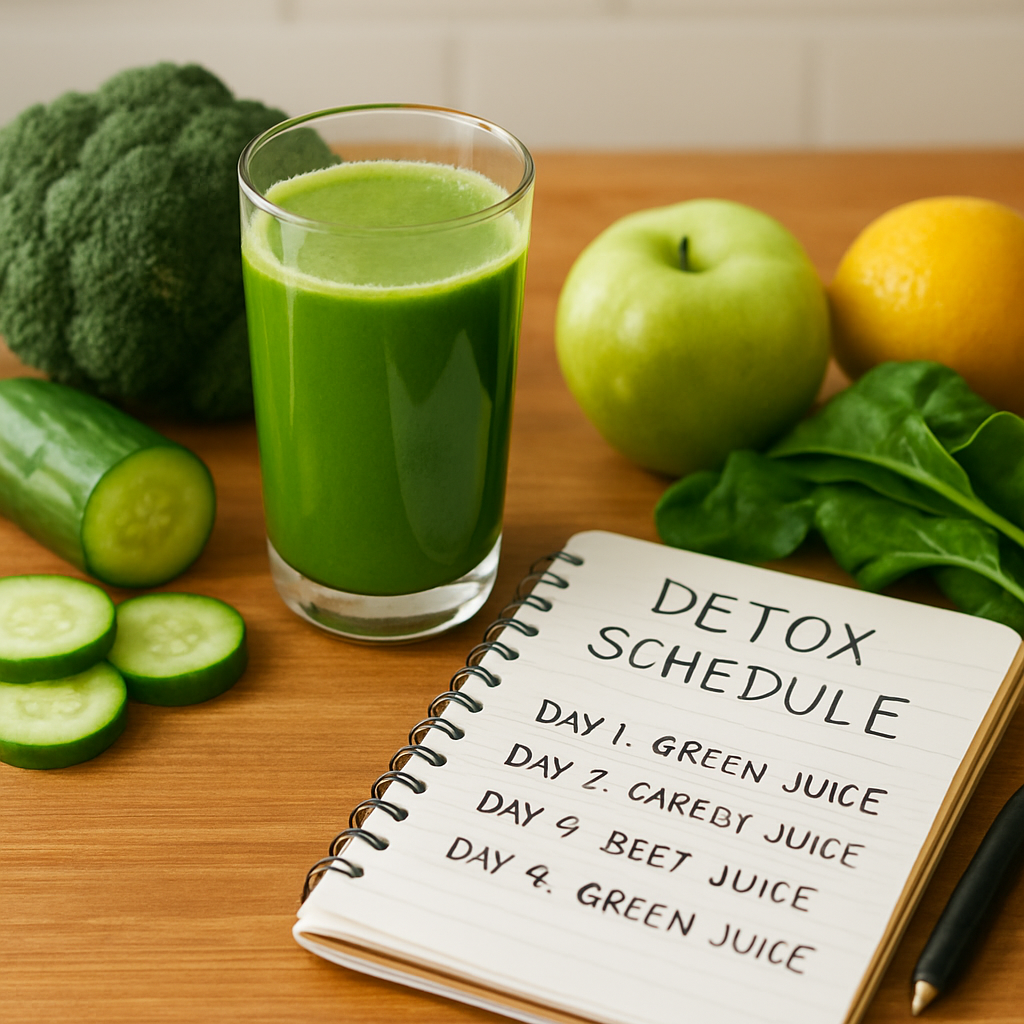
Picture this: you’ve just convinced a loved one to try a gentle detox, and the first day feels like sipping a rainbow of fresh vegetables. That moment of relief – the bright color of carrot‑apple‑ginger in a glass – is what we call the “juice spark.” It’s not magic, but it’s a real, tangible cue that the body is starting to reset.
Juice cleanses work because they flood the system with vitamins, minerals, and antioxidants while giving the digestive tract a brief timeout. Think of it like hitting the pause button on heavy meals so the liver can focus on filtering out toxins. For families dealing with substance use, that pause can mean fewer cravings and a calmer mood during those shaky first 48 hours.
But not every juice cleanse is created equal. Here’s a quick list of things to scan for when you’re scouting a program:
- Medical oversight – a nurse or doctor should be on call, even if the cleanse is “home‑based.”
- Organic, low‑sugar blends – avoid packs loaded with hidden sweeteners that can spike insulin.
- Gradual re‑introduction plan – you don’t want to jump straight back to pizza after a week of liquids.
In our experience at Next Step Intervention, families who pair a supervised juice cleanse with a clear after‑care roadmap see smoother transitions into longer‑term treatment. It’s the combination of short‑term nutrient boost and long‑term support that makes the difference.
Want a deeper dive into how to structure that after‑care? Check out our step‑by‑step detox guide. It walks you through meal plans, hydration tips, and when to call a professional.
Now, let’s talk about staying motivated. One trick families love is to turn the juice routine into a mini‑ritual. Set a timer, play a calming playlist, and maybe even journal the flavors you notice. That tiny habit creates a sense of control when everything else feels chaotic.
And what happens after the cleanse? That’s where proactive health coaching shines. A partner like XLR8well offers ongoing nutrition guidance and wellness tracking, helping your loved one keep the momentum going without feeling left in the dark.
Of course, detox isn’t just physical – the emotional side can be a rollercoaster. If anxiety creeps in, consider gentle mindfulness practices or even a brief session with a trauma‑aware coach. Resources such as ProsperWithAlthea provide tools for rebuilding confidence and setting healthy boundaries, which can be a lifeline during early recovery.
Below is a simple three‑day starter plan you can adapt:
- Day 1: Green‑power – kale, cucumber, green apple, lemon, and a pinch of spirulina.
- Day 2: Root‑refresh – beet, carrot, orange, ginger, and a splash of coconut water.
- Day 3: Tropical‑calm – pineapple, mango, mint, and a hint of turmeric.
Remember to sip slowly, stay hydrated with plain water, and watch for any signs of dizziness. If something feels off, pause and reach out to a medical professional – it’s better to be safe than to push through.
Here’s a quick visual recap of the process:
Seeing the steps in action can demystify the whole thing and give you confidence to guide your loved one through each sip.
Bottom line: a juice cleanse can be a gentle gateway into deeper recovery, but its success hinges on medical supervision, a solid after‑care plan, and emotional support. By pairing the cleanse with ongoing wellness resources, you give your family member a real shot at breaking the cycle and feeling hopeful again.
2. Master Cleanse Detox
When you hear “Master Cleanse,” you probably picture a dramatic 10‑day fast of lemon water, maple syrup, and cayenne. It sounds extreme, and honestly, it can be. But many families wonder if a toned‑down version could fit into a medically supervised detox program. Let’s walk through what the Master Cleanse really is, why it pops up in recovery conversations, and how you can adapt it safely.
1️⃣ What the classic Master Cleanse looks like
The original protocol, created in the 1940s, calls for nothing but a mixture of fresh‑squeezed lemon juice, pure maple syrup, a pinch of sea salt, and a dash of cayenne pepper. People drink about 32 ounces a day for up to two weeks. The idea is to give the digestive system a “reset” while flooding the body with electrolytes and a tiny amount of calories.
In practice, that means under 500 calories a day – a level that can trigger low blood sugar, dizziness, or even exacerbate withdrawal symptoms if not monitored.
2️⃣ Why families consider a Master Cleanse during detox
Withdrawal often comes with intense cravings for sugar, caffeine, or nicotine. Swapping those cravings for a simple, soothing lemon‑maple drink can feel like a win. The sweet‑tart flavor distracts the palate, and the warm water can be calming. Some detox centers have reported that a brief, supervised version helps keep patients hydrated and offers a ritual that replaces more harmful habits.
But the cleanse isn’t a magic detoxifier. Your liver and kidneys still do the heavy lifting. The drink is more of a supportive bridge.
3️⃣ Safety first: medical oversight is non‑negotiable
Here’s the hard truth: a full‑blown Master Cleanse can be unsafe for anyone undergoing substance withdrawal. Electrolyte imbalances are a real risk, especially when medications like benzodiazepines or antipsychotics are in the mix. That’s why we always tell families to involve the detox team before any fasting protocol.
Ask the clinicians:
- Can my loved one’s vitals be monitored around the clock?
- Is a registered dietitian on staff to adjust the plan if blood sugar drops?
- What backup foods (clear broth, a small piece of fruit) are available if energy dips?
In our experience at Next Step Intervention, the safest approach is a “mini‑cleanse” – a shortened version lasting 24‑48 hours, with a diluted lemon‑maple mix and regular check‑ins.
4️⃣ Real‑world example: the 48‑hour gentle reset
Take the case of Mark, a 38‑year‑old father in a residential detox program. The clinic offered a 48‑hour “gentle reset” as an optional add‑on. They used a 75% water, 25% lemon‑maple blend, adding a pinch of sea salt for electrolytes. Every six hours a nurse checked his blood pressure, pulse, and glucose. Mark reported fewer nicotine cravings and felt a subtle sense of control over his appetite. The key was that the protocol was optional, low‑calorie (about 800 kcal per day), and supervised.
Another family tried a similar approach with a teenage daughter. Because her withdrawal was milder, the staff let her sip the mixture only in the morning and replaced the rest of the day with clear vegetable broth. She stayed hydrated, and the family noticed a calmer mood during the first two days.
5️⃣ Actionable checklist for a safe Master Cleanse‑style add‑on
If you’re leaning toward a Master Cleanse component, follow this step‑by‑step list:
- Consult the detox team first. Get written clearance and a monitoring schedule.
- Choose a reputable recipe. Stick to fresh lemon juice, pure maple syrup, sea salt, and a pinch of cayenne – no added sugars or artificial sweeteners.
- Start small. Begin with a half‑day trial: 8‑oz drink in the morning, water the rest of the day.
- Track symptoms. Keep a simple log of energy, mood, cravings, and any dizziness.
- Have a backup plan. Keep low‑sodium broth or a banana on hand in case blood sugar drops.
- Review daily. Have the medical team assess vitals and adjust the plan as needed.
Remember, the goal isn’t to starve the body but to provide a gentle, nutrient‑rich pause that complements the broader detox strategy.
6️⃣ Expert tip: pair the cleanse with mindful practices
Many clinicians suggest pairing the lemon‑maple drink with breathing exercises or short walks. The ritual of preparing the drink can become a mindfulness moment, helping families and patients stay present during a turbulent time.
And if you’re looking for a broader guide on how to locate a detox center that will work with you on these kinds of supplemental protocols, check out Your Local Detox Near Me Guide: Find, Choose, and Start a Safe Detox Today. It walks you through the questions to ask and the red flags to watch for, making the whole process feel less overwhelming.
Bottom line: a Master Cleanse can be a helpful, low‑stress addition when it’s trimmed down, supervised, and paired with solid nutrition. It’s not a replacement for professional detox care, but it can give families a simple, calming tool to ease cravings and keep hydration up during those first critical days.
3. 7-Day Whole Food Detox
Why a whole‑food reset works
When you swap processed snacks for fresh veggies, your liver and kidneys get a breather. The body’s natural detox engines can focus on clearing out the chemicals from substance use instead of fighting off junk‑food overload.
Does that sound too simple? It isn’t – science shows that nutrient‑dense foods supply the cofactors your liver needs to turn toxins into harmless by‑products.
Day 1‑2: Light, hydrating foods
Start with clear broths, cucumber‑water, and a handful of berries. These choices keep blood sugar steady and give you electrolytes without a heavy digestive load.
Imagine your loved one sipping a warm vegetable broth while the detox team monitors vitals. It feels like a comforting hug, and the gut stays calm.
Day 3‑4: Colorful vegetables and lean proteins
Add steamed broccoli, carrots, and a modest portion of baked salmon or lentils. The fiber helps move waste through the gut, and the protein supports tissue repair.
Do you ever notice cravings for sugar during withdrawal? A bite of sweet‑potato can satisfy that urge while still keeping the blood‑sugar curve gentle.
Day 5‑6: Healthy fats and antioxidants
Introduce avocado, olive oil, and a sprinkle of nuts. These fats are anti‑inflammatory, which can ease the muscle aches many people feel in early detox.
And those antioxidants from leafy greens? They mop up free radicals generated by the body’s stress response.
Day 7: Gentle re‑introduction
Finish the week with a balanced plate: half veggies, a quarter lean protein, and a quarter complex carbs like quinoa. This smooth transition helps prevent a crash once the detox plan ends.
Does the idea of a “clean break” feel scary? In practice, it’s just a series of small, manageable meals that the whole family can share.
Action checklist for families
- ✅ Meet with the detox team to confirm the whole‑food plan fits the medical protocol.
- ✅ Stock a fridge with low‑sodium broth, fresh produce, and quality proteins before the program starts.
- ✅ Set a schedule: breakfast, lunch, dinner, and two light snacks – consistency keeps blood sugar stable.
- ✅ Keep a symptom log: note energy levels, cravings, and any side effects. Share it daily with the care team.
- ✅ Have a backup snack (like a banana or a small handful of almonds) for unexpected cravings.
Our experience at Next Step Intervention shows that families who follow a clear food plan feel more in control and notice fewer mood swings during withdrawal.
Need a deeper dive? Check out our effective detox treatment guide for step‑by‑step tips on pairing nutrition with medical care.
For those looking for extra support beyond the kitchen, natural‑remedy resources can complement the plan. Websites like 5BestNaturalRemedies offer herb and supplement ideas that many families find helpful alongside professional care.
Remember, the goal isn’t a strict “diet” but a nourishing bridge that lets the body focus on healing. When the food is simple, the mind feels calmer, and the whole detox journey becomes a little less intimidating for everyone involved.
4. Colon Hydrotherapy Detox
Imagine sitting in a quiet treatment room, the gentle hum of a machine behind you, and a feeling that something inside is finally getting a fresh start. That’s the vibe many families get when they hear about colon hydrotherapy as part of a detox program. It’s not a miracle cure, but when paired with medical supervision it can help ease that “full‑and‑bloated” feeling that often accompanies early withdrawal.
1️⃣ What colon hydrotherapy actually does
In plain terms, colon hydrotherapy—sometimes called a colonic irrigation—uses filtered, warm water to gently flush the large intestine. The water is introduced through a small, reusable tube, then released along with waste material. The process lasts about 30‑45 minutes and is meant to clear out leftover food particles, mucus, and bacterial buildup.
Think of it like a car’s engine flush after a long road trip. It doesn’t fix the engine, but it removes debris that could slow performance. For someone in detox, a cleaner colon can mean less cramping, smoother bowel movements, and a tiny boost in comfort.
2️⃣ Why families consider it during detox
Withdrawal often brings constipation, bloating, and a general sense of “everything’s stuck.” Those symptoms can amplify anxiety and make it harder to stick with the program. A brief colonic session can give a quick, tangible relief that feels like progress—something families can point to on day two or three.
And because the colon houses a huge portion of the immune system, clearing it out can sometimes reduce inflammation, which many of our clients report as a subtle mood lift. It’s not a substitute for medication or counseling, but it can be a helpful adjunct.
3️⃣ Safety checklist you can run with the care team
Before you book a session, run through this quick list with the detox clinicians:
- ✅ The therapist is certified by a recognized organization (e.g., the International Association of Colon Hydrotherapists).
- ✅ The clinic uses medical‑grade, filtered water and disposables that are changed after each client.
- ✅ Your loved one’s vitals (blood pressure, heart rate) will be monitored before, during, and after the procedure.
- ✅ The team has a clear protocol for stopping the session if any discomfort or dizziness occurs.
- ✅ A registered dietitian reviews the client’s recent food intake to ensure electrolytes are balanced.
If any of those boxes are unchecked, it’s worth pausing and asking for alternatives. Safety always wins over novelty.
| Aspect | Potential Benefit | Key Consideration |
|---|---|---|
| Gut Clearance | Reduces bloating and constipation | May cause temporary cramping |
| Inflammation Support | May lower gut‑related inflammation | Requires proper hydration before/after |
| Mental Boost | Provides a quick sense of progress | Not a standalone treatment for addiction |
Now, if you’re wondering what a colon hydrotherapy session actually looks like, this short video walks you through the process step by step. It’s a good way to set realistic expectations before you walk into the clinic.
After watching, you’ll notice the therapist’s gentle rhythm and the client’s relaxed breathing. That calm vibe is exactly what we aim for in any detox program—minimal stress, maximum support.
Bottom line: colon hydrotherapy can be a useful tool in a broader detox strategy, especially when constipation is a roadblock. It’s most effective when you treat it as a complementary piece, not the centerpiece. Talk to the medical team at your detox center, ask the safety questions above, and decide together if a gentle colonic flush fits the overall plan. When you combine that with solid nutrition, counseling, and the right medication, you give your loved one a smoother path toward recovery.
5. Herbal Supplement Detox
When you’re already juggling medical supervision, counseling, and nutrition, the idea of adding a handful of herbs can feel both hopeful and overwhelming. You’ve probably heard the buzz about “herbal detox” and wondered if it’s just hype or a real ally for your loved one’s recovery.
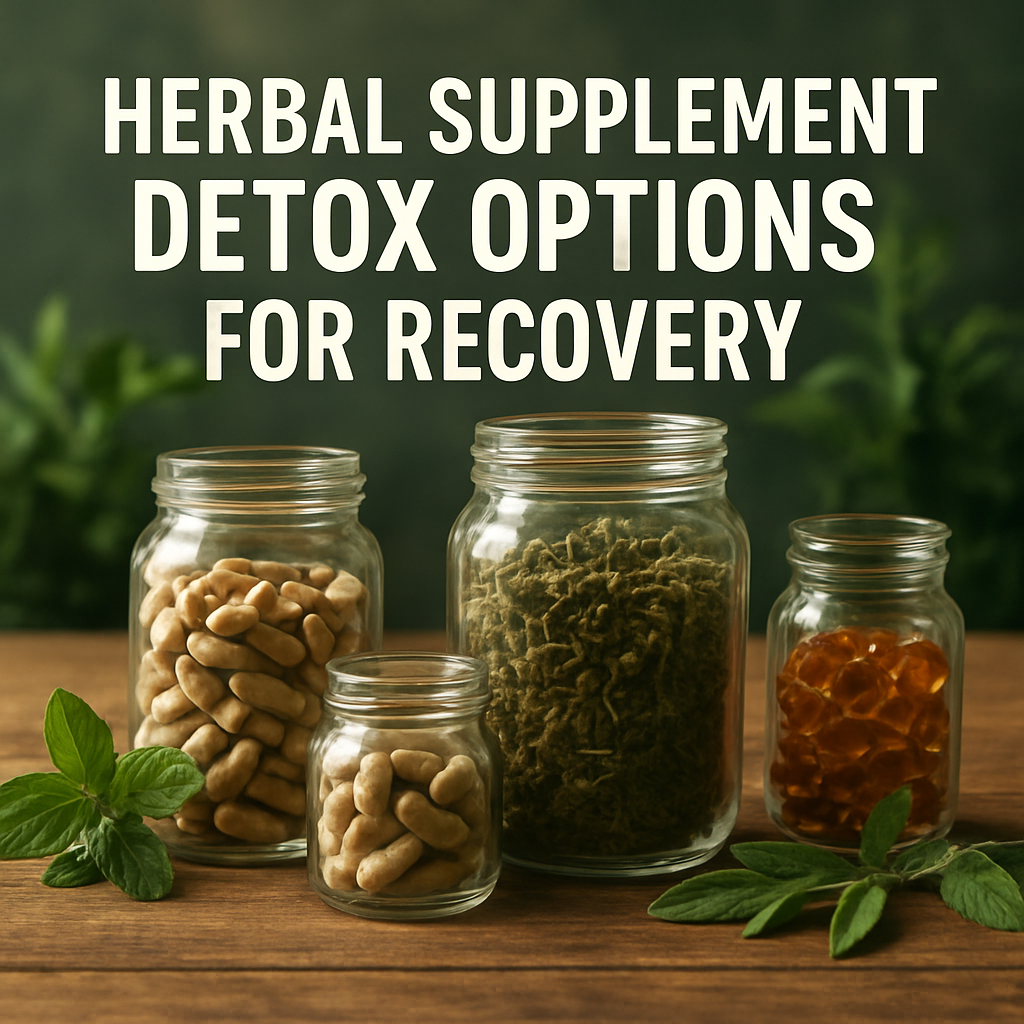
Let’s break it down the way we’d explain it over a kitchen table with a cup of tea. Below are five herbs that show up most often in detox conversations, what they might do, and the safety checkpoints you’ll want to run with the clinical team.
1️⃣ Milk Thistle (Silybum marianum)
This golden‑seeded plant is famous for liver support. The active compound silymarin is thought to protect liver cells from oxidative stress, which can be handy when the body is processing alcohol or drug metabolites.
In practice, families have used milk thistle capsules or a mild tea blend during the first week of a detox program. The key is dosage – most studies suggest 150 mg of silymarin three times daily, but you’ll want the detox physician to confirm it won’t clash with any medication.
Tip: Pair it with plenty of water and a balanced diet; the herb works best when the liver isn’t already strained by dehydration.
2️⃣ Dandelion Root (Taraxacum officinale)
Dandelion isn’t just a weed; its root acts like a gentle diuretic and can encourage the kidneys to flush excess fluid and waste.
For someone in a medically supervised detox, a small cup of dandelion‑root tea (about 1‑2 teaspoons of dried root per cup) twice a day can help maintain electrolyte balance. The medical team should monitor potassium levels, because too much diuresis could shift electrolytes.
Think of it as a soft‑push, not a harsh cleanse. It’s especially useful if the detox protocol includes fluids that tend to be low‑salt.
3️⃣ Turmeric (Curcuma longa)
Curcumin, the bright orange pigment in turmeric, has anti‑inflammatory properties that many clinicians appreciate during withdrawal, when the body can feel achy and tense.
Adding a half‑teaspoon of turmeric powder to a smoothie or broth once daily can mellow inflammation. Absorption improves with a pinch of black pepper and a bit of healthy fat (like olive oil), so a drizzle on a veggie‑rich soup works wonders.
Watch for stomach upset – some people feel a mild rash or nausea if they start too fast. Start with a quarter teaspoon and build up.
4️⃣ Ginger (Zingiber officinale)
Ginger is a go‑to for nausea, which is a common side effect of both withdrawal and many medications used in detox. A fresh‑sliced piece steeped in hot water for 5 minutes creates a soothing tea that can be sipped throughout the day.
Beyond nausea, ginger can also help with digestion and reduce inflammation in the gut. The typical dose is about 1‑2 grams of fresh root – roughly a thumb‑sized piece.
Keep an eye on blood thinning if your loved one is on anticoagulants; a quick check with the care team will keep things safe.
5️⃣ Ashwagandha (Withania somnifera)
This adaptogenic herb is known for calming the nervous system. During detox, stress spikes can trigger cravings, and a modest dose of ashwagandha extract (300‑500 mg) taken in the evening may promote a steadier mood.
Look for a standardized extract that lists “withanolides” on the label – that ensures you’re getting the active compounds. As always, verify with the prescribing doctor, especially if the detox includes benzodiazepines.
Even a small amount can make the difference between “I can’t relax” and “I feel a little more settled.”
So, how do you weave these herbs into a detox program without turning the plan into a DIY experiment?
Quick checklist for families
- ✅ Talk to the detox clinician before adding any herb; get written clearance.
- ✅ Choose high‑quality, preferably organic, supplements with transparent labeling.
- ✅ Start with the lowest recommended dose and monitor for side‑effects.
- ✅ Keep a simple symptom log: note energy, cravings, stomach comfort, and any new sensations.
- ✅ Ensure hydration – aim for at least 8 cups of water daily, unless the medical team advises otherwise.
When the herbs line up with the medical plan, they become a gentle support rather than a gamble. In our experience at Next Step Intervention, families who added one or two of these botanicals, under professional guidance, reported feeling a bit more grounded during the first 72 hours of withdrawal.
Remember, herbal supplement detox is a complementary piece of the puzzle. The core of any successful detox program remains medical oversight, a safe environment, and ongoing after‑care. Use the herbs as a soft cushion, not a substitute, and you’ll give your loved one an extra layer of comfort on the road to recovery.
6. Digital Detox Programs
Ever caught yourself scrolling mindlessly while you’re supposed to be checking on a loved one’s recovery? That constant buzz can actually drain the energy you need to be present during a detox. That’s why a digital detox program can be a surprisingly powerful supplement to any addiction detox programs you’ve already chosen.
1️⃣ Structured “No‑Screen” Hours
Start with a simple rule: no phones, tablets, or TVs from 7 p.m. to bedtime. It sounds easy until you realize how many habits revolve around the glow of a screen. In our experience, families who set a clear “screen‑off” window notice calmer evenings and better sleep for everyone in the house.
Tip: Use an old‑school alarm clock instead of a phone alarm, and keep a family journal nearby to note any cravings or anxiety spikes during those hours.
2️⃣ Guided Digital‑Detox Retreats
If a weekend away feels doable, a short‑term retreat can reset the brain’s habit loops. Freedom.to explains how a focused retreat can boost productivity and reduce mental fatigue by giving the nervous system a break from constant notifications Freedom’s guide to digital detox retreats. Look for programs that combine nature walks, yoga, and a strict device ban – no need for a mountain monastery, even a nearby cabin works.
When you return, the sense of calm often carries over into daily routines, making it easier to stick with the larger detox plan.
3️⃣ “Tech‑Free” Family Zones
Designate a room or a corner of the living area as a screen‑free zone. Fill it with board games, art supplies, or a simple beanbag and some calming music. The goal isn’t to ban tech forever, just to create a physical reminder that connection can happen without a screen.
Kids especially love a tangible space where they can talk, draw, or just sit together. You’ll be surprised how many conversations surface when the phone isn’t stealing the spotlight.
4️⃣ Daily Mindfulness Check‑Ins
Before you reach for a device, pause and ask yourself: “Am I checking this because I’m bored, anxious, or actually need that info?” A quick breathing exercise (inhale 4, hold 4, exhale 4) can often replace the reflex to scroll. Over time, this habit builds a mental buffer that protects against the overwhelm that can trigger cravings.
Keep a small notebook by the couch. Jot down what triggered the urge and how you responded. Review it weekly with the detox team to spot patterns.
5️⃣ Digital‑Detox “Safety Net” Apps
Ironically, a well‑chosen app can help you stay off apps. Freedom offers a blocker that lets you schedule downtime for specific sites or whole devices. Set it for social media during therapy sessions or for the first hour after medication administration. This way you stay focused when it matters most, without feeling like you’re missing out.
Remember to review the schedule with the clinical team so no essential tele‑health appointments get accidentally blocked.
6️⃣ Educational Reset – Learn the Why
Understanding the science behind digital overload can turn a rule into a shared mission. Brown University Health outlines the psychological toll of constant connectivity and why stepping away helps the brain reset Brown Health’s digital detox overview. Share a short article like this at a family meeting; it gives everyone a common language and reduces resistance.
When the family sees the same research you’re using, the digital detox feels less like a punishment and more like a health‑savvy choice.
Quick Checklist for a Family‑Centered Digital Detox
- ✅ Define “no‑screen” windows and write them on the fridge.
- ✅ Pick one weekend for a low‑tech retreat (even a local cabin works).
- ✅ Create a dedicated tech‑free zone with board games or art supplies.
- ✅ Practice a 4‑4‑4 breathing pause before reaching for your phone.
- ✅ Use a blocker app like Freedom to schedule automatic downtime.
- ✅ Share a short, credible article about digital detox benefits with the whole family.
Integrating these digital detox programs alongside medical supervision gives your loved one a calmer environment, sharper focus, and fewer triggers that could derail the recovery journey. It’s not about ditching technology forever – it’s about teaching the brain to choose when to engage and when to step back.
Conclusion
We’ve walked through juice cleanses, Master Cleanse tweaks, whole‑food resets, colon hydrotherapy, herbal allies, and even a digital break—each a piece of the bigger puzzle that is detox programs.
The common thread? Safety first, medical oversight always, and a family‑centered routine that feels doable, not punitive.
So, what’s the next step for you? Grab the quick checklist you already have, pick one low‑tech weekend, and run it by your detox clinician before you dive in.
Remember, a detox program isn’t a one‑size‑fits‑all magic bullet—it’s a collection of small habits that add up to big change.
If you need a hand navigating the maze, our team at Next Step Intervention is ready to answer questions and help you build a plan that fits your family’s unique rhythm.
Take a breath, pick one tweak, and start today—because the sooner you begin, the faster the brain can reset and the whole family can feel the relief.
And if you ever hit a snag, don’t sweat it—just revisit the checklist, adjust the window, or chat with a clinician. Small pivots keep momentum going and prevent frustration. Your commitment, even in tiny doses, is what turns a detox program into lasting recovery for you and your loved ones.
FAQ
What exactly are detox programs and why are they important for families dealing with addiction?
Detox programs are medically‑guided periods where the body clears out substances while professionals monitor withdrawal symptoms, hydration, and nutrition. For families, they provide a safe window to stabilize the loved one, reduce risky cravings, and give everyone a clear roadmap. Because the brain’s chemistry is still shifting, having a structured plan lowers the chance of relapse and helps caregivers feel more confident in the process.
How long should a typical detox program last for an adult struggling with substance withdrawal?
The length really depends on the substance, severity of dependence, and any co‑occurring health issues. Most clinicians aim for a 3‑ to 7‑day inpatient stay for alcohol or opioids, followed by a brief outpatient bridge of another week or two. Shorter protocols—like a 24‑hour medically supervised juice reset—can work for mild cases, but anything under 48 hours without monitoring is risky. Always let the detox team set the exact timeline based on lab results and vital signs.
Are juice cleanses or a Master Cleanse safe components of a detox program?
Juice cleanses can be a gentle way to add nutrients, but they’re low‑calorie and may trigger blood‑sugar dips if not supervised. A short, half‑day juice trial—one glass in the morning and water the rest of the day—works for many families when a clinician checks vitals. The classic Master Cleanse, however, is very restrictive; even a trimmed 48‑hour version should only be done with medical clearance and electrolyte monitoring.
What role does medical supervision play in a detox program?
Medical supervision is the safety net that catches low blood pressure, abnormal heart rhythms, or sudden spikes in cravings. Doctors can adjust medication dosages, provide IV fluids, and order labs to track liver function in real time. For families, having a clinician on call means you don’t have to guess whether a headache is a harmless side effect or a sign of a deeper complication.
How can families support someone during a detox program at home?
First, create a calm, screen‑free zone where the person can rest without constant distractions. Stock the fridge with low‑sodium broth, fresh fruit, and the approved juice or herbal teas they’ve been cleared to use. Keep a simple symptom log—energy, cravings, mood—and share it with the treatment team each day. Offer gentle encouragement, but avoid nagging; a brief “You’re doing great” goes a long way.
What are common side effects during detox and how can they be managed?
Typical side effects include headache, nausea, insomnia, anxiety, and occasional tremors. Hydration is key—sip water or electrolyte‑balanced drinks every hour. Light protein like broth helps steady blood sugar, and a short walk can ease muscle tension. If a symptom feels severe—like a pounding heart or persistent vomiting—call the on‑call clinician immediately; they may need to adjust meds or provide IV support.
When should we consider moving from detox to a longer‑term treatment plan?
If the person has completed the initial detox window without severe complications, shows stable vitals, and can engage in brief counseling sessions, it’s time to transition. Look for signs like reduced cravings, better sleep, and the ability to eat regular meals. At that point, the clinical team will recommend a residential or outpatient program that focuses on relapse prevention, therapy, and after‑care support.