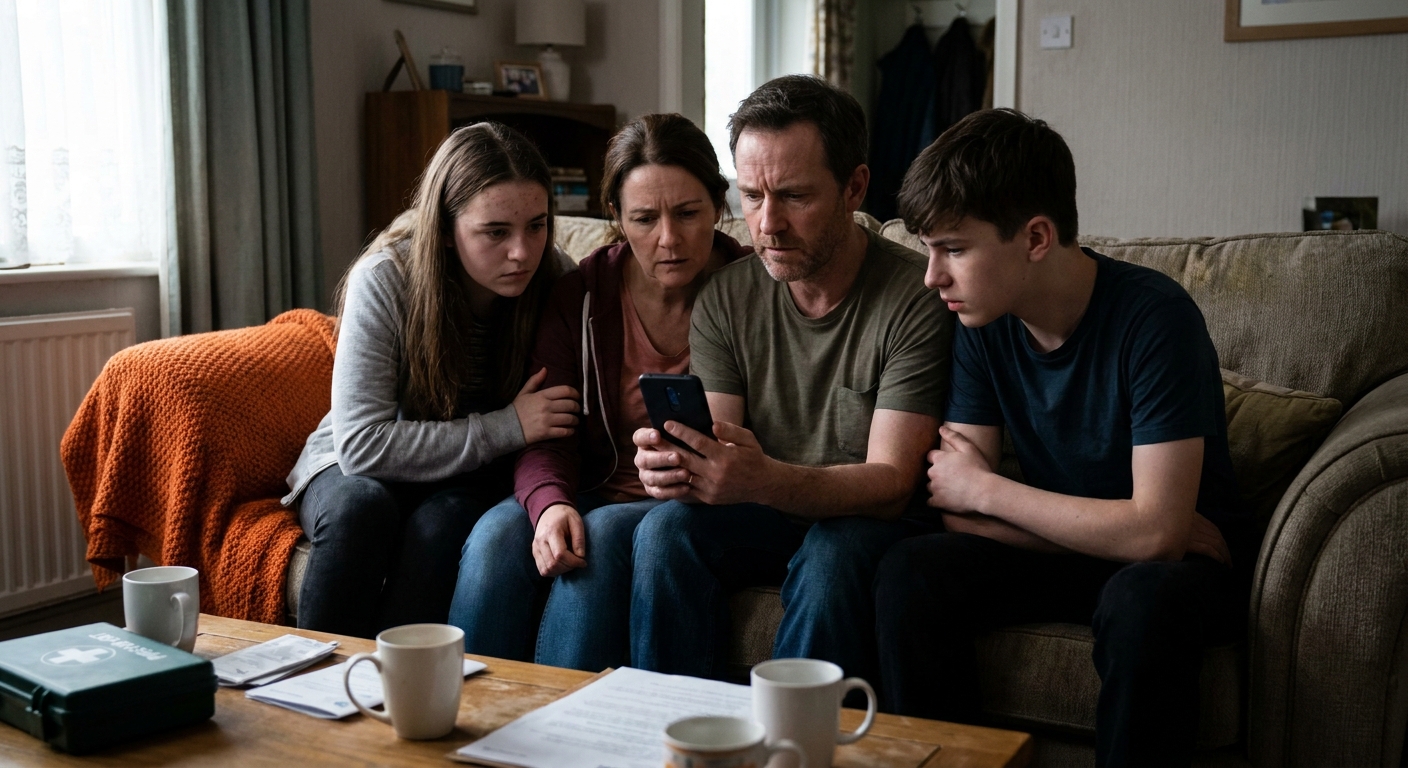

When you type “drug interventionist near me” into the search bar, your heart probably jumps. You feel the pressure of a loved one slipping deeper, and you want help right now.
First thing you notice is the flood of options. Some look glossy, some promise fast fixes. But you need a real person who can show up at your door, listen, and guide you through a calm, clear plan.
What we’ve learned at Next Step Intervention is that proximity matters. A local specialist knows the nearby detox beds, the support groups that meet on Tuesday evenings, and the insurance quirks of your county. That local knowledge can shave hours off the waiting time.
Here’s a quick three‑step habit you can start:
- Grab a notebook and write down the last three signs that made you worry – missed work, mood swings, secret trips.
- Search for an interventionist in your city and check for a California license number. A quick call can confirm it.
- Ask the professional about emergency response – can they be there within 24‑48 hours?
One family in Riverside called a nearby specialist after their teen disappeared for a weekend. The specialist arrived the same afternoon, did a calm assessment, and linked the teen with a local rehab that had an opening. Within a week the teen was in treatment and the family felt a weight lift.
Finding the right person isn’t just about credentials; it’s about feeling heard. Why You Need an Expert Interventionist Near Me explains how local expertise can turn panic into a clear path.
Remember, an intervention is just the first step. Ongoing care, family meetings, and healthy habits keep the momentum. Pairing that with proactive health support can boost recovery. For a broader view on staying healthy during this journey, check out XLR8well’s proactive health resources.
Take a breath, write down those three warning signs, and make the call today. The sooner you act, the easier it is to pull your loved one back from the edge.
Understanding What a Drug Interventionist Does
When you type ‘drug interventionist near me’ you’re looking for a real person who can step in fast. You want someone who shows up, talks, and helps move a loved one toward treatment. That’s exactly what a drug interventionist does.
First, they do a quiet assessment. They come to your home, watch the patterns, and ask the right questions without blame. This lets them gauge how severe the use is and what kind of help will fit.
Next, they design a plan that matches the family’s needs. The plan usually has three parts: an in‑home meeting, a referral to a treatment center, and a follow‑up schedule. The meeting is led by the specialist, not by family members so emotions stay under control.
Why does that matter? Because families often get stuck in arguments. A trained interventionist keeps the tone calm, uses clear language, and makes sure everyone gets a chance to speak. The result is a better chance that the person agrees to get help.
You might wonder how quickly they can act. In our experience, a qualified specialist can be on site within 24‑48 hours if you call right away. That rapid response cuts down the time the situation spirals.
What about paperwork? The interventionist handles insurance checks, admission forms, and any legal concerns. They know which rehab beds have openings in your county, so you don’t waste hours calling around.
A big part of the job is education. After the meeting, the specialist explains what to expect in detox, what the recovery timeline looks like, and how the family can stay supportive. They also give you tools to spot relapse signs early.
Here’s a quick checklist you can use when you first call: 1) Verify a California license number. 2) Ask about emergency response windows. 3) Confirm they work with your insurance. 4) Get a clear outline of the three‑step plan. If the answers feel solid, you’re on the right track.
Sometimes families feel alone after the first meeting. That’s where ongoing care kicks in. A good interventionist will schedule a follow‑up call within a week, then check in regularly for the first month. Those check‑ins keep momentum and stop the feeling of being stuck.
You don’t have to manage everything on your own. Resources like XLR8well offer proactive health tips that complement the intervention work. Their articles on nutrition, sleep, and stress management help families create a healthier environment while treatment is underway.
Take a moment now to write down the three warning signs you’ve seen. Put the phone number of a licensed specialist in your contacts. When the next red flag shows up, you’ll be ready to act.

Remember, the right interventionist turns panic into a plan. You’re not alone; help is just a phone call away. Keep this guide handy and reach out when you need that extra hand today now.
Key Credentials and Certifications to Look For
Why credentials matter
When you type drug interventionist near me you’re looking for someone you can trust with a very delicate situation. A credential is the proof that the person has the training to handle that pressure.
It’s like checking a mechanic’s license before you hand over your car. You want to know they’ve studied the right stuff and follow a code of ethics.
State licensing
California requires every interventionist to hold a valid state license. Ask to see the license number on their website or in an email. A quick call to the licensing board can confirm it.
If they can’t give you a number, walk away. That missing piece is a red flag.
Professional certifications
Look for certifications from reputable bodies such as:
- International Association of Intervention Specialists (IAIS)
- Substance Abuse and Mental Health Services Administration (SAMHSA) certified trainer
- Certified Addiction Counselor (CAC) – especially if the specialist also provides counseling
These badges mean the person completed a set curriculum and passed an exam. They’re not just marketing fluff.
Specialized training
Intervention isn’t a one‑size‑fits‑all job. Good specialists have extra training in:
- Family systems therapy – so they can keep the conversation calm
- Crisis de‑escalation – because emotions run high
- Dual‑diagnosis awareness – many people battling substance use also face mental‑health challenges
When they mention these topics, ask for proof of attendance or a completion certificate.
Background checks and insurance
Because the work touches vulnerable adults, a reputable firm will run criminal background checks on every staff member. They should also carry professional liability insurance. That protects both you and the client if something goes sideways.
Continuing education
Regulations and best practices evolve. A solid interventionist will log a few hours of continuing education each year. Ask, “What’s the latest thing you learned that improves outcomes?” If they shrug, that’s a sign they might be stuck in old methods.
What we look for at Next Step Intervention
We make sure each team member is licensed in California, holds an IAIS certification, and completes quarterly training on crisis response. Our insurance covers every family we work with, and we keep detailed records of each specialist’s continuing‑education credits.
Want a quick way to see if a provider meets these standards? Read our step‑by‑step guide on checking credentials. It walks you through the exact questions to ask and where to verify a license number.
Checklist for your next call
- Confirm California license number and verify it with the state board.
- Ask for IAIS or SAMHSA certification – request to see the badge or certificate.
- Inquire about specialized training in family dynamics and crisis de‑escalation.
- Check that they run background checks on staff and carry liability insurance.
- Verify they log continuing‑education hours and can name a recent topic they studied.
Cross‑checking these items takes just a few minutes, but it can save weeks of confusion later. When you feel the weight of the decision, remember that the right credentials are the safety net that lets you focus on what matters: helping your loved one start the recovery journey.
Comparing Service Options and Costs
When you type drug interventionist near me you’re looking for help right now. You feel the pressure of a loved one slipping deeper, and you need a clear plan fast.
But options can feel like a maze. Some services promise a quick visit. Others sell a full‑day retreat. How do you know which one fits your family’s budget and urgency?
First, think about the three things that matter most: speed, support, and price. Speed means how quickly the specialist can be at your door. Support means what follow‑up they provide after the meeting. Price is the out‑of‑pocket cost after insurance.
Here’s a quick way to compare the most common packages you’ll see when you search for a local interventionist.
| Service Model | What You Get | Typical Cost (2026) |
|---|---|---|
| Standard Package | Pre‑visit assessment, 2‑hour on‑site meeting, written follow‑up plan | $1,200 – $1,800 |
| Rapid‑Response Package | On‑site visit within 24‑48 hrs, 1‑week hotline support, family debrief | $2,000 – $2,800 |
| Full‑Day Onsite Package | Full day at home, multiple sessions, detox coordination, 48‑hr on‑call support | $3,500 – $4,500 |
Notice the price jump from the standard to the full‑day option. The extra cost usually covers travel time, more staff, and the ability to lock in a treatment bed on the spot.
In our experience, families who need an emergency response often choose the rapid‑response model. One family in Riverside called us after their teen missed work three days in a row. Our specialist arrived in two hours, ran a calm assessment, and secured a rehab slot that day. The whole process cost them $2,300, well within the rapid‑response range.
If you’re not in a crisis, the standard package can be a solid start. It gives you a written plan you can review with your insurance, and it lets you compare treatment centers before you commit.
So, what should you do next? Grab a notebook and run through this three‑step checklist:
- Call three local specialists. Ask: “Can you be on site within 24 hours? What’s the total cost, including travel? Do you offer post‑intervention follow‑up?”
- Write down each answer. Mark any red flags – vague response times, missing cost details, or no mention of after‑care.
- Match the answers to the table above. Choose the model that meets your urgency and budget.
One more thing to consider is insurance. Many California providers accept major PPO plans, but they often require a pre‑authorization form. If the specialist can’t work with your insurer, you’ll need to budget the full amount.
And don’t forget the long‑term picture. After the intervention, families benefit from ongoing support – weekly check‑ins, community group referrals, and sometimes even sober‑gift ideas to celebrate milestones. For some inspiration, check out thoughtful sober‑gift ideas that keep the momentum going.
When you compare options, keep the focus on three pillars: how fast they can act, what support they keep after the meeting, and whether the price matches the value you’ll get. A quick phone audit, a solid checklist, and a clear view of the service models will turn the overwhelm into a decision you can feel good about.
And if you need a step‑by‑step guide to narrow down reliable resources, our Find Substance Abuse Help Near Me page walks you through exactly how to vet credentials, ask the right questions, and compare costs without getting lost in marketing fluff.
How to Contact and Vet a Local Drug Interventionist
When you type “drug interventionist near me” you’re looking for help right now. The phone’s ringing, the worry’s heavy, and you need a clear plan fast.
Step 1: Write down the basics
Grab a notebook or a notes app. Jot the loved one’s name, age, substance use pattern, and any recent scary incidents. Add the zip code you live in and any insurance cards you have nearby. This tiny list will keep the call from feeling chaotic.
Step 2: Make the first call
Pick three providers you found online. Dial the first one and ask, “Can you be on site within 24‑48 hours?” Listen for how quickly they answer. A good specialist will give a concrete window, not a vague “as soon as possible.”
While you’re on the phone, note the person’s name, their tone, and whether they repeat back what you said. Those little cues tell you if they’re really listening or just reading a script.
Step 3: Verify credentials
Ask for their California license number. Then go to the state licensing board website and type it in. If the number matches, you’ve cleared the first hurdle.
Next, request proof of any certifications – IAIA, SAMHSA trainer, or Certified Addiction Counselor. A reputable firm will email you a PDF or show the badge on their site. If they dodge the request, that’s a red flag.
Step 4: Check insurance and costs
Tell them your insurance carrier and ask, “Do you take my PPO and can you handle pre‑authorization?” Write down the total out‑of‑pocket estimate, including travel fees if they’re coming from outside your county.
Compare that number to the price ranges we listed earlier. If it’s wildly higher, ask what extra services justify it. Transparent providers break down each line item.
Step 5: Trust your gut
After the call, step away for a minute. Does the specialist sound empathetic? Did they answer every question without hesitation? Do you feel a little relief instead of more anxiety?
If the answer is yes, schedule the intake. If you’re still uneasy, repeat the process with another provider. It’s okay to shop around – this is a critical decision for your family.
Quick vetting checklist
- California license number confirmed on state board
- IAIA, SAMHSA, or CAC certification visible
- Response time: on‑site within 24‑48 hrs
- Clear cost breakdown, includes travel
- Insurance accepted or clear out‑of‑pocket estimate
- Empathetic tone and willingness to answer all questions
Don’t forget to ask about follow‑up support. A reliable interventionist will schedule a check‑in call within a week and can point you to local support groups or sober‑gift ideas to celebrate small wins. This ongoing touch keeps momentum alive.
When you’ve crossed every box, you’ll know you’ve found a professional who can turn panic into a plan. Need a step‑by‑step worksheet to keep track? Our practical guide to finding substance‑abuse help near you walks you through the exact questions to ask and how to log the answers.
Take a breath, make that first call, and remember: the right drug interventionist will show up, listen, and help you move forward.
Common Questions and Red Flags When Hiring
You’ve got a list of names on your phone. Which one actually shows up? Which one will listen without judging?
First question families ask: Can you be on site within 24‑48 hours? If the answer is vague – “as soon as possible” – that’s a red flag. A real professional gives a firm window and sticks to it.
Do they have a valid California license?
Ask for the license number right off the bat. Then go to the state board website and type it in. If they dodge or claim they’ll email it later, walk away. A missing license means they aren’t vetted by the state.
Second question: What certifications do you hold? Look for IAIS, SAMHSA trainer, or CAC badges. Those aren’t decoration; they prove the person completed a curriculum and passed an exam. If they can’t show proof, that’s another warning sign.
How quickly can they link you to treatment?
Speed matters. An effective interventionist will have a list of local rehab beds that are actually open. If they say they’ll “find out” after the meeting, you’re risking weeks of delay.
Ask: “What’s the typical turnaround from assessment to admission?” A clear answer – “24‑48 hours” – is a green light. Anything fuzzy should make you nervous.
What does follow‑up look like?
Most families forget to ask about after‑care. A solid professional schedules a check‑in call within a week and gives you contacts for support groups. No follow‑up plan? That’s a red flag because momentum fades fast.
Another common question: Do you accept my insurance? If they can’t give a straight answer, you might face a huge out‑of‑pocket bill. Ask for a written cost breakdown that includes travel fees.
And don’t forget to listen to your gut. Does the specialist sound rushed? Do they repeat your concerns back to you? Empathy isn’t a perk; it’s a must.
Here’s a quick checklist you can print out:
- License number verified on state board
- IAIS, SAMHDA, or CAC certification visible
- On‑site response time promised (24‑48 hrs)
- Clear cost estimate, travel included
- Insurance accepted or transparent out‑of‑pocket quote
- Follow‑up call scheduled within a week
If any item is missing, mark it red. The more red flags you see, the more you should keep looking.
One family we helped in Riverside asked, “What if the specialist can’t come fast enough?” We matched them with a rapid‑response provider who arrived in two hours, secured a rehab slot that same day, and the teen started treatment within 24 hours. That speed made all the difference.
When you’re ready to compare options, use our practical guide to finding substance‑abuse help near you. It walks you through the exact questions to ask and how to log the answers.
Remember, the right interventionist turns panic into a plan. The wrong one leaves you stuck in uncertainty.
Take a breath, pull out your checklist, and call the first provider on your list. If they don’t check the boxes, thank them for their time and move on. Your family’s safety is worth that extra minute of research.
When you finally hear a calm, confident voice that answers every question, you’ll feel a little relief. That’s the signal to move forward.
So, what’s the next step? Grab your notebook, write down the license number, and make that call before the night ends.

Conclusion and Next Steps
So you’ve read the steps, the checklists, the real‑world stories. What’s the next move?
First, grab that notebook again. Write down the three things you need right now – a fast response, a clear plan, and a phone number you trust.
Then call a provider that checks every box on your list. Ask for their California license number, confirm they have a 24‑hour hotline, and get a written cost estimate. If any answer feels vague, move on.
When you hear a confident “We can be there in two hours,” that’s a good sign. It means the specialist can turn panic into a calm, focused meeting.
After the on‑site visit, follow the written plan step by step. Schedule the treatment slot they secured, keep the after‑care checklist handy, and use the hotline if doubts pop up.
Need a quick refresher on how to vet and compare options? Check out Finding an Interventionist Near Me: A Practical Guide. It walks you through the exact questions to ask and red flags to watch for.
And remember, you’re not alone in this. Families often benefit from extra resources on supporting teens and young adults during recovery. About Young People offers practical answers that complement the work of a drug interventionist near me.
Take a deep breath, make that call, and let the professional guide you forward. The sooner you act, the faster your loved one can step onto a safer path.
FAQ
How fast can a drug interventionist arrive after I call?
We usually see a specialist on‑site within 24‑48 hours if you tell them the situation is urgent. Ask straight away: “Can you be here in the next day?” If they hesitate or give a vague window, keep looking. A rapid‑response team will have a 24‑hour hotline and a clear plan for getting to your door quickly.
What credentials should I check when I search for a drug interventionist near me?
First, ask for the California license number and look it up on the state website. Next, look for CCAPP or IAIS certification – those show the person completed formal training. Finally, verify they’ve finished a recognized program like the CSU Bakersfield Drug and Alcohol Studies Certificate. Anything missing is a red flag, so move on.
How much does a typical intervention cost and will my insurance cover it?
Standard packages run about $1,200‑$1,800, rapid‑response $2,000‑$2,800, and full‑day $3,500‑$4,500. Call and ask for an itemized quote so you know exactly what you’re paying. Many providers accept major PPO plans, but they often need a pre‑authorization form. If they can’t work with your insurer, be ready to budget the full amount.
What should I prepare before the intervention meeting?
Grab a notebook and write down the three most recent warning signs you’ve seen. List any medical alerts, recent arrests, or missed work. Have your insurance card handy and a list of local treatment centers you’ve already researched. During the call, ask the specialist to confirm the meeting agenda so you know what to expect.
What happens after the on‑site visit? Is there follow‑up support?
The interventionist will leave you with a written action plan that includes treatment options, timelines, and contact numbers. Most reputable specialists also offer a 24‑hour hotline for the first week and weekly check‑ins afterward. Keep the plan visible and call the hotline any time a question or doubt pops up.
How can I tell if the specialist is truly local and knows my area resources?
Ask them to name at least two detox beds, support groups, or hospitals within your county. A local expert will mention specific names and even give you phone numbers. If they can’t point to real places nearby, you’re probably not dealing with someone who knows the community well.