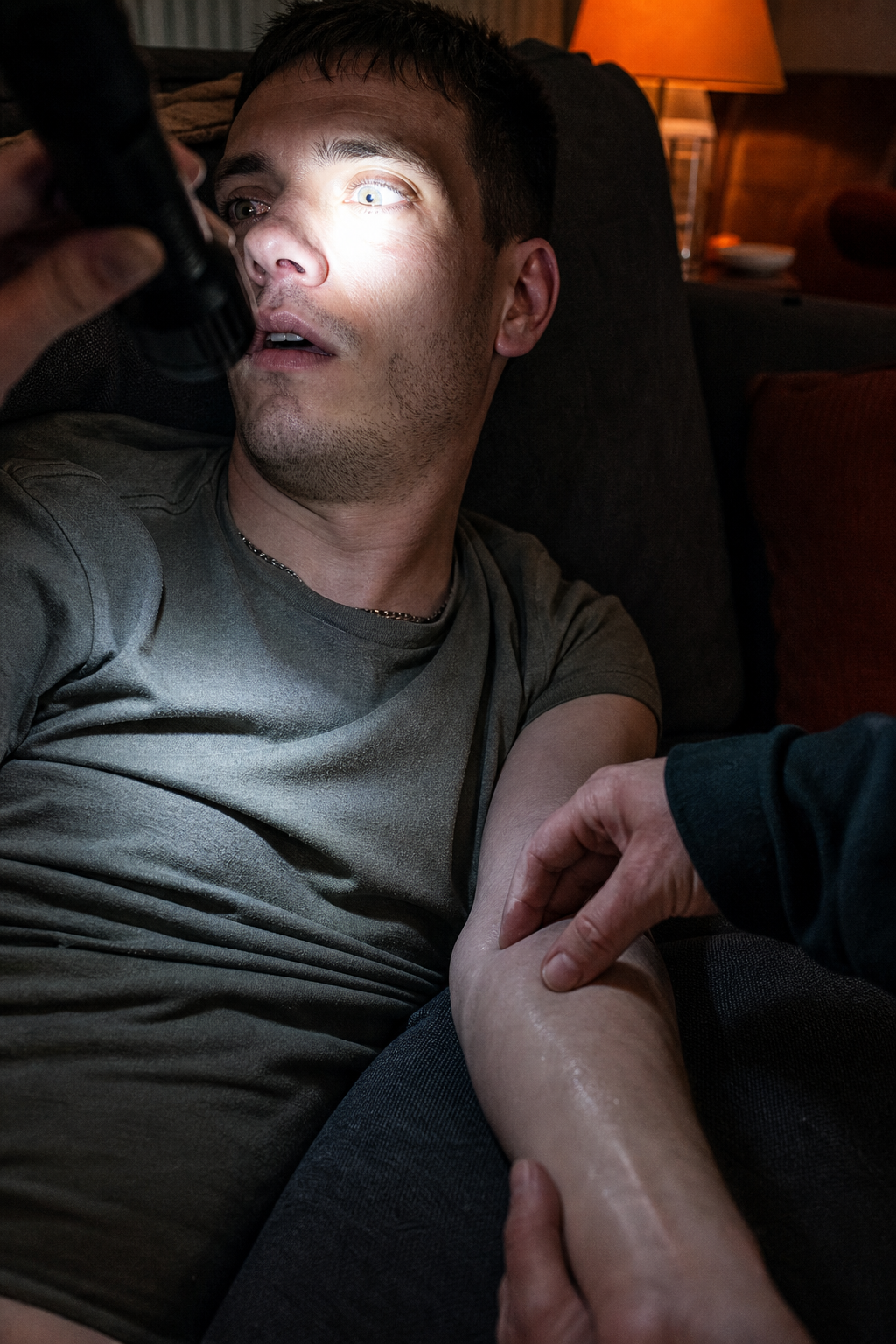

Every second counts when a loved one is overdosing. One wrong move can cost a life, but the right steps can buy precious minutes for the ambulance crew. In this guide you’ll learn exactly what to do from the moment you spot the signs until help arrives, and how to keep the person safe while you wait.
We’ll walk through calling emergency services, checking breathing, using naloxone, positioning the body, giving rescue breaths, and gathering the details that first responders need. Keep this checklist handy. It could be the difference between panic and a clear plan.
Step 1: Call 911 Immediately and Stay on the Line
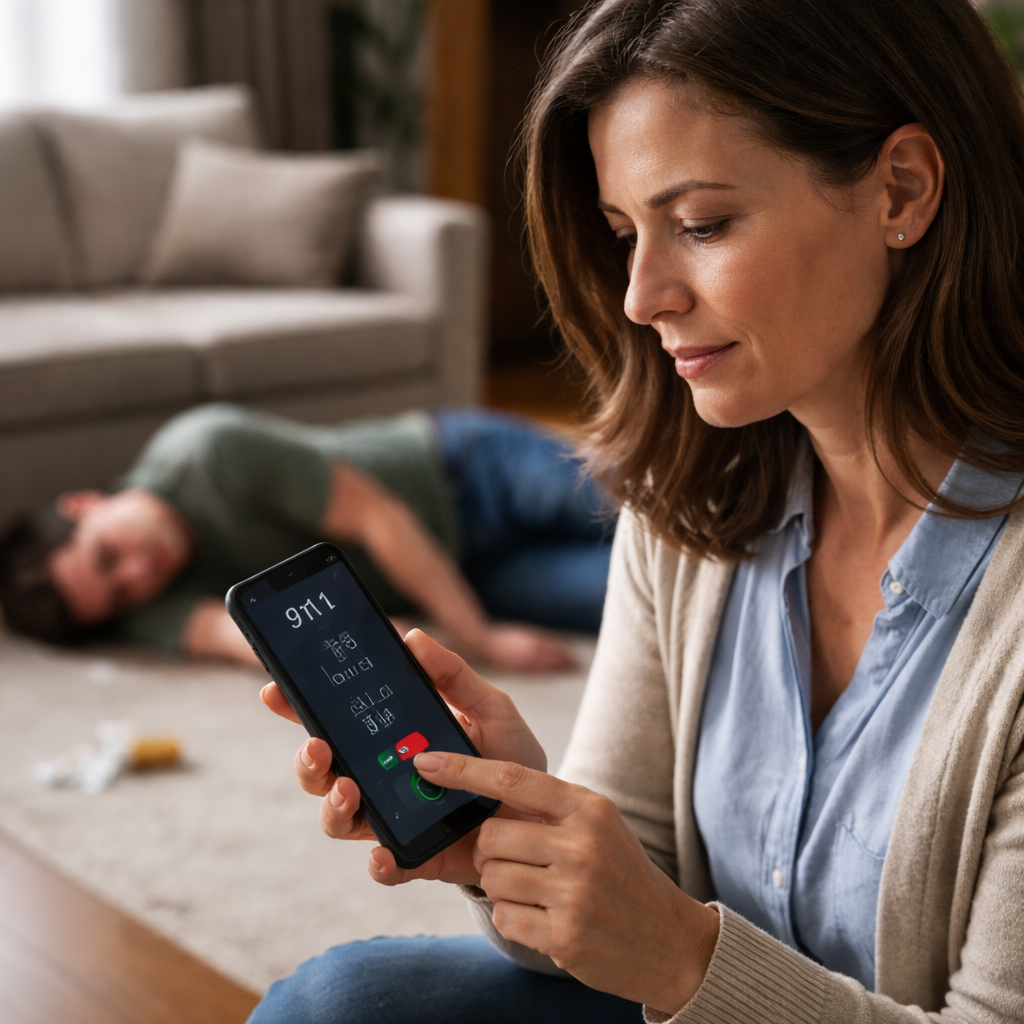
The first thing you do is dial 911. Even if you think the person might recover on their own, the dispatcher can give you real‑time instructions and send EMS. Speak clearly. Say, “I think someone is overdosing,” and give the exact address, any nearby landmarks, and the person’s name.
Stay on the line. The operator will ask about breathing, consciousness, and what substances might be involved. Answer honestly. If you have naloxone, let the dispatcher know. They may walk you through how to use it while you wait.
While you talk, keep the phone on speaker if you’re alone. This frees both hands to monitor the person. If you’re with someone else, have them hold the phone so you can focus on the victim.
Don’t hang up even if the person seems to improve. Overdose symptoms can return after the drug wears off, and EMS still needs to assess the situation.
Make a quick note of the time you called. This helps responders understand how long the person has been without help.
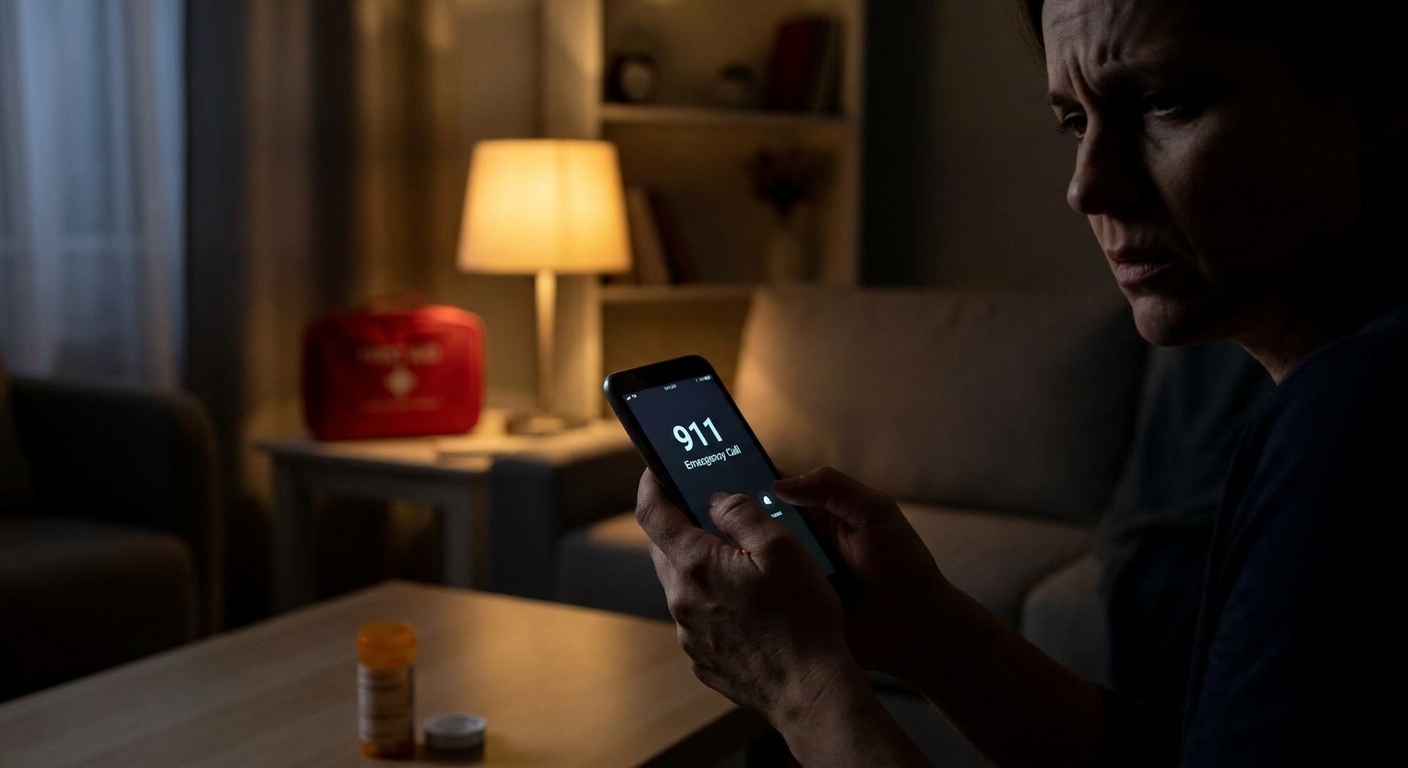
After you’ve called, take a quick inventory of what’s nearby: naloxone kit, a timer, and any pills or substances you can safely set aside for the EMTs. This preparation saves time later.
Step 2: Check for Breathing and Administer Naloxone
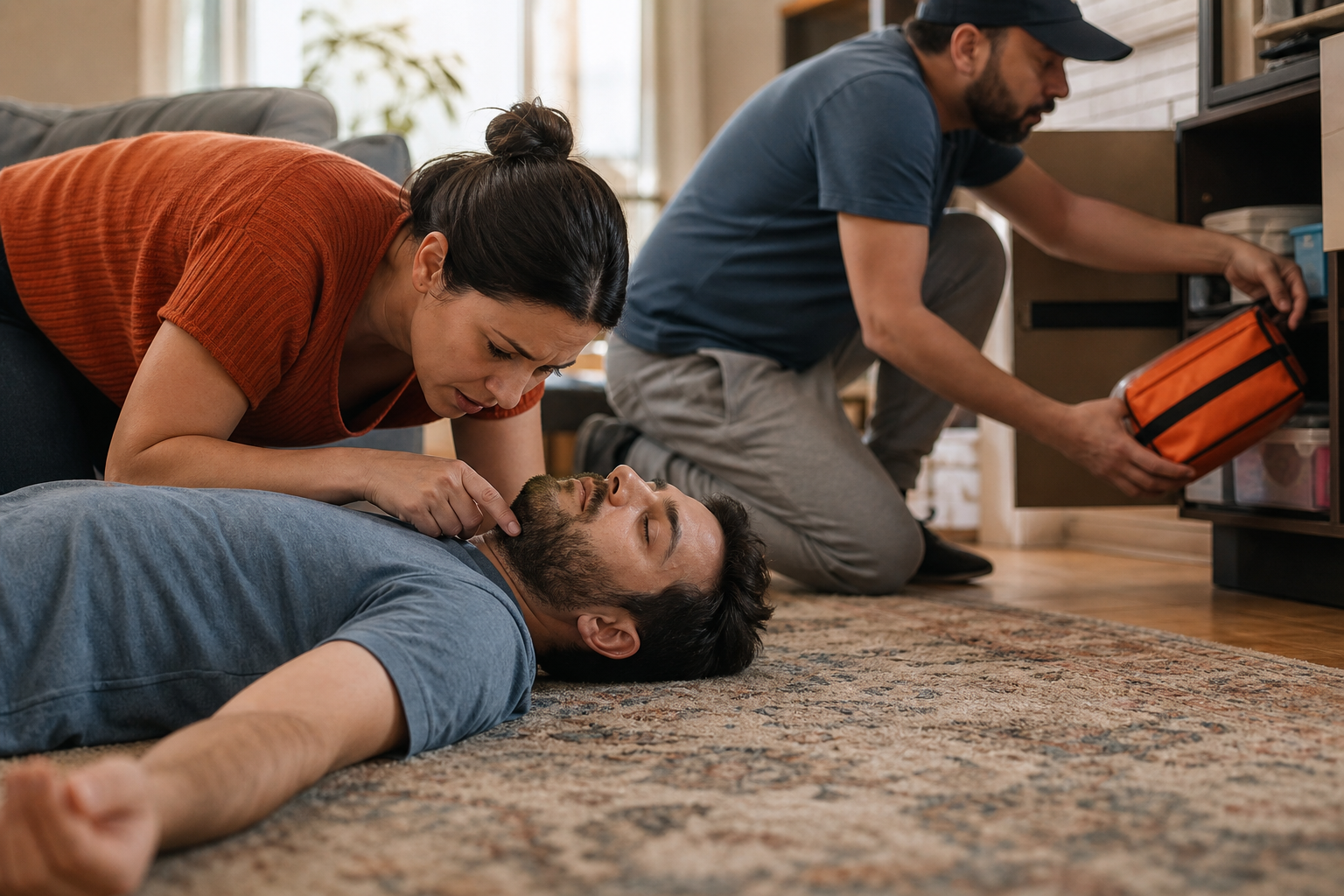
When you’re still on the phone, look at the chest. Is it rising and falling? If the person is not breathing or breathing very shallowly, you need to act fast.
Place the person on their back if they aren’t already. Look for pinpoint pupils, a blue tint around the lips, or a limp body , classic signs of opioid overdose. According to MedlinePlus, these signs often appear together.
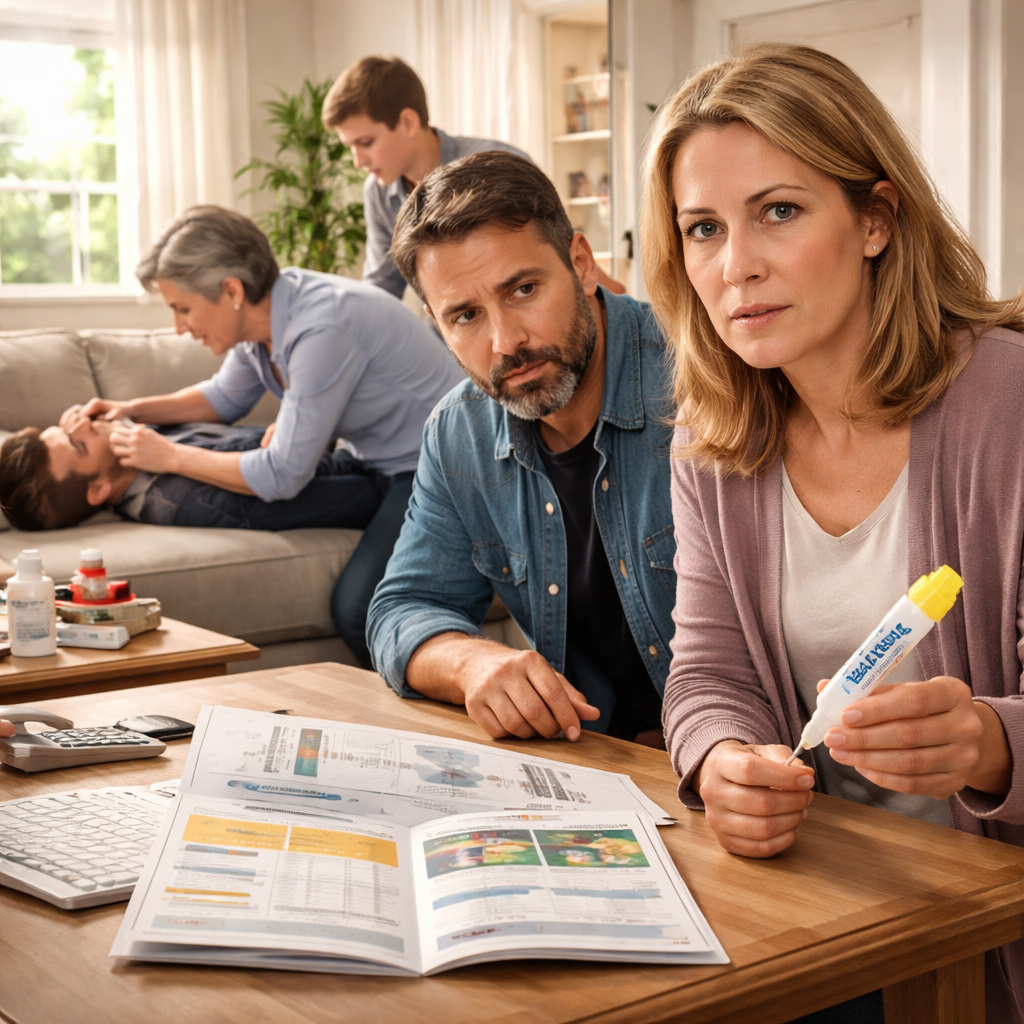
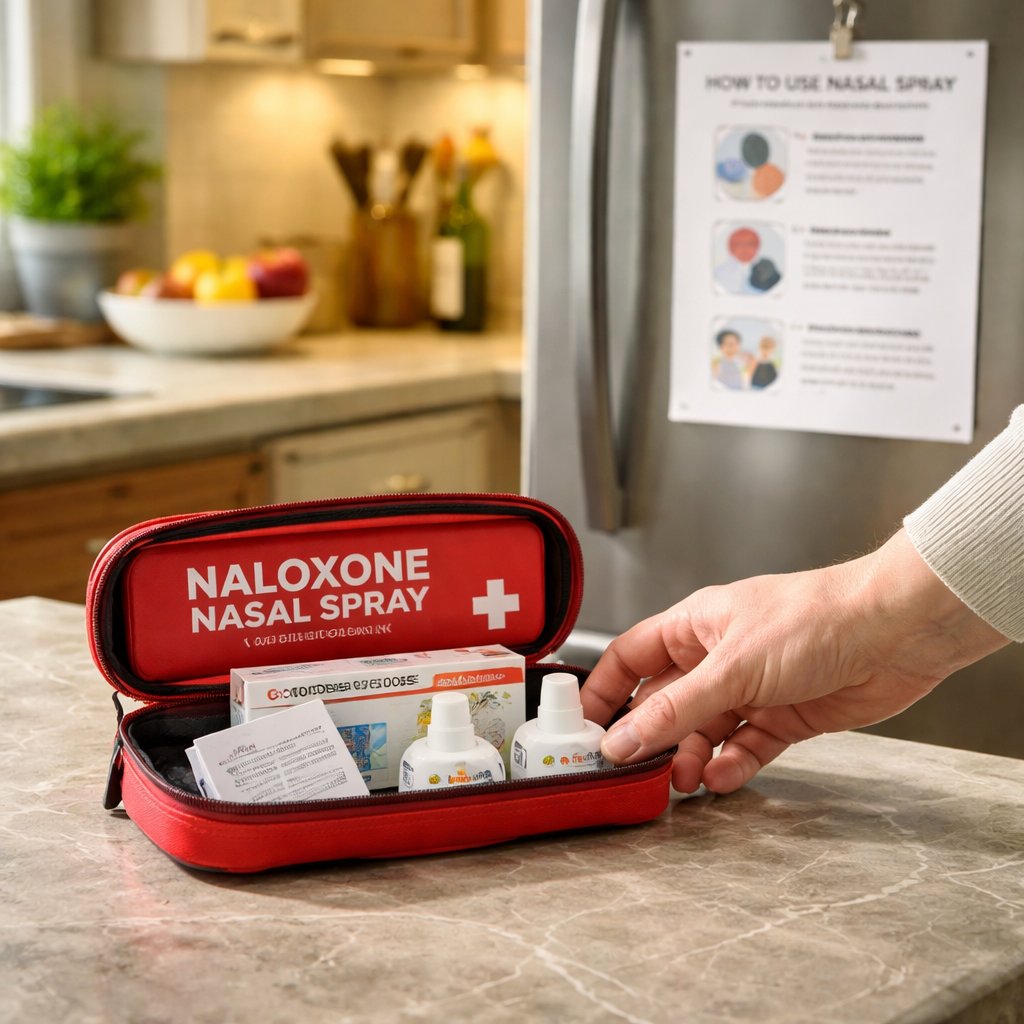
If you have a naloxone nasal spray, open the device, remove the cap, and press it firmly into one nostril until you hear a click. The dose is released in seconds. If you have an auto‑injector, press it against the outer thigh and hold for ten seconds.
After the first dose, watch the person for 2‑3 minutes. If breathing does not improve, give a second dose in the other nostril or on the other thigh. Keep the timer running so you know exactly when each dose was given.
Even if the person starts to breathe normally, stay with them. Naloxone can wear off before the drug does, and the overdose can come back.
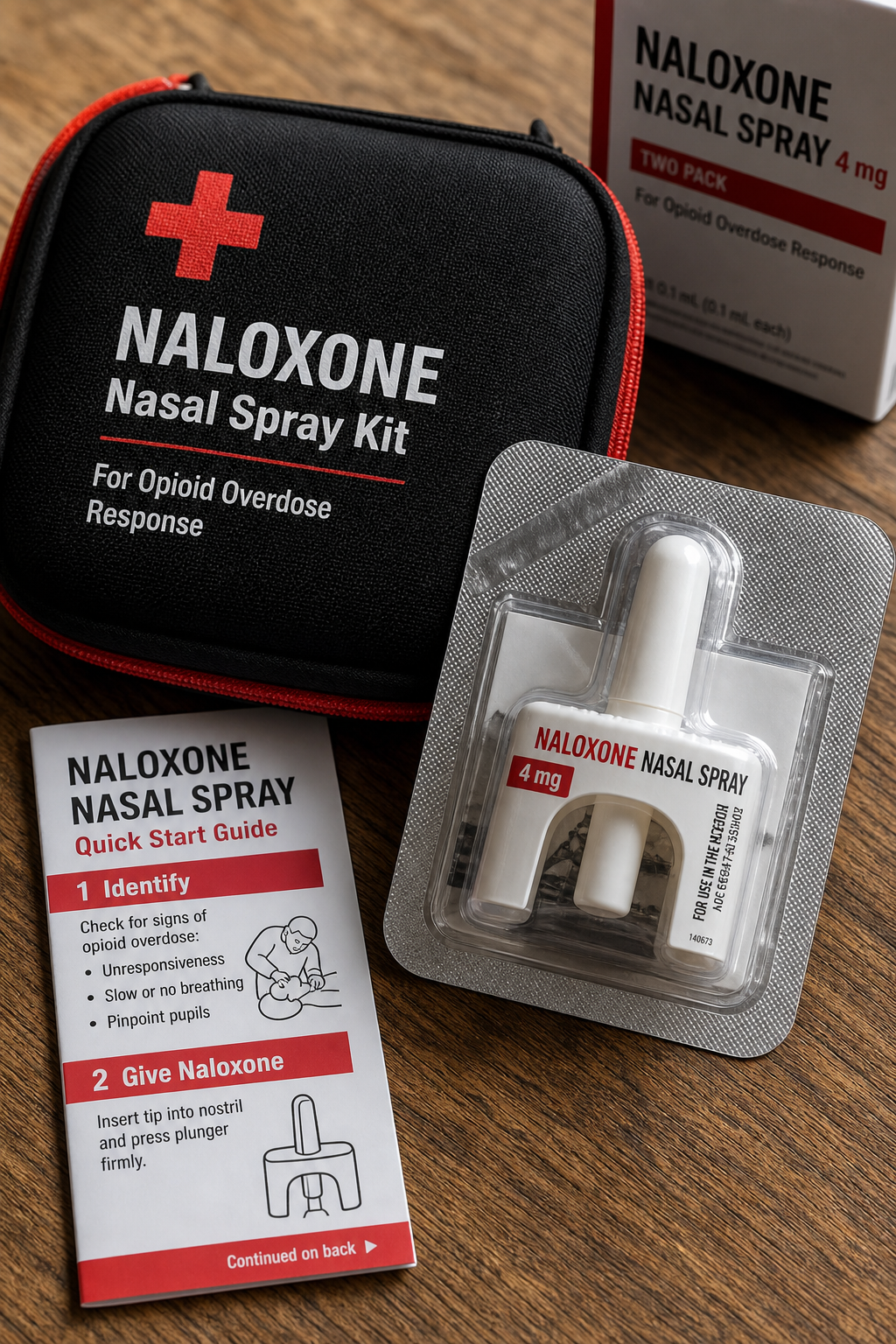
While you wait for EMS, keep the airway clear. Tilt the head back slightly and lift the chin. If the person vomits, be ready to turn them onto their side , that’s the recovery position, which we’ll cover next.
Step 3: Place the Person in the Recovery Position
If the person is breathing but unconscious, roll them onto their side. This keeps the airway open and stops vomit from blocking the throat.
Here’s how to do it safely:
- Kneel beside the person’s shoulders.
- Place the arm nearest you at a right angle to their body, with the elbow bent.
- Fold the opposite arm across their chest.
- Bend the knee farthest from you so the foot rests on the floor.
- Gently roll the person onto their side by pulling on the bent knee.
- Tilt the head back slightly to keep the airway clear.
Check that the top leg is at a right angle to the body , this prevents them from rolling onto their stomach.
If the person stops breathing while you’re positioning them, start rescue breaths right away. The recovery position is a bridge between checking breathing and giving CPR.
For more detailed guidance on handling specific opioids like fentanyl, see how to handle a loved one’s fentanyl overdose. That page breaks down extra steps for very potent drugs.
Remember, the goal is to keep the airway clear until paramedics take over.
Step 4: Provide Rescue Breathing If Needed
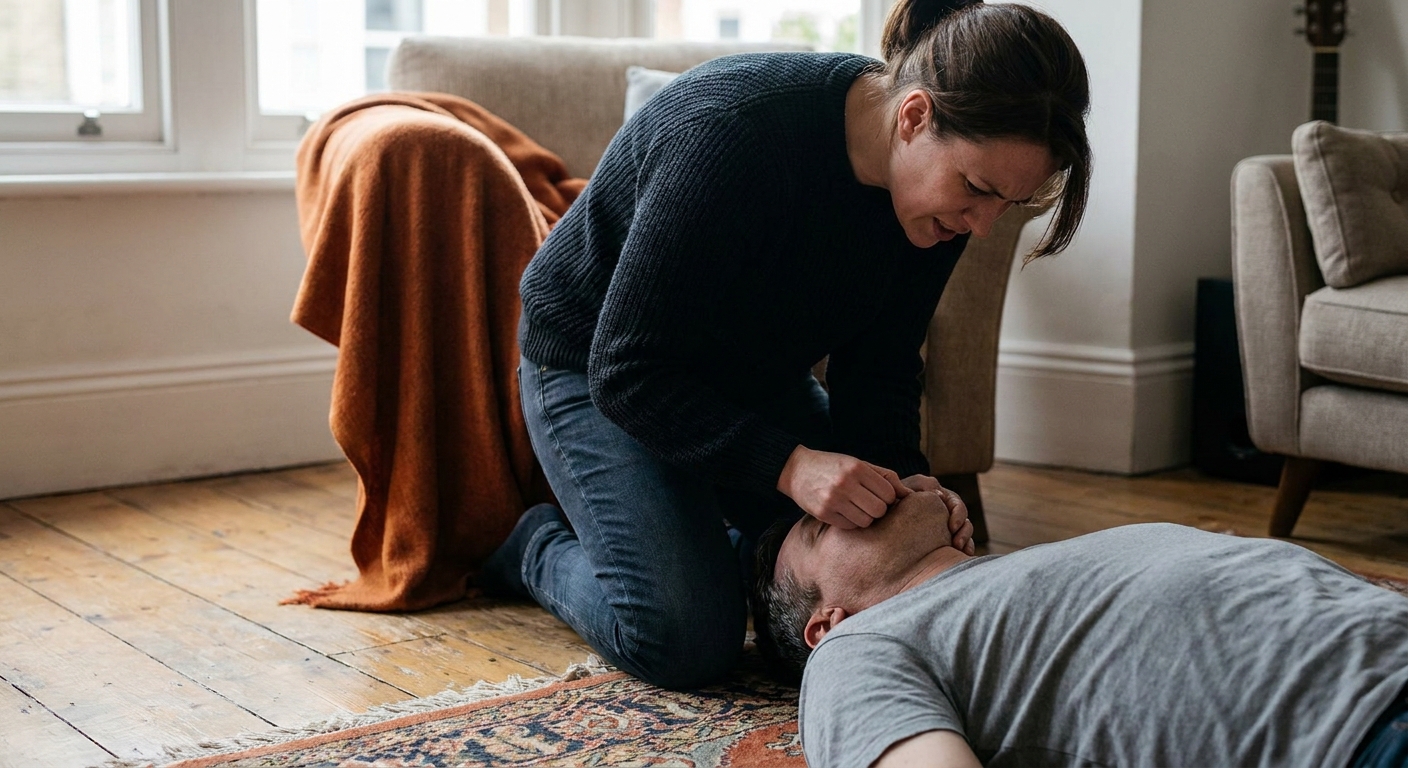
If the person’s chest isn’t moving, you need to give rescue breaths. This is hands‑only CPR plus breaths, also called “mouth‑to‑mouth” when you’re alone.
First, check for a pulse at the wrist or neck. If you can’t feel one, treat the situation as cardiac arrest and start chest compressions at 100‑120 per minute.
After 30 compressions, give two rescue breaths. Pinch the nose, seal your mouth over theirs, and blow until you see the chest rise. Each breath should last about one second.
Keep the rhythm going: 30 compressions, two breaths, repeat until EMS arrives or the person starts breathing on their own.
Medical guidelines stress that staying calm helps you keep a steady pace.
“When every breath counts, a calm voice can be the difference between life and death.”
If you’re alone, set the phone on speaker so you can hear the dispatcher’s instructions while you compress.
When the person begins to breathe again, stop compressions and move them into the recovery position.
Even after breathing returns, keep monitoring. Overdose can be a roller‑coaster, and you may need to give another naloxone dose.
For immediate support and professional intervention guidance, contact Next Step Intervention at (949) 545-3438 or visit nextstepintervention.com.
Step 5: Stay with Them and Gather Information for First Responders
Never leave the person alone. Your presence keeps them calm and lets you notice any changes fast.
While you wait, gather these key details for the EMTs:
- Exact time you first saw the symptoms.
- All substances you think were used, including any prescription meds.
- How many naloxone doses you gave and when.
- Known allergies, medical conditions, or medications.
- Any recent injuries or bleeding.
Write this info on a piece of paper or type it into your phone. A quick hand‑off helps EMTs triage faster.
If the person regains consciousness, ask simple questions: “Can you breathe?” “Do you feel pain?” Their answers give EMTs a snapshot of their current state.
While you talk, keep the environment calm. Dim lights, lower noise, and a comfortable temperature help the body recover.
After the ambulance leaves, consider calling a professional service to start the longer‑term recovery plan. effective emergency intervention guide explains how a quick follow‑up call can connect your loved one to treatment within hours.
Keep a timer handy. Note the time of each naloxone dose and any changes in breathing. This record can be vital if symptoms return.
Finally, reassure the person that help is on the way. A calm voice can reduce panic and lower the chance of a secondary injury.
Frequently Asked Questions
What should I do if I don’t have naloxone at home?
If you don’t have naloxone, call 911 right away and tell the dispatcher you suspect an opioid overdose. Follow their breathing and CPR instructions while you wait. Many communities have public naloxone kits at pharmacies or community centers; the dispatcher can guide you to the nearest location.
How long does naloxone last?
Naloxone’s effects usually last 30‑90 minutes, but some opioids, especially fentanyl, can stay in the system longer. That’s why you may need a second dose if breathing does not improve after a few minutes. Keep monitoring and be ready to give another dose if needed.
Can I give naloxone to a child?
Yes, naloxone can be used on children, but the dose may differ. Most nasal sprays are approved for people of all ages. If a child is involved, call 911 immediately, give the dose, and be prepared to administer a second dose if symptoms persist.
What if the person stops breathing after I give naloxone?
If breathing stops, start CPR right away , 30 chest compressions followed by two rescue breaths. Continue the cycle until EMS arrives. The dispatcher can coach you through each step while you stay on the line.
Should I move the person if they are in a dangerous location?
If the environment poses an immediate threat , like a fire, a sharp object, or a crowded space , carefully move them to a safer spot before you start rescue breathing. Keep their head tilted back and avoid pulling on their limbs.
How can I prevent future overdoses?
Talk to a certified interventionist as soon as possible. They can help set up a treatment plan, get a prescription for a take‑home naloxone kit, and connect you with local support groups. Early professional help can break the cycle before another emergency occurs.
Conclusion
Overdose emergencies are terrifying, but a clear plan turns fear into action. Call 911 first, check breathing, give naloxone, place the person in the recovery position, provide rescue breaths if needed, and stay with them while you collect vital information. Every step buys time for the ambulance crew and raises the chance of a full recovery.
If you need a steady hand to guide you through the next steps after the crisis, reach out to Next Step Intervention. Their 24/7 team can connect you with a certified interventionist within minutes. Dial (949) 545‑3438 now to start the conversation and set up a long‑term plan that keeps your loved one safe.