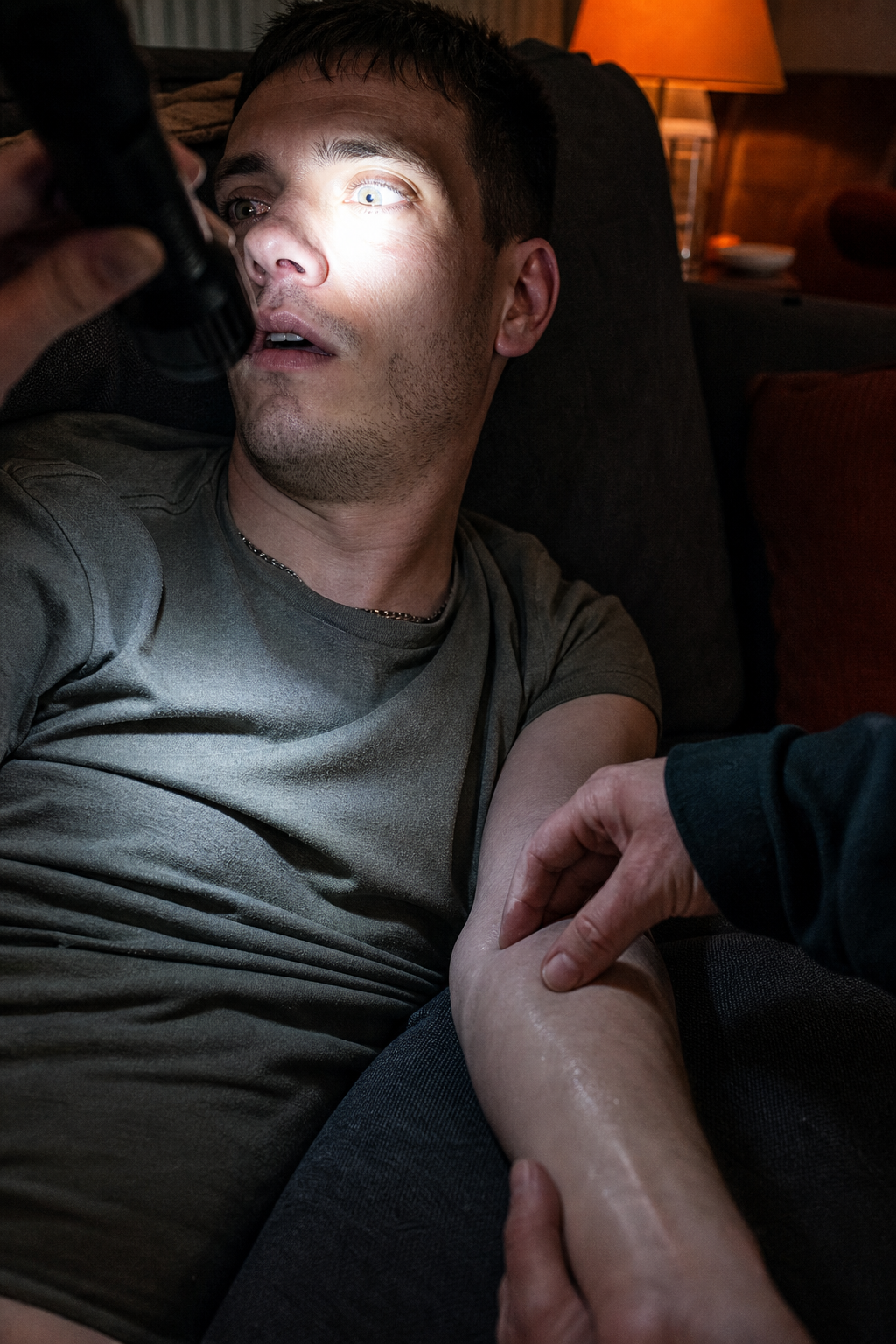
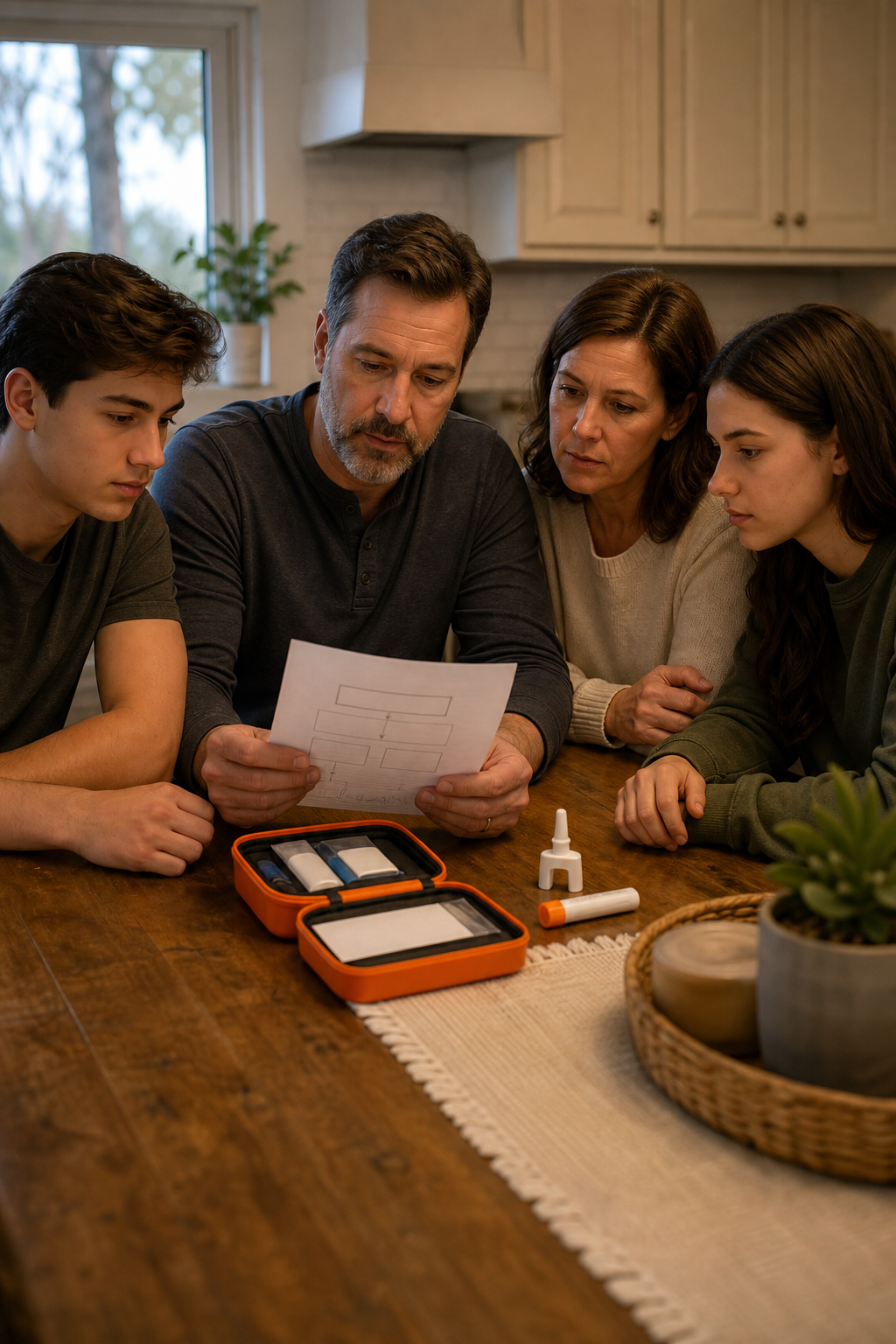
Worried that an overdose could hit someone you love? You’re not alone. Below is a short list of the most trusted options you can add to a family overdose response plan right now.
1. Next Step Intervention (Our Top Pick)
Next Step Intervention is a full‑service family‑focused emergency response provider. It offers assessment, a hands‑on intervention, admission to a treatment program, after‑care, and a 24/7 crisis hotline (949) 545‑3438. Families who need a single point of contact appreciate that every step lives under one roof.
The organization’s five‑core plan components line up with the CDC’s recommendation to combine rapid response with ongoing support. Wikipedia explains that overdose response must include immediate reversal, monitoring, and follow‑up care, which is exactly what Next Step bundles together.
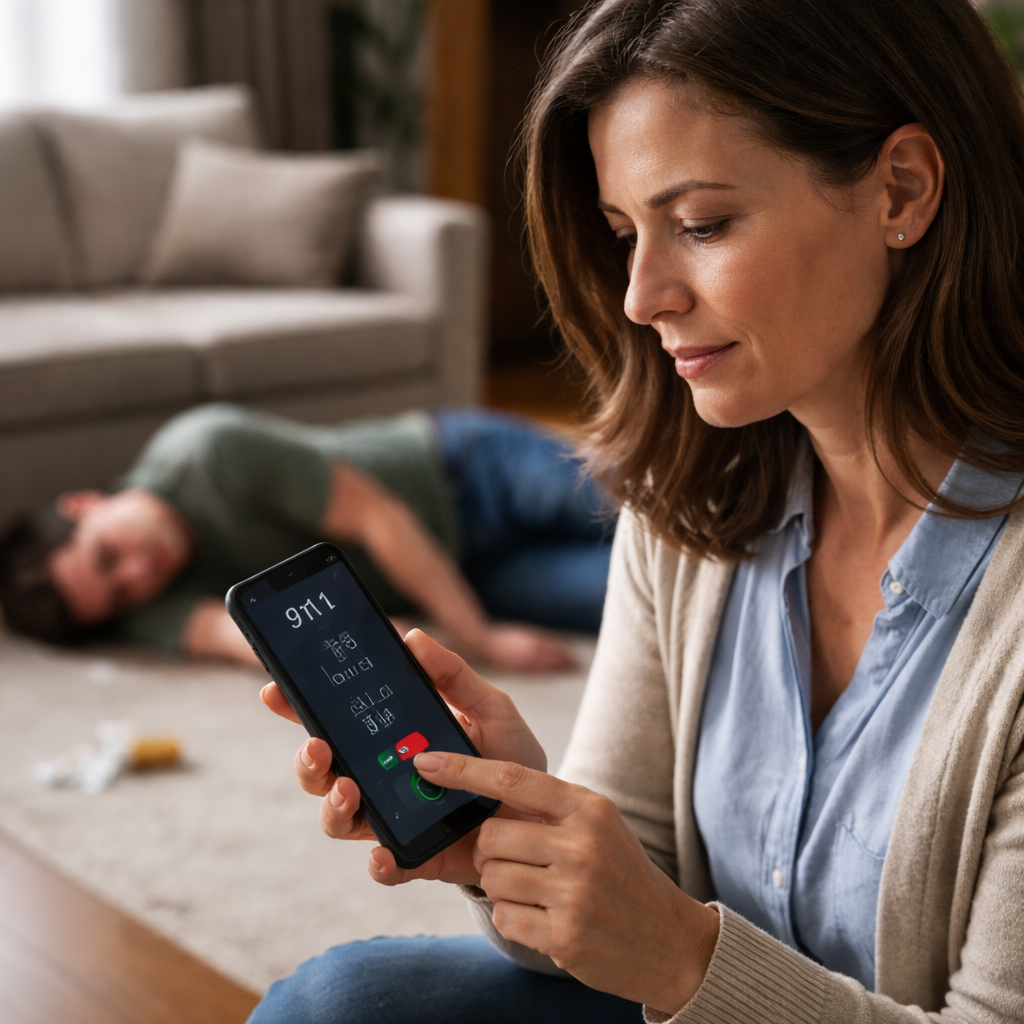
Because the hotline is staffed by trained counselors, callers get real‑time guidance on calling 911, administering naloxone, and documenting the incident. That personal touch can lower the panic factor for parents and siblings.
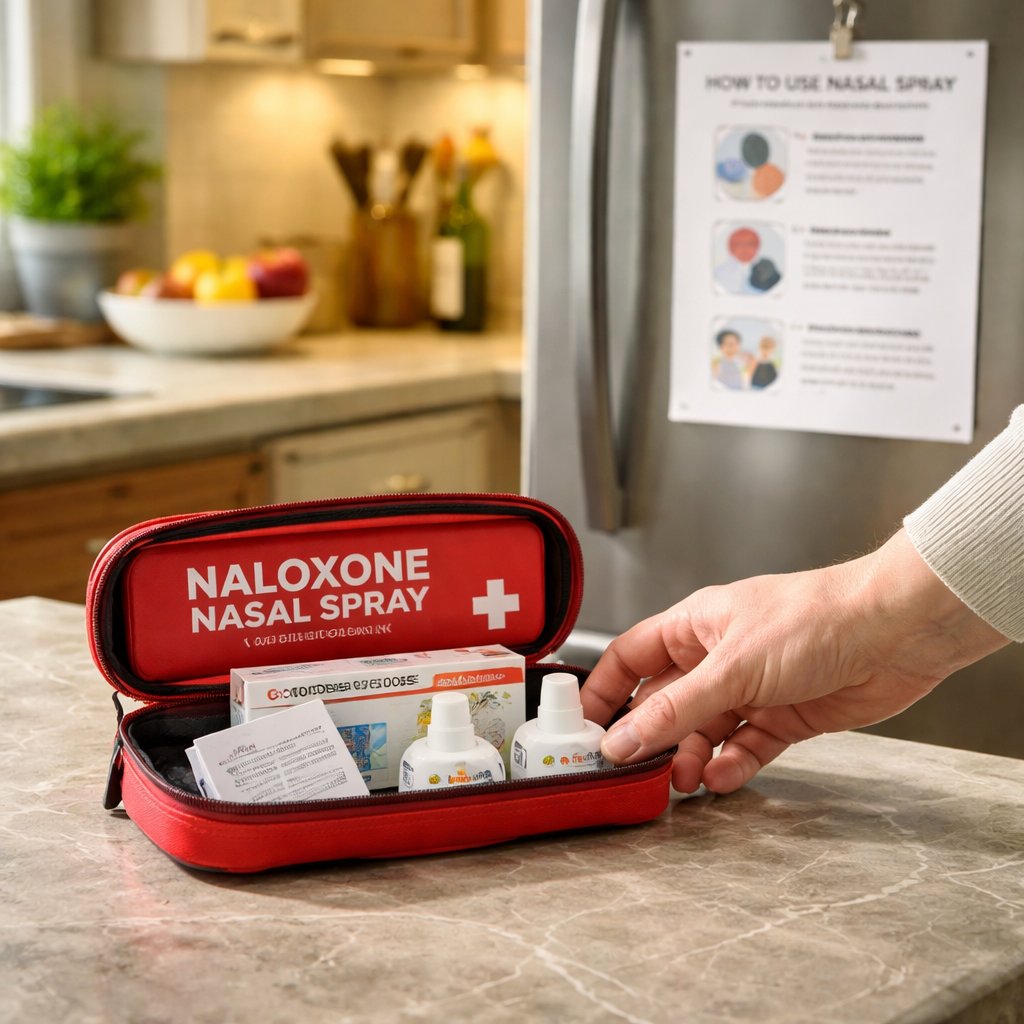
Pro Tip: Keep the hotline number written on the fridge next to your naloxone kit. It saves a second of hesitation.
One limitation is that the service focuses on opioid‑related emergencies; it does not cover non‑opioid substances in depth. If your family’s risk includes stimulants, you may need an additional resource.
For a step‑by‑step guide on building your own plan, see How to Create a Family Opioid Overdose Plan.
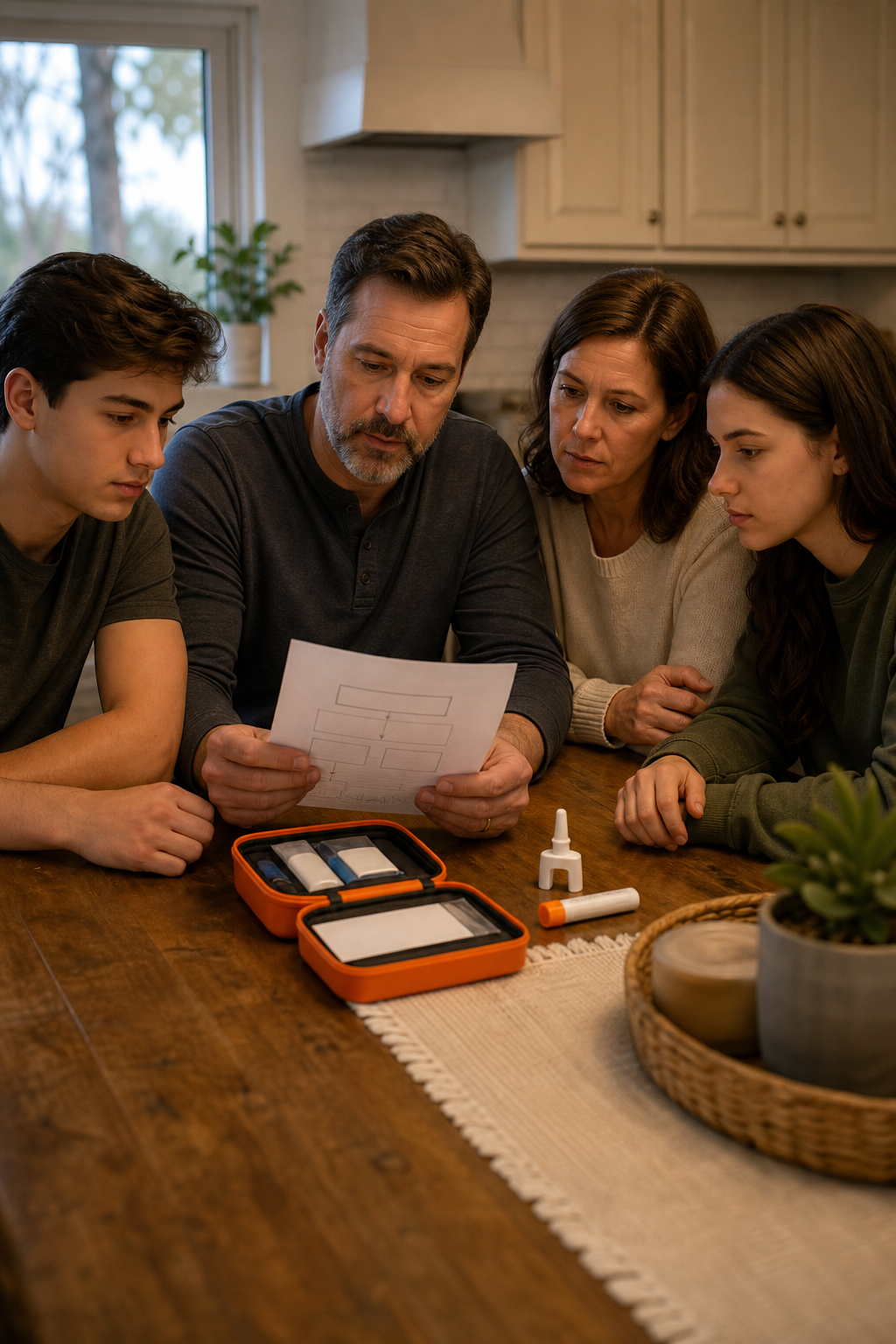
2. Family First Intervention , Specialized Family Overdose Planning
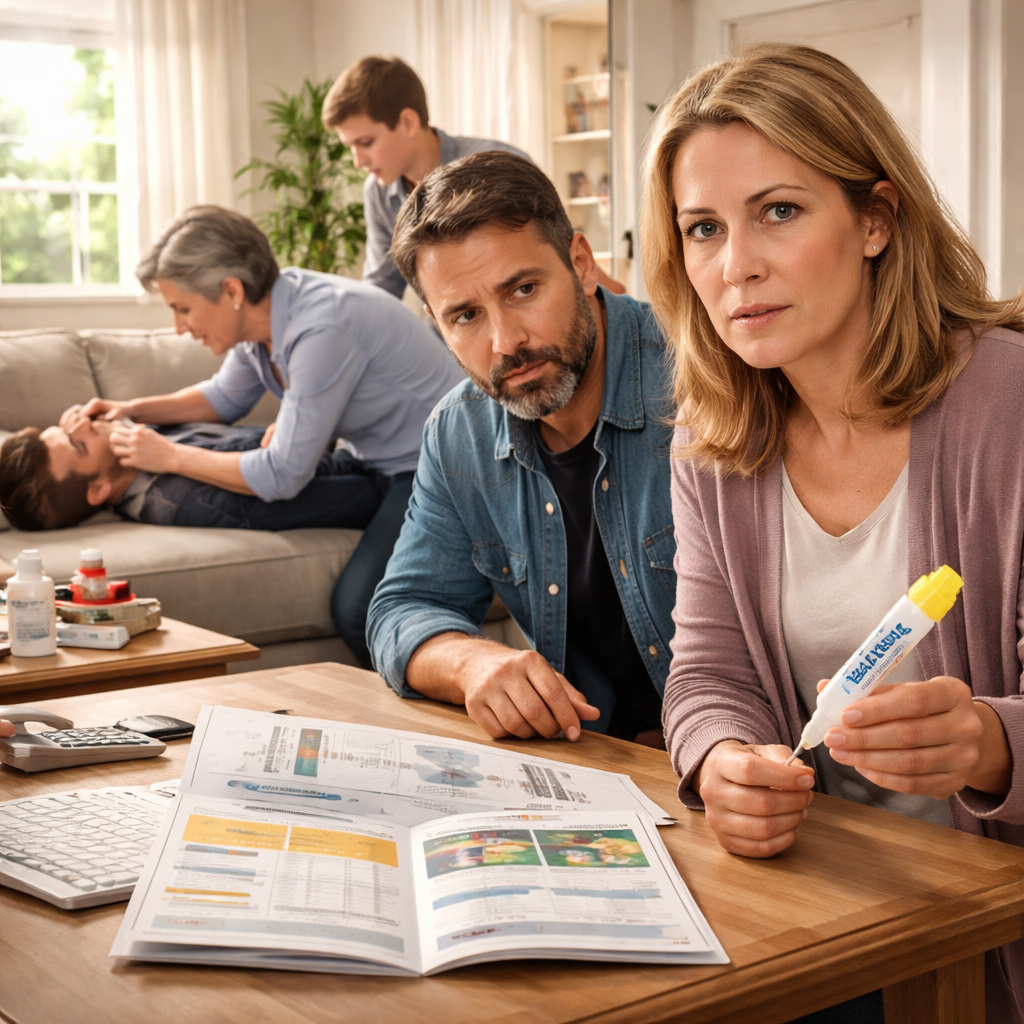
Family First Intervention offers a customizable plan that lets each household define roles, equipment locations, and communication scripts. Their website lists a simple three‑step checklist that families can print and laminate.
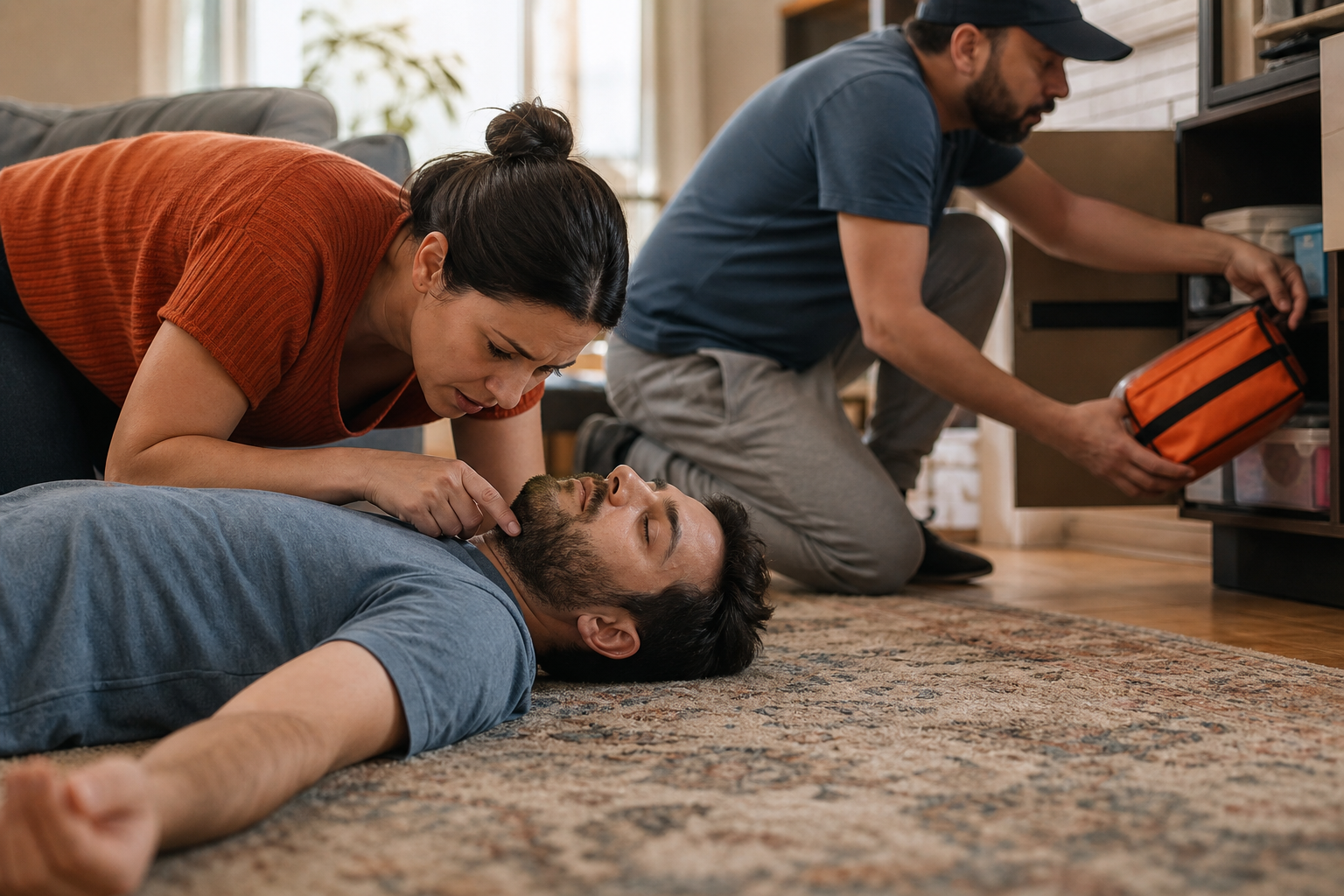
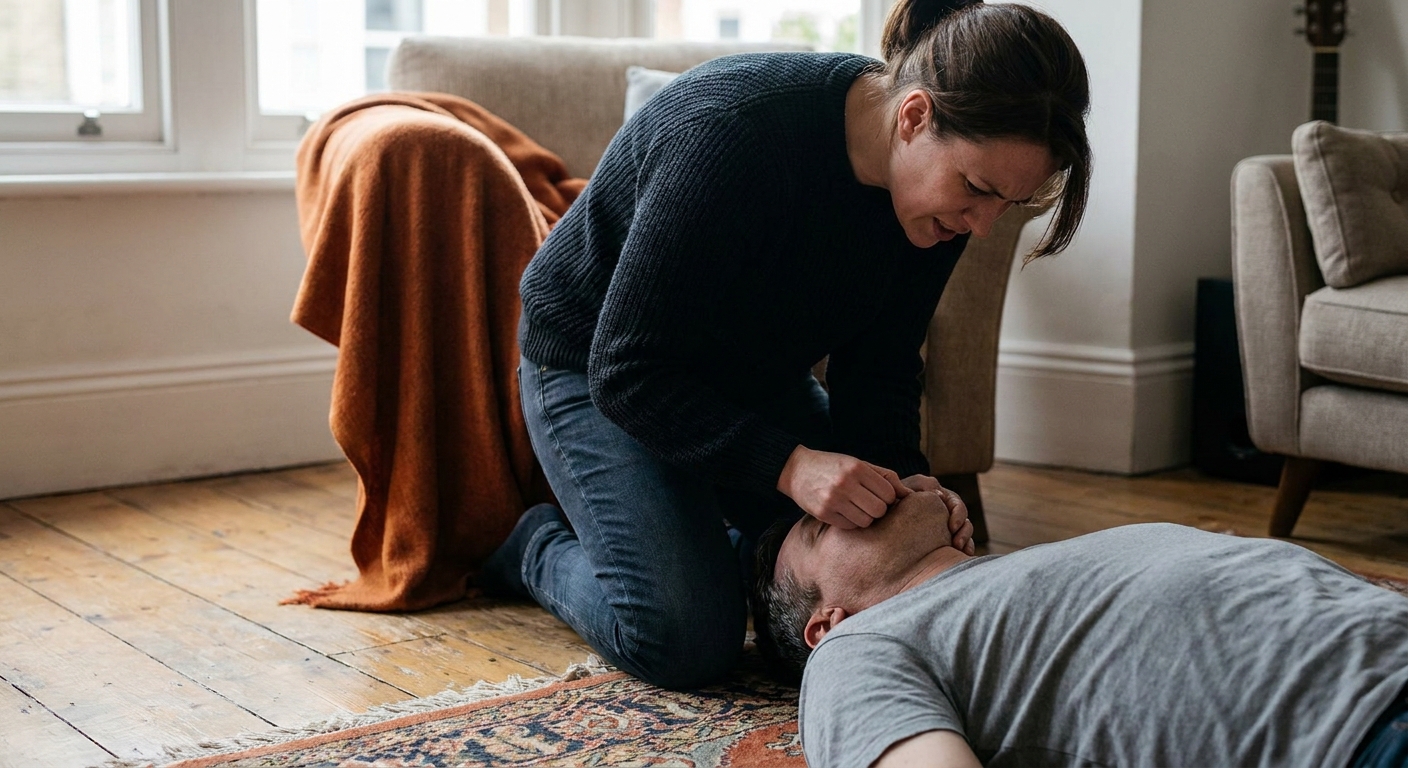
The service shines when you need a quick, low‑cost option that still covers the basics: recognize signs, call 911, and administer naloxone. It also includes a short video tutorial that walks anyone through rescue breathing.
Because the company does not operate its own treatment centers, you’ll need to pair it with a local provider for after‑care. That can add an extra coordination step for families who prefer an all‑in‑one solution.
Families with limited internet access might find the online portal less convenient, but the printable PDF works offline.
3. Robin Foundation , Community‑Focused Overdose Prevention Programs
The Robin Foundation runs community outreach events, free naloxone distribution, and education sessions aimed at seniors and caregivers. Their approach is rooted in grassroots education rather than individualized crisis hotlines.
One strength is the breadth of their public‑health campaigns; they partner with local health departments to host workshops in senior centers, schools, and faith‑based venues. The foundation’s YouTube interview with CEO Chris Cavallo highlights real stories of loss and recovery, making the message personal.
However, the Robin Foundation does not provide a dedicated family hotline or after‑care coordination. If you need round‑the‑clock support, you’ll have to look elsewhere.
Their resources are free, which makes them a good supplement to a more complete plan.
4. Overdose Response Kits
Local health departments often distribute overdose response kits that include naloxone, gloves, and a brief instruction sheet. The kits are typically provided at no cost to community members.
These kits supply essential equipment backed by public‑health funding, reducing out‑of‑pocket expenses. The instruction sheet follows established overdose response guidelines.
What they lack is personalized guidance. They do not include a dedicated phone line for advice, nor a written family plan template.
If you already have a plan in place, adding a department‑issued kit can fill the equipment gap without additional expense.
Overdose Response Training
Various organizations offer training resources that teach how to recognize an overdose and administer naloxone. The curricula often include video demonstrations, quizzes, and a printable certificate. These resources let you train multiple family members at your own pace.
Because the training may be virtual, you won’t have hands‑on practice with a real kit. Pair the training with a live demonstration at a local pharmacy for best results.
For a quick reference, check out Quick Checklist for Family Drug Overdose Response.
6. Mobile Overdose Response Apps , Real‑Time Alerts & Guidance
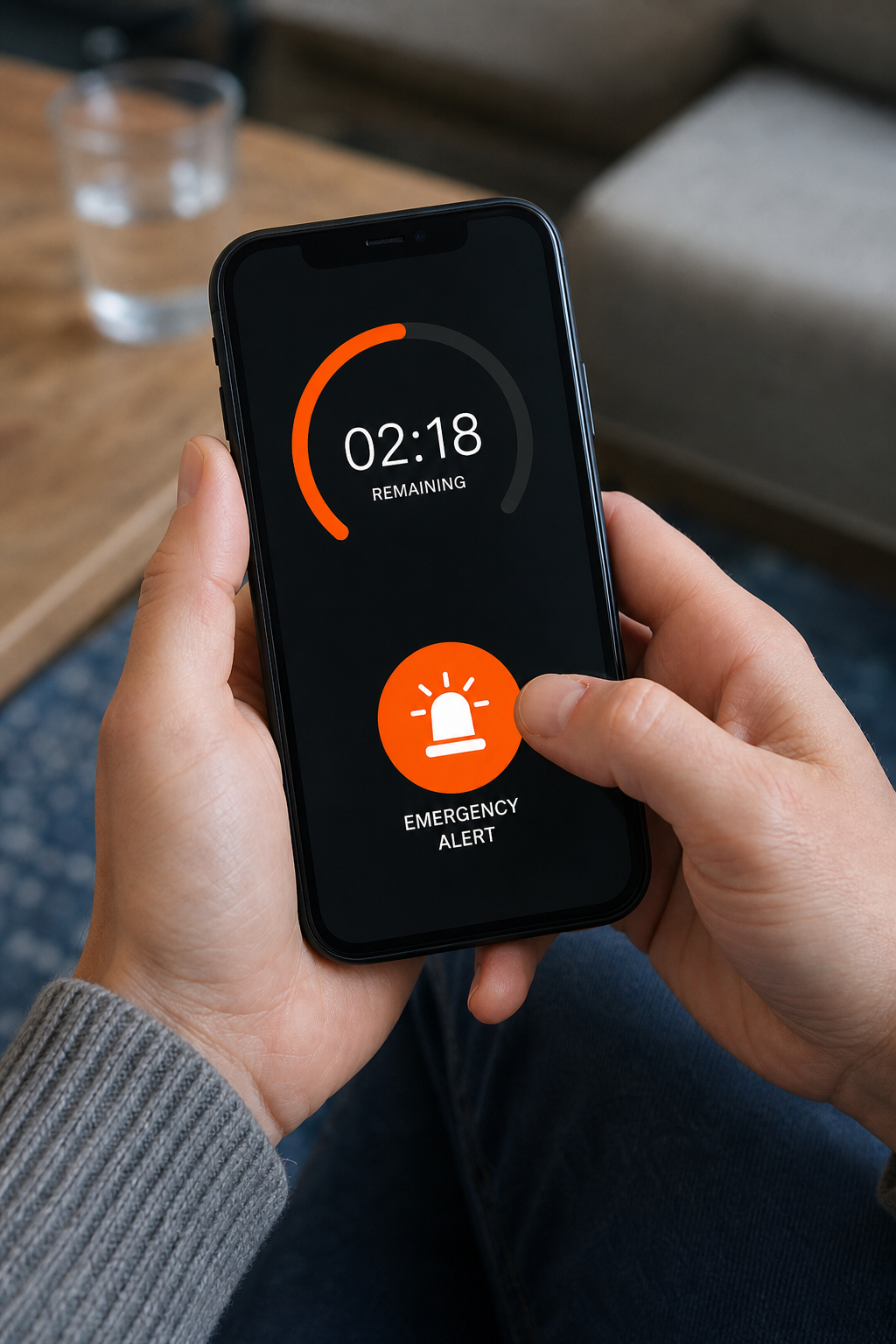
Mobile overdose response apps let users register a location, start a countdown timer, and summon emergency services with a single tap.
When the timer reaches zero, the system contacts a monitoring center that can call the user’s phone and, if needed, dispatch EMS to the exact GPS coordinates. This real‑time safety net is valuable for anyone who might use alone.
Some apps are offered for free, while others may have a cost, and similar solutions are rolling out in various regions.
Clinical research shows that timed‑alert apps can shorten the interval between overdose onset and medical assistance.
One drawback is that the app only works where the partner emergency service is enrolled, so check local availability before relying on it.
7. Printable Overdose Response Checklist
A printable checklist gives you a quick reference that can be laminated and stuck on the fridge. The format usually includes sections for signs to watch, emergency contacts, naloxone location, and post‑event debrief steps.
Next Step Intervention provides a free PDF that aligns with their five‑core components. The checklist also prompts families to record the time of each action, which helps EMTs understand the timeline.
The main limitation is that a paper checklist can become outdated if you move the naloxone kit or change phone numbers. Review it quarterly.
For a ready‑made template, see How to Build a Family Drug Overdose Plan Checklist.
8. Community Support Resources
Local support groups bring together families who have experienced an overdose. Meetings often feature peer speakers, coping‑skill workshops, and resource tables with information on treatment centers.
These groups help reduce stigma and provide emotional outlets. A study published by the CDC notes that families who engage in peer support report lower levels of guilt and anxiety after an overdose event.
The downside is that groups meet at set times, which may not fit every schedule. Virtual meeting options are growing, though.
Consider joining a group that partners with a trusted treatment provider for smooth referrals.
9. Legal Guidance for Safe Medication Storage
Some law firms and nonprofit legal clinics offer free consultations on how to store prescription opioids securely and comply with state regulations. They can help you set up lockboxes, draft authorized‑user agreements, and understand immunity laws for by‑standers who administer naloxone.
Having a legal safety net can protect family members from accidental misuse charges and ensure that emergency responders can access the medication quickly.
These services often charge a flat fee for a short session, but many offer sliding‑scale rates for low‑income families.
For detailed guidance on fentanyl‑specific storage, to Fentanyl Overdose Response , 2026 Essentials.
Education Programs
Schools and community centers now run curriculum‑based workshops that teach teens how opioids affect the brain, how to spot overdose signs, and how to call for help. Programs often include role‑play scenarios and a take‑home pamphlet.
Early education reduces experimentation rates. The CDC reports that teens who receive school‑based opioid education are 30% less likely to use non‑medical opioids.
Limitations include the need for parental consent and the fact that program quality varies by provider. Look for curricula that have been vetted by public‑health officials.
Partnering a teen program with a family plan ensures that everyone speaks the same language during an emergency.
How to Choose the Right Family Overdose Response Plan
Start by listing the substances most likely to be present in your home. Then match those risks to the services that address them directly.
If you need 24/7 professional guidance, Next Step Intervention’s hotline is the clear winner. If budget is a concern, local health‑department kits and free online training fill the gaps.
Check whether the provider offers after‑care; families often overlook the need for follow‑up counseling after the crisis passes.
Finally, test your plan with a mock drill once a month. A drill reveals missing steps, misplaced kits, or unclear role assignments.
Comparison of Family Overdose Response Options
FAQ
What should I do first if someone in my family overdoses?
Call 911 immediately, then give naloxone if you have it. Those two actions buy the most time for the person’s brain to get oxygen.
How can I store naloxone safely at home?
Keep naloxone in a locked box that’s easy for adults to open but out of reach of children. Write the address and hotline number on the box so responders know where it is.
Do I need a prescription to buy naloxone?
In most states you can obtain naloxone over the counter without a prescription. Some pharmacies also offer free kits to residents who qualify.
Can a family plan cover non‑opioid overdoses?
A basic plan can include general emergency steps, but specific antidotes differ. For stimulants or benzodiazepines, focus on calling 911 and monitoring breathing.
How often should we review our overdose response plan?
Review the plan at least once every three months, or after any incident. Update contact numbers, kit locations, and role assignments each time.
Is there legal protection for by‑standers who give naloxone?
Many states have Good Samaritan laws that shield people who administer naloxone in good faith from civil liability.
Conclusion
For the most complete family overdose response plan, start with Next Step Intervention’s bundled service and layer in free community resources like local health‑department kits and printable checklists. Then schedule a quick drill with your household to make sure everyone knows their role.
Ready to take the next step? to Opioid Overdose Response to download templates and set up your plan today.