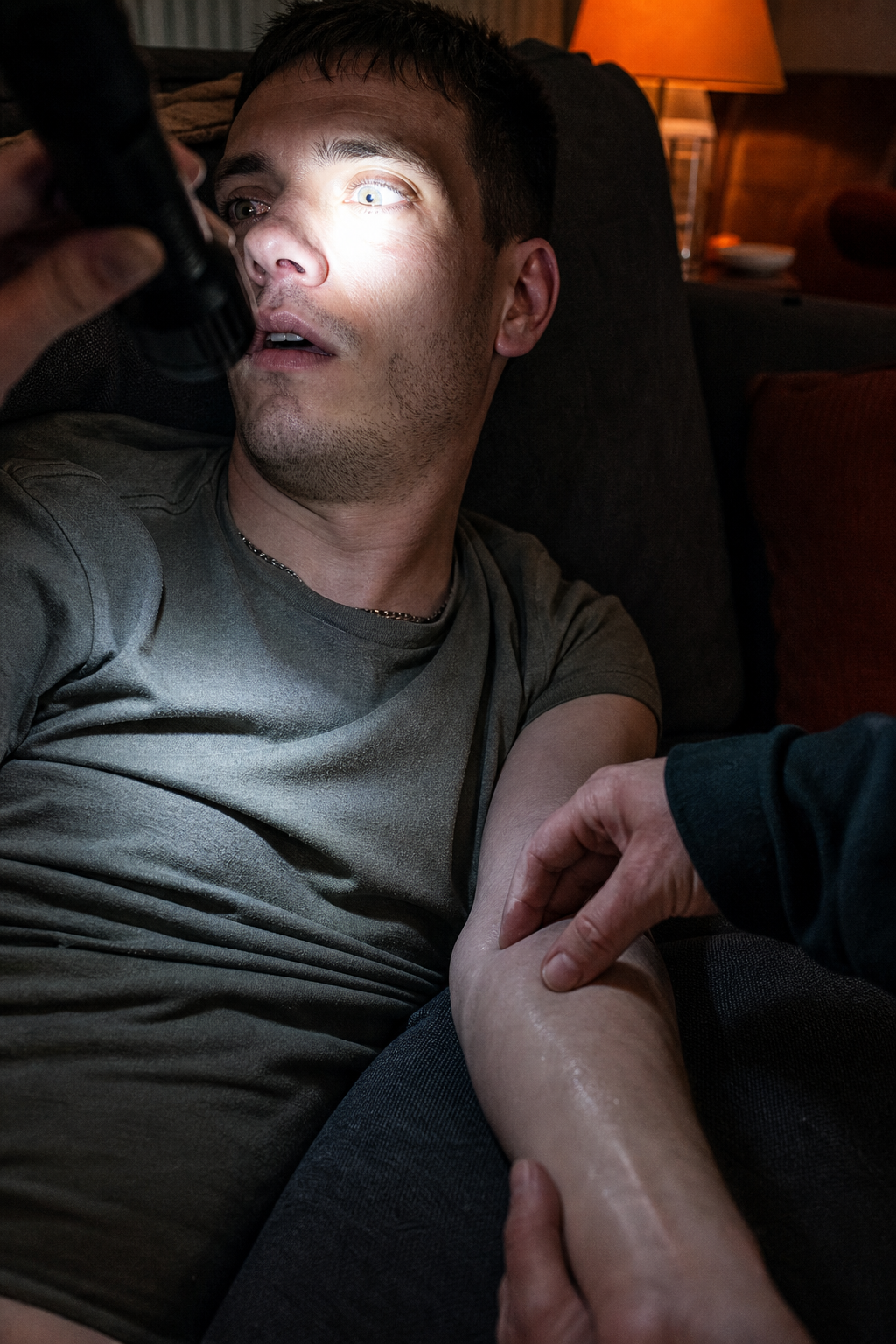
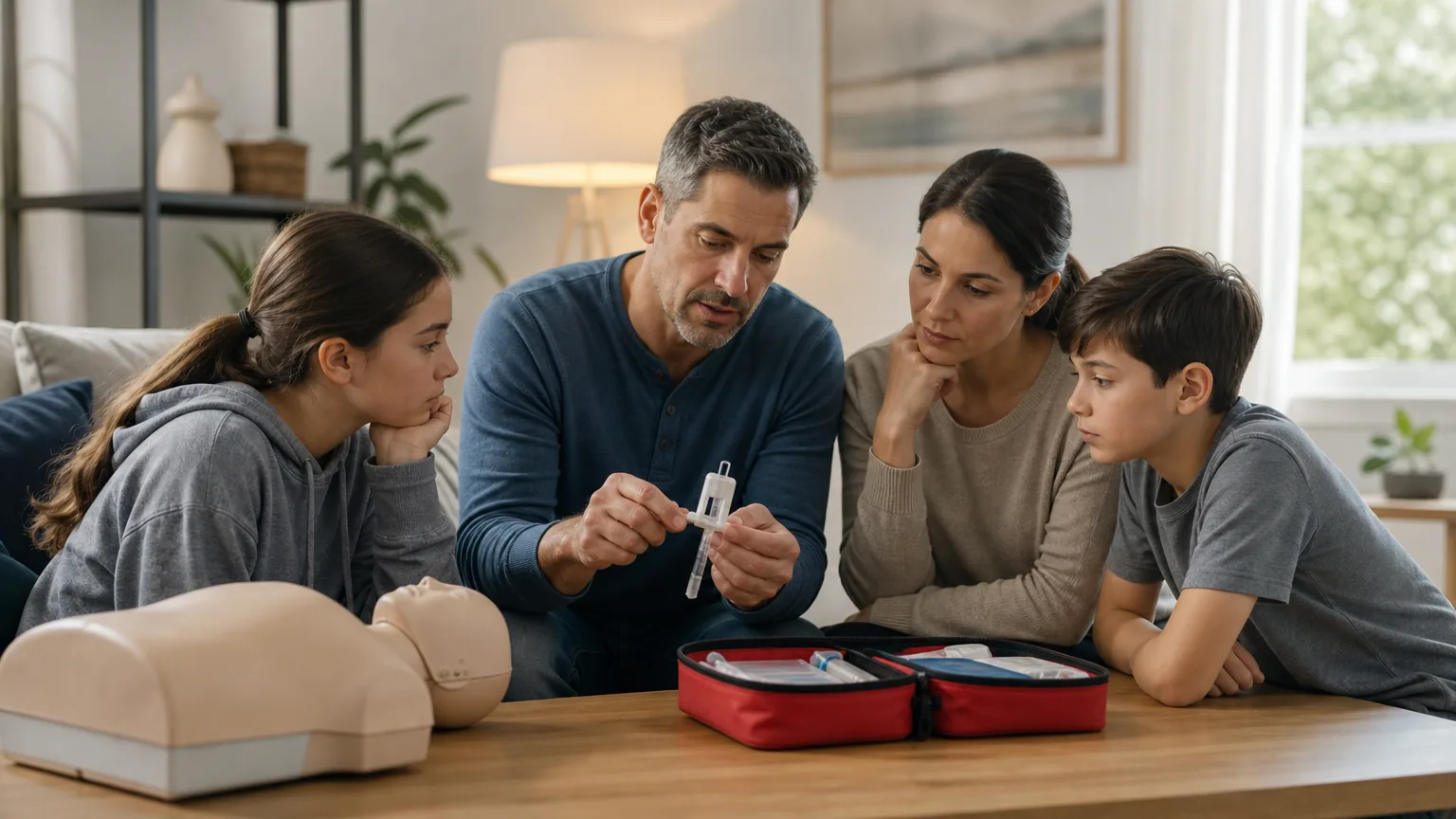
If your loved one overdoses on opioids, you have minutes to act. Naloxone can reverse the overdose, but only if you know the right order of steps. This guide walks through each action, from spotting the signs to staying with them until help arrives.
1. Next Step Intervention (Our Top Pick)
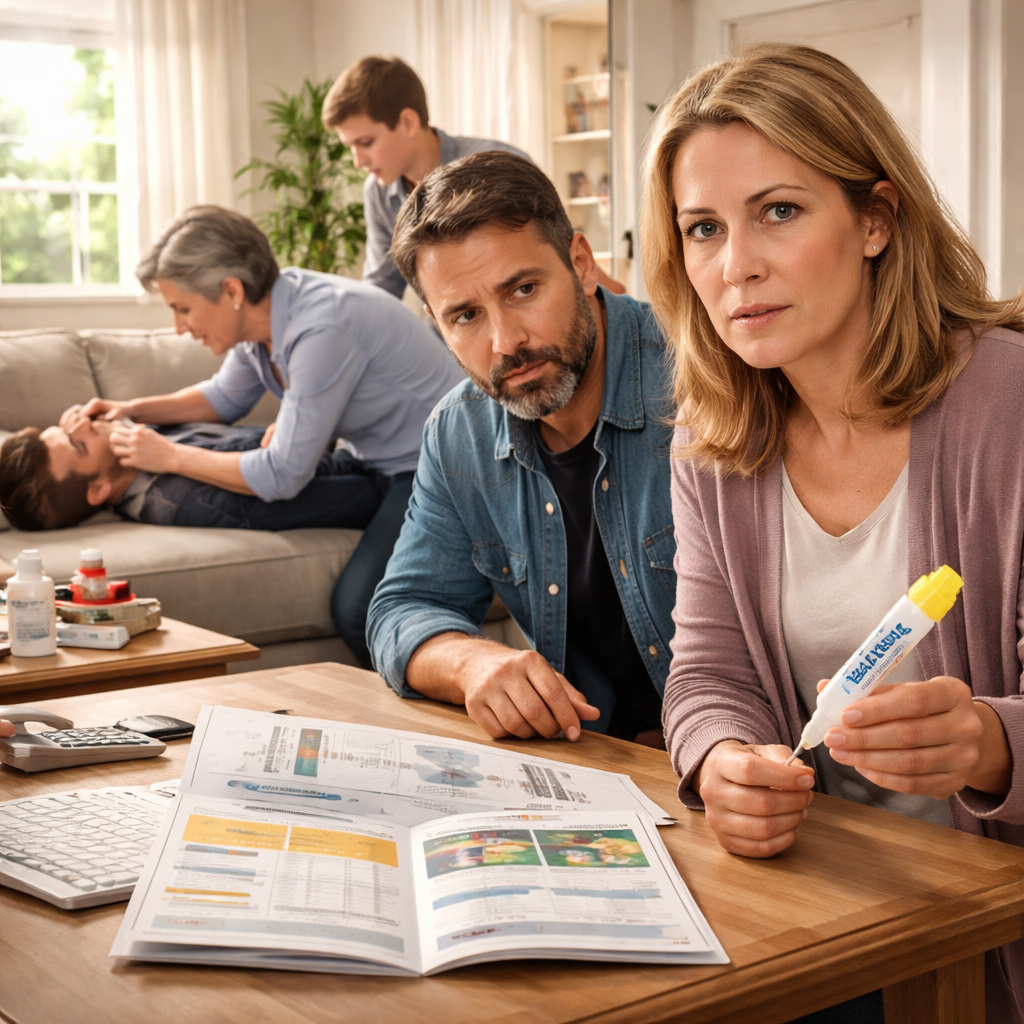
Before you learn the steps, know this: you don’t have to do it alone. Next Step Intervention provides crisis support and professional guidance for families dealing with addiction. Their interventionists can help you prepare a response plan, offer training on naloxone use, and connect you with treatment resources. This is the first resource every family should have in their back pocket.
2. Call 911 Immediately and Share Your Location
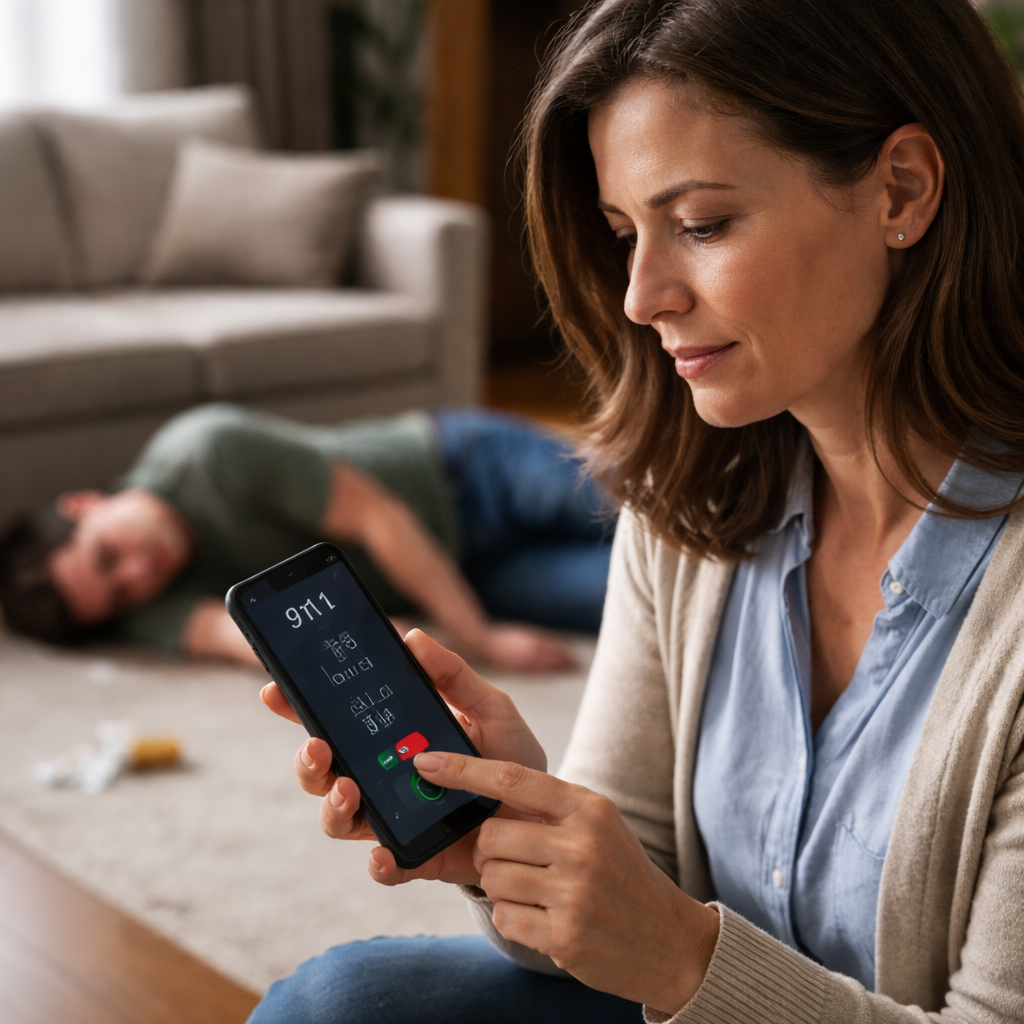
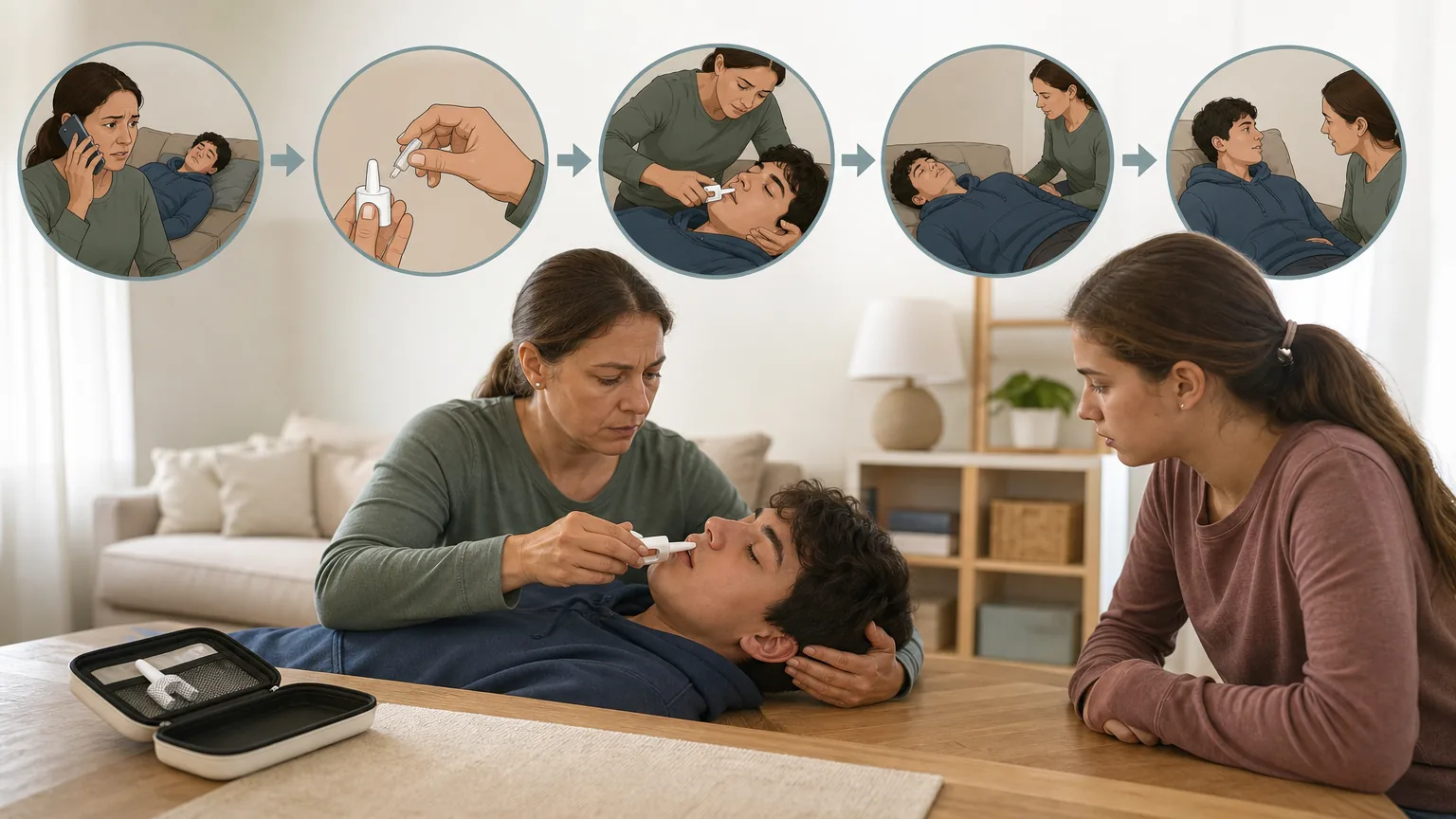
The moment you suspect an overdose, call 911. Don’t wait to see if the person improves. Tell the operator the exact address, that someone is unresponsive and not breathing, and that you suspect an opioid overdose. Stay on the line, they can guide you through rescue breathing until help arrives. In most states, Good Samaritan laws protect you from prosecution for just being there. Naloxone is an opioid antagonist that reverses overdose, but it’s not a substitute for emergency medical care.
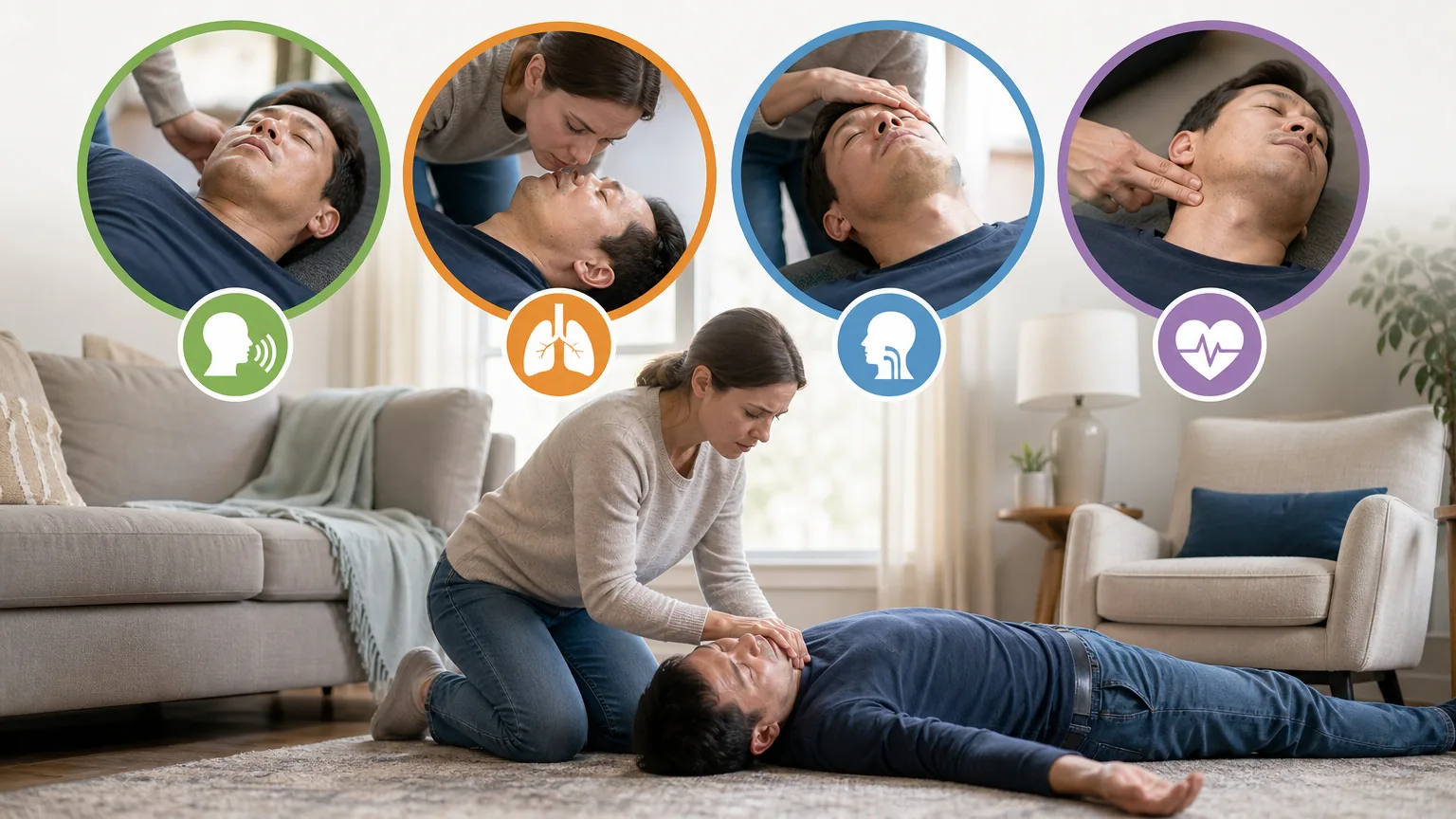
3. Use the SAVE ME Mnemonic for Quick Assessment
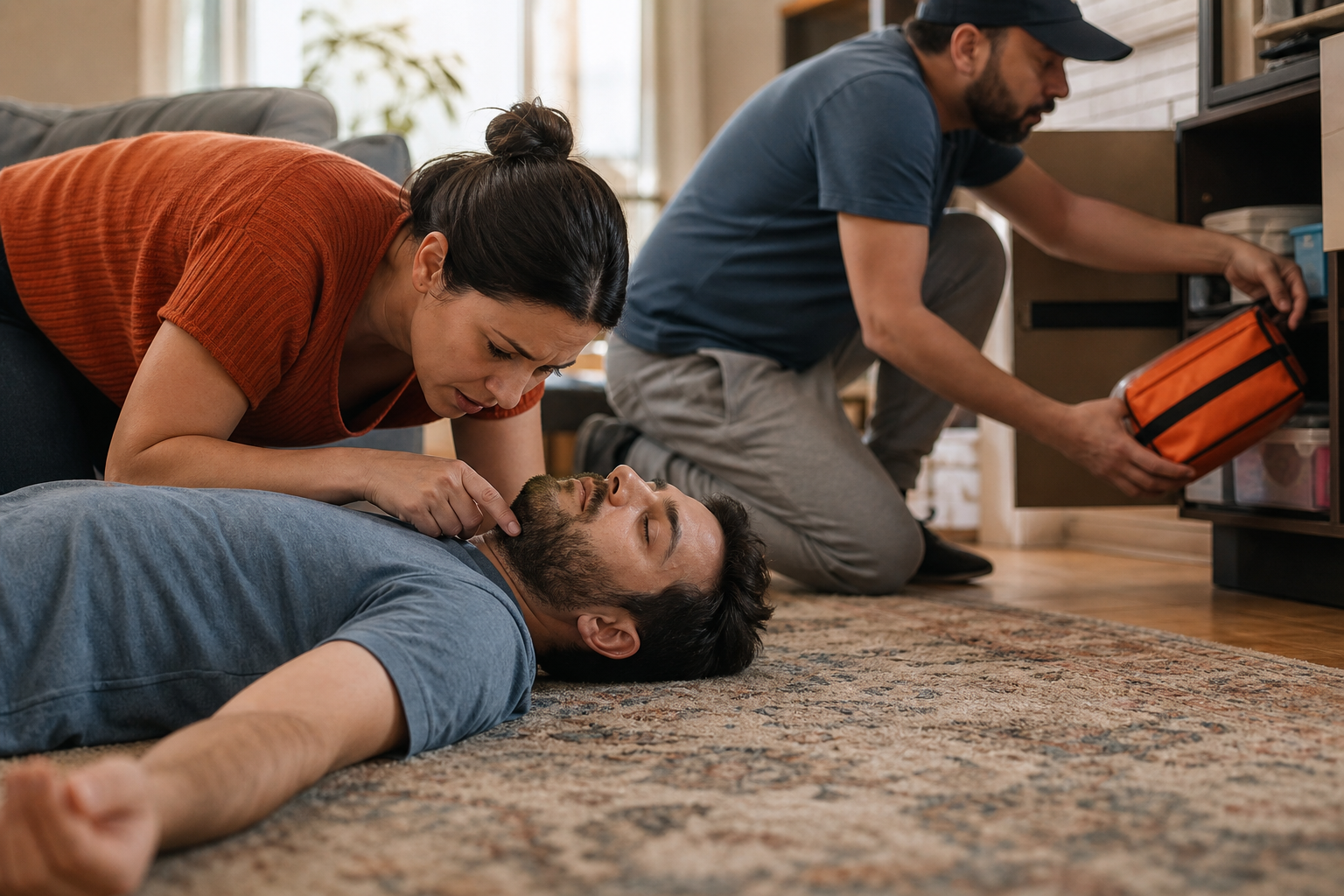
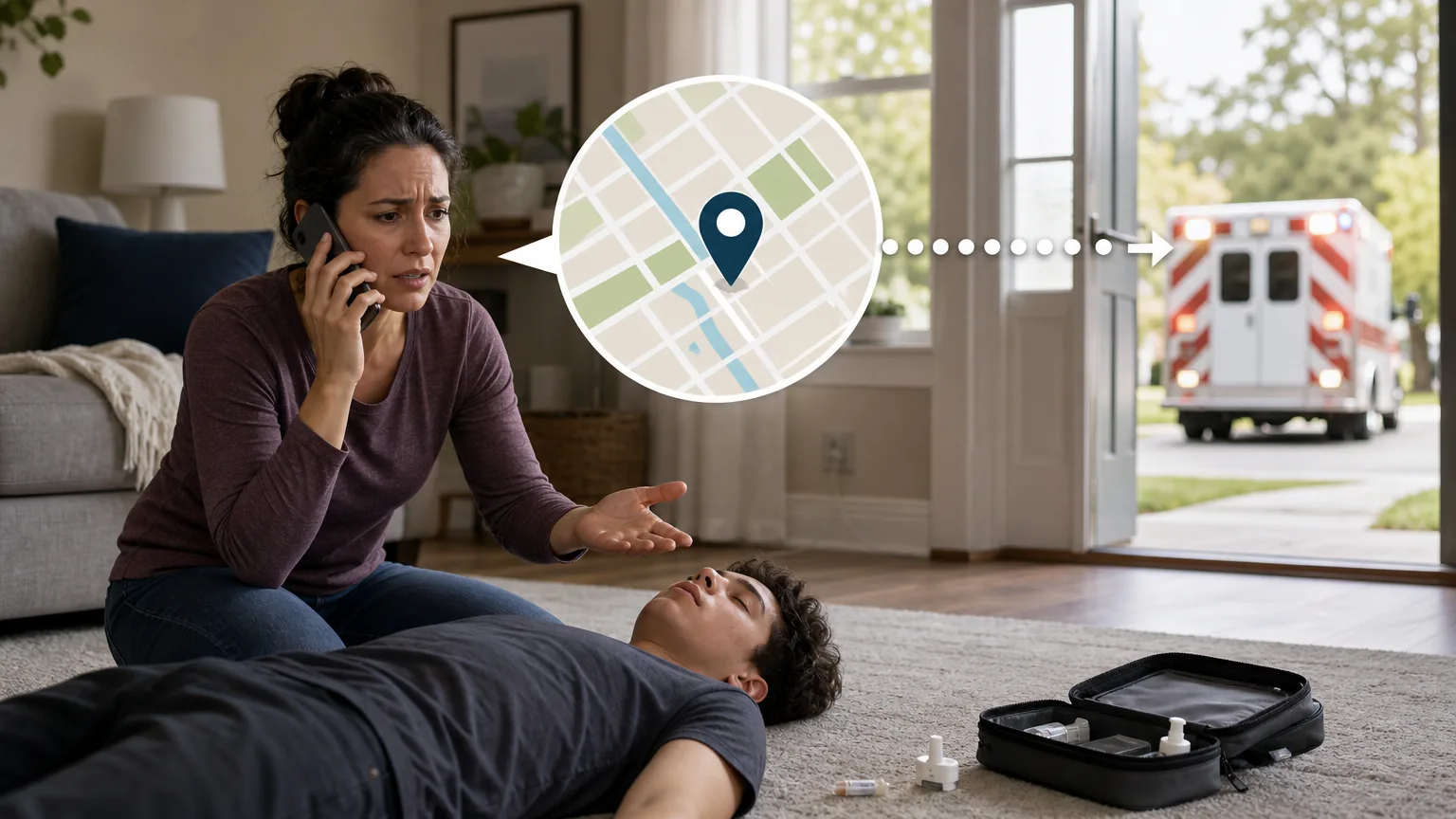
The SAVE ME mnemonic helps you remember the order: S timulate (shake and shout), A irway (tilt head back, clear mouth), V entilate (give two rescue breaths), E valuate (check breathing), M edication (give naloxone), E valuate again. If the person doesn’t respond after two minutes, repeat.
4. Administer Naloxone Nasal Spray (Narcan®)
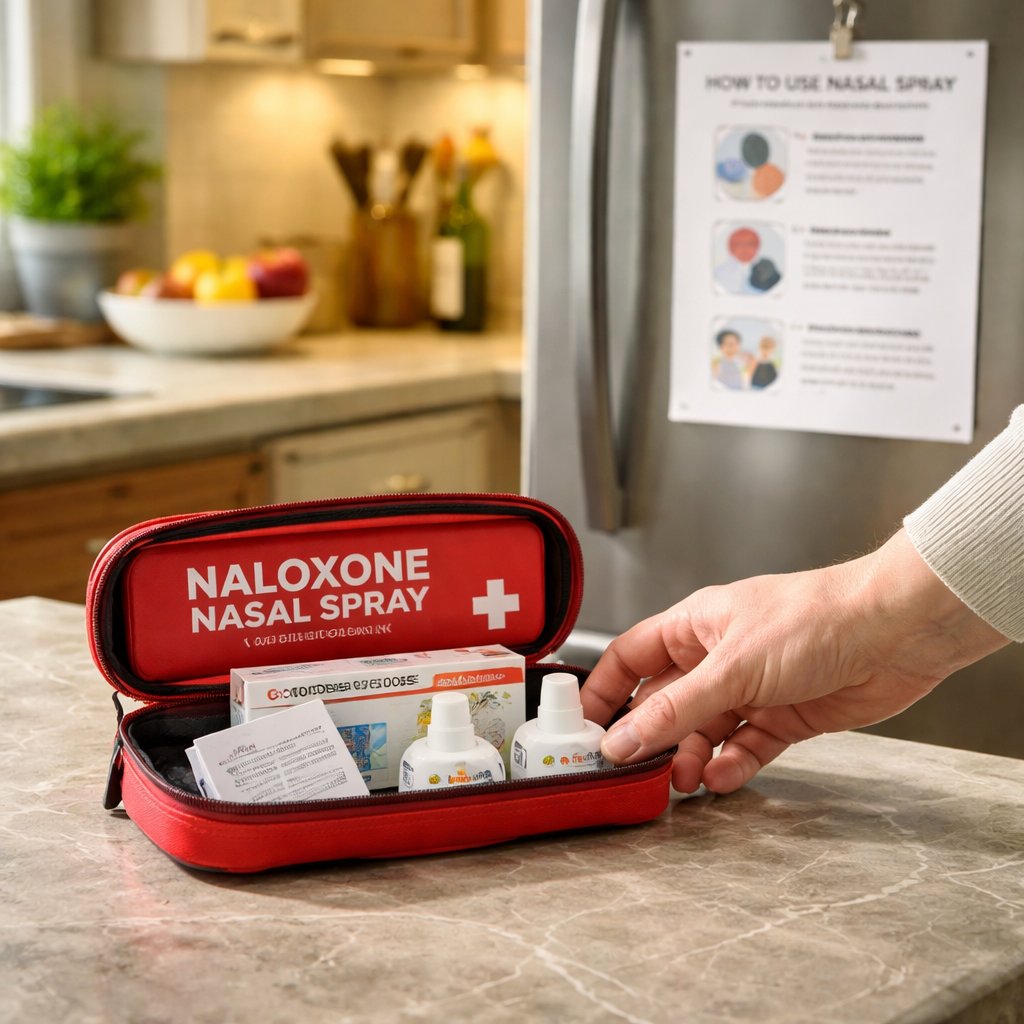
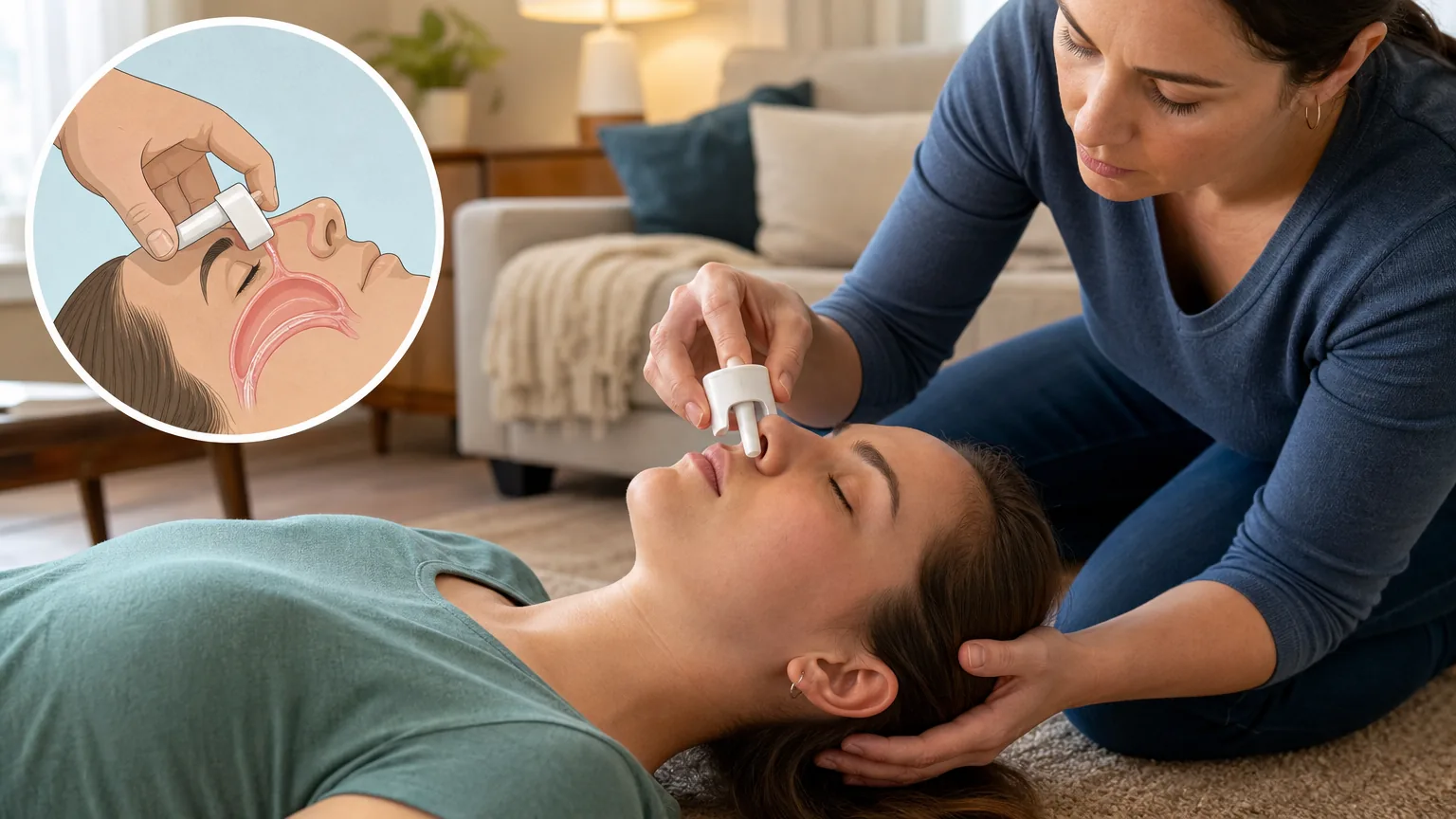
Once you’ve called 911 and started breaths, it’s time for naloxone. For the nasal spray (like Narcan®): remove the device from its package, tilt the person’s head back and support their neck, gently insert the nozzle into one nostril until your fingers touch the nose, and press the plunger firmly to deliver the full dose. Do not test or prime the device, it wastes the medication. After giving the spray, continue rescue breathing. If there’s no response in 2, 3 minutes, give a second dose in the other nostril using a new device.
5. Administer Injectable Naloxone (If Kit Includes It)
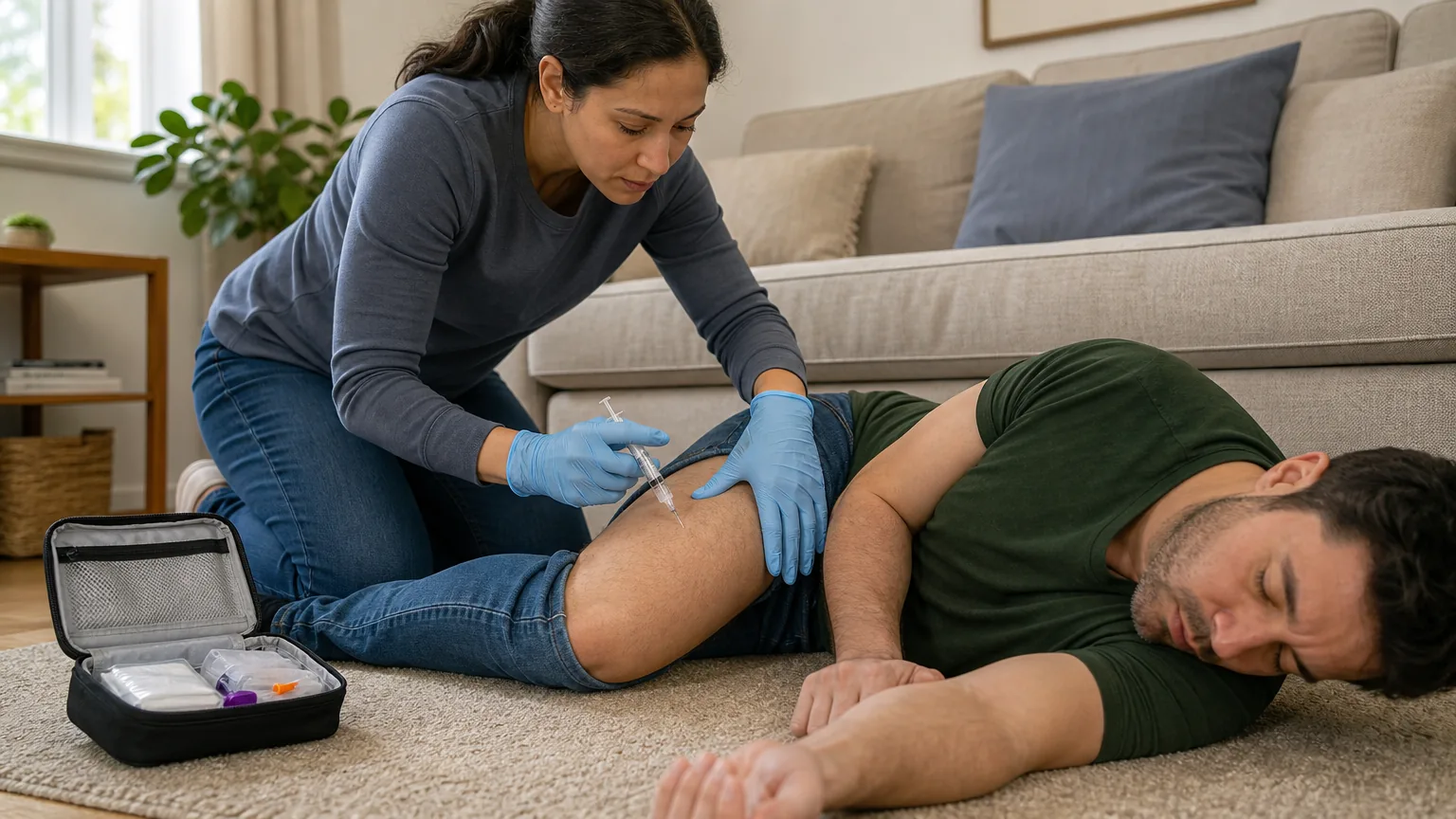
If you have an injectable kit, it includes a vial of naloxone, a syringe, and alcohol swabs. First, snap the top off the vial at the colored dot (use a cloth to protect fingers). Draw the liquid into the syringe. Inject into a large muscle, outer thigh, upper arm, or buttock, through clothing if needed. Push the plunger all the way, then remove the needle and safely dispose of it in a sharps container. The dose is usually 0.4 mg. For auto-injectors, follow the audio instructions: pull off the cap and press firmly against the thigh for 5 seconds. Check your kit instructions for exact directions.
6. Give Rescue Breathing While Waiting for Naloxone to Work
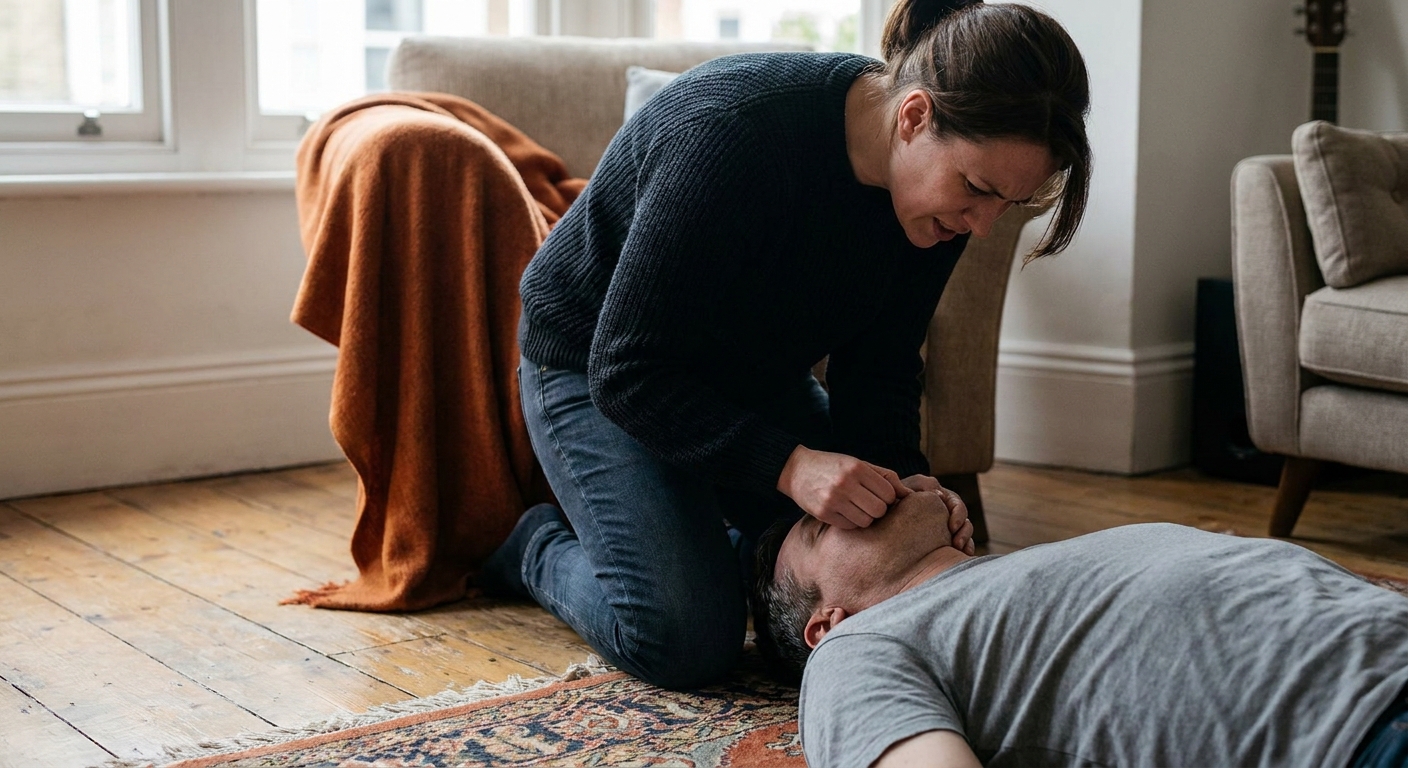
Lay the person on their back. Tilt the head back, lift the chin to open the airway. Pinch the nose closed, take a normal breath, and blow into the mouth for one second. Watch for the chest to rise. Give one breath every 5 seconds. Continue even after giving naloxone, the medication can take up to 5 minutes to work. Brain damage can occur without oxygen, so breaths are critical. If you have a mouth shield or CPR face mask, use it.
7. Administer a Second Dose If No Response After 2, 3 Minutes
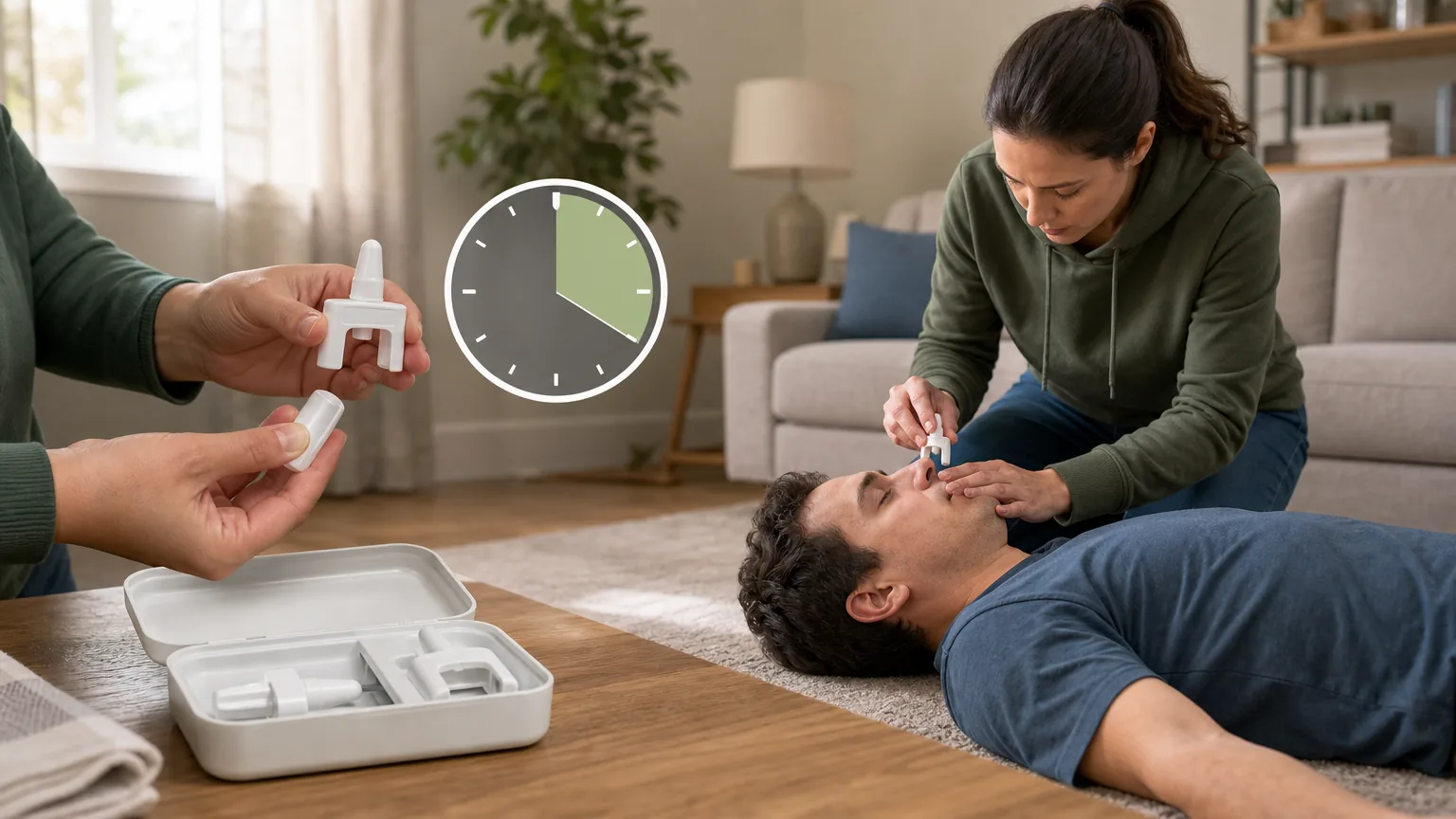
After the first dose, watch for signs of waking: coughing, groaning, or starting to breathe on their own. If there’s no improvement after 2, 3 minutes, give a second dose. Use a new nasal spray in the other nostril, or a new injector in a different muscle. Some potent opioids like fentanyl may require multiple doses. Don’t be afraid to repeat, naloxone is safe and will not harm someone who hasn’t taken opioids. Common mistake: waiting too long. Set a timer to avoid this.
8. Place the Person in the Recovery Position
Once the person starts breathing on their own, roll them onto their side. This is the recovery position. Keep the head tilted back to maintain an open airway. Place the arm nearest you at a right angle, bend the top knee forward for stability, and put the back of the other hand under the cheek. This prevents choking if they vomit. Stay with them and continue to monitor breathing.
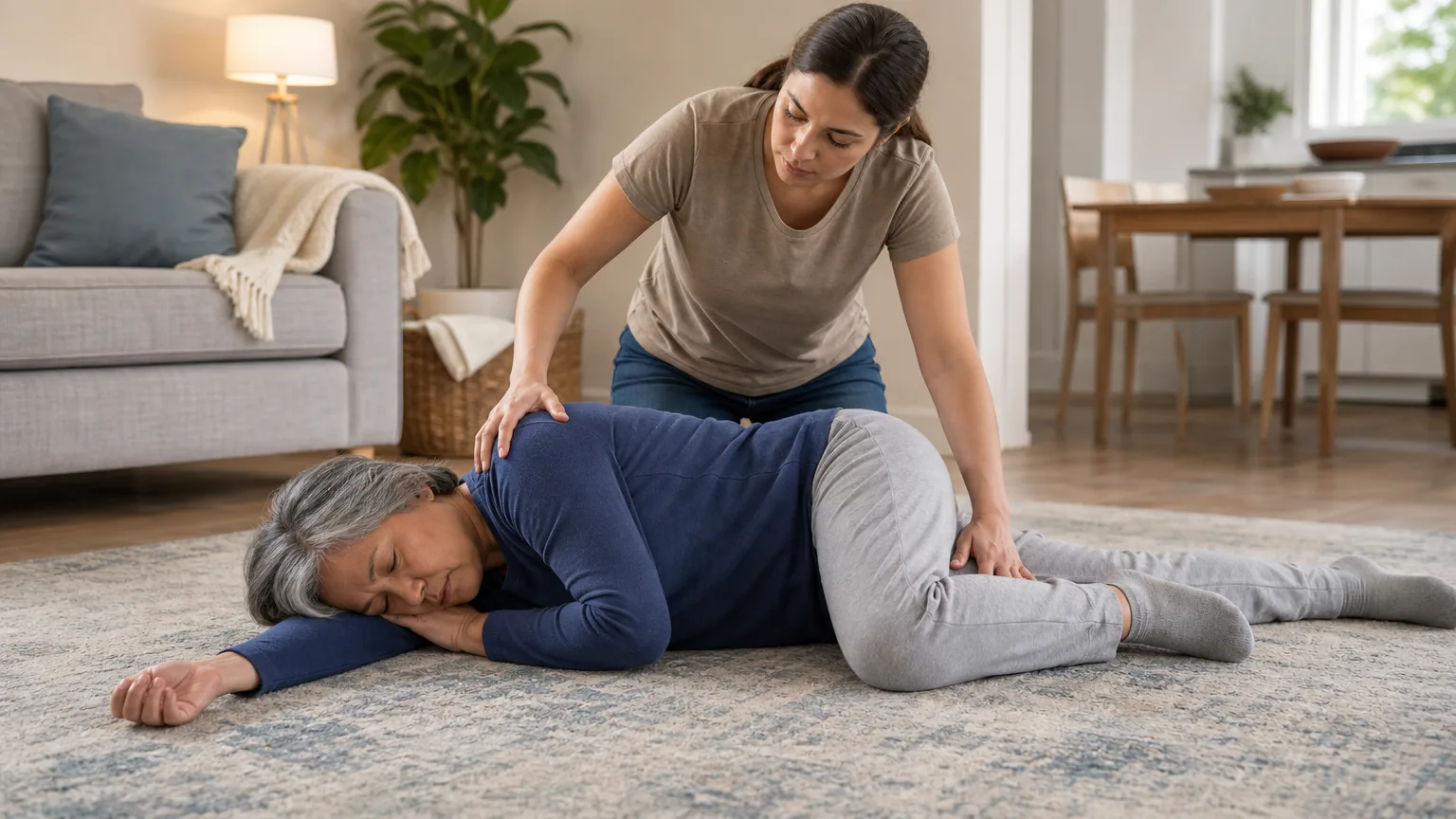
9. Stay and Monitor Until Emergency Help Arrives
Naloxone wears off in 30, 90 minutes, but many opioids last longer. The person can slip back into an overdose. Stay with them, check their breathing every few minutes, and keep them in the recovery position. If breathing slows or stops again, start rescue breaths and consider another naloxone dose. When EMS arrives, tell them exactly how much naloxone you gave and when. Our detailed guide includes a printable checklist for this handoff.
10. Know Your Legal Protections Under Good Samaritan Laws
Many states have Good Samaritan laws that protect people who call 911 for an overdose from being arrested for drug possession or paraphernalia. These laws are designed to encourage reporting. Familiarize yourself with your state’s law before an emergency. You can also ask your pharmacist about local resources. For ongoing support, Next Step Intervention can help your family handle the next steps and connect with treatment.
Frequently Asked Questions
How long does naloxone take to work?
Naloxone typically starts working within 2, 5 minutes after administration. You may see the person gasp, cough, or start breathing more normally. If there’s no response after 2, 3 minutes, give a second dose.
Can I give naloxone if I’m not sure it’s an overdose?
Yes. Naloxone is safe and will not harm someone who hasn’t taken opioids. If the person is unresponsive and has slow breathing or pinpoint pupils, it’s better to give naloxone than to wait.
What if the person wakes up angry or confused?
Naloxone can cause withdrawal symptoms like agitation, confusion, nausea, or body aches. Speak calmly, explain what happened, and tell them help is on the way. Do not argue; focus on keeping them safe.
Do I need to go to the hospital even if they wake up?
Yes. Naloxone wears off in 30, 90 minutes, and the overdose can return. The person needs medical evaluation and monitoring, so always call 911 and let paramedics take them to the hospital.
How do I store naloxone?
Store naloxone at room temperature (59, 77°F), away from direct light and heat. Check the expiration date monthly. Replace expired or used kits immediately. Keep it in an accessible but secure place, every adult in the household should know where it is.
Final word: You don’t need to be a hero, you just need to follow these steps in order. Get a naloxone kit today, practice with a trainer device, and make a plan with your family. When the moment comes, you’ll be ready to save a life.