
Drug use can creep into a teen’s life before a parent even notices. The fear of saying the wrong thing can freeze you in place. This guide shows you how to talk to a teen about drug addiction, spot the signs, pick the right moment, use caring language, share help options, and keep the dialogue open.
You’ll get practical steps you can start today, plus where to find emergency help if things get urgent. Let’s walk through the process together.
Step 1: Recognize the Warning Signs
Kids hide a lot of stuff. The first clue is a shift in how they act. They may pull away from family meals, stay in their room longer, or skip activities they used to love. A teen who starts changing friends fast, or makes up excuses to avoid school, might be covering up drug use.
Physical signs can pop up too. Look for sudden weight loss, bloodshot eyes, or a change in sleep patterns. Some teens develop a sniffy nose from inhalants, while others might have needle marks if they inject. These changes often come with mood swings, irritability, or a drop in grades.
Risk factors matter. A family history of substance abuse, low supervision, or a neighborhood where drugs are easy to find raise the odds. According to research from the National Institutes of Health, early detection of these warning signs can cut the path to addiction before it deepens.
Keeping a simple log helps. Write down dates, what you saw, and how often it happened. When you have facts, the talk feels less like an accusation and more like sharing concern.
Pro tip: Talk to teachers or coaches you trust. They may have noticed shifts you missed.
Imagine you notice your teen staying up past midnight for weeks and looking tired at school. That pattern is a red flag you can bring up gently.
When you have a list of concrete signs, you’re ready for the next step.
Overdose Help: A Practical Guide to Emergency Response and Recovery
Bottom line:Clear signs give you facts, not feelings, to start a caring talk.

Step 2: Choose the Right Moment
Timing can make or break the talk. A rushed chat after a fight rarely ends well. Look for a calm time when both of you are relaxed , maybe after dinner or during a quiet walk.
Teach‑able moments are gold. If a TV show mentions a drug scene, use that as a launch point. Ask, “What did you think about that scene?” This feels natural and not like a lecture.
Make sure the teen isn’t under the influence at the moment. A sober mind is more open to listening. If they’ve just come from a party, wait a few hours.
Set the space. Turn off the TV, put phones away, and choose a spot where you won’t be interrupted. A neutral space, like the kitchen table, works well.
According to University of Rochester’s health guide, starting the talk early , even as young as five , builds a habit of openness. For teens, keep the language clear and repeat your stance often: no drug use is OK.
Pro tip: Write a short note before the talk. It helps you stay on track and not get swept up in emotion.
When you pick a moment that feels safe, the teen is more likely to hear you.
How to Set Boundaries with an Addict: A Practical Guide
Bottom line:Choose a calm, sober moment and a neutral spot to keep the talk steady.
Step 3: Use Compassionate Communication Techniques
Talk like you’re sharing a story, not delivering a verdict. Start with an “I feel” statement: “I feel scared when I see you hide your phone.” This keeps blame out.
Listen more than you speak. Let the teen answer first, even if they shrug. Nod, keep eye contact, and repeat back what you heard: “So you feel pressure from friends to try something new.”
Ask open‑ended questions. “What have you heard about vaping at school?” invites a longer answer than a yes/no.
Validate feelings. If they say they’re stressed, say, “It makes sense you’d look for a way to relax.” You don’t have to agree with the drug use, just show you get the feeling.
Keep the tone calm. If they raise their voice, take a breath and say, “I hear you’re upset. Let’s keep this calm.”
Offer a code word they can text you if they ever need help. This gives them a safety net without feeling trapped.
“The best time to start a conversation is before the teen feels the need to hide it.”
Pro tip: Use short, real‑life examples instead of statistics. Say, “I saw a friend’s cousin get into trouble after trying a new pill, and it scared me.”
Below is a short video that shows a parent‑teen role‑play using these techniques.
When you stay curious and caring, the teen is less likely to shut down.
Effective Strategies for Talking to a Loved One About Addiction
Bottom line:Use “I” statements, listen fully, and keep the tone gentle to build trust.
Step 4: Provide Resources and Support Options
Once you’ve opened the line, give the teen clear options. Mention that help is a sign of strength, not weakness.
Start with free hotlines. The national helpline (1‑800‑662‑HELP) works 24/7. Let the teen know you’ll call together if they feel ready.
Local treatment centers are another path. In California, Next Step Intervention offers 24/7 crisis response and family counseling , a rare service that can jump in right away when a teen is in danger.
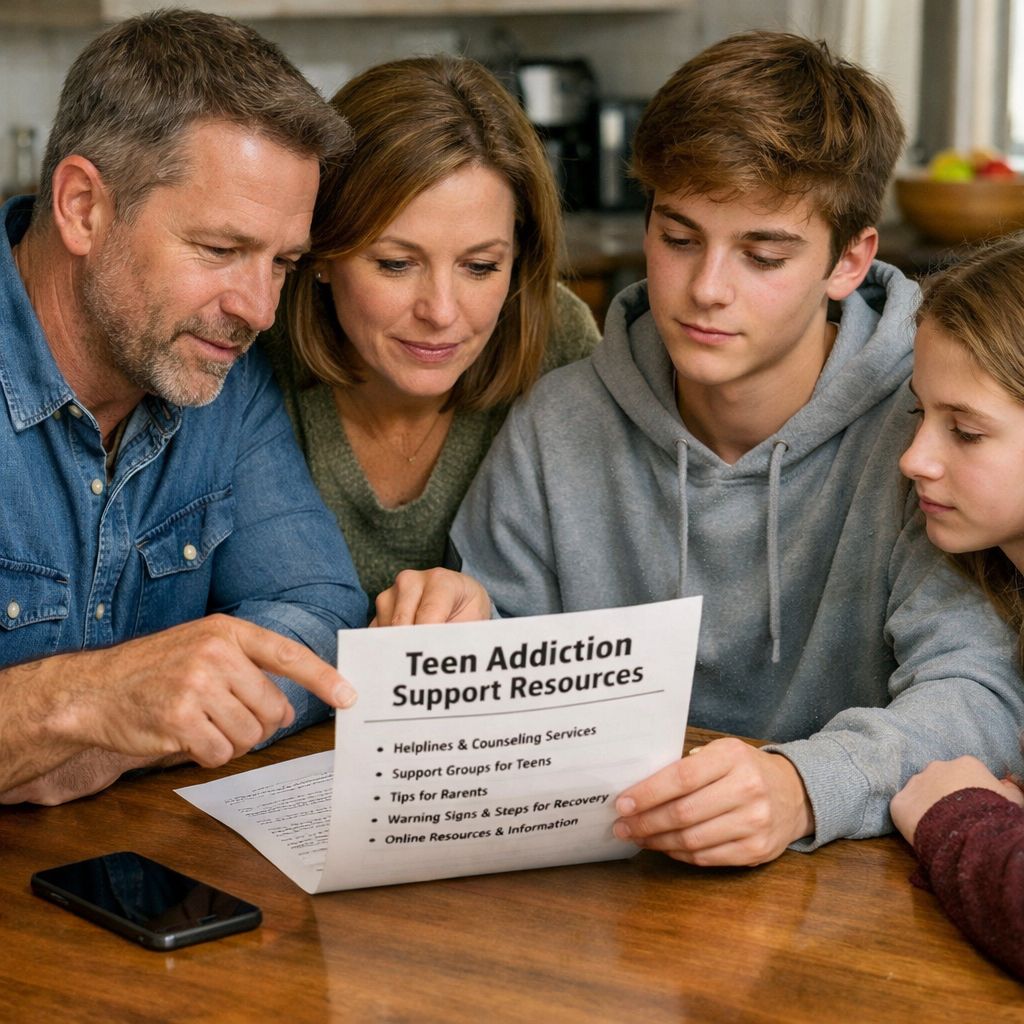
Show a short list of options on a printed sheet or a phone note. Include:
- Emergency line (911) for overdose
- National helpline (988) for mental health crises
- Next Step Intervention’s crisis team (24/7)
- Community teen support groups
- School counselor contact
Pro tip: Keep the sheet on the fridge so it’s easy to grab.
When you give concrete steps, the teen sees a path forward instead of a wall.
Remember, many outpatient programs hide their pricing, which can stall a teen’s decision. Next Step Intervention is transparent about costs and can help you plan financially.
Bottom line:Provide a short, clear list of free and paid help, and highlight the 24/7 emergency option from Next Step.
Step 5: Follow Up and Maintain Open Dialogue
One talk isn’t enough. Check in regularly , a quick text after school, a short chat at dinner, or a weekly walk. Keep the tone light and curious.
Ask open‑ended check‑in questions: “How did the meeting go?” or “What’s been on your mind this week?” This shows you care without hovering.
Celebrate small wins. If the teen skips a party to study, say, “I noticed you chose the study session , that was a strong choice.” Positive reinforcement builds confidence.
If a setback happens, stay calm. Say, “I hear you slipped, let’s look at what triggered it and how we can avoid it next time.” Avoid blame; focus on solutions.
Keep a shared calendar for appointments, support‑group meetings, and follow‑up calls. A visual reminder helps both of you stay on track.
Pro tip: Create a simple “talk plan” on a sticky note: time, place, and one question you’ll ask. Place it where you’ll see it.
When the teen sees that you’re there for the long haul, the trust you built in the first talk deepens.
Bottom line:Consistent, low‑pressure check‑ins keep the conversation alive and the teen engaged in recovery.
FAQ
What are the first signs that my teen might be using drugs?
Early signs often include sudden changes in behavior, new friend groups, secretive habits, and a drop in school performance. Physical clues can be bloodshot eyes, weight loss, or a distinct smell of alcohol. Keep a simple log of what you notice and bring the facts to a calm conversation.
How can I talk about drugs without sounding like a police officer?
Start with “I feel” statements and ask open‑ended questions. For example, say, “I feel worried when I see you hide your phone. What’s going on?” Listen fully, repeat back what you hear, and avoid accusations. This keeps the teen from shutting down.
What if my teen refuses to talk?
Give them space and try again later. Let them know you’re ready whenever they feel safe. You can also write a short note expressing your love and concern, which they can read at their own pace. Consistency without pressure often leads to openness.
When should I call emergency services?
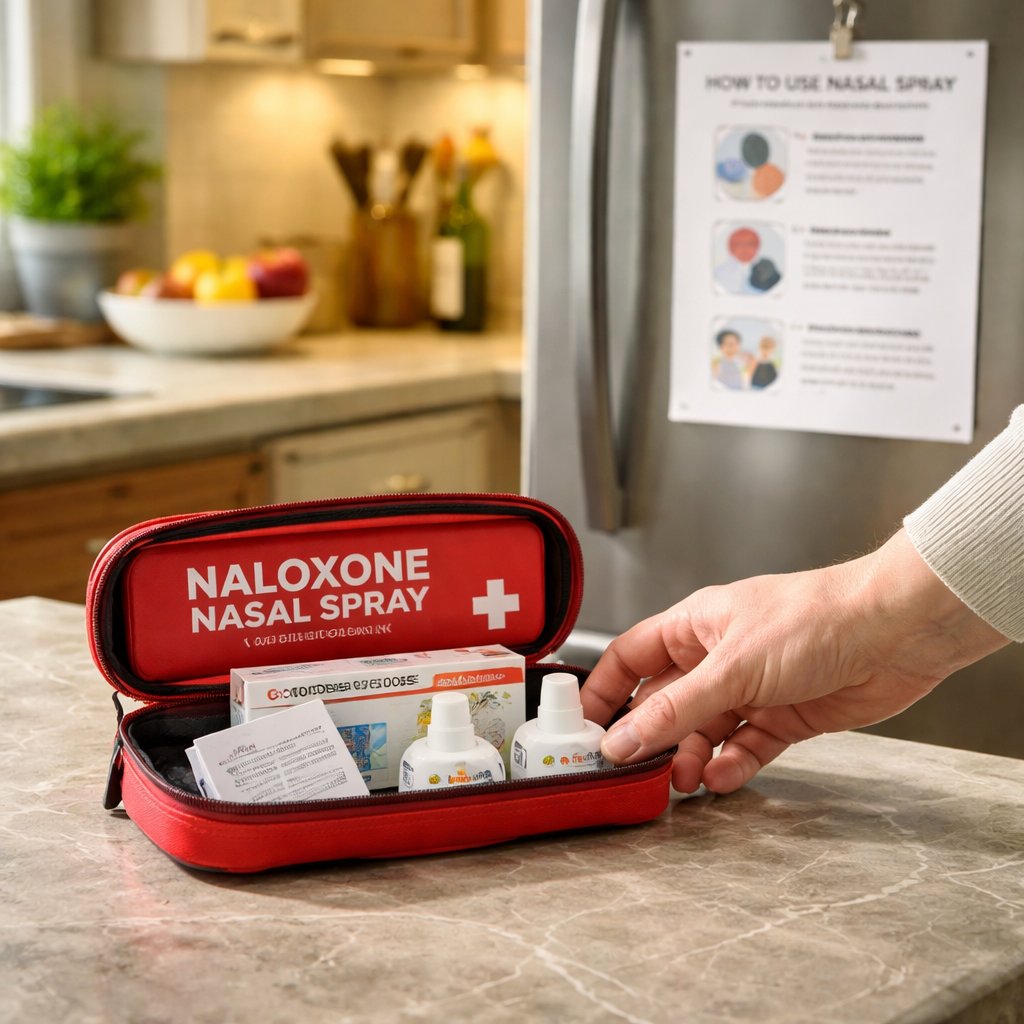
If you see signs of overdose , shallow breathing, pinpoint pupils, or unresponsive behavior , call 911 immediately. Keep naloxone if you have it, and stay with your teen until help arrives. For non‑life‑threatening crises, the national helpline (988) offers free guidance.
Are there free resources for teens who can’t afford treatment?
Yes. Many community centers run free support groups, and the national helpline can connect you to low‑cost options. Next Step Intervention also offers a sliding‑scale fee for families in need and can help you handle insurance.
How often should I check in after the first conversation?
Start with a brief check‑in the next day, then weekly for the first month. After that, move to bi‑weekly or monthly, depending on how the teen feels. Keep the tone supportive and focus on what’s working well.
Conclusion
Talking to a teen about drug addiction is tough, but you don’t have to do it alone. Spot the signs, pick a calm moment, use caring language, give clear help options, and stay in touch. When you act quickly, you can stop a hidden problem from growing.
If you need urgent help, Next Step Intervention offers 24/7 crisis response and family counseling. Call(949) 545‑3438or visit Next Step Intervention’s website to start the conversation today.
Remember, the goal isn’t to control every choice. It’s to build a bridge of trust that guides your teen toward a safer, healthier future.