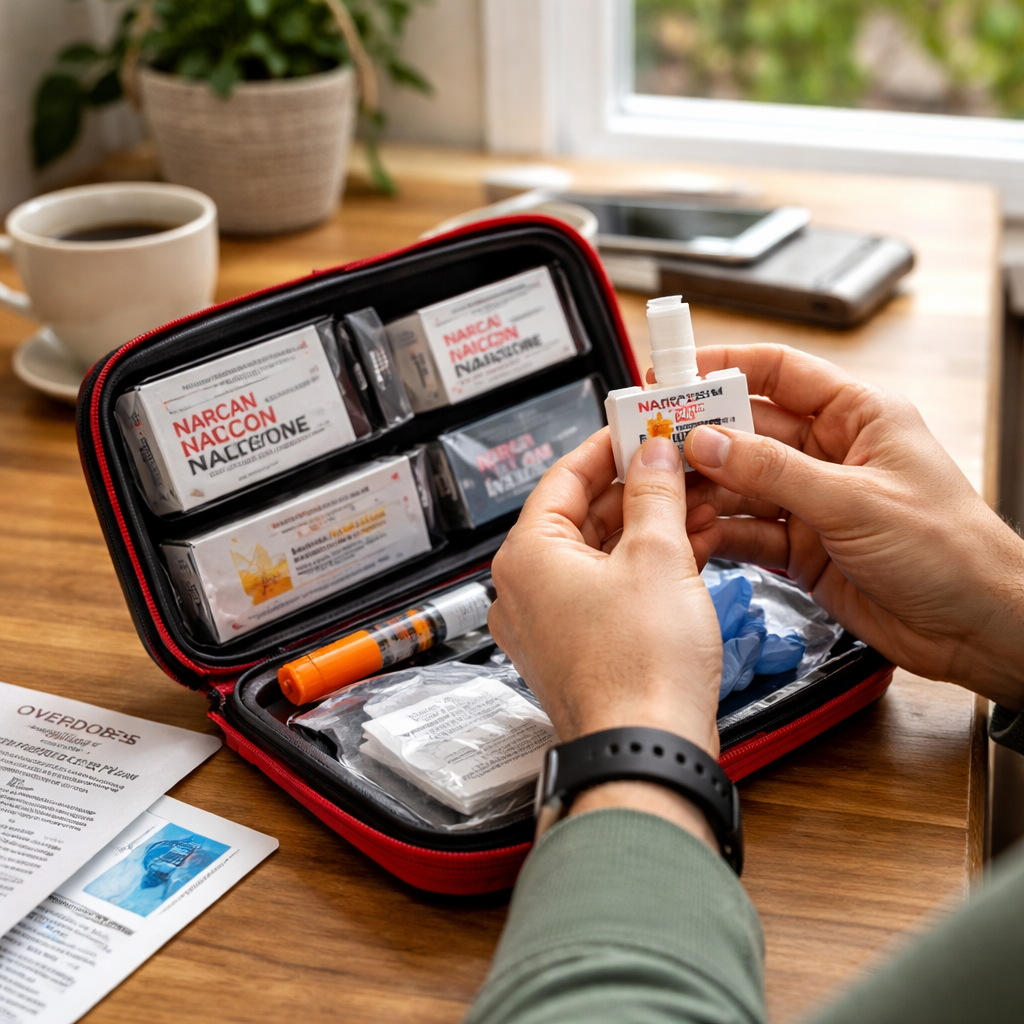
Every minute counts when an opioid overdose strikes. If you have a naloxone kit nearby, you can stop a death in its tracks. This guide shows you how to use naloxone kit from start to finish, so you’re ready if the worst happens.
We’ll walk through five clear steps, legal basics, myth busting, and a handy FAQ. By the end you’ll know exactly what to do, how to stay calm, and where to find more help.
Step 1: Identify and Inspect Your Naloxone Kit
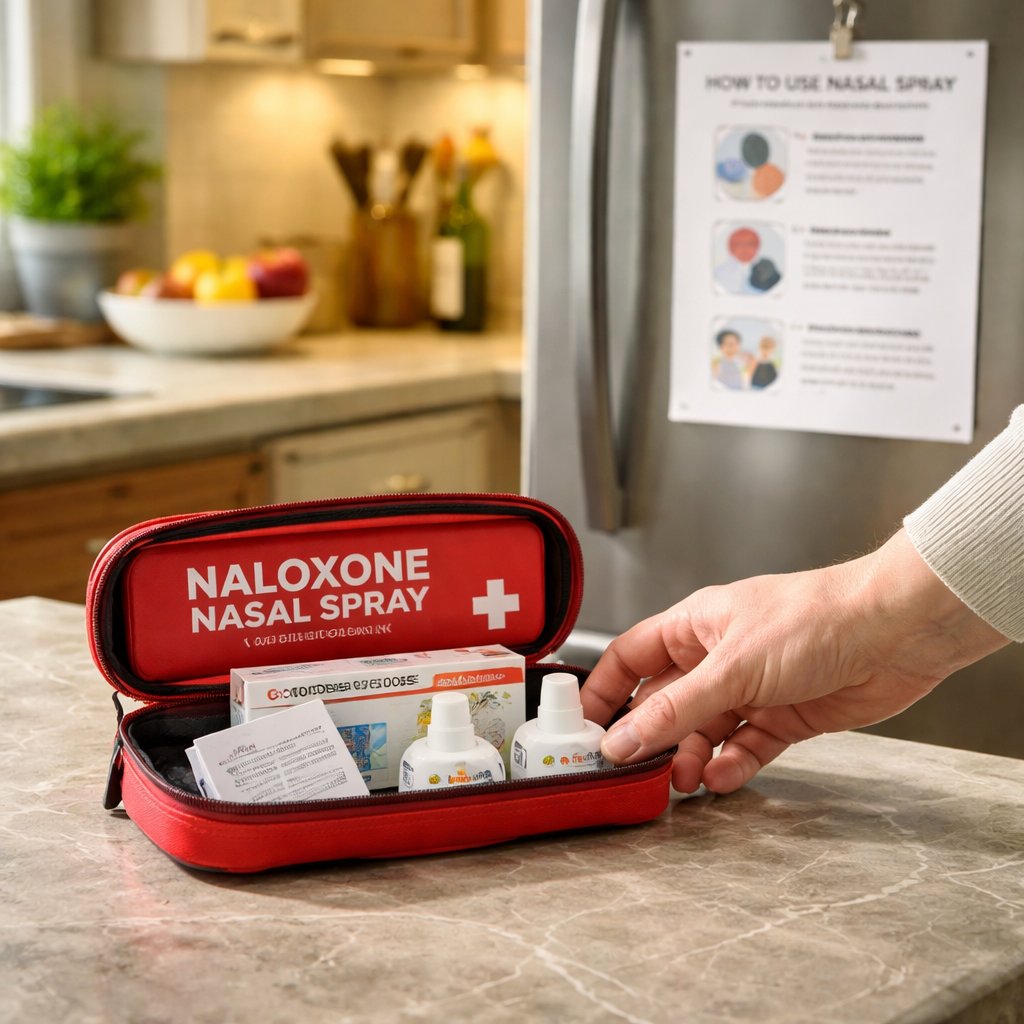
The first thing you do is find the kit. Keep it where you can grab it fast , near the phone, in the kitchen drawer, or in the car glove box.
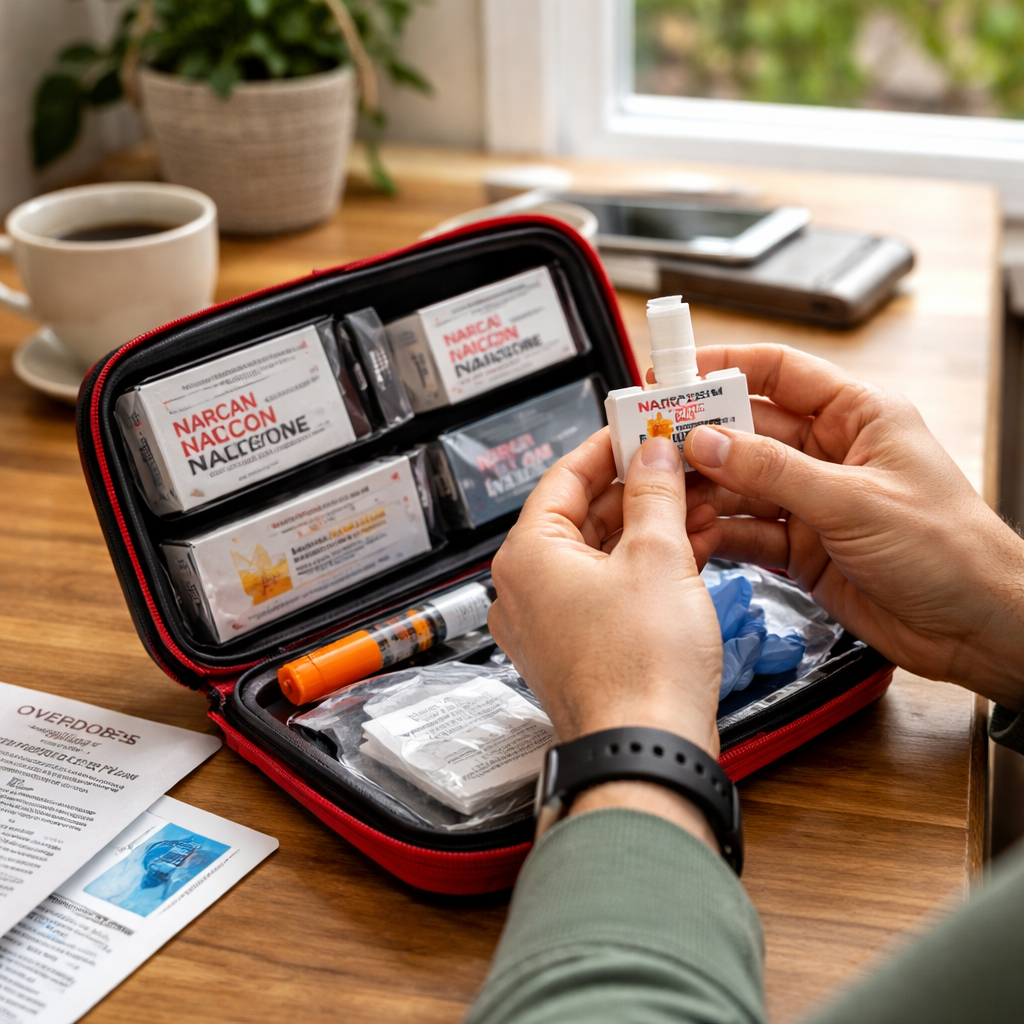
Look at the container. It should be a small box or a sharps container with a clear label. If you see a broken seal or a missing piece, replace the kit right away.
Check the expiration date. Naloxone stays strong for two years, but even an old kit can help in an emergency. If the date has passed, call a pharmacy for a new one.
Make sure the instructions are legible. Some kits come with a sticker that lists the steps. If the print is faded, print a fresh copy from a trusted site.
Take a moment to practice opening the case. Slide the lid, pull out the nasal spray or auto‑injector, and note where the safety cap sits.
Here’s a quick tip: keep a small flashlight in the same drawer. Low light can make it hard to read the label.
For more details on what a kit should contain, see the Naloxone kit materials guide. It lists container options and printable stickers you can use.
A recent study compared nasal and intramuscular naloxone. The trial found that nasal spray may need a second dose for strong opioids like fentanyl. Read the clinical trial on nasal naloxone for deeper insight.
Finally, write the kit’s location on a sticky note and put it on the fridge. This visual cue saves seconds.
Step 2: Assess the Situation and Call Emergency Services
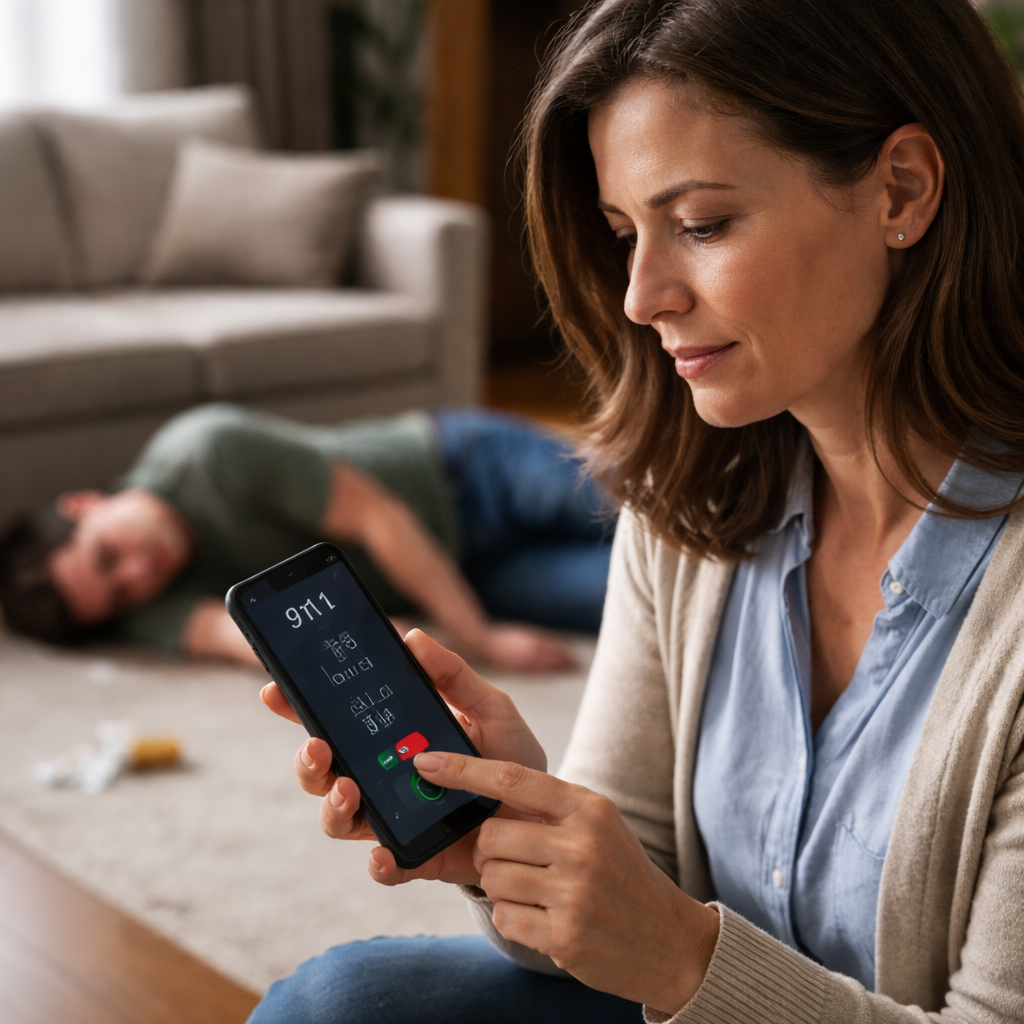
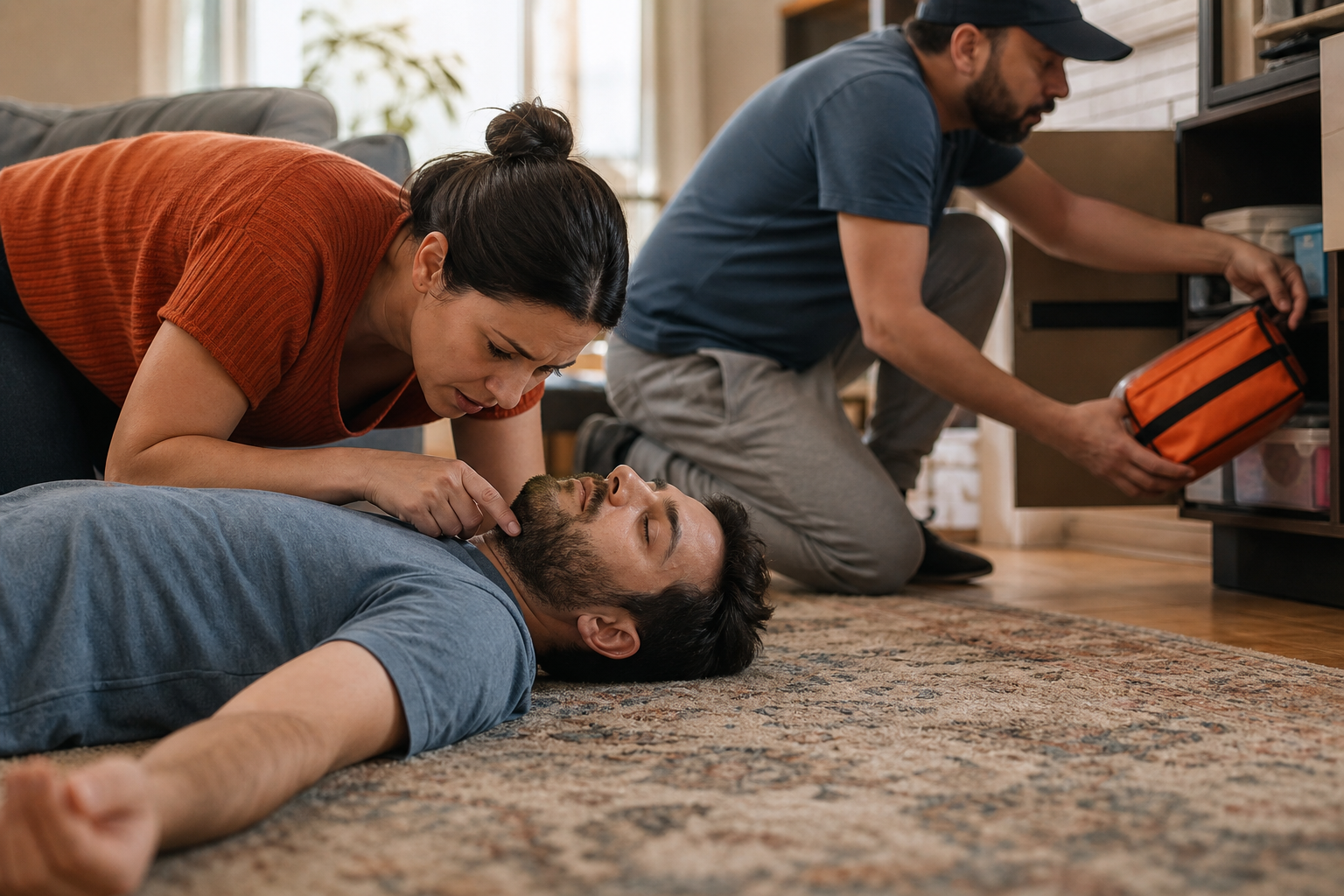
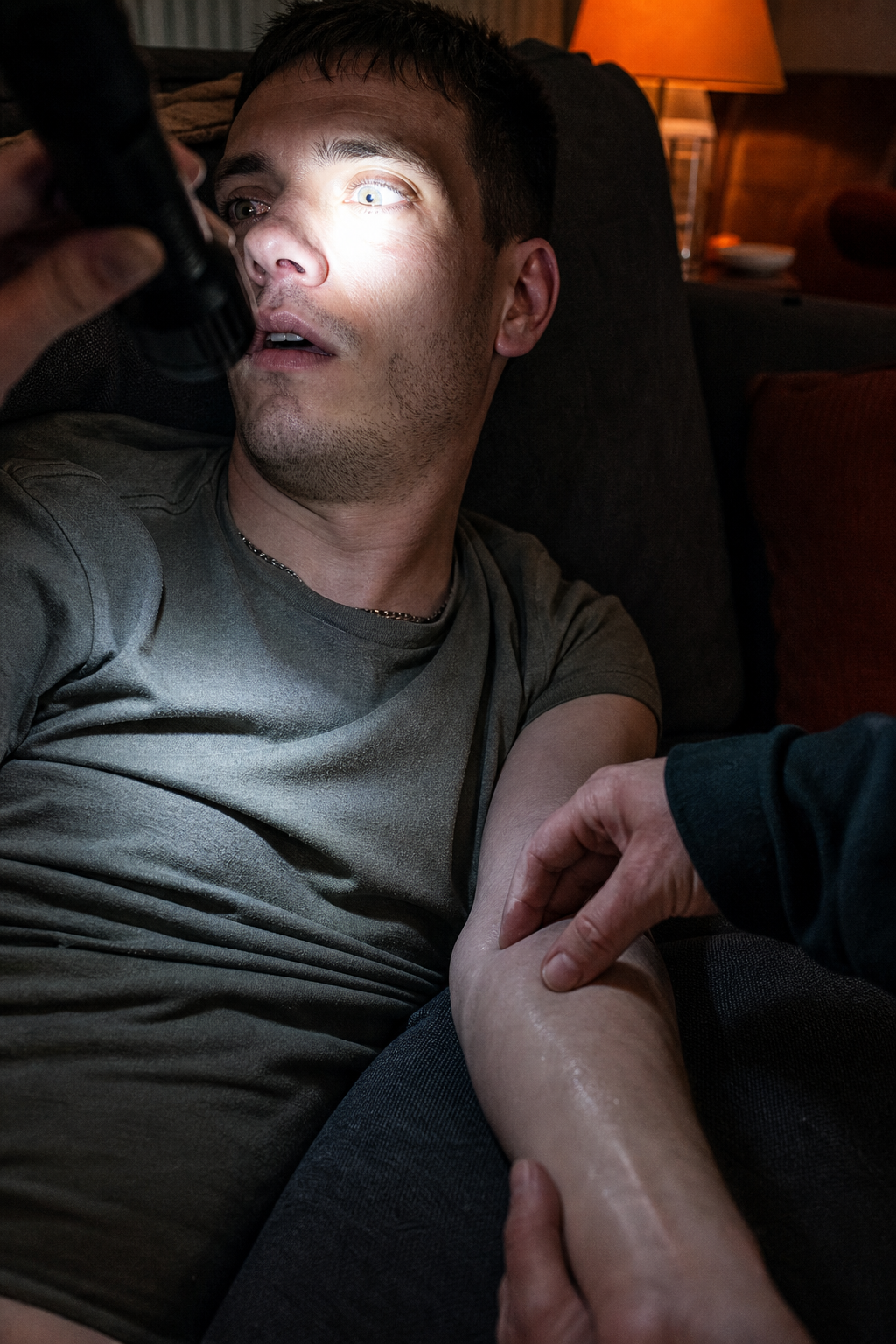
When you spot someone who may have overdosed, act fast. First, look for signs: shallow breathing, pinpoint pupils, blue lips or skin.
If you see any of these, you’re likely dealing with an opioid overdose. Stay calm and call 911 right away.
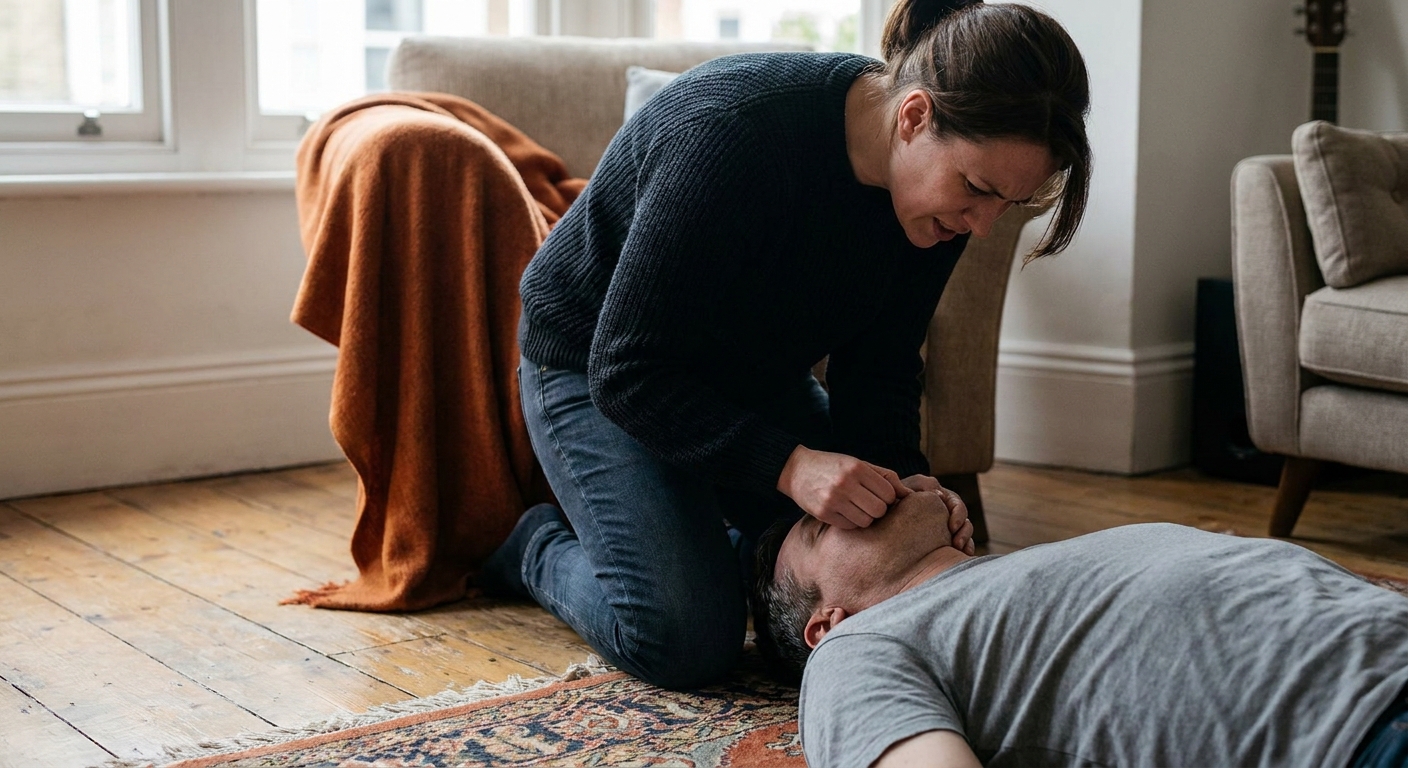
While you wait for the dispatcher, keep the person lying on their back. If they’re unconscious, turn them onto their side to keep the airway open.
Tell the dispatcher what you see. Mention the suspected drug, the person’s age, and any allergies. This helps EMS bring the right meds.
Keep the phone on speaker so you can listen to the dispatcher while you check the kit.
Don’t leave the person alone. Stay with them, talk in a soothing voice, and watch for changes in breathing.
For a clear list of what to say to 911, read the Effective Emergency Intervention guide. It breaks down the exact words you need.
Another useful resource explains how EMS handle naloxone. The New York health guide offers a one‑page checklist you can print and tape to the fridge.
Remember, calling 911 does not mean you can’t also give naloxone. The two actions work together.
Step 3: Administer Naloxone Correctly
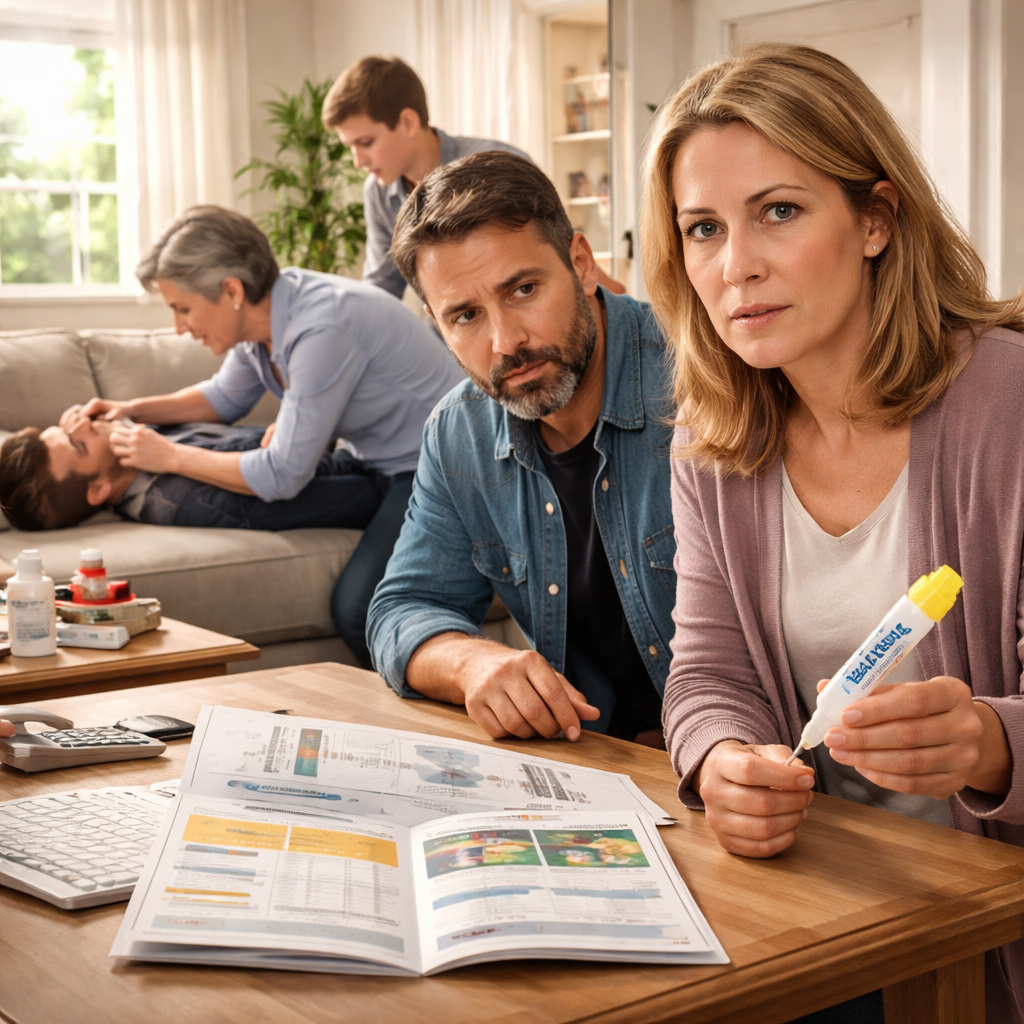
Now that you’ve called for help, it’s time to give the drug. Hold the nasal spray upright and remove the cap.
Place the tip in one nostril and press firmly until you hear a click. That releases the dose.
If you have an auto‑injector, press the button against the outer thigh. Hold it there for ten seconds.
After the first dose, watch for a response. The person may cough, gasp, or start breathing more normally within one to two minutes.
If there’s no change after two minutes, give a second dose using the backup spray or injector. Some strong opioids need two doses.
Stay with the person. Keep talking, keep them upright if they’re awake, and monitor breathing every 30 seconds.
When EMS arrives, hand over the kit and tell them how many doses you gave and when.
For a step‑by‑step video, watch the clip below. It shows the exact motions you need.
The New York health publication also has a printable one‑page guide that matches this video. See the state overdose response sheet for a quick reference.
Another source, the National Library of Medicine, outlines the dosing differences between nasal and injection routes. Review the methods table for naloxone if you want the science behind the doses.
Remember, naloxone can cause sudden withdrawal symptoms. The person may shake or feel sick. That’s normal and will fade.
Take a breath. You’ve just saved a life.
Effective Intervention Steps guide offers a short script you can read out loud while you work.
Step 4: Provide After‑care and Monitoring
When the person starts breathing again, you’re not done yet. Keep watching for at least an hour.
Check the pulse every five minutes. Count breaths for 30 seconds; aim for eight to twelve per minute.
Watch for signs of re‑sedation: slurred speech, drowsiness, or a drop in oxygen level. If any appear, be ready to give another dose.
Place the person in a comfortable position. If they’re awake, sit them up. If they’re still sleepy, keep them on their side.
Offer water once they’re fully awake. Small sips help clear the throat and keep them hydrated.
Log the times of each dose and the person’s response. This record helps EMS and later doctors.
Research shows that early monitoring reduces the chance of a second overdose. The StatPearls overview explains why continued observation matters.
A study of EMS protocols found that patients who stayed for observation had very low rates of fatal rebound. Read the findings in the treat‑and‑release analysis for more data.
After the crisis, arrange a follow‑up with a health professional. A doctor can check for any complications and discuss longer‑term treatment.
Encourage the person to seek counseling or a medication‑assisted program. The goal is to turn this emergency into a step toward recovery.
Step 5: Maintain Your Kit and Stay Trained
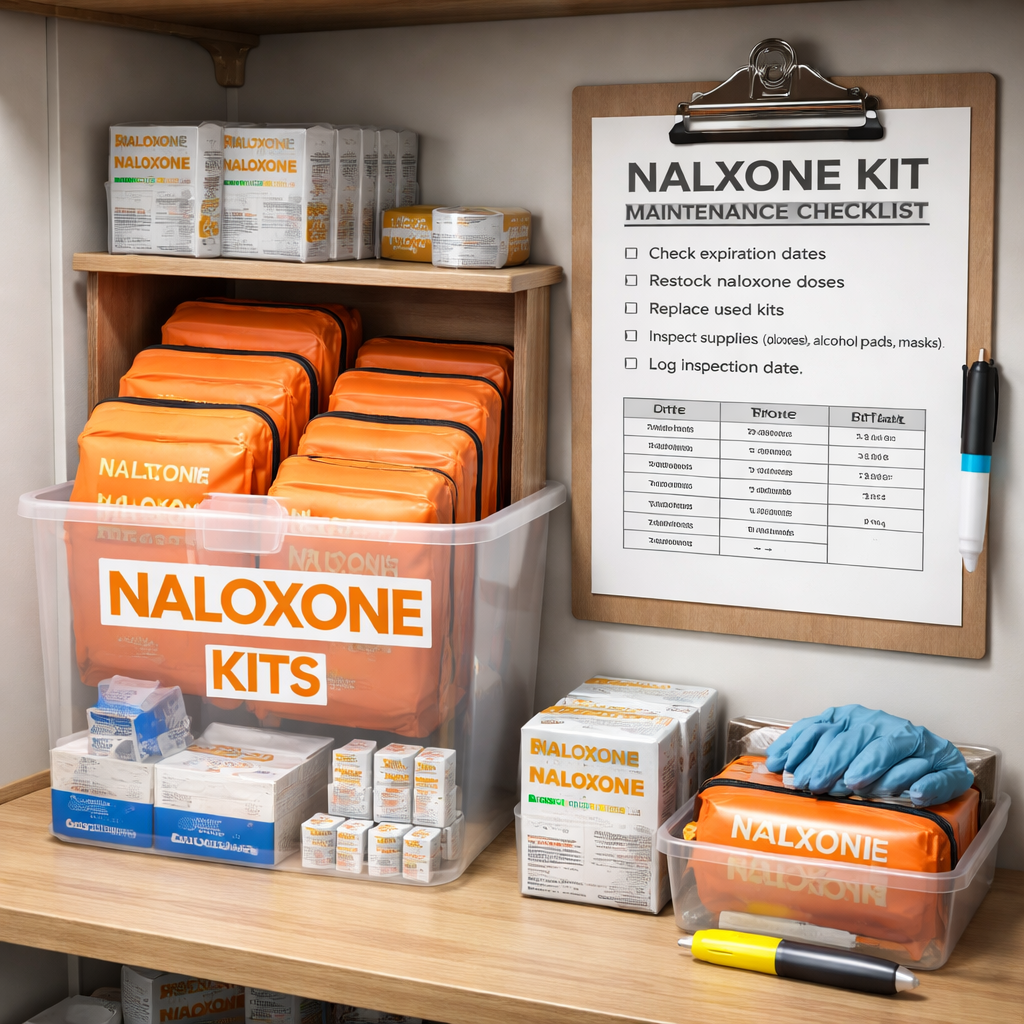
Keeping your naloxone kit ready is an ongoing task. Store it where the temperature stays between 15 and 30 °C and away from direct sunlight.
Even if the kit is older than two years, it still works in a pinch. Studies show that expired naloxone retains over 90 % of its potency.
Check the kit every six months. Look for cracked vials, missing caps, or broken seals.
If anything looks off, get a new kit from a pharmacy or a local outreach program.
Practice the steps at least once a year. Run through a mock scenario with a friend or family member.
Know the Good Samaritan laws in your state. Most states protect you from drug‑possession charges when you help an overdose victim.
Read the latest legal overview on your state’s health department website to stay current.
Here’s a quick comparison of kit maintenance tasks:
| Task | Why It Matters | How Often |
|---|---|---|
| Check expiration date | Ensures drug potency | Every 6 months |
| Inspect container integrity | Prevents leaks | Every 6 months |
| Practice opening kit | Builds muscle memory | Once a year |
| Refresh training | Updates on new guidelines | Every 12 months |
For a deeper dive into storage tips, the research article on naloxone stability offers solid data. See the study on temperature stability for more details.
You can also revisit the same article for guidance on how long naloxone stays effective after expiration.
Legal Considerations and Good Samaritan Laws
Most states have Good Samaritan statutes. These laws protect people who call 911 or give naloxone from most drug‑possession charges.
The protection does not cover outstanding warrants or unrelated crimes. Know the limits in your area.
If you’re unsure, call your local health department. They can tell you what the law says.
Having this knowledge can make you more willing to act when seconds count.
Common Myths About Naloxone Use
Myth: Naloxone will make a person high again. Fact: Naloxone only blocks opioids. It does not create a high.
Myth: You need a prescription to carry naloxone. Fact: Many states allow over‑the‑counter purchase.
Myth: Giving naloxone is dangerous for the responder. Fact: It is safe. The drug works on opioid receptors, not on the giver.
Myth: If the person revives, they are fine forever. Fact: Opioids can wear off and cause re‑overdose. Monitoring is still needed.
Frequently Asked Questions
What is the first thing I should do if I think someone is overdosing?
The first step is to call 911. While the call is in progress, check the person’s breathing and pulse. If they are not breathing or breathing shallowly, start rescue breaths and grab your naloxone kit. Give the dose, stay with the person, and keep talking so they stay aware. If you need help, call (949) 545‑3438 for a free walk‑through.
How do I know if the naloxone kit I have is still good?
Look at the expiration date printed on the packaging. Even if the date has passed, the drug often still works, but it’s best to replace it. Check the vial for cracks or missing caps. Store the kit in a cool, dry place. If any part looks damaged, get a fresh kit from a pharmacy or a local outreach program.
Can I use naloxone on a child?
Yes, naloxone can be used on children of any age. Use the same dose as for adults if you have an auto‑injector or nasal spray; the device is designed for all ages. Call 911 immediately and monitor the child closely for changes in breathing and consciousness.
What if the person does not wake up after the first dose?
If there is no improvement after two minutes, give a second dose from the backup spray or injector. Some strong opioids, like fentanyl, need more than one dose. Keep watching for signs of breathing and pulse. If the person still does not respond, call 911 again and explain that you have given a second dose.
Do I need to wear gloves when I give naloxone?
Gloves are recommended but not required. They protect you from any bodily fluids. If you don’t have gloves, use a clean towel or any disposable barrier you can find. The most important thing is to stay with the person and give the medication quickly.
Will the person feel pain or be angry after naloxone?
Naloxone can cause sudden withdrawal symptoms such as shaking, sweating, nausea, or irritability. These reactions are temporary and usually last less than 30 minutes. Stay calm, reassure the person, and keep them safe until professional help arrives.
How often should I replace my naloxone kit?
Check the kit every six months. Replace it if the expiration date is more than two years old, if the container is damaged, or if you have used a dose. Pharmacies often give a free replacement when you bring in an old kit.
Can I give naloxone if I’m not sure the overdose is from opioids?
If you see the classic signs , pinpoint pupils, slow breathing, and blue lips , it’s safest to give naloxone while you wait for EMS. The drug is low‑risk, and giving it could save a life even if you are uncertain.
Conclusion & Immediate Action Steps
You now have a full roadmap for how to use naloxone kit in an emergency. Spot the signs, call 911, give the dose, monitor the person, and keep your kit fresh.
Print this guide, tape it to your fridge, and store the kit where you can reach it fast. Practice the steps at least once a year so you stay ready.
If you need a quick consult, call (949) 545‑3438. Our team at Next Step Intervention can walk you through the process and connect you with local resources.