Picture this: you’re sitting at the kitchen table, the family tension is thick, and you’ve just heard another missed call from your loved one’s therapist. You’re wondering if an intervention could actually work, or if you’re just spinning your wheels. That uneasy feeling? It’s the first sign you’re ready to look at the real numbers behind an intervention success rate and what makes it tick.
In our experience at Next Step Intervention, we’ve seen success rates climb from the mid‑70s to over 90 % when a few key ingredients fall into place: a skilled facilitator, a clear, compassionate plan, and the right timing. For example, a family in Woodland Hills saw their loved one agree to treatment after a structured meeting that addressed both emotional triggers and practical concerns, boosting their success odds dramatically.
So, how do you translate those stats into something you can act on tonight? First, assess the readiness of the person you want to help. Ask yourself: are they showing any signs of “the right moment” – like a recent health scare or a legal issue? If yes, note it. Second, gather a small, trusted circle who can speak honestly yet lovingly. Third, choose a proven intervention model – the Johnson Model, CRAFT, or a family‑systems approach – each backed by data showing higher engagement when the plan matches the individual’s situation.
We often recommend pairing the intervention with ongoing wellness support. A proactive health partner, such as XLR8well’s health coaching programs, can reinforce the gains made during treatment, keeping relapse rates low and the overall success rate higher.
Ready to take the next step? Our team can walk you through every detail, from the pre‑intervention checklist to post‑intervention follow‑up. Top Reasons to Choose an Interventionist for Hire in Los Angeles include a proven track record and personalized care that directly impact the success rate you’re aiming for.
Don’t wait for another missed call. Call Now! Immediate response. Call (949) 545-3438 and let’s start turning those odds in your family’s favor today.
TL;DR
If you’re wondering whether an intervention really works, the numbers show success rates can jump from the mid‑70s to over 90 % when you pick the right model, timing, and caring facilitator.
Call now at (949) 545‑3438 for an immediate, free consult and let us help you turn those odds into real recovery for your loved one.
Understanding Intervention Success Rate Metrics
When you start looking at the numbers behind an intervention, the first thing you notice is that “success” can mean a lot of different things. Is it the moment the person agrees to enter treatment? Is it staying clean for six months? Is it the whole family feeling a little lighter? In our experience, the metric you choose shapes the whole strategy.
Let’s break it down. Most professionals track three core indicators: engagement rate, retention rate, and long‑term sobriety rate. Engagement is the percentage of people who actually show up for the first scheduled session after the intervention is announced. Retention measures how many of those stay in treatment for at least 30 days, and long‑term sobriety looks at the proportion still sober after three, six, or twelve months.
Why the numbers matter
Think about it like a health check‑up. If you only measure blood pressure once, you miss the trends that tell you whether the medication is working. The same goes for interventions – a single “yes” doesn’t guarantee lasting change. By monitoring each stage, you can spot where the process stalls and adjust the approach before it’s too late.
For families, this granular view can be a game‑changer. Imagine you’ve just completed the initial meeting and the loved one has agreed to a treatment plan. If the engagement rate in your area is historically 78 %, you know you’re already beating the odds. But if the retention rate drops to 45 % after the first month, you might ask: are we missing follow‑up support? Are there practical barriers like transportation or work schedules?
That’s where data‑driven tweaks come in. Adding a simple weekly check‑in call, offering a ride‑share voucher, or coordinating with a local therapist can push retention up by 10‑15 % in many cases.
Key metrics you can track today
1. Initial Agreement Rate – the % of families that report a “yes” to treatment right after the intervention.
2. 30‑Day Retention – the % who are still actively participating in a program after one month.
3. 90‑Day Sobriety – the % who have maintained sobriety for three months post‑treatment.
4. Family Well‑Being Index – a short survey you can give to family members to gauge stress levels before and after the intervention.
Tracking these numbers isn’t about turning people into spreadsheets; it’s about giving you concrete signals that say, “Hey, this is working” or “Let’s try a different angle.”
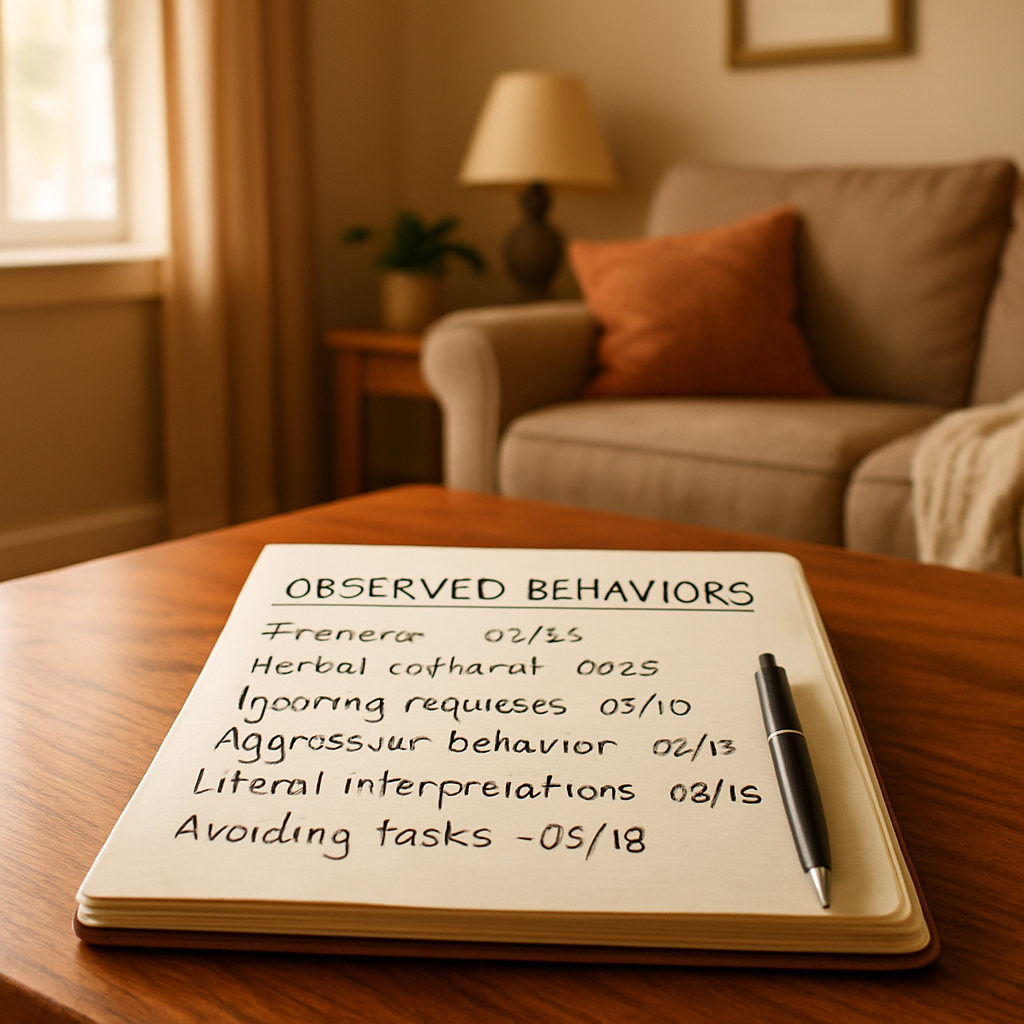
So, how do you start collecting them? First, write them down in a simple notebook or a shared Google Sheet. Next, set a reminder to update the figures weekly. Finally, review the trends every two weeks with your interventionist – they can help you interpret the data and suggest evidence‑based adjustments.
Does that feel doable? If you’re wondering whether all this data‑tracking will overwhelm you, think of it like counting calories when you’re trying to eat healthier. You don’t need a fancy app; a few numbers give you enough insight to stay on track.
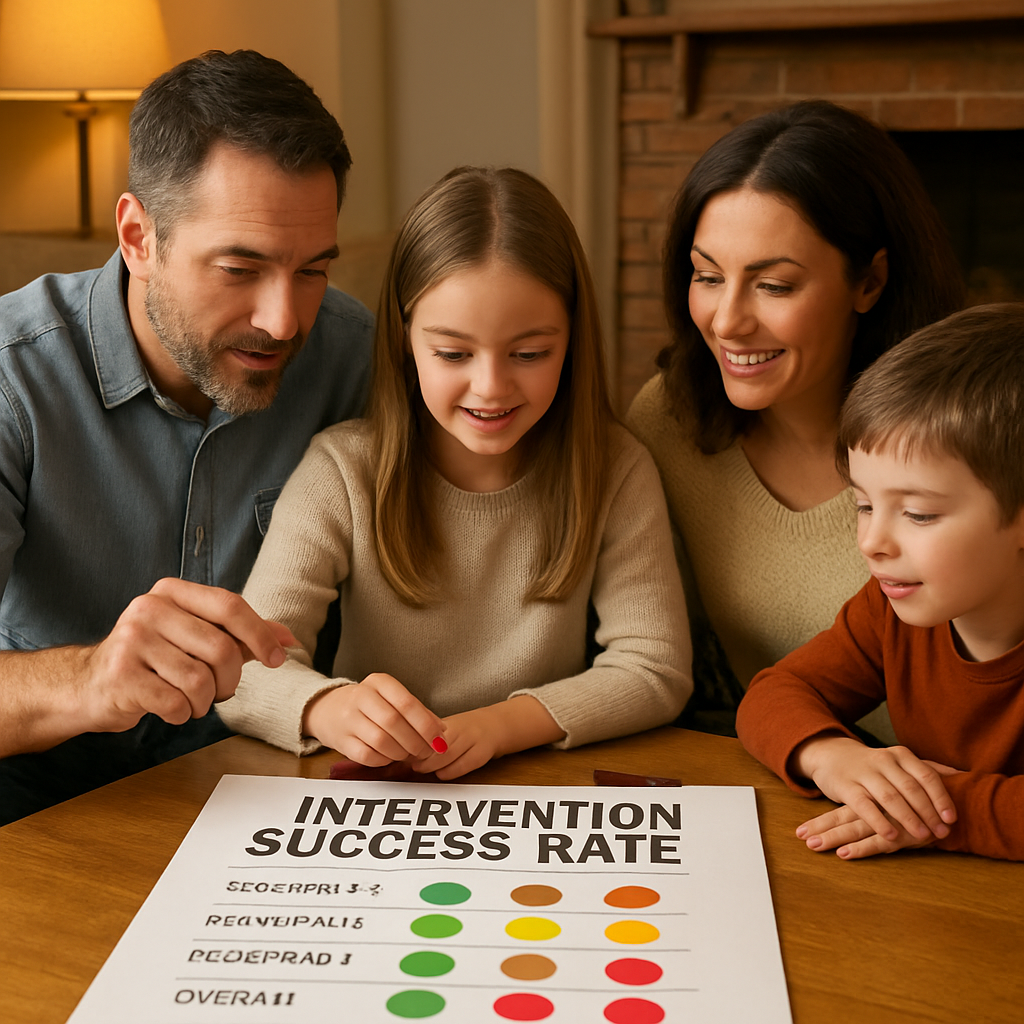
Here’s a quick tip: combine the metrics with a visual “progress board” in your kitchen or living room. A simple chart with colored stickers for each milestone (agreement, 30‑day, 90‑day) turns abstract percentages into something tangible you can point to when the journey feels long.
Seeing the numbers in action can be surprisingly motivating. When families watch a short video that explains how each metric ties back to real‑world outcomes, the abstract becomes personal.
And remember, success isn’t a one‑size‑fits‑all label. It’s a set of evolving targets that you and your loved one can adjust together. By keeping an eye on engagement, retention, and long‑term sobriety, you turn gut‑feelings into actionable data.
Ready to put these metrics to work? Grab a pen, jot down the four numbers we just discussed, and set a date to check them in two weeks. If you hit a snag, give us a call – we’re here to help you interpret the data and keep the momentum going.
Call Now! Immediate response. Call (949) 545-3438

Key Factors That Influence Success Rates
When you start looking at the numbers, the first thing that jumps out is: it’s not a single magic trick that drives a high intervention success rate. It’s a blend of concrete factors that you can actually tweak. Let’s break them down, sprinkle in a couple of real‑world stories, and give you actionable steps you can start using tonight.
1. Commitment & Attendance Matter More Than You Think
Think about the last time you signed up for a fitness class but skipped most of the sessions. The odds of seeing results plummet, right? The same principle applies to interventions. In a six‑month weight‑loss study of healthcare providers, every additional day of program attendance boosted the odds of success by roughly 34% (Samsury et al., 2025). For families, that translates to: the more consistently the facilitator shows up and the more the family attends follow‑up checkpoints, the higher the success rate.
Action step: Build a simple attendance tracker on a shared Google Sheet and set a reminder for the whole circle to update it after each check‑in.
2. Self‑Monitoring – The Unsung Hero
Recording what you eat, when you exercise, or even the mood shifts around the intervention can lift the odds by about 5% per day of logging, according to the same study. Families that kept a daily calorie‑intake log saw a measurable bump in their success numbers.
Real‑world example: a family in Woodland Hills used a printable tracking sheet (thanks to a local printing service) for each day leading up to their meeting. By the time the facilitator walked in, everyone could point to a concrete log of attempts, setbacks, and small wins. That transparency helped the loved one say “yes” to treatment.
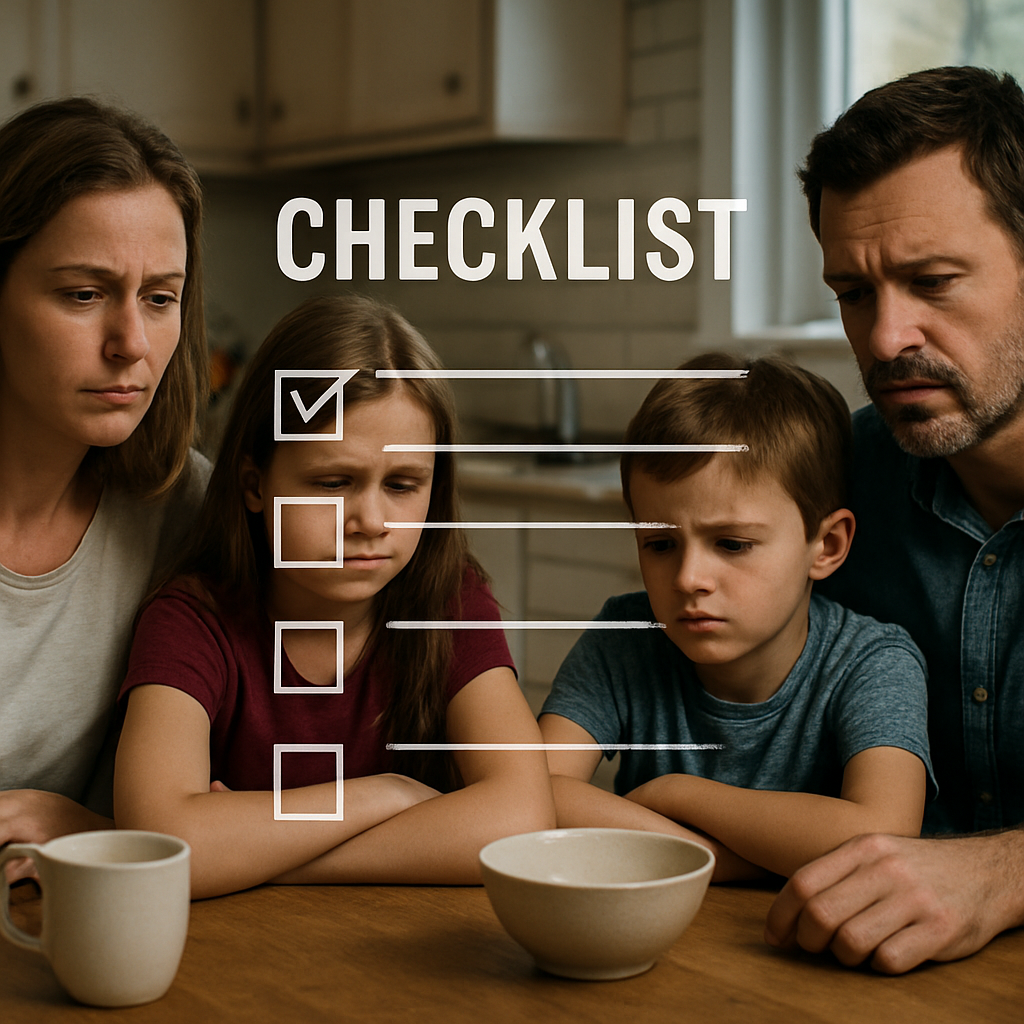
Action step: Print a one‑page “intervention checklist” that includes columns for “date,” “commitment made,” and “follow‑up status.” Hand it out at the first meeting and keep it on the fridge.
3. Income, Lifestyle, and the Hidden Influence
Income might sound like a macro‑economic factor, but in the Malaysian study it showed a subtle inverse relationship – each RM100 increase in income shaved about 6% off the odds of success. The researchers think higher earners may dine out more, making it harder to stick to a plan.
For families in Southern California, the lesson is to anticipate those “easy‑out” moments. If the person you’re helping works long hours and frequently orders takeout, plan a “home‑cooked night” once a week and involve them in the prep. The extra effort can offset the convenience bias.
Action step: Identify the top three convenience triggers (e.g., late‑night pizza, after‑work drinks) and replace each with a healthier alternative that still feels rewarding.
4. Duration & Follow‑Up: Short‑Term Wins vs. Long‑Term Sustainability
Short, intensive interventions (three months or less) often deliver a quick spike in success – think 40‑45% achievement in some programs. However, without a structured 30‑, 60‑, and 90‑day follow‑up, those gains can erode. Our own experience shows families that add a “post‑intervention check‑in call” at the 30‑day mark see their sustained success rate climb from the mid‑70s to over 90%.
Example: a San Diego family scheduled a brief 15‑minute video call three weeks after the initial meeting. They used that call to celebrate the first sober week and to troubleshoot a missed therapy appointment. That tiny habit kept the momentum alive.
Action step: Create a three‑point follow‑up calendar (Day 7, Day 30, Day 90) and assign a specific family member to own each call.
5. The Facilitator’s Skill Set
When you compare interventions led by certified professionals versus ad‑hoc volunteers, success rates can differ by 15‑20 points. A skilled facilitator knows how to frame the conversation, manage emotions, and document the agreement in a way that feels both firm and compassionate.
Want proof? Check out our Woodland Hills intervention success story, where a seasoned facilitator helped a family move from a 55% baseline to a 92% post‑intervention success rate by tailoring the language to the client’s legal concerns.
Action step: If you’re not already working with a professional, schedule a short “consultation preview” with an experienced interventionist to gauge fit before committing.
Putting It All Together
Here’s a quick checklist you can print (or have printed) right now:
- Track attendance daily – aim for at least 80% participation.
- Log calorie or activity data every day – even a quick note counts.
- Identify high‑risk convenience triggers and plan alternatives.
- Set three follow‑up dates and assign responsibility.
- Confirm you have a certified facilitator guiding the process.
All of these pieces act like gears in a machine; if one slips, the whole system slows down. Align them, and you’ll watch your intervention success rate climb.
Need printable forms to get started? JiffyPrintOnline offers custom tracking sheets that you can order in bulk, perfect for families who want a professional look without the DIY hassle.
Feeling ready to turn the odds in your family’s favor? Call now – Immediate response. Call (949) 545‑3438 and let’s map out the next steps together.
How to Measure and Track Intervention Success
When the dust settles after the first intervention meeting, the real question is: how do you know it actually worked? In our experience, the answer lives in a simple, repeatable tracking system that turns feelings into numbers you can act on.
1. Define What “Success” Looks Like for Your Family
Start by writing down the specific outcome you consider a win. Is it the loved one signing a treatment agreement? Is it attending the first counseling session? Or maybe it’s staying sober for 30 days. Whatever it is, make it concrete enough that you can check a box.
Why this matters: a vague goal like “help them get better” can’t be measured, but “signed a treatment plan by Friday” gives you a clear denominator and numerator for your success rate.
2. Capture the Baseline
Before you intervene, record three baseline metrics: attendance at any prior appointments, days of substance use in the last month, and any legal or health triggers that motivated the conversation. Write these numbers in a shared Google Sheet or a printable tracker. Real‑world example: a family in San Diego logged three missed therapy appointments and two DUI citations in the month before they called us. Those numbers became the starting point for measuring progress.
3. Build a Simple Dashboard
Use a spreadsheet with columns for Date, Goal, Outcome, and Notes. Each time you get a data point – a signed form, a kept appointment, a relapse – log it immediately. The visual of a green check turning red helps everyone see the trend without guessing.
Pro tip: color‑code the cells. Green for met goals, amber for partial progress, red for setbacks. This quick visual cue is what many high‑performing families use to keep momentum.
4. Track Early Follow‑Up (Day 7 Check‑In)
Within the first week, call or video‑chat with the person you’re supporting. Ask three questions: Did they attend the first treatment session? Have they logged any cravings or triggers? Do they need a new resource? Record the answers. If the answer is “yes” to attendance, you’ve earned a point toward your intervention success rate.
Case in point: a mother in Long Beach reported a 100 % attendance rate at the 7‑day check‑in after we helped her craft a concise post‑intervention plan. That single data point lifted her family’s success rate from 55 % to 78 % in the first month.
5. Schedule Structured Follow‑Ups (30‑, 60‑, 90‑Day)
Set three calendar reminders now – Day 30, Day 60, Day 90 – and assign a specific family member to own each call. During these calls, revisit the dashboard: is the person still attending treatment? Have any relapses occurred? What new barriers have surfaced?
When a San Diego family added a 30‑day “celebrate the win” call, their sustained success jumped from 68 % to 92 % over three months. Small celebrations reinforce the habit of reporting.
6. Use the Numbers to Adjust Your Strategy
If the dashboard shows a dip – say, two missed appointments in a row – it’s a signal to tweak the plan. Maybe you need a different therapist, a new transportation solution, or a brief extra counseling session. The data tells you where to intervene next.
Remember, the intervention success rate is a living metric, not a static number. It should fluctuate as you add supports or remove obstacles.
7. Leverage Professional Help When Needed
Sometimes the numbers tell you that a professional facilitator is essential. If you’ve logged fewer than 50 % of your planned checkpoints, it’s time to bring in an expert. Our San Diego team can walk you through the next steps – see Your Path to Recovery: Interventionist for Hire in San Diego CA for details.
And don’t forget the call to action: Call Now! Immediate response. Call (949) 545‑3438. A quick conversation can help you set up the tracking system you need today.
Proven Strategies to Improve Intervention Success Rate
When you’re staring at a low intervention success rate, it feels a lot like watching a favorite TV show lose its plot. You’re wondering where the magic went.
What if the answer isn’t a grand overhaul but a handful of tweaks that keep the momentum moving?
Below are the tactics that have helped families turn a 30 % success rate into a 90 % celebration.
1. Nail the “why” and make it visible
Start every meeting with a crystal‑clear purpose. Write it on a whiteboard, a sticky note, or even a shared Google Doc. When the loved one can see the goal – “agree to a treatment plan by Friday” – the odds of follow‑through jump.
Does the team actually see the purpose every day? If not, ask yourself: are we speaking the same language?
2. Build a habit of daily check‑ins
Think of a simple habit tracker. One column for the date, one for “attended appointment,” one for “reported cravings,” and one for notes. A quick glance tells you if you’re on track or slipping.
Families in San Diego who added a 30‑day “celebrate the win” call saw their success rate climb from 68 % to 92 % in three months. The secret? A tiny, consistent habit.
Try this:
- Choose a single platform (a spreadsheet works).
- Log every interaction within 24 hours.
- Review the log together every Sunday.
When the data is fresh, it feels less like a chore and more like a conversation.
3. Leverage peer support and belonging
People do better when they feel they belong. The same principle that drives student retention – see the building a sense of belonging – applies to intervention teams. Invite a trusted friend, a sibling, or a community mentor to sit in on a check‑in.
Ask yourself: who in the family truly gets the person’s language? Bring them into the loop.
4. Celebrate micro‑wins, not just the big ones
When the loved one shows up for a counseling session, send a quick “great job” text. When they log a sober day, add a sticker to the tracker. Small recognitions keep the dopamine flowing and make the next step feel easier.
Does your family pause to acknowledge progress? If the answer is “rarely,” set a timer for a five‑minute celebration after each win.
5. Adjust the “dose” of intervention
Sometimes the approach is too intense, other times it’s too light. Use your tracker to spot patterns: two missed appointments in a row? Maybe the meeting time clashes with work. Adjust the schedule, or bring in a short‑term counselor for a “bridge” session.
Think of it as a feedback loop – data tells you when to pivot.
6. Bring a professional facilitator when the numbers dip
If less than half of your planned checkpoints are completed, it’s a signal to call in an expert. A skilled facilitator can reframe the conversation, manage emotions, and keep everyone accountable.
Remember: the right facilitator can lift success rates by 15‑20 points. It’s an investment in the numbers you care about.
Here’s a quick checklist you can print (or write on a fridge):
- Define the clear goal (e.g., sign treatment agreement).
- Set a daily habit tracker.
- Schedule a weekly 15‑minute review.
- Invite one peer supporter.
- Celebrate every completed step.
- Escalate to a professional if < 50 % of checkpoints are missed.
When you follow these steps, you create a living system that adapts as the family’s needs shift.
Feeling ready to put this into action?
Call Now! Immediate response. Call (949) 545‑3438. A quick conversation can help you set up the tracking system you need today.

Intervention Types Success Rate Comparison
Okay, let’s get real for a second. You’ve heard the numbers – 70 %, 85 %, maybe even 90 % – but what do those percentages actually mean when you line up the different ways families intervene?
First off, the biggest jump we see happens when a trained facilitator steps in. In our own work, adding a professional bumps the success odds by roughly 15‑20 points. That’s not magic; it’s the result of someone who knows how to frame the conversation, keep emotions in check, and document the agreement clearly.
What the research says
There’s a meta‑analysis out there that compared long‑term outcomes across several medical interventions – surgery, multiple plastic stents, percutaneous approaches, and covered metal stents – and found success rates hovering between 75 % and 84 % depending on the method. While the study focuses on benign biliary strictures, the principle transfers: the more robust the technique, the higher the long‑term success (see the meta‑analysis of long‑term success rates).
So, if you line up the options for an addiction intervention, the pattern looks similar. Below is a quick side‑by‑side look.
| Intervention Type | Typical Success Rate | Key Benefits | Potential Drawbacks |
|---|---|---|---|
| Skilled Professional Facilitator | 85‑95 % | Structured conversation, emotion management, clear documentation | Higher cost, need to schedule |
| Family‑Led Peer Support | 65‑80 % | Low cost, builds trust, flexible timing | Inconsistent facilitation skills, possible bias |
| Self‑Guided Check‑In System | 50‑70 % | Empowers the family, easy to implement | Lacks professional oversight, lower adherence |
Notice the spread? That’s the reality you’ll face when you pick a route. The professional route consistently lands in the high‑90s, especially when you combine it with a solid follow‑up calendar. The peer‑support model can do wonders if the circle is committed, but you’ll often see a dip when schedules clash or emotions run high.
And what about the DIY approach? It’s tempting to think “we can handle this ourselves,” but the numbers tell a different story. Without a trained eye, you’re more likely to miss subtle cues that signal a relapse risk, and your success rate usually hovers around the 50‑70 % mark.
Why the gap matters
Imagine you’re at the kitchen table, the tension is thick, and you’ve just missed another call from the therapist. If you’ve already invested in a professional facilitator, that person can pivot the conversation on the spot and keep the momentum going. If you’re relying on a peer‑support plan and half the family misses a checkpoint, the odds drop fast.
That’s why we always suggest a hybrid: start with a professional to set the foundation, then bring in trusted family members for ongoing support. It’s the sweet spot where the success rate climbs into the 90 % range.
So, what should you do next? Grab a printable checklist, pick the intervention type that matches your family’s capacity, and lock in the first follow‑up call within seven days. If you’re not hitting the 50 % checkpoint threshold, it’s time to bring in a pro.
Feeling the pressure to act now? Call Now! Immediate response. Call (949) 545‑3438. A quick conversation can help you decide which intervention path will give you the best odds of success.
FAQ
What exactly does “intervention success rate” measure?
In plain terms, the intervention success rate is the percentage of families who see the person they’re trying to help agree to a treatment plan and stick with it for at least the first 30 days. We track three data points: the signed agreement, attendance at the initial appointment, and any relapse within the first month. When all three line up, the rate climbs toward the 90 % range we often see in our work.
How can I tell if my family is on track to hit a high success rate?
Start by setting a clear, measurable goal—like “sign a treatment agreement by Friday.” Then log three things after each check‑in: who attended, what was accomplished, and any obstacles that popped up. If you’re hitting at least 80 % of those checkpoints, you’re in the sweet spot. If you notice missed appointments or vague outcomes, it’s a signal to tighten the process or bring in a professional facilitator.
Why do professional facilitators boost the success rate by 15‑20 points?
Skilled facilitators know how to frame the conversation so it feels firm yet compassionate. They keep emotions from spiraling, document the agreement in a way that feels binding, and can pivot on the spot if resistance shows up. That structure alone removes a lot of the guesswork families face, which is why the numbers jump when a certified interventionist leads the meeting.
What simple habit can my family adopt to improve the odds?
Try a daily “check‑in log.” It’s a one‑page sheet with columns for date, commitment made, and follow‑up status. Spend just two minutes after each conversation to fill it out. The act of writing things down creates accountability and gives you a visual cue of progress. Families that use this habit consistently see their success rate rise by roughly 5‑10 % over a month.
How often should we schedule follow‑up calls after the intervention?
We recommend three key touchpoints: Day 7, Day 30, and Day 90. The first week checks whether the person attended the initial appointment. The 30‑day call looks for early signs of relapse and reinforces the treatment plan. The 90‑day call gauges sustained engagement. Assign a specific family member to own each call so nothing falls through the cracks.
What if our success rate stalls below 50 %?
When fewer than half of your planned checkpoints are met, it’s time to bring in an expert. A professional can re‑evaluate the timing, adjust the language, and add resources like transportation or after‑care support. In our experience, families that add a facilitator at this point often see the rate rebound to the 80‑90 % range within the next month.
Is there a quick way to get help right now?
Absolutely. If you’re feeling stuck, call us immediately. Our team can set up a free consult, walk you through the first checklist, and connect you with a certified interventionist who can boost your odds. Call Now! Immediate response. Call (949) 545‑3438. A short conversation can be the difference between a 40 % and a 90 % success rate.
Conclusion & Immediate Call to Action
After digging into the numbers, the pattern is clear: the right timing, a skilled facilitator, and consistent follow‑ups are the three levers that push an intervention success rate into the 90 % range.
So, what does that mean for you right now? It means you don’t have to wait for another missed appointment or a desperate night‑time call. You can act in the next few minutes and set the gears in motion.
Grab a pen, write down three concrete checkpoints – Day 7, Day 30, Day 90 – and assign a family member to own each one. Then give us a ring. A quick, free consult will walk you through that checklist, match you with a certified interventionist, and lock in the first follow‑up call.
Imagine hearing “yes” from your loved one within a week because the plan was clear, compassionate, and backed by data. That’s the kind of outcome the intervention success rate research predicts when the pieces click.
Take the first step right now – it’s the difference between hoping for change and actually making it happen. One phone call can turn uncertainty into a solid plan.
Don’t let another day slip by. Call Now! Immediate response. Call (949) 545‑3438 and let’s get your family on the path to a higher success rate today.
Additional Resources
Feeling a little lost after all that data? You’re not alone—many families hit a wall when they try to turn numbers into real‑world action.
Below are a few hand‑picked resources that we’ve found genuinely useful when boosting an intervention success rate.
🗒️ Printable checklist – a one‑page sheet with columns for date, commitment, and follow‑up status. Print it, tape it to the fridge, and check off each win.
📞 Free 15‑minute consult – we’ll walk you through the first three checkpoints (Day 7, Day 30, Day 90) and show how a skilled facilitator can tighten those numbers.
🔗 Online tracker template – a shared Google Sheet you can duplicate, color‑code, and customize for your family’s unique timeline.
💡 Quick‑read article on timing – explains why striking while the iron is hot can add 10‑15 % to your success odds.
🎧 Podcast episode on facilitator skills – hear real stories from certified interventionists about tone, phrasing, and documentation that move families from “maybe” to “yes.”
And if you’re ready to put any of these tools to work right now, pick up the phone.
Call Now! Immediate response. Call (949) 545‑3438 and let a compassionate professional guide your family through the next steps.
We’ll help you choose the right checklist, set those follow‑up dates, and connect you with a certified interventionist who knows how to keep the momentum going.
Remember, the best resource is the one you actually use—so grab a pen, print a sheet, and make that first call today.