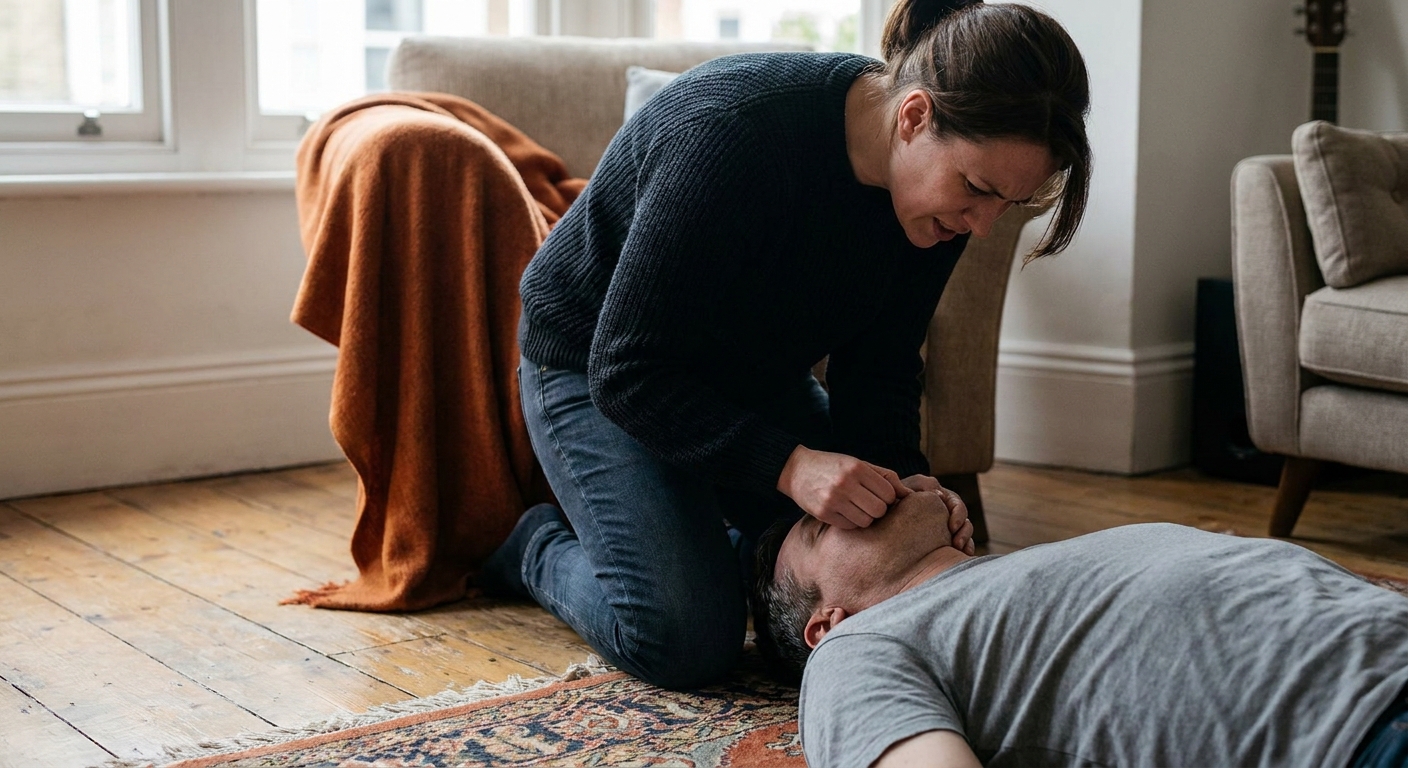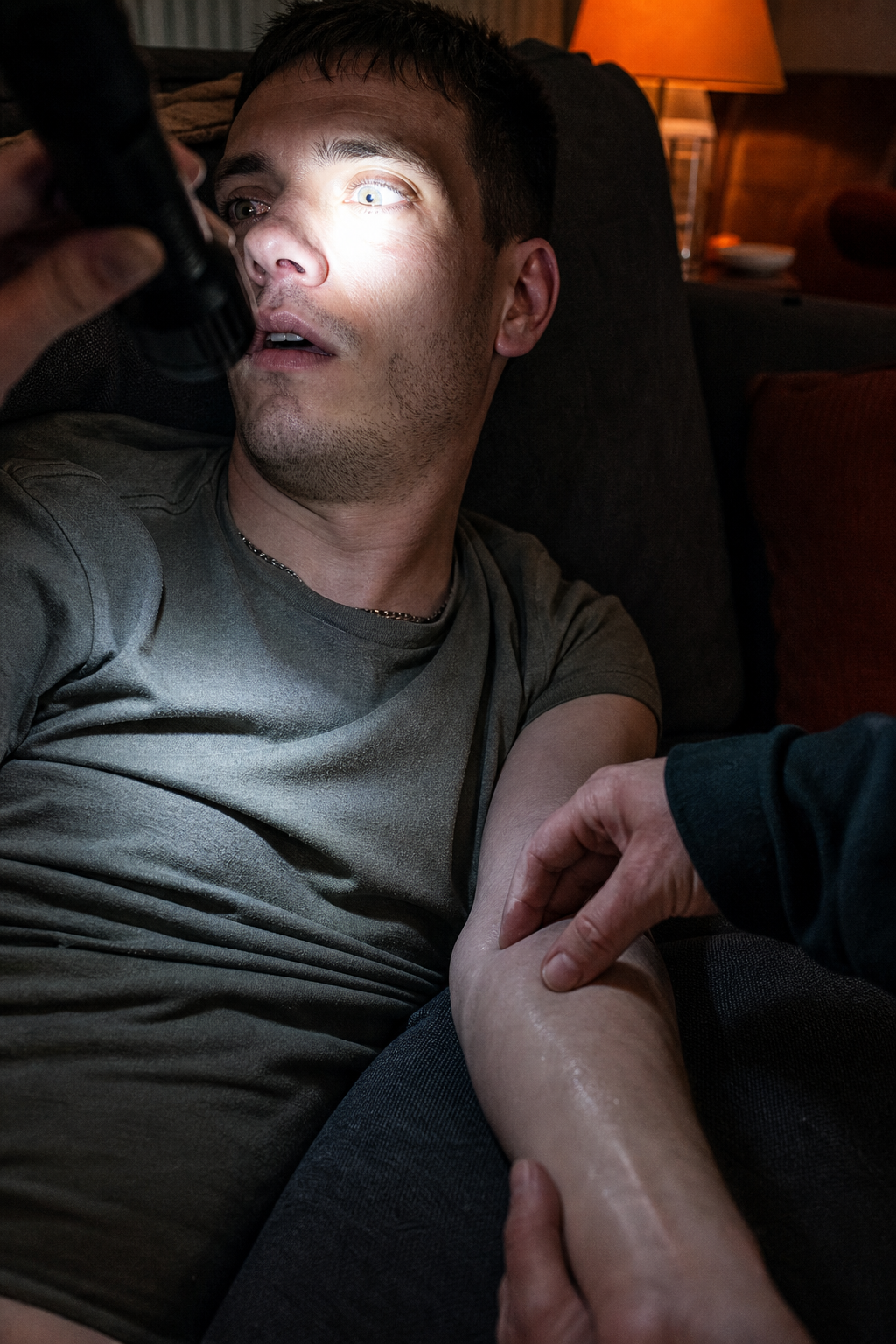
When an opioid overdose hits at home, every second feels like a race against time.
Families often scramble, unsure what to do, who to call, or how to keep a loved one safe. The panic can freeze you, and that pause can cost a life.
That’s why having an opioid overdose plan for families is not a nice to have, it’s a must have. A clear, written plan gives you confidence, cuts the chaos, and lets you act fast.
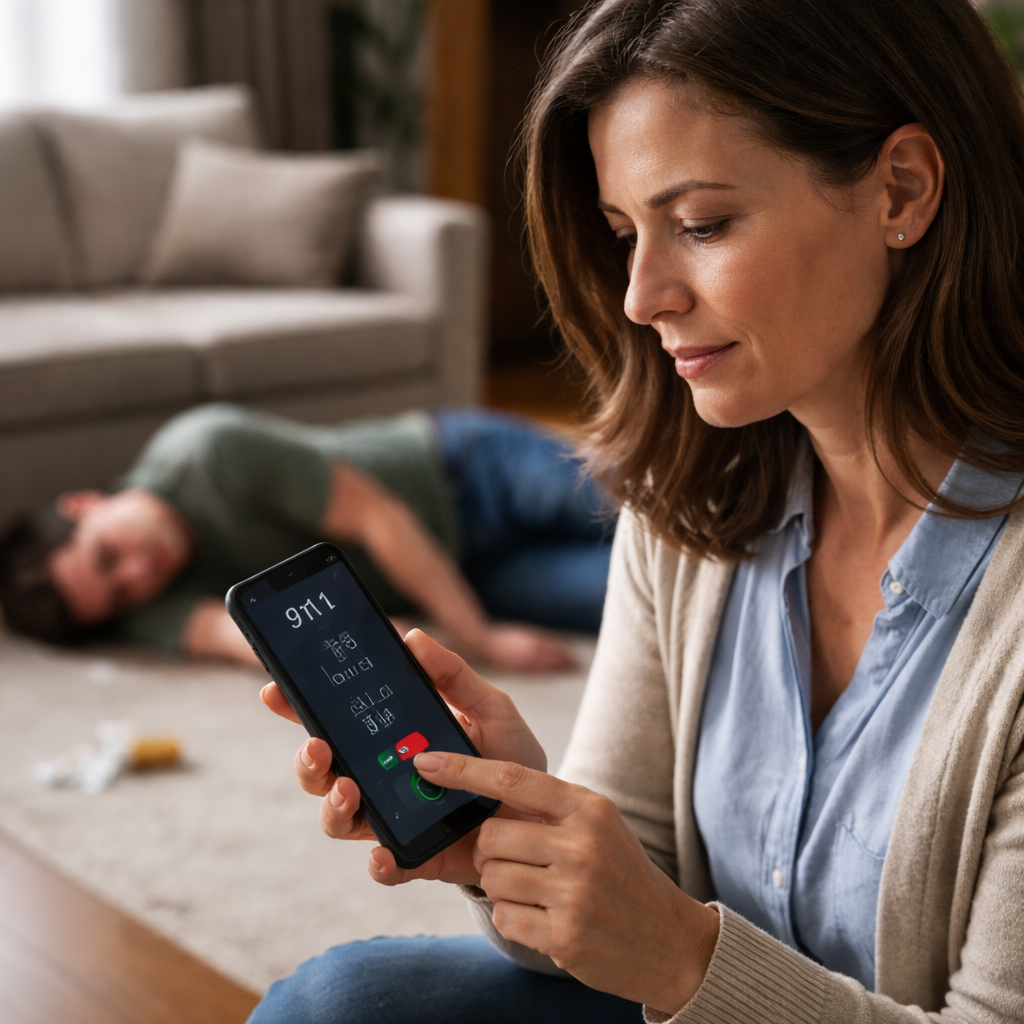
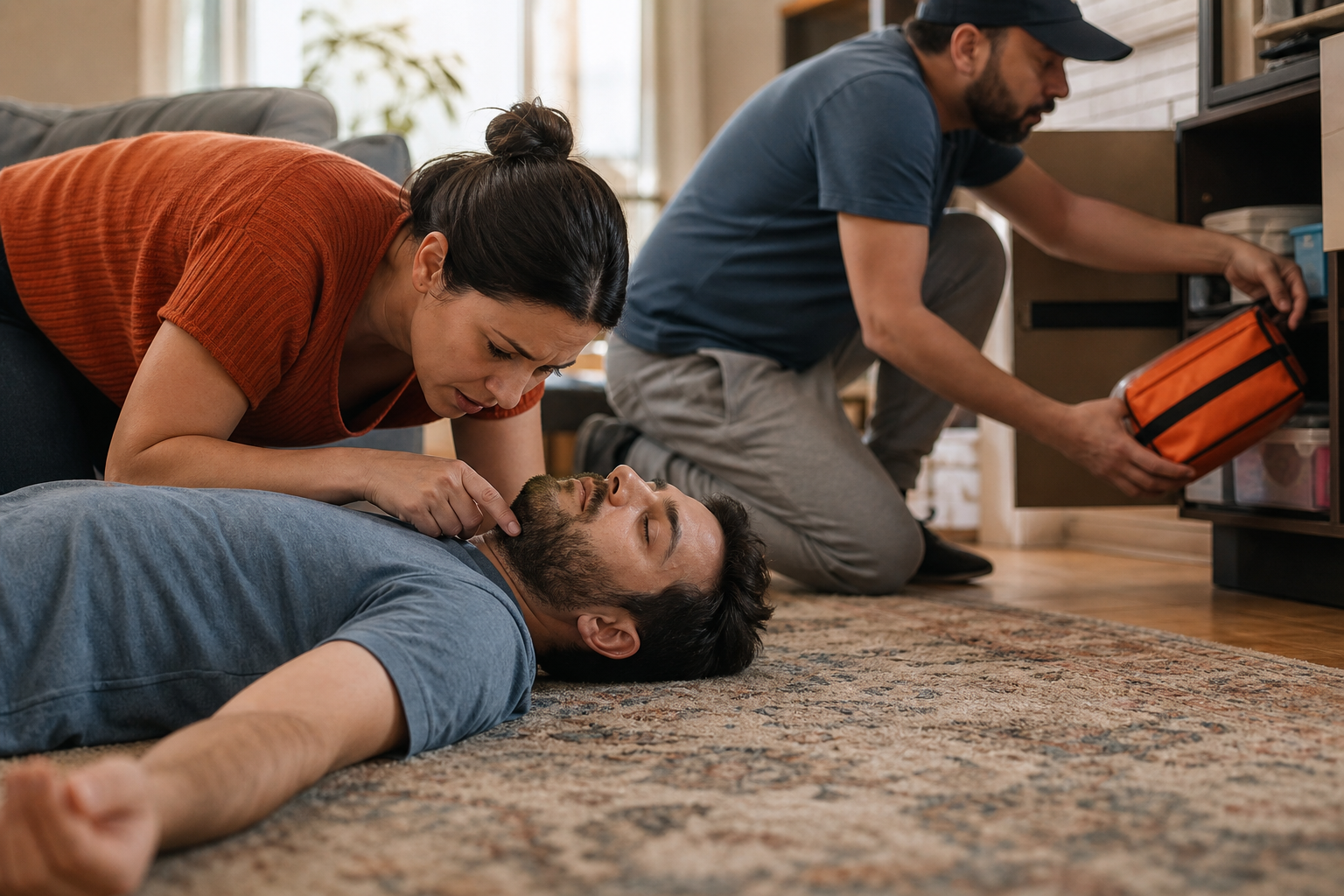
First, learn the signs: shallow breathing, blue lips, limp body, or loss of consciousness. Then, keep naloxone stocked and within reach, preferably in the same drawer as the phone. Finally, program 911 as the first call and have the address, name, and any medication list ready.
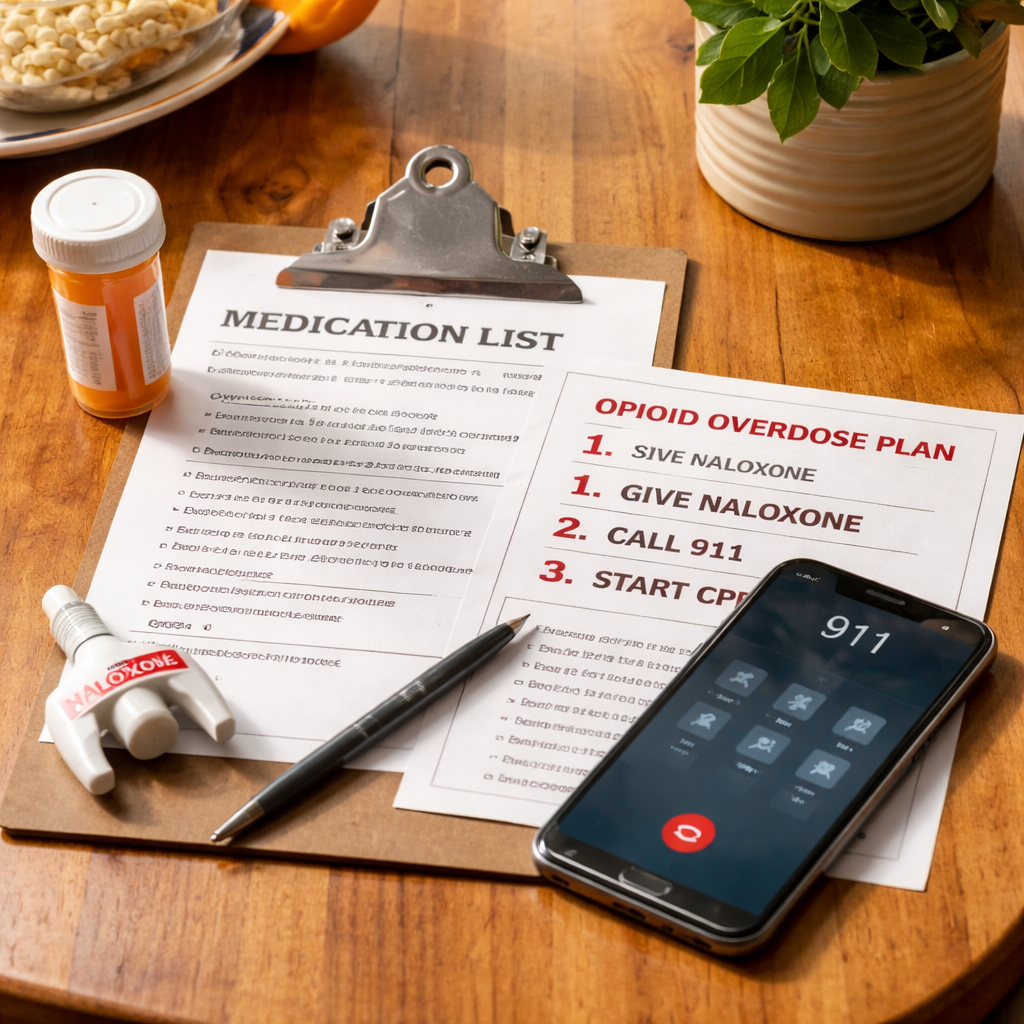
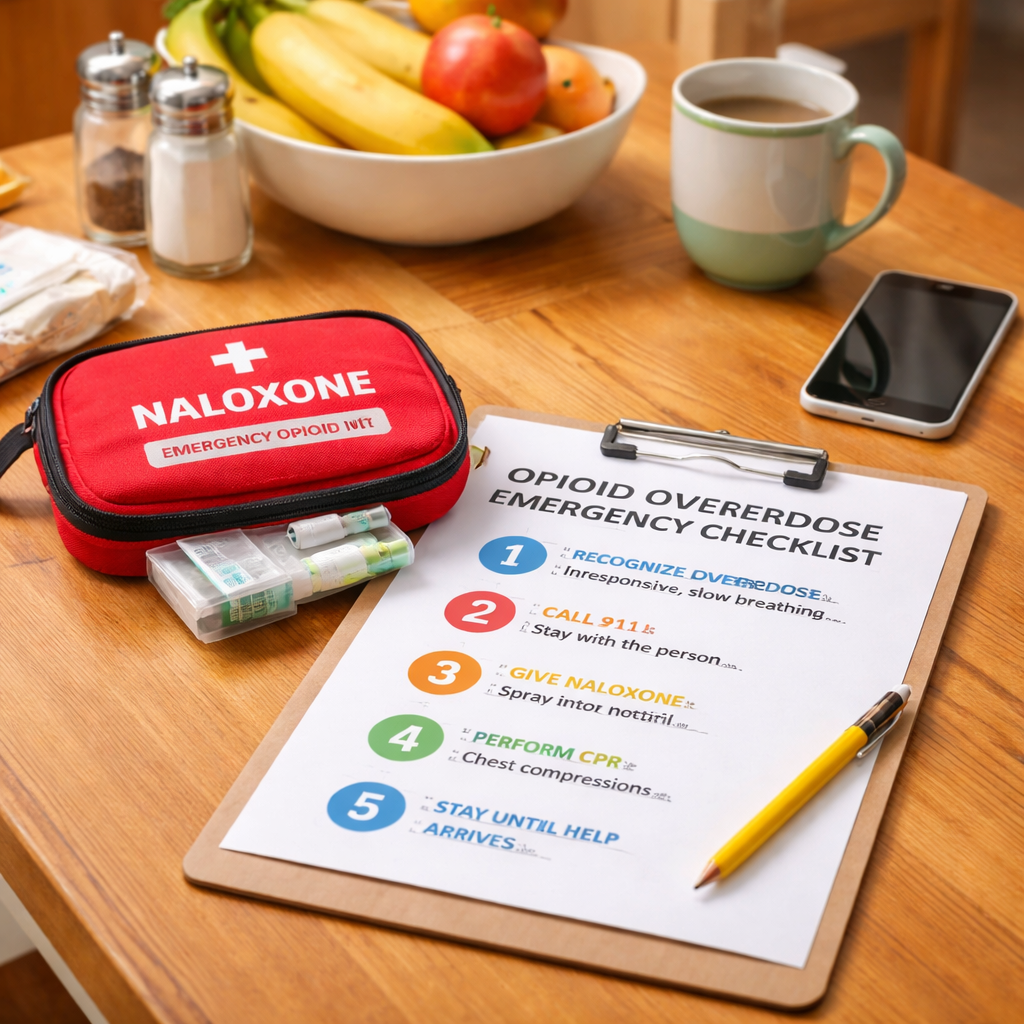
Most families benefit from a simple checklist: 1) Spot the signs. 2) Call 911. 3) Give naloxone if trained. 4) Stay with the person until help arrives. 5) Follow up with a professional team.
Next Step Intervention specializes in rapid emergency response and can walk you through each step, making sure no detail is missed. Their experts help you set up the plan, train anyone who might need to give naloxone, and connect you with local support.
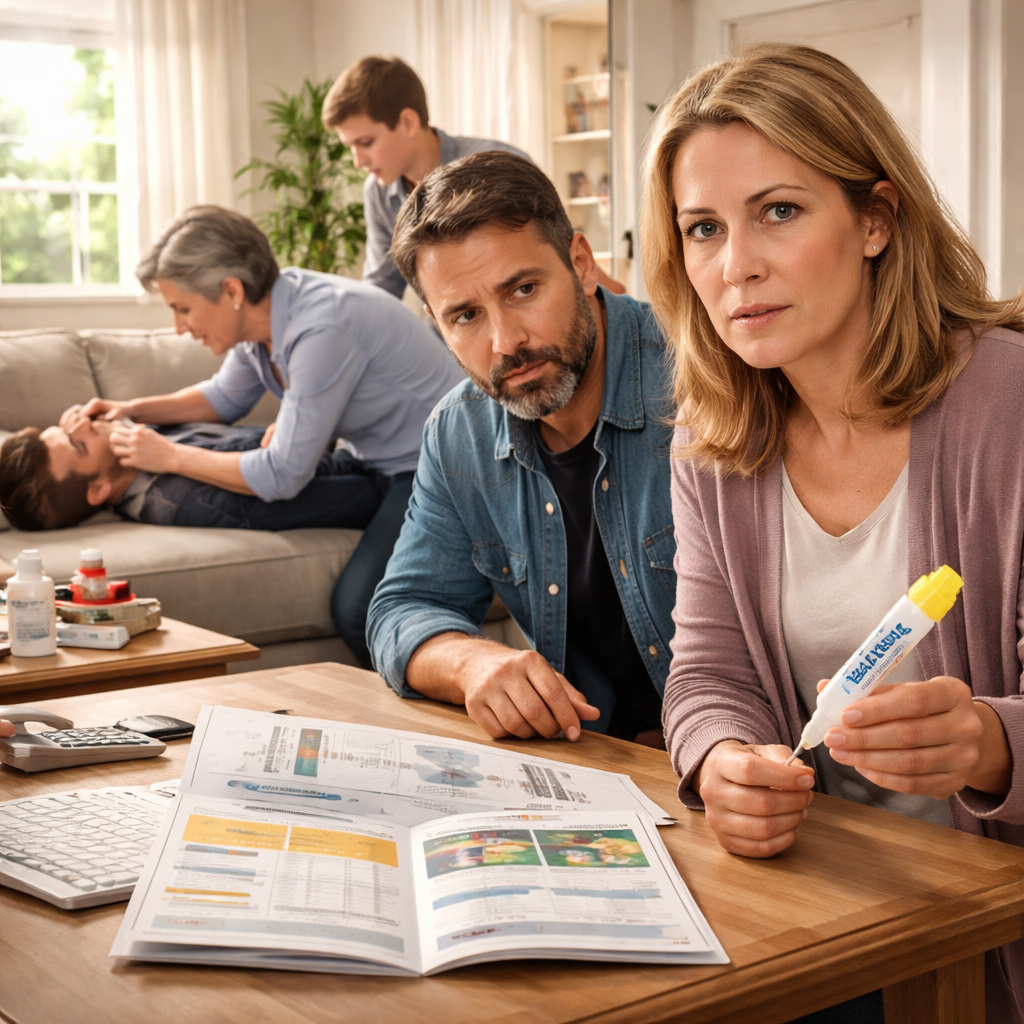
A plan written today saves you from guessing tomorrow. It gives each family member a role, so when the moment comes no one is stuck wondering what to do.
If you’re ready to protect your family right now, call (949) 545-3438. One call can turn fear into action and give you the peace of mind you deserve.
Step 1: Identify High‑Risk Situations and Gather Medications
First, look around the home for any clues that an overdose could happen. You might see extra pills, a hidden bottle, or a new syringe tucked away. Those are red flags that mean you need a plan right now.
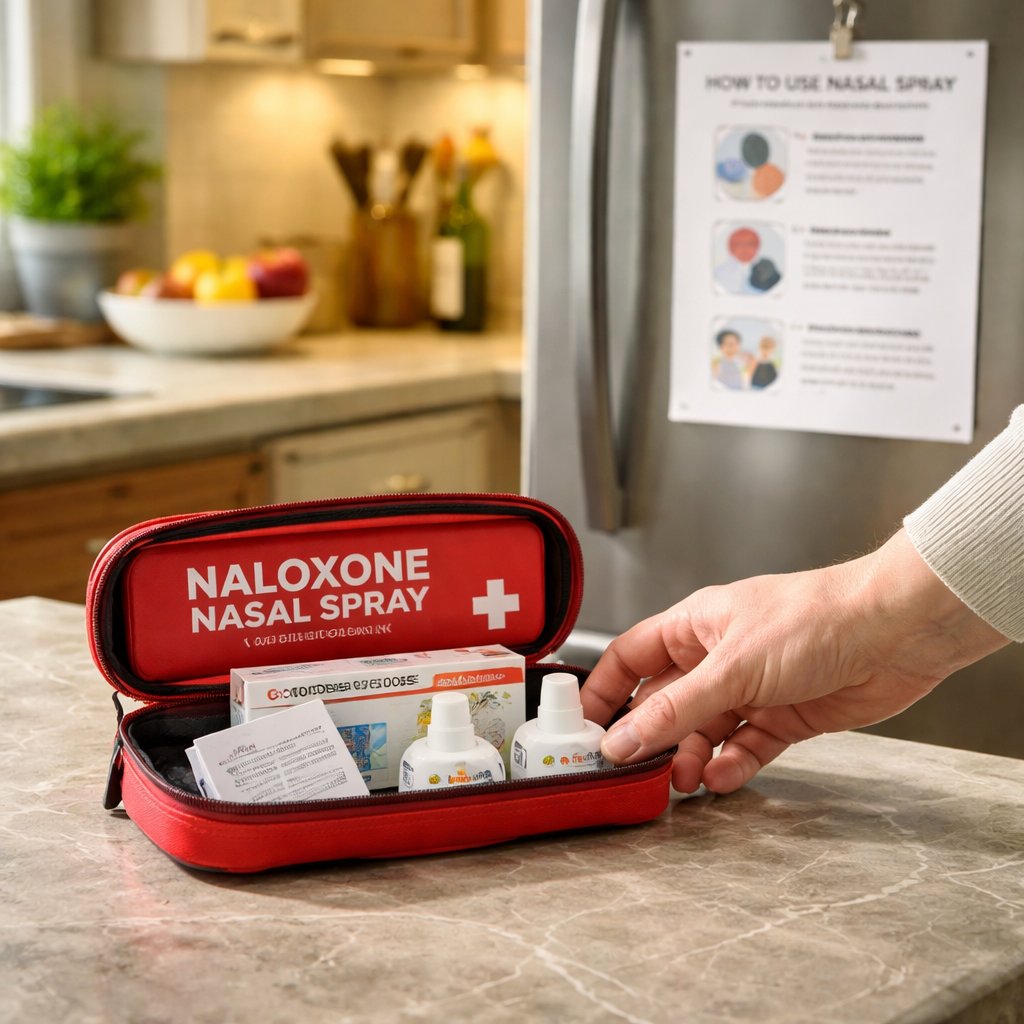
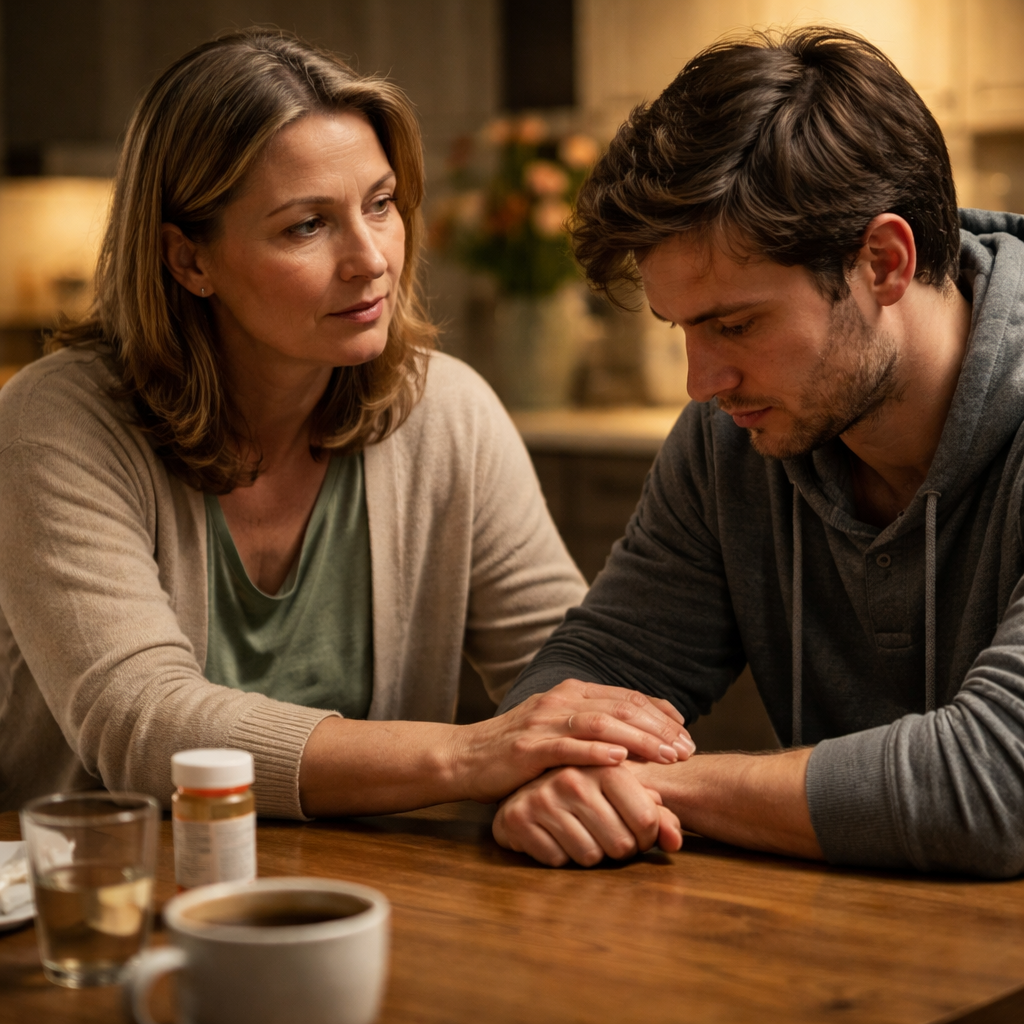
Write down every medication the person takes – prescription opioids, over‑the‑counter pain relievers, and any rescue meds like naloxone. Put the list on the fridge where everyone can see it. A clear list saves seconds when you call 911.
After you’ve captured the list, match each drug to its risk level. High‑dose opioids and combined depressants (like benzos) are the biggest danger. Lower‑risk meds still matter, but they can be handled with a quick phone call to the pharmacy.
For a deeper dive, check out Overdose Help: A Practical Guide to Emergency Response and Recovery. It walks you through the exact steps to take when seconds count.
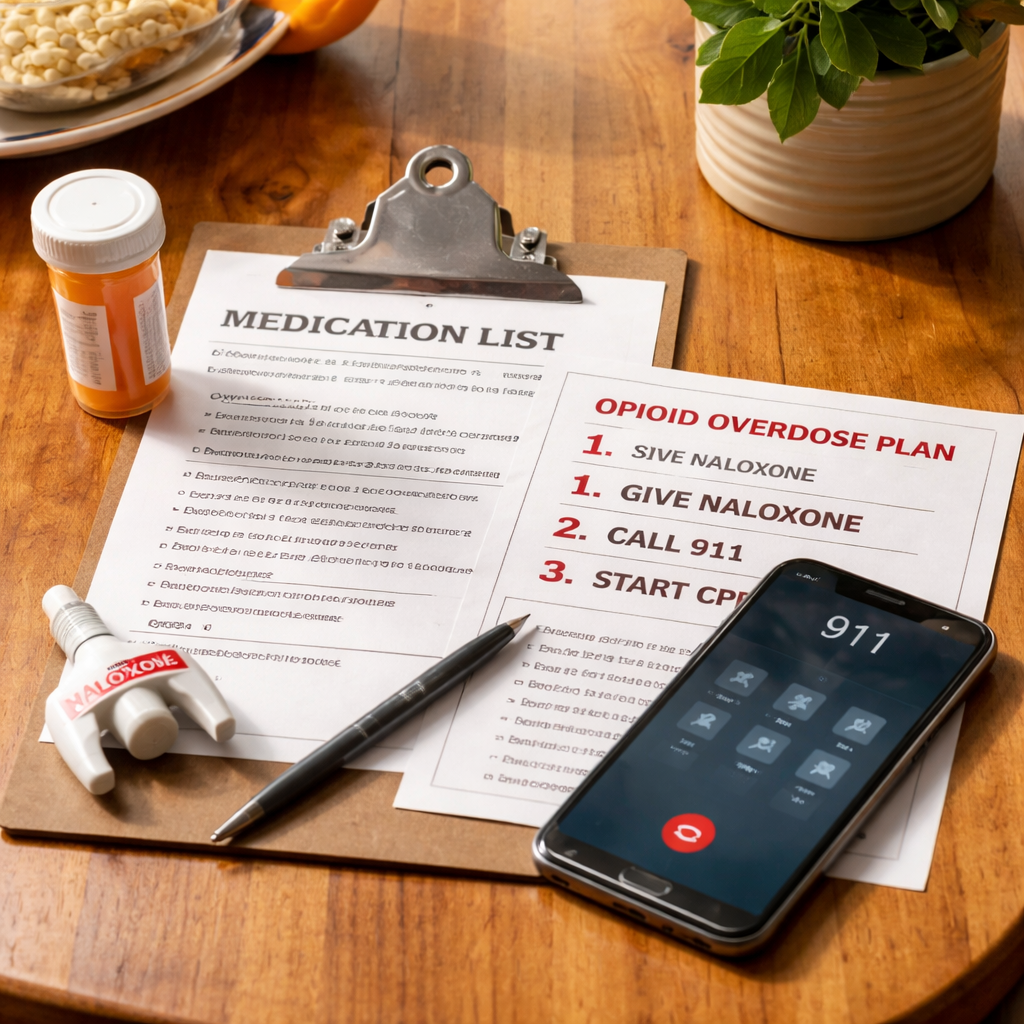
Use the table below to decide what to gather and where to store it.
When each family member knows the signs and where the tools live, the plan becomes a safety net instead of a guess‑work exercise. Keep the list updated every month and practice a quick run‑through so everyone feels ready.
Step 2: Build a Family Emergency Response Checklist
When the clock starts ticking, you need a paper plan that tells every person what to do. A good checklist is short, clear, and sits next to the phone. Start with three columns: What happened, Who does it, and What tool. Write things like “shallow breath – call 911 – Mom” or “naloxone ready – give dose – Dad”. The act of writing makes the steps feel real.
Next, turn the paper into a pocket‑size card. Cut a small index card, print the three‑column table, and keep it in the kitchen drawer with the phone. If a loved one can’t read, add a simple picture – a red cross for emergency, a phone icon for call, a syringe for naloxone. A visual cue saves seconds.
Practice the list once a week. Gather anyone who might help – a sibling, a grandparent, a close friend – and run through a quick drill. Ask each person to read their line out loud. This rehearsal lowers panic and makes the real moment feel like a repeat.
For more details on what to do the moment you see signs, see What to Do If Someone Overdoses: A Clear Step‑by‑Step Guide. It breaks down the first 60 seconds in plain steps.
Backlink example: you can explore a different kind of checklist in Photo Booth Rental for Graduation Party: A Step‑by‑Step Guide. The guide shows how a clear list keeps an event smooth – the same idea works for emergency plans.
Another useful tip comes from Your Complete Guide to Photo Booth Rental San Diego. It talks about budgeting and timing, which reminds families to check their naloxone supply and replace it before it expires.
Finally, add a “what if” note at the bottom of the card. Write a short line like “If I can’t find naloxone, call the nearest pharmacy for a refill”. Keep the note where you can see it – on the fridge or next to the phone.
Step 3: Train Everyone on Naloxone Use (Video)
Watching a short video together makes the skill feel real instead of abstract. Pick a training clip that shows the kit, the breathing steps, and the injection or nasal spray technique. The Stop Overdose page offers exactly that kind of walk‑through video.Watch the overdose training video and pause after each step to let the family repeat it out loud.
Start with the basics. Show how to open the box, check the expiration date, and hold the device correctly. Then demonstrate the rescue‑breathing rhythm – two breaths every five seconds – before moving to the naloxone dose. Let each person practice on a trainer kit or a simple dummy until they feel steady.
Here’s a quick checklist you can print and keep on the fridge:
- Video played – yes/no
- Hands‑on practice – who did it
- Questions noted – what still feels unclear
After the demo, run a mock scenario. Say “You find someone not breathing well” and have the trained person act out the steps while the rest call 911 and fetch the kit. The role‑play turns the video into muscle memory.
Tip: Record your own family rehearsal on a phone. Watching the playback lets you spot missed steps and fix them before a real emergency.
If you need a reminder of why training matters, check out the 10 signs it’s time for an addiction intervention. It frames the overdose risk in the larger picture of family health.
When you’re ready to make the training feel even more engaging, think about using a 360 video booth. It lets everyone see the kit from every angle, just like the guide Everything You Need to Know About 360 Video Booth Rental explains.
And if you prefer a more formal set‑up for a family event, the corporate‑style photo booth advice in How to Choose the Best Corporate Event Photo Booth Rental for Your Business can help you plan a safe, focused training day.
Finish the session with a one‑sentence pledge. Something like, “I will call 911, give naloxone, and stay with the person until help arrives.” Write it on the checklist and sign it. That simple promise turns knowledge into action.
Step 4: Establish Post‑Overdose Support and Follow‑Up
When the adrenaline fades, the real work starts. You’ve given naloxone, called 911, and stayed by the person’s side. Now you need a plan that keeps the care going.
First, set a quick check‑in. Within the first hour, call the loved one (or the person who gave the dose) to see how they’re feeling. A short “Are you okay?” text can stop panic from building.
Next, arrange a 24‑hour follow‑up call. Ask a trusted family member or a counselor to call the next day. It doesn’t have to be a long chat—just a reminder that help is still there.
Link to professional support
Reach out to a local treatment center or a tele‑health counselor within 48 hours. Many families find that a quick appointment clears up questions about cravings, medication refills, or next‑step steps.
Make a simple sheet that lists who will call, when, and what to ask. Put it on the fridge next to the emergency checklist. When you see it, you’ll know exactly who’s on duty.
Don’t forget to restock the naloxone kit. Check the expiration date each month and replace it as needed. Keep a spare in a second location – like a car glove box – so you’re never caught without it.
And if you’re not sure where to start with after‑care resources, the comprehensive overdose response guide walks you through phone numbers, support groups, and what to expect at the first follow‑up visit.
Finally, write down one concrete next step for each family member. Maybe Mom will call the counselor, Dad will check the kit, and your teen will text a trusted friend to let them know you’re okay. When everyone knows their role, the plan feels less like a burden and more like a safety net.
Take a minute tonight to add those follow‑up tasks to your checklist. It turns a scary moment into a clear path forward.
Conclusion
You’ve built an opioid overdose plan for families step by step.
Now the plan lives on a sheet, in a pocket, in your head. When seconds count, you know who calls, who gives naloxone, and who checks the refill date.
Keep the checklist where the phone sits. Review it once a week. Ask a friend or a relative to run a quick drill.
Remember, the plan is a safety net, not paperwork. It gives you calm, confidence, and a clear path if an emergency hits.
If you need extra help, a quick call to Next Step Intervention can walk you through any missing piece. Just dial (949) 545-3438.
Take one tiny action today—write the next check‑in date, set a reminder, or share the card with a trusted buddy. That single step keeps your family ready and resilient.
A plan that lives on paper and in your routine stays strong even when panic rises. It turns fear into a clear set of moves you can trust.
FAQ
What belongs in an opioid overdose plan for families?
A solid plan lists the signs to watch for, the phone number to call, who will call, where the naloxone kit lives, and who will give the dose. It also notes the refill date for the kit, a backup location for the medication, and a short checklist that fits on a index card. Keep the paper in the same drawer as the phone so you can grab it fast.
How should I store naloxone so it’s ready when needed?
Store the naloxone kit in a place that stays cool and out of reach of kids, but close enough to the phone. A kitchen drawer or a bathroom cabinet works well. Keep the kit in its original box so you can see the expiration date. Write the date on the box with a permanent marker and set a reminder on your phone to check it every three months.
When should I call 911 during an overdose?
Call 911 the moment you see any sign of an overdose—shallow breathing, blue lips, or a limp body. Do not wait to see if the person gets better on their own. Give the dispatcher the exact name and dose of the opioid if you know it, and tell them where the naloxone kit is. The faster you call, the quicker help arrives.
How often should I review and practice the overdose plan?
Review the plan at least once a week and run a quick drill with anyone who might need to help. Pick a calm evening, pull out the checklist, and walk through each step out loud. Change any info that’s out of date, like a new phone number or a new expiration date on the naloxone. Regular practice keeps everyone ready and reduces panic.
What if I can’t find the naloxone kit during an emergency?
If the kit isn’t where you expect it, call 911 right away and tell the dispatcher you’re missing the medication. Then, have a backup plan: keep a second kit at a trusted neighbor’s house or a local pharmacy that can fill a refill quickly. Mark both locations on a simple map and share it with the whole family so no one is left guessing.
How can I involve other family members in the overdose plan?
Invite each adult in the household to a short meeting where you go over the checklist together. Assign one person to call 911, another to fetch the naloxone, and a third to stay with the person until help arrives. Write each role on the back of the card so it’s easy to see. Practicing together builds confidence and makes the plan feel like a team effort.