
When your loved one walks out of rehab, the relief can feel sudden, but the real work starts at home. The hardest mistake families make is waiting too long to get professional help, even though 24/7 crisis services are ready right now. In this article you’ll get a short‑list of fourteen specific strategies you can put into action today, so you can keep the momentum going and lower the risk of relapse.
1. Next Step Intervention , Professional Aftercare Coordination
Getting a solid aftercare plan is the first line of defense. The team at Next Step Intervention runs a 24/7 crisis line, helps you line up home‑health visits, and can connect you with peer‑support groups that fit your loved one’s needs. Their counselors walk you through the discharge paperwork, flag any insurance gaps, and set up a calendar of follow‑up appointments.
Why act fast? The research hook tells us that families who delay professional help are 19‑times more likely to see a relapse in the first weeks. A quick call to the crisis line can secure an APRN home visit within 24 hours, which many hospitals list as a safety‑first checklist.
Here’s a quick way to start:
- Call the crisis line as soon as the discharge papers arrive.
- Ask for a written after‑care schedule that lists medication, therapy, and support‑group dates.
- Confirm who will handle insurance appeals , the clinic or your family.
Do not wait for a crisis to escalate. Call our emergency response team now at (949) 545-3438 or visit Next Step Intervention to build a bulletproof aftercare plan today.
2. Transition Checklist , Track Recovery Milestones
A checklist turns vague hopes into measurable steps. Recovery specialists recommend a worksheet that captures medication changes, therapy sessions, and trigger‑avoidance tasks. Print a copy, fill it out together, and update it daily for the first two weeks.
Key items to track:
- Morning medication dose and time.
- Attendance at scheduled outpatient counseling.
- Any cravings or urges noted in a journal.
When the list is visible, the whole family can spot gaps before they become problems.
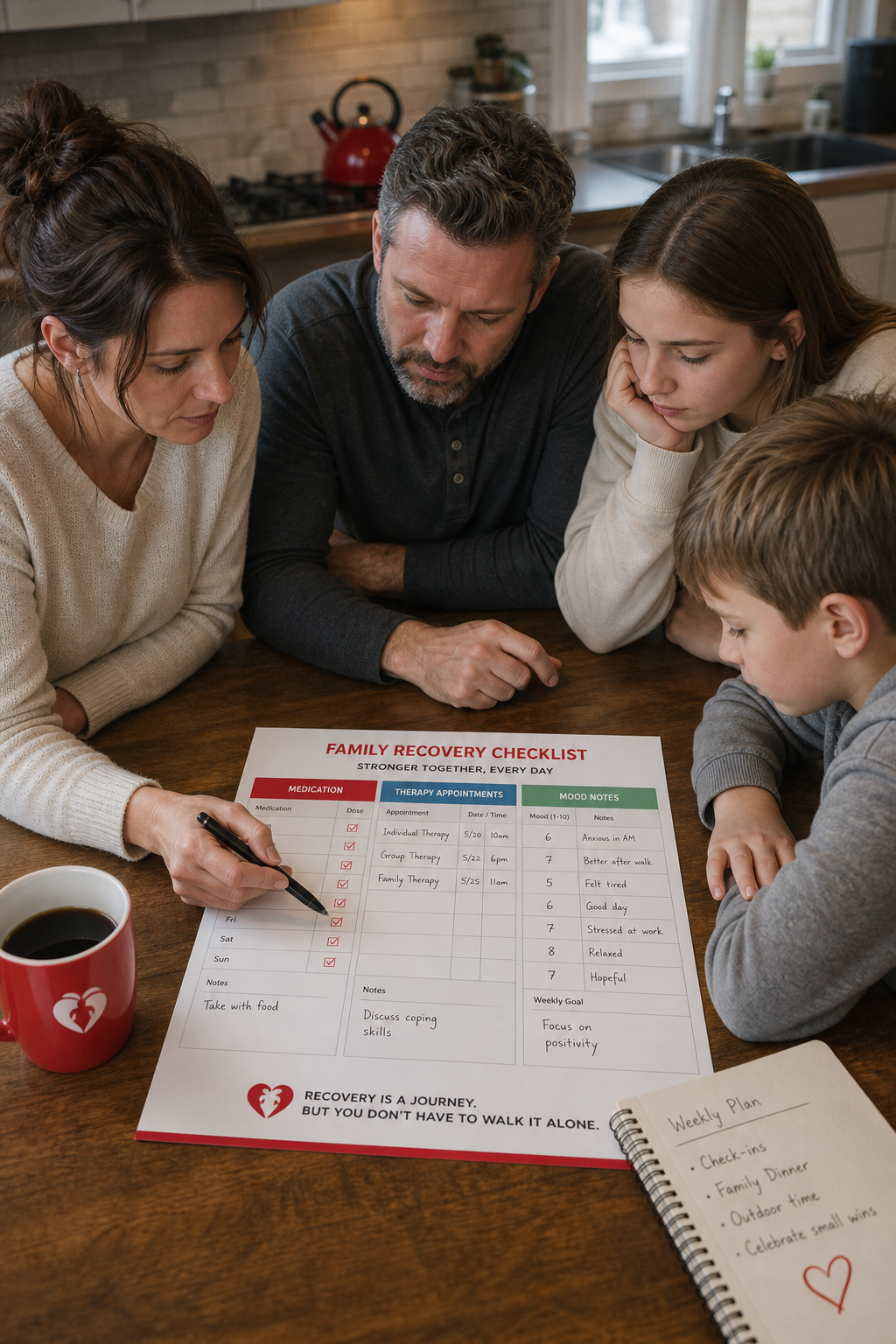
Beyond the basics, add a “red‑flag” column. If a red‑flag shows up, missed meds for 48 hours or a sudden mood swing, call the after‑care coordinator immediately. This tiny addition can stop a slip before it spirals.
3. Sober Living Environment , Safe Home Setup
Home is the biggest trigger zone. Remove all alcohol, drugs, and paraphernalia from visible places. Store leftover prescription bottles in a locked cabinet. If you share a house, set clear rules about who can bring guests and what activities are allowed.
Usable steps:
- Do a room‑by‑room sweep for hidden bottles or syringes.
- Install child‑proof locks on cabinets that hold meds.
- Arrange the bedroom so the bed is far from windows that face a bar district.
Creating a calm, trigger‑free space helps the brain rewire away from old cues. A study in the PubMed journal on environmental triggers shows that a clean, neutral home reduces cravings by up to 30 %.
4. Medication Management , Pill Organizers & Reminders
Medication errors are a leading cause of readmission after rehab. The pharmacy outlines a simple workflow: the pharmacist reviews every new prescription, checks for interactions, and packs the pills into a weekly organizer. Their discharge service also provides a phone line for any questions you have during the first month.
How to make it work at home:
- Buy a clear, day‑by‑day pill box with compartments for morning, noon, and night.
- Set phone alarms for each dose. Use a tone that isn’t too harsh, just a gentle beep.
- Keep a medication log next to the box. Write the drug name, dose, and time taken.
If you notice side‑effects, call the pharmacist right away. They can suggest a dose tweak or a different brand, which prevents a cascade of missed doses.
5. Family Therapy Sessions , Healing Relationships
Recovery strains every bond. A therapist who specializes in addiction can help you rebuild trust, set boundaries, and practice new communication patterns. The family‑therapy model shows that couples who attend at least eight joint sessions have a 25 % lower relapse rate.
Pick a therapist who knows the stages‑of‑change model. They’ll guide you through denial, contemplation, preparation, and action, making sure each family member moves at a comfortable pace.
During the first session, try this exercise:
- Each person writes down one thing they need from the other to feel safe.
- Share the notes without judgment.
- Agree on a single, specific action for the week (e.g., “I will call you each night at 8 pm”).
When you see progress, celebrate it. Small wins keep everyone motivated.
6. Support Groups – 12‑Step and Science‑Based Programs for Families
Family members need a place to vent, learn, and find hope. 12‑step family groups offer a fellowship that focuses on the family’s experience of addiction. Science‑based recovery groups provide a toolkit that teaches coping skills and emotional regulation.
These groups run weekly meetings online and in many cities. Some programs even provide handbooks with worksheets you can fill out together, helping you spot patterns before they become crises.
Try attending a support group meeting in the first month after discharge. Listening to peers who have walked the same path reduces isolation and gives you fresh ideas for daily support.
For immediate help, call (949) 545‑3438 or visit Next Step Intervention.
7. Relapse Prevention Plan , Early Warning Signs
A relapse plan is a safety net. Write down the top three personal triggers, stress at work, social gatherings with alcohol, or boredom evenings. Then list two specific actions for each trigger, such as calling a sponsor or taking a walk.
When a warning sign appears, the plan tells you exactly who to call and what to do. This cuts the decision‑making time that often fuels a slip.
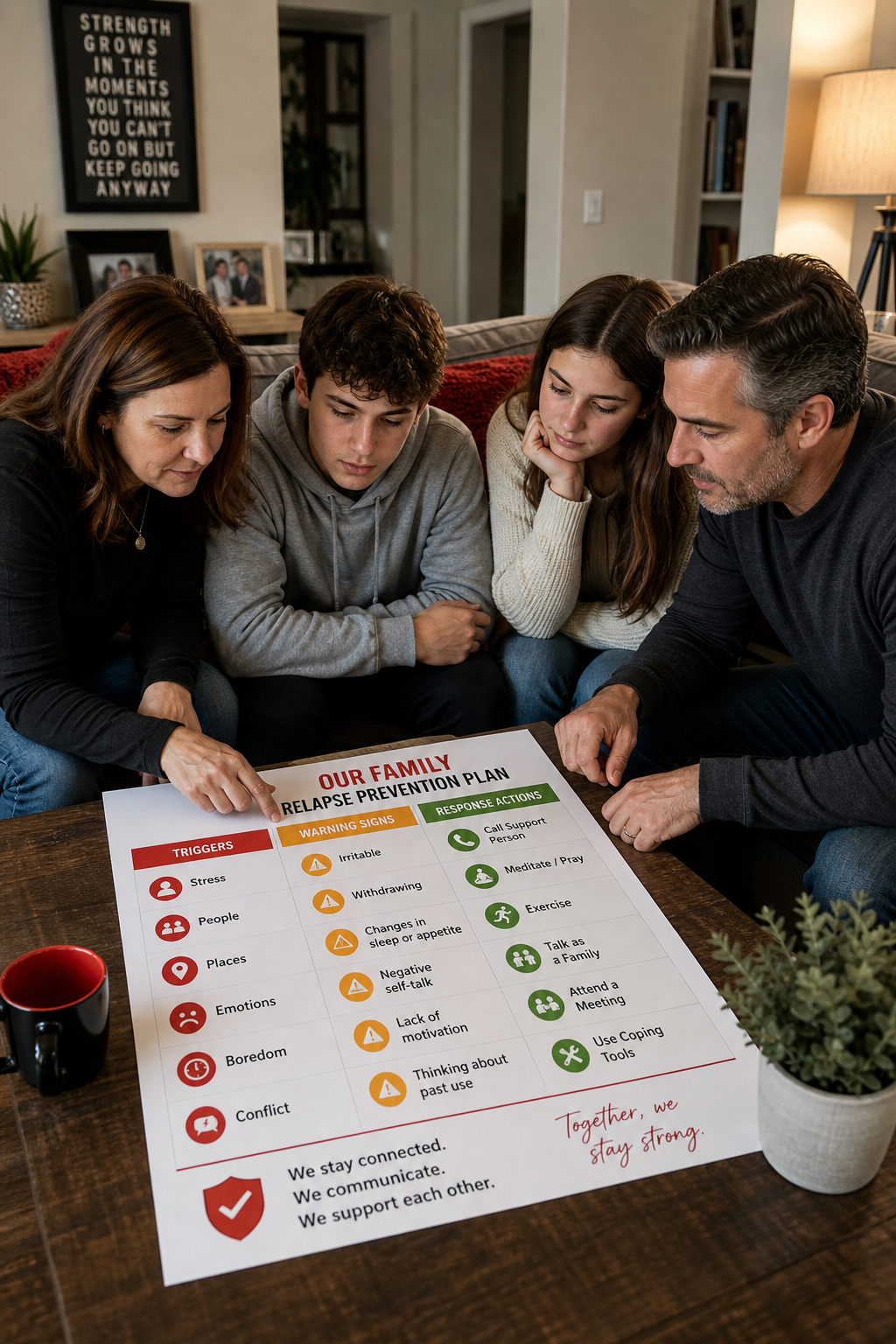
Keep the chart where everyone can see it, on the fridge or a bulletin board. Review it together each Sunday to keep it fresh.
8. Employment Assistance , Rebuilding Professional Life
Work provides structure, income, and a sense of purpose. Many rehab centers partner with local job‑placement services that understand the challenges of a recent discharge.
Steps to take:
- Ask the discharge planner for a list of vetted employers who have a supportive policies for recovery.
- Update the résumé with any new certifications earned during treatment (e.g., CBT basics, life‑skills workshops).
- Practice interview answers that address gaps honestly but briefly, focus on the skills gained, not the time off.
If your loved one feels anxious about a full‑time role, suggest a part‑time or volunteer position first. That way they can build confidence without overwhelming pressure.
9. Financial Counseling , Managing Treatment Costs
Money worries can trigger a relapse. A financial counselor can help you map out insurance coverage, file appeals, and set up a realistic budget for the first six months.
A leading rehabilitation guide notes that about20%of people leaving rehab face housing insecurity. Knowing this, a counselor will prioritize rent, utilities, and medication costs before discretionary spending.
Action items:
- Gather all treatment bills, insurance statements, and D‑NC letters.
- Schedule a free consult with a certified financial therapist, many non‑profits offer this at no charge.
- Create a spreadsheet that tracks income, expected expenses, and a “rainy‑day” emergency fund.
When you see the numbers on paper, you can negotiate payment plans with providers and avoid surprise debt.
10. Legal Advocacy , Insurance Appeals and DNC Letters
Insurance denials happen when paperwork is incomplete or when a claim is labeled “premature discharge.” A legal advocate can draft a DNC (Detailed Explanation of Non‑Coverage) letter that forces the insurer to revisit the decision.
Typical steps:
- Ask the rehab center for the discharge summary and treatment goals.
- Work with a lawyer or a legal‑aid clinic to write a concise appeal that cites the original treatment plan.
- Submit the appeal within 30 days of the denial, then follow up by phone.
Many states have a Medicaid appeals process that you can trigger online. Knowing your rights can turn a denied claim into a covered one, keeping the after‑care plan intact.
11. Respite Care , Taking Care of the Caregiver
Caregiver burnout is real. When you’re exhausted, you can’t spot warning signs. Respite services give you a few hours, or a whole day, of professional help so you can recharge.
Options include:
- In‑home aides who assist with meals, medication, and mobility.
- Adult‑day programs that provide social activities and supervised care.
- Volunteer networks that offer transportation and companionship.
Check with your local health department for a list of certified respite providers. Even a short break each week can improve your mental health and keep you sharp.
12. Crisis Response Plan , Mental Health Emergencies
When a crisis hits, you need a plan that’s faster than panic. The CDC’s mental‑health emergency guide recommends a three‑step script: call 911, label it a mental‑health emergency, and stay on the line until help arrives.
Build a one‑page cheat sheet that lists:
- Emergency contact numbers (local crisis line, psychiatrist, trusted friend).
- Key medication info (dosage, allergies).
- Safe rooms in the house where the person can be observed without risk.
Practice the script with the whole family once a month. Rehearsal reduces confusion when a real emergency occurs.
13. Community Reintegration , Social Activities
Staying connected prevents the boredom that fuels relapse. Look for sober‑friendly clubs, fitness classes, or hobby groups that meet weekly. The California Division of Rehabilitative Programs notes that structured community programs reduce relapse odds by about 15 %.
Ideas to try:
- Volunteer at a local food bank.
- Join a walking group that meets after work.
- Enroll in a creative‑arts workshop, painting, pottery, or music.
When you share activities, you rebuild a sense of belonging that doesn’t revolve around substances.
14. Spiritual Support , Faith‑Based Recovery Groups
For many, faith offers a steady anchor. Churches, synagogues, and mosques often run recovery ministries that blend spiritual practice with peer support. These groups can provide prayer, meditation, and a community that respects the recovery journey.
How to find a group:
- Ask your therapist for a list of local faith‑based programs.
- Search online for “faith recovery fellowship” plus your city name.
- Attend a trial meeting to see if the tone feels right.
Even if you’re not religious, the mindfulness practices taught in many faith groups can help manage cravings and stress.
How to Choose the Right Support Strategies for Your Family
How to pick
Start with the three areas that cause the most stress, safety, finances, and relationships. Match each need with the strategy that offers the strongest support. If you have a limited budget, prioritize free community groups and the free crisis‑line resources. For urgent, professional guidance tailored to your family, contact Next Step Intervention at (949) 545-3438 or visit https://www.nextstepintervention.com.
FAQ
What should I do the day my loved one comes home?
First, make sure the home is free of alcohol and drug paraphernalia. Then review the medication schedule together, set up the pill organizer, and confirm the first therapy appointment. A quick family check‑in call within 24 hours helps you spot any early warning signs and shows your loved one you’re present and supportive.
How can I help my loved one stay motivated?
Celebrate tiny wins, like a sober week or attending a support meeting. Use specific praise (“You chose the walk instead of the bar last night”) rather than vague compliments. Pair praise with a small reward, such as a favorite home‑cooked meal, to reinforce the positive behavior.
Is it safe to let my loved one drive after rehab?
Only if the prescribing doctor clears them and a sober‑transport plan is in place. Most professionals recommend a 30‑day driving abstinence period after intensive rehab, followed by a supervised driving test. Until then, arrange rides with friends, family, or a ride‑share service.
What if my family members disagree on the after‑care plan?
Bring the disagreement into a family therapy session where a neutral facilitator can help each person voice concerns. Use a shared checklist to keep the focus on the loved one’s recovery goals rather than personal grievances. A clear, written plan reduces back‑and‑forth arguments.
Can I use telehealth for therapy?
Yes. Many insurers now cover virtual counseling, and it can be a convenient way to keep sessions consistent when travel is difficult. Choose a therapist who specializes in addiction and who offers secure video platforms to protect privacy.
How do I handle a relapse?
Stay calm. Treat relapse as a data point, not a failure. Review the relapse‑prevention chart, call the crisis line, and schedule an urgent therapy session. Reinforce that you still believe in their ability to recover, and adjust the after‑care plan to address the new trigger.
Conclusion
Supporting a family member after rehab discharge is a marathon, not a sprint. The fastest wins come from acting now, calling a professional after‑care coordinator, securing a safe home, and setting up medication reminders. From there, layer on family therapy, support groups, and a solid relapse‑prevention plan. Keep an eye on finances and legal hurdles, and don’t forget to care for yourself with respite options.
Each of the fourteen strategies in this list works best when they’re tied together in a single, living plan. Review the checklist each week, adjust as life changes, and reach out for help the moment a red flag appears. You don’t have to do it alone; resources like Next Step Intervention’s family‑focused services are there to guide you through the toughest moments.
Ready to dive deeper? Check out the usable family rehab guide for templates, conversation scripts, and a step‑by‑step calendar you can download today.