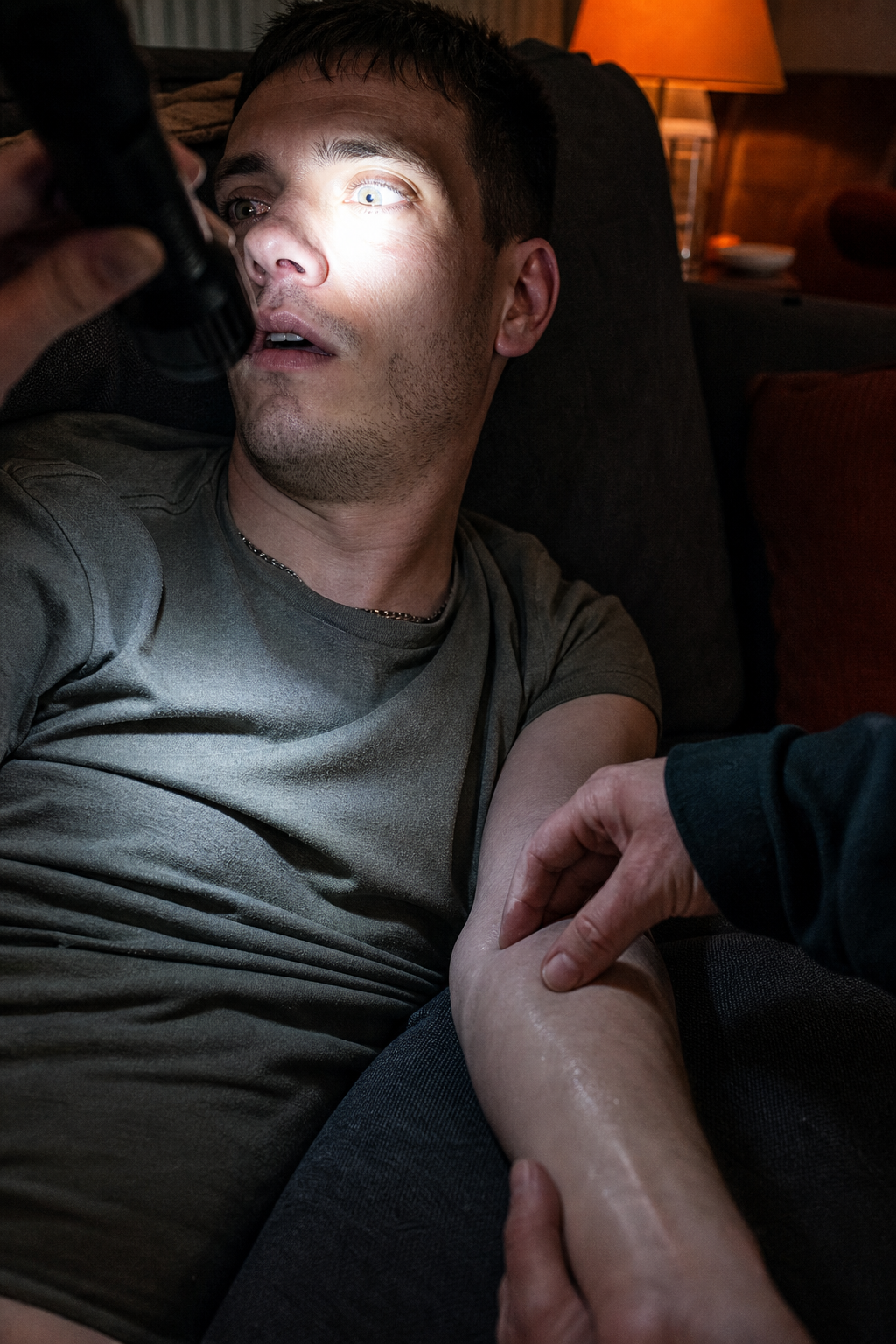
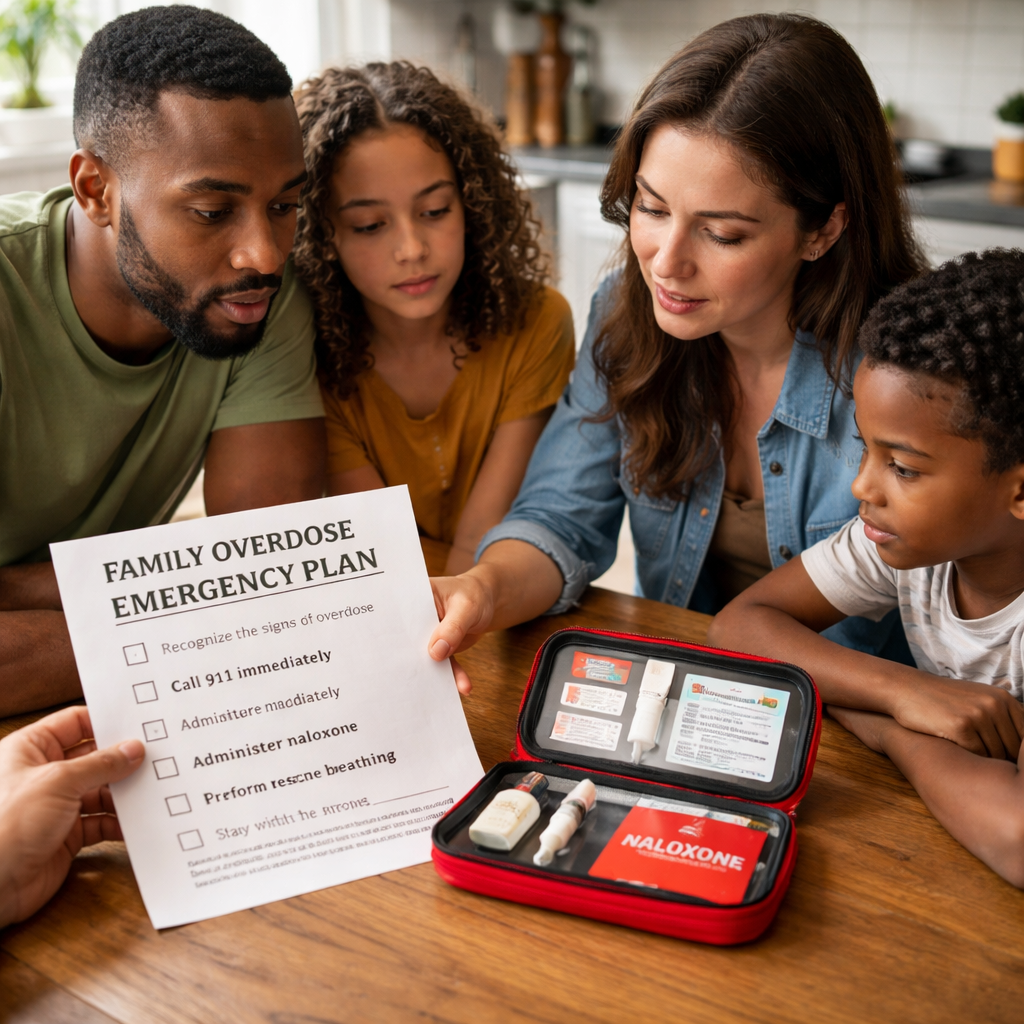
When an overdose hits your home, seconds decide if a family stays together or shatters.
That’s why a solid family overdose emergency plan is the first thing you need. It gives you clear actions, so panic won’t freeze you.
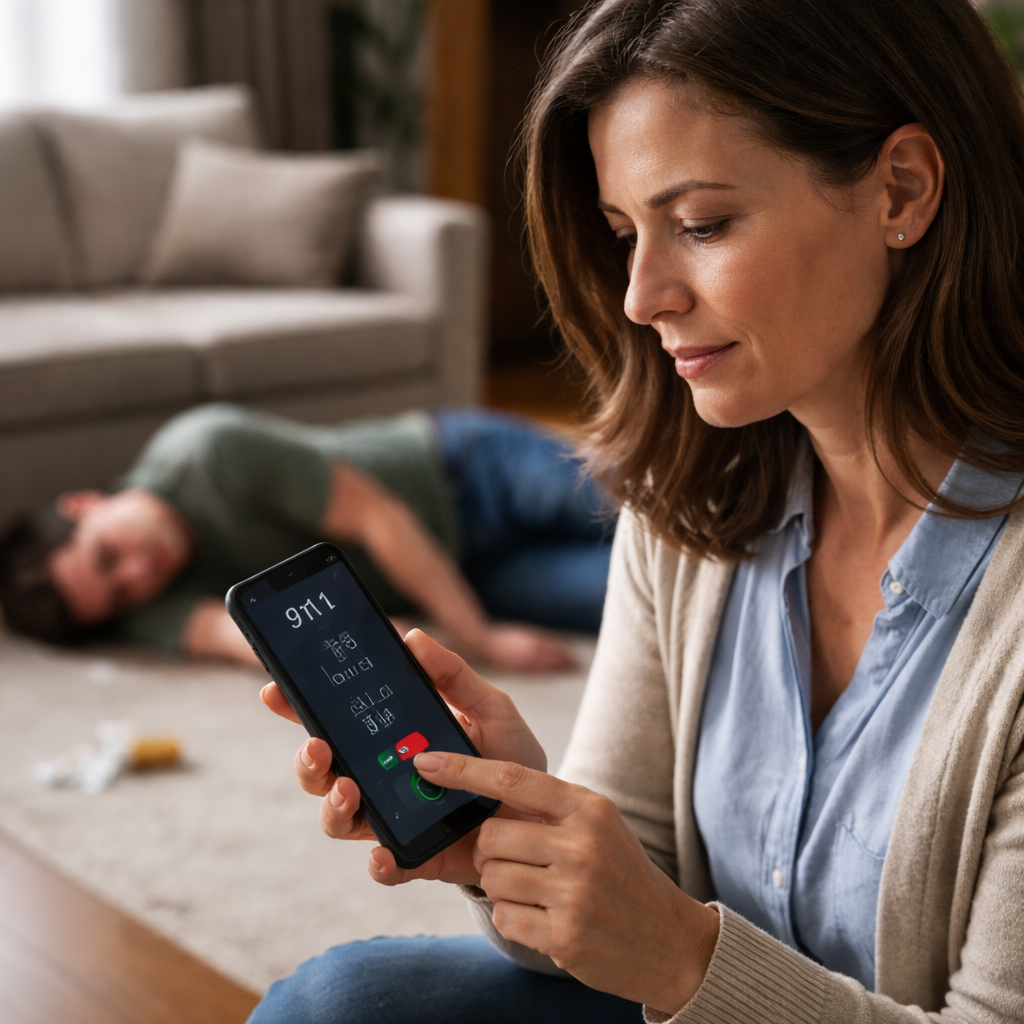
Think about a typical night: the TV’s on, kids are asleep, and a loved one suddenly stops breathing. You’d freeze, right? No. You need a plan you can run on instinct.
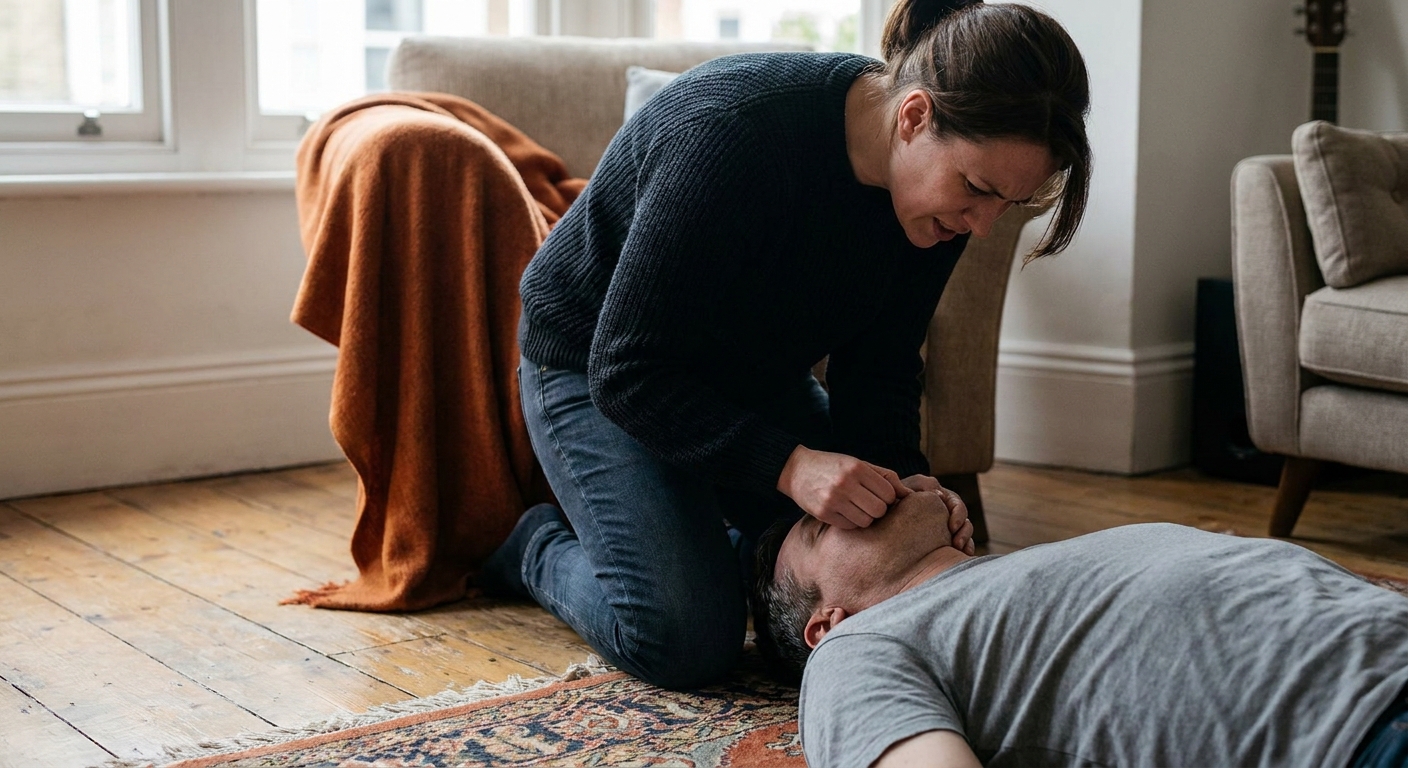
Here’s a quick checklist you can print and hang on the fridge: 1) Spot the signs – pinpointed pupils, blue lips, or unresponsive breathing. 2) Call 911 immediately – give the exact address and mention “possible overdose.” 3) If you have naloxone, give it right away; the dose is two sprays under the nose. 4) Keep the person’s airway open – tilt the head, clear any vomit. 5) Stay with them, talk calmly, and monitor until help arrives. 6) After the crisis, schedule a follow‑up with a professional interventionist.
For more detail on each step, our Overdose Help: A Practical Guide to Emergency Response and Recovery walks you through the why and how, with printable worksheets.
Planning can feel as detailed as picking the right photo booth for a wedding. If you need that kind of step‑by‑step clarity, check out How to Choose the Perfect Wedding Photo Booth Rental: A Step‑by‑Step Guide for a solid template.
Ready to protect your family? Call (949) 545-3438 now and get a personalized emergency plan from a team that knows how to act fast.
Tip: Keep a spare naloxone kit in the car and another at work. Label it “Emergency – Use Now” and teach every adult in the house how to use it. Review the plan monthly, especially after any relapse scare, so it stays fresh.
Step 1: Recognize the Signs of Overdose
When seconds count, the first thing you need is to spot the warning signs fast. A quick eye can mean a life saved.
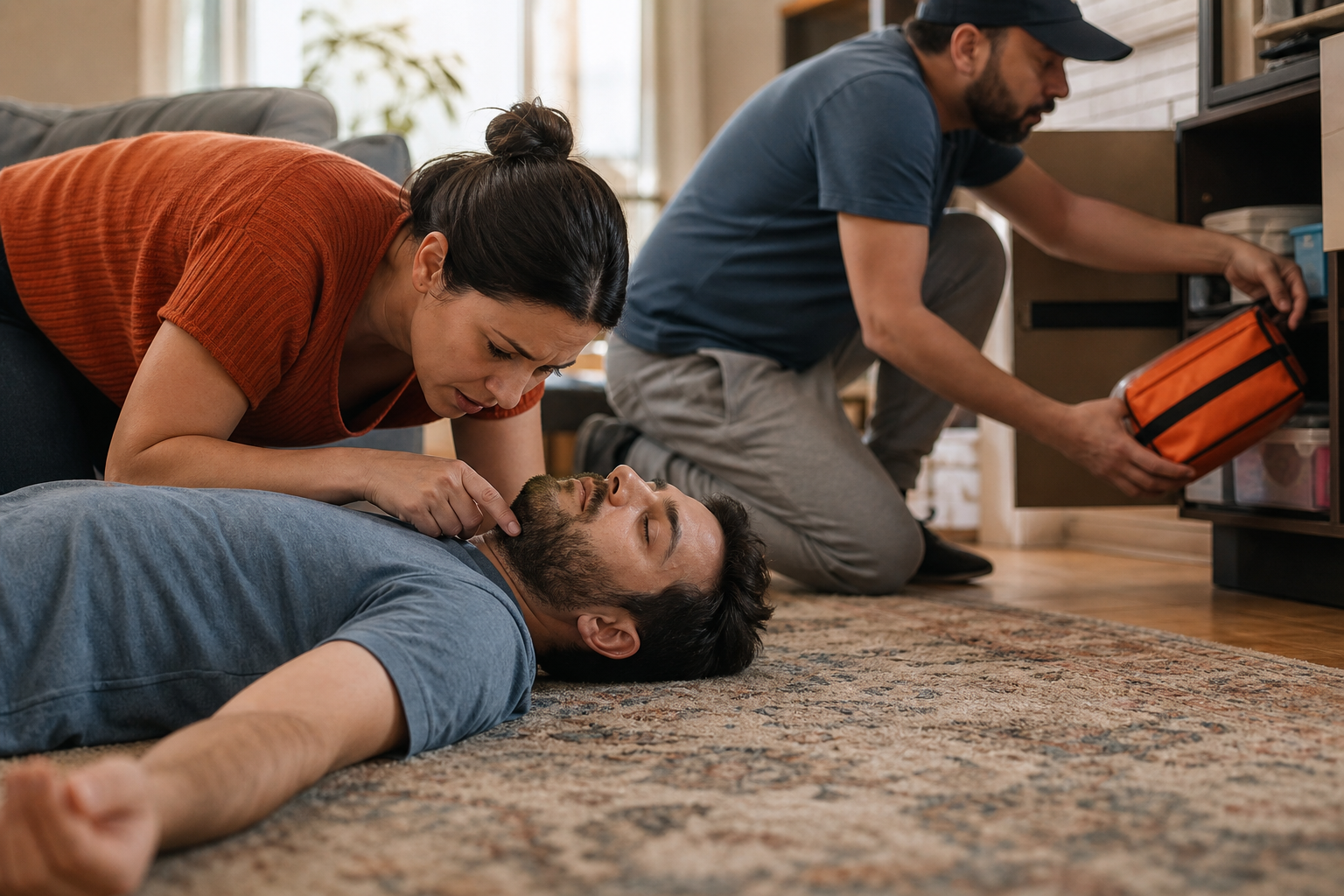
Look for pinpoint pupils that look like tiny dots, lips that turn a bluish shade, or breathing that feels shallow and irregular. You might also notice a sudden loss of coordination or a person who can’t stay awake. These clues often appear together, but even one alone can signal trouble.
Check the pulse by pressing two fingers on the wrist. If it feels weak or you can’t feel it at all, that’s a red flag. And if the person is not responding to your voice, you’ve got a serious situation.
So how can you tell if it’s an overdose and not just a rough night?
Once you see any of those signs, act fast. Call 911 and say “possible overdose” right away. Grab your naloxone kit, open it, and give two sprays under the nose. Keep the person’s head tilted back just enough to open the airway, and clear any vomit if needed. Stay with them, speak in a calm voice, and watch for any change until help arrives.
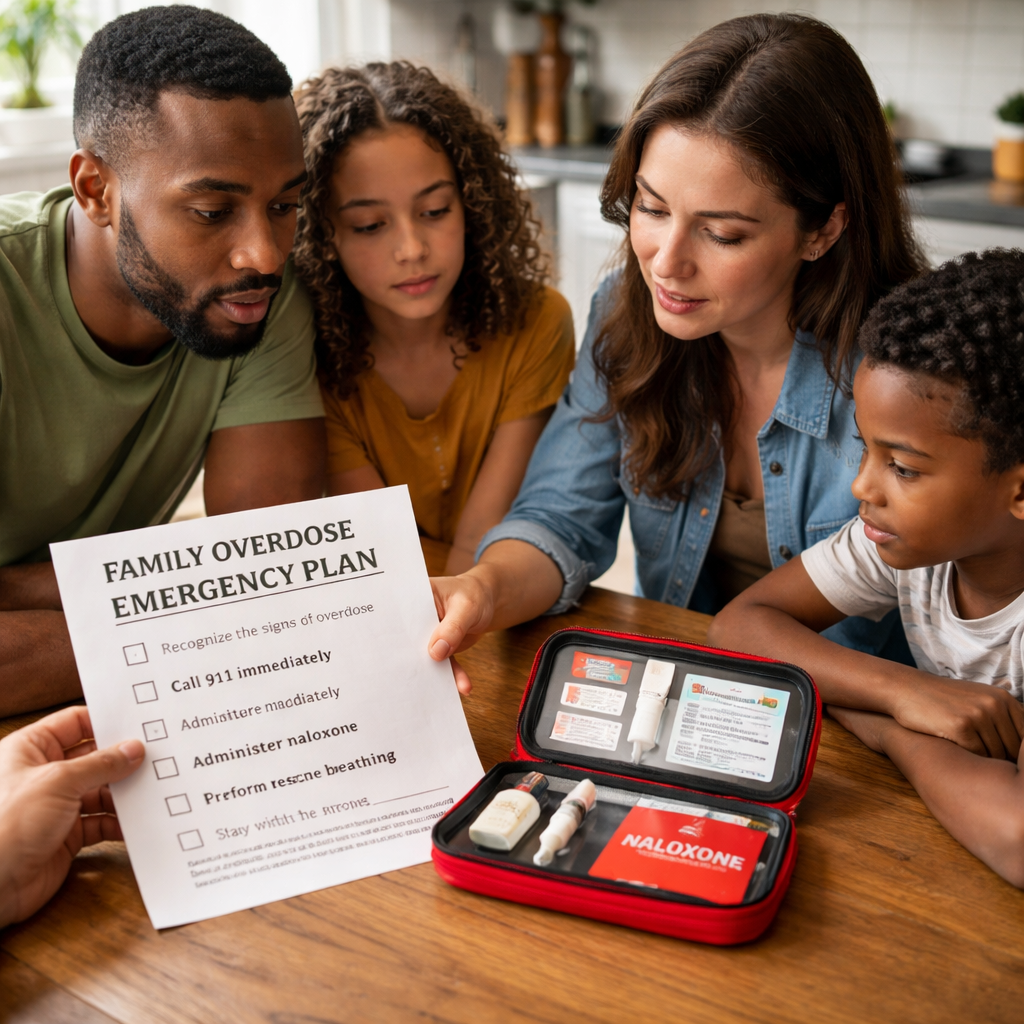
Label the naloxone box with bold red text that says “Emergency – Use Now”. Keep one kit in the car and another at work. When every adult knows where it lives, the response time drops dramatically.
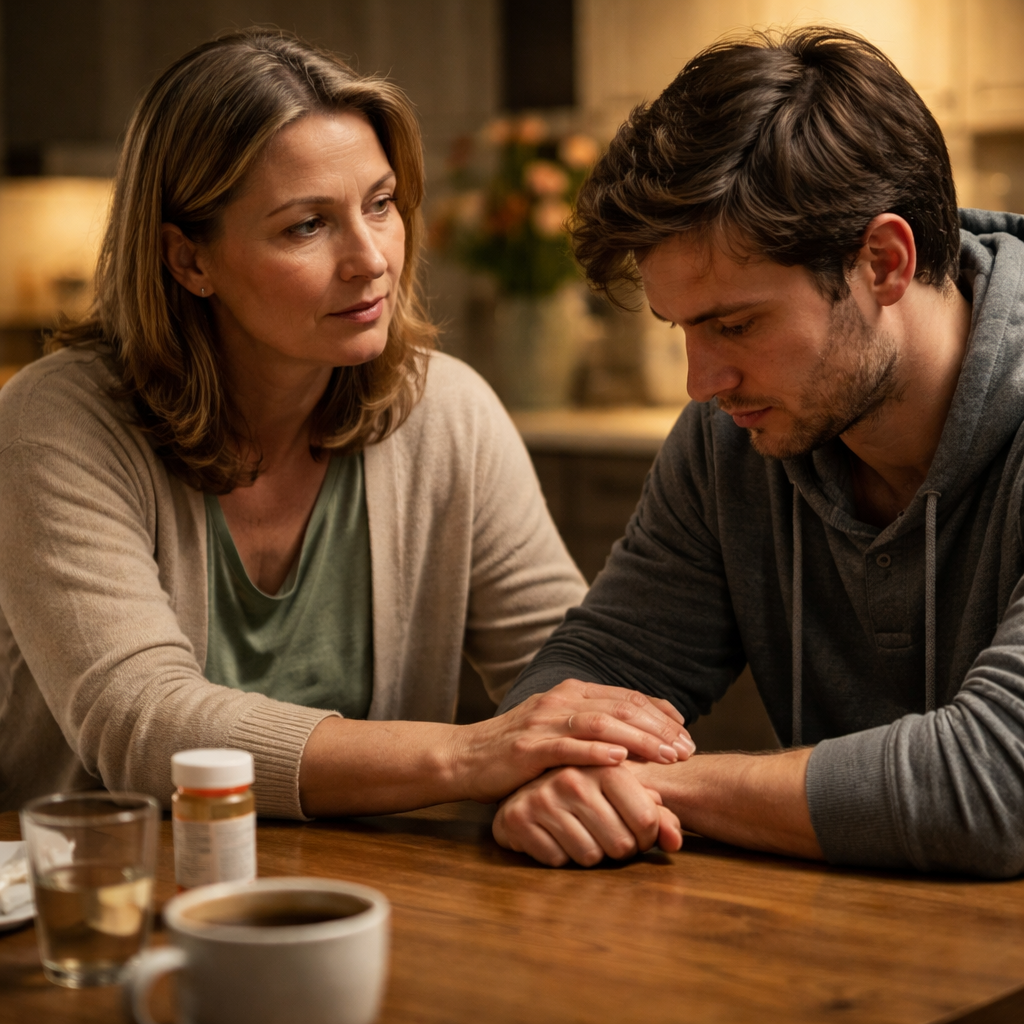
Practice this drill with everyone at home. Run through the signs and the steps once a month so they become second nature. If you need a hand building a full plan, call (949) 545-3438 now and let Next Step Intervention guide you.
Step 2: Build a Family Emergency Response Kit
Now that you can spot an overdose, you need the tools ready to act. A kit lets you move fast instead of hunting for supplies while panic rises.
What belongs in the kit?
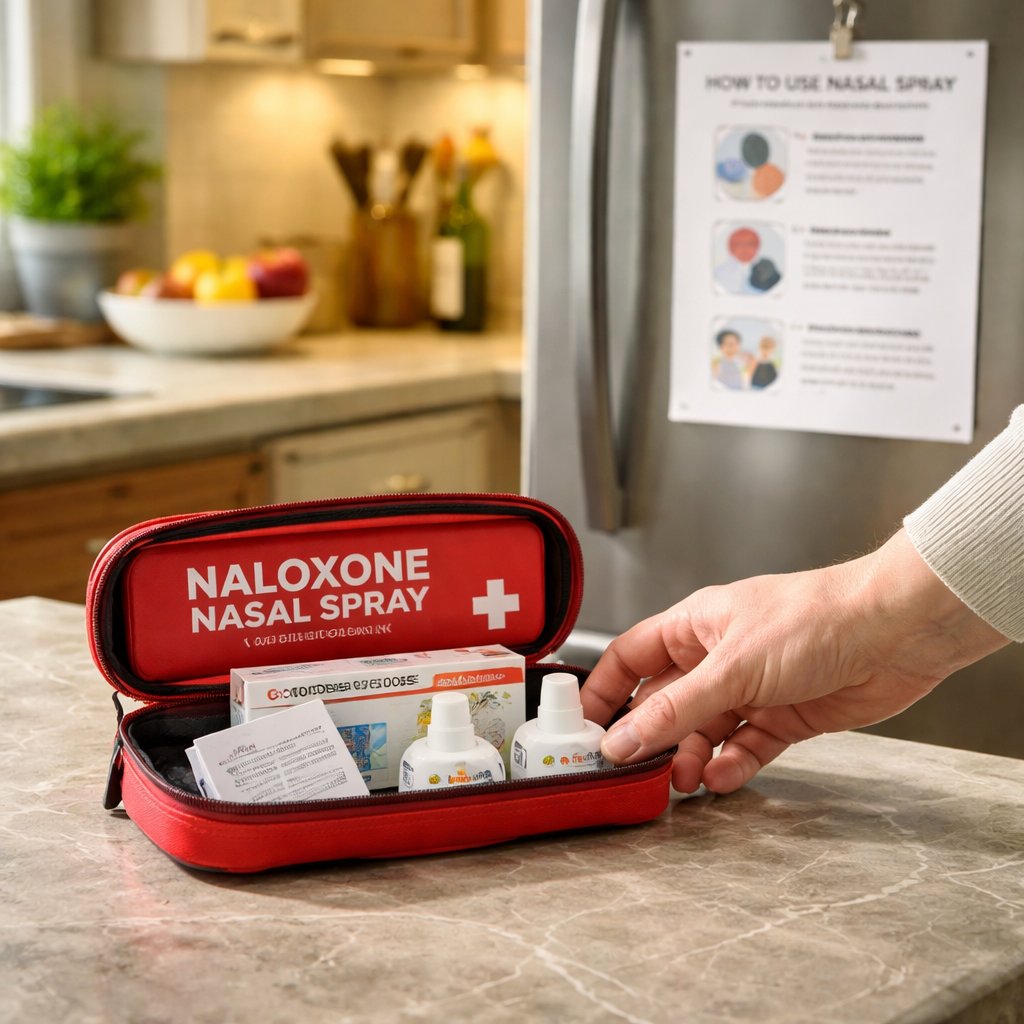
Start with the basics: two doses of naloxone, a pair of disposable gloves, a simple airway mask, and a waterproof bag for everything. Add a printed cheat‑sheet that lists the steps you just learned. If you have a spare phone charger, toss it in too – you’ll need a working phone to call 911.
For families with kids, keep a child‑size mask and a small flashlight. A quiet space marker, like a bright towel, helps you move the person away from danger.
Where to store it
Pick three spots: the kitchen, the bedroom, and the car. Use a clear, lockable box so anyone can grab it, but it stays safe from pets.
Label each box with a bold tag that reads “Emergency – Use Now”. The label should be visible even in low light.
Practice makes perfect
Run a quick drill once a month. Pull the kit, read the cheat‑sheet aloud, and have each adult practice the naloxone spray on a training device (many pharmacies sell cheap trainers).
Imagine a scenario where you hear a shallow gasp at 2 am. You grab the kit, follow the steps, and hand the spray before the ambulance arrives. That mental rehearsal can shave precious seconds.
Need more detail on how each step fits together? Check out the Effective Emergency Intervention guide for a full walk‑through.
Looking for unrelated ideas on keeping events safe? The Mirror Photo Booth Rental tips page shows how to set up sturdy equipment, which is a handy reminder about securing any kit items.
And if you’re planning a family outing, the Photo Booth Rental San Diego guide mentions packing a small emergency bag – a simple habit you can copy for your overdose kit.
Keep the kit stocked, check expiration dates every six months, and treat the drill like a mini‑practice run. When the real moment hits, you’ll know exactly what to do.
Step 3: Assign Roles and Practice the Plan
Now the kit is ready, you need a clear crew. Who calls 911? Who grabs the naloxone? Who watches the airway? Write each name next to a simple task. A short sheet on the fridge works better than a long paragraph.
Pick who does what
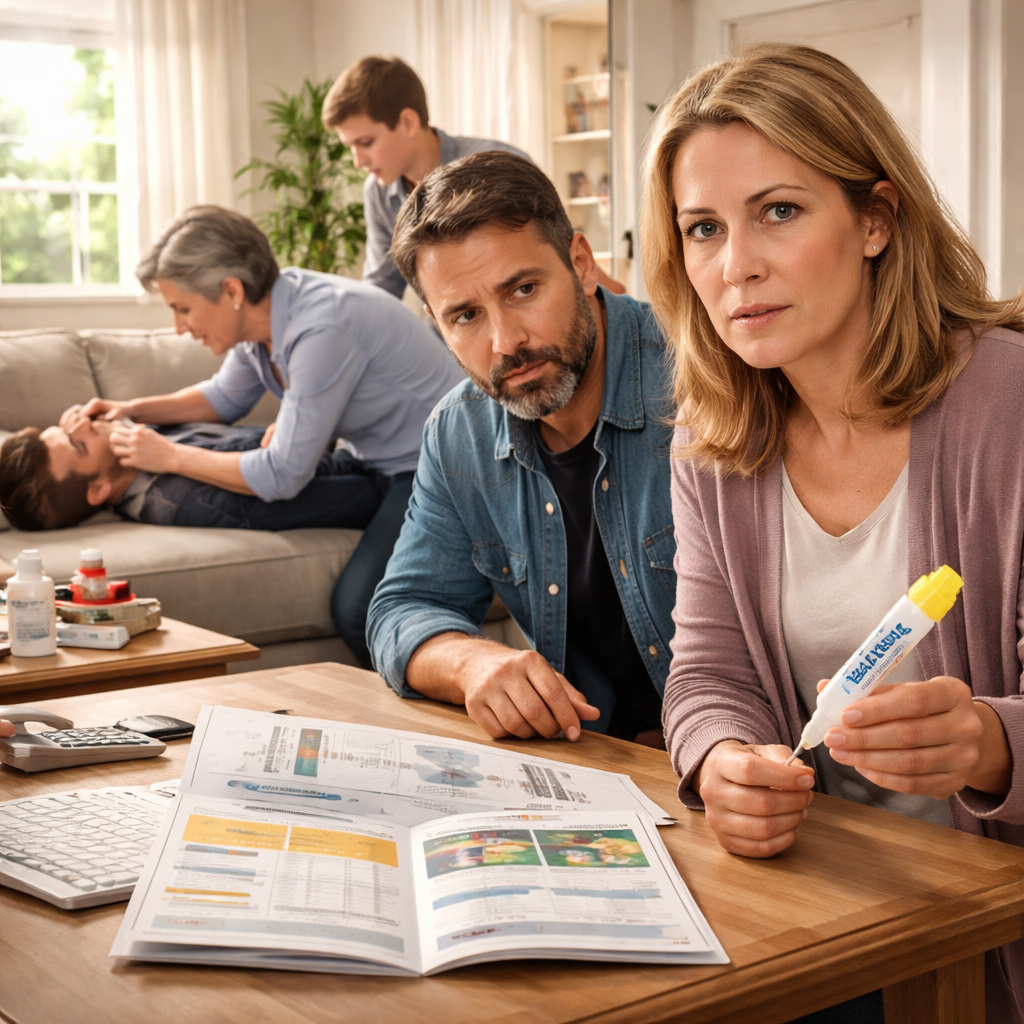
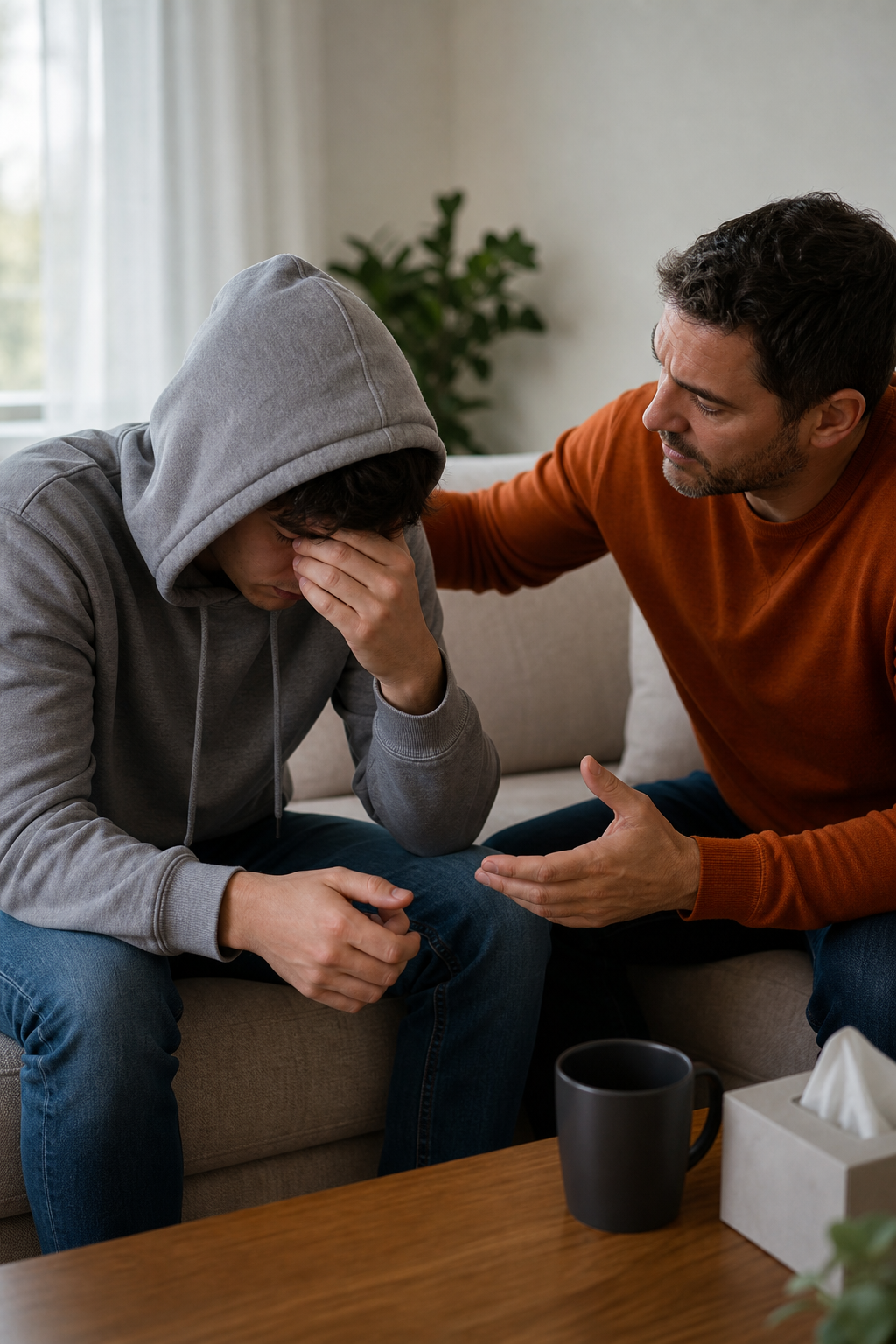
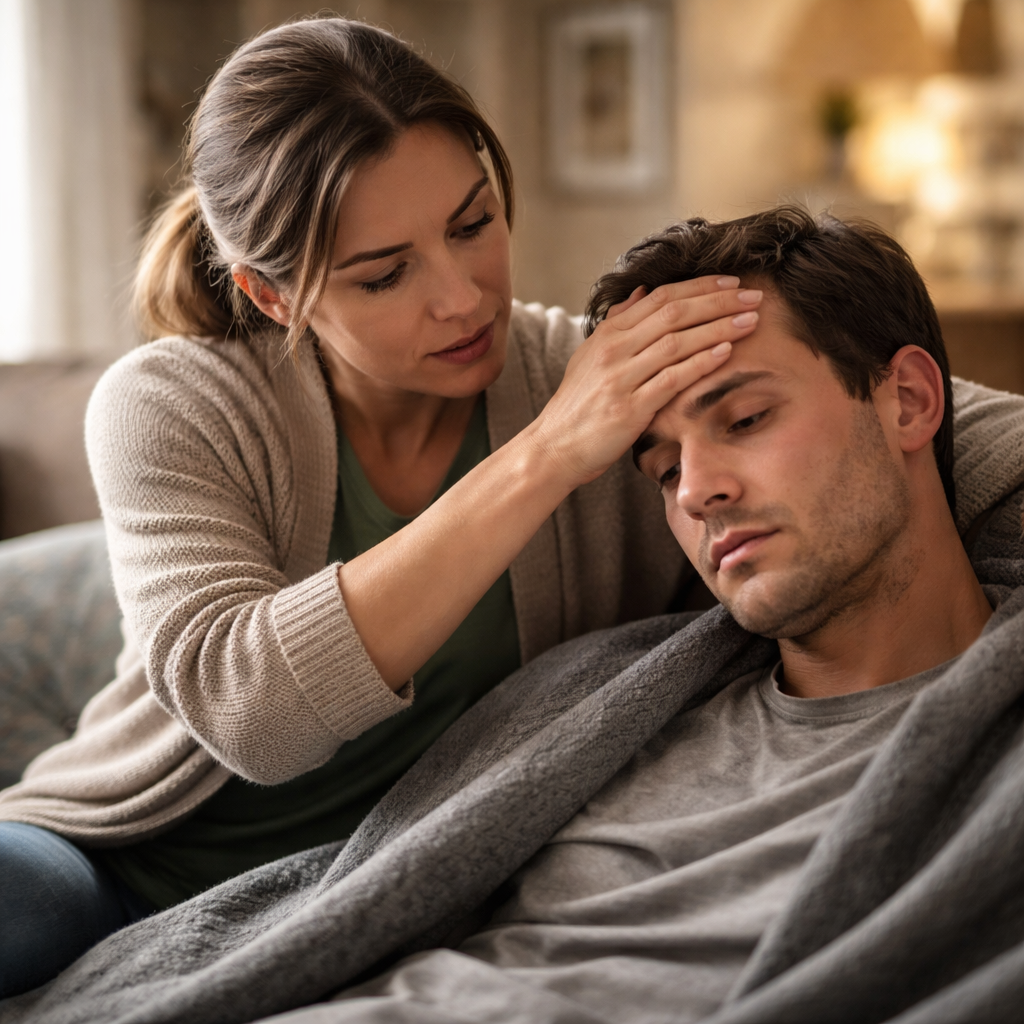
Ask each adult to pick a role they feel comfortable with. One person can be the “phone holder” – they dial 911, give the address, and stay on the line. Another can be the “medic” – they open the kit, read the cheat‑sheet, and spray the naloxone. A third can be the “comforter” – they talk calmly, keep the person warm, and watch the breathing.
Even kids can help. A teen could fetch the flashlight or pull the spare kit from the car. When everyone knows their job, panic drops.
Run a quick drill
Set a time – maybe the first Saturday of each month. Pull the kit, read the steps out loud, and practice the spray on a trainer. Time it. Did you call 911 in under 30 seconds? Did the medic get the spray to the nose in a single motion?
After the drill, write down what felt slow. Maybe the phone was hidden, or the label was hard to read. Fix that right away. Small tweaks save seconds later.
Want a simple checklist to walk through each role? Check out the step-by-step overdose guide for a printable worksheet.
Practice makes the plan feel like a habit, not a panic. When the real night comes, each person will know exactly what to do, and the seconds you save could be the difference between a close call and a crisis.
Step 4: Quick Reference Table & Resources
You’ve nailed the signs, the kit, and the roles. The final piece is a quick‑look table you can read in a flash while the room is loud.
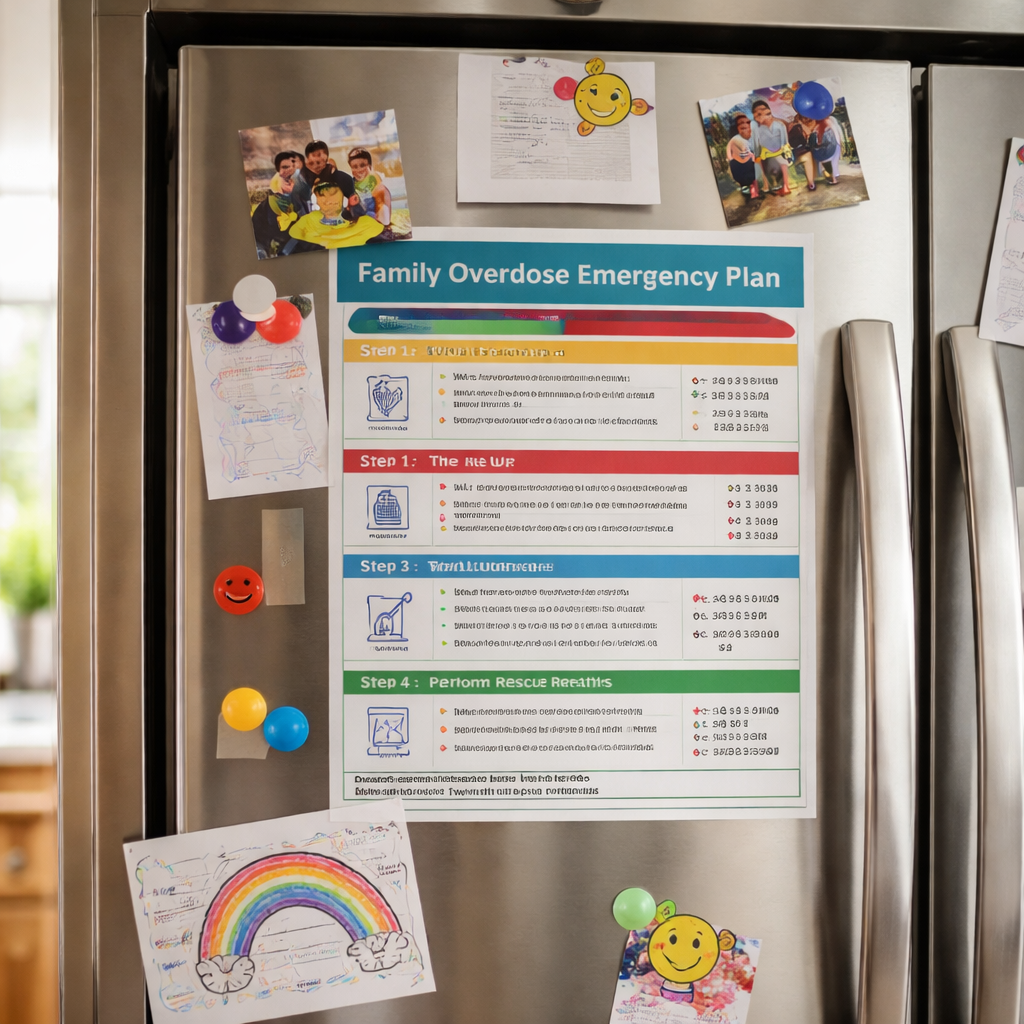
Print the table below and tape it to the fridge, next to the cheat sheet. When you see the colors, you know exactly what to grab and who does what.
Quick reference table
Need more detail on each step? The guide What to Do If Someone Overdoses: A Clear Step‑by‑Step Guide walks you through the why and how.
For a completely different kind of emergency kit list, you can also look at the Photo Booth Rental Murrieta guide. It shows how people organize gear for events, which can spark ideas for keeping your own supplies tidy.
Grab a marker, fill in the table with your family names, and stick it where you all can see it. A few seconds of prep saves minutes of panic.
When you feel ready, give us a call at (949) 545‑3438. One quick chat can help you lock down the plan and answer any lingering questions.
Conclusion
You’ve built a family overdose emergency plan that can save lives. You know the signs, you have a kit ready, and each adult knows their role.
When panic hits, the quick‑reference table on your fridge tells you exactly what to grab and who does what. A two‑spray dose of naloxone, gloves, and a calm voice can turn a crisis into a rescue.
Keep the plan fresh. Review it each month, replace expired supplies, and run a short drill when the house is quiet. The habit of practice makes the actions feel automatic.
If you want a professional hand to fine‑tune your plan or answer lingering questions, call (949) 545‑3438. A quick chat with Next Step Intervention can give you peace of mind and keep your loved ones safe.
Remember, the goal is fast action, not perfect performance. A simple, practiced plan beats hesitation every time.
FAQ
What should be in a family overdose emergency plan?
A plan needs a quick‑look checklist, two naloxone sprays, gloves, a mask, a phone ready to dial 911, and clear role assignments for each adult. Keep everything in a locked box that’s easy to grab.
How often should we review the plan?
Check it at least once a month. Replace any expired supplies, rehearse the steps, and update names if someone moves or a new adult joins the house.
What if I’m the only adult at home?
Call 911 right away, then grab the kit and give the two sprays under the nose. Stay with the person, keep their airway open, and talk calmly until help arrives.
Can a teen help during an overdose?
Yes, a teen can call 911 and fetch the kit, but an adult should handle the naloxone and airway. Teach the teen the exact steps during a drill.
Do I need special training to use naloxone?
No. Most pharmacies give a short demo and a practice device. Watch the video that comes with the kit, then practice a few times so the motion feels natural.
What if the overdose happens outside the home?
Carry a spare kit in the car or at work. The same steps apply: call 911, give two sprays, stay with the person, and hand over the kit to responders.
Where can I get help customizing my plan?
Next Step Intervention can walk you through the details, answer questions, and help you set up a plan that fits your family’s needs. Call (949) 545‑3438 for a quick chat.