When an opioid overdose hits your home, panic can freeze you. You need a clear plan, not a vague feeling.
That plan is a family opioid overdose checklist. It tells you exactly what to do, step by step, so you can act fast and stay calm.
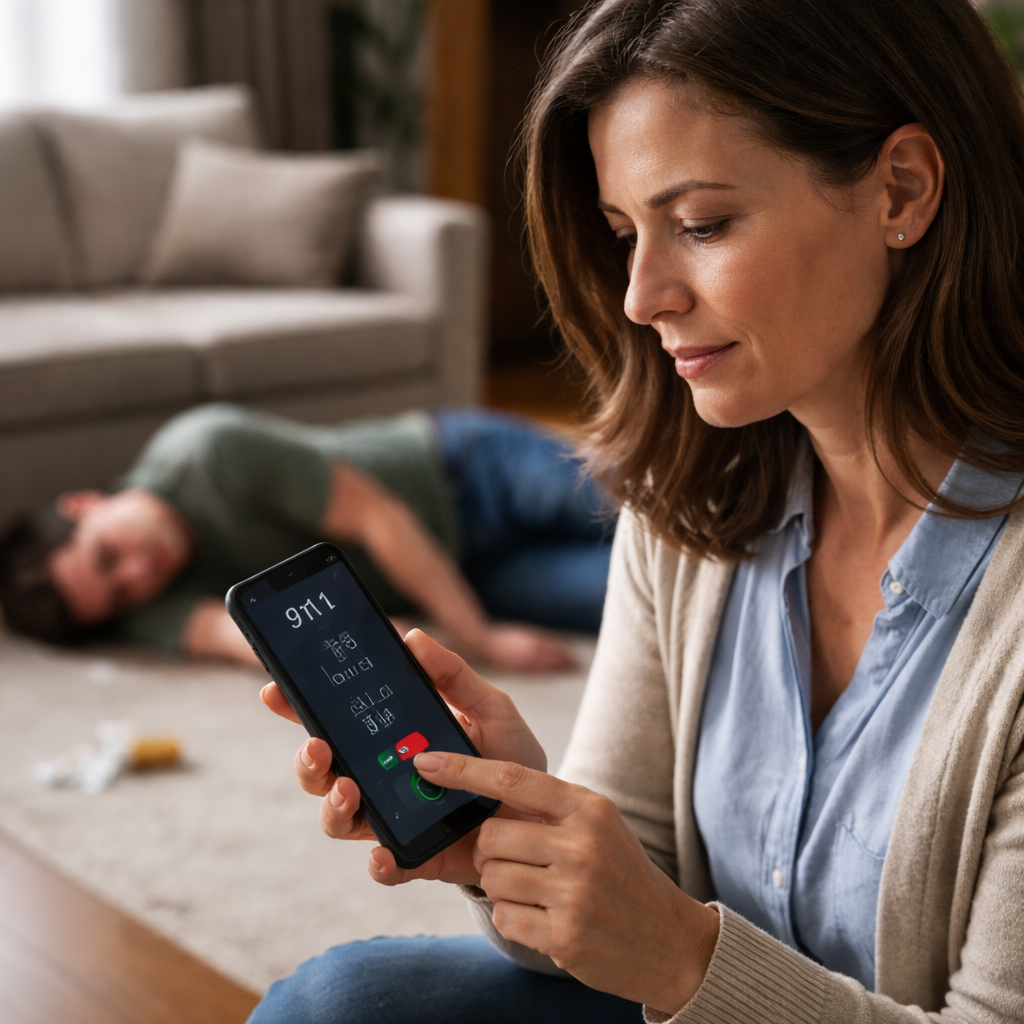
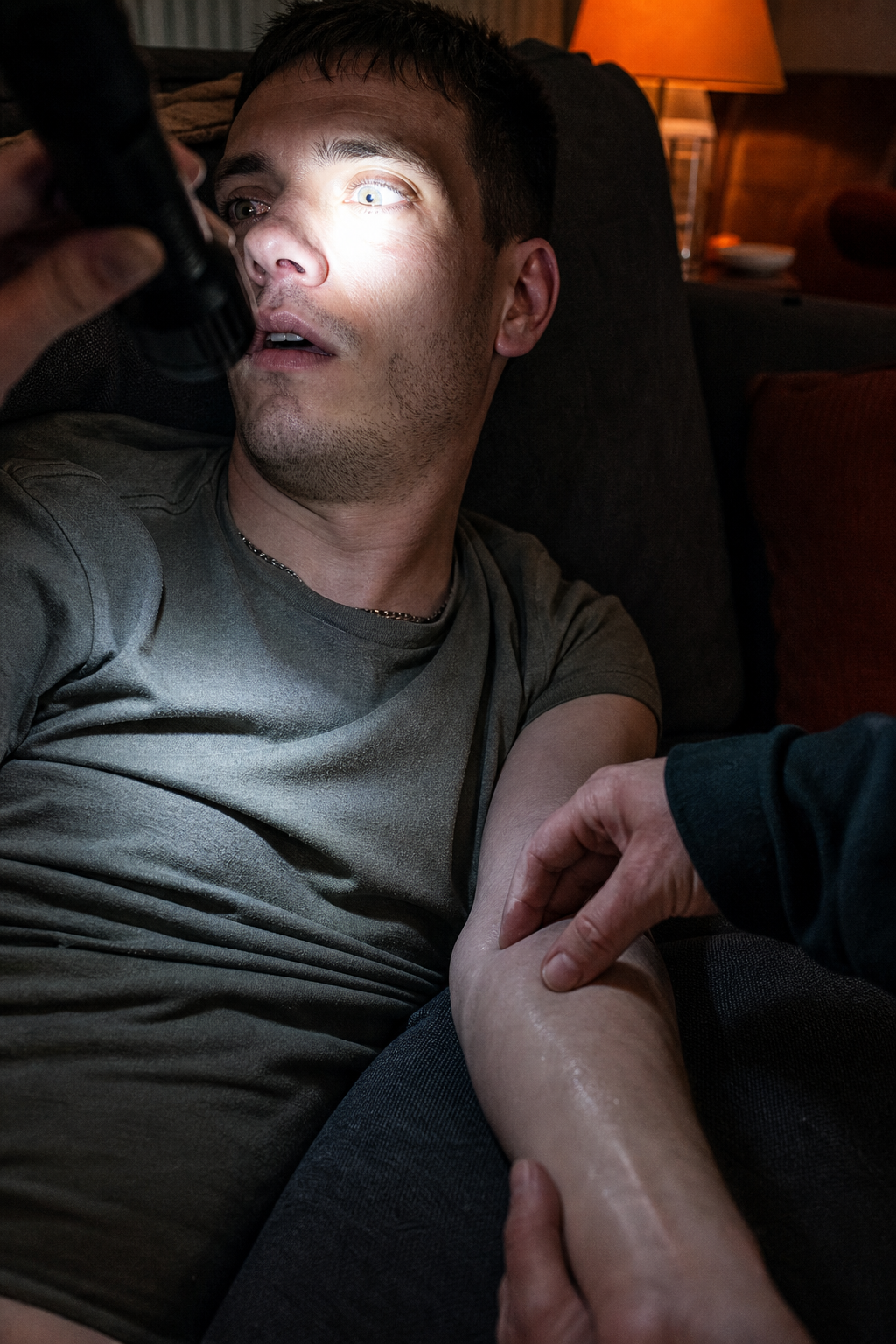
First, grab your phone and dial 911 the moment you see signs like slow breathing, pinpoint pupils, or a limp body. Tell the dispatcher you suspect an opioid overdose and give your address.
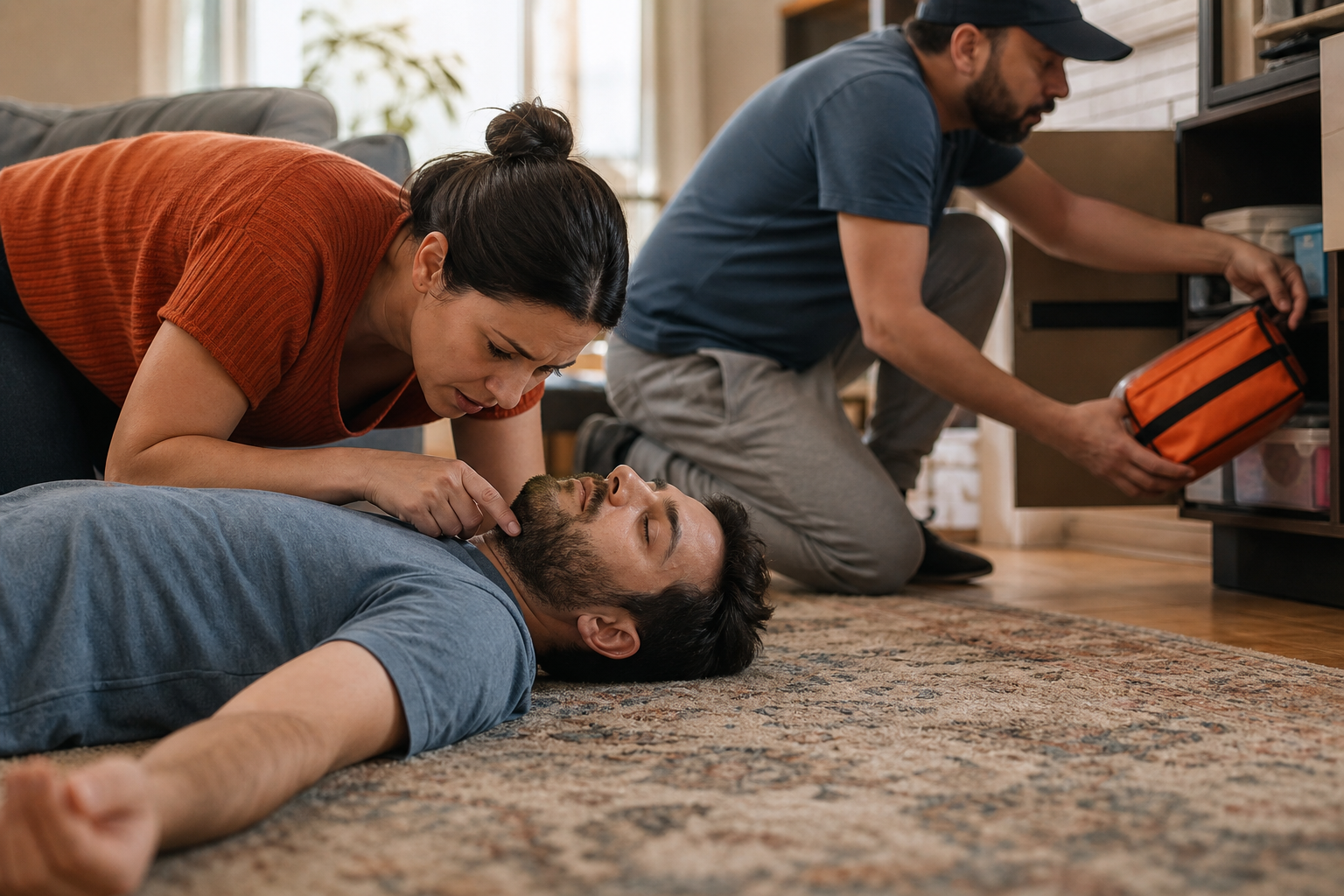
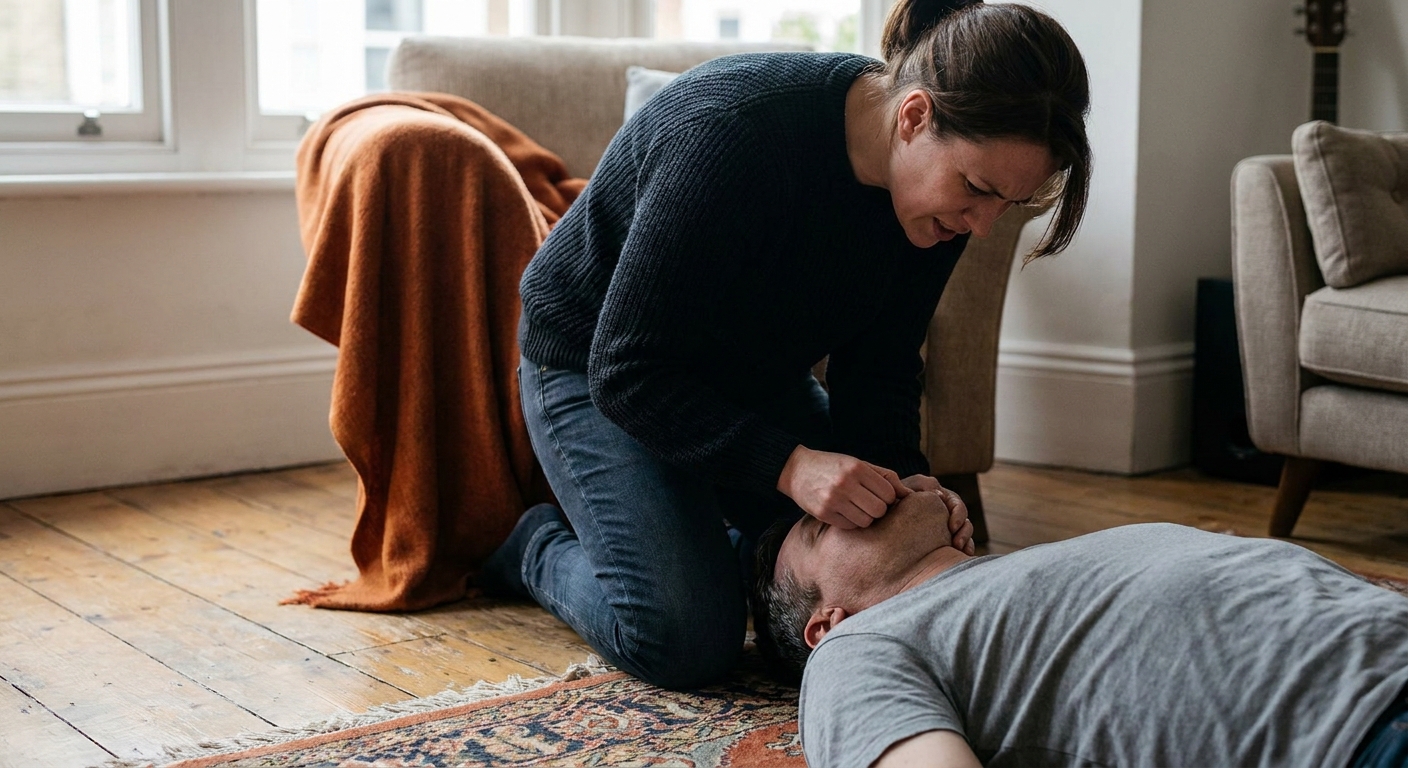
Next, check breathing. If it’s shallow or stopped, start rescue breaths right away. Tilt the head back, lift the chin, and give two breaths every five seconds.
If you have naloxone, use it without hesitation. Inject or spray it into the thigh, follow the kit’s steps, and be ready for a second dose if there’s no response in two minutes.
While waiting for help, keep the person on their side, watch their pulse, and stay with them. Speak calmly, let them know you’re there, and avoid food or drinks.
After the emergency, write down what happened, who was there, and what medication you gave. That note helps doctors adjust treatment and can guide future prevention.
For more detail, read our Overdose Help: A Practical Guide to Emergency Response and Recovery article.
Step 1: Recognize the Signs of an Opioid Overdose
When a loved one’s breathing slows to a faint gasp or their pupils shrink to pinpoint dots, panic can hit fast. Those signs tell you an opioid overdose is happening, and the clock starts ticking.
First, look for three clues: shallow or stopped breathing, a limp body, and pinpoint pupils. If you see any, grab your phone, call 911, and say you suspect an opioid overdose. Tell the dispatcher you have a family opioid overdose checklist ready.
While you wait, keep them on their side, tilt the head back, and open the airway. Feel a pulse and be ready to give rescue breaths if breathing stops.
Check the skin too. A cold, clammy feel or a blue tint around the lips shows the body isn’t getting enough oxygen. Note these details on your checklist; they help medics understand what’s wrong.
Stay with them until help arrives. Talk in a calm voice, reassure them you’re there, and avoid giving food or drinks. Your steady presence can keep them from slipping into a deeper state.
Remember, spotting these signs early can buy precious minutes for emergency responders. Next Step Intervention’s family opioid overdose checklist lets you act fast, stay calm, and give the best chance of recovery. It’s a practical tool you can print and keep by the phone.
Step 2: Secure the Environment and Gather Supplies
Now that you’ve called 911 and know the signs, the next move is to make the space safe.
Clear the area of sharp objects, blankets, or anything that could trap the person. A clear floor gives you room to work and keeps the victim from rolling onto a hard edge.
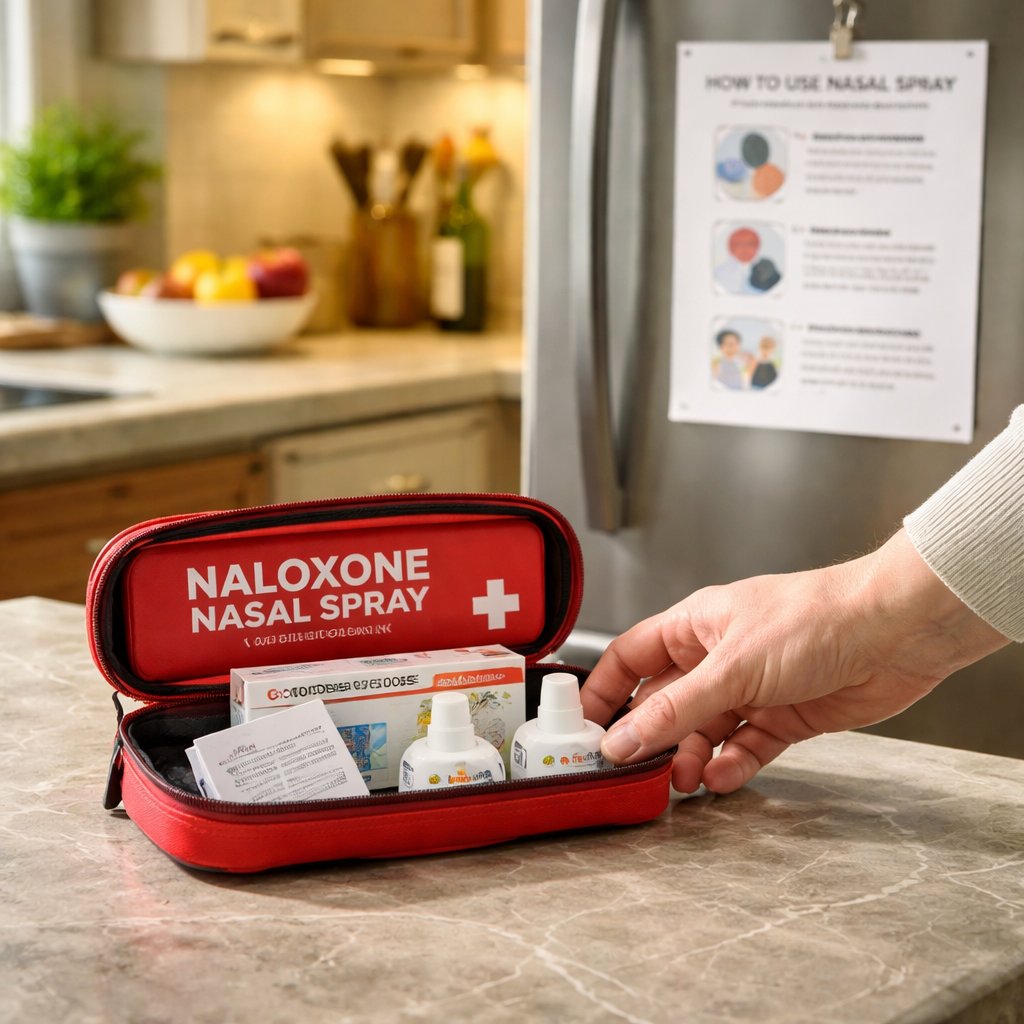
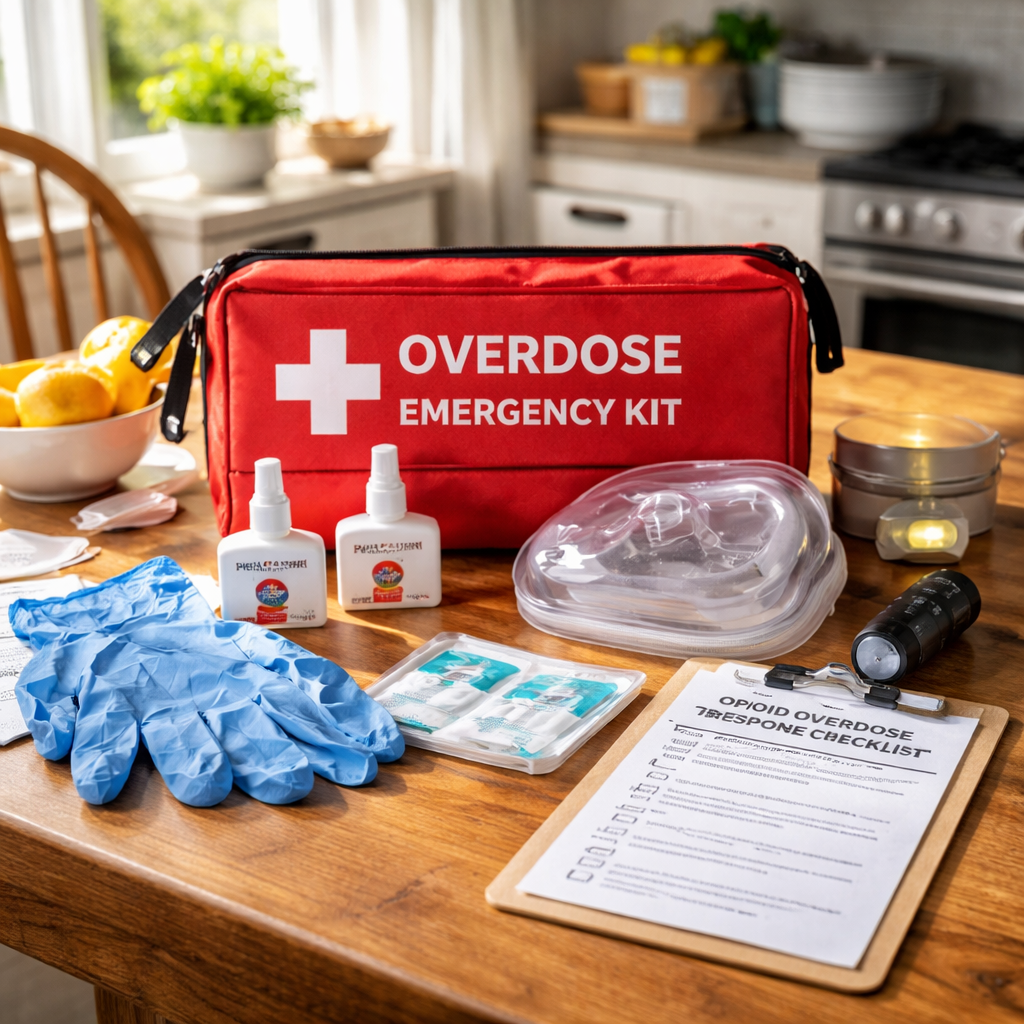
Gather your supplies before you need them. Keep a small kit by the phone that holds a spare naloxone dose, a pair of gloves, a pocket mask, and a flashlight with fresh batteries.
If you don’t have a kit, use a clean towel as a barrier and a household flashlight. Imagine you’re in a dim kitchen; the light helps you see shallow breaths.
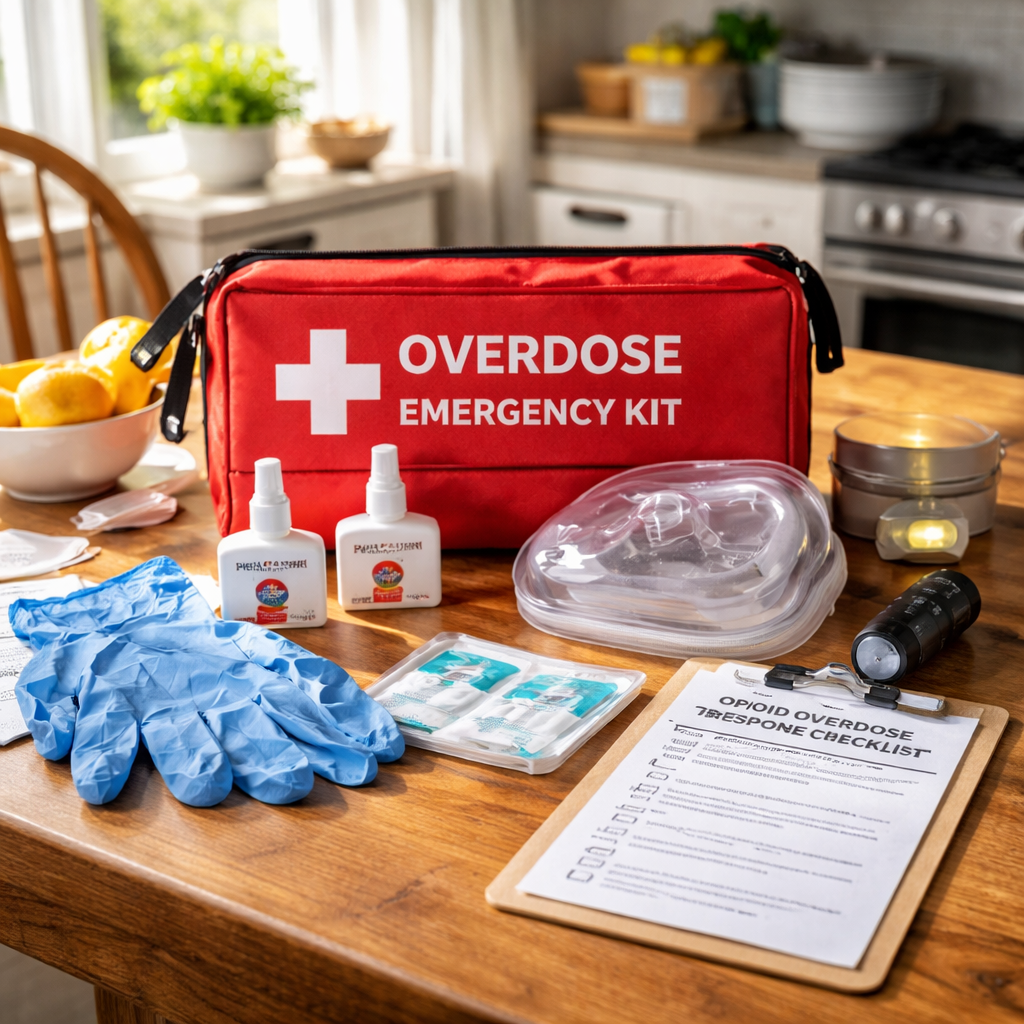
Make a quick checklist and stick it on the fridge. Write down: naloxone location, glove size, mask location, flashlight spot, and a note to call 911 again if the person doesn’t wake.
For a broader view on how to set up a safe space, see Family Intervention Services: A Practical Guide to Support and Healing.
Learn more about picking the right tech tools for emergency plans at How to Choose and Use an AI SEO Audit Tool in 2026, and see Best Social Media Scheduling Software for Marketers in 2026 for alert reminders.
Step 3: Call Emergency Services and Communicate Clearly
When you see the signs, pick up the phone right away and dial 911. Say the address, the name of the person, and that you suspect an opioid overdose.
Give the dispatcher any meds you’ve already used, like a naloxone dose, and tell them the person’s age and any allergies. This helps them prep the right care.
Stay on the line until they tell you it’s okay to hang up. Listen to every instruction, even if it seems simple. They’ll guide you through rescue breaths or a second naloxone shot.
Keep your voice calm; panic can make the dispatcher miss details. Glance at the family opioid overdose checklist you’ve posted on the fridge to remember each piece of info you need to share.
Speak slowly and repeat the address if you think the operator didn’t catch it. Use short, clear sentences. “I’m at 123 Maple Street, two adults, one child, overdose suspected.”
While you wait, keep the person on their side, watch their breathing, and be ready to give a second dose if there’s no change after two minutes.
For what to do after the call, check out our family crisis intervention guide. It walks you through post call steps and how to support the person once help arrives quickly. Your quick actions can save a life.
Step 4: Administer Naloxone Safely
Now the person is breathing but still fuzzy, it’s time to give naloxone the right way.
Grab the naloxone kit from the spot you marked on your family opioid overdose checklist. Keep your hands steady and pull off the safety cap.
Press the injector or spray into the outer thigh, right through the clothing if you need to. Hold it for about ten seconds so the dose fully enters.
Mark the time on your phone or a watch. That number tells you when a second dose might be needed.
Watch the person’s breathing. If after two minutes they’re still not waking or breathing is shallow, give a second dose in the same spot.
Stay with them, keep them on their side, and keep talking so they know you’re there. The checklist reminder to “monitor response” helps you stay focused while the dispatcher stays on the line.
When help arrives, hand over the kit, note how many doses you gave, and share the time stamps. This simple record speeds up the EMTs’ work and can prevent extra dosing.
For a deeper look at how families can prepare, see our full guide for family intervention specialists. It gives you peace of mind and lets you focus on the person, not the paperwork.
Step 5: Perform Basic Life‑Support Until Help Arrives
Now that naloxone is in, you need to keep the person breathing and safe while EMTs are on the way.
Keep them on their side – the recovery position stops the tongue from blocking the airway. One hand props the head, the other steadies the upper leg. If they start to vomit, the side‑lying pose lets it drain out.
Watch the chest rise every few seconds. If breaths stay shallow after two minutes, give a second naloxone dose in the same thigh. Note the second time on your phone – the clock helps you tell the dispatcher if more help is needed.
Talk to them in a calm voice. Simple phrases like “I’m here, help is coming” keep their brain from slipping into panic. The family opioid overdose checklist reminder to “monitor response” is your cue to stay focused.
If the person stops breathing again, start rescue breaths again: pinch the nose, give a slow puff, watch the chest rise. Keep the rhythm steady until the operator says it’s okay to hang up.
For a broader view on keeping calm under pressure, see our family systems intervention guide.
Step 6: Post‑Overdose Follow‑Up and Prevention
After the ambulance leaves, the work isn’t over. You still need to make sure the person stays safe and gets the help they need.
First, write down everything that happened – time you saw the signs, when you gave naloxone, any second dose, and how long breathing stayed shallow. A short note helps the EMTs and the doctor see the full picture.
Next, call the person’s prescriber or a local addiction service within 24 hours. Tell them what you did and ask for a follow‑up appointment. Early contact can stop a repeat overdose before it starts.
While you wait for professional help, keep the naloxone kit in a place only trusted adults can reach. Mark the expiration date and replace any used doses right away. Store it away from heat and kids.
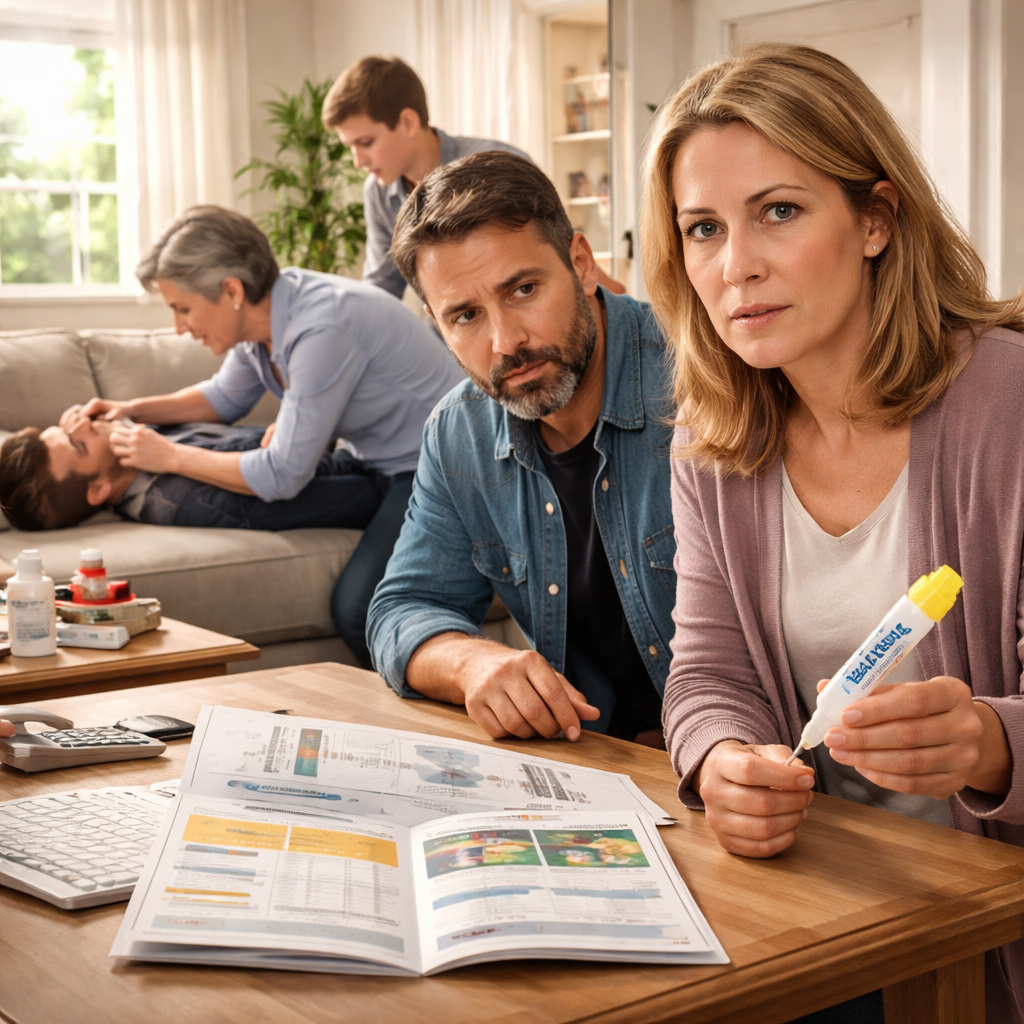
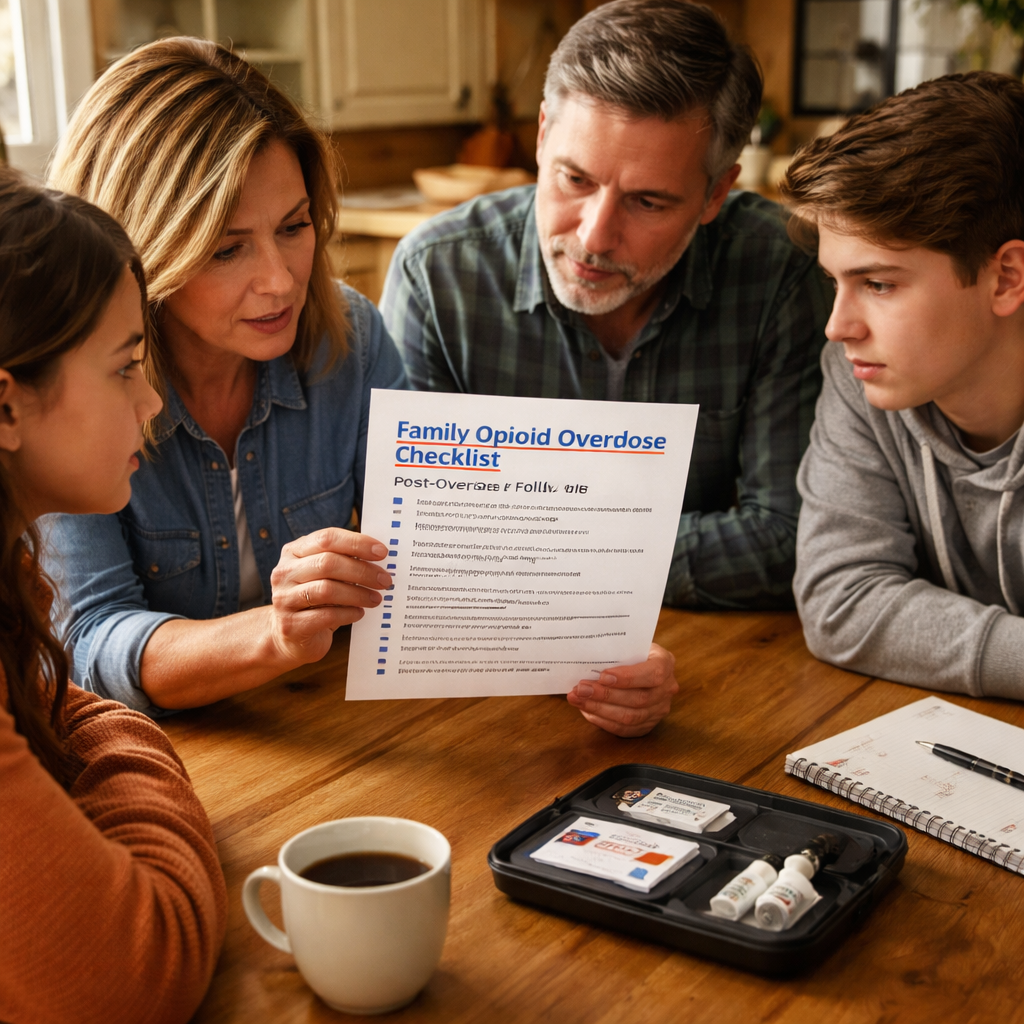
Finally, sit down with the family and review the family opioid overdose checklist together. Talk about what worked, what felt scary, and what you’ll do differently next time. Turning the event into a learning moment builds confidence for the next crisis.
Consider enrolling the loved one in a medication‑assisted treatment program or a support group. Having a plan for safe medication storage and a trusted buddy can cut future risk.
For more detailed steps on post‑overdose care, check out our family crisis intervention guide.
FAQ
What belongs on a family opioid overdose checklist?
A good checklist lists the phone number for 911, the exact address, a quick description of the signs you see, and the location of your naloxone kit. It also notes any allergies, the person’s meds, and a short script you can read to the dispatcher. For extra peace of mind, add a reminder to call the primary doctor afterward. You can see a full example in the Family Crisis Intervention guide.
How often should the checklist be reviewed?
Check it at least once a month. A quick walk‑through helps you spot expired naloxone, missing batteries, or outdated contact info. Set a calendar reminder on your phone so the review becomes a habit, not a chore. If you notice any changes in the loved one’s meds or health, update the list right away.
Where is the safest place to store naloxone and the checklist?
Store them where anyone can grab them fast – think the kitchen counter, a bathroom shelf, or a bedside table. Keep the kit in a clear container and tape the checklist to the fridge or the same spot. Make sure the spot is out of reach of children but visible to adults.
What do I do right after I give naloxone while waiting for EMS?
Keep the person on their side and watch their breathing. Count to 120 seconds before you think about a second dose. Talk calmly, cover them with a blanket if it’s cold, and clear any vomit that could block the airway. Write down the time you gave naloxone – it helps EMTs know what’s happened.
How can I practice the checklist without feeling panicked?
Do a low‑stress drill once a month. Run through each step out loud while a family member watches. Use a timer to practice the two‑minute wait between doses. Treat it like a fire‑exit walk‑through – the more you repeat it, the less scary it feels. For tools that help you stay organized, check out the best social media automation tools – they can remind you to review the checklist.
Who can help me create a personalized overdose checklist?
Reach out to a local addiction counselor or a health‑care provider who knows the person’s history. They can suggest extra items like a spare inhaler or a list of current prescriptions. Many families find that a short call with a professional clears up doubts and adds confidence.
Conclusion
You’ve built a family opioid overdose checklist that tells you exactly what to grab, who to call, and how to act when seconds count. That list turns panic into a clear set of steps.
Keep the checklist where you can see it—on the fridge, by the phone, or in your medicine cabinet. Review it each month, replace any expired naloxone, and run a low‑stress drill with a loved one. The more you repeat the steps, the steadier your hands will feel.
If you need extra guidance, Next Step Intervention offers families a simple plan‑building service that fits right into your routine. A quick call can give you a personalized checklist and connect you with local counselors.
Take the next step today: write down the last time you checked your kit, set a reminder, and know that you are ready to save a life.