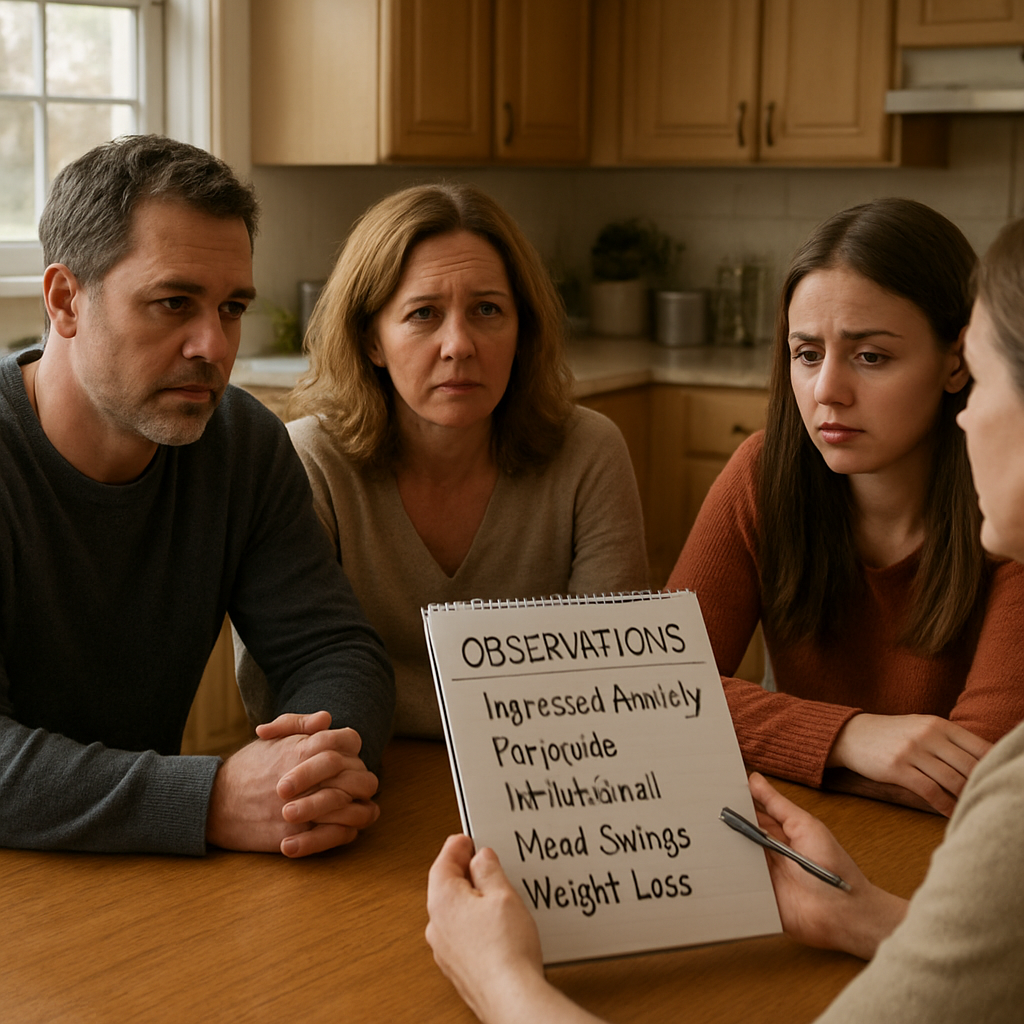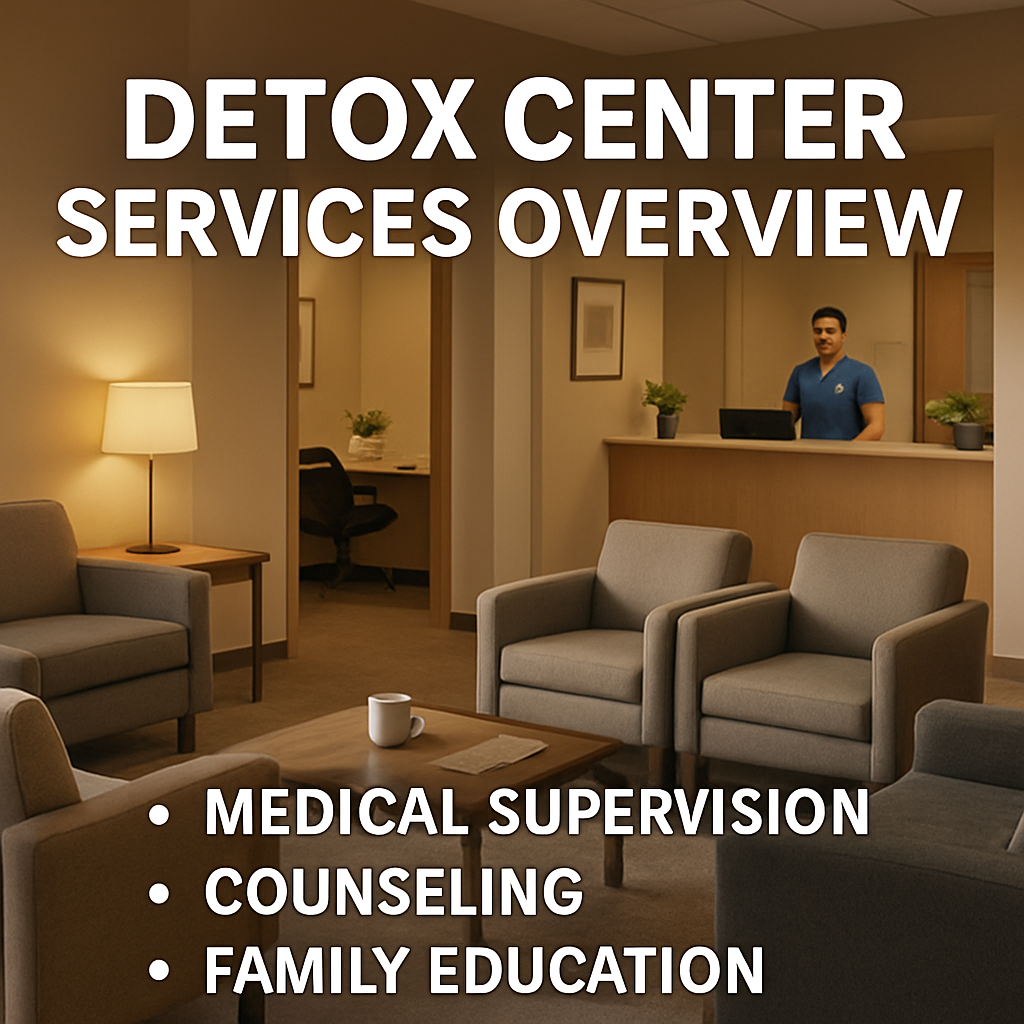

If you’ve ever felt that knot in your stomach when a loved one’s drinking spirals out of control, you’re not alone. The night you hear the clink of a bottle, the missed appointments, the whispered arguments – it all adds up to a silent crisis that families try to manage on their own.
That’s where a family intervention specialist steps in. Think of them as a trained guide who helps you turn that chaos into a structured conversation, keeping emotions in check while presenting clear options for recovery. In a real‑world case, the Martinez family in Pasadena gathered around a kitchen table, terrified that their teenage son would slip further into heroin. With a specialist’s help, they staged a calm, factual discussion that led him to enter a residential program within days.
So, what does a specialist actually do? First, they assess the family dynamics and the individual’s substance use patterns. Next, they design a personalized intervention plan – often a mix of one‑on‑one counseling, group sessions, and a written intervention letter. Finally, they facilitate the meeting, ensuring everyone speaks from a place of love rather than accusation.
Here are three actionable steps you can start today:
- Write down specific incidents (dates, behaviors) that illustrate the problem – this creates concrete evidence for the conversation.
- Identify two trusted family members or close friends who can support you emotionally and help keep the discussion on track.
- Reach out to a qualified professional, such as an interventionist for hire in Los Angeles, to get a free consultation and learn what the process looks like for your situation.
Take the first step now – reach out, gather your support crew, and let a family intervention specialist help turn uncertainty into a clear path forward.
TL;DR
A family intervention specialist guides you through the painful chaos of addiction, turning fear and uncertainty into a clear, compassionate plan that empowers both the loved one and the whole family. Start now by documenting incidents, rallying trusted supporters, and contacting a qualified specialist who can lead a focused, loving conversation toward lasting recovery.
Understanding the Role of a Family Intervention Specialist
Ever wondered what a family intervention specialist actually does from sunrise to sunset? It’s not just a one‑time meeting; it’s a full‑time, on‑the‑ground partnership that blends assessment, planning, and hands‑on support.
First, the specialist steps into the family’s reality, listening to stories that feel like a jumbled mixtape of worry, anger, and hope. They map out patterns – who’s calling the emergency line, which arguments keep resurfacing, and what triggers the substance use. This diagnostic work is the foundation for a tailored intervention plan.
What a day looks like on the front lines
Take Katie Guajardo, a family intervention specialist at Youth Villages. Her day starts at 6 a.m. reviewing her caseload, then she’s on the road for a “Morning Wake‑Up Session” that helps a teen establish a stable routine (a day in the life of a family intervention specialist). By mid‑morning she’s back in the office with an intern, polishing treatment plans and debriefing the previous week’s outcomes. After a team meeting at 10:30 a.m., she spends two hours consulting with families, identifying emotional triggers, and rehearsing coping strategies.
By late afternoon she’s at an after‑school program teaching stress‑management techniques, then later that evening she helps a youth transition back home after a temporary placement. The schedule is relentless, but each touchpoint builds trust and keeps the family’s recovery momentum moving forward.
Key responsibilities broken down
1. Assessment & Rapport Building – Conduct home visits, interview each family member, and gather concrete data (dates, behaviors, medical records).
2. Customized Planning – Draft a step‑by‑step intervention script, decide on the meeting format (in‑person, virtual, or hybrid), and select supportive resources.
3. Facilitation of the Intervention – Lead the conversation, keep emotions in check, and present clear options (detox, outpatient therapy, residential program).
4. After‑care Coordination – Connect the loved one with ongoing counseling, schedule follow‑up family therapy, and provide coping tools for parents.
Each of these pillars is backed by data. According to the National Association of Social Workers, the average salary for a family intervention specialist is $49,617 per year, reflecting the specialized expertise required (salary data for family intervention specialists).
Real‑world examples that illustrate the impact
The Martinez family in Pasadena, featured earlier, avoided a potential overdose when the specialist coordinated a calm, fact‑based meeting and secured a spot at a residential program within 48 hours. In another case, a single mother in Riverside struggled with her son’s meth use; the specialist introduced a “family‑first” contract that outlined clear boundaries and consequences, leading the teen to enroll in an outpatient program and reduce relapses by 60% over three months.
These stories share a common thread: the specialist doesn’t just hand over a brochure – they walk the family through each step, rehearse what to say, and stay on call for emergencies.
Actionable steps you can start today
- Schedule a brief “needs audit” with a specialist – even a 30‑minute consultation can reveal hidden patterns.
- Create a simple timeline of incidents (date, behavior, consequence) to bring to the first meeting.
- Identify two trusted allies (a sibling, a close friend, or a spiritual leader) who can sit in on the intervention for emotional backup.
- Explore private interventionist services in Los Angeles if you need a discreet, customized approach.
And remember, the work doesn’t end once the loved one enters treatment. Ongoing family therapy, support groups, and coping workshops keep everyone aligned.
Understanding the role of a family intervention specialist equips you with realistic expectations and empowers you to partner effectively. You’re not alone in this; the specialist is the bridge between chaos and a sustainable recovery plan.

Key Skills and Competencies for Family Intervention Specialists
Ever wonder what actually makes a family intervention specialist click into gear when the pressure’s on? It’s not just a fancy résumé – it’s a blend of hard‑won skills that turn chaos into a roadmap.
Listening with intent, not just ears
First up, active listening. These pros sit with a family, hear the same story told a dozen ways, and still pull out the core facts. It’s the kind of listening you’d expect from a therapist, but with an extra layer of crisis‑management training. When a parent describes a night of missed doses, the specialist can separate the emotional overload from the actionable data you need for the intervention plan.
That skill isn’t just a “nice‑to‑have.” The Mobile Police Department’s Family Intervention Team notes that their specialists are “trained to strengthen the family structure” by using counseling and motivational interviewing to boost real behavior change.Learn more about their approach.
Assessment acumen
Next, assessment chops. Before any meeting, they gather concrete details – dates, incidents, health records – and map out patterns. The job board for social workers describes the role as requiring “assessment & rapport building,” which is essentially the forensic side of the job, turning anecdotes into a clear timeline you can actually use.See the job description.
Imagine you’ve got a sticky note list of three angry episodes. The specialist turns that into a visual chart that shows escalation points, making the conversation feel less like an accusation and more like a shared reality check.
Facilitation finesse
Facilitation is where the rubber meets the road. It’s about guiding a high‑stakes conversation without letting emotions explode. Think of a seasoned conductor who keeps every instrument in sync while the orchestra swells. They set ground rules, keep each voice heard, and pivot when someone starts to shut down.
They also know how to rehearse the script with you ahead of time. That rehearsal feels awkward at first – you’re practicing a painful conversation over coffee – but it builds muscle memory so the actual meeting feels almost natural.
Motivational interviewing & behavioral coaching
These tools aren’t buzzwords; they’re proven techniques. Motivational interviewing helps the specialist ask open‑ended questions that spark the loved one’s own desire for change, rather than imposing external pressure. Behavioral coaching then provides concrete steps – like “attend three sober meetings in the next two weeks” – that make the recovery path feel doable.
And because every family is unique, the specialist tailors the language to fit cultural, religious, or age‑related nuances. That customization is why you’ll hear them say, “We’ll frame this in a way that makes sense for your family’s values.”
After‑care coordination
Most people think the job ends once the intervention is over. Not true. The specialist stays in the loop, linking you to ongoing therapy, support groups, and crisis hotlines. They’re the thread that keeps the family from unraveling after the initial push.
In practice, that might mean setting up weekly check‑ins or helping you navigate insurance paperwork for outpatient services. It’s the difference between a one‑time event and a sustainable recovery plan.
So, what does all this look like in a real day?
Watch the short video above for a behind‑the‑scenes glimpse of a specialist walking a family through a live intervention. Notice the calm tone, the clear agenda, and the way they keep everyone anchored to the shared goal.
Quick checklist for families
- Confirm the specialist is trained in active listening and motivational interviewing.
- Ask about their assessment process – do they collect concrete incident data?
- Make sure they’ll stay involved after the meeting for after‑care support.
- Check that they can adapt the script to your family’s cultural context.
If you’re feeling the weight of “what now?” remember: the right specialist brings a toolbox of skills that turns a scary moment into a structured plan. Reach out, ask the right questions, and let that expertise guide you toward a steadier future.
Certification and Training Paths for Family Intervention Specialists
So you’ve decided you want to become a family intervention specialist, but the road to that title can feel like a maze of acronyms and state forms. Trust me, you’re not alone – most people start by wondering whether they need a degree, a license, or just a handful of workshops. The good news? There are clear, step‑by‑step paths you can follow, and you can tailor them to where you live and the kind of families you want to serve.
1. Understand the baseline: What the law actually requires
In many states, including Virginia, anyone who provides early‑intervention services (which covers family intervention work) must be certified by the department of behavioral health. The law spells out a menu of eligible professions – from licensed social workers to certified counselors – and insists on a minimum of a high‑school diploma plus specialized training modules that test at least 80% competency. While the wording sounds bureaucratic, it simply means you need a solid foundation in counseling or a related helping‑profession field before you can call yourself a specialist.
2. Choose your credential track
There are three common routes:
- Professional licensure: If you’re already a Licensed Clinical Social Worker (LCSW), Licensed Professional Counselor (LPC), or Marriage & Family Therapist (MFT), you’re essentially halfway there. Most states only require you to add a focused continuing‑education (CE) course on family interventions.
- Certification programs: Organizations like the National Association of Alcohol and Drug Abuse Counselors (NAADAC) and the International Association of Intervention Professionals (IAIP) offer certificate tracks that range from 40 to 80 hours. These programs usually combine motivational interviewing, crisis de‑escalation, and legal/ethical considerations.
- Specialized state‑approved training: Some states, again Virginia being a prime example, let you become an “early intervention specialist” after completing state‑mandated online modules. The modules cover infant‑toddler development, family‑centered practice, and multidisciplinary teamwork.
3. Map out the concrete steps
Here’s a practical checklist you can follow right now:
- Identify your current qualification (degree, license, or none).
- Research state requirements – start with your state’s health department website or the Virginia Administrative Code for a clear list of eligible professions.
- Pick a certification program that aligns with your schedule. Many online options let you finish in 6‑8 weeks.
- Enroll in the required CE courses – look for ones that include a hands‑on practicum or role‑play with mock families.
- Pass the competency test (usually a 80%+ score) and receive your certificate.
- Register with a professional directory or a local agency (like a community health center) to start getting referrals.
Tip: Keep a folder of all your completed modules, certificates, and any supervision hours. When a family asks, “Are you qualified?” you’ll have the paperwork ready to show.
4. Real‑world examples that illustrate each path
Take Maria, a licensed counselor in Richmond, Virginia. She completed the state‑approved early‑intervention modules, logged 12 hours of supervised practice, and now runs a weekend “Family Recovery Night” that draws over 30 families each month.
Then there’s Jake, a former social worker in Los Angeles who didn’t have a license. He enrolled in a NAADAC‑approved 60‑hour certification, did a practicum with Next Step Intervention, and within three months landed a contract with a local hospital’s addiction department.
Lastly, consider Priya, a recent graduate with a bachelor’s in psychology. She combined a state‑approved CE series with a mentorship under a certified specialist, and now offers “rapid‑response” interventions for schools in San Diego.
5. Ongoing education and staying current
Certification isn’t a one‑and‑done ticket. The field evolves – new motivational interviewing techniques, telehealth regulations, and culturally responsive approaches appear every year. Set a reminder to complete at least 12 CE hours annually. Many professional bodies offer free webinars; the Professional Interventionist Guide: Resources and Strategies for Effective Support is a solid hub for staying sharp.
6. Quick reference table
| Path | Typical Requirements | Estimated Cost & Time |
|---|---|---|
| License‑based (LCSW, LPC, MFT) | Existing state license + 40‑hour CE | $300‑$600; 1‑2 months |
| Certification program (NAADAC/IAIP) | High‑school diploma + 60‑hour online training | $800‑$1,200; 6‑8 weeks |
| State‑approved early‑intervention specialist | Qualified discipline (e.g., social work) + state modules | Free‑to‑low cost; 4‑6 weeks |
Bottom line: the certification journey is a series of doable steps, not a mysterious credential that only a few elite professionals hold. Pick the track that matches your background, follow the checklist, and keep learning. In a few months you’ll be ready to walk families through the very interventions we’ve been talking about, with confidence and a solid credential to back it up.
How to Conduct Effective Family Interventions
Picture this: you’ve gathered a handful of loved ones around the kitchen table, the air is thick with worry, and you all know the conversation has to happen—but no one wants to be the one who sparks a fight. That moment feels like walking a tightrope, right?
Don’t panic. A well‑planned family intervention can turn that tension into a clear, compassionate roadmap. Below is a step‑by‑step playbook that a family intervention specialist uses, and you can borrow it for your own situation.
1. Assemble a trusted team
Start by picking 4–6 people who matter to the person struggling – a sibling, a close friend, maybe a faith leader. The Mayo Clinic notes that a successful team includes folks the individual respects and a professional to keep the conversation on track according to clinical guidance. Avoid anyone who tends to trigger anger; if you’re unsure, let them write a short letter that someone else can read.
Tip: Give each team member a one‑sentence role (e.g., “share the timeline,” “offer the treatment option”). That clarity prevents people from talking over each other.
2. Collect concrete evidence
Grab a notebook and write down dates, specific behaviors, and the ripple effects on the family. Think of it like a photo album of the problem – the more exact, the harder it is to dismiss. You’ll use these facts as the foundation for the intervention script.
Remember the principle from Positive Psychology: active listening starts with “I hear you said…” and then reflects the actual behavior, not the emotion. When you quote a specific incident (“On March 12th you missed work after a night of drinking”), you keep the focus on facts, not blame as family‑therapy experts recommend.
3. Choose the setting and format
Pick a neutral space – a living‑room, a quiet coffee shop, or even a virtual meeting if travel is an issue. Decide whether the meeting will be in‑person, hybrid, or fully virtual. Consistency helps everyone feel safe.
Ask yourself: Will the person feel more threatened in a formal office, or does a familiar couch ease the tension?
4. Draft and rehearse the script
Write a short opening that starts with “We love you and we’re worried because…” – notice the soft start‑up technique that swaps blame for feeling. Then outline the three‑point plan you’re offering: treatment option, support resources, and a clear deadline.
Practice with a teammate. Role‑play feels awkward, but it builds muscle memory so the real conversation flows naturally. If you stumble, you’ll know exactly where to pause and breathe.
5. Run the intervention
When the day arrives, follow the script, but stay flexible. Let each team member speak in the order you’ve set, using “I” statements and keeping tone calm. The specialist’s role (or your own if you’re leading) is to redirect any rising anger back to the facts you’ve documented.
If the person reacts with denial or anger, acknowledge the feeling (“I hear this feels overwhelming”) and then gently bring the focus back to the concrete examples you prepared.
6. Secure immediate next steps
End the meeting with a tangible action: a signed treatment agreement, a scheduled intake call, or a ride to a detox facility. Having a visible next step reduces the “what now?” paralysis.
Even if the person says “no” right then, the specialist stays on call to follow through on the agreed‑upon plan – that persistence often makes the difference.
7. Follow‑up and after‑care
Within 24‑48 hours, check in with the team. Celebrate any progress, no matter how small, and adjust the support plan if needed. Ongoing family therapy, support groups, or a brief weekly check‑in with the specialist keeps momentum alive.
Quick checklist:
• Team of 4‑6 trusted allies
• Concrete incident timeline
• Neutral venue
• Soft‑start‑up script
• Rehearsal session
• Clear next‑step agreement
• 48‑hour follow‑up
So, what’s the next move for you? Grab a pen, list three specific incidents, and call a local family intervention specialist for a free 30‑minute consultation. The sooner you turn worry into a plan, the quicker the family can start healing together.
Ethical and Legal Considerations in Family Intervention
When you step into a family’s crisis, the stakes are more than emotions – they’re also legal obligations and ethical lines that can’t be crossed.
A family intervention specialist must juggle compassion with the rulebook, because a single misstep can jeopardize a client’s rights, a court case, or even your professional license.
Confidentiality and the Right to Privacy
The cornerstone of any peer‑support role is confidentiality; you promise to keep what’s said in the room private unless the law forces you to speak up. The California Peer Support Specialist Ethics Code states that disclosure is permissible only to protect a client from imminent harm or when a court order compels you to do so. Read the full ethics code here.
That means you can’t share a teenager’s relapse story with a neighbor, but you must report suspected child abuse to Child Protective Services right away.
Informed Consent and Clear Boundaries
Before the first meeting, walk the family through a simple consent form that spells out your role, the limits of confidentiality, and the fact that you are not a licensed therapist or attorney. Ask them to confirm they understand you’ll be a neutral facilitator, not a decision‑maker.
Document the conversation in writing, and keep the signed form in a secure file. If the family later asks for legal advice, gently remind them that you’re there to guide the process, not to replace a lawyer.
Mandatory Reporting: When Good Intentions Meet the Law
California law obligates anyone who works with children to report suspected abuse, neglect, or imminent danger. Failure to report can result in criminal charges and loss of your specialist credential.
During the intervention, if you hear a parent threaten self‑harm that could endanger a child, or you see physical injuries that look suspicious, call your local CPS hotline immediately. The same rule applies if you learn about a potential illegal substance purchase that could expose a minor.
Legal Landscape: Child Support, Custody, and Intervention
Interventions often surface when a family is already tangled in the courts – think child‑support orders, custody battles, or a Family Support Division (FSD) case. The California Family Support Division handles child‑support calculations, enforcement, and medical‑insurance issues, but it does not resolve divorce or visitation disputes.Learn more about the FSD process here. Knowing which court entity handles which issue helps you steer the conversation away from legal advice and toward concrete next steps, such as gathering income documentation for a support modification.
Remember: a child‑support order usually ends when the child turns 18 (or 19 if still in high school). If the family wants support beyond that, it must be written into a separate agreement or court order.
Professional Boundaries with a “Specialist” Mindset
It’s easy to blur lines when you’re deeply invested in a family’s healing. Keep these guardrails in place:
- Never sign legal documents on behalf of a parent.
- Avoid diagnosing mental‑health conditions unless you hold a clinical license.
- Stay clear of dual relationships – you can’t be both a close friend and a facilitator in the same intervention.
- Maintain written records of every session, noting who was present, what was discussed, and any follow‑up actions.
Actionable Checklist for Staying on the Right Side of Law and Ethics
- ✅ Obtain a signed informed‑consent form that outlines confidentiality limits.
- ✅ Review the California Peer Support Specialist Ethics Code for reporting obligations.
- ✅ Verify whether the family is involved in a Family Support Division case or any other court proceeding.
- ✅ Prepare a list of mandatory‑reporting hotlines (CPS, law enforcement, medical examiner).
- ✅ Keep a secure, dated log of all intervention meetings and any disclosures.
- ✅ If a legal question arises, refer the family to a qualified attorney or legal aid service.
Cross‑checking each item before you walk in can save you from costly missteps later.

By treating the legal and ethical playbook as part of your intervention toolbox, you protect the family, the process, and your professional reputation. Need a quick refresher on the ethics code or the latest FSD guidelines? Reach out to a qualified specialist today and make sure your next intervention is both compassionate and compliant.
Additional Resources and Professional Networks
When you’ve gotten the basics down, the next game‑changer is knowing where to turn for ongoing support. A good family intervention specialist never works in a vacuum – they lean on a web of resources that keep families moving forward.
State‑run family resource centers
In California, Family Resource Centers (FRC) are staffed by parents who’ve walked the same road you’re on now. They provide parent‑to‑parent guidance, multilingual materials, and links to early‑intervention services. Because the staff are peers, the advice feels less clinical and more like a neighbor sharing a cup of coffee.
Want to see how they operate? California’s Department of Developmental Services outlines the FRC model, including how they partner with regional centers and hospitals to keep families connected.
Professional training and certification hubs
If you’re thinking about deepening your own expertise or helping a loved one find a qualified specialist, the MyODP platform offers a range of courses that meet state requirements. Their modules cover everything from ethical considerations to crisis de‑escalation techniques.
Check out the MyODP training catalog for a quick peek at what’s available – it’s a solid way to verify a specialist’s credentials before you hand over your family’s story.
Local peer‑support groups
Nothing replaces the power of hearing someone else say, “I’ve been there.” Look for Al‑Anon, SMART Recovery, or community‑run sober‑family circles. Many meet in churches, community centers, or even on Zoom, so you can join from your kitchen table.
Tip: Ask the specialist to introduce you to a group that matches your family’s cultural background. A familiar setting can make the first step feel less intimidating.
Professional networks you can tap
National bodies like the NASW, NAADAC, and the International Association of Intervention Professionals maintain directories of certified specialists. Browsing those listings lets you compare experience, training hours, and client reviews before you schedule a consultation.
Don’t forget regional licensing boards – they often post “approved provider” lists that are specific to your state’s legal requirements.
Online forums and resource libraries
Sites like Reddit’s r/AddictionRecovery or Facebook support groups can be a lifeline for quick advice, but treat them as supplemental. Verify any recommendations you get there with a qualified specialist.
And remember, the best resource is a combination of professional guidance and community empathy. Pairing a certified family intervention specialist with the right peer networks gives you a safety net that’s both knowledgeable and heartfelt.
Quick checklist
- Locate your nearest Family Resource Center for parent‑to‑parent support.
- Verify specialist credentials through MyODP or a national certification directory.
- Join a local sober‑family or Al‑Anon meeting for ongoing emotional backup.
- Keep a running list of hotlines, state licensing boards, and trusted online forums.
Feeling a little overwhelmed? That’s normal. Start with one item on the list, take a breath, and reach out. The right network can turn uncertainty into a clear path forward.
Conclusion and Call to Action
We’ve walked through what a family intervention specialist actually does, the skills they bring, and how you can start building your own support network.
So, where do you go from here? The first step is often the hardest, but it’s also the most powerful – pick one item from the checklist you just read and reach out.
If you’re feeling the weight of “what now?”, imagine a calm, experienced professional guiding you through the conversation, handling the tough moments, and staying on call for after‑care. That’s exactly what Next Step Intervention offers.
Take a breath, grab your notebook, and give us a call today. A quick, free 30‑minute consultation can turn uncertainty into a clear, compassionate plan.
Remember, you don’t have to navigate this alone. Together with a qualified family intervention specialist, you can create a roadmap that protects your loved one and restores hope for the whole family.
Ready to make that first move? Click the button below or dial our emergency line – because every day you wait is a day the crisis could grow.
When you choose Next Step Intervention, you’re not just getting a service—you’re gaining a partner who will stand with you through each setback and celebrate every breakthrough, no matter how small.
Frequently Asked Questions
What exactly does a family intervention specialist do?
A family intervention specialist walks into a chaotic situation and turns it into a clear plan. First they meet each family member, collect concrete dates and behaviors, and then craft a script that balances empathy with tough love. During the meeting they keep emotions from spiraling, present treatment options, and stay on call afterward to make sure the next steps actually happen.
How is a family intervention different from a regular family meeting?
Think of a regular family meeting as a casual chat – it can drift and end in blame. An intervention, led by a specialist, has a purpose, a timeline, and a professional facilitator who enforces ground rules. The specialist uses techniques like motivational interviewing to get the person struggling to voice their own desire for change, rather than feeling attacked.
When should I call a family intervention specialist?
If you notice a pattern of risky behavior—missed work, legal trouble, escalating substance use—and you’ve tried talking without any progress, that’s a red flag. A specialist can step in before the situation becomes a crisis, saving weeks or months of damage. Even a single 30‑minute free consult can reveal hidden triggers you might have missed.
What should I prepare before the specialist arrives?
Grab a notebook and list specific incidents: dates, what happened, and who was affected. Gather any relevant medical or legal records you feel comfortable sharing. Identify two trusted allies who can sit in during the intervention. Having this concrete evidence and a small support crew gives the specialist a solid foundation to work from.
Will the specialist handle legal or medical paperwork for me?
They won’t act as a lawyer or doctor, but they’ll walk you through what you need to submit—like insurance forms for treatment or court‑ordered assessments. They can connect you with vetted attorneys or medical providers, and they’ll make sure you understand each deadline so nothing falls through the cracks.
How long does the whole process take?
The initial assessment and script rehearsal usually happen within a week. The actual intervention itself can be a few hours, depending on the family size. After‑care coordination is an ongoing partnership that may last weeks or months, with regular check‑ins to adjust the plan as the loved one progresses.
What if the person refuses to attend treatment after the intervention?
Resistance is common. The specialist will have a follow‑up plan that includes gentle reminders, additional support meetings, and sometimes a “time‑out” clause that outlines consequences. They stay on call for emergencies and can re‑engage the family with a revised script if the first attempt doesn’t stick.