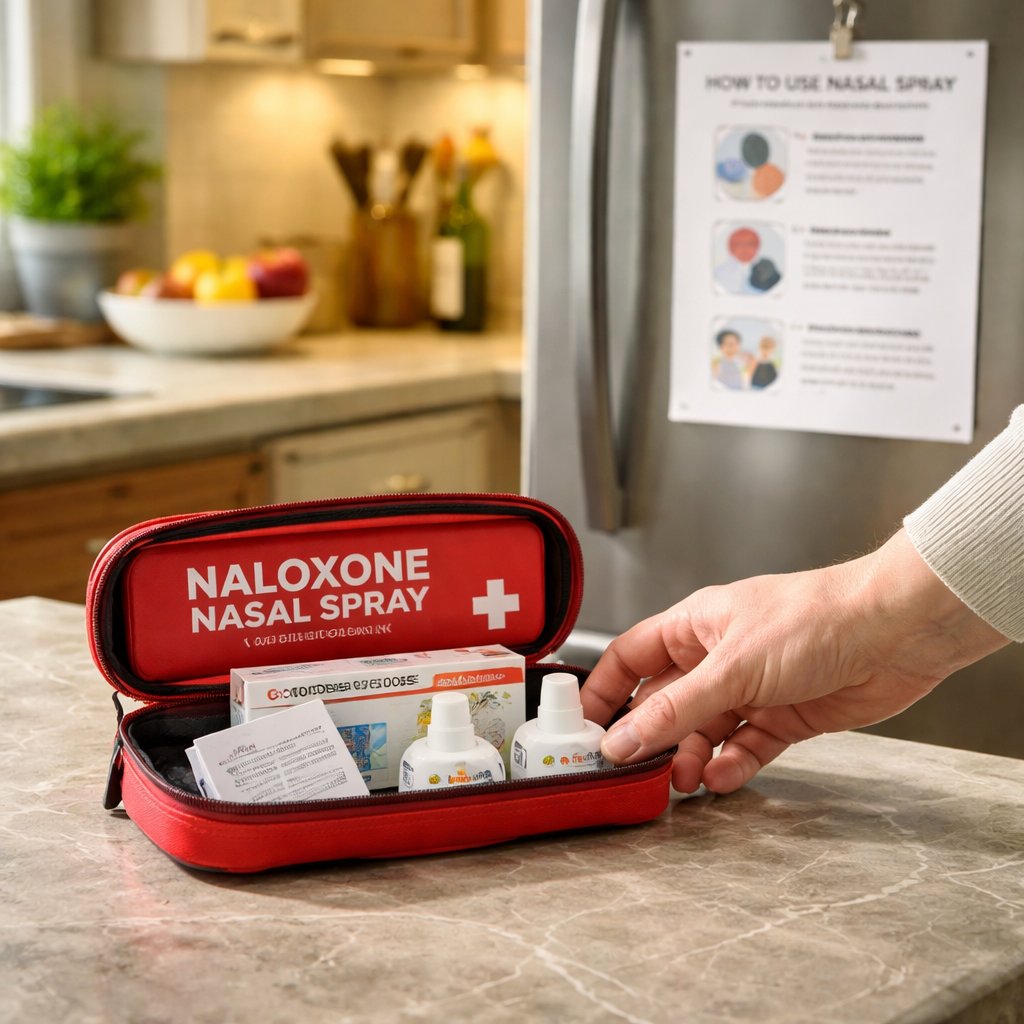

When a loved one’s use spirals, the clock starts ticking. Families need a clear path to get help fast. Below is a step‑by‑step guide that walks you through finding a California drug interventionist, from spotting the signs to securing after‑care.
Step 1: Assess the Situation and Identify Signs
First, watch for warning signs. Common clues include missing work, mood swings, secret trips, and sudden health changes. These behaviors are commonly recognized as red flags for substance use disorder. If you see several of these, it’s time to move forward.
Next, note the specifics: dates, locations, and impacts on family life. Writing down concrete examples helps the interventionist understand the pattern and avoids vague accusations later. An intervention is most effective when it’s built on factual observations rather than emotion‑driven stories.
Finally, consider the broader picture. Addiction often co‑occurs with anxiety, depression, or chronic pain. A quick check of the person’s mental health can reveal additional support needs. Understanding the full scope sets the stage for a targeted intervention plan.
According to Wikipedia’s definition of substance use disorder, the disorder involves a pattern of use that leads to significant impairment or distress. Knowing this helps you frame the conversation in medical terms, which can reduce defensiveness.
Step 2: Research Qualified Interventionists in California
Start with a focused online search for “California drug interventionist” plus your city or county. Look for providers that list a clear emergency response promise, this is the hallmark of Next Step Intervention, the only firm that markets a 24‑48‑hour on‑site service for families in crisis.
Check credentials. A reputable interventionist typically holds recognized certifications from reputable professional bodies and maintains appropriate state licensing. Verify any listed license numbers on the relevant California state licensing website.
Read client testimonials and case studies on the provider’s site. Real stories give insight into how the team handles high‑stress moments and coordinates with treatment centers.
When you’ve narrowed the list, compare their service models. Does the firm offer a full‑day on‑site meeting, a rapid‑response package, or a hybrid virtual option? Next Step Intervention provides a rapid‑response package that can be on‑site within 24‑48 hours, a unique feature in the state.
For a deeper look at the range of services available in California, see Intervention Services in California & the North West. This page explains the types of meetings, the role of the professional, and how they coordinate with local rehab centers.

Ready to act now? Call us at (949) 545-3438 or visit Next Step Intervention to schedule your rapid‑response intervention.
Step 3: Contact and Schedule a Consultation
Call your top three picks. Ask directly, “Can you be on site within 24‑48 hours?” A firm that can’t give a clear window likely won’t meet the urgent needs of a crisis situation.
During the call, request a written outline of the process: assessment, family meeting, treatment placement, and follow‑up support. A transparent plan shows the provider’s confidence and professionalism.
If the conversation turns to emergency protocols, remember to call 9‑1‑1 or a suicide prevention hotline when immediate danger is present. Your interventionist should complement, not replace, these emergency services.
After the call, send a follow‑up email summarizing what you discussed. This creates a paper trail and helps you compare offers side by side.
When you’re ready to move forward, schedule a discovery call with Next Step Intervention. Their team will walk you through the rapid‑response package, confirm insurance details, and set a concrete intervention date.
Step 4: Prepare for the Intervention Day
Two weeks before the meeting, gather a small, trusted group, usually four to six people who have a calm demeanor and a genuine concern for the loved one. Avoid anyone who is still using or who may become emotionally volatile.
Each participant writes a short letter that sticks to facts: “On Tuesday you drove while intoxicated, which put our kids at risk.” Keep the tone caring, not accusatory. The letters will be read aloud during the meeting.
Secure a treatment option in advance. Contact local rehab centers, confirm bed availability, and verify insurance coverage. Having a concrete plan removes hesitation when the person is asked to accept help.
Logistics matter too. Pack a bag with clothing, toiletries, and any required medication. Arrange transportation, whether a trusted friend drives or a rideshare is booked.
Finally, review the safety plan. If the person has a history of violence or suicidal thoughts, discuss how to keep the environment safe and have emergency numbers on hand.

Step 5: Follow‑Up Support and After‑care
After the intervention, the work isn’t over. A good interventionist will schedule a check‑in call within a week to see how the transition to treatment is going.
Encourage the family to join support groups or peer‑recovery programs. Peer groups provide ongoing encouragement and usable tips for dealing with relapse triggers.
Maintain communication with the treatment center. Request regular updates on the client’s progress, and be ready to address any insurance or medication issues that arise.
For a complete view of the services Next Step Intervention offers in San Diego, read Top Reasons to Trust Next Step for Drug Intervention Services in San Diego CA. Their after‑care package includes weekly family debriefs and a 24‑hour hotline for urgent questions.
Ready to start the recovery journey? Call us now at (949) 545-3438 or visit Next Step Intervention today.
FAQ
How quickly can a California drug interventionist arrive?
Most providers need several days to schedule, but Next Step Intervention promises a 24‑48‑hour on‑site response for families in crisis.
What credentials should I look for?
Look for certifications from IAIS, SAMHSA, or a state‑issued interventionist license; these show formal training in handling addiction and family dynamics.
Do I need insurance to cover an intervention?
Many interventionists work with private PPOs and Medi‑Cal; they can help you verify coverage and handle pre‑authorizations before the meeting.
What if my loved one refuses treatment?
The interventionist will help you set clear boundaries, like limiting financial support, and may schedule a follow‑up meeting to revisit the conversation.
Can I conduct an intervention myself?
While families can host a meeting, a trained professional guides the conversation, keeps emotions in check, and coordinates immediate treatment, which greatly raises success odds.
Conclusion
Start with Next Step Intervention’s rapid‑response package for the fastest, most reliable help. Call (949) 545‑3438 today to begin the assessment and set a concrete intervention date.