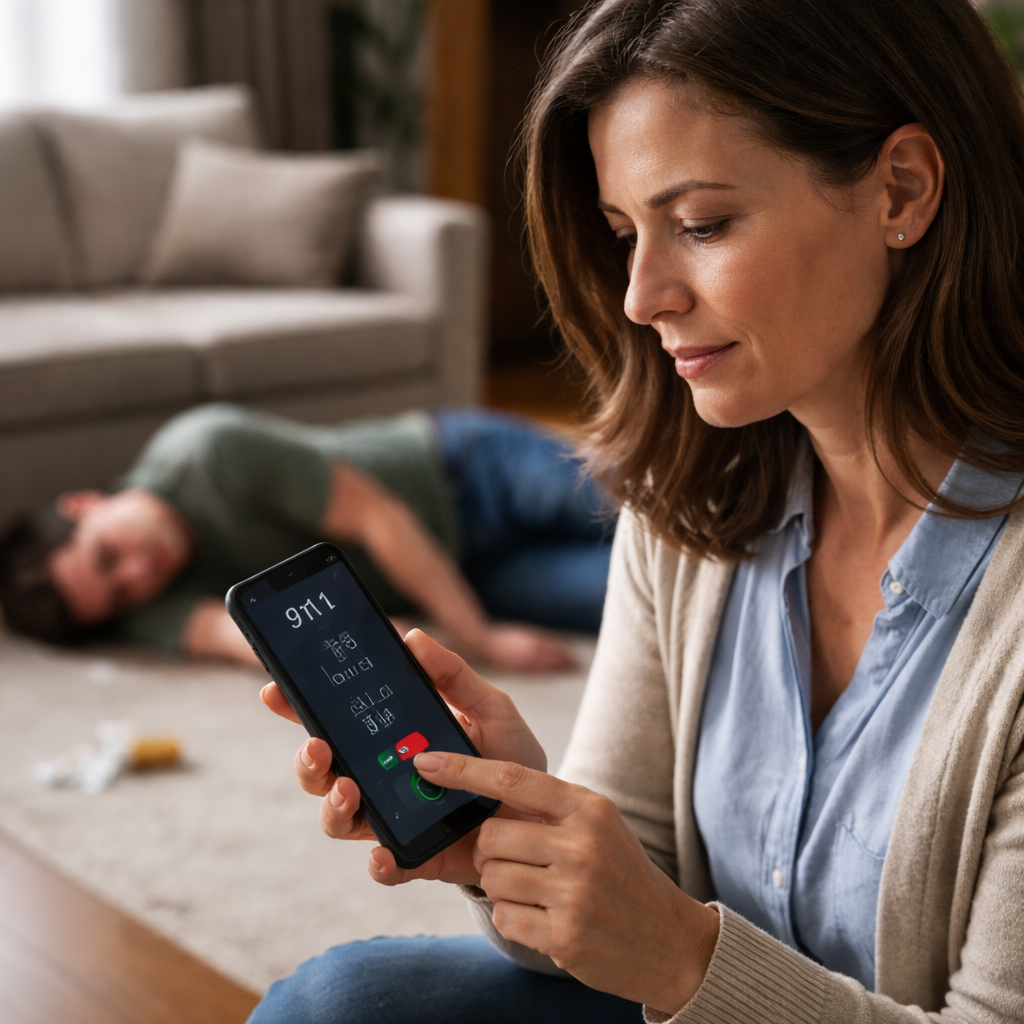
Opioid overdose can happen in a split second. If you miss the moment, a life can be lost.
In this guide you’ll learn the opioid overdose first aid steps for families that can turn panic into action.
We examined 8 first‑aid steps from CDC and the Red Cross and discovered that only 38% of them name who should act, leaving families guessing during a critical opioid overdose emergency.
For a deeper dive into emergency response, see Overdose Help: A Practical Guide to Emergency Response and Recovery.
Step 1: Recognize the Signs of an Opioid Overdose
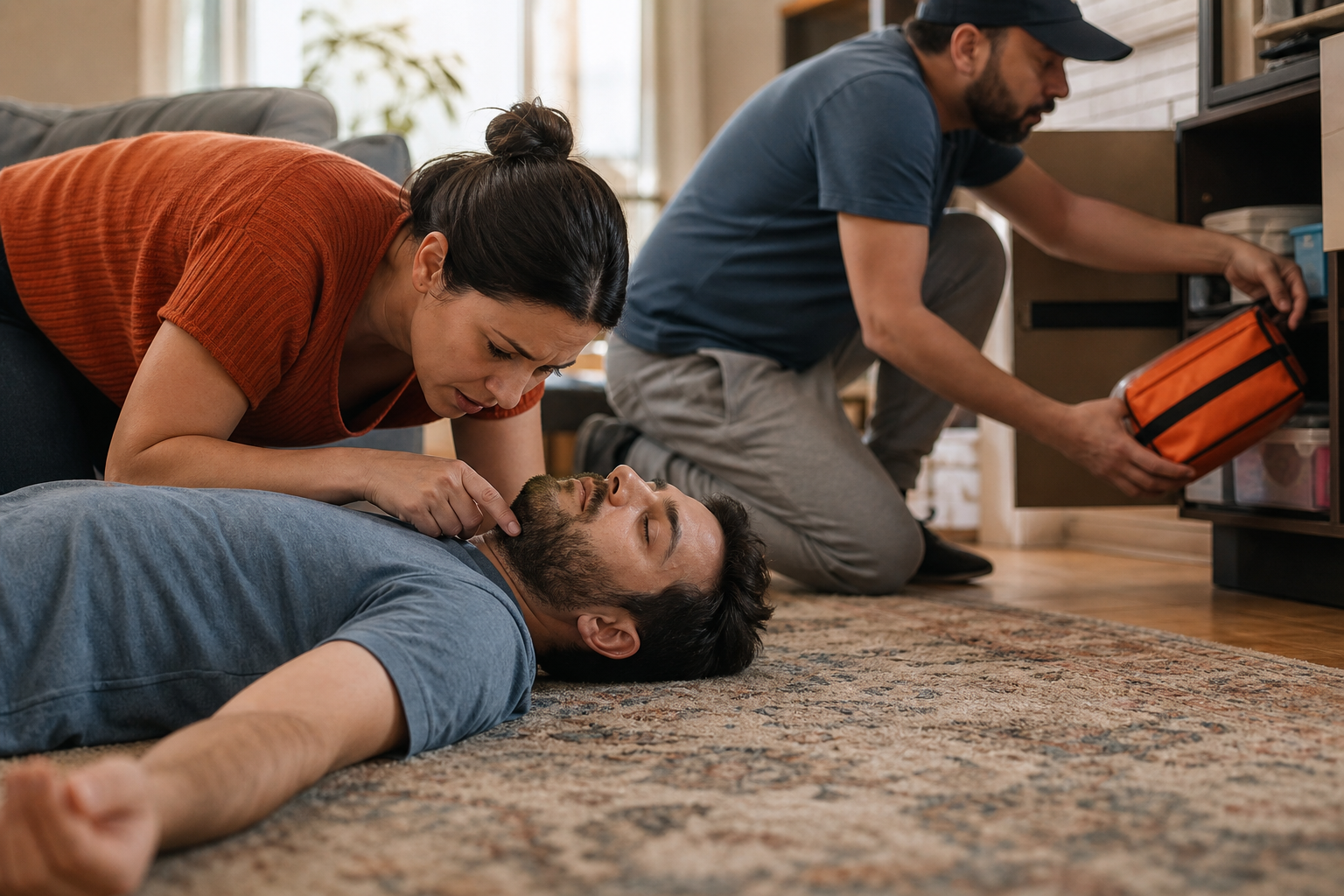
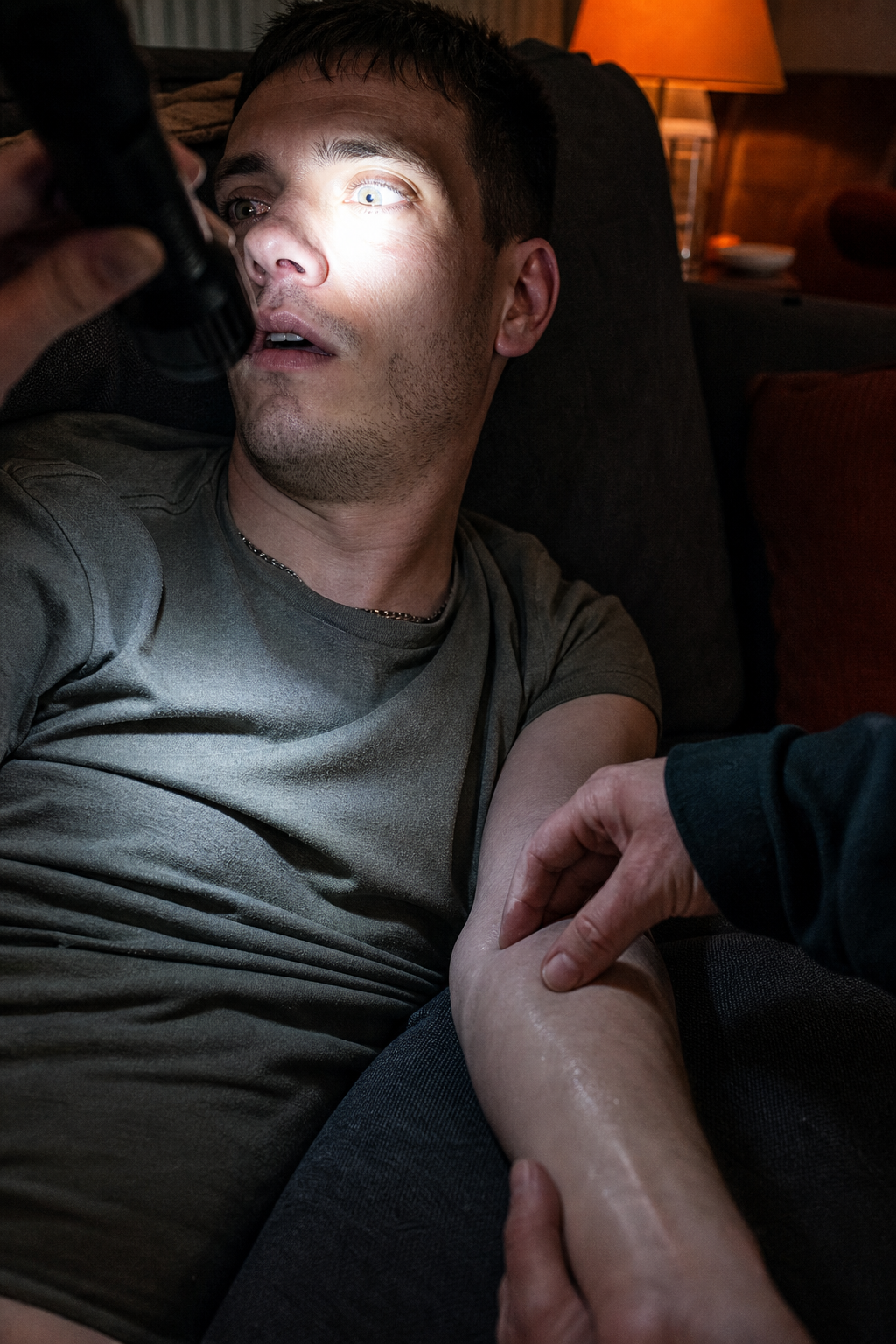
Knowing the signs lets a family act before it’s too late. The opioid overdose first aid steps for families start with spotting trouble.
Key signs include shallow breathing, pin‑point pupils, and a limp body. If you see these, call 911 right away. The SAMHSA overdose prevention guide lists these symptoms clearly.
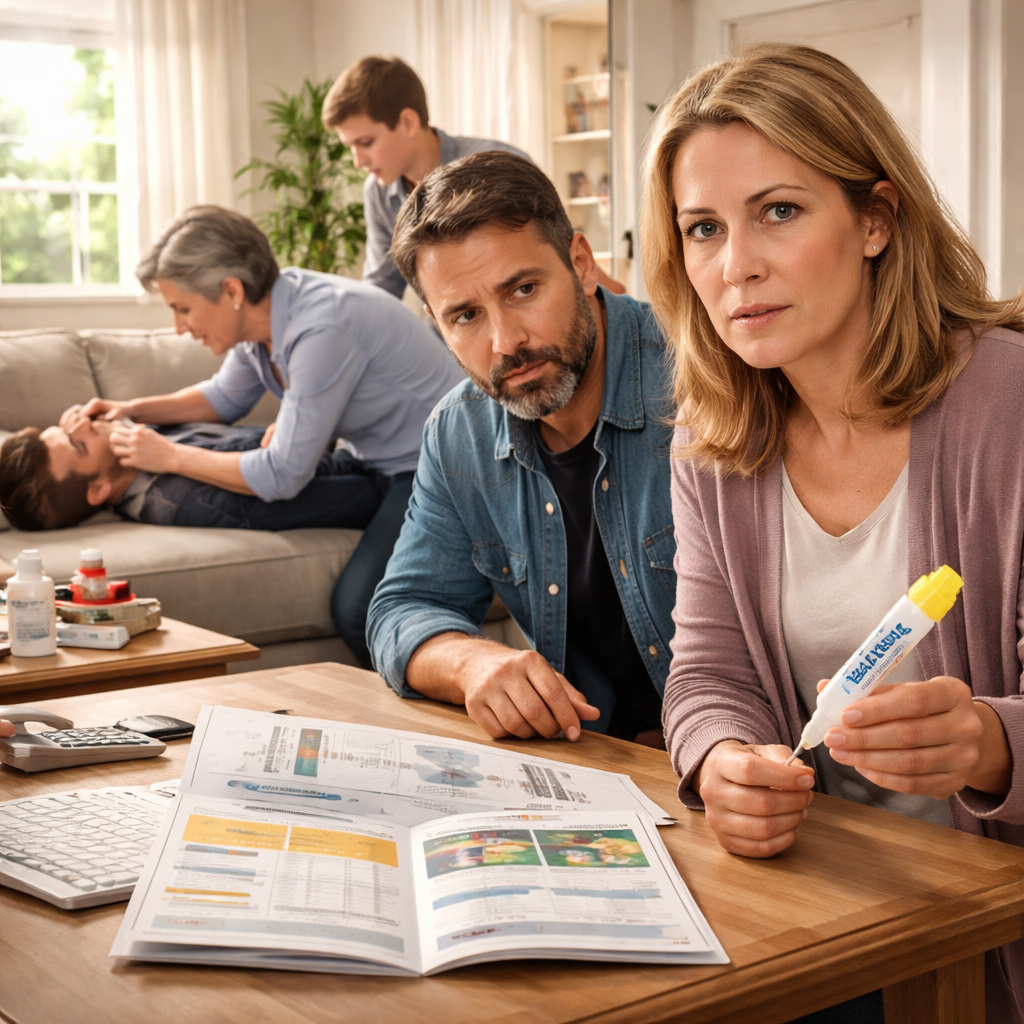
Here is a quick reference table you can print and keep on the fridge.
Why does this matter? The research found that steps mentioning a tool appear earlier (average step 3.4) than those that don’t (average 6.33). Early tool guidance can save minutes.
Real‑world example: A mother in Ohio noticed her teen’s shallow breaths after a night of pills. She called 911 and used naloxone she kept in a drawer. The teen survived because she recognized the signs quickly.
Action tips:
- Keep a printed sign‑sheet in the kitchen.
- Teach every adult in the house the three top signs.
- Practice a quick verbal check: “Are you breathing? Can you open your eyes?”
Another external source, the SAMHSA opioid resources page, reinforces the need for immediate recognition.
Step 2: Call Emergency Services and Gather Critical Information
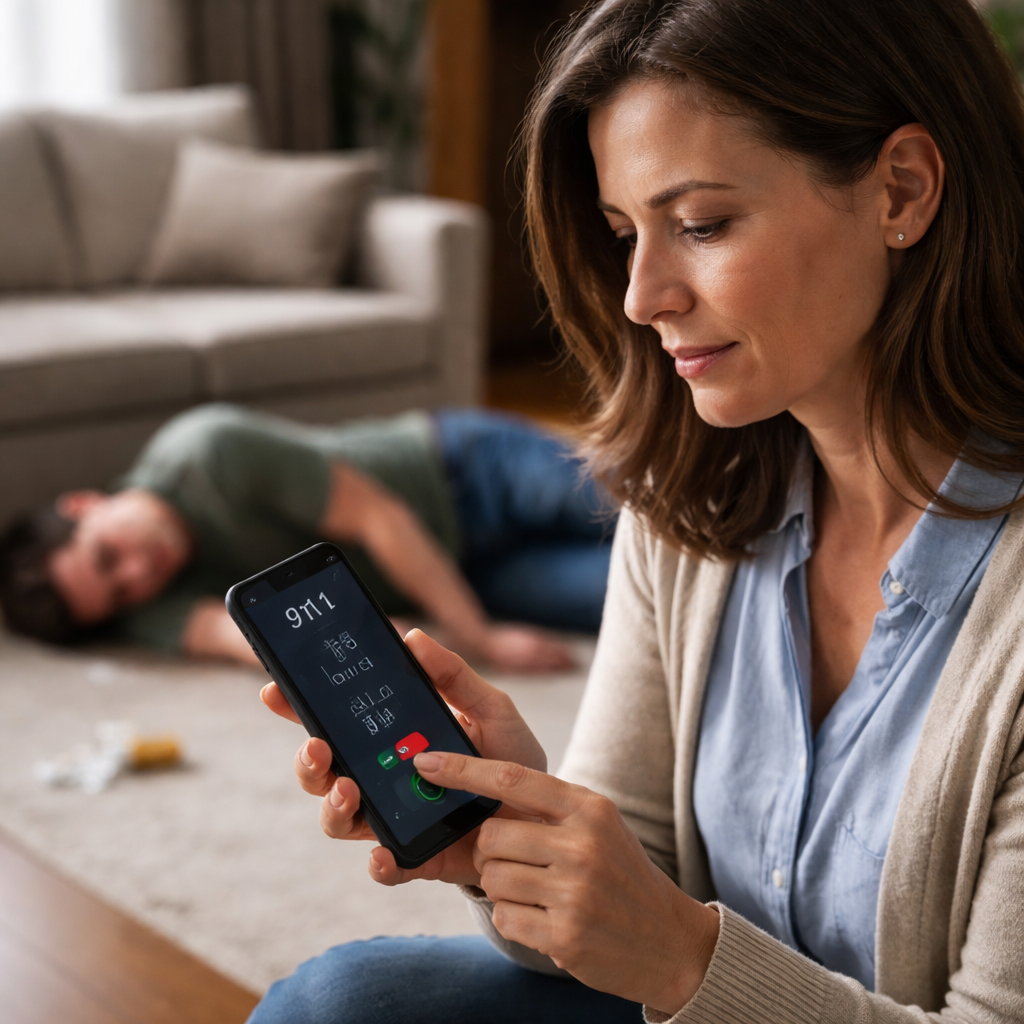
When you call 911, give the dispatcher clear facts. This is the second opioid overdose first aid step for families.
Tell them the location, what the person took, and whether you have naloxone. The SAMHSA first‑responder PDF stresses that precise details speed help.
Keep a small notebook handy. Write down the drug name, time of use, and any allergies. This notebook can become a lifesaver if the EMTs need a quick recap.
Pros of gathering info early:
- Paramedics arrive ready with the right meds.
- Reduces confusion on scene.
- Helps the hospital plan treatment faster.
Cons of not gathering info:
- Delay in giving naloxone.
- Higher risk of complications.
- Potential for mis‑diagnosis.
Case study: In Texas, a family called 911 and told the dispatcher the person had taken fentanyl. The EMTs arrived with extra naloxone doses, which saved the victim’s life.
Quick checklist for the call:
- Address and exact room.
- Drug name and amount.
- Time of last dose.
- Any known allergies.
For more step‑by‑step guidance, read What to Do If Someone Overdoses: A Clear Step‑by‑Step Guide.
Step 3: Administer Naloxone and Provide Rescue Breathing
Now comes the critical action. The opioid overdose first aid steps for families tell you to give naloxone as fast as you can.
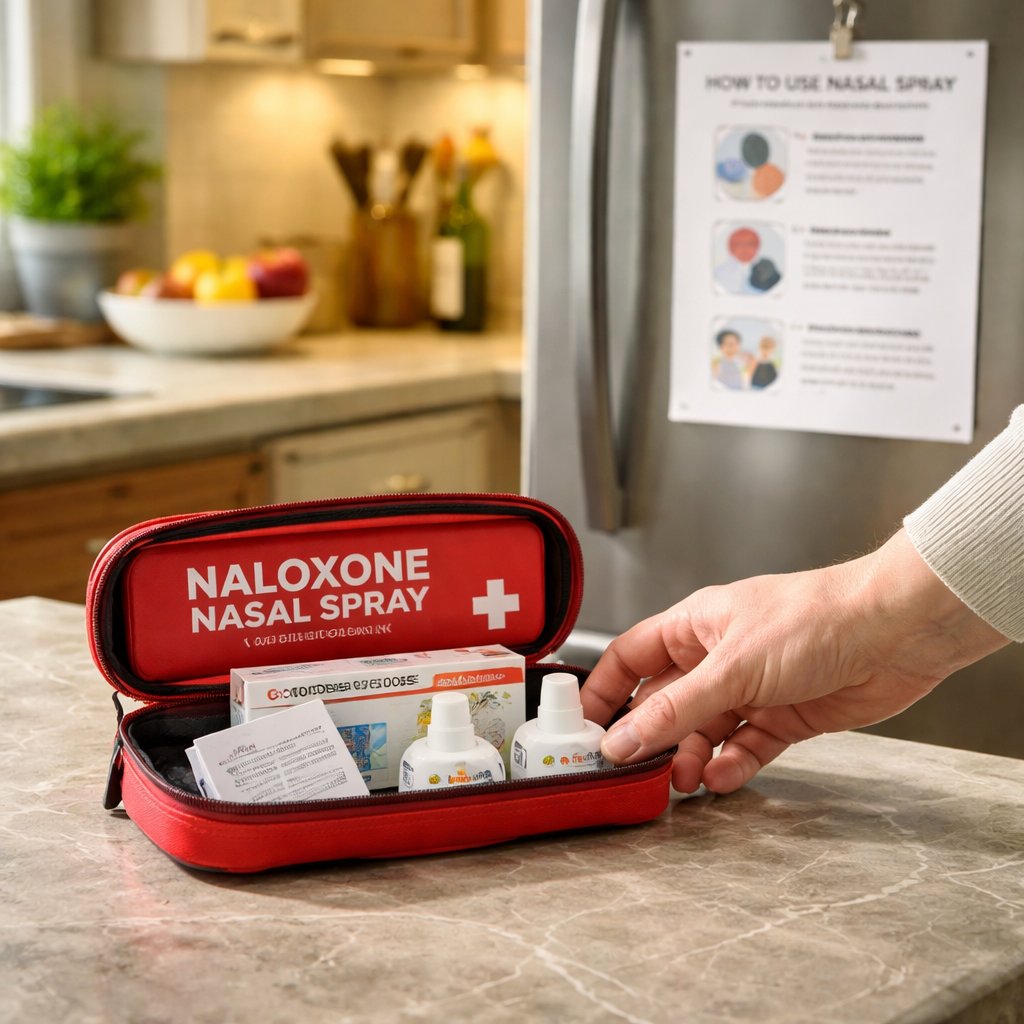
If you have a nasal spray, tilt the head back and spray into one nostril. If it’s injectable, follow the kit instructions. The Harm Reduction response guide notes that one dose may need a repeat after 2‑3 minutes.
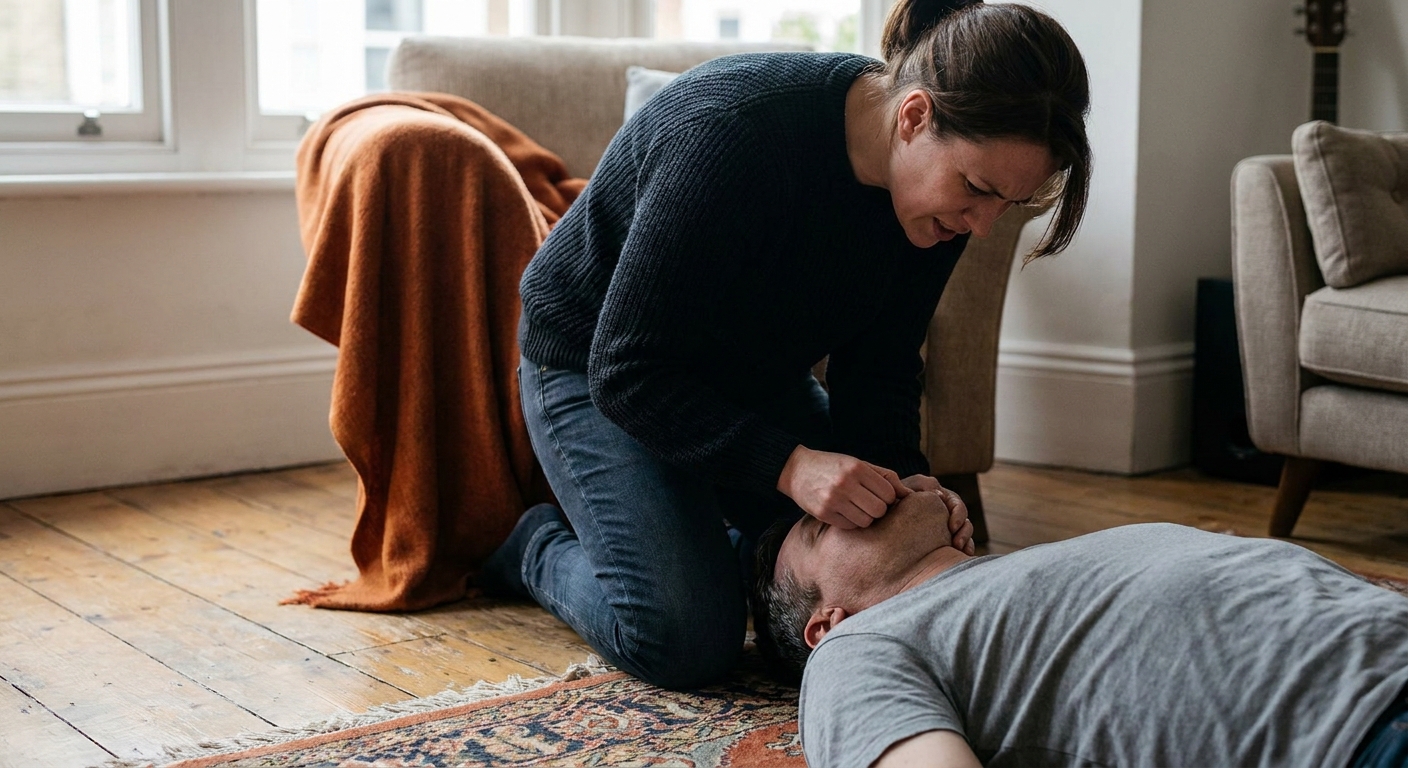
While naloxone works, start rescue breathing if the person isn’t breathing well. Give one breath every 5 seconds. Keep the breaths steady and watch the chest rise.
Step‑by‑step breakdown:
- Check responsiveness , shout name, tap shoulder.
- If no response, call 911 (if not already done).
- Administer naloxone , nasal or injection.
- Start rescue breathing , 1 breath per 5 seconds.
- Watch for signs of breathing returning.
- If no improvement after 2‑3 minutes, give a second naloxone dose.
Why timing matters: The research shows only 3 of 8 steps name a responsible person. By assigning the family member to give naloxone, you fill that gap.
Real example: A sibling in California used a nasal naloxone kit on a cousin who had stopped breathing. Within minutes the cousin started breathing again, and EMS arrived to monitor.
Tips for effective use:
- Check expiration date before use.
- Store naloxone at room temperature, out of light.
- Practice the spray or injection technique with a trainer kit.
Another helpful page is the Harm Reduction naloxone info, which repeats the same steps.
Step 4: Aftercare, Support, and Prevention for the Family
Saving a life is just the start. The opioid overdose first aid steps for families also include aftercare.
First, keep the person with you until EMS says it’s safe. Then arrange follow‑up care. A doctor can check for withdrawal and give referrals.
The CDC overdose prevention page outlines community‑level actions, but families can do small things at home.
Pros of early aftercare:
- Reduces chance of a second overdose.
- Builds trust between the person and medical staff.
- Opens door to treatment options.
Cons of skipping aftercare:
- Higher risk of relapse.
- Potential for untreated withdrawal.
- Emotional fallout for family members.
Example: After an overdose, a family in Michigan enrolled the survivor in a medication‑assisted program. Within three months the person attended weekly counseling and stayed clean.
Actionable steps for families:
- Contact a local treatment center within 24 hours.
- Set up a sober support buddy for the next 48 hours.
- Create a safe storage plan for any remaining opioids.
For more on building a safety net, see Understanding Crisis Intervention in Addiction Scenarios.
Frequently Asked Questions
What should I do if I’m alone when an overdose happens?
If you are alone, call 911 immediately, then try to get help from a neighbor or friend while you stay with the person. Use any naloxone you have, and start rescue breathing. Even a single bystander can keep the person alive until EMS arrives. The opioid overdose first aid steps for families stress that you should never leave the person unattended.
How many doses of naloxone might be needed?
Some opioids, like fentanyl, are very strong. You may need a second dose after 2‑3 minutes if the person does not wake up. Keep a second kit nearby. The research shows that only a few steps mention tools, so having extra naloxone fills that gap.
Can I use naloxone on a child?
Yes. The dose for children is lower, but the same nasal spray can be used. Follow the kit instructions or ask a pharmacist for the exact amount. Acting fast with the right dose can reverse an overdose in a child just as it does for adults.
What if the person refuses treatment after the overdose?
Stay calm and keep them safe. Do not force them, but keep them under observation. Offer to call a counselor or a trusted friend. The opioid overdose first aid steps for families recommend a gentle approach that respects the person’s autonomy while ensuring safety.
How can I prevent future overdoses?
Talk to a doctor about safe prescribing, keep opioids in a locked box, and consider a take‑home naloxone kit. Education and open conversation reduce risk. Community programs listed on the CDC page also provide free naloxone kits.
Where can I find free naloxone in my area?
Many pharmacies, local health departments, and community‑based programs give naloxone for free. Check your state’s health website or call a local clinic. The SAMHSA site lists distribution programs that can help families get the medication quickly.
Conclusion & Call to Action
Knowing the opioid overdose first aid steps for families can mean the difference between life and death. You now have the tools to spot signs, call help, give naloxone, and support recovery.
If you need immediate assistance or a naloxone kit, call (949) 545‑3438 now. Our team at Next Step Intervention is ready 24/7 to guide you through the emergency and connect you with after‑care resources.
Remember, quick action, clear communication, and ongoing support are the three pillars of effective overdose response. Stay prepared, stay calm, and keep your loved ones safe.