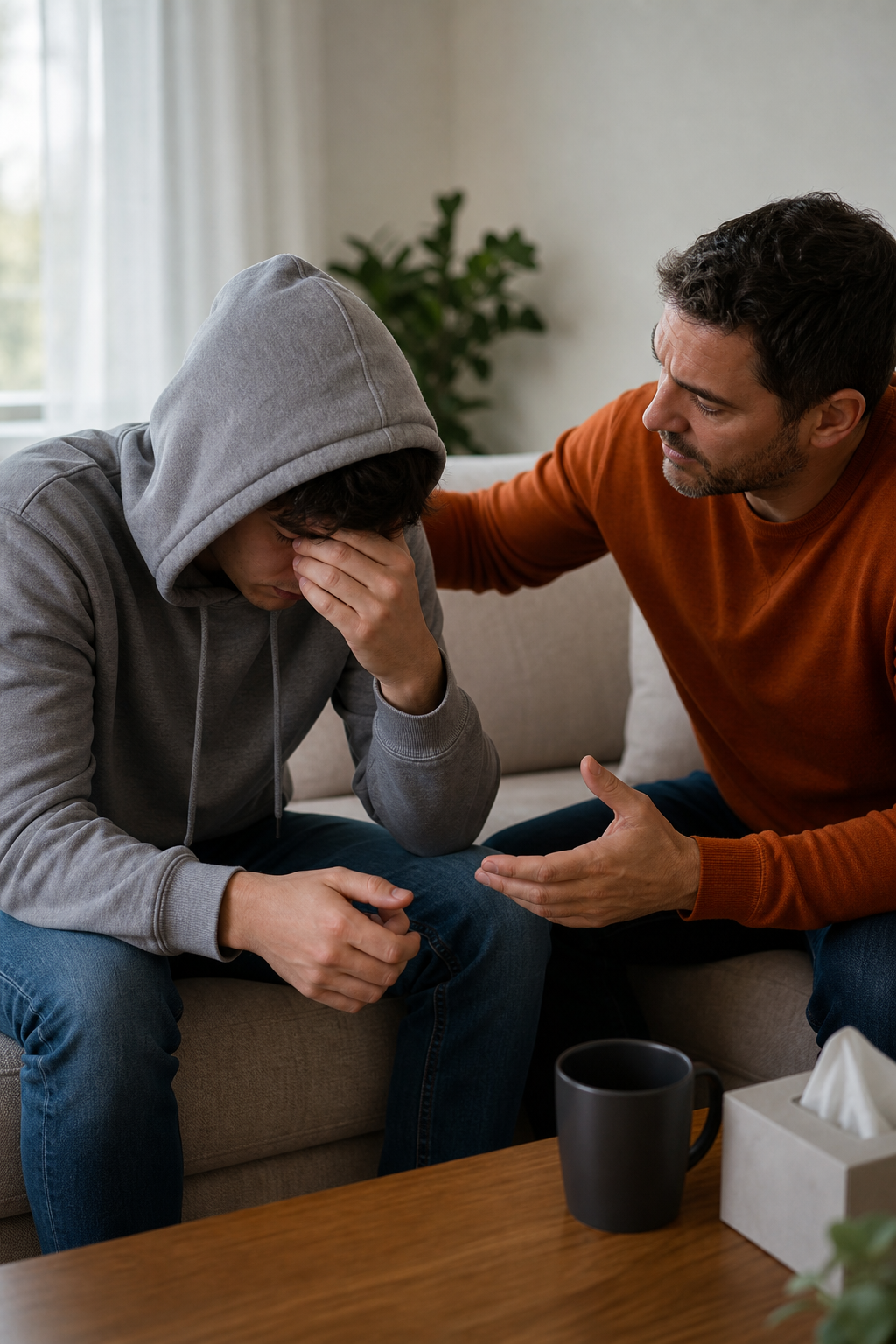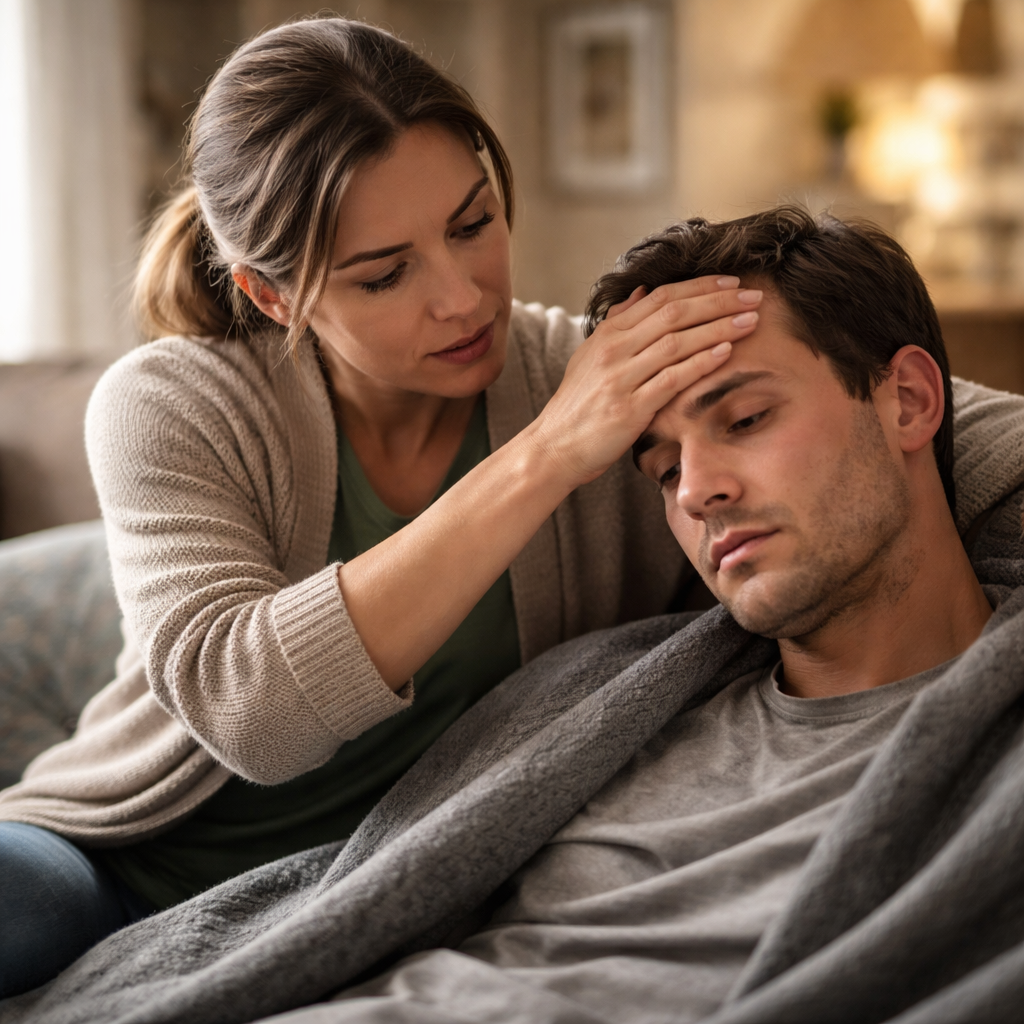
An opioid overdose emergency plan PDF helps turn panic into clear action. But a checklist can leave two key questions blank: who acts, and when? Use the steps below to fill those gaps before a crisis, then follow the plan without delay if someone may be overdosing.
Step 1: Recognize the Signs of an Opioid Overdose
The first job is to spot a possible overdose fast. An emergency plan works only when people know which signs should trigger action.
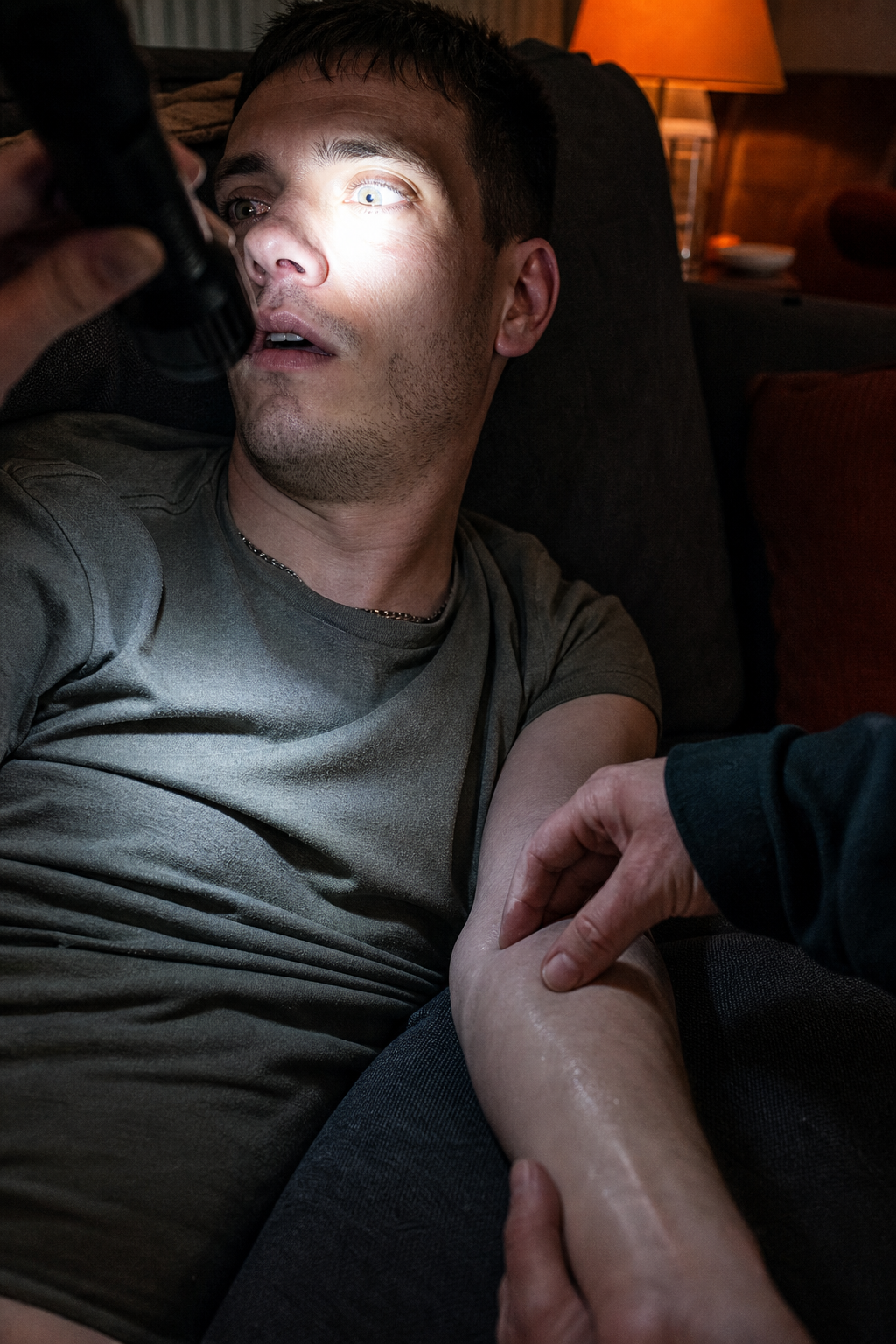
Look for a person who won’t wake up after you speak loudly or gently shake their shoulder. Check for slow, shallow, or stopped breathing. Their lips or fingertips may look blue, gray, or pale. They may have very small pupils, make choking or gurgling sounds, or have a limp body.
You don’t need to confirm the exact drug before you act. If opioids may be involved and the person is unresponsive or breathing poorly, treat the situation as an overdose. The CDC’s opioid overdose prevention guidance supports keeping naloxone available and acting quickly when an overdose is suspected.
Add a clear trigger to your PDF. For example: “If the person won’t wake up or isn’t breathing normally, the person who finds them calls 911.” This fixes a gap found in the CDC checklist review used for this guide. None of its eight actions named a responsible person or a time frame.
Also write down what counts as “not normal.” A sleeping person should respond to a firm voice or gentle touch. A person with slow, noisy, or absent breathing needs emergency help. Don’t wait for every sign to appear.
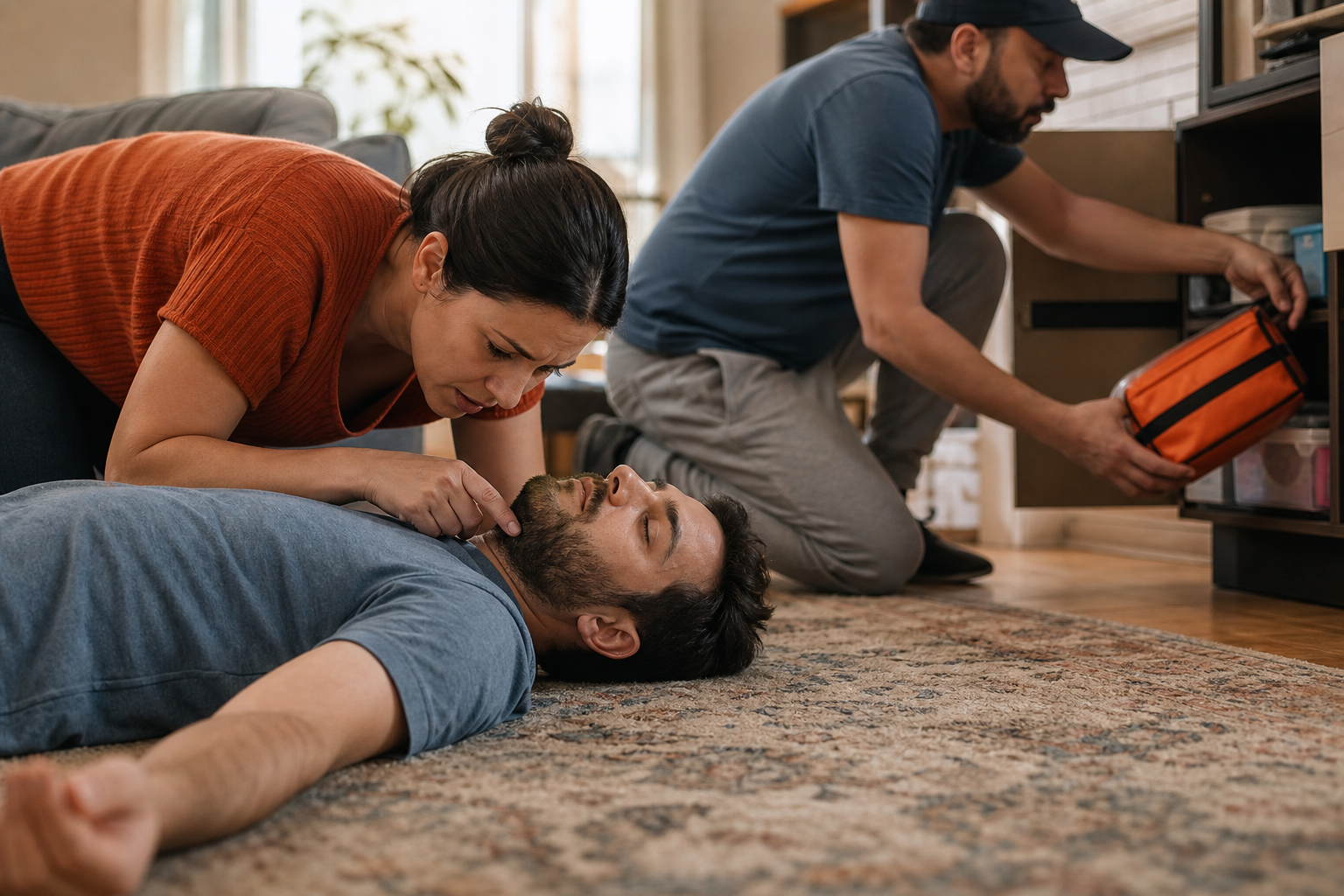
Keep the plan near the phone and naloxone. A person who finds the emergency may be alone, scared, or unsure what to do. Short words work best. Write “won’t wake,” “slow breathing,” and “blue lips” instead of long medical terms.
Step 2: Fill In the Emergency Plan Before a Crisis
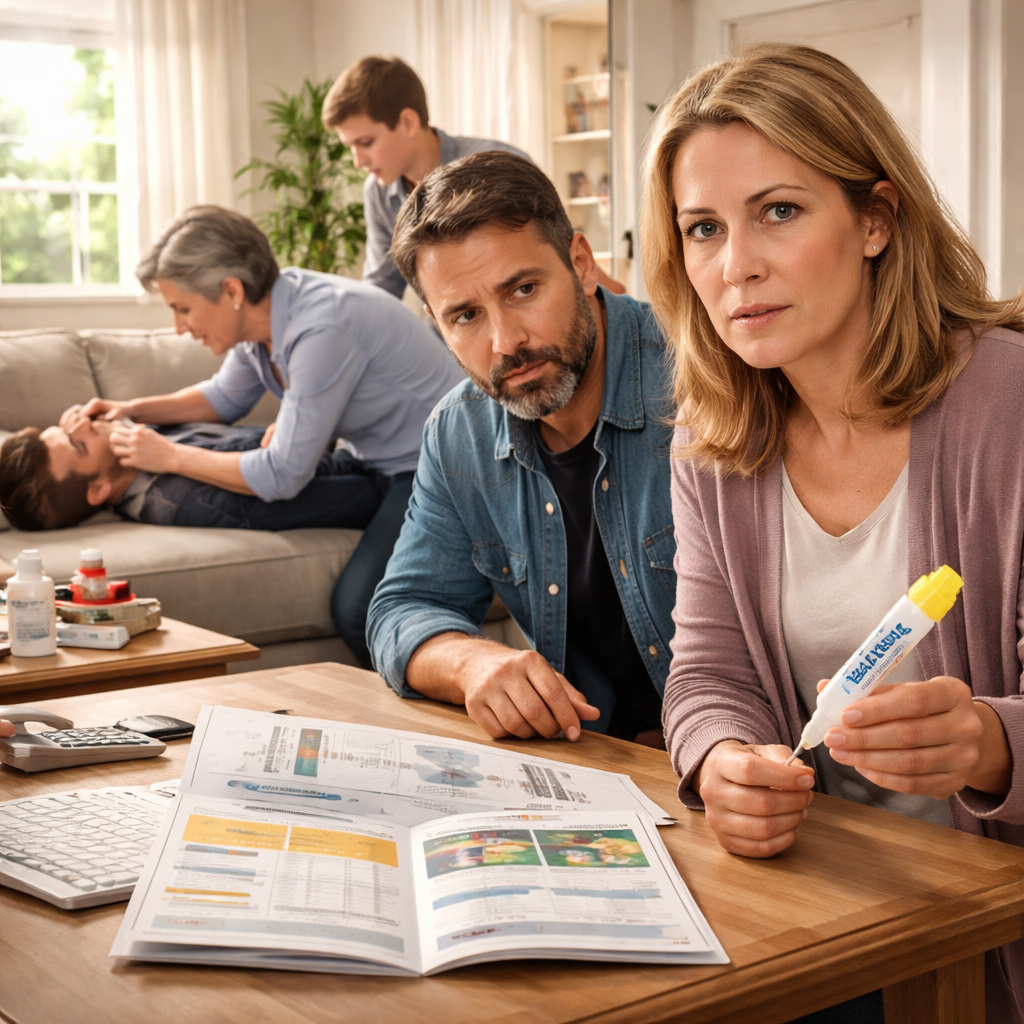
A useful opioid overdose emergency plan PDF names a person for each task. Start with the people who may be in the home when an emergency happens.
Make a simple action matrix with four columns:
- Trigger: What you see, such as no response or slow breathing.
- Person: Who takes the task.
- Action: What that person must do.
- Tool: What they need at hand.
One adult can call 911. Another can get naloxone. A third person can meet emergency responders at the door if help is available. If only one person is present, that person calls 911 first and follows the dispatcher’s directions.
Write the exact home address on the sheet. Add the apartment, floor, gate, or side entrance when those details could slow help. Include the person’s name if known, any known opioid use, allergies if available, and the location of naloxone.
Do not fill the page with facts no one can find during stress. Use bold headings and large print. A short script can help: “I suspect an opioid overdose. The person is at [address]. They are [breathing status]. Naloxone is [location].”
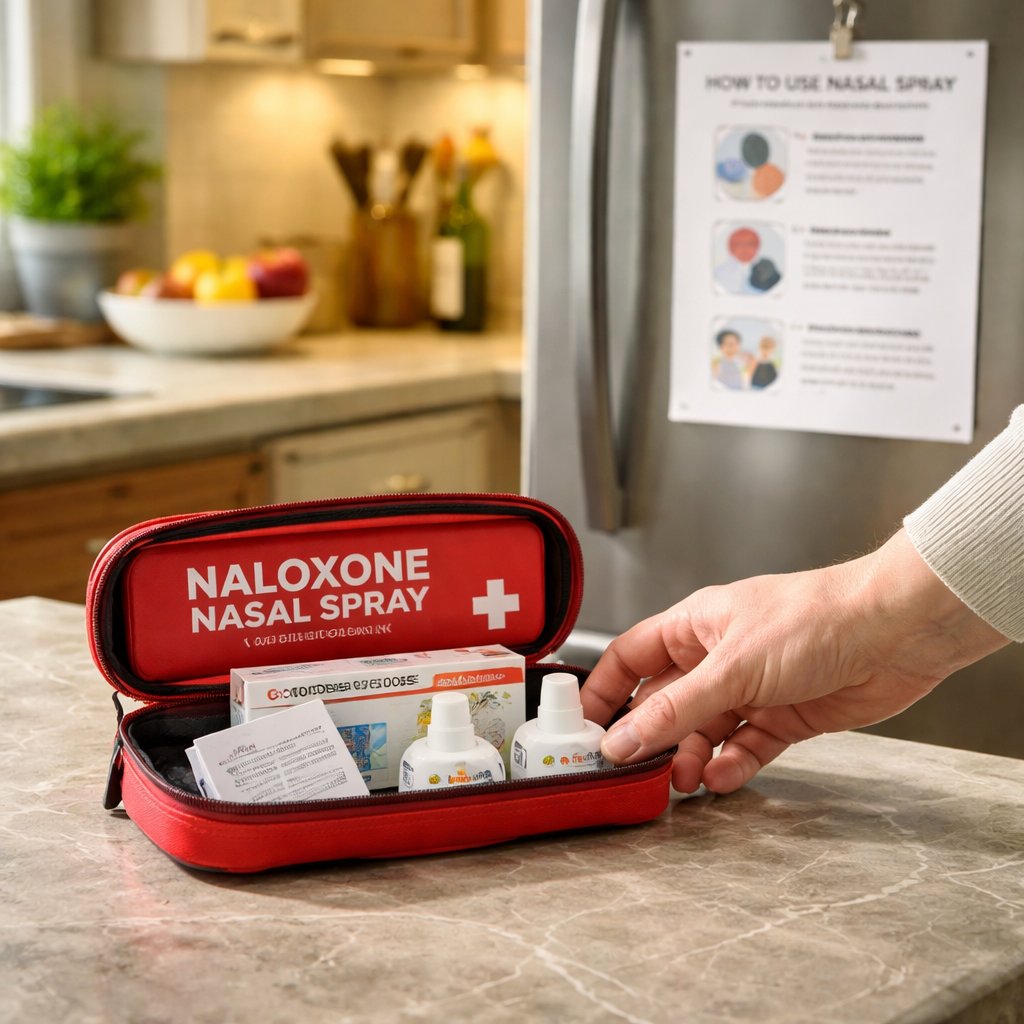
Keep supplies in one known place. The checklist review found that only three of eight actions named needed resources. That leaves five actions without guidance about tools. Your household can close that gap with a small, ready-to-reach kit.
- A charged phone.
- Naloxone kept according to its package directions.
- A printed plan.
- Disposable gloves or a breathing barrier, if available.
- A pen for recording the time of each dose.
Ask each adult to point out the kit and read the plan aloud. If nobody can explain the first two actions, revise the sheet. Next Step Intervention can also help families build a response plan when an overdose is part of a wider addiction or family crisis.
Practice the handoff once. Say who calls, who gets the kit, and who watches the person’s breathing. This takes only a few minutes, but it removes debate when time is short.
Step 3: Respond Immediately When an Overdose May Be Happening
When the signs appear, use the opioid overdose emergency plan PDF in order. Don’t pause to search for a better checklist.
First, check that the area is safe for you. Avoid touching unknown powders, needles, or other hazards. If the scene is unsafe, move away and tell the 911 dispatcher what you see.
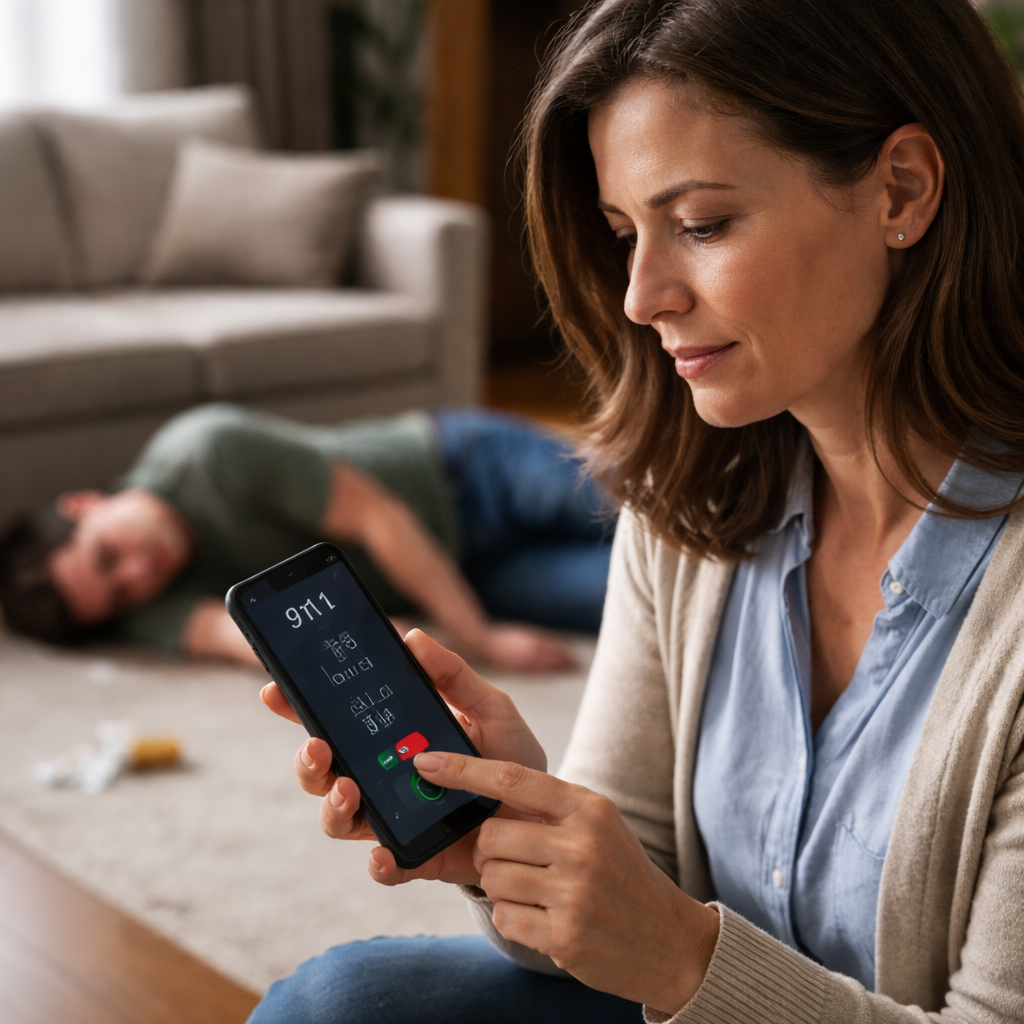
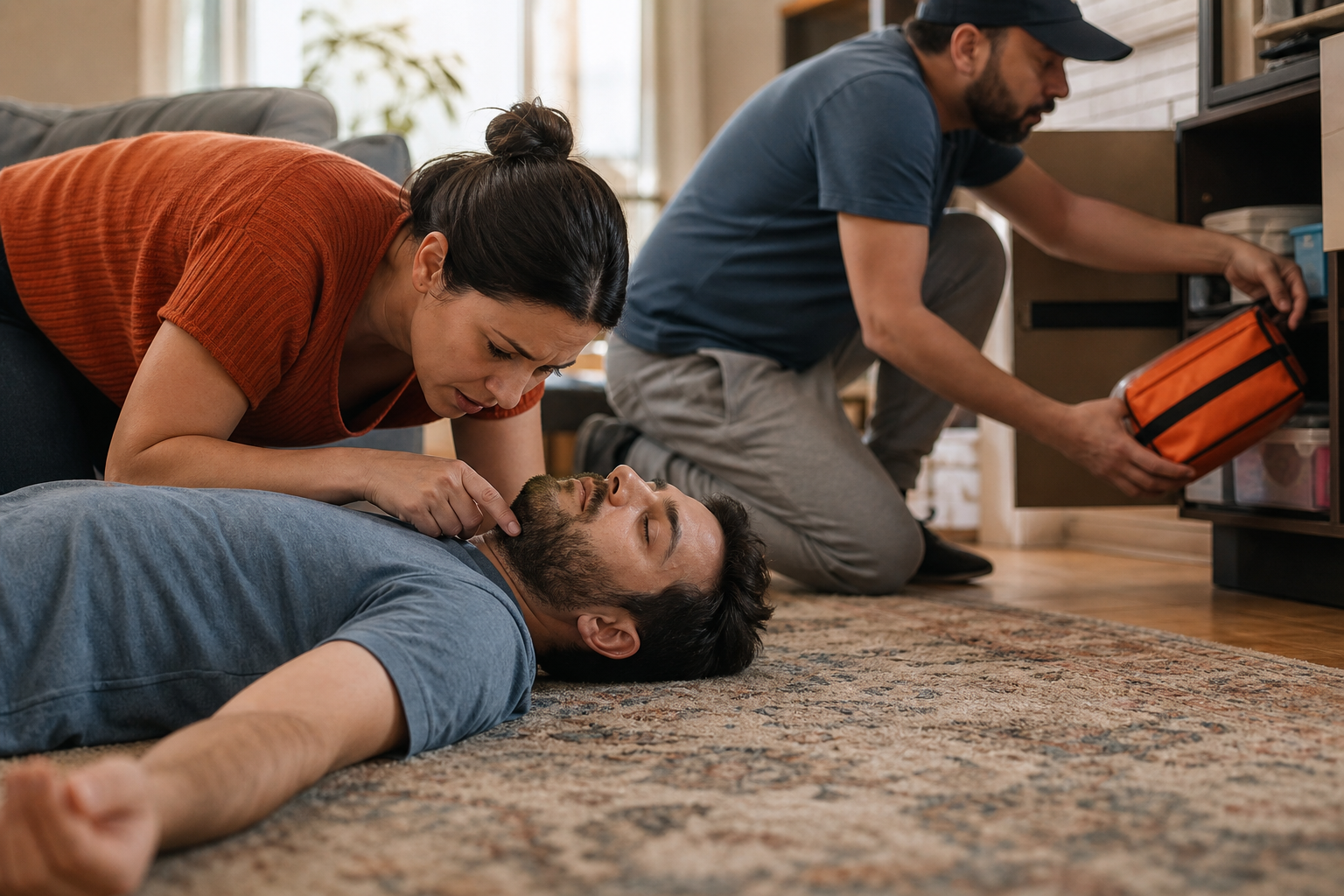
Next, try to wake the person by speaking loudly and using gentle physical stimulation. Check whether they are breathing normally. If they are unresponsive or breathing is absent or very slow, call 911 right away.
Put the phone on speaker if you can. Give the exact address. Say that you suspect an opioid overdose. Tell the dispatcher whether the person is breathing and whether naloxone is available. Stay on the line and follow the instructions you receive.
If another adult is present, assign the jobs out loud. Say, “You call 911. You get naloxone. I will watch breathing.” Point to each person as you speak. Clear words prevent two people from reaching for the same task while no one calls for help.
Give naloxone as soon as it is ready, following the directions for that device. Don’t delay the 911 call while looking for the medication. Naloxone can reverse an opioid overdose, but emergency evaluation is still needed even if the person wakes up.
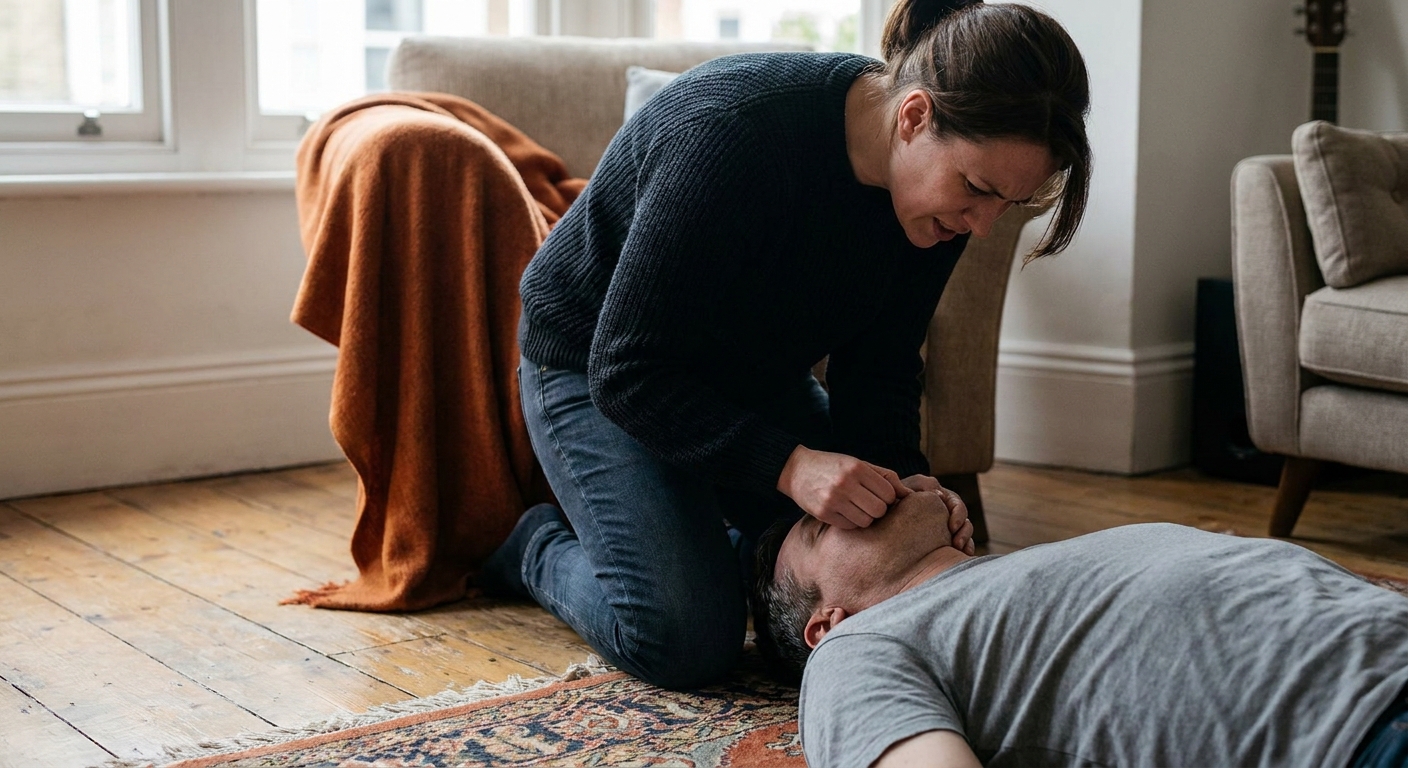
If the person isn’t breathing normally, follow the dispatcher’s instructions about rescue breathing or CPR. If you have training, use it. If you don’t, the dispatcher can guide you. Keep watching the chest and listen for changes.
Once the person breathes on their own, place them on their side if the dispatcher advises it. This can help keep the airway clear. Don’t leave them alone. Naloxone may wear off while the opioid is still affecting the body.
Write down the time you noticed the problem. Record when naloxone was given and whether breathing changed. Give those details to emergency responders. A written handoff is useful when several family members are upset or unsure of the sequence.
The review of the eight-step official plan found that every identifier used the number 911. That design points to the central rule: emergency services must be contacted without waiting to see if the person improves.
Step 4: Give Naloxone Safely and Monitor the Person
Naloxone is the medicine used to reverse opioid effects during a suspected overdose. Use the opioid overdose emergency plan PDF as a prompt, but follow the instructions on your specific naloxone package.
Check the device before use if there is time. Confirm that it is the correct medicine and that it has not expired. Don’t stop to study the package if the person is not breathing normally. Call 911 first, then give the medicine as directed.
Many household kits use a nasal device. Other kits may use a different delivery method. The steps are not the same for every product, so your plan should include the type of device stored in the home. Don’t write a dose or route on the sheet unless it matches the product you have.
After the first dose, keep watching the person’s breathing. If there is no clear improvement, follow the package directions and the dispatcher’s advice about another dose. Never assume that waking up means the emergency has ended.
Stay with the person until EMS arrives. Keep the area calm. Don’t let them use more drugs or take food and drink while they are confused. If they vomit or become hard to wake again, tell the dispatcher at once.
The basic emergency pattern for opioid overdose centers on restoring breathing and getting medical help. It does not replace care from emergency responders. Some opioids can last longer than naloxone, so the person may need more help after a brief improvement.
When EMS arrives, share the plan sheet if you have it. Tell responders what you saw, when you called, and how much naloxone was given according to the package label. Don’t hide suspected drug use. Accurate details help the medical team choose the next step.
Step 5: Print, Share, and Update the Opioid Overdose Emergency Plan PDF
A saved opioid overdose emergency plan PDF is easy to forget. A printed plan placed beside the naloxone kit is easier to find.
Print at least two copies. Put one near the main phone or kitchen area. Keep another with the emergency supplies. If the home has more than one floor, place a copy where the person at risk spends time. Avoid hiding the plan in a locked file or crowded drawer.
Use large type and short lines. Mark the emergency address in a way that stands out. Write the naloxone location in plain words, such as “top kitchen drawer.” Add the date of the last review so the family knows whether the page is current.
Share the plan with adults who may respond. This can include a relative, trusted friend, roommate, or caregiver. Explain the roles in person. Don’t assume that someone who has seen the PDF knows how to use it.
Review the sheet after any change in the home. Update it when the person moves, when the naloxone location changes, or when a new adult becomes part of the response team. Replace a used or expired supply according to local access rules and package guidance.
Run a short drill. One person reads the trigger. Another points to the naloxone. Someone else says the emergency script. Stop before giving medication or pretending to perform medical care. The goal is to test the handoff, not to stage an overdose.
Keep the plan focused on the emergency. After the immediate danger passes, the family may need help with treatment, mental health concerns, or a larger safety plan. Next Step Intervention works with families facing addiction and crisis, so it can be a useful next contact after emergency care is complete.
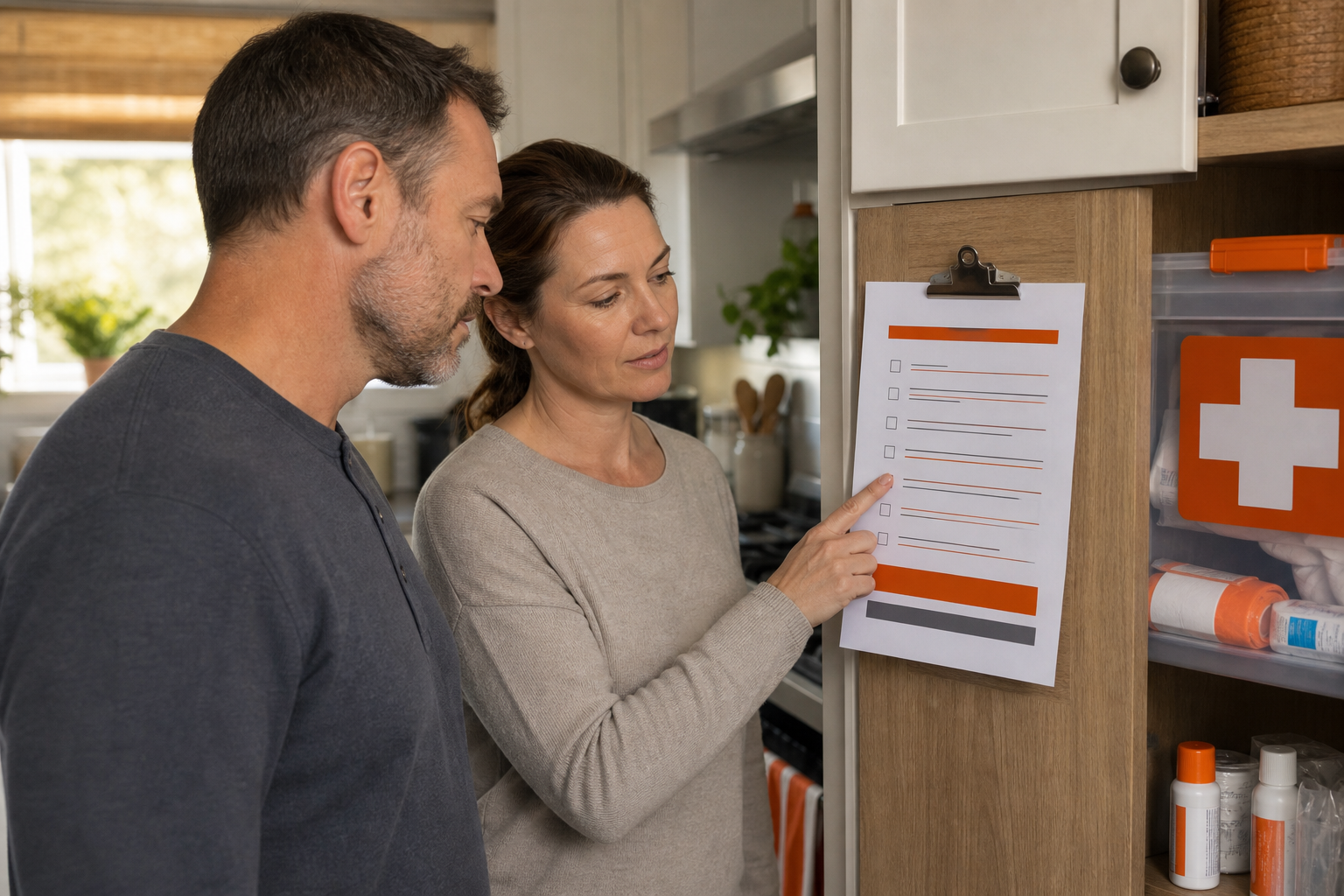
For a printable starting point, the family opioid overdose plan PDF resources can help you compare formats. Choose the sheet that your household will actually read under stress.
Make one final test: ask someone who was not part of the planning to find the sheet and explain the first action. If they hesitate, shorten the wording or move the page. A plan is ready when another person can use it without asking where to start.
FAQ
What should an opioid overdose emergency plan PDF include?
An opioid overdose emergency plan PDF should include warning signs, the exact home address, assigned roles, the naloxone location, and a short 911 script. Add space for the time of each dose and the person’s response. Keep the wording large and brief. The sheet should guide action, not replace instructions from emergency dispatchers or medical staff.
When should I call 911 for a possible opioid overdose?
Call 911 as soon as a person may be overdosing, especially if they won’t wake up or aren’t breathing normally. Don’t wait to see whether they recover. Tell the dispatcher that opioids may be involved, give the exact location, and mention whether naloxone is available. Follow the dispatcher’s directions until emergency help arrives.
Can I give naloxone before calling 911?
Call 911 first whenever possible, then give naloxone right away if it is available. If another person is present, assign them to make the call while you get the medicine. Follow the device instructions. Even if the person wakes up, they still need emergency medical assessment because opioid effects may return.
Where should I keep a family overdose plan?
Keep the printed plan beside the phone and naloxone kit, in a place every adult can reach. A kitchen drawer, wall pocket, or entry table may work better than a private file. Keep a second copy on another floor if needed. Check that a visitor or new caregiver can find it without asking.
Should I update the plan after an overdose?
Yes, update the plan after every overdose or near miss. Add what caused confusion, such as a hard-to-find kit or an unclear role. Check the address, emergency contacts, device instructions, and supply dates. Then review the revised page with the adults who may respond. Next Step Intervention can help with the wider family crisis after emergency care.
Conclusion
Print a short plan today, assign each task to a person, and keep naloxone beside the sheet. If your family is dealing with repeated overdose risk or a wider addiction crisis, contact Next Step Intervention for family support and intervention guidance. You may also call (949) 545-3438 for urgent help discussing next steps.