We examined 12 naloxone administration guidelines from one authoritative source and found the most common clinical route is IV, while the highest‑dose option comes as an intranasal spray—turning the usual family‑friendly story on its head.
Most families see IV listed in half the guides, yet only 9% mention intranasal use, even though a 5 mg spray can be the strongest dose. The average dose sits at 1.22 mg, but the median is just 0.4 mg, so many recommendations stay low.
Because storage tips appear in only two of the twelve items, you’ll want to keep naloxone in a cool, dry place out of reach of kids. A quick check of the kit before each use can save a life.
For a step‑by‑step plan on what to do when an overdose happens, see Overdose Help: A Practical Guide to Emergency Response and Recovery. It walks you through calling 911, giving the dose, and follow‑up care.
Step 1: Recognize an Opioid Overdose
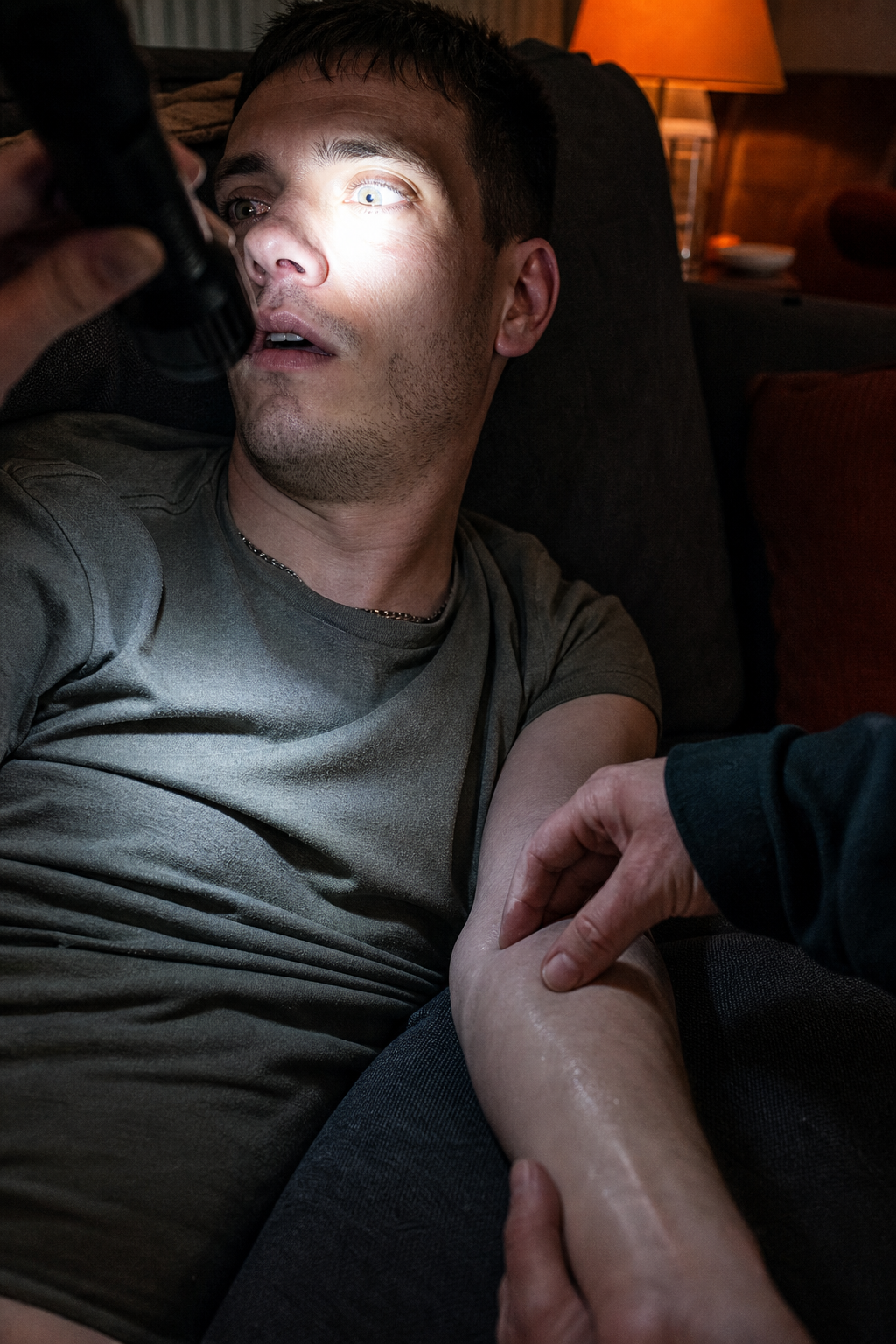
When an opioid overdose starts, seconds count. You might see shallow breathing, a blue tint around the lips, or the person not responding at all.
Other red flags include pinpoint pupils, clutching the chest, or sudden confusion. If you notice any of these, treat it as an emergency right now.
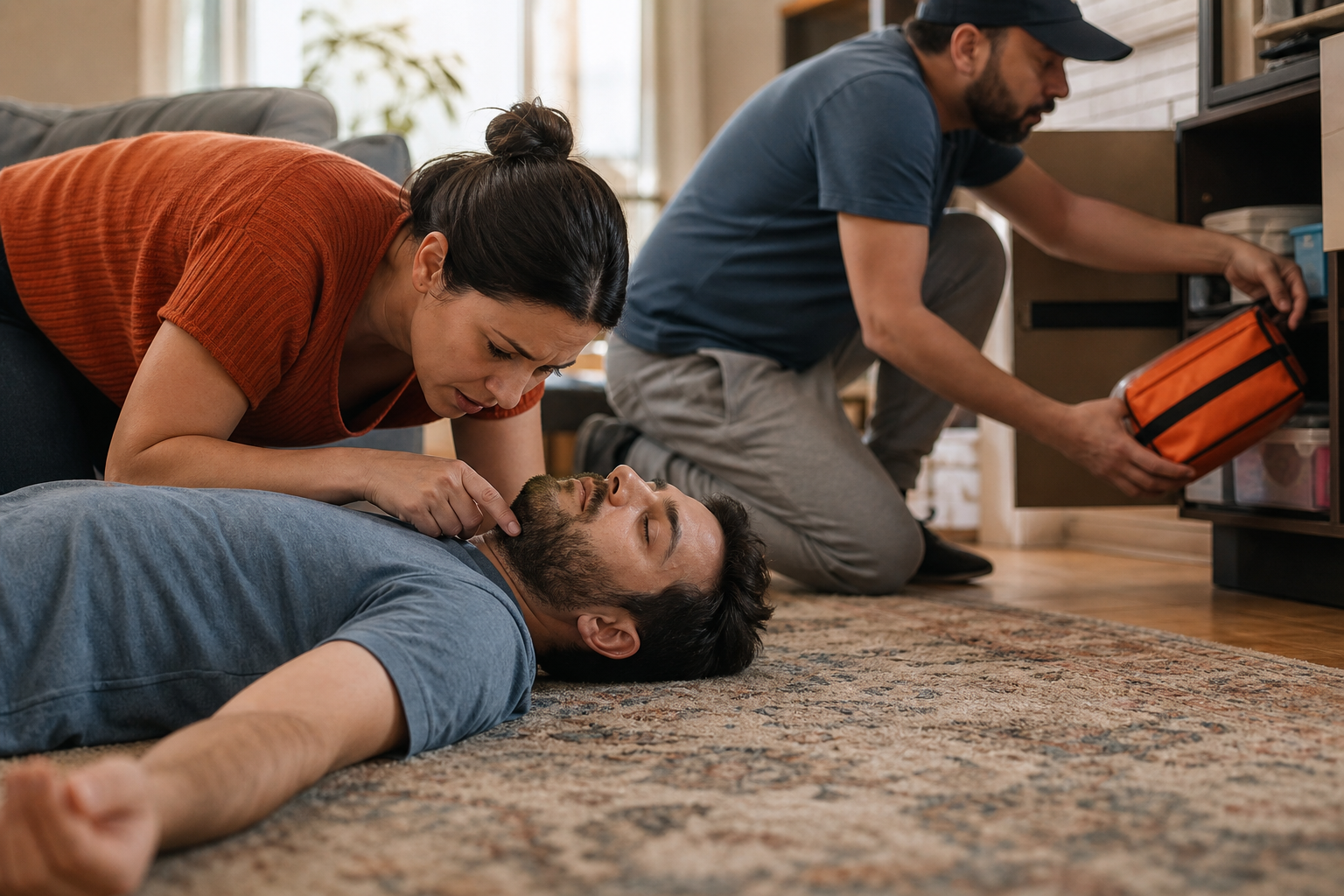
Before you even need the kit, do a quick safety check. Make sure the person is on their back, clear any objects that could block the airway, and loosen tight clothing. These few actions keep the airway open for the medication to work.
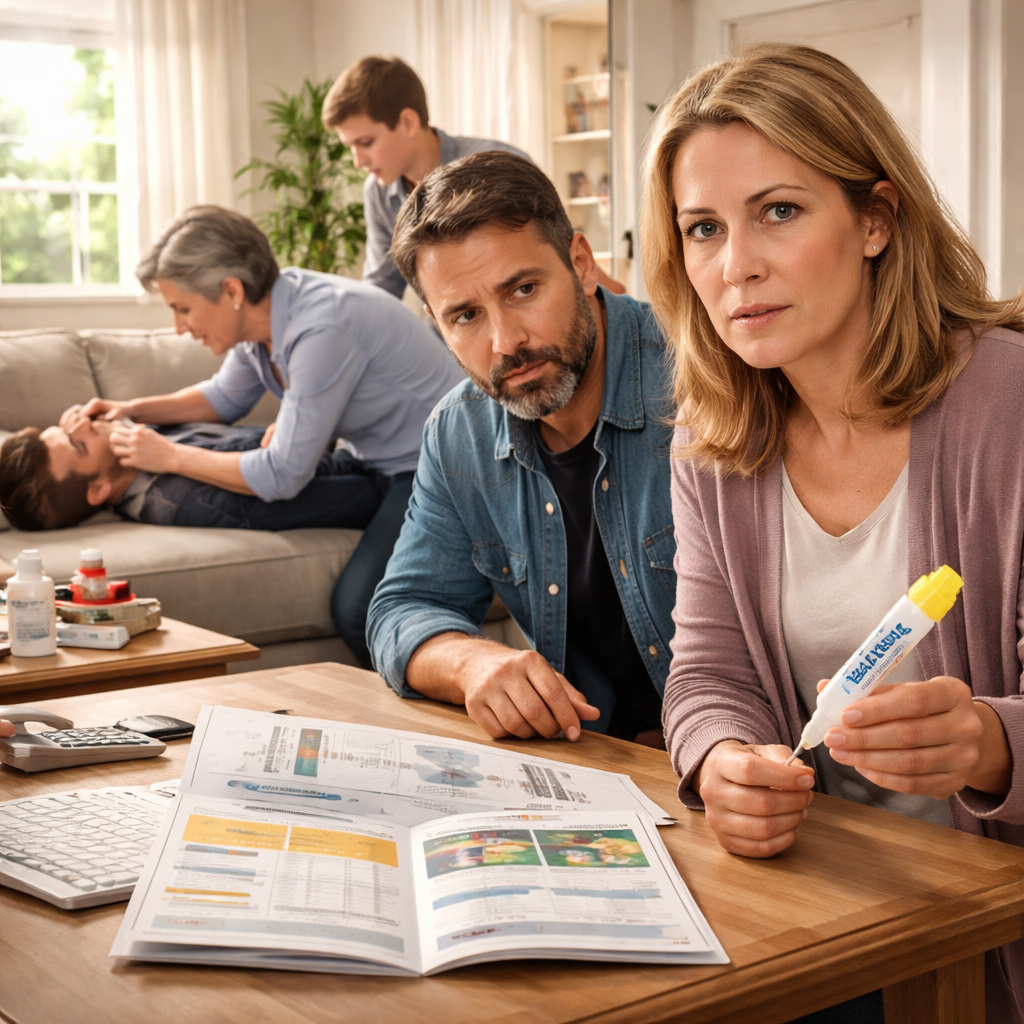
First, call 911. While you wait, get the naloxone kit ready and check the dosage. A quick read of the Overdose Help: A Practical Guide to Emergency Response and Recovery shows exactly how to give the dose and what to do after.
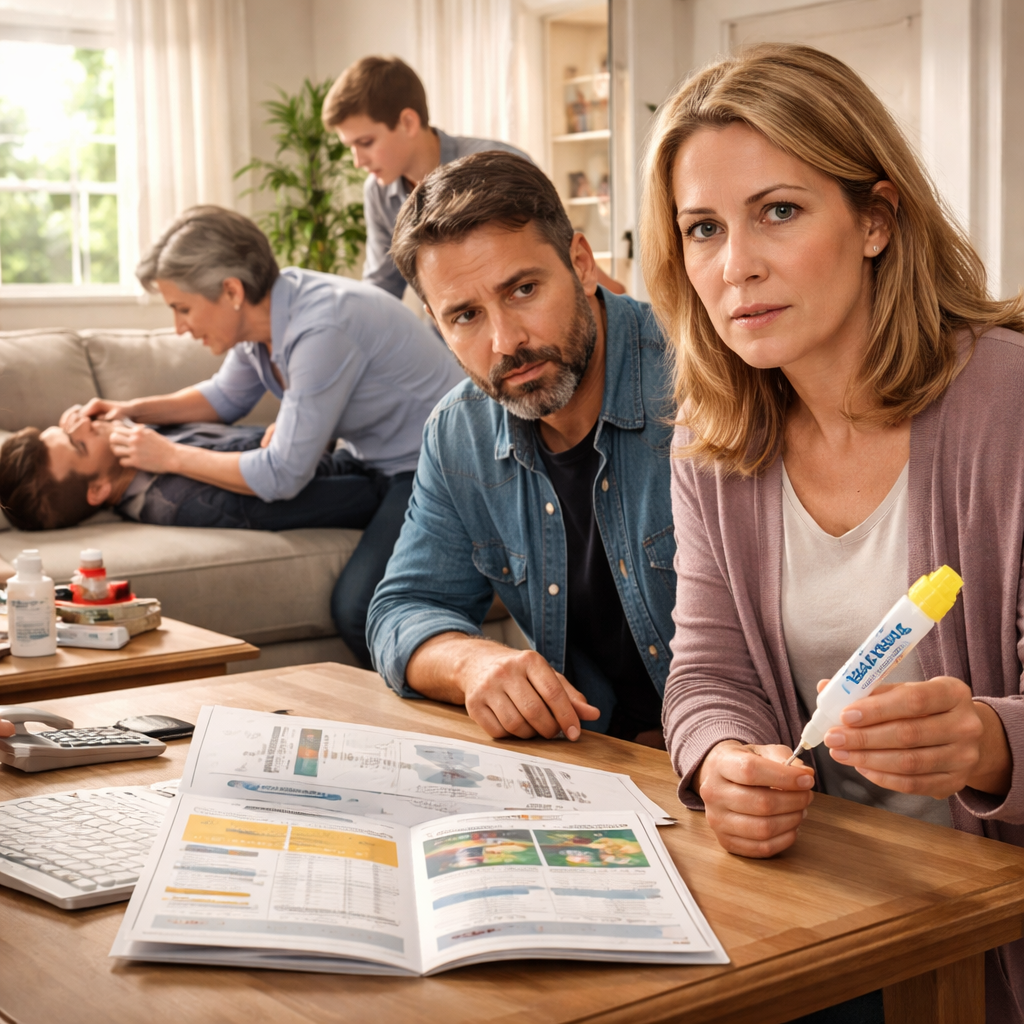
After the dose, stay with the person, monitor breathing, and be ready to give a second dose if breathing does not improve within two minutes. Keep the emergency line handy and let responders know what you have administered. Recognizing the signs lets you act before the situation worsens. Keep the kit in a cool, dry spot and practice the steps with your family so everyone knows their role. This naloxone administration guide for families makes the difference between panic and a saved life.
Step 2: Call Emergency Services & Prepare Naloxone
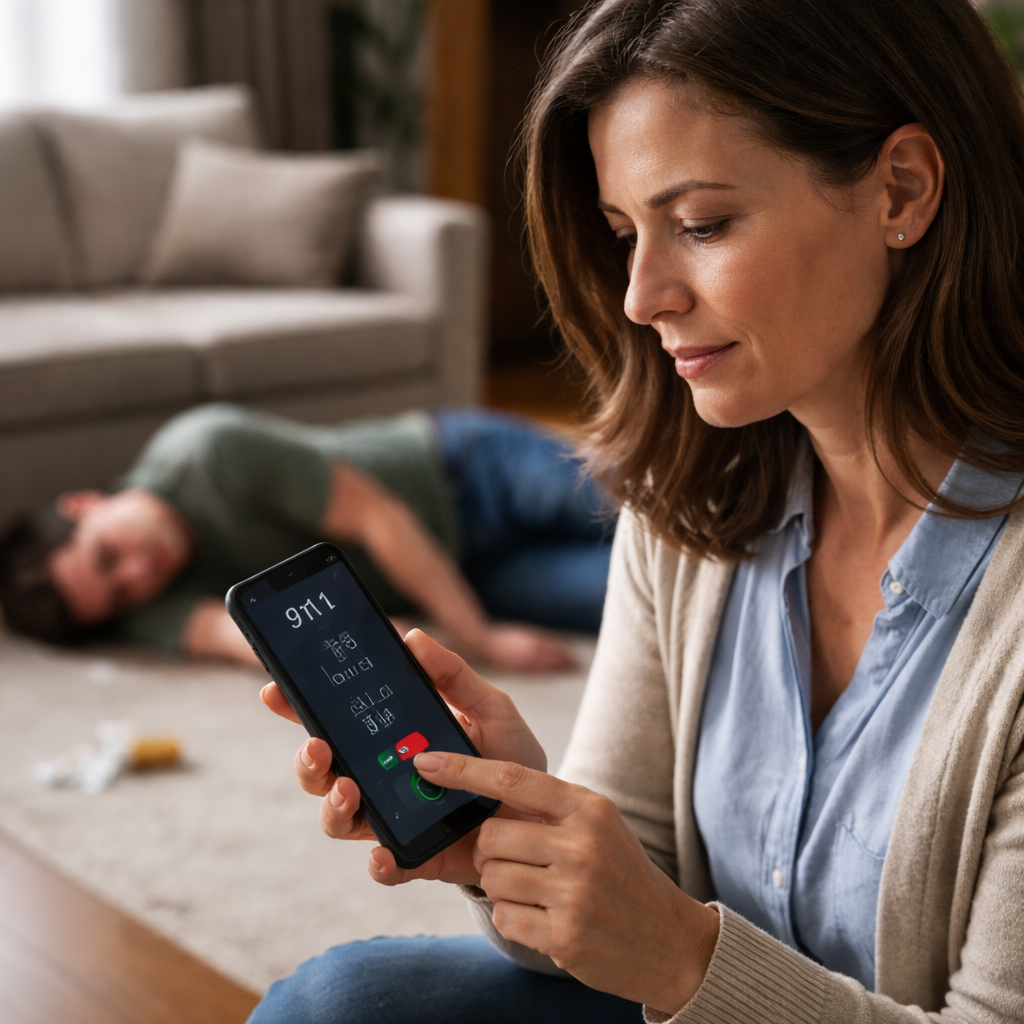
When you see shallow breathing or a blue lip, call 911 right away. Tell the dispatcher you think it’s an opioid overdose and give your address.
For a quick walk‑through of what to say, see Emergency Drug Intervention: A Practical Step‑by‑Step Guide for Immediate Response. It breaks down the key points you need to cover.
Stay on the line. The operator will ask about the person’s breathing, pulse and any naloxone you have. Answer clearly and keep the call open until help arrives.
If you like step‑by‑step guides, check How to Choose and Use an AI SEO Audit Tool in 2026. It shows how a clear checklist helps with tough tasks.
Now grab the naloxone kit. Open it, check the expiration date, and keep the spray or needle ready. Hold the device so you can act the moment you see a change.
Give the first dose exactly as the label says – usually a spray into each nostril or an injection into the thigh. Watch the person for at least two minutes; breathing should start to improve.
After the emergency passes, set up a calm space for the person to rest. Tips on arranging lights and seating are in How to Choose the Perfect Prom Photo Booth Rental for an Unforgettable Night, which covers creating a comfortable room.
Step 3: Administer Naloxone Safely
Grab the kit. Open it, check the date, and hold the spray or needle so you can act the second you see a change. Keep your hand steady; the device is small but the impact is huge.
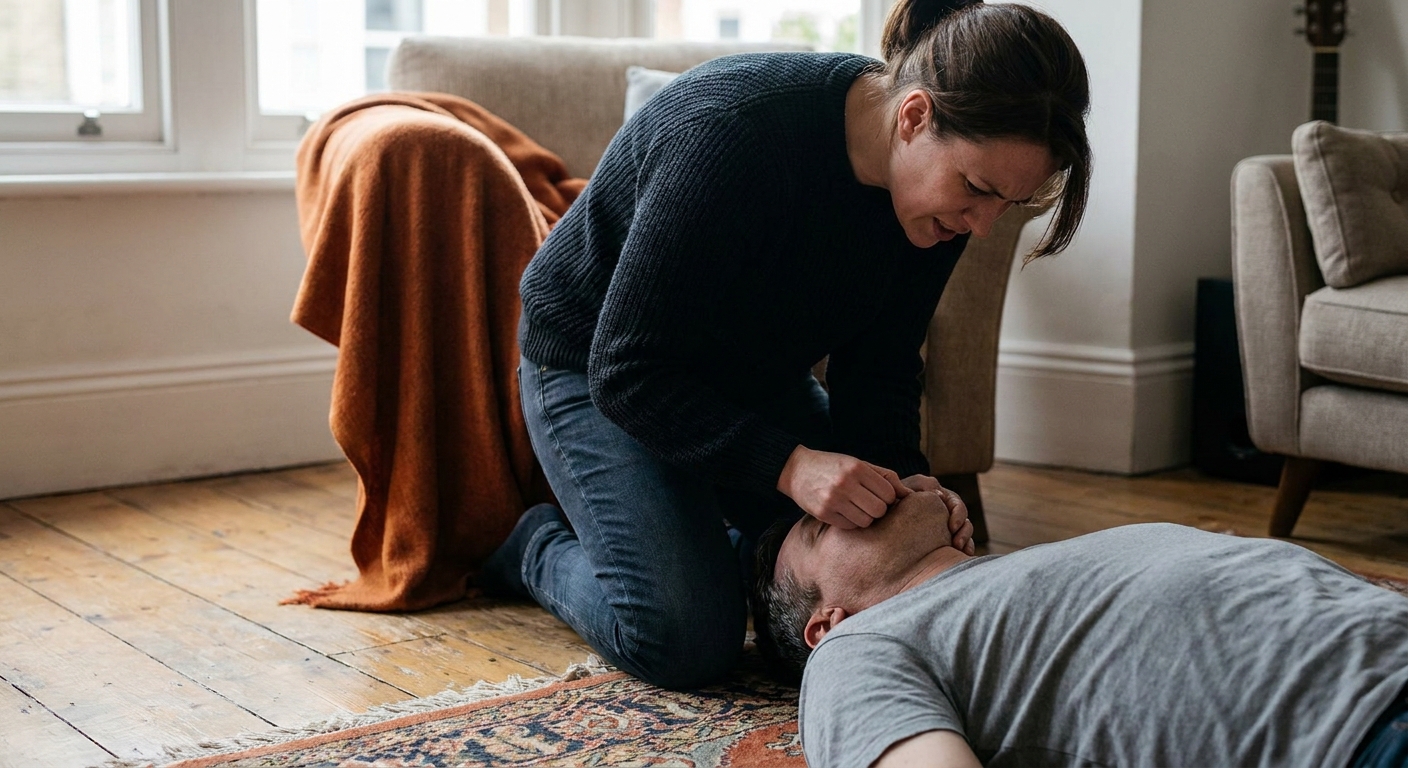
Give the first dose exactly as the label says. Most kits call for a spray into each nostril or an injection into the thigh. Push the plunger or press the nozzle, then step back.
Watch the person closely. In the next two minutes breathing should start to improve. If the chest stays still or the lips stay blue, be ready to give a second dose after another two minutes.
After the emergency passes, move the person to a safe, calm space. Lay them on their side so any vomit can drain away from the airway. If you need more step‑by‑step help, check out Overdose Help: A Practical Guide to Emergency Response and Recovery for a full checklist.
Stay on the line with 911 until help arrives. Keep talking, keep breathing, and keep hope alive.
Step 4: Aftercare and Monitoring
Once the person starts breathing on their own, the work isn’t over. You still need to watch them closely for the next hour. A sudden drop in breathing can happen even if they look fine at first.
Keep them lying on their side. This lets vomit drain away from the airway. Cover them with a blanket if they’re cold, but don’t bundle tight.
Check their breathing every five minutes. Count how many breaths they take in a minute. If the rate falls below eight, be ready to give a dose of naloxone if you have one.
Stay on the phone with 911 until help arrives. Let dispatcher know if the person’s condition changes. Operator can give you instructions.
When the ambulance shows up, hand over notes you made about the timing of doses and how the person responded. This helps staff act fast.
After the crisis, talk calmly with the loved one. Reassure them that help is on the way and you’re there for them. Encourage them to seek follow‑up treatment. A place to start is the full aftercare checklist that walks you through next steps.
Finally, write down what you learned. Jotting a quick log helps you spot patterns if another event occurs. It also makes the next emergency feel less scary.
Step 5: Storing and Replacing Naloxone
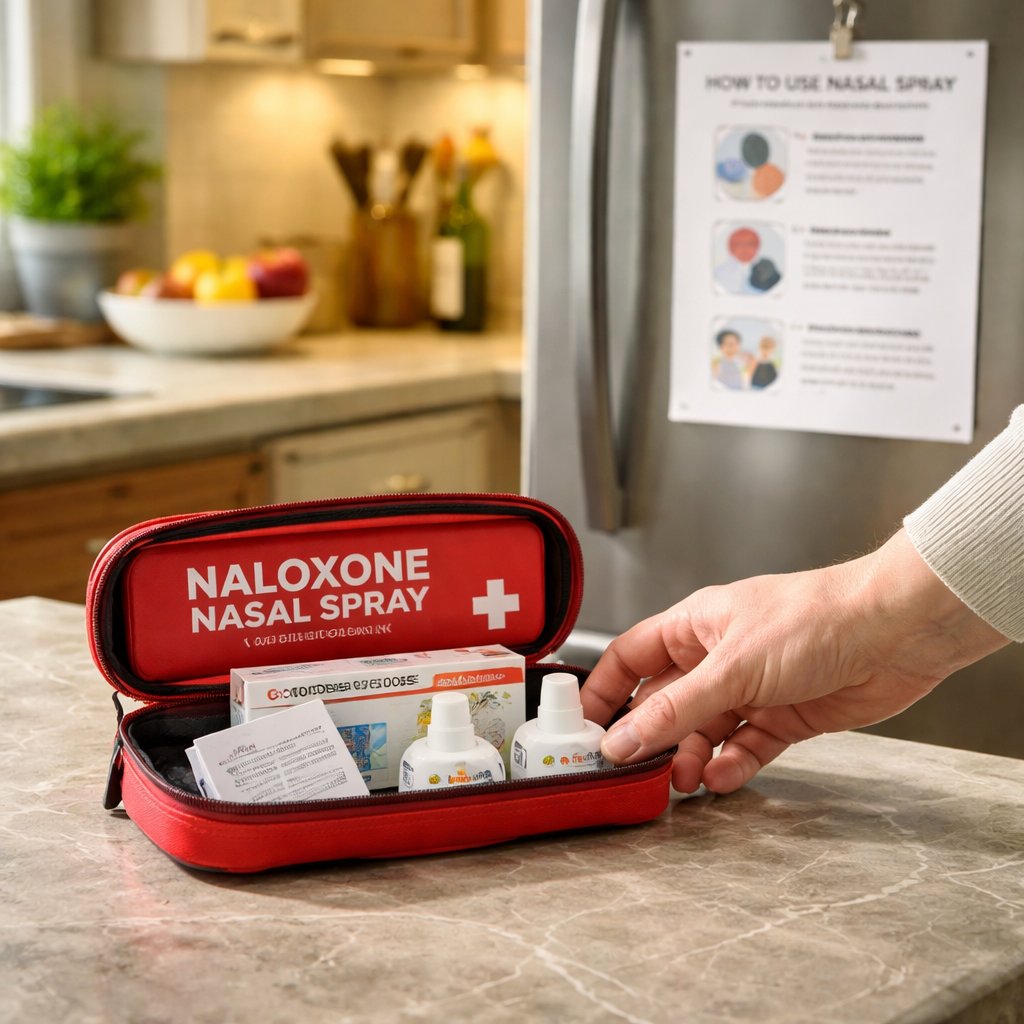
After the rush, the kit needs a safe spot. Put it where it won’t get hot, cold, or wet. A kitchen drawer away from the stove works for most homes.
Check the expiration date every time you grab the spray or syringe. If the date is near, swap it out now, a stale dose may not work when you need it. Keep the bottle upright and cap tight so dust can’t get in.
Temperature matters. Naloxone stays stable between 15°C and 30°C. If you live in a hot climate, store the kit in a cool cabinet, not the car glove box. Keep it out of kids’ reach; a child could mistake the spray for a toy.
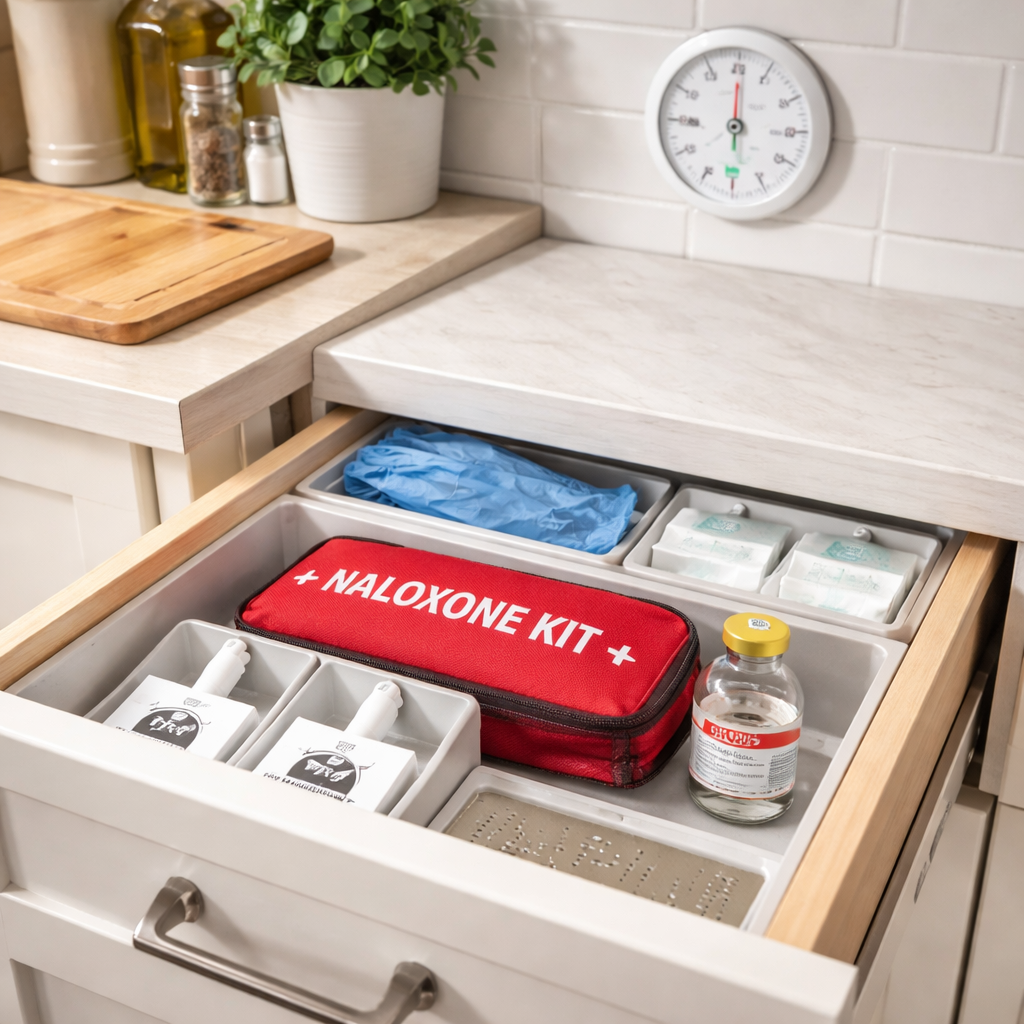
When you replace a used dose, use the same brand and strength the guide recommends. Most kits come with a spare cartridge, but if you run out, order a new one before the old one expires. Many families set a calendar reminder for every six months.
Quick checklist: 1) Is the kit dry? 2) Is the cap sealed? 3) Is the date still good? 4) Do you have a spare? If any answer is no, act now.
Need help getting a fresh kit or a reminder service? Call (949) 545‑3438. For more step‑by‑step tips, see the Overdose Help guide.
Understanding Opioid Overdose Risks
Opioid overdose risk is real and can catch anyone off guard. Even a small slip in dosage can turn a night into a crisis.
The biggest danger is the drop in breathing that happens fast. When the person’s chest isn’t moving or their lips turn blue, seconds count.
Many families don’t realize that tolerance can change overnight, especially after a period of abstinence. That means a dose that felt safe before might now be deadly.
Keep an eye on signs like pinpoint pupils, extreme drowsiness, or a sudden inability to stay awake. If you spot any of these, grab your naloxone kit right away.
Knowing the risk helps you act before panic sets in. For a step‑by‑step plan, check the Overdose Help guide. You can also call (949) 545‑3438 for quick support.
Common Myths About Naloxone
Many families hear the same rumors about naloxone and end up waiting too long. One myth says the spray only works on heavy users – that’s wrong. It can reverse an overdose for anyone, even a first‑time taker.
Another common lie is that you need a prescription to keep a kit at home. In most states you can buy it over the counter, so waiting for a doctor wastes precious minutes. If you think the dose is dangerous, remember the kit is designed to be safe for laypeople.
Some people think a single dose will always be enough. In reality a second dose may be needed if breathing doesn’t improve quickly. Keep the spare ready and follow the step‑by‑step overdose guide for clear instructions. If you need help getting a kit or have questions, call (949) 545‑3438.
Conclusion
You’ve seen how the dose range can jump from 0.04 mg up to 5 mg, and why most guidelines still point to IV even though a nasal spray can give the biggest hit.
Remember: check the kit before each use, store it cool and dry, and be ready to give a spray or a thigh shot in under two minutes. A second dose is okay if breathing doesn’t improve.
When you keep these steps in mind, the fear that comes with an overdose fades. You become the calm voice that can turn a crisis into a chance to survive.
If you need help setting up a plan, talking through the steps, or just a quick answer, call (949) 545‑3438. Next Step Intervention is ready to walk you through the naloxone administration guide for families.
Stay prepared, stay confident, and know that a simple action can save a life.
FAQ
How should I store my naloxone kit?
Keep the kit in a cool, dry place out of kids’ reach. A bathroom cabinet or high shelf works well. Check that the label isn’t bent and that the spray or syringe feels solid. If you travel, stash a small spare in your bag.
What dose do I give a teen compared to an adult?
Most guidelines suggest 0.4 mg for a teen and up to 4 mg for an adult when using a nasal spray. If you only have an injectable, give 0.4 mg in the thigh for a teen and 0.5 mg for an adult. Watch breathing for two minutes before deciding on a second dose.
Can I use a nasal spray if I only have an injectable kit?
Yes, you can give the injectable into the upper outer thigh. Hold the syringe steady and press the plunger fully. The drug works the same way, just a different route. After the dose, stay with the person and call 911.
What if the first dose doesn’t work?
Give a second dose using the same route after waiting two minutes. If breathing still isn’t better, repeat the dose up to a total of 5 mg as the guidelines allow. Keep notes of the time, dose, and route for the EMTs.
How often should I check the expiration date?
Look at the date every few months, especially after a big weather change. If the date is within six months, order a fresh kit now. Most kits stay good for two years, but a stale kit can lose power.
Where can I get more help if I’m nervous about using naloxone?
Call (949) 545‑3438 and speak to a Next Step Intervention specialist. They can walk you through the naloxone administration guide for families, answer questions, and help you set up a plan that fits your home.