
Seeing a teen reach for a bottle of pills feels like a gut punch you never saw coming.
You’re scared, angry, and unsure what to do next. The pressure builds as school, friends, and home life clash, and the thought of an intervention can seem both urgent and impossible.
That’s why an intervention for teenage drug use must be clear, calm, and focused on safety. It isn’t about lecturing or shaming; it’s about creating a safe space where the teen hears love, not judgment.
In the first minutes you’ll want a plan that protects everyone, keeps the conversation on track, and brings in help fast if things get out of hand. Many families find that having a trusted professional on standby makes the difference between a chaotic night and a hopeful start.
Next Step Intervention provides emergency response teams that can step in when a family feels stuck. Their trained interventionists know how to deescalate, listen, and guide the teen toward treatment options.
Stick with us through the next sections and you’ll learn the exact steps to set up a calm meeting, choose the right words, and call the right help at the right time.
Step 1: Recognize the Warning Signs
The first thing you need to do is watch for the signs that something’s off. A teen who’s hiding pills or acting secretive is sending a red flag. You’ll feel that knot in your gut and you can’t ignore it.
Look for mood swings that hit hard, missed school, new friends who seem older, and sudden cash needs. Notice if they start staying out late or if the house smells of alcohol. These clues often pile up before a crisis hits.
Write down each sign as you see it. A simple list helps you stay clear when emotions run high. When you’ve got the facts, you can share them calmly with the teen or with a professional.
If the warning signs feel overwhelming, call Next Step Intervention at (949) 545-3438 right now. A trained response team can jump in, keep things safe, and guide you toward the right help.
Set a time each day to check in, even if it’s just a quick 5‑minute chat. Keep the tone gentle and ask open questions like, “How are you feeling today?” rather than accusing. This steady routine can catch trouble early before it spirals.
Remember, early action saves time, stress, and heartache.
Step 2: Initiate a Compassionate Conversation
Start the talk with love, not blame. You’ve already spotted the signs, now it’s time to talk.
Pick a quiet spot where you won’t be interrupted. A kitchen table or a living‑room couch works.
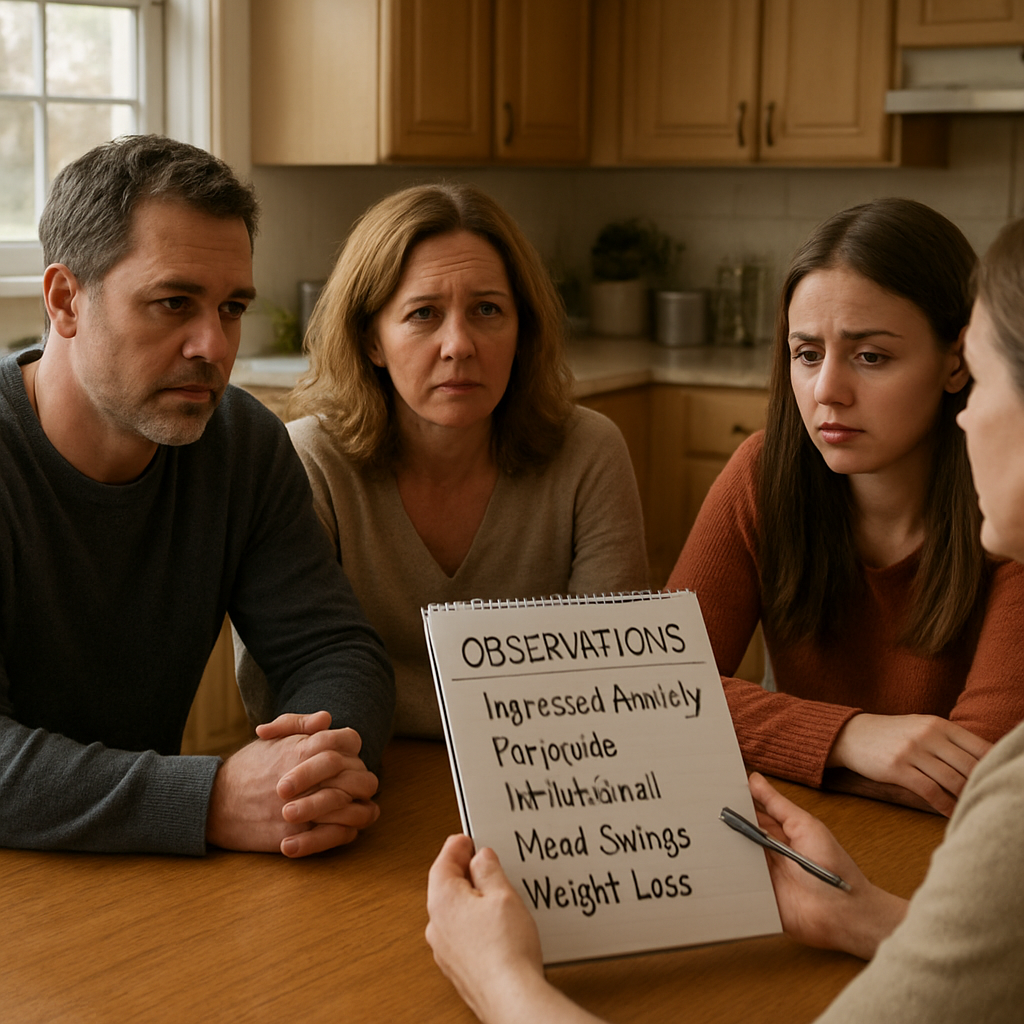
Before you speak, jot down three specific observations. Use simple facts – “I saw the empty bottle on the counter at 10 p.m.” – and note how it made you feel.
Begin with “I” statements. Say something like, “I’m worried because I care about you.” It keeps the teen from feeling attacked.
Listen more than you talk. Let them share what’s going on, even if it sounds messy. Nod, breathe, and avoid interrupting.
Offer a clear next step, like calling a professional or scheduling a short meeting with an interventionist.
If you need a script, check out How to Do a Drug Intervention: A Step‑by‑Step Guide for Families for wording ideas.
A habit‑tracker can help the teen mark sober days and spot triggers. For a free tool, try the habit‑tracker app from Askesis.
Good nutrition also supports recovery. Exuvital offers science‑driven supplements that can boost energy while the teen builds new habits.

When you’re ready, call (949) 545‑3438 and a trained interventionist will stand by.
Step 3: Involve Professional Help
Now that you’ve opened the door, a trained professional can keep things steady. They know how to stay calm when feelings run high and can steer the talk toward safety.
Look for an interventionist or a counselor who works with teens and families. If the situation feels urgent, an emergency response team is the right call. They can come to your home, assess risk, and set up the next steps.
Pick up the phone and dial (949) 545‑3438. Have a brief note ready: the teen’s age, the substances involved, and any recent incidents you’ve observed. This helps the team act fast and plan a response that fits your family.
The professional will listen, deescalate tension, and outline treatment options. They’ll also give you a clear plan for follow up meetings and support resources. They’ll also walk you through how to talk with schools and doctors, so nothing falls through the cracks.
Need a quick reference while you wait? Check out the emergency drug intervention guide for a checklist of what to prepare.
With expert help on standby, you move from panic to a hopeful path forward.
Step 4: Create a Structured Intervention Plan
Now that you’ve talked and called a pro, it’s time to map out the meeting. A clear plan keeps nerves low and the teen feels safe.
First, write a short agenda. List what you saw, why you care, and the next step you want.
Second, assign roles. Decide who will speak first, while a sibling can share a supportive story.
Third, set a timeline. Aim for 15‑20 minutes and note a start and end time so everyone knows when to stop.
Tip: rehearse the script with a friend or the interventionist to catch awkward phrases.
For example, you could say, “I saw the empty bottle at 10 p.m. It scared me because I love you.” Then add, “Let’s call a counselor tomorrow.”
When you’ve set the agenda, give it to the professional. They’ll add safety checks like a quiet room and an emergency plan.
For more detail, see the practical guide to successful drug intervention planning.
Remember to breathe. A solid plan gives you control and steadies the teen.
Step 5: Implement Supportive Strategies
Now the meeting is set, you need tools that keep the teen feeling safe after the talk.
First, pick a calm spot for follow‑up check‑ins. A kitchen table or a short walk in the backyard works because it’s familiar.
Second, use a simple “progress board.” Write the teen’s name at the top, then add one win each day – a sober hour, a school assignment finished, a phone call with a friend. Celebrate each win with a high‑five or a favorite snack.
Third, bring in a trusted adult who can model healthy coping. It could be a grandparent, a coach, or a school counselor. Their role is to listen, not to lecture.
Fourth, set up a low‑stress reward system. When the teen hits a week of clean days, let them choose a movie night or an extra hour of video games. Keep the reward realistic so it feels reachable.
Need more ideas? Check out this guide on effective intervention strategies that many families find helpful.
Also, limit the teen’s exposure to triggers. Turn off TV shows that glamorize drug use, and ask friends to avoid offering substances at gatherings. A calm home vibe helps the teen stay on track.

If you hit a snag, call (949) 545‑3438. A trained interventionist can walk you through the next steps.
Step 6: Monitor Progress and Compare Approaches
After the talk, you need to see what’s actually working. Grab a notebook or a simple app and log any change you notice – a calm evening, a missed dose, a new hobby.
Set a quick check‑in schedule. A 24‑hour note, a 3‑day recap, then a weekly review keep the picture clear. Does the teen seem less anxious? Are they showing up for school?
So, how do you decide which tactic is best? Compare what you tried with what you see.
| What you tried | How you measured | Result |
|---|---|---|
| Brief grounding exercise | Teen reports feeling calmer (self‑rating) | Positive – used every night |
| Scheduled counseling call | Attendance record | Mixed – missed one session |
| Reward after meeting | Frequency of snack reward | Positive – teen looks forward |
When a method falls short, tweak it. Maybe add a short walk after the grounding or pick a different reward.
Need a solid framework for fast changes? Check out the Emergency Drug Intervention guide for clear steps you can copy.
And remember, physical activity can boost mood and cut cravings. A teen could join a structured sport program like TriVelo Coaching for cycling or triathlon training.
Finally, call (949) 545‑3438 if you hit a wall. A trained interventionist can help you reset the plan and keep the teen moving forward.
Step 7: Prevent Relapse and Build Long-Term Resilience
Relapse feels like a setback, but it doesn’t have to end the progress you’ve built. First, treat the teen’s recovery like a habit you keep checking on every day.
Set a simple alarm on a phone or a sticky note that says “Check‑in” at the same time each week. During that check‑in, ask two things: what went well and what felt tough. Write the answers down. Seeing a short list of wins can boost confidence, while spotting a pattern of triggers lets you act fast.
Next, give the teen a small, realistic reward for staying on track – maybe an extra hour of gaming or a favorite snack. Keep the reward low‑key so it feels reachable, not a big prize that adds pressure.
Build a backup plan for high‑risk moments. It could be a quick walk, a breathing exercise, or a call to a trusted adult. Knowing there’s a go‑to move helps stop a slip before it starts.
Finally, keep learning about proven ways to stay sober. The effective relapse‑prevention strategies guide offers easy steps you can add to the teen’s routine.
If the teen ever feels stuck, don’t wait. Call (949) 545‑3438 and a trained interventionist can help you tweak the plan and stay steady.
Conclusion
You’ve walked through each step of an intervention for teenage drug use. You now have a plan you can trust.
Remember, the teen’s safety comes first. Keep notes, stay calm, and call (949) 545‑3438 if you ever feel stuck.
Relapse will happen for some families. Treat it like a small bump – log the slip, use the quick‑action plan, and lean on the support circle you built.
Celebrate every sober day, even the tiny ones. Those wins add up and keep hope alive.
So, what’s the next move? Pick a quiet spot, write down the three facts you saw, and reach out for a professional who can guide you through the rest.
When you call the line, a trained interventionist from Next Step Intervention will walk you through the next steps, answer questions, and help you keep the plan on track. That extra support can make the difference between a night of tension and a hopeful new start.
FAQ
What is an intervention for teenage drug use?
An intervention for teenage drug use is a calm, focused meeting where family members share what they’ve seen and offer help. It isn’t a lecture or a blame session. The goal is to create a safe space so the teen feels heard and knows there’s a plan for treatment. A trained interventionist can guide the talk and keep emotions in check.
When should I call a professional?
Call a professional as soon as you notice repeated signs of use or if the teen’s safety feels at risk. A quick‑response team can step in before the situation escalates. Keep a brief log of what you saw, the time, and how it made you feel, then dial (949) 545‑3438. The call connects you with an expert who can plan the next steps.
How can I keep the teen safe during the meeting?
To keep the teen safe, choose a quiet room with no sharp objects or breakable items. Turn off phones or put them in another space so they don’t distract anyone. Have a trusted adult nearby who can step in if the teen becomes agitated. Set a clear time limit—about 15 to 20 minutes—so the talk stays focused and calm.
What should I say to start the conversation?
Start with an “I” statement that shows you care. For example, say, “I’m worried because I love you and I’ve seen some changes that scare me.” Keep the tone gentle and avoid blaming words. Follow up with a specific observation, like the empty bottle you found, and then suggest a next step such as calling a counselor together.
How do I handle a teen who refuses to talk?
If the teen shuts down, stay calm and give them space. Acknowledge their feelings: “I hear that you’re angry right now.” Don’t push for answers; instead, offer a brief pause and let them know you’ll be there when they’re ready to talk. You can also suggest a short activity—like a walk or breathing exercise—to lower tension before resuming the chat.
What resources are available after the first intervention?
After the first meeting, keep a simple log of what worked and what didn’t. Schedule a follow‑up with a counselor or therapist within a few days. Encourage the teen to join a supportive activity—sports, art, or a peer group—that reinforces sober habits. If cravings hit hard, call (949) 545‑3438 for immediate guidance from a trained interventionist.