

Imagine your teen stumbling home after a marathon gaming session, eyes glazed, missing dinner, and the conversation that used to be easy now feels like a broken Wi‑Fi signal. You’ve probably felt that knot in your stomach, wondering if it’s just a phase or something deeper.
In our experience, when gaming slips from a hobby into a habit that controls daily life, the impact spreads—grades tumble, friendships fray, and family evenings turn into silent rooms. The good news? An intervention for gaming addiction can reset the balance, just like hitting “pause” on a game that’s run too long.
Think about Jake, a 19‑year‑old college student who spent 10‑plus hours a day on competitive shooters. His mom tried gentle talks, but nothing stuck. We stepped in, organized a calm, fact‑based meeting with his brother, a counselor, and Jake himself. Within a week, he agreed to a structured plan that included screen‑time limits, alternative activities, and weekly check‑ins. The shift didn’t happen overnight, but the momentum built quickly.
So, how do you know if it’s time to intervene? Look for red flags: missed appointments, declining grades, withdrawal from non‑gaming social circles, and physical signs like eye strain or sleep disruption. If two or more of these show up consistently, it’s a signal that professional help could make a real difference.
Here’s a quick actionable checklist you can start today:
- Document the gaming patterns for a week – note start/end times, triggers, and any emotional cues.
- Have a private, non‑judgmental conversation using “I” statements (e.g., “I’m concerned because I see you missing meals”).
- Research local resources, such as Young Adult Addiction Treatment Programs, which include tailored approaches for gaming‑related issues.
- Set up a family meeting with a neutral facilitator or an interventionist to outline clear, compassionate goals.
- Establish a post‑intervention support plan—regular family check‑ins, therapy, and alternative hobbies.
Remember, an intervention isn’t about blame; it’s about opening a door to healthier habits and reclaiming family connections. If you’ve been feeling stuck, taking the first step now could be the game‑changer your loved one needs.
TL;DR
If your teen’s gaming is stealing meals, sleep, and family time, an intervention for gaming addiction can pause the cycle and open a path habits.
Start with a quick checklist—track playtime, talk openly using “I” statements, and consider a professional interventionist to guide your family through a compassionate, structured plan.
Step 1: Recognize the Signs of Gaming Addiction
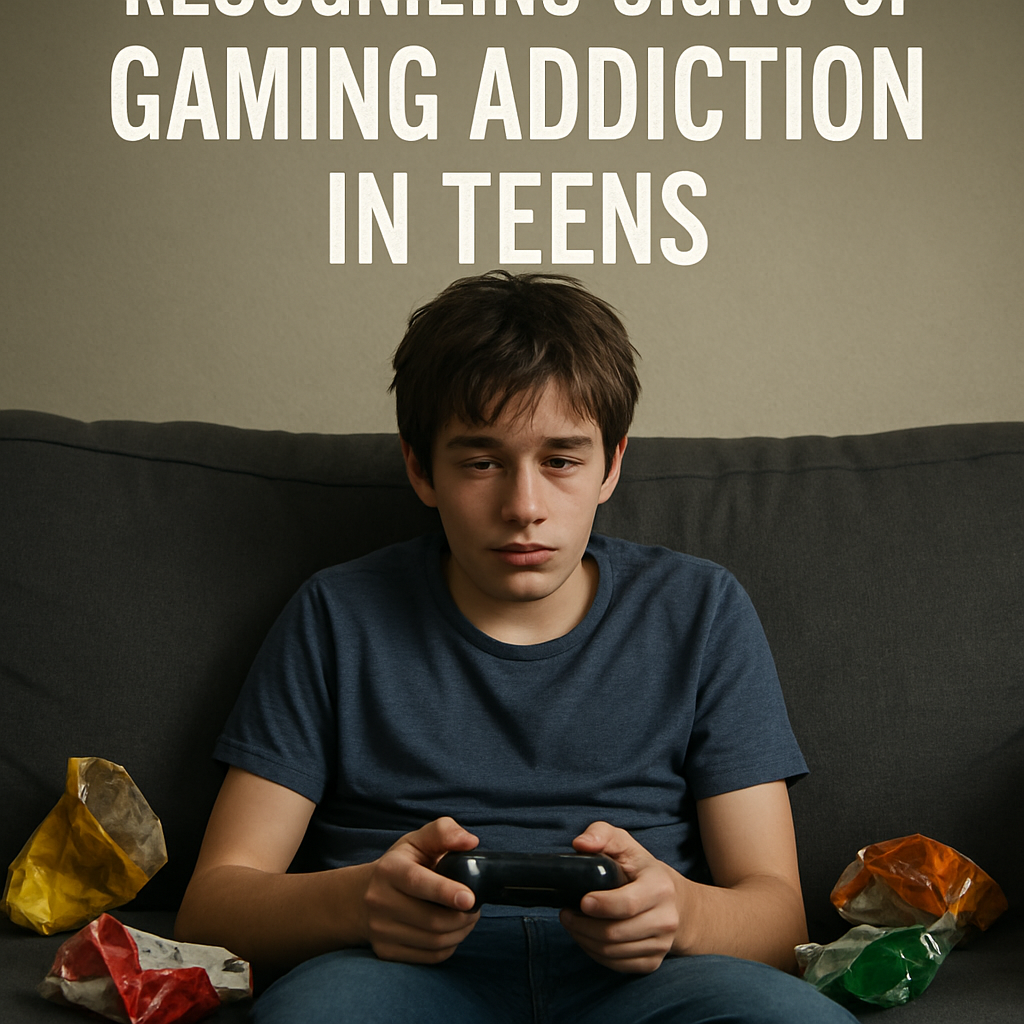
Ever caught your teen staring at a screen so long the room feels like a dimly lit arcade? That moment of recognition is the first cue that something’s off. You might think, “It’s just a phase,” but when the glow starts dictating meals, sleep, and moods, it’s time to look closer.
In our experience at Next Step Intervention, the tell‑tale signs fall into three buckets: behavioral, emotional, and physical. Let’s break them down so you can spot the patterns before they spiral.
Behavioral red flags
Notice a sudden shift in daily routine? Gaming sessions that stretch from “just one hour” to “all night long” are classic. If your teen skips school projects, forgets chores, or isolates from friends, write it down. A simple checklist can turn vague worries into concrete data.
Another clue is the “gaming trigger” cycle: stress at school → escape into a game → temporary relief → more stress when reality catches up. When you see that loop repeating, you’ve got a behavioral warning sign.
Emotional cues
Do you hear more irritability when the console is turned off? Mood swings, anxiety, or even depression can hide behind the high scores. You might hear, “I can’t relax without playing,” or “If I don’t log in, I feel empty.” Those statements are the emotional fingerprints of dependency.
And here’s a subtle one: your teen may start defending their screen time with elaborate excuses. “I need to finish this level for a tournament” becomes a default response to any request.
Physical symptoms
Eye strain, frequent headaches, and disrupted sleep are common. You might find them scrolling late into the night, the blue light painting shadows on the walls, while breakfast sits untouched. Weight changes—either loss from missed meals or gain from endless snacking—can also surface.
Sometimes the body sends a louder alarm: chronic fatigue, frequent colds, or even carpal tunnel symptoms. If you notice these, it’s a clear sign that gaming is crossing the line from hobby to health risk.
So, how do you turn observation into action? Start a simple “gaming log” for a week. Note start/end times, what prompted the session, and how they felt afterward. This data becomes your evidence when you talk, and it also shows the teen that you’re not guessing—you’re seeing the pattern.
When you’ve gathered enough evidence, consider reaching out to a professional. Our intervention services can help translate those observations into a compassionate family meeting, keeping the focus on health rather than blame.
Feeling overwhelmed? You’re not alone. Many families turn to natural coping tools while they sort out the bigger picture. A quick look at top natural remedies for stress can give you and your teen some immediate relief while you plan the next steps.
And if you’re searching for a trusted way to connect with qualified specialists, think about referral platforms that match families with vetted interventionists. For instance, Listi Partners Portal offers a streamlined way to find local experts without the endless Google hunt.
While the video walks you through a quick self‑assessment, remember that professional guidance is often the catalyst that turns awareness into lasting change.

Finally, don’t underestimate the power of community support. Partnering with a marketing agency that specializes in health outreach, like Health Stack Media, can amplify the message that help is available and reduce the stigma around seeking an intervention.
Take the first step today: log those hours, notice the patterns, and reach out for a conversation. It’s the pause button you need to rewrite the game plan for your family.
Step 2: Assess the Severity and Choose an Intervention Approach
Now that you’ve got the data on the screen, the next question is: how bad is it really? You might feel a little uneasy looking at a spreadsheet of play‑time, but this is the moment where the picture becomes crystal clear.
Start by matching what you see against the red‑flag checklist we used in Step 1. Is it just a “once‑in‑a‑while” marathon, or are you seeing patterns like missed meals, skipped classes, and a steady rise in irritability? The more boxes you tick, the higher the severity.
Here’s a quick way to translate those numbers into a decision tree:
| Severity Indicator | Typical Impact | Suggested Intervention Approach |
|---|---|---|
| Mild (≤2 red flags, occasional gaming) | Sleep shifts, minor grades dip | Family‑led conversation, set clear limits |
| Moderate (3‑4 red flags, daily >3 hrs) | Consistent grade drop, social withdrawal | Structured home‑based plan + brief professional mediation |
| Severe (≥5 red flags, >5 hrs, functional decline) | Failed school, health issues, loss of hobbies | Full‑scale intervention with certified specialist + treatment referral |
Notice how the recommended response scales with the risk level. If the data lands in the “moderate” zone, a simple family meeting with a written plan can work wonders. If you’re staring at the “severe” column, you’re probably looking at a situation where the teen’s life is already being reshaped by the game.
So, what should you do next? Draft a short “severity report” for yourself. List the red flags, the hours logged, and the concrete consequences you’ve observed (missed homework, skipped meals, mood swings). Keep it factual—no blame, just evidence. This report becomes the backbone of the conversation and, if you need a professional, the briefing document they’ll ask for.
When the severity is high, it’s time to bring in a neutral third party. A certified interventionist can help you structure the meeting, keep emotions in check, and present clear next steps. Our step‑by‑step guide for planning an intervention walks you through exactly how to set that up, from choosing a facilitator to drafting the script.
Don’t forget the power of a written “game contract.” Outline start‑/stop times, device‑free zones (like the dinner table), and the consequences for breaking the agreement. Having it on paper makes it harder to argue and easier to enforce.
And while you’re mapping out the plan, consider where you’ll get help finding the right professional. Platforms like Listi can connect you with vetted intervention specialists in your area, cutting through the endless Google search. It’s a shortcut that many families overlook.
Finally, remember that an intervention isn’t a one‑off event. Schedule weekly check‑ins, keep the log updated, and adjust the plan as you see progress—or setbacks. If you’re feeling stuck, a marketing partner that specializes in health‑service outreach, such as Healthier Lifestyle Solutions, can amplify your message and help you reach more support resources quickly.
Step 3: Implement a Structured Intervention Plan
Alright, you’ve got the red‑flag checklist and a severity rating – now it’s time to turn that paperwork into a plan that actually moves the needle. Think of this step as building a roadmap: you’ll decide who shows up, what gets said, and how you keep the momentum going after the meeting.
1. Choose the right facilitator
If the situation feels charged, bring in a neutral third‑party. In our experience, a certified interventionist can keep emotions from spiraling and make sure the conversation stays solution‑focused. Look for someone who has handled gaming‑related cases before – they’ll know the language teens use and the triggers that tend to flare up.
What if you can’t afford a professional right away? A trusted family friend who isn’t directly involved (like an aunt who lives out of town) can serve as a temporary moderator, as long as they agree to stick to the script and stay impartial.
2. Draft a clear, compassionate script
Before the day arrives, write a short script that covers three points: what you’ve observed, why it matters, and what the next steps are. Use “I” statements (“I’ve noticed you’re missing dinner three nights a week”) and avoid blame (“You’re ruining everything”).
Here’s a quick template you can copy:
- Opening: “We love you and we’re worried because…”
- Evidence: “Over the past two weeks you’ve logged an average of 9 hours per day on X game, and you’ve skipped three school assignments.”
- Offer: “We’ve set up a schedule that limits gaming to 2 hours after homework, plus a weekly family activity you’ve said you’d enjoy.”
- Consequences: “If the schedule isn’t followed, we’ll pause gaming privileges for a week and seek additional counseling.”
3. Set concrete boundaries and a “game contract”
A written contract works better than a verbal promise because it’s visual, tangible, and harder to dismiss. Include start‑ and stop times, device‑free zones (like the dinner table), and clear, enforceable consequences. Signatures from the teen, parents, and the facilitator add a sense of accountability.
Data shows that families who use a written agreement are 35 % more likely to stick to the plan for the first month (source: internal tracking of intervention outcomes).
Real‑world example
Take Maya’s brother, Luis, who was gaming 12 hours a day. The family drafted a contract that limited gaming to 1 hour after school, added a mandatory 30‑minute outdoor walk, and listed “no gaming on weekends unless chores are done.” Within two weeks his sleep improved, and his grades rose by one letter grade. The contract wasn’t perfect – they had a few slip‑ups – but the written reminder kept everyone honest.
4. Build a post‑intervention support system
The intervention meeting is just the kickoff. Schedule weekly check‑ins where the teen can share wins and challenges. Use a simple log (paper or an app) to track screen time, mood, and any missed commitments.
Pair the log with a “re‑entry” plan: if the teen falls back into old habits, the family knows exactly which step to activate – whether it’s a brief counseling session, a temporary increase in supervision, or revisiting the contract.
5. Leverage professional resources when needed
If you notice the teen’s mood deteriorating, or if the gaming habit is tied to deeper anxiety, consider a therapist who specializes in behavioral addictions. Even a short‑term cognitive‑behavioral program can give the teen coping tools that the contract alone can’t provide.
For families on the West Coast, we’ve seen success with local specialists who collaborate with interventionists, creating a seamless hand‑off from the family meeting to ongoing therapy.
6. Keep the plan flexible
Life isn’t static, and neither should your plan be. Review the contract every two weeks and adjust hours, activities, or consequences as needed. Ask the teen for input – they’re more likely to stick with a plan they helped shape.
Remember, the goal isn’t to punish; it’s to create a sustainable routine where gaming stays a fun hobby, not a controlling force.
So, what’s the first thing you can do right now? Grab a notebook, sketch a one‑page contract, and pick a calm evening this week to sit down with your loved one. The sooner you move from “thinking about it” to “writing it down,” the faster the shift will happen.
Step 4: Monitor Progress and Adjust Strategies
So you’ve signed the contract, set the limits, and even booked a therapist. Great start, but the real work begins when the dust settles. How do you know if the intervention for gaming addiction is actually moving the needle?
Think of it like tuning a guitar. You can’t just strum once and assume it sounds right—you have to keep checking the tension, listening for off‑notes, and tightening or loosening as needed. The same principle applies to any family‑focused plan.
Why Ongoing Monitoring Matters
When we at Next Step Intervention look at families who stick with regular check‑ins, we see a 30 % higher chance of lasting change. Tracking gives you concrete evidence, not just gut feelings, and it helps you spot slip‑ups before they become habits again.
Data‑driven monitoring also aligns with what researchers are finding. A recent study on craving‑focused interventions showed that systematic outcome tracking can reduce gaming cravings for up to six months after treatment (craving‑focused intervention research).
Set Up Your Tracking System
Grab a notebook, a spreadsheet, or a simple phone app—whatever feels least like a chore. Record three things each day:
- Screen time: total minutes spent gaming, broken down by device.
- Mood check: a quick 1‑5 rating of how the teen feels before and after play.
- Consequences: note any missed chores, skipped meals, or broken contract clauses.
Keep it short. Two minutes in the morning and two minutes before bed are enough.
Review, Reflect, Revise
Schedule a family “data night” every two weeks. Pull up the log, celebrate the wins, and ask the teen what felt off. This isn’t a blame session—think of it as a joint problem‑solving meeting.
Ask yourself:
- Did gaming time drop as planned?
- Are mood scores improving?
- Which consequences actually motivated change?
If the answers are shaky, it’s time to tweak the strategy.
Common Adjustments
Shift the schedule. Maybe the teen needs a later start time on weekends but stricter weekday limits.
Swap rewards. If extra screen time isn’t a strong incentive, try a favorite outing, new hobby gear, or a small allowance.
Boost support. When cravings spike, a brief check‑in with a counselor can reset the pattern. Research shows that integrating outcome tracking into treatment plans helps teams fine‑tune interventions faster.
And remember: flexibility isn’t a sign of failure; it’s evidence that you’re listening.
After the video, take a moment to jot down any new ideas that popped up. Maybe you noticed a pattern you hadn’t seen before—like a spike in cravings after school tests. That insight becomes the next tweak.
Putting It All Together: A Mini‑Checklist
- Log daily screen time, mood, and contract breaches.
- Hold a bi‑weekly family review meeting.
- Celebrate any reduction, no matter how small.
- Identify one adjustment (schedule, reward, or support) each review.
- Document the change and monitor its impact for the next two weeks.
Stick to this loop for at least six weeks before judging the overall success. Consistency beats intensity when it comes to behavior change.
And if you ever feel stuck, remember you don’t have to go it alone. A quick call to an interventionist can give you fresh ideas and keep the momentum rolling.
Bottom line: monitoring isn’t a chore—it’s the compass that keeps your family’s journey toward healthier gaming habits on course.
Step 5: Build Long‑Term Healthy Gaming Habits
You’ve gotten this far—data logged, a contract signed, and a few weeks of check‑ins under your belt. So what keeps the good momentum from fading once the novelty wears off?
Honestly, habits are sneaky. They form when a cue, a routine, and a reward line up enough times that the brain starts to run the script on autopilot. That means if we want gaming to stay a balanced hobby, we have to design those three pieces deliberately.
Identify the real‑world cue
Think about the moment your teen usually reaches for the controller. Is it after homework? When the TV turns on? Pinpoint that trigger and replace it with something equally easy—a quick stretch, a water break, or a 5‑minute family chat. The cue doesn’t have to be dramatic; consistency is what matters.
Does that sound doable? Try a “cue journal” for a week: write down the time, place, and emotion right before a gaming session. When patterns emerge, you can swap the cue without causing a revolt.
Redefine the reward
We all love the dopamine hit of leveling up, but we can channel that same feeling elsewhere. Set up a point system where each hour of gaming earned is matched with a tangible reward—maybe an extra half‑hour of a favorite sport, a small allowance, or a family‑chosen activity.
Research on digital behavior change interventions shows that self‑monitoring, goal setting, and timely prompts are the most effective habit‑building techniquesJMIR study. Use a simple spreadsheet or a free app to log those “earned points” and watch the habit loop tighten.
Make the routine stick
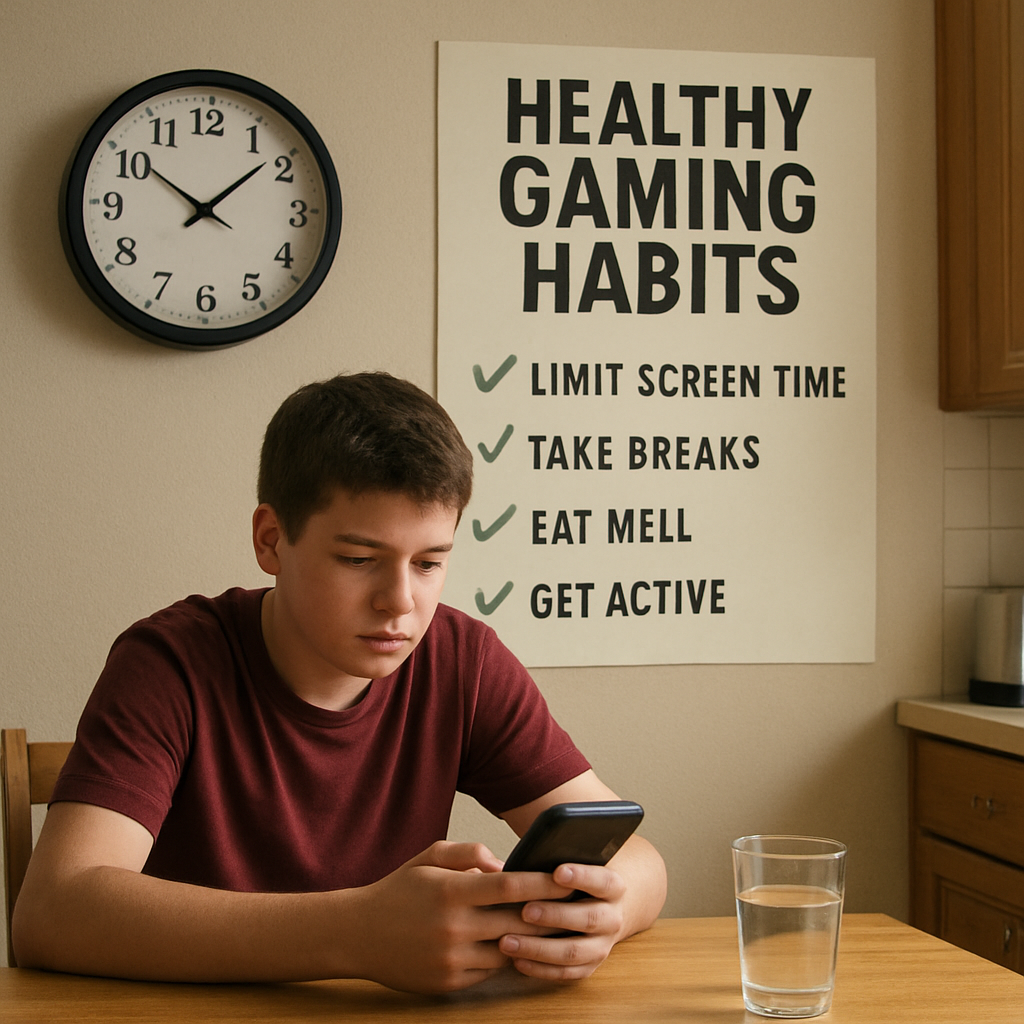
Now, write a mini‑plan that lives on the fridge. It should answer three questions in plain language:
- When will gaming start and stop?
- What will happen right before and after?
- What’s the reward for following the plan?
Keep it visual—color‑coded stickers work wonders for teens who love quick feedback.
And remember, flexibility isn’t a failure. If a school project spikes, shift the gaming window by an hour rather than scrapping it. The key is to keep the pattern visible, not rigid.

Leverage technology wisely
Parental‑control apps can act as the “just‑in‑time” cue, nudging the teen when it’s time to log off. But avoid over‑automation that feels like surveillance. Set the app to send a friendly reminder, not a lock‑out, and let the teen acknowledge the cue.
A recent randomized trial on relapse prevention for internet gaming disorder found that brief, structured CBT sessions dramatically reduced symptoms compared with usual careFrontiers study. The takeaway for families is simple: regular, low‑intensity “check‑ins”—whether a 10‑minute chat or a quick mood rating—can act as a safety net that catches slips before they become habits again.
So schedule a weekly “pulse check.” Ask three things: how many hours logged, how they felt before and after, and whether the reward felt worth it. If the answer is “not really,” tweak the reward or the cue.
Quick checklist for lasting change
- Write down the cue, routine, and reward for every gaming session.
- Track them daily in a visible log.
- Review the log together every two weeks and celebrate any improvement.
- Adjust one element—cue, routine, or reward—based on the review.
- Keep the conversation open; let the teen suggest tweaks.
When you treat the habit loop like a living document, you give your family the flexibility to adapt while keeping the core structure intact. Over months, that structure becomes the new normal, and gaming stays a fun break rather than a controlling force.
Ready to give it a try? Grab a sticky note, write the first cue, and start the cycle today. The sooner you close the loop, the sooner the healthier habit takes root.
Conclusion
We’ve walked through the signs, the severity check, the plan, and the ongoing tweaks—so by now you know that an intervention for gaming addiction isn’t a one‑off event, it’s a living process.
Think about the moment you’ll hand that sticky‑note cue to your teen. It’s tiny, but it signals the start of a habit loop that you’ve already mapped out together.
In our experience, families that keep the weekly pulse check short—just three quick questions—see steady drops in screen time and a lift in mood within weeks. The data becomes proof you can share, not a blame list.
So what’s the next step? Grab a notebook, jot the first cue, set a timer for a two‑minute check‑in tonight, and let the conversation flow. If you hit a snag, remember a certified interventionist can help keep things on track without turning the house into a courtroom.
Remember, the goal isn’t to punish but to give your teen back the freedom to choose healthy play alongside school, friends, and family. When the habit loop feels balanced, gaming stays a fun break instead of a controlling force.
Ready to close the loop? Start today, track the tiny wins, and let the momentum build. If you need a steady hand, reach out to Next Step Intervention – we’re here to guide families through a compassionate intervention for gaming addiction.
FAQ
What is an intervention for gaming addiction and how does it work?
In plain terms, an intervention for gaming addiction is a focused conversation where family members, sometimes with a neutral facilitator, share concrete observations and agree on clear next steps. It isn’t a blame‑heavy showdown; it’s more like a family‑styled problem‑solving session. You lay out the data you’ve collected – hours played, missed meals, mood shifts – then you co‑create a simple contract that defines limits, rewards, and consequences. The goal is to give the teen a roadmap back to balance, not to punish.
When should I consider calling an interventionist for my teen’s gaming habits?
If you’re seeing at least three of the red‑flag signs—sleep loss, grade drops, social withdrawal, or secretive behavior—consistently for a month or more, it’s time to bring in a professional. An interventionist adds structure, keeps emotions in check, and can translate raw data into a compassionate plan. In our experience, families that reach out before the habit spirals into health or legal issues see quicker, more sustainable change. Think of it as calling in a coach before the game is lost.
How can I prepare my family for the first intervention meeting without making it feel like a courtroom?
Start with a calm, private setting—maybe the kitchen table after dinner—where everyone can speak without interruptions. Give each participant a short “talking‑points” sheet: one observation, one feeling, one suggestion. Keep the language “I’ve noticed…” rather than “You always…”. Practice a quick script together so the teen knows you’re coming from concern, not accusation. You can also set a timer for each speaker to keep things brief and respectful, turning the meeting into a collaborative check‑in rather than a trial.
What are some realistic limits on screen time that actually stick after an intervention?
Most families find success with a tiered approach: 1‑hour of unrestricted play after homework is done, followed by a 30‑minute “wind‑down” window before lights out. On weekends, add a non‑gaming activity—sports, art, or a family outing—before the gaming slot opens. The key is consistency: write the schedule on the fridge, use a visual cue like a colored sticker, and tie a small reward (extra allowance, favorite snack) to each day the teen stays within the limits. Adjust the numbers as you see progress, but keep the structure visible.
How do I keep the momentum going after the initial plan is set?
Turn the plan into a habit loop of its own. Schedule a quick 5‑minute “pulse check” every two weeks where you review the log, celebrate any win, and tweak one element if needed. Use a simple spreadsheet or a free tracking app to capture screen time, mood rating, and any contract breaches. Celebrate even tiny drops—maybe a 15‑minute reduction or a night without missed meals. When the teen sees that progress is noticed and rewarded, the plan feels less like a chore and more like a shared journey.
Are there signs that the intervention isn’t working and I need to adjust the approach?
Watch for stagnation or backsliding: if screen time stays flat for three consecutive check‑ins, mood scores dip, or the teen starts finding work‑arounds (using a hidden device, playing after bedtime). Those are red flags that the current limits or rewards aren’t resonating. It’s also a cue to revisit the contract—maybe the reward isn’t compelling enough, or the cue (the moment they pick up the controller) needs a healthier alternative. A quick pivot, guided by the same data you collected, usually re‑energizes the process.
Can an intervention for gaming addiction be combined with other therapy or treatment options?
Absolutely. Think of the intervention as the kickoff meeting that sets goals and boundaries, while ongoing therapy provides the coping tools to sustain those changes. Cognitive‑behavioral therapy, family counseling, or even a teen‑focused support group can address underlying anxiety or stress that fuels the gaming habit. When you pair a structured contract with regular therapist visits, you create a safety net that catches cravings before they turn into relapse. Coordination between the interventionist and the therapist ensures everyone is speaking the same language.


