

Imagine you’re scrolling through “detox near me” at 2 am, heart racing, wondering if there’s a safe place nearby where your loved one can start fresh. You’ve probably felt that knot in your stomach – the fear that the wrong facility could make things worse, or that you’ll waste precious time figuring out insurance and logistics.
In our experience, the first breakthrough comes from narrowing down options that actually offer medically‑supervised detox, not just a generic “rehab” label. For example, a family in Anaheim discovered a local center that performed a 24‑hour withdrawal assessment, ran lab work on the spot, and coordinated with their insurance within 48 hours. They stopped the endless phone tag and got their son into care the same week.
Here’s a quick way to replicate that success:
- Search “detox near me” and note facilities that mention “medical detox” or “detox services” in the snippet.
- Visit each site and look for details on pre‑admission screening, lab work, and insurance navigation.
- Call the facility’s admissions line and ask: “What’s the average wait time from screening to first detox session?” If they can’t answer clearly, keep looking.
Once you’ve shortlisted, compare what we call the “three‑pillars” of a good detox program: medical monitoring, individualized care plans, and post‑detox support. A center in Woodland Hills, for instance, offered a comprehensive package that included a psychiatrist on‑call, a nutritionist, and a sober‑living transition team.
Our own addiction treatment options embody these pillars – from the initial medical evaluation to ongoing counseling. We’ve helped families cut through the noise and secure admission quickly, so they can focus on recovery instead of paperwork.
While detox tackles the physical dependence, nutrition plays a huge role in how the body heals. A simple way to stay on track is using a calorie‑counter app that lets you snap photos of meals and get instant feedback. Check out this smart eating guide for practical tips that complement the detox process.
Feeling overwhelmed? You’re not alone. Take the next step right now: grab a pen, write down three local detox centers that meet the three‑pillars criteria, and give them a call. If you need a hand navigating insurance or want a trusted interventionist to guide the conversation, pick up the phone and call us today. A quick conversation can shave days off the waiting period and get your loved one the care they deserve.
TL;DR
If you’re searching “detox near me,” focus on facilities that offer medical monitoring, personalized plans, and post‑detox support to ensure a safe, speedy recovery.
Call Next Step Intervention now at (555) 123‑4567 to get fast, compassionate admission assistance and cut weeks off the wait for your loved one’s health today immediately.
Step 1: Find Local Detox Centers
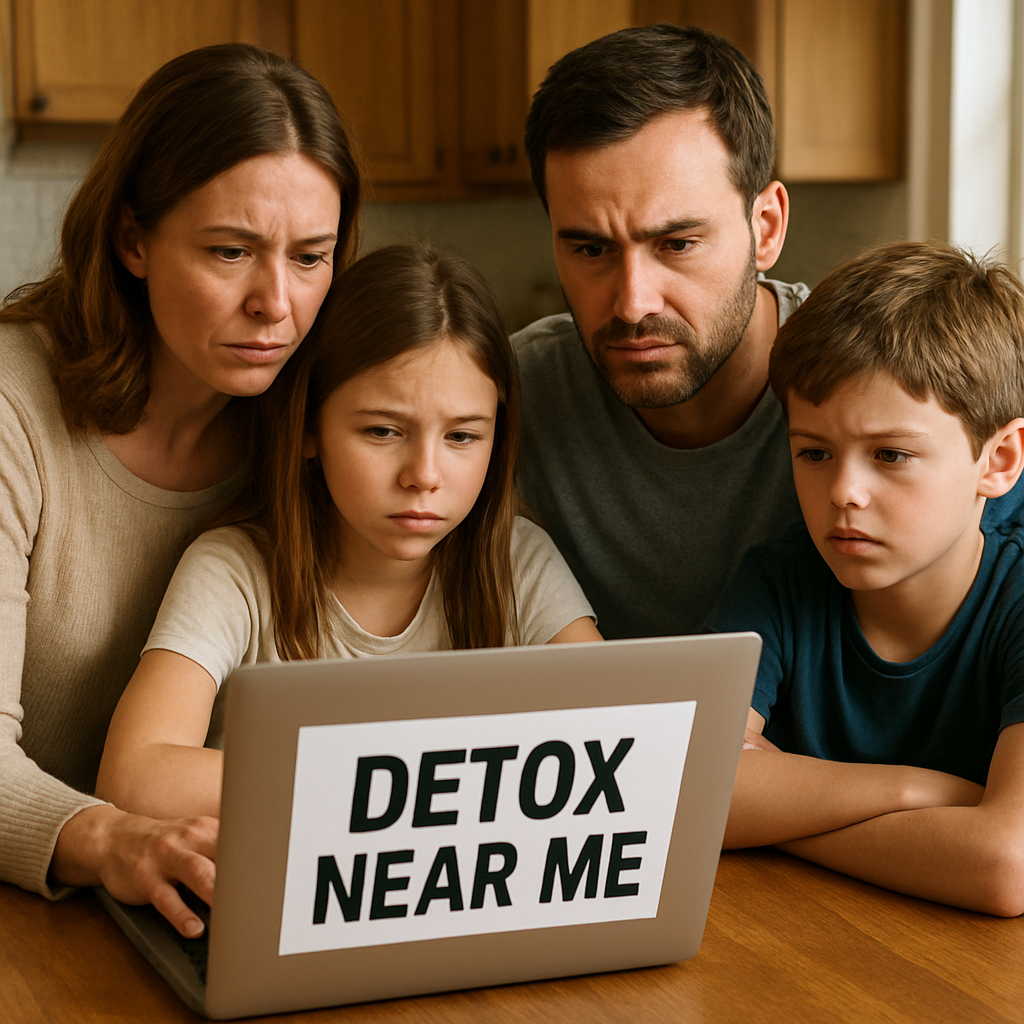
Picture this: it’s 2 am, you’ve typed “detox near me” into the search bar, and the screen is flooded with names that sound promising but feel vague. Your heart’s racing because you need a place that actually monitors withdrawal, not just a generic rehab brochure.
First thing we do is narrow the field to centers that explicitly mention “medical detox” or “detox services” in their meta description. Those keywords are the litmus test that the facility is staffed with nurses, doctors, or certified withdrawal specialists.
Grab a notebook, or open a note app, and start a simple spreadsheet. Column A: facility name. Column B: does the site list on‑site lab work or a 24‑hour assessment? Column C: insurance coordination details. Column D: wait‑time estimate. This visual checklist keeps the overwhelm at bay.
Next, dive into the website. Look for a dedicated “Admissions” or “Pre‑Admission Screening” page. If the page says something like “our intake team will review your insurance within 48 hours,” that’s a good sign. If it’s vague, move on. In our experience, the clearest sites also publish a phone number for a live admissions counselor – you want a human voice, not just a contact form.
But how do you verify what they claim? Call the number and ask three non‑negotiable questions:
- “What medical staff will be present during the first 24 hours?”
- “Do you offer on‑site lab testing for withdrawal markers?”
- “What’s the typical wait time from screening to the first detox session?”
If the answers are specific and the person sounds confident, you’ve got a contender. If they stumble, keep looking – you deserve certainty.
While you’re on the phone, jot down the name of the admissions rep. Later you can reference that conversation when you compare options. It’s a small detail that makes a huge difference when you’re juggling multiple facilities.
Once you have a shortlist of three or four centers, it’s time to compare the “three‑pillars” we mentioned earlier: medical monitoring, individualized care plans, and post‑detox support. Some centers bundle a psychiatrist on‑call, a nutritionist, and a sober‑living transition team. Those are the programs that reduce relapse risk.
Here’s a quick way to visualize the comparison: create a table with the pillars as rows and each center as columns. Color‑code green for a full offering, yellow for partial, and red for missing. This visual snapshot makes the decision feel less like a guesswork game and more like a data‑driven choice.
Need a concrete example? In Anaheim, a family we helped found a center that did a 24‑hour withdrawal assessment, ran lab work on site, and coordinated insurance within two days. The admissions rep even walked them through the medication protocol, which cut their wait time from weeks to days.
To streamline the whole process, you might consider using an online directory that aggregates local detox providers with verified medical credentials. Listi’s directory of local services is a good place to cross‑check the facilities you’ve found.
And don’t forget the nutrition side of recovery. While you’re scouting detox centers, think about how you’ll support the body after the medical phase. A practical guide on using a photo‑based calorie counter can help families keep meals balanced during the transition. Check out Smart Eating with a Photo Calorie Counter App for easy, bite‑sized tips.
Also, if you’re looking for sober social ideas after detox, we’ve seen families benefit from creative, alcohol‑free celebrations. For inspiration, browse Creative sober bachelor party ideas – the same principles apply to any gathering where you want to keep the vibe fun without the booze.
Here’s the video that walks you through a quick phone script you can use when calling a detox center. It’s short, but it captures the tone and key questions you should ask.
After you’ve watched the video, go back to your spreadsheet and fill in any gaps you noticed. The more detail you capture now, the fewer follow‑up calls you’ll need later.
When you feel confident about your shortlist, the final step is to reach out to each center with a concise email that outlines what you’re looking for: medical monitoring, individualized plan, and post‑detox support. Copy the email to yourself so you have a paper trail.
If you hit any roadblocks, remember you don’t have to navigate this alone. Our team at Next Step Intervention can help you interpret insurance benefits, set up the initial screening, and even join the admissions call to ensure you get clear answers. Give us a call now at (555) 123‑4567 – the sooner you act, the sooner your loved one can start healing.
Ready to take action? Grab that notebook, start your spreadsheet, and make the first call today. Your proactive step could shave weeks off the waiting period and get your family on the path to recovery faster.

For a deeper dive into securing a spot at a reputable center, see our guide on Securing Admission to Treatment. It breaks down the paperwork, insurance negotiations, and what to expect on your first day of detox.
Step 2: Evaluate Services & Credentials
Now that you’ve got a shortlist, the real work begins – making sure each facility is actually qualified to keep your loved one safe.
Check licensing and accreditation
Start by pulling the state license number. A legit medical detox will display it on the admissions page or in a “Our Credentials” section. If it’s hidden, ask the admissions coordinator, “Can you give me your California Department of Health Services license number?”
Why does that matter? Because a licensed center has passed state inspections, meets staffing ratios, and is held to strict safety standards. An unlicensed clinic might still call itself “detox,” but it can’t legally administer medication‑assisted withdrawal.
Quick way to verify:
- Visit the state health department’s provider lookup tool.
- Enter the license number you were given.
- Confirm the status is “active” and note any past violations.
If the center isn’t listed, that’s a red flag – walk away before you waste another call.
Make sure the staff have the right credentials
Medical detox isn’t a yoga class; it needs doctors, nurses, and certified addiction specialists on hand 24/7. Look for:
- Board‑certified addiction psychiatrists or physicians.
- Registered nurses (RNs) with experience in withdrawal management.
- Licensed clinical social workers or counselors who can start therapy right away.
When you speak to the intake team, ask for the names and titles of the professionals who will be monitoring your loved one. A confident answer – “Dr. Patel, MD, board‑certified in addiction medicine, will be on call for the first 48 hours” – is worth its weight in peace of mind.
Assess the treatment approach
Not all detox programs are created equal. Some rely solely on “detox drinks,” while others use evidence‑based medication‑assisted withdrawal (MAW) like buprenorphine or benzodiazepine tapers. Ask these two questions:
- What medication protocol do you follow for opioid or alcohol withdrawal?
- Do you adjust the plan based on the patient’s medical history and substance use pattern?
In our experience, facilities that tailor the medication regimen to each individual see fewer complications and smoother transitions to after‑care.
Look for post‑detox support
Detox is just the first chapter. The real recovery story continues with counseling, outpatient therapy, or a sober‑living transition. Verify that the center offers at least one of the following before discharge:
- A written relapse‑prevention plan with concrete steps.
- Referral to an outpatient therapist or intensive outpatient program (IOP).
- Connections to local support groups like AA or SMART Recovery.
If they can’t name a specific after‑care partner, ask them to provide a list of vetted providers. A detox that ends at discharge without a roadmap is a recipe for relapse.
Put it all together – your evaluation checklist
Grab a piece of paper (or open a notes app) and run through this quick audit for each facility on your list:
- License number visible and verified?
- Board‑certified physicians and RNs on staff?
- Evidence‑based medication protocol tailored to the patient?
- Clear after‑care plan documented?
- Transparent cost estimate and financial counselor available?
If you can check “yes” on at least four of those items, you’ve likely found a solid option. If you’re stuck on a single point, give us a call right now at (555) 123‑4567. Our specialists can confirm credentials, walk you through insurance nuances, and even secure a same‑day bed when time is critical.
Remember, you don’t have to navigate this maze alone. A quick phone call can turn confusion into confidence and get your loved one on the path to a safe, medically‑supervised detox.
Step 3: Book Your First Detox Session
Okay, you’ve narrowed it down to a handful of centers that actually look legit. The next hurdle feels like a mini‑marathon: turning that shortlist into a concrete appointment. Trust me, the anxiety spikes the moment you pick up the phone, but we’ve broken the process into bite‑size actions so it feels manageable.
1. Gather the paperwork before you call
Grab a fresh sheet of paper or open a notes app. Jot down:
- Full name, DOB, and any known allergies of your loved one
- Current insurance card (front and back)
- A brief list of substances used, last use date, and any past detox experiences
Having this info ready cuts the back‑and‑forth and shows the admissions team you’re serious.
Pro tip: Some centers ask for recent lab results (CBC, liver panel). If you have them, keep a digital copy handy. It speeds up the intake assessment.
2. Make the call – what to say
When the admissions line picks up, introduce yourself, mention you’re calling about a “medical detox” slot, and then fire these three questions:
- What is the average wait time from screening to the first detox session?
- Can you walk me through the medication‑assisted withdrawal protocol you use for opioid or alcohol withdrawal?
- Do you have a financial counselor who can give me a written cost estimate before I commit?
If the answer is vague or they dodge the question, politely thank them and move on. Transparency at this stage is a strong predictor of overall program quality.
3. Verify the intake checklist
After the call, compare the center’s answers to the checklist you built in Step 2. Look for:
- Clear timeline – ideally same‑day or within 48 hours for severe cases
- Specific medication names (e.g., buprenorphine, lorazepam) rather than “we’ll figure it out”
- Named staff – a doctor or RN who will monitor vitals during the first 24 hours
If anything feels fuzzy, ask for the name and credentials of the on‑call physician. A confident reply like “Dr. Patel, MD, board‑certified in addiction medicine” is worth its weight in peace of mind.
4. Secure the slot
Once you’ve found a center that checks the boxes, request a “pre‑admission packet.” Most facilities will email a PDF with:
- Intake forms you can fill out ahead of time
- Insurance verification instructions
- What to bring on the day (ID, meds, comfort items)
Fill everything out immediately and send it back. The faster you return the paperwork, the sooner the bed is locked in.
In our experience, families who act within 24 hours of the phone call shave off an average of three days from the overall admission timeline. That can be the difference between a safe, supervised withdrawal and a risky, unsupervised one at home.
5. Double‑check the after‑care plan before you walk out the door
Before you sign any consent, ask for a written outline of what happens after detox. It should list at least one of the following:
- A relapse‑prevention plan with concrete steps
- A referral to an outpatient therapist or intensive outpatient program (IOP)
- Connections to local AA, SMART Recovery, or other support groups
If the center can’t name a specific after‑care partner, that’s a red flag. You deserve a roadmap, not a cliff.
6. Leverage our expertise if you hit a snag
Feeling stuck on insurance jargon or waiting on a callback? That’s exactly where we step in. Our team can jump on the phone, verify credentials, and even lock down a same‑day bed for you. Give us a call now at (555) 123‑4567 and we’ll handle the heavy lifting.
And hey, once the detox is booked, you’ll probably start thinking about life after the first week. A fun, sober celebration can reinforce that new‑beginning mindset. Check out some creative sober party ideas to keep the vibe positive without alcohol.
Lastly, if you want a quick glimpse of what a first‑session assessment looks like – think of it as a blend of medical history and a physical‑therapy style movement check. Myo’s holistic intake describes a “whole‑body assessment” that uncovers pain points and sets a personalized plan, a concept many detox centers borrow for a smoother start.
Take a breath, follow the checklist, and pick up that phone. The sooner you lock in the appointment, the sooner your loved one can start healing in a safe, medically‑supervised environment.
Step 4: Prepare Your Body & Home for Detox
So you’ve booked the spot and the big question is—how do you make the actual environment as kind as possible? Think of it like setting the stage for a calm movie night, except the script is a bit more intense.
Clear the physical clutter
Start with the room where they’ll spend most of their time. Toss out anything that could be a trigger: spare alcohol bottles, drug paraphernalia, even flashy TV shows that hype partying. Replace them with a simple lamp, a few cozy pillows, and a soft blanket. A tidy space sends a quiet signal to the brain that it’s safe to let go.
Does the idea of a “detox‑ready” bedroom sound overwhelming? Take it one shelf at a time. One quick win is to keep the nightstand only for a glass of water, a notebook, and a phone charger. No extra gadgets, no junk food, just the essentials.
Nutrition that actually helps
Withdrawal often steals appetite, so you’ll want to have easy‑to‑eat options on hand. Think broth, bananas, oatmeal, and electrolyte‑rich drinks. These foods are gentle on the stomach and help replenish the minerals that get flushed out during detox.
Pro tip: prep a small “recovery basket” the night before. Fill it with a reusable water bottle, a pack of unsalted crackers, and a multivitamin that the doctor approved. When cravings hit, the basket is there as a concrete reminder that you’re choosing health over habit.
Hydration station
Dehydration can make tremors and headaches feel ten times worse. Place a large pitcher of filtered water in the most visible spot—maybe on the kitchen counter or next to the couch. Add a few slices of lemon or cucumber for a subtle flavor boost. If you’re comfortable, set a timer to remind you to sip every 30 minutes.
And remember, caffeine can jitter the nervous system, so keep coffee to a minimum during the first 48 hours.
Comfort items & routine
Comfort isn’t just a nice‑to‑have; it’s a tool for managing anxiety. Gather a few soothing items—soft socks, a favorite blanket, a calming playlist, even a scented candle (if fire safety allows). Schedule short, low‑stress activities like gentle stretching or a brief walk outside. Consistency tells the body, “I’ve got a plan, you don’t need to panic.”
Does this feel like a lot? Break it into a checklist and tick off one thing each hour. Progress feels real when you see the list shrink.
Safety check
Make sure any prescription meds are organized in a pill box, labeled clearly, and stored out of reach of pets or children. Keep emergency numbers—your doctor, the detox center, and the local poison control—right on the fridge. A quick glance at that list can calm nerves if something unexpected happens.
And if you’re wondering whether you’ve missed anything, use the quick table below to see the core areas at a glance.
| Prep Area | What to Do | Why It Matters |
|---|---|---|
| Bedroom | Remove clutter, set up a comfortable mattress, keep water nearby | Reduces stress and promotes restful sleep during withdrawal |
| Kitchen | Stock easy‑to‑digest foods, electrolyte drinks, and a grocery list | Supports nutrition when appetite is low |
| Bathroom | Place hand‑soap, towels, and any prescribed meds within reach | Ensures safety and hygiene when mobility is limited |
Take a deep breath. You’ve just turned a chaotic house into a supportive recovery zone. The next step is to stay present, follow the simple daily checklist, and call us right now at (555) 123‑4567 if you hit any snags. A quick conversation can keep the momentum moving and make sure the detox stays on track.
Step 5: Track Progress & Follow‑Up
Okay, you’ve set the room, stocked the snacks, and booked the first detox slot. The real work now is making sure every hour, every symptom, and every triumph gets logged so you can see the needle move forward. Tracking isn’t just for spreadsheets—it’s the safety net that tells you when to celebrate and when to call for backup.
First thing’s first: grab a notebook or open a notes app on your phone. Keep it right next to the water pitcher you placed on the nightstand. When the day starts, write down the time of the first dose of medication, the dosage, and any side‑effects you notice. A simple table works wonders:
- Time
- Medication / Dose
- Physical feeling (tremor, nausea, calm)
- Emotional rating (1‑10)
Why a table? Because patterns pop out fast. If you see a spike in anxiety at 2 a.m., you know it’s time to call the on‑call nurse or the detox center’s 24‑hour line.
Set up daily check‑ins
Even if the detox team is monitoring vitals, you’re still the eyes and ears at home. Schedule a quick 5‑minute “pulse check” every 4‑6 hours. Ask yourself: “Did they sleep? Did they stay hydrated? Any new cravings?” Write a yes/no answer, and add a short note if something feels off.
And don’t forget to involve the whole family. A sibling can text you a quick “All good?” at bedtime. Those tiny nudges keep everyone engaged and reduce the feeling of isolation.
Use a visual progress board
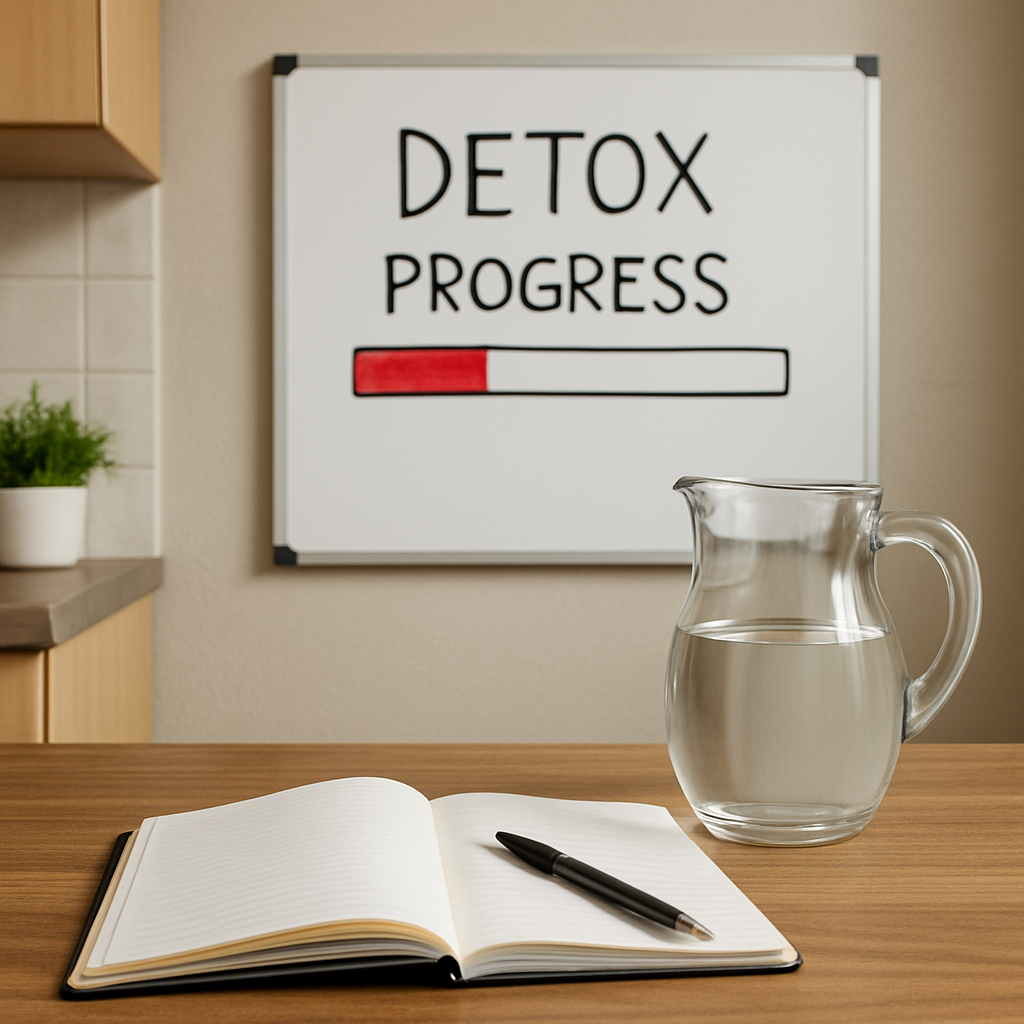
Humans love seeing something move. Put a whiteboard in the kitchen and draw a simple bar that fills up with each successful day of detox. When the bar hits 100 %, you’ve got a visual cue that says, “We made it.” It’s a low‑tech version of a habit‑tracker app, but it lives right where you’re already grabbing water.
If you prefer digital, a spreadsheet works just as well. Color‑code cells: green for stable vitals, yellow for mild discomfort, red for anything that needs immediate attention.
When to follow up with the detox center
Most medically‑supervised programs provide a 24‑hour hotline. Keep that number on the fridge next to the emergency contacts you already listed. Call them if you notice:
- Persistent high fever or shaking
- Severe nausea that won’t let them keep fluids down
- Sudden changes in mental status (confusion, extreme agitation)
These red flags aren’t meant to scare you—they’re the exact moments when a professional voice can adjust medication or suggest a short‑term hospital stay.
Plan the post‑detox handoff
Detox ends, but recovery continues. Before the discharge paperwork lands on the table, ask the team for a concrete after‑care roadmap. That should include:
- A scheduled follow‑up appointment (often within 3‑5 days)
- One or two local outpatient therapy options
- Contact info for a sober‑living or support‑group liaison
In our experience, families that walk away with a printed plan are far less likely to fall back into old patterns. If the center can’t give you a name, ask them to recommend a reputable provider. A quick Google search for young adult rehab programs can fill that gap.
And here’s a tiny secret: set a reminder on your phone for the first after‑care appointment. Treat it like a doctor’s visit—you wouldn’t miss that, right?
Finally, give yourself some grace. Some days will feel like a win, others like a setback. The key is consistency, not perfection. If a day feels off, note it, call the hotline, and move on. The momentum you build today will be the foundation for tomorrow’s sobriety.
If at any point you feel the process slipping—whether it’s a missed medication dose, a sudden surge of cravings, or just plain overwhelm—pick up the phone now. A quick call to our compassionate team can untangle the knot before it tightens.
Take a breath, trust the checklist, and remember: tracking isn’t about policing; it’s about caring for the person you love, one data point at a time.

Detox Options Comparison
When you type “detox near me” you’re probably wondering which kind of program actually fits your family’s needs. The truth is, not every detox is created equal, and the right choice depends on three things: medical monitoring, level of supervision, and after‑care support.
In our experience, families fall into three main buckets. Below is a quick side‑by‑side look so you can see at a glance what each option delivers and where it might fall short.
What the options look like
| Option | Medical Monitoring | Supervision Level | After‑Care Support |
|---|---|---|---|
| Inpatient Medical Detox | 24‑hour vitals, physician on‑call | Live‑in staff, round‑the‑clock nursing | Structured discharge plan, therapy referrals |
| Outpatient Med‑Assisted Detox | Daily nurse check‑ins, medication dosing | Visits 2‑3 times/week, home‑based | Scheduled follow‑up appointments, group support |
| Home‑Based Detox Kit | Self‑reported vitals, optional telehealth | No on‑site staff, self‑managed | Online resources, limited phone triage |
So, which one feels right for you? If your loved one is in the middle of a heavy withdrawal, the inpatient route gives you that peace of mind—nurses are literally watching the clock for you. It’s pricey, but the cost often pays for the safety net you can’t get elsewhere.
On the other hand, outpatient med‑assisted detox can be a solid middle ground. You still get medication‑assisted withdrawal, but you stay at home, which can feel less intimidating. The catch? You need a stable support system at the house, and you must be diligent about the scheduled visits.
And then there are the DIY kits you see pop up when you search “detox near me.” They promise convenience, but they usually lack real‑time medical oversight. If you’re comfortable monitoring vitals yourself and have a trusted telehealth line, it might work for a mild case. Otherwise, it’s a gamble.
Here’s a quick decision checklist you can print out:
- Is the withdrawal severe (e.g., seizures, delirium tremens)? → Inpatient.
- Can you commit to regular clinic visits and have a caregiver at home? → Outpatient.
- Is the person already stable, with mild symptoms, and you have a telehealth doctor? → Home‑based kit.
Remember, the safest path isn’t always the cheapest, but it’s the one that keeps the person alive and comfortable while the body clears out toxins.
If you’re still on the fence, pick up the phone now. A quick call to our compassionate team at (555) 123‑4567 can walk you through these options, match you with a local “detox near me” facility that meets the three‑pillars, and even fast‑track admission if time is critical.
Take a breath, compare the table, and then act. The sooner you choose, the sooner the detox can start, and the sooner your loved one can begin the road to recovery.
FAQ
What should I look for when I type “detox near me” into Google?
First, scan the snippet for words like “medical detox,” “24‑hour monitoring,” or “licensed facility.” Those three buzzwords usually mean there’s a doctor on call and vitals are being tracked. Next, click through to the admissions page and check for a clear outline of the medication‑assisted withdrawal protocol. If the site is vague about staff credentials or costs, it’s a red flag – move on to the next listing.
How long does a typical medical detox last?
It depends on the substance and severity, but most inpatient programs run between three and seven days for alcohol or opioids. Some people with milder symptoms may finish in five days, while complicated cases can stretch to ten days or more. The key is that detox isn’t “finished” until vital signs are stable and the person has a solid after‑care plan. Ask the center for a personalized timeline rather than a one‑size‑fits‑all estimate.
Will my insurance cover a detox center I find locally?
Most major insurers cover medically supervised detox, but the coverage details vary. Call the center’s financial counselor and ask for a written estimate that breaks down what the policy will pay and what you’ll owe out‑of‑pocket. Verify that the facility is in the insurer’s network; otherwise you could be stuck with a huge bill. If the answer is unclear, give us a call at (555) 123‑4567 and we’ll help you untangle the paperwork.
Can I safely do a detox at home with an over‑the‑counter kit?
Home‑based kits can work for very mild withdrawal, but they lack real‑time medical oversight. If you’re monitoring vitals, have a trusted telehealth line, and can call emergency services at a moment’s notice, the risk drops. For anything beyond mild symptoms – tremors, nausea, anxiety spikes – an inpatient or outpatient program is the safer route. Remember, the cost of a complication far outweighs the price of professional care.
What signs tell me my loved one needs inpatient detox instead of outpatient?
Look for severe cravings, uncontrollable shaking, a history of seizures, or delirium tremens. If the person can’t stay hydrated, is vomiting frequently, or has a co‑occurring medical condition (like heart disease), they need 24‑hour monitoring. Also, if you don’t have a reliable caregiver at home to administer meds and watch vitals, inpatient care is the prudent choice. When in doubt, a quick call to a detox intake line can clarify the right level of care.
How should I prepare my home for a detox that’s happening at a facility?
Before the admission day, clear the bedroom of any alcohol bottles, drug paraphernalia, or triggers. Stock a small “recovery basket” with water, electrolyte drinks, bland snacks like crackers, and a favorite blanket. Write down emergency contacts – the detox center’s 24‑hour line, your doctor, and the local poison control number – and tape them to the fridge. Those simple steps keep the environment calm and give you peace of mind while the professional team does the heavy lifting.
Still have questions or need help navigating the options? Pick up the phone now and talk to a compassionate specialist at (555) 123‑4567. We’ll match you with a “detox near me” facility that meets the three‑pillars you’ve learned about, and fast‑track admission if time is critical.
Conclusion
We’ve walked through everything from spotting the right facility to prepping the home and tracking every symptom. If any of those steps felt overwhelming, you’re not alone – families we help face the same maze.
So, what’s the next move? Pick up the phone right now and talk to a compassionate specialist. A quick call to (555) 123‑4567 can verify insurance, lock in a “detox near me” bed, and give you a concrete after‑care roadmap.
Remember, the safest path isn’t always the cheapest, but it’s the one that keeps your loved one alive and comfortable while the body clears out toxins. In our experience, families who act within 24 hours shave days off the withdrawal timeline and avoid dangerous complications.
Take a breath, trust the checklist you’ve built, and let a professional handle the paperwork. You deserve peace of mind, and your loved one deserves a medically‑supervised environment.
Don’t wait for another sleepless night. Call now, get the support you need, and start the recovery journey together.
Every minute you hesitate gives withdrawal symptoms a chance to intensify. By calling today you secure professional monitoring, medication adjustments, and a clear path forward – the exact safety net families like yours have relied on right now.


